Apply Now Programmes Virtual Tour CT-SET 2026 Ph.D
Admissions
Open 2026-27
Apply now
Apply Now
Home  /  Programmes  /  Masters of Physiotherapy (MPT)

Masters of Physiotherapy (MPT)

Duration: 2 Years Category: Postgraduate Programs

Programme Details

About the Programme

School of Allied and Healthcare, CT University offers 2 years Master of Physiotherapy Programme. It provides rigorous foundations of core physiotherapy combination of theoretical core concepts with practical training of physiotherapy skills which equips the students to be industry ready. Objective of this programme is to compete with well-established academic institutions in India and abroad.

Industry Immersion

MPT gives students practical and theoretical knowledge that is required to become physiotherapists. Through the course curriculum students get knowledge with the help of case studies, clinical methodology, classrooms teaching and presentation etc It helps develop knowledge of physiotherapy.

Eligibility Criteria

He/she has passed the Bachelor of Physiotherapy recognized by any recognized University with pass marks (50%)

Register Now

Why Choose CT University

Why CT University is the Right Choice for Your Future

CT University Campus

At CT University, we combine industry-integrated learning and global academic partnerships, backed by the CT Group's 30+ year legacy, to prepare students for careers that actually last.

Industry-oriented
learning

Modern campus
facilities

Academic excellence &
mentorship

Global opportunities &
placements

Fee Structure & Scholarships

Program Fee Details

Fee Type Amount
Programme Fees (per Semester) ₹45000
Examination Fees ₹3000
International Fee (USD) $4500

Course Curriculum

1ST YEAR SUBJECTS

Develops understanding of legal, ethical, administrative, leadership, and educational principles relevant to professional physiotherapy practice.
Course Outcome:
CO1: Explain the principles of healthcare laws, professional ethics, patient rights, and legal responsibilities relevant to physiotherapy practice.
CO2: Describe ethical principles including autonomy, beneficence, non-maleficence, justice, confidentiality, informed consent, and professional accountability.
CO3: Explain the principles of administration, healthcare management, leadership, human resource management, and organization of physiotherapy services.
CO4: Apply principles of planning, organizing, delegation, communication, documentation, quality assurance, and risk management in physiotherapy practice.
CO5: Explain the principles and methods of teaching, learning, curriculum planning, assessment, and evaluation in physiotherapy education.
CO6: Demonstrate ethical, legal, administrative, leadership, and educational competencies required for professional and patient-centred physiotherapy practice.

Develops competencies in research methodology, biostatistical analysis, critical appraisal of scientific literature, and application of evidence-based practice in physiotherapy.
Course Outcome:
CO1: Explain the principles, scope, and importance of research methodology, biostatistics, and evidence-based practice in physiotherapy.
CO2: Formulate research problems, objectives, hypotheses, research questions, and appropriate study designs relevant to physiotherapy.
CO3: Describe sampling methods, data collection techniques, research tools, validity, reliability, and principles of research ethics.
CO4: Apply appropriate descriptive and inferential statistical methods for analysis and interpretation of physiotherapy research data.
CO5: Critically appraise scientific literature and integrate the best available evidence with clinical expertise and patient preferences.
CO6: Develop and communicate evidence-based research findings appropriately for clinical practice, academic dissemination, and professional decision-making.

Provides advanced knowledge of human biomechanics and therapeutic principles for the assessment, planning, and application of evidence-based physiotherapy interventions.
Course Outcome:
CO1: Explain advanced principles of biomechanics, kinesiology, movement analysis, and mechanical behaviour of the human body.
CO2: Analyze posture, gait, joint movement, muscle function, forces, loads, and mechanical stresses in normal and pathological conditions.
CO3: Explain the physiological and therapeutic principles of advanced physiotherapy modalities and therapeutic interventions.
CO4: Select and apply appropriate therapeutic techniques based on biomechanical assessment, clinical findings, functional limitations, and patient goals.
CO5: Evaluate the effectiveness and safety of therapeutic interventions using appropriate clinical outcome measures.
CO6: Integrate biomechanical analysis and evidence-based therapeutic principles to develop individualized and patient-centred physiotherapy management plans.

Develops advanced skills in physical and functional assessment, clinical reasoning, differential diagnosis, and formulation of specialty-specific physiotherapy management plans.
Course Outcome:
CO1: Explain the principles and procedures of advanced physical and functional assessment relevant to the selected physiotherapy specialty.
CO2: Perform comprehensive subjective and objective assessment including history taking, physical examination, functional evaluation, and appropriate clinical measurements.
CO3: Interpret clinical findings, special tests, functional measures, and relevant investigations to identify impairments, activity limitations, and participation restrictions.
CO4: Formulate appropriate physiotherapy diagnoses and clinical problem lists based on assessment findings and evidence-based reasoning.
CO5: Apply appropriate standardized outcome measures and diagnostic tools to establish baseline status and monitor patient progress.
CO6: Develop individualized treatment goals and management plans based on clinical diagnosis, functional needs, patient preferences, and expected outcomes.

Facilitates acquisition, refinement, and demonstration of advanced clinical and professional physiotherapy skills within the chosen specialty.
Course Outcome:
CO1: Demonstrate proficiency in advanced physiotherapy assessment and treatment skills relevant to the selected specialty under appropriate supervision.
CO2: Perform therapeutic exercises, manual therapy, electrotherapy, functional training, and other specialty-specific interventions using appropriate techniques.
CO3: Demonstrate appropriate clinical reasoning in selecting, modifying, progressing, and documenting physiotherapy interventions.
CO4: Apply appropriate patient positioning, handling, transfer, mobilization, and safety techniques during physiotherapy procedures.
CO5: Evaluate treatment responses using appropriate clinical and functional outcome measures and modify interventions accordingly.
CO6: Demonstrate professional communication, infection control, ethical practice, patient safety, and competency in delivering patient-centred physiotherapy care.

Provides supervised clinical exposure for integrating theoretical knowledge, assessment, clinical reasoning, therapeutic skills, patient care, and professional practice in real-world healthcare settings.
Course Outcome:
CO1: Integrate theoretical knowledge and advanced physiotherapy skills into supervised clinical practice within the selected specialty.
CO2: Conduct comprehensive patient assessment, establish physiotherapy diagnosis, formulate treatment goals, and develop individualized management plans.
CO3: Demonstrate appropriate selection and application of evidence-based physiotherapy interventions according to patient needs and clinical findings.
CO4: Monitor patient response, evaluate treatment outcomes, modify interventions, and maintain accurate clinical documentation.
CO5: Demonstrate effective communication, counselling, teamwork, professional ethics, confidentiality, infection control, and patient safety in clinical settings.
CO6: Demonstrate clinical reasoning, problem-solving, professional responsibility, and progressive competence in specialty-based physiotherapy practice.

Develops research competencies through research problem formulation, literature review, methodology planning, and preparation for dissertation work.
Course Outcome:
CO1: Identify and formulate a relevant research problem in physiotherapy based on literature gaps and clinical needs.
CO2: Conduct a comprehensive literature review and critically analyze relevant scientific evidence related to the selected research topic.
CO3: Develop an appropriate research protocol including objectives, methodology, study design, sampling, outcome measures, and ethical considerations.
CO4: Demonstrate appropriate procedures for data collection, research documentation, participant protection, and maintenance of research integrity.
CO5: Apply appropriate statistical and analytical methods to organize and interpret the collected research data.
CO6: Prepare and present the dissertation work in an appropriate scientific format, demonstrating critical thinking, evidence-based reasoning, and academic integrity.
MPT 1st (Specialty Electives)

Develops advanced knowledge and skills in clinical, physical, and functional assessment of musculoskeletal conditions, including clinical reasoning and formulation of physiotherapy diagnoses.
Course Outcome:
CO1: Explain the principles of advanced clinical, physical, and functional assessment of patients with musculoskeletal conditions.
CO2: Perform comprehensive subjective and objective assessments, including history taking, observation, palpation, range of motion, muscle strength, and functional testing.
CO3: Select and perform appropriate special tests and standardized outcome measures for common musculoskeletal disorders.
CO4: Interpret clinical findings and relevant investigations to identify impairments, activity limitations, participation restrictions, and physiotherapy diagnoses.
CO5: Apply clinical reasoning to differentiate musculoskeletal conditions and identify indications for further investigation, referral, or multidisciplinary management.
CO6: Formulate individualized, evidence-based physiotherapy goals and management plans based on clinical diagnosis, functional status, patient needs, and expected outcomes.

Develops advanced competencies in neurological assessment, functional evaluation, clinical reasoning, and identification of impairments and activity limitations in patients with neurological disorders.
Course Outcome:
CO1: Explain the principles of advanced neurological, physical, and functional assessment relevant to neuro-physiotherapy practice.
CO2: Perform comprehensive neurological assessment including mental status, cranial nerves, motor and sensory functions, reflexes, coordination, balance, and gait.
CO3: Apply appropriate standardized neurological and functional assessment tools to establish baseline status and monitor patient progress.
CO4: Interpret clinical findings and relevant investigations to identify neurological impairments, activity limitations, and participation restrictions.
CO5: Apply clinical reasoning to formulate physiotherapy diagnoses and differentiate common neurological conditions requiring physiotherapy intervention or referral.
CO6: Develop individualized, evidence-based rehabilitation goals and management plans based on neurological findings, functional limitations, patient needs, and expected outcomes.

Provides advanced knowledge of sports-related injuries, mechanisms of injury, clinical assessment, rehabilitation principles, injury prevention, and return-to-sport strategies.
Course Outcome:
CO1: Explain the mechanisms, risk factors, clinical presentation, and pathophysiology of common sports injuries.
CO2: Assess acute and chronic sports injuries using appropriate history taking, physical examination, special tests, and functional assessment techniques.
CO3: Identify and differentiate common musculoskeletal injuries involving muscles, tendons, ligaments, bones, joints, and other structures in athletes.
CO4: Explain the principles of immediate injury management, rehabilitation, prevention, and safe return-to-sport following sports-related injuries.
CO5: Design individualized, evidence-based rehabilitation programmes incorporating therapeutic exercise, functional training, manual therapy, and appropriate physiotherapy modalities.
CO6: Apply injury prevention, sports-specific conditioning, load management, patient education, and multidisciplinary approaches to optimize athletic performance and reduce the risk of reinjury.

2ND YEAR SUBJECTS

Provides advanced understanding of physiological responses and adaptations to exercise, physical activity, training, fatigue, and exercise prescription in health and disease.
Course Outcome:
CO1: Explain the physiological responses and adaptations of the cardiovascular, respiratory, neuromuscular, and metabolic systems to exercise.
CO2: Describe the principles of energy metabolism, exercise intensity, endurance, strength, fatigue, recovery, and training adaptation.
CO3: Assess physiological responses to exercise using appropriate clinical and functional assessment methods.
CO4: Explain the effects of exercise on individuals with different health conditions and physical fitness levels.
CO5: Design and prescribe safe, individualized exercise programmes based on physiological responses, clinical findings, functional capacity, and patient goals.
CO6: Evaluate exercise outcomes and modify exercise programmes using evidence-based principles, appropriate monitoring, and safety considerations.

Develops advanced theoretical and clinical knowledge of the selected physiotherapy specialty, including assessment, clinical reasoning, and evidence-based management.
Course Outcome:
CO1: Explain advanced concepts, principles, and current clinical approaches relevant to the selected physiotherapy specialty.
CO2: Describe the pathophysiology, clinical presentation, functional limitations, and rehabilitation needs of conditions encountered within the specialty.
CO3: Perform comprehensive specialty-specific assessment and interpret clinical findings using appropriate diagnostic and functional outcome measures.
CO4: Formulate physiotherapy diagnoses, treatment goals, and individualized evidence-based management plans for patients within the specialty.
CO5: Apply advanced therapeutic interventions and clinical reasoning to manage complex patient conditions safely and effectively.
CO6: Evaluate treatment outcomes and integrate multidisciplinary, patient-centred, and evidence-based approaches into specialty physiotherapy practice.

Explores contemporary developments, emerging technologies, innovative interventions, and current evidence relevant to the selected physiotherapy specialty.
Course Outcome:
CO1: Explain emerging concepts, innovations, technologies, and evidence-based developments in the selected physiotherapy specialty.
CO2: Critically review recent scientific literature and clinical evidence related to contemporary specialty-based physiotherapy practice.

CO3: Describe advanced assessment tools, therapeutic techniques, technologies, and rehabilitation approaches introduced in the specialty.
CO4: Evaluate the clinical effectiveness, applicability, advantages, limitations, and safety of recent advances in physiotherapy practice.
CO5: Integrate appropriate recent advances with established physiotherapy principles to develop individualized and evidence-based treatment strategies.
CO6: Demonstrate lifelong learning and professional development by critically applying emerging evidence and innovations to improve patient outcomes and quality of care.

Provides advanced research training through implementation of the approved research protocol, data collection, analysis, interpretation, and preparation of the dissertation.
Course Outcome:
CO1: Conduct the approved research study systematically in accordance with the research protocol, ethical requirements, and defined objectives.
CO2: Demonstrate appropriate skills in participant recruitment, data collection, data management, and maintenance of research records.
CO3: Apply appropriate statistical and analytical methods to analyze research data and interpret findings accurately.
CO4: Critically discuss research findings in relation to existing literature, clinical relevance, study limitations, and future research directions.
CO5: Prepare a comprehensive dissertation using appropriate scientific writing, referencing, data presentation, research ethics, and academic standards.
CO6: Present and defend the research findings effectively, demonstrating critical thinking, evidence-based reasoning, research integrity, and contribution to physiotherapy practice.

Provides advanced opportunities to refine specialty-specific clinical, technical, communication, and professional competencies through structured practice and competency-based learning.
Course Outcome:
CO1: Demonstrate advanced competency in assessment and intervention techniques relevant to the selected physiotherapy specialty.
CO2: Apply advanced manual therapy, therapeutic exercise, functional rehabilitation, electrotherapy, and specialty-specific treatment techniques appropriately.
CO3: Demonstrate clinical reasoning in selecting, sequencing, progressing, and modifying interventions according to individual patient needs.
CO4: Perform advanced patient handling, positioning, mobilization, functional training, and safety procedures effectively.
CO5: Evaluate treatment effectiveness using appropriate outcome measures and modify interventions based on patient response and clinical progress.
CO6: Demonstrate professional competence, ethical practice, effective communication, infection control, patient safety, and confidence in advanced physiotherapy skills.

Provides advanced supervised clinical training to integrate theoretical knowledge, clinical reasoning, assessment, intervention, patient education, and professional practice in specialized healthcare settings.
Course Outcome:
CO1: Integrate advanced theoretical knowledge, clinical reasoning, and specialty-specific skills in supervised physiotherapy practice.
CO2: Conduct comprehensive assessment and formulate physiotherapy diagnoses and individualized management plans for patients with complex clinical conditions.
CO3: Apply advanced, evidence-based physiotherapy interventions and rehabilitation strategies appropriate to patient needs and functional goals.
CO4: Monitor, evaluate, and document patient progress using appropriate clinical outcome measures and modify treatment plans accordingly.
CO5: Demonstrate effective patient education, counselling, communication, multidisciplinary collaboration, ethical conduct, confidentiality, and professional accountability.
CO6: Demonstrate progressive clinical independence, problem-solving, leadership, patient safety, and readiness for competent specialty-based physiotherapy practice.
MPT 2nd (Specialty Electives)

Provides advanced knowledge and clinical application of physiotherapy assessment and management of musculoskeletal disorders, including evidence-based therapeutic interventions and rehabilitation strategies.
Course Outcome:
CO1: Explain advanced concepts, pathophysiology, clinical presentation, and functional implications of musculoskeletal conditions.
CO2: Perform comprehensive musculoskeletal assessment using appropriate clinical examination techniques, special tests, and standardized outcome measures.
CO3: Formulate physiotherapy diagnoses and identify impairments, activity limitations, and participation restrictions using advanced clinical reasoning.
CO4: Develop and implement individualized, evidence-based physiotherapy management plans using therapeutic exercise, manual therapy, electrotherapy, and functional rehabilitation.
CO5: Evaluate patient response to treatment using appropriate outcome measures and modify interventions according to clinical progress and functional goals.
CO6: Apply patient-centred, multidisciplinary, and evidence-based approaches to optimize function, prevent recurrence, and improve quality of life in musculoskeletal conditions.

Covers emerging technologies, contemporary assessment techniques, innovative therapeutic interventions, and current evidence in musculoskeletal physiotherapy practice.
Course Outcome:
CO1: Explain emerging concepts, technologies, assessment methods, and therapeutic interventions in musculoskeletal physiotherapy.
CO2: Critically review recent scientific literature and evidence related to contemporary musculoskeletal physiotherapy practice.
CO3: Describe the clinical applications of advanced exercise therapy, manual therapy, rehabilitation technologies, and other emerging interventions.
CO4: Evaluate the effectiveness, safety, clinical applicability, benefits, and limitations of recent advances in musculoskeletal physiotherapy.
CO5: Integrate relevant advances and current evidence into individualized, evidence-based clinical decision-making and rehabilitation programmes.
CO6: Demonstrate lifelong learning and professional development by applying emerging evidence and innovations to improve patient outcomes and quality of musculoskeletal physiotherapy care.

Provides advanced knowledge of neurological disorders and their assessment, clinical presentation, functional limitations, and physiotherapy management across the continuum of care.
Course Outcome:
CO1: Explain advanced neurophysiological, pathological, and functional principles underlying neurological disorders and rehabilitation.
CO2: Perform comprehensive neurological and functional assessment of patients with central and peripheral neurological conditions.
CO3: Formulate physiotherapy diagnoses based on impairments, activity limitations, participation restrictions, and clinical findings.
CO4: Apply evidence-based neurorehabilitation approaches including therapeutic exercise, motor relearning, task-specific training, balance, gait, and functional rehabilitation.
CO5: Evaluate treatment effectiveness using appropriate neurological and functional outcome measures and modify interventions according to patient progress.
CO6: Develop patient-centred, goal-oriented, and multidisciplinary rehabilitation programmes to improve functional independence, participation, and quality of life.

Explores current research, emerging technologies, advanced rehabilitation approaches, and evidence-based practices in neurological physiotherapy.
Course Outcome:
CO1: Explain recent developments, emerging technologies, and contemporary rehabilitation approaches in neuro-physiotherapy.
CO2: Critically appraise current scientific evidence and clinical guidelines relevant to neurological rehabilitation.
CO3: Describe the applications of advanced technologies and interventions such as robotics, virtual reality, neuromodulation, wearable technologies, and technology-assisted rehabilitation.
CO4: Evaluate the effectiveness, safety, feasibility, and clinical applicability of emerging neurorehabilitation interventions.
CO5: Integrate current evidence, clinical expertise, and patient preferences into advanced neuro-physiotherapy decision-making and treatment planning.
CO6: Apply evidence-based innovations to improve functional recovery, participation, independence, and quality of life in individuals with neurological disorders.

Covers fundamental and advanced concepts of sports medicine, including sports injuries, assessment, rehabilitation, injury prevention, and return-to-sport principles.
Course Outcome:
CO1: Explain the fundamental and advanced concepts of sports medicine, sports injuries, athlete health, and performance.
CO2: Describe the mechanisms, risk factors, prevention, clinical presentation, and management principles of common sports-related injuries.
CO3: Apply appropriate principles of sports injury assessment, functional testing, exercise prescription, conditioning, and rehabilitation.
CO4: Explain the physiological, biomechanical, nutritional, psychological, and environmental factors influencing athletic performance and recovery.
CO5: Develop evidence-based injury prevention, rehabilitation, conditioning, and return-to-sport strategies for athletes.
CO6: Demonstrate multidisciplinary clinical reasoning and patient-centred approaches to optimize athlete health, performance, safe participation, and prevention of recurrent injuries.

Covers emerging trends, contemporary rehabilitation techniques, sports technology, injury prevention strategies, and evidence-based practices in sports physiotherapy.
Course Outcome:
CO1: Explain emerging concepts, technologies, assessment techniques, and therapeutic approaches in contemporary sports physiotherapy.
CO2: Critically appraise current research evidence, clinical guidelines, and literature related to sports rehabilitation and injury management.
CO3: Describe advanced approaches including sports-specific rehabilitation, load management, wearable technology, performance analysis, and technology-assisted interventions.
CO4: Evaluate the effectiveness, safety, applicability, and limitations of recent advances in sports physiotherapy.
CO5: Integrate current evidence, clinical expertise, athlete preferences, and sport-specific requirements into individualized rehabilitation programmes.
CO6: Apply evidence-based advances to optimize injury recovery, return-to-sport, performance, injury prevention, and long-term athlete health.

Program Outcomes & Features

Program Outcomes

  • Recognize the role of Physiotherapy in the context of the health needs of the community and National priorities in the health sector
  • Able to teach Physiotherapy with appropriate teaching methodology.
  • To appreciate the importance of clinical epidemiology, research ethics and advance in computer applications and formulate research process in physiotherapy.
  • Able to practice recent trends in investigative methods and intervention modalities in the field of physiotherapy.
  • Using an Evidence Based analysis interpret assessment findings and set realistic short- and long-term goals and undertake discharge plans.
  • To acquire knowledge and skills in various fields like  Exercise testing physiology  Movement analysis  Electro diagnosis  Physiotherapy Diagnosis
  • To acquaint with relevant education delivery system to be able to function as a health educator.
  • To apply general principles of Practice and understand their applications in enhancement of Physiotherapy Practice.

  • To understand various physiotherapy treatment models like physiotherapy and rehabilitation model.
  • Demonstrate professional and ethical behaviour appropriate to at least the minimum standard expected for a Physiotherapy Post Graduate.

Program Specific Outcomes

  • Advanced understanding of the relationship between structure and function of the musculoskeletal system of the healthy and diseased subjects.
  • Developing ability to analyse mechanisms underlying selected musculoskeletal conditions resulting from injury or disease processes.
  • Develop skills as a self‐directed learner, recognize continuing educational needs, use appropriate learning resources, and critically analsze relevant published literature in order to practice evidence‐based physiotherapy.
  • The ability to critically evaluate research literature in the area of anatomy, functional applied anatomy, and apply this information towards understanding the mechanisms operating in musculoskeletal conditions resulting from injury or disease.
  • Acquire sound theoretical knowledge of muscle physiology including muscle structure, mechanical properties, fibre types, neural activation, soreness, damage and adaptation, and the effects of aging, immobile/disuse, training, fatigue and spasticity on muscle.

Salient Features

  • To impart physiotherapy education of highest standards and set a benchmark in the field of physiotherapy.
  • To offer affordable physiotherapy education at postgraduate level.
  • To develop competency and skill sets in advanced physiotherapy assessment and techniques in physiotherapists.
  • To develop research competency among physiotherapists and develop teachers and administrators in the field of physiotherapy.
  • To have highly competent physiotherapy professionals in Cardiopulmonary, Orthopaedics, Neurology and Sports Physiotherapy.

Labs and Facilities

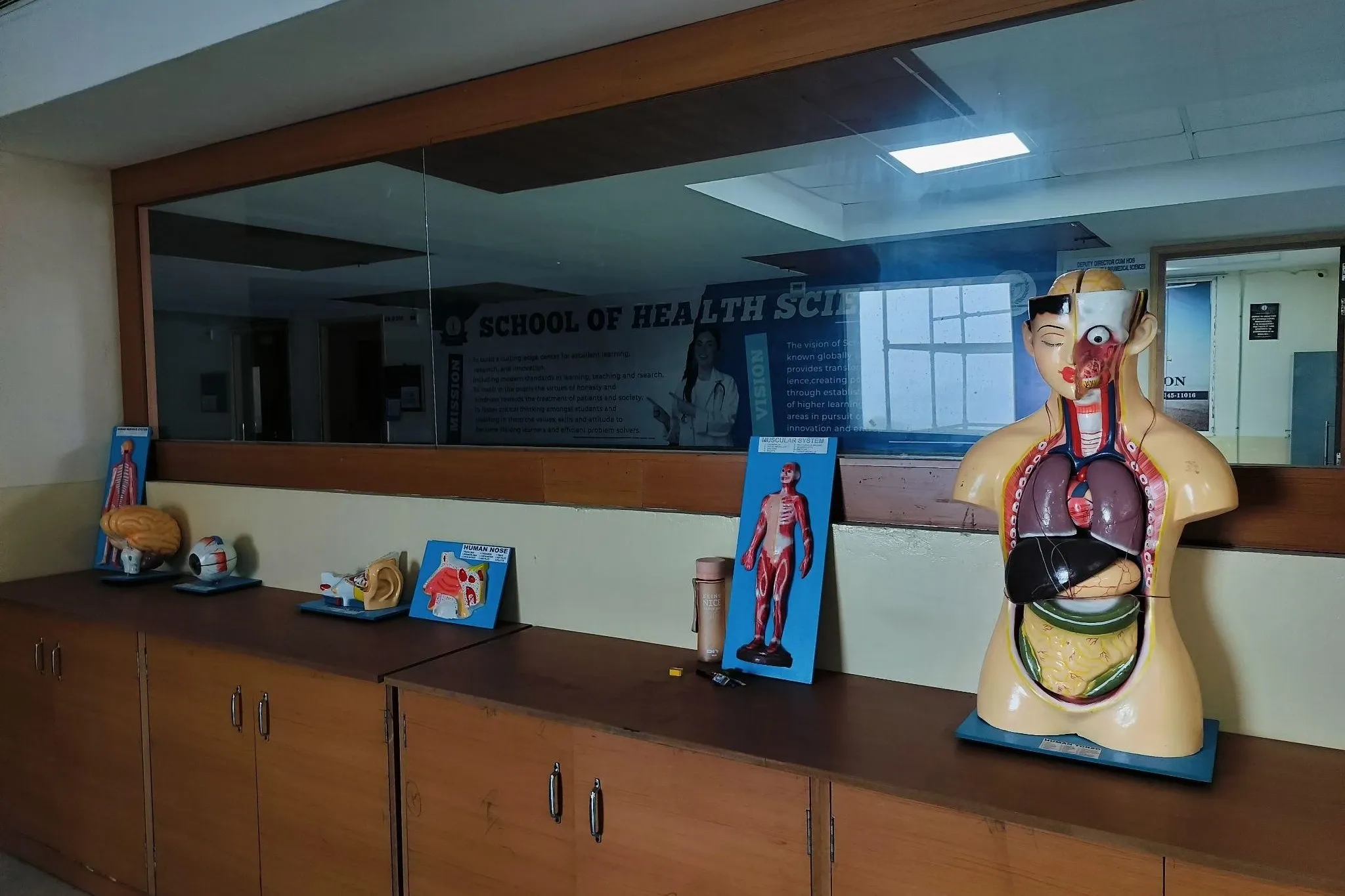
Anatomy & Physiology Lab

Anatomy & Physiology Lab

Offers anatomical models and physiological testing equipment to enhance understanding of h...

Explore
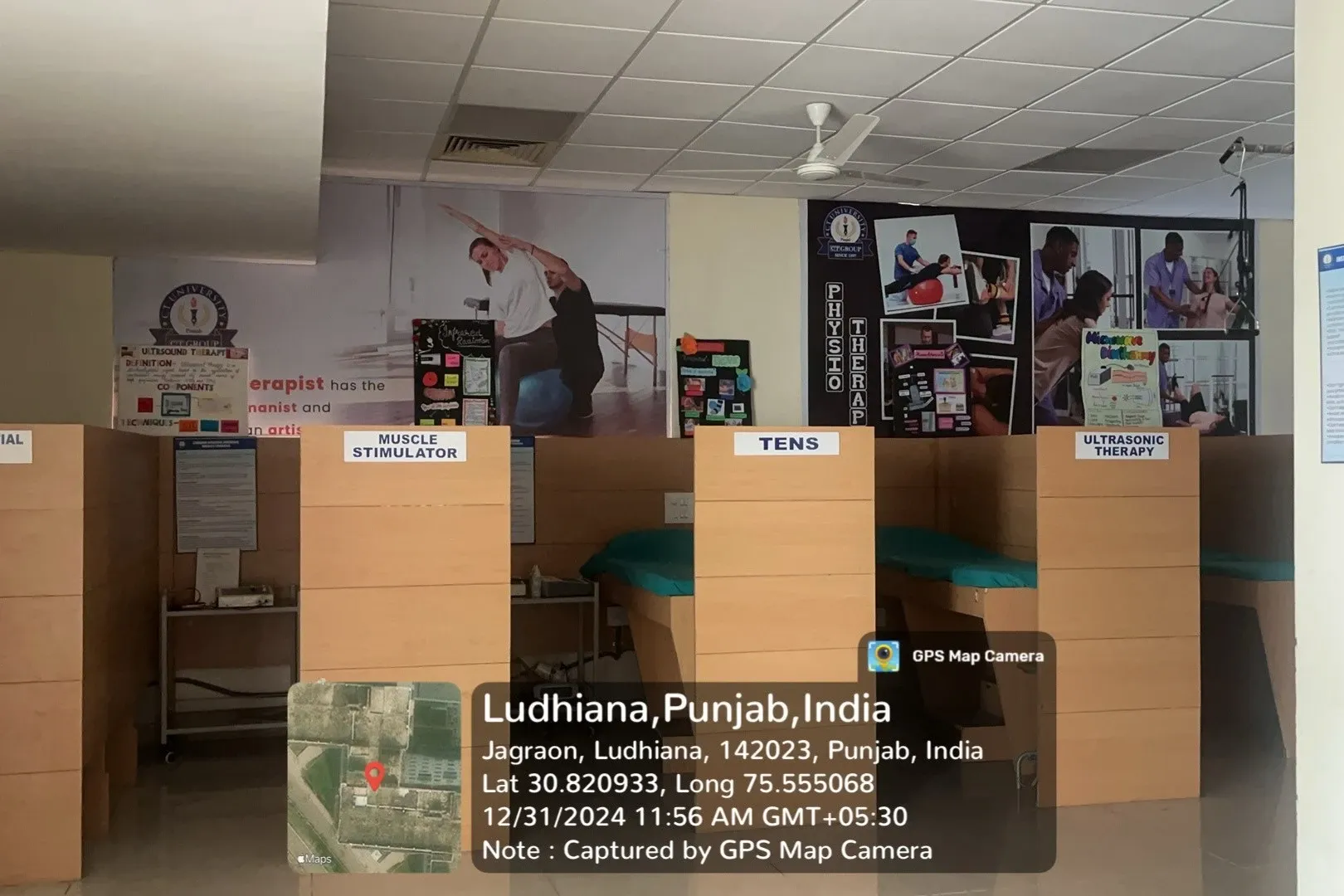
Physiotherapy OPD

Physiotherapy OPD

Provides rehabilitation tools, electrotherapy, and exercise therapy equipment for hands-on...

Explore

Backed by the Legacy of CT Group, Driven by Proven Success

20000+

Placements

800+

Collaborations

1.2Cr

Highest Placement

1800+

Recruiters

1 Lac+

Alumni

40Cr

WORTH SCHOLARSHIP

Hear From Our Students

"

"CT University’s commitment to excellence in education is reflected in its B.Sc. Physiotherapy program. The rigorous training, focus on evidence-based practice, and emphasis on patient rehabilitation have prepared me to provide effective and ethical physiotherapy care in my career."

"

"CT University ensures a well-rounded experience by balancing academics with extracurricular activities. Various workshops, competitions, and student-led initiatives kept me engaged and motivated, helping me grow both professionally and personally."

"

"The internships and clinical training opportunities at CT University provided me with hands-on experience in hospitals and rehabilitation centers. Working under expert supervision gave me the confidence and practical skills needed to excel as a physiotherapy professional."

"

"What I appreciate most about CT University is its focus on patient-centered care and ethical practices in physiotherapy. The program not only teaches technical skills but also emphasizes compassion, safety, and responsibility in rehabilitation, shaping us into better professionals and individuals."

"

"The infrastructure at CT University is unmatched. The well-equipped labs, including digital radiography and advanced CT and MRI simulators, allowed me to practice and refine my skills. The emphasis on quality assurance and safety protocols in imaging technology ensures that graduates are well-prepared for real-world challenges."

"

"The curriculum at CT University is both comprehensive and future-focused. The B.Sc. Radiology and Imaging Technology course introduced me to advanced imaging techniques like CT, MRI, and Ultrasound, while also teaching me essential soft skills. Thanks to the guidance and placement opportunities provided, I secured a position in a reputed hospital before graduating."

"

"CT University stands out for its student-centric approach. The B.Sc. Radiology program is designed to meet industry standards, and the professors are always approachable and ready to assist. The emphasis on practical learning and internships has given me confidence and clarity in my chosen field. I highly recommend this course to anyone interested in a career in radiology."

"

"My experience at CT University has been truly transformative. The B.Sc. Radiology and Imaging Technology course provides an exceptional blend of theoretical knowledge and hands-on training. The faculty's expertise and the university's state-of-the-art labs have helped me gain a deep understanding of modern imaging techniques. This course has prepared me well for my career in medical imaging."