Apply Now Programmes Virtual Tour CT-SET 2026 Ph.D
Admissions
Open 2026-27
Apply now
Apply Now
Home  /  Programmes  /  Master of Optometry

Master of Optometry

Duration: 2 Years Category: Postgraduate Programs

Programme Details

About the Programme

  • Optometry is a health care profession which deals with the examination, diagnosis, treatment and management of disease and disorders of eye and the visual system.
  • Mission of the department is to prevent and promote eye care and visual health by care providing better service which includes preparing individual for careers in optometry, the ophthalmic industry and vision science and also advancing knowledge through awareness, teaching, service and research.
  • Having a revolutionary impact on students by focusing on deep inter-disciplinary knowledge, getting practical as well as theoretical concept of Optometry, focusing on leadership, communication and interpersonal skills, personal health and well-being.
  • Creating best of educational experience by engaging with partners outside the traditional borders of University campus.By engaging in a network of Hospitals & other Healthcare providing facilities to create a job-oriented field. Cultivating productive community by attracting and retaining diverse, best talent and such an environment where research, innovation, creativity and entrepreneurship can flourish.
  • Those who get their placement will be known as Optometrist, Consultant Optometrist, contact lens specialist, vision specialist, low vision specialist based on working area.
  • To give students the best knowledge by the most innovative methods and also provide hospital exposure to work on clinical examination, diagnosis various disease, working on specialty contact lens , vision therapy , low vision special cases, ocular prosthesis, counseling and management.

Industry Immersion

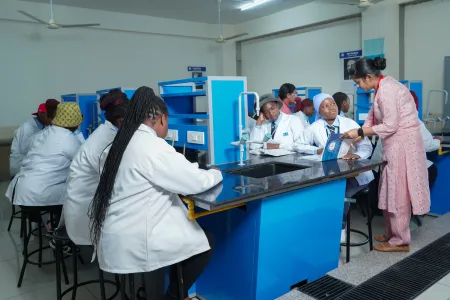
The industry immersion component of a Master of Optometry program involves hands-on experiences within clinical and professional settings. Students typically engage in internships or clinical rotations in eye care facilities, hospitals, or private practices. This immersion allows them to apply theoretical knowledge to real-world scenarios, enhance their clinical skills, and gain exposure to diverse patient cases. It also provides opportunities for networking with experienced optometrists, ophthalmologists, and other healthcare professionals. Through this industry immersion, students develop a deep understanding of the practical aspects of optometry, preparing them for a successful and impactful career in eye care and vision health.

Eligibility Criteria

Bachelor of Optometry or equivalent from a recognised university with minimum 5.5 CGPA

Register Now

Why Choose CT University

Why CT University is the Right Choice for Your Future

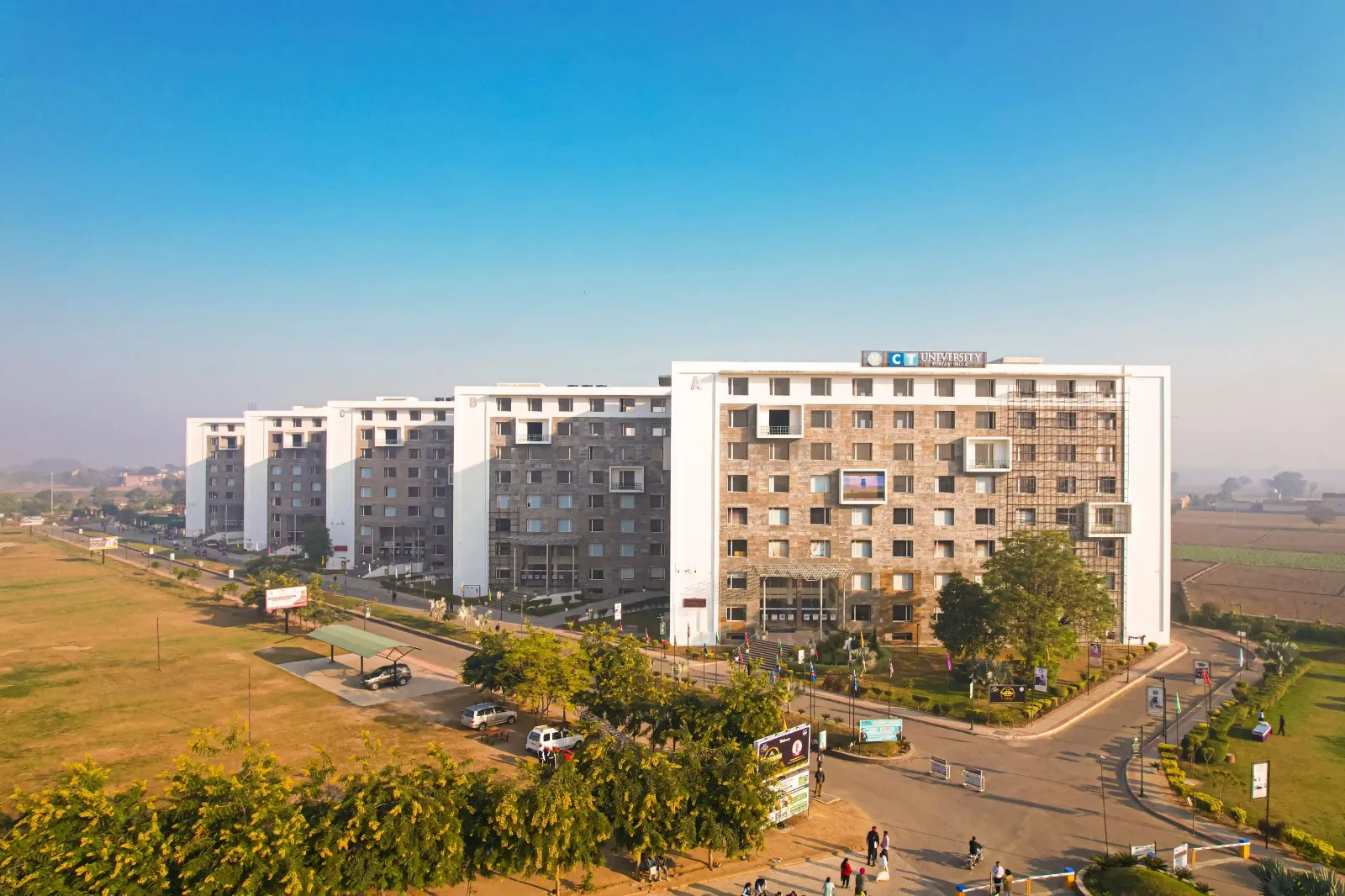
CT University Campus

At CT University, we combine industry-integrated learning and global academic partnerships, backed by the CT Group's 30+ year legacy, to prepare students for careers that actually last.

Industry-oriented
learning

Modern campus
facilities

Academic excellence &
mentorship

Global opportunities &
placements

Fee Structure & Scholarships

Program Fee Details

Fee Type Amount
Programme Fees (per Semester) ₹70000
Examination Fees ₹3500
International Fee (USD) $4500

Course Curriculum

1ST SEMESTER SUBJECTS

Provides advanced knowledge of ocular biology, including the structure, function, physiology, cellular processes, and biological mechanisms of the eye and visual system relevant to optometric practice.
Course Outcome:
CO1: Explain the advanced concepts of ocular anatomy, physiology, biochemistry, and cellular biology relevant to optometric practice.
CO2: Describe the structural and functional characteristics of ocular tissues and their role in maintaining normal vision.
CO3: Explain the biological mechanisms involved in ocular development, aging, inflammation, and common ocular disorders.
CO4: Correlate ocular biological processes with clinical signs, symptoms, and functional changes in patients.
CO5: Apply knowledge of ocular biology to understand the pathophysiology and progression of common ocular and systemic conditions affecting vision.
CO6: Integrate ocular biological knowledge with clinical assessment and evidence-based optometric decision-making.

Develops advanced competencies in ocular assessment and diagnostic procedures, including clinical examination, interpretation of diagnostic findings, and evidence-based management of common ocular conditions.
Course Outcome:
CO1: Explain the principles, applications, and clinical significance of advanced ocular diagnostic procedures.
CO2: Demonstrate appropriate patient preparation, examination techniques, and use of advanced diagnostic instruments under professional standards.
CO3: Interpret findings from advanced ocular diagnostic investigations and correlate them with clinical conditions.
CO4: Evaluate ocular diagnostic data to support differential diagnosis, clinical decision-making, and patient management.
CO5: Apply principles of patient safety, infection control, documentation, and quality assurance during diagnostic procedures.
CO6: Integrate advanced diagnostic findings into evidence-based optometric management and appropriate referral decisions.

Develops competencies in research design, methodology, biostatistical analysis, critical appraisal, scientific writing, and application of evidence-based practice in optometry and vision science.
Course Outcome:
CO1: Explain the fundamental concepts, principles, and applications of research methodology and biostatistics in optometry and healthcare.
CO2: Formulate research questions, objectives, hypotheses, and appropriate study designs for optometric research.
CO3: Describe sampling methods, data-collection techniques, research variables, and principles of research ethics.
CO4: Apply appropriate descriptive and inferential statistical methods to organize, analyze, and interpret research data.
CO5: Critically evaluate scientific literature and interpret research findings using evidence-based principles.
CO6: Apply research methodology and biostatistical techniques to plan, conduct, analyze, and communicate optometry-related research.

Provides knowledge of intellectual property rights, including patents, copyrights, trademarks, research ownership, ethical use of intellectual property, and protection of innovations in optometry and healthcare.
Course Outcome:
CO1: Explain the fundamental concepts, scope, and significance of intellectual property rights in healthcare, education, and research.
CO2: Describe different forms of intellectual property including patents, copyrights, trademarks, designs, and trade secrets.
CO3: Explain the basic principles and procedures involved in protection, registration, licensing, and management of intellectual property.
CO4: Describe the relevance of intellectual property rights to optometric innovation, research, technology, and academic work.
CO5: Explain ethical and legal considerations related to plagiarism, authorship, ownership, publication, and use of intellectual property.
CO6: Apply basic intellectual property principles to protect, use, and responsibly manage academic and research innovations.

Develops research skills through formulation of a research problem, literature review, research planning, data collection, and initial application of research methodology under appropriate academic supervision.
Course Outcome:
CO1: Identify and formulate a relevant research problem in optometry or vision science based on a review of scientific literature.
CO2: Develop appropriate research objectives, hypotheses, study design, methodology, and research protocols.
CO3: Apply principles of research ethics, informed consent, participant safety, and responsible research conduct.
CO4: Demonstrate appropriate techniques for data collection, documentation, and management according to the approved research protocol.
CO5: Apply appropriate analytical and statistical approaches to organize and interpret preliminary research data.
CO6: Prepare and present a structured research proposal or preliminary project report using appropriate scientific communication and referencing practices.

Develops competencies in digital teaching and learning through the use of educational technologies, digital resources, learning management systems, online assessment, and technology-enabled optometric education.
Course Outcome:
CO1: Explain the fundamental concepts, principles, and applications of digital pedagogy in higher and healthcare education.
CO2: Describe different digital learning platforms, learning management systems, online resources, and educational technologies.
CO3: Develop and organize digital learning content using appropriate instructional strategies and multimedia tools.
CO4: Apply digital assessment, feedback, communication, and learner-engagement techniques in educational settings.
CO5: Evaluate the effectiveness, accessibility, ethical use, and security of digital learning resources and platforms.
CO6: Design and implement learner-centered digital teaching and learning activities relevant to optometry and healthcare education.

Provides supervised clinical exposure to common systemic and general clinical conditions, enabling students to understand their ocular manifestations, perform appropriate assessment, and coordinate patient care with relevant healthcare professionals.
Course Outcome:
CO1: Demonstrate systematic clinical assessment and history-taking skills for patients presenting with common ocular and visual complaints.
CO2: Perform appropriate routine optometric examinations and document clinical findings accurately.
CO3: Interpret clinical findings to identify common refractive, binocular, accommodative, and ocular conditions.
CO4: Develop appropriate evidence-based management plans for routine optometric conditions within the scope of professional practice.
CO5: Demonstrate effective patient communication, counselling, infection control, documentation, and professional conduct in clinical practice.
CO6: Recognize ocular and systemic conditions requiring timely referral and coordinate appropriate multidisciplinary patient care.

Provides supervised clinical training in specialty areas of optometry, focusing on advanced ocular assessment, diagnosis, management, referral, and patient-centred care for specialty-specific conditions.
Course Outcome:
CO1: Explain the principles and clinical applications of specialty optometric services in the assessment and management of ocular conditions.
CO2: Perform appropriate specialty-specific history taking, clinical examination, and diagnostic procedures under professional supervision.
CO3: Interpret specialty optometry findings and correlate them with relevant ocular and systemic conditions.
CO4: Develop appropriate management, follow-up, rehabilitation, and referral plans based on clinical findings and patient needs.
CO5: Demonstrate appropriate use of specialty diagnostic instruments, documentation, infection control, and patient-safety practices.
CO6: Integrate specialty clinical findings with evidence-based practice to provide comprehensive, patient-centered optometric care.

Provides supervised community-based optometric experience through vision screening, eye-health education, identification of ocular and visual problems, referral, and promotion of preventive eye care within the community.
Course Outcome:
CO1: Explain the principles, objectives, and significance of community-based optometric and eye-care services.
CO2: Identify common ocular and visual health problems and risk factors within community populations.
CO3: Demonstrate appropriate methods of community-based vision screening, basic ocular assessment, and identification of individuals requiring referral.
CO4: Apply health education and counselling strategies related to eye health, preventive care, nutrition, hygiene, and healthy visual practices.
CO5: Demonstrate effective communication, teamwork, ethical conduct, and culturally appropriate interaction during community outreach activities.
CO6: Plan and participate in community eye-health initiatives and evaluate their contribution to early detection, referral, and prevention of visual impairment.

2ND SEMESTER SUBJECTS

Provides advanced clinical knowledge and practical competencies in contact lens assessment, fitting, prescribing, dispensing, follow-up, complication management, and patient education for diverse ocular conditions.
Course Outcome:
CO1: Explain the principles of contact lens design, materials, optics, indications, contraindications, and clinical applications.
CO2: Demonstrate comprehensive patient assessment, ocular examination, and contact lens-related history taking for appropriate lens selection.
CO3: Perform appropriate procedures for contact lens fitting, evaluation, insertion, removal, and patient education under professional standards.
CO4: Evaluate contact lens fit, comfort, vision, corneal response, tear-film interaction, and ocular health.
CO5: Identify and manage common contact lens-related complications and recognize conditions requiring modification or referral.
CO6: Develop evidence-based contact lens management plans with appropriate follow-up, hygiene counselling, documentation, and patient safety measures.

Develops advanced knowledge and skills in low vision assessment, functional vision evaluation, optical and non-optical aids, rehabilitation strategies, patient counselling, and multidisciplinary management of individuals with visual impairment.
Course Outcome:
CO1: Explain the principles, causes, classification, and functional impact of low vision and visual impairment.
CO2: Perform comprehensive low-vision assessment including visual acuity, contrast sensitivity, visual fields, and functional vision evaluation.
CO3: Evaluate the patient's visual, occupational, educational, and psychosocial needs for individualized low-vision care.
CO4: Select and demonstrate appropriate optical, non-optical, electronic, and environmental low-vision aids.
CO5: Develop individualized rehabilitation, counselling, training, and follow-up plans for patients with low vision.
CO6: Apply multidisciplinary and patient-centered approaches to maximize functional vision, independence, participation, and quality of life.

Explores emerging innovations and technologies in optometry, including digital tools, advanced diagnostic technologies, artificial intelligence, tele-optometry, and technology-driven approaches to improve clinical practice and patient care.
Course Outcome:
CO1: Explain the concepts, principles, and significance of innovation and emerging technologies in optometry and healthcare.
CO2: Identify emerging technologies, digital tools, devices, and innovative approaches relevant to eye care and vision science.
CO3: Analyze clinical and healthcare problems and propose innovative technology-based solutions.
CO4: Evaluate the effectiveness, feasibility, safety, accessibility, and ethical implications of emerging technologies in optometric practice.
CO5: Demonstrate basic skills in developing, presenting, or evaluating an innovative concept, prototype, digital solution, or technology-based intervention.
CO6: Apply innovation, critical thinking, entrepreneurship, and technology-oriented approaches to improve patient care, education, research, and professional practice.

Develops advanced research competencies through continuation of the research project, including data collection, analysis, interpretation, scientific writing, and presentation of research findings in accordance with ethical and scientific principles.
Course Outcome:
CO1: Implement the approved research methodology and study protocol systematically and ethically.
CO2: Collect, organize, document, and manage research data accurately while maintaining participant confidentiality and data integrity.
CO3: Apply appropriate statistical methods to analyze research data and evaluate the study objectives or hypotheses.
CO4: Interpret and critically discuss research findings in relation to existing scientific literature and clinical relevance.
CO5: Prepare a comprehensive scientific research report following appropriate academic, ethical, and referencing standards.
CO6: Present and defend research findings effectively and demonstrate scientific reasoning, integrity, critical thinking, and responsible research conduct.

Provides supervised clinical training in general optometry services, enabling students to independently perform comprehensive eye examinations, identify ocular and visual conditions, provide appropriate management, and make timely referrals.
Course Outcome:
CO1: Demonstrate advanced clinical history-taking, examination, and diagnostic skills for patients presenting with common ocular and visual conditions.
CO2: Perform comprehensive optometric assessments and accurately document clinical findings.
CO3: Interpret clinical and diagnostic findings to formulate appropriate differential diagnoses and clinical impressions.
CO4: Develop and implement evidence-based management and follow-up plans for routine optometric conditions within professional scope.
CO5: Demonstrate effective patient counselling, communication, infection control, documentation, and professional clinical conduct.
CO6: Recognize complex or sight-threatening ocular and systemic conditions and initiate appropriate referral and multidisciplinary management.

Provides advanced supervised clinical exposure in specialty optometry areas, focusing on specialized assessment, diagnostic interpretation, evidence-based management, patient counselling, and multidisciplinary referral where required.
Course Outcome:
CO1: Demonstrate advanced clinical skills in specialty areas of optometry through systematic patient assessment and diagnosis.
CO2: Perform appropriate specialty-specific diagnostic procedures and interpret relevant clinical findings.
CO3: Correlate specialty examination findings with ocular and systemic diseases to formulate appropriate clinical impressions.
CO4: Develop individualized, evidence-based management and rehabilitation plans for patients requiring specialty optometric care.
CO5: Demonstrate appropriate use of advanced diagnostic equipment, patient safety measures, infection control, documentation, and clinical decision-making.
CO6: Integrate specialty clinical knowledge, multidisciplinary collaboration, and patient-centered approaches to provide comprehensive optometric care.

Provides supervised community-based optometric training through comprehensive vision screening, eye-health promotion, community education, early identification of ocular conditions, referral services, and preventive eye-care initiatives.
Course Outcome:
CO1: Plan and conduct community-based eye-care and vision-health activities based on identified population needs.
CO2: Perform community vision screening and identify individuals requiring further ocular assessment or referral.
CO3: Apply appropriate strategies for early detection, prevention, and management of common causes of avoidable visual impairment.
CO4: Develop and deliver effective eye-health education and counselling programs for individuals and community groups.
CO5: Demonstrate leadership, teamwork, communication, ethical conduct, and culturally appropriate practices during community outreach activities.
CO6: Evaluate community eye-health interventions and use relevant findings to improve outreach planning, referral, and preventive eye-care services.

3RD SEMESTER SUBJECTS

Provides advanced clinical knowledge and practical competencies in specialized contact lens fitting, including complex lens designs, patient selection, fitting assessment, follow-up, complication management, and patient education.
Course Outcome:
CO1: Explain advanced concepts of contact lens materials, designs, optics, and their applications in complex clinical cases.
CO2: Perform comprehensive ocular and anterior segment assessment for advanced contact lens fitting.
CO3: Demonstrate advanced contact lens fitting, evaluation, modification, and follow-up procedures for different clinical requirements.
CO4: Evaluate corneal, tear-film, and ocular surface responses to contact lens wear and identify potential complications.
CO5: Develop individualized contact lens management plans for complex refractive and therapeutic indications.
CO6: Apply evidence-based clinical decision-making, patient counselling, hygiene practices, documentation, and follow-up in advanced contact lens care.

Develops advanced competencies in binocular vision assessment and management, including evaluation of ocular alignment, accommodation, vergence, stereopsis, and binocular vision disorders using evidence-based optometric approaches.
Course Outcome:
CO1: Explain the principles of binocular vision, ocular motor systems, accommodation, vergence, and sensory integration.
CO2: Perform comprehensive assessment of binocular vision, accommodation, vergence, and ocular motility.
CO3: Identify and classify common binocular vision and accommodative disorders based on clinical findings.
CO4: Interpret binocular vision test results and correlate findings with symptoms and functional visual performance.
CO5: Develop individualized evidence-based management plans including vision therapy, optical correction, and appropriate referral.
CO6: Evaluate treatment outcomes and provide appropriate counselling and follow-up for patients with binocular vision disorders.

Provides advanced knowledge and clinical skills in optometric rehabilitation, focusing on visual function assessment, rehabilitation strategies, assistive technologies, patient counselling, and improving functional independence in individuals with visual impairment.
Course Outcome:
CO1: Explain the principles, scope, and multidisciplinary approaches of vision rehabilitation for individuals with visual impairment.
CO2: Perform functional vision assessment to identify the visual, environmental, occupational, and educational needs of patients.
CO3: Select appropriate optical, non-optical, electronic, assistive, and environmental rehabilitation strategies.
CO4: Develop individualized vision rehabilitation plans based on functional limitations and patient-specific goals.
CO5: Demonstrate patient training, counselling, adaptation, and follow-up strategies to improve functional independence.
CO6: Apply multidisciplinary and patient-centered approaches to enhance participation, quality of life, and independence in individuals with visual impairment.

Develops knowledge and skills in optometric practice management, including clinic administration, leadership, human-resource management, financial planning, patient management, quality assurance, professional ethics, and healthcare service delivery.
Course Outcome:
CO1: Explain the fundamental principles and functions of optometric practice management.
CO2: Describe the organizational, financial, human-resource, inventory, and operational requirements of an optometric practice.
CO3: Apply principles of patient flow, appointment scheduling, record management, billing, inventory control, and service quality.
CO4: Explain professional, legal, ethical, regulatory, and documentation requirements relevant to optometric practice.
CO5: Develop strategies for effective patient communication, counselling, service promotion, teamwork, and practice development.
CO6: Apply management, leadership, problem-solving, and quality-improvement principles to establish and maintain efficient patient-centered optometric services.

Develops competencies in scientific communication, including scientific writing, literature presentation, research dissemination, professional communication, conference presentation, and effective communication of clinical and research findings.
Course Outcome:
CO1: Explain the principles and importance of scientific communication in optometry, healthcare, and research.
CO2: Demonstrate skills in reading, interpreting, evaluating, and summarizing scientific literature.
CO3: Prepare structured scientific documents including abstracts, reports, manuscripts, case reports, and research presentations.
CO4: Apply appropriate scientific language, referencing, citation, data presentation, and academic writing conventions.
CO5: Demonstrate effective oral and visual presentation skills for communicating scientific information to professional audiences.
CO6: Apply principles of research integrity, ethical authorship, plagiarism prevention, and responsible dissemination of scientific information.

Develops advanced research competencies through completion of the research project, including data analysis, interpretation, critical discussion, scientific writing, and dissemination of findings in accordance with ethical and academic standards.
Course Outcome:
CO1: Complete the approved research project systematically in accordance with the established research protocol and ethical requirements.
CO2: Collect, organize, validate, and manage research data while maintaining accuracy, confidentiality, and data integrity.
CO3: Apply appropriate statistical and analytical methods to evaluate research objectives, hypotheses, and outcomes.
CO4: Interpret and critically evaluate research findings in relation to existing literature and clinical relevance.
CO5: Prepare a comprehensive research dissertation/project report using appropriate scientific writing, referencing, and documentation standards.
CO6: Present and defend the research findings effectively and demonstrate critical thinking, scientific integrity, and evidence-based reasoning.

Provides supervised advanced clinical training in general optometry, enabling students to perform comprehensive eye examinations, interpret clinical findings, formulate management plans, provide patient counselling, and make appropriate referrals.
Course Outcome:
CO1: Demonstrate advanced clinical assessment and diagnostic skills for patients presenting with a broad range of ocular and visual conditions.
CO2: Perform comprehensive optometric examinations and integrate clinical findings from relevant diagnostic procedures.
CO3: Formulate appropriate differential diagnoses and clinical impressions based on history, examination, and investigation findings.
CO4: Develop and implement evidence-based management, follow-up, and patient counselling plans within the scope of optometric practice.
CO5: Demonstrate professional communication, documentation, infection control, patient safety, and ethical clinical practice.
CO6: Recognize complex, progressive, or sight-threatening conditions and initiate timely referral and multidisciplinary management.

Provides advanced supervised clinical experience in specialty optometry services, enabling students to apply specialized diagnostic and management skills, integrate clinical evidence, and provide patient-centred care for complex ocular and visual conditions.
Course Outcome:
CO1: Demonstrate advanced clinical competency in specialty areas of optometry through systematic assessment and evidence-based decision-making.
CO2: Perform and interpret appropriate specialty-specific diagnostic procedures and clinical investigations.
CO3: Correlate specialty clinical findings with ocular and systemic conditions to formulate appropriate diagnoses or clinical impressions.
CO4: Develop individualized management, rehabilitation, and follow-up plans for patients requiring specialty optometric care.
CO5: Demonstrate competent use of advanced diagnostic equipment while maintaining patient safety, infection control, and accurate documentation.
CO6: Integrate specialty knowledge, multidisciplinary collaboration, and patient-centered care to provide comprehensive and effective optometric services.

Provides supervised community-based optometry training through comprehensive vision screening, ocular health promotion, community education, early detection and referral of eye conditions, and implementation of preventive eye-care initiatives.
Course Outcome:
CO1: Plan, implement, and evaluate community-based eye-care programs according to identified population needs.
CO2: Conduct comprehensive community vision-screening activities and identify individuals requiring further diagnostic evaluation or referral.
CO3: Apply strategies for prevention, early detection, referral, and management of common causes of visual impairment at the community level.
CO4: Develop and deliver evidence-based eye-health education, counselling, and awareness programs for diverse populations.
CO5: Demonstrate leadership, teamwork, communication, ethical conduct, and culturally appropriate practices during community-based eye-care activities.
CO6: Evaluate community outreach outcomes and use findings to improve preventive eye-care services, referral systems, and community vision-health initiatives.

4TH SEMESTER SUBJECTS

Provides advanced knowledge and clinical skills in vision therapy and neuro-optometry, including assessment and management of binocular, accommodative, oculomotor, and visual-perceptual dysfunctions associated with neurological and developmental conditions.
Course Outcome:
CO1: Explain the principles of vision therapy, neuro-optometry, visual processing, and their clinical applications.
CO2: Perform comprehensive assessment of binocular vision, accommodation, ocular motility, visual perception, and related visual functions.
CO3: Identify and evaluate visual dysfunctions associated with neurological, developmental, traumatic, and acquired conditions.
CO4: Design individualized evidence-based vision therapy and neuro-optometric rehabilitation programs based on clinical findings.
CO5: Monitor treatment progress and evaluate functional outcomes using appropriate clinical assessment and documentation methods.
CO6: Apply multidisciplinary, patient-centered, and ethical approaches in the management and rehabilitation of patients with vision and neuro-optometric disorders.

Provides specialized knowledge of sports-related visual demands and optometric care, including sports vision assessment, visual performance training, protective eyewear, injury prevention, and optimization of visual skills for athletic performance.
Course Outcome:
CO1: Explain the principles and clinical significance of sports optometry in optimizing visual performance and athlete safety.
CO2: Assess visual functions relevant to sports performance, including visual acuity, contrast sensitivity, depth perception, accommodation, vergence, eye-hand coordination, and reaction time.
CO3: Identify visual limitations and ocular risks that may affect athletic performance and participation.
CO4: Develop individualized optometric strategies, including optical correction, protective eyewear, and visual training, based on sports-specific requirements.
CO5: Explain principles of ocular injury prevention, sports-related eye trauma management, and appropriate referral procedures.
CO6: Apply evidence-based sports optometry practices to enhance visual performance, promote ocular safety, and support athlete well-being.

Provides advanced research experience through completion, analysis, interpretation, and scientific presentation of the research project, with emphasis on evidence-based practice, ethical research conduct, and dissemination of findings.
Course Outcome:
CO1: Complete the research project systematically in accordance with the approved methodology, ethical requirements, and research objectives.
CO2: Organize, validate, analyze, and interpret research data using appropriate statistical and scientific methods.
CO3: Critically evaluate research findings and correlate them with existing scientific evidence and contemporary literature.
CO4: Discuss the clinical, scientific, and practical significance of the research findings, including limitations and implications.
CO5: Prepare and finalize a comprehensive research dissertation/project report following appropriate scientific writing, referencing, and documentation standards.
CO6: Effectively present and defend the research work while demonstrating scientific integrity, critical thinking, evidence-based reasoning, and responsible research conduct.

Provides supervised advanced clinical training in general optometry, enabling students to independently perform comprehensive eye examinations, formulate clinical assessments, provide evidence-based management, and make appropriate referrals.
Course Outcome:
CO1: Demonstrate advanced and independent clinical assessment skills for patients presenting with a wide range of ocular and visual conditions.
CO2: Integrate history, comprehensive optometric examination, and diagnostic findings to formulate appropriate clinical impressions and differential diagnoses.
CO3: Develop and implement evidence-based management and follow-up plans for routine and complex optometric conditions within professional scope.
CO4: Demonstrate competent patient counselling, communication, documentation, infection control, and patient-safety practices in clinical settings.
CO5: Recognize sight-threatening, systemic, and complex ocular conditions requiring urgent or specialized referral and multidisciplinary care.
CO6: Demonstrate professional competence, ethical decision-making, clinical reasoning, and patient-centered care in comprehensive optometric practice.

Provides advanced supervised clinical experience in specialty optometry, focusing on complex clinical assessment, diagnostic interpretation, specialized management, patient counselling, and multidisciplinary care.
Course Outcome:
CO1: Demonstrate advanced and comprehensive clinical competency across relevant specialty areas of optometry.
CO2: Perform, interpret, and integrate specialty-specific diagnostic procedures to support accurate clinical decision-making.
CO3: Formulate individualized evidence-based management, rehabilitation, and follow-up plans for complex specialty cases.
CO4: Demonstrate competent use of advanced optometric equipment and technologies while maintaining safety, quality assurance, and infection-control standards.
CO5: Apply multidisciplinary collaboration, appropriate referral pathways, and effective patient communication in complex clinical cases.
CO6: Demonstrate independent professional judgment, ethical practice, accurate documentation, and patient-centered care in specialty optometric services.
Provides supervised community-based optometry experience through comprehensive eye and vision screening, preventive eye-health services, community awareness, early detection of ocular conditions, appropriate referral, and promotion of accessible eye care.
Course Outcome:
CO1: Independently plan, implement, coordinate, and evaluate community-based eye-health and vision-care programs.
CO2: Conduct community screening and identify individuals at risk of visual impairment or ocular disease for appropriate referral and follow-up.
CO3: Apply evidence-based strategies for prevention, early detection, rehabilitation, and reduction of avoidable visual impairment in community settings.
CO4: Develop and deliver targeted eye-health education and awareness programs for diverse community populations.
CO5: Demonstrate leadership, teamwork, communication, ethical conduct, cultural sensitivity, and professional responsibility during community outreach activities.
CO6: Evaluate community eye-care outcomes and recommend sustainable strategies for improving accessibility, referral, preventive care, and overall community eye health.

Program Outcomes & Features

Program Outcomes

  • The Students who will Complete this Program will be able to have a lifelong knowledge of Optometry & all the Equipment used in it along with basic science knowledge.
  • Optometry is a new stream in Allied Sciences & there is a Major need of these professionals. Thus, Creating a vast employability option like eye care industry, community, clinical, retail, or corporate.
  • Optometrist can starts their independent practice in Contact lens, Low Vision care, vision therapy, prosthetic clinic, optical. Working Along with Ophthalmologists will make a great & Important role in hospital & ensuring their sustainability.
  • By choosing this stream, the Students will get to know about the equipments & Machines used in Optometry & will be able to operate all modern Optometry Equipments.
  • Student will be able to have better efficiency in solving and managing the patient problem and the condition
  • This program will ensure overall professional development of students & in their behaviour & manners too.
  • This Program can do an overall development of the student to be able to have all the technical aspects about Optometry & Basic Sciences.

Program Specific Outcomes

  • Ability to analyze, Monitor & give eye care at high standard.
  • Understand the fundamentals and applications of Optometry& Critical Care Equipment and able to make reasonable and informed decision for need of patient.
  • Understanding of professional ethic and challenges in optometry professional posed by conflicts of interest occurred in health care delivery system.
  • They will learn to respect and equality to every patient, commitment to empathetic and confidential care.
  • Ability to diagnose the eye disease, dispensed spectacles, Contact lens, and low vision devices, manage other vision issue
  • Able to detect any Changes in patient's physiological status & able to tackle all types of Complications in low vision patient
  • Student can be an entrepreneur as an optometrist

Salient Features

  • Those who choose this stream are going to study about eye care, eye equipment, Optometry Technology, Equipment, Critical Care, basic science ,
    ocular diagnostics, , research on eye, , community optometry, contact lens, low vision and vision anomalies management, orthokeratology, and sclera lenses etc.
  • This program create post graduate optometry teacher with strong academic and research background
  • This Program will create a great source of manpower which can aid in our health sector especially in Vision care, eye health programs, Eye Emergency.
  • Optometrist provide safe & quality patient eye care by using their technical & critical thinking
  • Student will learn to maintain collaborative relationships with member other discipline to improve health care

Labs and Facilities

Clinical Biochemistry Lab

Clinical Biochemistry Lab

Equipped with modern analyzers and biochemical instruments, this lab allows students to...

Explore
Clinical Microbiology Lab

Clinical Microbiology Lab

Provides hands-on training in microbial culture, staining, and identification of pathog...

Explore
Pathology Lab

Pathology Lab

Features advanced microscopes and histopathology tools for studying tissues, diagnosing...

Explore
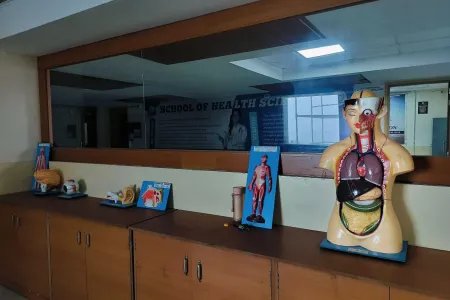
Anatomy & Physiology Lab

Anatomy & Physiology Lab

Offers anatomical models and physiological testing equipment to enhance understanding o...

Explore
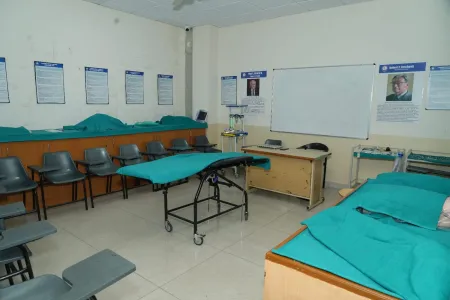
Operation Theatre (OT) Demo Lab

Operation Theatre (OT) Demo Lab

Simulates real surgical environments with modern surgical instruments, anesthesia machi...

Explore
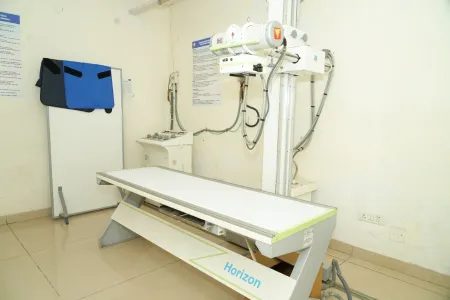
Radiology Lab

Radiology Lab

Equipped with X-ray, ultrasound, and other imaging modalities, enabling students to und...

Explore
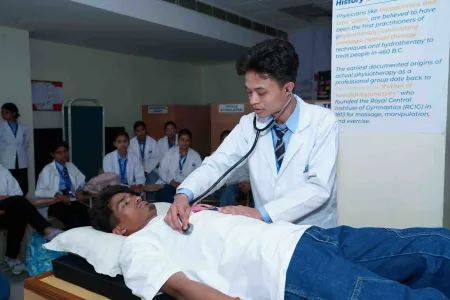
Physiotherapy OPD

Physiotherapy OPD

Provides rehabilitation tools, electrotherapy, and exercise therapy equipment for hands...

Explore
Biomechanics and Exercise Lab

Biomechanics and Exercise Lab

The Biomechanics and Exercise Therapy Lab provides an advanced learning environment for...

Explore

Backed by the Legacy of CT Group, Driven by Proven Success

20000+

Placements

800+

Collaborations

1.2Cr

Highest Placement

1800+

Recruiters

1 Lac+

Alumni

40Cr

WORTH SCHOLARSHIP

Hear From Our Students

"

"CT University’s commitment to excellence in education is reflected in its B.Sc. Physiotherapy program. The rigorous training, focus on evidence-based practice, and emphasis on patient rehabilitation have prepared me to provide effective and ethical physiotherapy care in my career."

"

"CT University ensures a well-rounded experience by balancing academics with extracurricular activities. Various workshops, competitions, and student-led initiatives kept me engaged and motivated, helping me grow both professionally and personally."

"

"The internships and clinical training opportunities at CT University provided me with hands-on experience in hospitals and rehabilitation centers. Working under expert supervision gave me the confidence and practical skills needed to excel as a physiotherapy professional."

"

"What I appreciate most about CT University is its focus on patient-centered care and ethical practices in physiotherapy. The program not only teaches technical skills but also emphasizes compassion, safety, and responsibility in rehabilitation, shaping us into better professionals and individuals."
"

"The infrastructure at CT University is unmatched. The well-equipped labs, including digital radiography and advanced CT and MRI simulators, allowed me to practice and refine my skills. The emphasis on quality assurance and safety protocols in imaging technology ensures that graduates are well-prepared for real-world challenges."

"

"The curriculum at CT University is both comprehensive and future-focused. The B.Sc. Radiology and Imaging Technology course introduced me to advanced imaging techniques like CT, MRI, and Ultrasound, while also teaching me essential soft skills. Thanks to the guidance and placement opportunities provided, I secured a position in a reputed hospital before graduating."

"

"CT University stands out for its student-centric approach. The B.Sc. Radiology program is designed to meet industry standards, and the professors are always approachable and ready to assist. The emphasis on practical learning and internships has given me confidence and clarity in my chosen field. I highly recommend this course to anyone interested in a career in radiology."

"

"My experience at CT University has been truly transformative. The B.Sc. Radiology and Imaging Technology course provides an exceptional blend of theoretical knowledge and hands-on training. The faculty's expertise and the university's state-of-the-art labs have helped me gain a deep understanding of modern imaging techniques. This course has prepared me well for my career in medical imaging."