Apply Now Programmes Virtual Tour CT-SET 2026 Ph.D
Admissions
Open 2026-27
Apply now
Apply Now
Home  /  Programmes  /  Diploma in Medical Laboratory Technology

Diploma in Medical Laboratory Technology

Duration: 3 Years Category: After 10th Programs

Programme Details

About the Programme

School of Allied and Healthcare, CT University offers 3 years Post-Matric Diploma in Medical Laboratory Technology Programme. This program aims at creating professionals with the knowledge of the diagnosis, treatment and prevention of disease with the help of clinical laboratory tests. The program equips eligible candidates with an advanced learning in both routine and sophisticated laboratory diagnostic procedures. This program aims to creating professional with the requisite knowledge and skills needed to handle sophisticated lab equipment and perform accurate laboratory tests. The curriculum includes professional training and certification offered by top leading industry. Objective of this programme is to compete with well-established academic institutions in India and abroad.

Industry Immersion

DMLT curriculum focuses on providing students with both academic and practical knowledge of current medical technology and practices. The DMLT job scope is extensive, ranging from the medical officer and lab technician to research associate in both the public and private sectors.

Eligibility Criteria

10+2 with English, Physics, Chemistry, Biology as compulsory subjects from recognized board and having atleast 50% marks 

Register Now

Why Choose CT University

Why CT University is the Right Choice for Your Future

CT University Campus

At CT University, we combine industry-integrated learning and global academic partnerships, backed by the CT Group's 30+ year legacy, to prepare students for careers that actually last.

Industry-oriented
learning

Modern campus
facilities

Academic excellence &
mentorship

Global opportunities &
placements

Fee Structure & Scholarships

Program Fee Details

Fee Type Amount
Programme Fees (per Semester) ₹35000
Examination Fees ₹3000
International Fee (USD) $3000

Merit Based Scholarship Scheme

Unlock up to 90% Scholarship through CTSET, with scholarships worth Rs 40 Crore! Get access to top-quality education at CT University, Ludhiana — without the financial burden.

Slab >=60% - 74.99% >=75% - 89.99% >=90% & Above
Fee ₹30000 ₹25000 ₹20000

Students can avail these slots depending on the marks they have scored. Each slot reflects a different academic range, helping students understand where they stand and what benefits they qualify for.

Course Curriculum

1ST SEMESTER SUBJECTS

Introduces the structure and normal functions of the human body systems, providing foundational knowledge essential for understanding laboratory investigations and healthcare practice.
Course Outcome:
CO1: Explain the fundamental concepts, organization, and anatomical terminology of the human body.
CO2: Describe the structure and functions of cells, tissues, and major body systems.
CO3: Explain the normal physiology of the musculoskeletal, cardiovascular, respiratory, and digestive systems.
CO4: Describe the structure and functions of major organs and their interrelationships in maintaining homeostasis.
CO5: Correlate basic anatomical structures with their physiological functions and common clinical conditions.
CO6: Apply fundamental knowledge of anatomy and physiology to understand clinical laboratory procedures and patient care.

Introduces microorganisms, their classification, morphology, physiology, pathogenicity, transmission, and basic principles of infection prevention relevant to medical laboratory practice.
Course Outcome:
CO1: Explain the fundamental concepts, scope, and significance of microbiology in medical laboratory sciences.
CO2: Describe the classification, morphology, structure, and characteristics of medically important microorganisms.
CO3: Explain the principles of microbial growth, nutrition, reproduction, transmission, and pathogenicity.
CO4: Describe the principles of sterilization, disinfection, aseptic techniques, and infection prevention.
CO5: Explain the role of microorganisms in common infectious diseases and their modes of transmission.
CO6: Apply basic microbiological principles to support infection prevention, laboratory safety, and healthcare practices.

Develops practical skills in specimen handling, microscopy, staining, culture techniques, identification of microorganisms, and laboratory biosafety.
Course Outcome:
CO1: Demonstrate appropriate laboratory safety, biosafety, and aseptic practices in the microbiology laboratory.
CO2: Demonstrate proper collection, handling, transportation, and processing of microbiological specimens.
CO3: Prepare and handle basic culture media and microbiological laboratory materials using appropriate techniques.
CO4: Perform basic microscopy and staining techniques for the examination of microorganisms.
CO5: Demonstrate basic methods for the isolation and cultivation of microorganisms using suitable culture media.
CO6: Record, interpret, and report basic microbiological observations accurately while following quality-control practices.

Introduces the composition and functions of blood, haematopoiesis, and basic principles of haematological disorders and laboratory investigations.
Course Outcome:
CO1: Explain the fundamental concepts, scope, and significance of haematology in medical laboratory sciences.
CO2: Describe the composition, functions, morphology, and normal characteristics of blood and its cellular components.
CO3: Explain the processes of haematopoiesis, erythropoiesis, leukopoiesis, and thrombopoiesis.
CO4: Describe the basic principles of haemostasis, coagulation, and fibrinolysis.
CO5: Explain the basic laboratory findings associated with common haematological disorders.
CO6: Apply basic haematological principles to understand specimen collection, laboratory investigations, and clinical interpretation.

Develops competency in collection, processing, and examination of blood samples using basic haematological techniques and laboratory instruments.
Course Outcome:
CO1: Demonstrate appropriate laboratory safety, biosafety, and blood specimen-handling practices.
CO2: Perform proper collection, anticoagulation, processing, and preparation of blood specimens.
CO3: Perform basic haematological investigations such as haemoglobin estimation and packed cell volume.
CO4: Prepare, stain, and examine peripheral blood smears for identification of normal blood cell morphology.
CO5: Perform basic total and differential leukocyte counts using appropriate laboratory procedures.
CO6: Record, calculate, interpret, and report basic haematological findings accurately while maintaining quality-control practices.

Provides foundational knowledge of biomolecules, enzymes, metabolism, and biochemical processes underlying normal physiological functions and laboratory diagnosis.
Course Outcome:
CO1: Explain the fundamental concepts, scope, and significance of biochemistry in medical laboratory sciences.
CO2: Describe the structure, properties, and functions of carbohydrates, proteins, lipids, and nucleic acids.
CO3: Explain the role of enzymes, vitamins, minerals, and hormones in normal physiological processes.
CO4: Describe major metabolic pathways and their significance in maintaining normal body functions.
CO5: Explain the biochemical basis of common clinical conditions and their laboratory significance.
CO6: Apply basic biochemical principles to understand and interpret routine clinical laboratory investigations.

Develops practical competency in handling biological samples and performing fundamental biochemical tests using appropriate laboratory techniques and equipment.
Course Outcome:
CO1: Demonstrate appropriate laboratory safety, specimen handling, and good laboratory practices in a biochemistry laboratory.
CO2: Demonstrate proper preparation, handling, storage, and use of basic biochemical reagents and specimens.
CO3: Perform basic qualitative biochemical tests using appropriate laboratory procedures.
CO4: Perform basic quantitative estimation of clinically significant biochemical parameters.
CO5: Apply principles of calibration, accuracy, precision, and quality control during biochemical investigations.
CO6: Calculate, record, interpret, and report basic biochemical laboratory results accurately.

Introduces the principles, operation, maintenance, calibration, and quality control of basic instruments and analytical techniques used in medical laboratories.
Course Outcome:
CO1: Explain the fundamental principles, components, and applications of basic laboratory instrumentation.
CO2: Describe the operating principles and uses of common instruments used in medical laboratories.
CO3: Explain basic analytical techniques used for qualitative and quantitative laboratory investigations.
CO4: Demonstrate appropriate principles of calibration, measurement, accuracy, precision, and standardization.
CO5: Identify common sources of analytical and instrumental errors and describe appropriate corrective measures.
CO6: Apply basic instrumentation and analytical principles to obtain accurate, reliable, and reproducible laboratory results.

Develops essential digital competencies in Microsoft Office applications for academic, professional, documentation, data management, and healthcare laboratory-related tasks.
Course Outcome:
CO1: Explain the basic concepts and applications of Microsoft Office tools in academic and professional environments.
CO2: Demonstrate basic skills in creating, editing, formatting, and organizing documents using Microsoft Word.
CO3: Demonstrate basic skills in creating, formatting, and managing spreadsheets using Microsoft Excel.
CO4: Demonstrate basic skills in preparing presentations using Microsoft PowerPoint.
CO5: Apply appropriate digital tools for organizing, analyzing, presenting, and communicating academic and professional information.
CO6: Demonstrate responsible and efficient use of computer applications for academic documentation and professional communication.

Provides hands-on training in Microsoft Office applications for preparing documents, spreadsheets, presentations, data analysis, and professional laboratory records.
Course Outcome:
CO1: Demonstrate practical proficiency in operating commonly used Microsoft Office applications.
CO2: Create, format, edit, and manage professional documents using Microsoft Word.
CO3: Create and manage spreadsheets, enter data, apply formulas, and prepare basic charts using Microsoft Excel.
CO4: Design and deliver structured academic and professional presentations using Microsoft PowerPoint.
CO5: Organize, analyze, and present information using appropriate Microsoft Office tools.
CO6: Apply digital skills to prepare accurate, organized, and professional academic and laboratory-related documents.

Develops communication, language, interpersonal, and professional skills required for effective interaction in academic, clinical, and healthcare laboratory environments.
Course Outcome:
CO1: Demonstrate basic proficiency in listening, speaking, reading, and writing in English.
CO2: Develop appropriate vocabulary, grammar, pronunciation, and sentence construction skills.
CO3: Demonstrate effective verbal and non-verbal communication in academic and professional situations.
CO4: Apply appropriate reading and comprehension skills to understand academic and professional texts.
CO5: Demonstrate effective written communication through letters, emails, reports, and other professional documents.
CO6: Apply English communication skills to interact confidently and professionally with patients, peers, teachers, and healthcare professionals.

Introduces environmental sustainability, pollution, waste management, biodiversity, and environmental health with emphasis on responsible practices in healthcare settings.
Course Outcome:
CO1: Explain the fundamental concepts, components, and importance of the environment and ecosystems.
CO2: Describe the interactions between human activities, natural resources, biodiversity, and environmental health.
CO3: Explain the causes, effects, and prevention of major forms of environmental pollution.
CO4: Describe the principles of sustainable development, natural resource conservation, and waste management.
CO5: Explain the relationship between environmental conditions, public health, and human well-being.
CO6: Apply environmental awareness and sustainable practices to promote responsible healthcare and community development.

2ND SEMESTER SUBJECTS

Introduces the fundamental concepts of disease processes, cellular injury, inflammation, degeneration, neoplasia, and basic pathological changes relevant to laboratory diagnosis.
Course Outcome:
CO1: Explain the fundamental concepts, scope, and significance of pathology in medical laboratory sciences.
CO2: Describe the causes and mechanisms of cellular injury, inflammation, degeneration, and tissue repair.
CO3: Explain the basic pathological processes involved in infection, immunity, and neoplasia.
CO4: Describe the morphological and functional changes associated with common pathological conditions.
CO5: Correlate basic pathological changes with clinical manifestations and relevant laboratory findings.
CO6: Apply fundamental pathological principles to understand disease processes and support laboratory diagnosis.

Develops foundational knowledge of clinically important microorganisms, their pathogenicity, transmission, and laboratory methods for identification of infectious diseases.
Course Outcome:
CO1: Explain the fundamental concepts, scope, and significance of clinical microbiology in disease diagnosis.
CO2: Describe the morphology, cultural characteristics, pathogenicity, and clinical significance of medically important microorganisms.
CO3: Explain the principles of specimen collection, transport, processing, isolation, and identification of pathogens.
CO4: Describe the laboratory diagnosis of common bacterial and other microbial infections using appropriate methods.
CO5: Explain antimicrobial susceptibility testing, antimicrobial resistance, infection prevention, and control measures.
CO6: Apply clinical microbiological principles to support accurate diagnosis, interpretation, reporting, and prevention of infectious diseases.

Provides hands-on training in specimen collection, processing, staining, culture, identification, and antimicrobial susceptibility testing of clinically significant microorganisms.
Course Outcome:
CO1: Demonstrate appropriate laboratory safety, biosafety, aseptic techniques, and infection-control practices.
CO2: Perform proper collection, transportation, processing, and handling of clinical specimens for microbiological examination.
CO3: Perform appropriate staining, microscopy, culture, and isolation techniques for clinically important microorganisms.
CO4: Demonstrate basic biochemical and other identification tests for characterization of pathogenic microorganisms.
CO5: Perform antimicrobial susceptibility testing and interpret results using appropriate laboratory procedures.
CO6: Record, interpret, and report microbiological findings accurately while maintaining quality-control and laboratory documentation practices.

Covers the principles of blood formation, blood cell morphology, haemostasis, and laboratory investigation of common haematological disorders.
Course Outcome:
CO1: Explain the fundamental concepts, principles, and clinical significance of clinical haematology.
CO2: Describe normal blood cell morphology, haematopoiesis, and the physiological functions of blood cells.
CO3: Explain the pathophysiology and laboratory features of common haematological disorders.
CO4: Describe the principles and procedures of routine haematological investigations and blood cell analysis.
CO5: Correlate haematological findings with common anaemias, leukocyte disorders, bleeding disorders, and other blood diseases.
CO6: Apply clinical haematology principles to support accurate laboratory diagnosis, interpretation, and reporting.

Develops practical skills in blood collection, haematological investigations, peripheral smear examination, cell counting, and interpretation of routine haematology results.
Course Outcome:
CO1: Demonstrate appropriate laboratory safety, biosafety, and blood specimen-handling practices.
CO2: Perform proper collection, anticoagulation, processing, and preparation of blood specimens for haematological investigations.
CO3: Perform routine haematological tests including haemoglobin estimation, packed cell volume, and related parameters.
CO4: Prepare, stain, and examine peripheral blood smears to identify normal and abnormal blood cell morphology.
CO5: Perform total and differential leukocyte counts and basic investigations related to haemostasis and coagulation.
CO6: Calculate, interpret, record, and report clinical haematology results accurately while maintaining quality-control practices.

Introduces biochemical principles and clinical significance of carbohydrates, proteins, lipids, enzymes, electrolytes, and other biomarkers used in disease diagnosis.
Course Outcome:
CO1: Explain the fundamental concepts, principles, and clinical significance of clinical biochemistry.
CO2: Describe the metabolism and clinical significance of carbohydrates, proteins, lipids, enzymes, electrolytes, and other biochemical constituents.
CO3: Explain the principles of biochemical investigations used to assess major organ functions and metabolic conditions.
CO4: Describe the biochemical changes associated with common disorders of the liver, kidney, heart, pancreas, and endocrine system.
CO5: Correlate biochemical laboratory findings with clinical conditions and disease processes.
CO6: Apply clinical biochemistry principles to support accurate laboratory investigation, interpretation, and reporting.

Provides practical training in specimen handling, biochemical analysis, quality control, and interpretation of routine clinical chemistry investigations.
Course Outcome:
CO1: Demonstrate appropriate laboratory safety, specimen handling, and good laboratory practices in clinical biochemistry.
CO2: Perform proper collection, processing, preservation, and preparation of biological specimens for biochemical analysis.
CO3: Perform routine biochemical investigations for glucose, proteins, lipids, enzymes, electrolytes, and other clinically significant parameters.
CO4: Perform biochemical investigations related to liver, kidney, cardiac, pancreatic, and endocrine functions using appropriate methods.
CO5: Apply calibration, quality control, accuracy, and precision principles during clinical biochemical investigations.
CO6: Calculate, interpret, record, and report biochemical laboratory results accurately in relation to clinical conditions.

Introduces medically important viruses and fungi, their diseases, transmission, and laboratory techniques used for their detection and identification.
Course Outcome:
CO1: Explain the fundamental concepts, scope, and clinical significance of virology and medical mycology.
CO2: Describe the morphology, classification, structure, life cycle, transmission, and pathogenicity of medically important viruses and fungi.
CO3: Explain the mechanisms of viral and fungal infections and their interaction with the human host.
CO4: Describe the principles and methods used for laboratory diagnosis of common viral and fungal infections.
CO5: Explain the epidemiology, prevention, control, and basic treatment principles of common viral and fungal diseases.
CO6: Apply virological and mycological principles to support laboratory diagnosis, interpretation, reporting, and infection prevention.

Introduces the principles of yoga, including physical postures, breathing practices, relaxation, and holistic approaches to health, wellbeing, and professional life.
Course Outcome:
CO1: Explain the fundamental concepts, principles, history, and significance of yoga and yogic science.
CO2: Describe basic yogic practices, asanas, pranayama, meditation, and relaxation techniques.
CO3: Explain the relationship between yoga, physical fitness, mental well-being, stress management, and healthy lifestyle.
CO4: Demonstrate selected basic yoga practices using appropriate techniques and precautions.
CO5: Explain the role of yoga in promoting physical, mental, emotional, and social well-being.
CO6: Apply appropriate yogic practices to promote healthy lifestyle, self-discipline, stress management, and overall well-being.

Develops advanced communication, presentation, writing, listening, and professional language skills required for effective interaction in healthcare and laboratory settings.
Course Outcome:
CO1: Demonstrate improved proficiency in listening, speaking, reading, and writing in professional English.
CO2: Apply appropriate vocabulary, grammar, pronunciation, and sentence structures in professional communication.
CO3: Demonstrate effective verbal and non-verbal communication in academic and healthcare situations.
CO4: Apply communication skills for discussions, presentations, interviews, and professional interactions.
CO5: Demonstrate effective written communication through reports, correspondence, emails, and professional documentation.
CO6: Apply English communication skills confidently and professionally while interacting with patients, colleagues, and healthcare professionals.

Develops professional competencies including teamwork, communication, ethics, laboratory safety, problem-solving, time management, and workplace behavior for healthcare professionals.
Course Outcome:
CO1: Explain the fundamental concepts and importance of professional skills in healthcare and laboratory practice.
CO2: Demonstrate effective communication, interpersonal skills, and professional behaviour in workplace situations.
CO3: Apply principles of teamwork, leadership, time management, problem-solving, and decision-making.
CO4: Demonstrate appropriate workplace etiquette, discipline, accountability, and professional responsibility.
CO5: Apply professional skills in handling patients, colleagues, workplace challenges, and healthcare responsibilities effectively.
CO6: Demonstrate professional competence, ethical behaviour, adaptability, and lifelong learning for effective healthcare practice.

Promotes ethical awareness, professional responsibility, empathy, integrity, harmony, and value-based decision-making in personal, social, and professional life.
Course Outcome:
CO1: Explain the fundamental concepts and significance of universal human values in personal and professional life.
CO2: Describe the importance of harmony within oneself, family, society, and the natural environment.
CO3: Develop awareness of values such as trust, respect, responsibility, empathy, honesty, and compassion.
CO4: Explain the relationship between ethical conduct, human relationships, professional responsibility, and social well-being.
CO5: Apply human values and ethical principles in personal, academic, professional, and social situations.
CO6: Demonstrate responsible, respectful, ethical, and harmonious behaviour as a healthcare professional and member of society.

3RD SEMESTER SUBJECTS

Introduces medically important bacteria, their morphology, classification, pathogenicity, transmission, and laboratory methods for identification and diagnosis of bacterial infections.
Course Outcome:
CO1: Explain the fundamental concepts, classification, morphology, and clinical significance of medically important bacteria.
CO2: Describe the cultural characteristics, growth requirements, pathogenicity, and transmission of clinically important bacteria.
CO3: Explain the principles and methods used for isolation, identification, and characterization of bacterial pathogens.
CO4: Describe antimicrobial agents, antimicrobial susceptibility testing, mechanisms of resistance, and their clinical significance.
CO5: Explain the laboratory diagnosis, prevention, and control of common bacterial infections.
CO6: Apply bacteriological principles to support accurate laboratory diagnosis, interpretation, reporting, and infection control.

Provides practical training in specimen collection, processing, staining, culture, identification, biochemical testing, and antimicrobial susceptibility testing of clinically significant bacteria.
Course Outcome:
CO1: Demonstrate appropriate laboratory safety, biosafety, aseptic techniques, and infection-control practices during bacteriological investigations.
CO2: Perform proper collection, transportation, processing, and handling of clinical specimens for bacteriological examination.
CO3: Perform appropriate staining, microscopy, culture, and isolation techniques for clinically important bacteria.
CO4: Perform biochemical and other laboratory tests for identification and characterization of bacterial pathogens.
CO5: Perform antimicrobial susceptibility testing and interpret the results using appropriate laboratory procedures.
CO6: Record, interpret, and report bacteriological findings accurately while maintaining quality-control and documentation practices.

Covers the principles and applications of haematological investigations for diagnosis and monitoring of common blood disorders, including advanced blood cell and coagulation studies.
Course Outcome:
CO1: Explain the fundamental principles and clinical applications of applied haematology in laboratory diagnosis.
CO2: Describe the morphological and functional characteristics of normal and abnormal blood cells.
CO3: Explain the pathogenesis and laboratory features of common anaemias, leukocyte disorders, and haematological malignancies.
CO4: Describe the principles and applications of advanced haematological investigations and diagnostic procedures.
CO5: Correlate haematological laboratory findings with clinical manifestations and disease conditions.
CO6: Apply applied haematology principles to support accurate diagnosis, interpretation, and reporting of haematological disorders.

Develops practical competencies in advanced haematological techniques, peripheral blood examination, coagulation testing, and interpretation of laboratory findings for clinical diagnosis.
Course Outcome:
CO1: Demonstrate appropriate laboratory safety, biosafety, specimen handling, and quality-control practices in applied haematology.
CO2: Perform routine and selected advanced haematological investigations using appropriate laboratory procedures.
CO3: Prepare, stain, and examine peripheral blood and other relevant specimens for abnormal cellular morphology.
CO4: Perform investigations related to anaemias, leukocyte disorders, coagulation abnormalities, and other haematological conditions.
CO5: Interpret haematological test results and correlate findings with relevant clinical conditions.
CO6: Calculate, record, interpret, and report applied haematology results accurately according to laboratory standards.

Covers the clinical application of biochemical investigations related to organ function, metabolic disorders, enzymes, electrolytes, and other biochemical parameters used in disease diagnosis.
Course Outcome:
CO1: Explain the fundamental principles and clinical applications of applied biochemistry in laboratory medicine.
CO2: Describe the biochemical pathways and clinical significance of carbohydrates, proteins, lipids, enzymes, and electrolytes.
CO3: Explain the biochemical basis of metabolic disorders and changes in clinically important biochemical parameters.
CO4: Describe laboratory investigations used for the assessment of liver, kidney, cardiac, pancreatic, and endocrine functions.
CO5: Correlate biochemical laboratory findings with clinical manifestations and disease processes.
CO6: Apply applied biochemical principles to support accurate laboratory investigation, interpretation, and reporting of clinical results.

Provides hands-on training in clinical biochemical analysis, sample processing, analytical techniques, quality control, and interpretation of biochemical test results.
Course Outcome:
CO1: Demonstrate appropriate laboratory safety, specimen handling, and quality-control practices during applied biochemical investigations.
CO2: Perform proper preparation, processing, and analysis of biological specimens using appropriate biochemical methods.
CO3: Perform quantitative estimation of clinically significant biochemical parameters using suitable techniques and instruments.
CO4: Perform biochemical investigations related to liver, kidney, cardiac, pancreatic, and metabolic functions.
CO5: Apply calibration, standardization, accuracy, precision, and internal quality-control procedures during laboratory analysis.
CO6: Calculate, interpret, record, and report biochemical results accurately in relation to relevant clinical conditions.

Develops knowledge and skills in laboratory organization, quality management, biosafety, documentation, professional ethics, and responsible practices in medical laboratory services.
Course Outcome:
CO1: Explain the fundamental principles, functions, and importance of medical laboratory management.
CO2: Describe laboratory organization, workflow, staffing, inventory management, documentation, and resource utilization.
CO3: Explain the principles of quality assurance, quality control, biosafety, risk management, and continuous quality improvement.
CO4: Describe ethical principles related to patient rights, confidentiality, informed consent, professional conduct, and laboratory practice.
CO5: Explain the importance of standard operating procedures, accreditation, regulatory compliance, and professional accountability.
CO6: Apply laboratory management and ethical principles to ensure safe, efficient, reliable, and professionally responsible laboratory services.

Introduces the concepts of intellectual property, patents, copyrights, trademarks, and ethical and legal aspects of protecting innovations and knowledge in healthcare and laboratory sciences.
Course Outcome:
CO1: Explain the fundamental concepts, scope, and significance of intellectual property rights in academic, scientific, and professional fields.
CO2: Describe different forms of intellectual property including patents, copyrights, trademarks, designs, and trade secrets.
CO3: Explain the basic principles and procedures involved in protection, registration, and management of intellectual property.
CO4: Describe the importance of intellectual property rights in biomedical research, innovation, technology, and healthcare.
CO5: Explain ethical and legal considerations related to plagiarism, ownership, licensing, publication, and use of intellectual property.
CO6: Apply basic intellectual property principles to protect, use, and responsibly manage scientific and academic innovations.

Introduces Indian perspectives on health, traditional wellness practices, healthy lifestyle management, preventive health, and holistic approaches to personal and community wellbeing.
Course Outcome:
CO1: Explain the fundamental concepts of health, wellness, lifestyle, and holistic well-being from Indian perspectives.
CO2: Describe traditional Indian approaches to healthy living, nutrition, physical activity, mental well-being, and disease prevention.
CO3: Explain the relationship between lifestyle practices, environmental factors, social well-being, and health outcomes.
CO4: Describe the relevance of yoga, meditation, traditional dietary practices, and other healthy lifestyle approaches in promoting well-being.
CO5: Evaluate the role of healthy lifestyle practices in preventing lifestyle-related disorders and promoting quality of life.
CO6: Apply appropriate health and lifestyle management principles to promote personal well-being, preventive health, and responsible community health practices.

FIRST AID
Develops essential knowledge and practical skills in first aid, emergency response, basic life support, injury management and immediate care during common medical emergencies.
Course Outcome:
CO1: Explain the fundamental principles, objectives, and importance of first aid in emergency and healthcare situations.
CO2: Identify common emergencies, injuries, and life-threatening conditions requiring immediate first-aid intervention.
CO3: Demonstrate appropriate first-aid measures for wounds, bleeding, burns, fractures, sprains, shock, and other common emergencies.
CO4: Demonstrate basic cardiopulmonary resuscitation (CPR), recovery position, and appropriate response to breathing and circulation emergencies.
CO5: Apply principles of safe patient handling, emergency assessment, infection prevention, and appropriate use of first-aid equipment.
CO6: Demonstrate effective communication, timely decision-making, and responsible action while providing first aid until professional medical assistance is available.
BIOMEDICAL WASTE MANAGEMENT
Develops analytical and critical-thinking skills through problem-solving, logical reasoning, data interpretation, and effective decision-making.
Course Outcome:
CO1: Explain the fundamental concepts, significance, and principles of biomedical waste management in healthcare settings.
CO2: Identify and classify different categories of biomedical waste generated in healthcare and laboratory environments.
CO3: Describe appropriate methods for segregation, collection, labeling, packaging, transportation, treatment, and disposal of biomedical waste.
CO4: Explain the principles of infection prevention, occupational safety, and risk management associated with biomedical waste handling.
CO5: Describe the importance of regulatory compliance, documentation, monitoring, and safe waste-management practices in healthcare facilities.
CO6: Apply appropriate biomedical waste management practices to minimize health and environmental hazards and promote safe, sustainable healthcare services.

Develops foundational analytical and critical-thinking skills through problem-solving, logical reasoning, data interpretation, decision-making, and application of analytical approaches in academic and professional contexts.
Course Outcome:
CO1: Explain the fundamental concepts and principles of analytical reasoning, quantitative aptitude, and logical thinking.
CO2: Apply basic mathematical concepts, numerical operations, ratios, percentages, averages, and related techniques to solve problems.
CO3: Demonstrate logical reasoning skills to identify patterns, relationships, sequences, and relevant information.
CO4: Analyze quantitative and qualitative information systematically to identify appropriate solutions to problems.
CO5: Apply critical-thinking and problem-solving techniques to academic, professional, and everyday situations.
CO6: Demonstrate accuracy, efficiency, and structured reasoning while solving analytical and decision-making problems.

4TH SEMESTER SUBJECTS

Introduces the principles of immune responses, antibodies, antigens, hypersensitivity, immunodeficiency, and advanced immunological techniques used in clinical laboratory diagnosis.
Course Outcome:
CO1: Explain the fundamental concepts, principles, and components of the immune system and their role in health and disease.
CO2: Describe innate and adaptive immunity, immune cells, antibodies, antigens, complement, and major immune responses.
CO3: Explain the mechanisms of hypersensitivity, autoimmunity, immunodeficiency, and transplantation-related immune responses.
CO4: Describe the principles and applications of advanced immunological techniques used in medical laboratory diagnosis.
CO5: Explain the clinical significance and interpretation of immunological investigations in common diseases.
CO6: Apply immunological principles and advanced laboratory techniques to support accurate diagnosis, interpretation, and reporting of clinical findings.

Provides practical training in immunological testing and advanced laboratory techniques for detection and evaluation of immune-related conditions.
Course Outcome:
CO1: Demonstrate appropriate laboratory safety, biosafety, specimen handling, and quality-control practices during immunological investigations.
CO2: Perform basic immunological tests based on antigen-antibody reactions using appropriate laboratory procedures.
CO3: Demonstrate practical application of techniques such as agglutination, precipitation, immunoassays, and related diagnostic methods.
CO4: Perform and interpret selected advanced immunological techniques under appropriate laboratory protocols.
CO5: Apply principles of calibration, controls, accuracy, precision, and quality assurance during immunological testing.
CO6: Record, interpret, and report immunological laboratory results accurately while maintaining appropriate documentation and professional standards.

Covers the principles of tissue structure, cellular changes, disease processes, and preparation of tissue specimens for microscopic diagnosis.
Course Outcome:
CO1: Explain the fundamental principles, scope, and significance of histopathology in disease diagnosis.
CO2: Describe tissue fixation, processing, embedding, sectioning, staining, and mounting techniques used in histopathology.
CO3: Explain the principles and applications of routine and special histological stains.
CO4: Describe the basic histopathological changes associated with common diseases, inflammatory conditions, and neoplasms.
CO5: Explain the principles and applications of immunohistochemistry and other advanced histopathological techniques.
CO6: Correlate histopathological findings with clinical conditions to support accurate laboratory diagnosis and reporting.

Develops practical skills in tissue processing, fixation, embedding, sectioning, staining, and microscopic examination for histopathological diagnosis.
Course Outcome:
CO1: Demonstrate appropriate laboratory safety, biosafety, specimen handling, and quality-control practices in histopathology.
CO2: Perform appropriate tissue fixation, processing, dehydration, clearing, and embedding procedures.
CO3: Demonstrate microtomy techniques for preparation of high-quality tissue sections.
CO4: Perform routine haematoxylin and eosin staining and selected special staining techniques.
CO5: Demonstrate proper slide preparation, mounting, labeling, storage, and basic microscopic examination of tissue sections.
CO6: Record, evaluate, and report histopathological observations accurately while maintaining laboratory quality and documentation standards.

Covers advanced biochemical investigations related to organ function, metabolism, enzymes, hormones, electrolytes, and clinical disease assessment.
Course Outcome:
CO1: Explain advanced concepts and clinical applications of biochemical investigations in laboratory medicine.
CO2: Describe the biochemical basis and clinical significance of metabolic, endocrine, nutritional, and organ-specific disorders.
CO3: Explain advanced biochemical investigations related to liver, kidney, cardiac, pancreatic, endocrine, and metabolic functions.
CO4: Describe the clinical significance of enzymes, hormones, electrolytes, proteins, lipids, and other biochemical biomarkers.
CO5: Correlate biochemical test results with clinical manifestations and disease processes.
CO6: Apply advanced biochemical principles to support accurate laboratory diagnosis, interpretation, and clinical reporting.

Provides practical training in advanced biochemical analysis, quality control, interpretation of test results, and application of laboratory techniques in clinical diagnosis.
Course Outcome:
CO1: Demonstrate appropriate laboratory safety, specimen handling, instrument operation, and quality-control practices in clinical biochemistry.
CO2: Perform advanced biochemical investigations using appropriate analytical methods and laboratory instruments.
CO3: Perform investigations related to liver, kidney, cardiac, endocrine, metabolic, and nutritional disorders.
CO4: Apply appropriate calibration, standardization, internal quality control, and troubleshooting procedures during biochemical analysis.
CO5: Analyze and interpret biochemical results using appropriate reference ranges and clinical correlations.
CO6: Calculate, record, validate, interpret, and report biochemical results accurately according to laboratory standards.

Introduces the principles of blood coagulation, haemostasis, coagulation factors, and laboratory investigations used for diagnosis and monitoring of bleeding and clotting disorders.
Course Outcome:
CO1: Explain the fundamental principles and physiological mechanisms of haemostasis and blood coagulation.
CO2: Describe the coagulation cascade, platelet function, anticoagulant mechanisms, and fibrinolytic system.
CO3: Explain the principles and clinical significance of routine and advanced coagulation investigations.
CO4: Describe the laboratory findings associated with common bleeding and thrombotic disorders.
CO5: Correlate coagulation test results with clinical conditions and relevant therapeutic monitoring.
CO6: Apply appropriate principles of specimen collection, testing, interpretation, quality control, and reporting in coagulation studies.

Develops knowledge of medical terminology, documentation, laboratory records, and effective management of healthcare information and reports.
Course Outcome:
CO1: Explain the basic principles, structure, and importance of medical terminology in healthcare and laboratory practice.
CO2: Identify and interpret commonly used medical terms, abbreviations, prefixes, suffixes, and root words.
CO3: Describe terminology related to anatomy, diseases, diagnostic procedures, laboratory investigations, and clinical conditions.
CO4: Demonstrate accurate preparation, organization, maintenance, and retrieval of medical and laboratory records.
CO5: Explain the importance of accuracy, confidentiality, privacy, security, and proper documentation of patient information.
CO6: Apply appropriate medical terminology and record-management practices in routine medical laboratory and healthcare settings.

Introduces ethical principles, professional conduct, confidentiality, patient rights, informed consent, and responsible practices in healthcare and laboratory services.

Course Outcome:
CO1: Explain the fundamental principles, concepts, and significance of medical ethics in healthcare and laboratory practice.
CO2: Describe ethical principles including autonomy, beneficence, non-maleficence, justice, confidentiality, and respect for patients.
CO3: Explain ethical responsibilities related to informed consent, privacy, patient rights, and professional confidentiality.
CO4: Describe ethical issues related to laboratory testing, reporting, research, sample handling, and professional conduct.
CO5: Explain the importance of professional accountability, integrity, honesty, and responsible decision-making in laboratory practice.
CO6: Apply ethical principles to ensure respectful, confidential, responsible, and patient-centered medical laboratory services.

Introduces the principles of nutrition, nutraceuticals, balanced diets, dietary requirements, and their role in health promotion and disease prevention.
Course Outcome:
CO1: Explain the fundamental concepts, principles, and significance of nutrition, nutraceuticals, and dietetics in health and disease prevention.
CO2: Describe the nutritional functions and dietary sources of carbohydrates, proteins, fats, vitamins, minerals, and other essential nutrients.
CO3: Explain the role, benefits, limitations, and appropriate applications of nutraceuticals and functional foods.
CO4: Describe the relationship between nutrition, lifestyle, metabolic disorders, immunity, and overall health.
CO5: Explain basic principles of balanced diets, therapeutic nutrition, nutritional assessment, and dietary planning.
CO6: Apply basic nutritional and nutraceutical principles to promote healthy lifestyle practices and preventive healthcare.

Develops awareness of significant national and international events, current developments, and issues relevant to society, healthcare, science, and professional life.
Course Outcome:
CO1: Demonstrate awareness of significant national and international events and developments.
CO2: Explain major developments in science, technology, healthcare, education, economy, environment, and society.
CO3: Analyze current issues and events using relevant facts, evidence, and multiple perspectives.
CO4: Develop the ability to critically evaluate information obtained from different media and communication sources.
CO5: Relate current affairs and contemporary developments to academic, professional, and social contexts.
CO6: Demonstrate informed communication and responsible participation in discussions concerning contemporary national and global issues.

Develops basic proficiency in a selected Indian or foreign language to enhance communication, cultural understanding, and professional interaction.
Course Outcome:
CO1: Develop basic proficiency in listening, speaking, reading, and writing in the selected language.
CO2: Demonstrate understanding of basic vocabulary, grammar, sentence structures, and commonly used expressions.
CO3: Communicate effectively in routine academic, social, and professional situations using the selected language.
CO4: Develop basic reading and comprehension skills for simple texts and contextual information.
CO5: Demonstrate basic writing skills for personal, academic, and professional communication.
CO6: Apply the selected language skills to communicate respectfully and effectively in multicultural and professional environments.

Introduces the traditional health culture of Bharat, including holistic wellbeing, healthy lifestyle practices, indigenous knowledge, preventive health, and culturally relevant approaches to wellness.
Course Outcome:
CO1: Explain the fundamental concepts of health, wellness, and holistic well-being from the traditional health culture of Bharat.
CO2: Describe traditional Indian perspectives on physical, mental, social, and spiritual dimensions of health.
CO3: Explain the relevance of traditional practices, lifestyle principles, nutrition, yoga, and wellness approaches in maintaining health.
CO4: Describe the relationship between healthy lifestyle practices, preventive health, environmental harmony, and community well-being.
CO5: Appreciate the contribution of Indian knowledge traditions to health promotion, lifestyle management, and holistic well-being.
CO6: Apply appropriate health and lifestyle principles to promote personal well-being, preventive health practices, and responsible community health.

5TH SEMESTER SUBJECTS

Provides supervised clinical and laboratory experience to develop professional competencies in diagnostic laboratory procedures, patient care, laboratory safety, quality assurance, and professional practice.
Course Outcome:
CO1: Demonstrate professional knowledge and practical competency in the functioning and workflow of different sections of a medical laboratory.
CO2: Perform routine laboratory procedures under appropriate supervision in accordance with standard operating procedures and laboratory protocols.
CO3: Demonstrate competency in specimen collection, identification, transportation, processing, analysis, and disposal according to established laboratory practices.

CO4: Apply principles of quality assurance, quality control, biosafety, infection prevention, and biomedical waste management in clinical laboratory practice.
CO5: Operate and handle laboratory instruments, equipment, reagents, and consumables safely and appropriately under supervision.
CO6: Interpret and correlate laboratory findings with relevant clinical conditions and communicate results accurately under professional supervision.

Develops the ability to apply theoretical and practical knowledge to identify a relevant laboratory problem, conduct systematic investigation, analyse findings, and present a structured project report.
Course Outcome:
CO1: Identify and formulate a relevant problem or research question related to medical laboratory science.
CO2: Conduct a systematic review of relevant scientific literature and identify appropriate sources of information.
CO3: Apply appropriate research methodology, laboratory techniques, and ethical principles in planning and conducting the project.
CO4: Collect, organize, analyze, and interpret relevant data using appropriate scientific and statistical methods.
CO5: Evaluate and discuss project findings by correlating them with existing scientific evidence and clinical relevance.
CO6: Prepare a structured scientific project report and demonstrate effective presentation and communication of the findings.
CO7: Demonstrate scientific integrity, proper referencing, confidentiality, responsible data handling, and avoidance of plagiarism.
CO8: Develop critical thinking, problem-solving, research skills, and professional competence relevant to medical laboratory practice.

6TH SEMESTER SUBJECTS

Provides supervised clinical and laboratory experience to develop professional competencies in diagnostic laboratory procedures, patient care, laboratory safety, quality assurance, and professional practice.
Course Outcome:
CO1: Demonstrate professional knowledge and practical competency in the functioning and workflow of different sections of a medical laboratory.
CO2: Perform routine and advanced laboratory procedures under appropriate supervision in accordance with standard operating procedures and laboratory protocols.
CO3: Demonstrate competency in specimen collection, identification, transportation, processing, analysis, and disposal according to established laboratory practices.

CO4: Apply principles of quality assurance, quality control, biosafety, infection prevention, and biomedical waste management in clinical laboratory practice.
CO5: Operate and handle laboratory instruments, equipment, reagents, and consumables safely and appropriately under supervision.
CO6: Interpret and correlate laboratory findings with relevant clinical conditions and communicate laboratory results accurately under professional supervision.

Develops the ability to apply theoretical and practical knowledge to identify a relevant laboratory problem, conduct systematic investigation, analyse findings, and present a structured project report.
Course Outcome:
CO1: Identify and formulate a relevant research problem or question related to medical laboratory science.
CO2: Conduct a systematic review of relevant scientific literature and establish the rationale and objectives of the project.
CO3: Apply appropriate research methodology, laboratory techniques, ethical principles, and safety practices in conducting the project.
CO4: Collect, organize, analyze, and interpret project data using appropriate scientific and statistical methods.
CO5: Evaluate and discuss project findings by correlating the results with existing scientific evidence and clinical relevance.
CO6: Prepare a structured scientific project report following appropriate academic and research standards.
CO7: Demonstrate effective scientific communication through presentation and discussion of project findings.
CO8: Demonstrate scientific integrity, proper referencing, responsible data handling, critical thinking, problem-solving, and avoidance of plagiarism.

Program Outcomes & Features

Program Outcomes

  • Proficiently perform a full range of clinical laboratory tests.
  • Develop and evaluate test systems and interpretive algorithms.
  • Manage information to enable effective, timely, accurate, and cost-effective reporting of laboratory-generated information.
  • Collection and receiving of specimens (infectious samples i.e. blood, urine, stool, sputum, pus, semen, tissues and body fluids) for various biochemical, pathological, microbiological, haematological and blood bank investigations, etc.
  • Maintenance of supplies of laboratory reagents / diagnostic kits.
  • Maintenance of quality control for reliability of laboratory reports.
  • With increasing automation and the use of computer technology, the work of Technologists have become less hands-on and more analytical.
  • The complexity of tests performed, the level of judgment needed, and the amount of responsibility workers assume depend largely on the amount of education and experience they possess.

Program Specific Outcomes

  • Perform routine clinical laboratory testing.
  • Should be able to working on automated machine
  • Train students in routine laboratory procedure.

Salient Features

  • Understanding the concepts, theories & principles of medical laboratory techniques and applied sciences.

  • Understanding the role of various GOI, NGOs, health programmes/ policies and Organizations.

  • Applying quality control measures, safety procedures and maintenance of laboratory equipment’s and lab accreditation systems.

  • Applying techniques for collection and preservation of biological samples.
  • Analyzing the process of accreditation and certification in different health care systems.
  • Evaluating the results and explaining underlying principle in each investigation.

Labs and Facilities

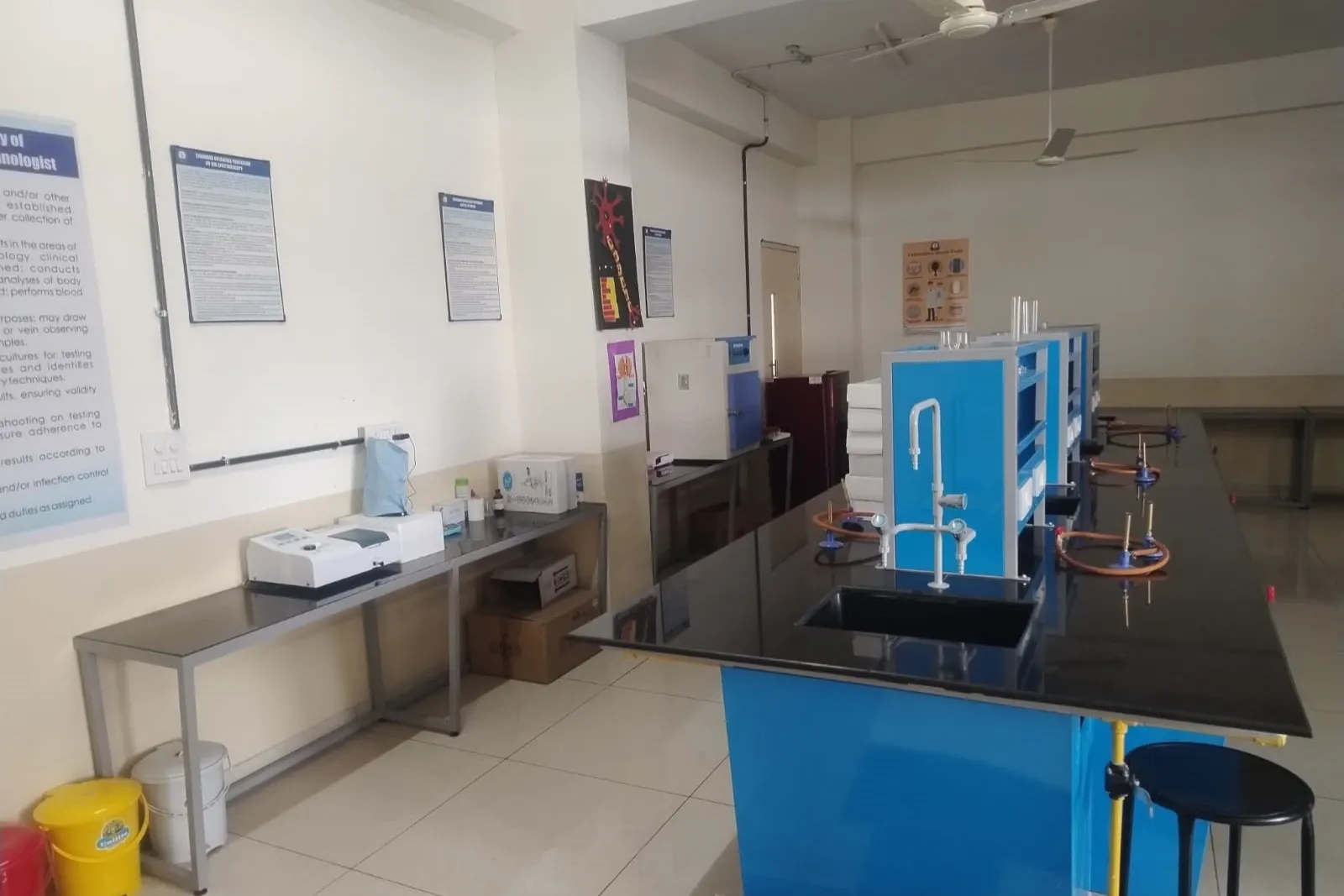
Clinical Biochemistry Lab

Clinical Biochemistry Lab

Explore More
01
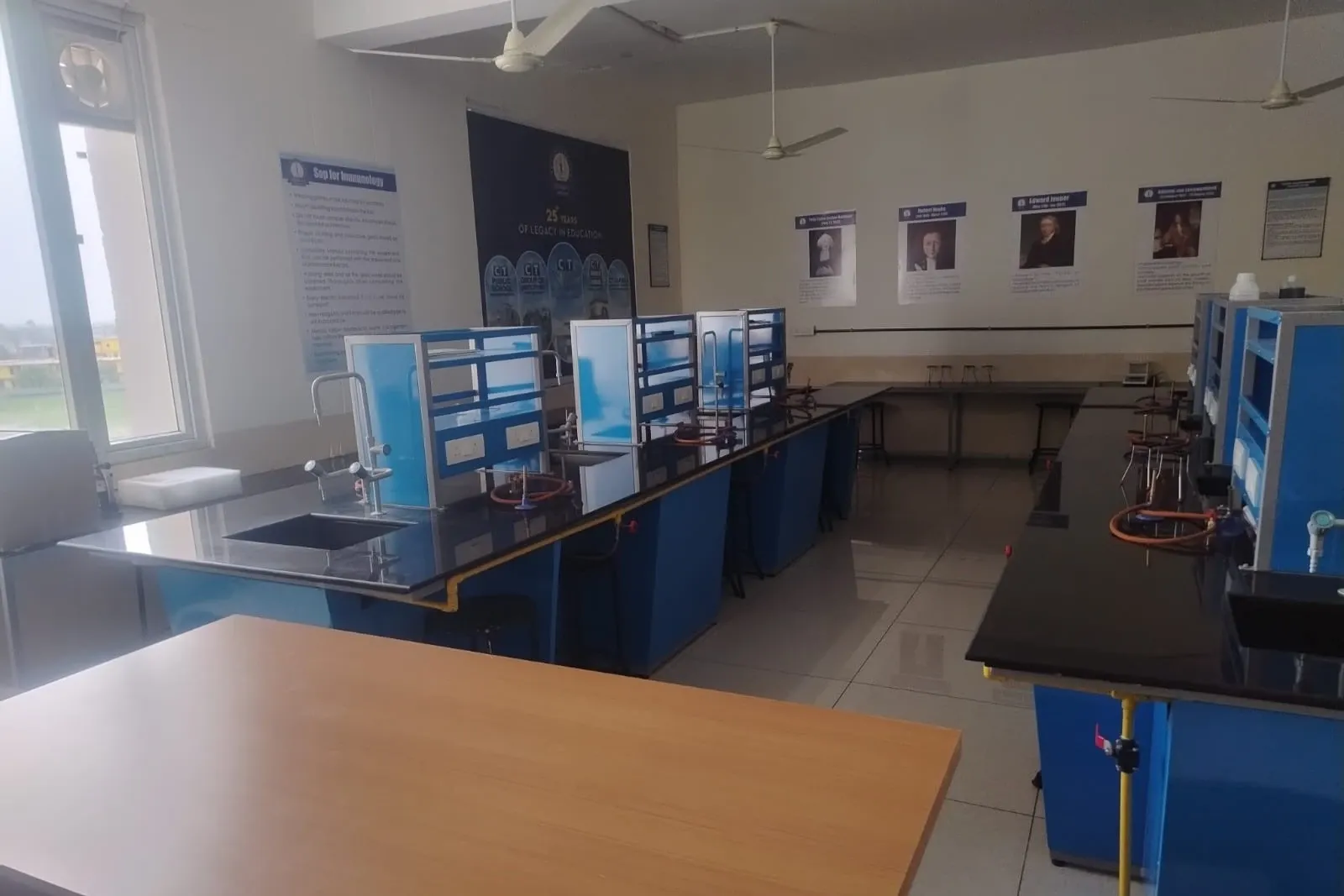
Clinical Microbiology Lab

Clinical Microbiology Lab

Explore More
02
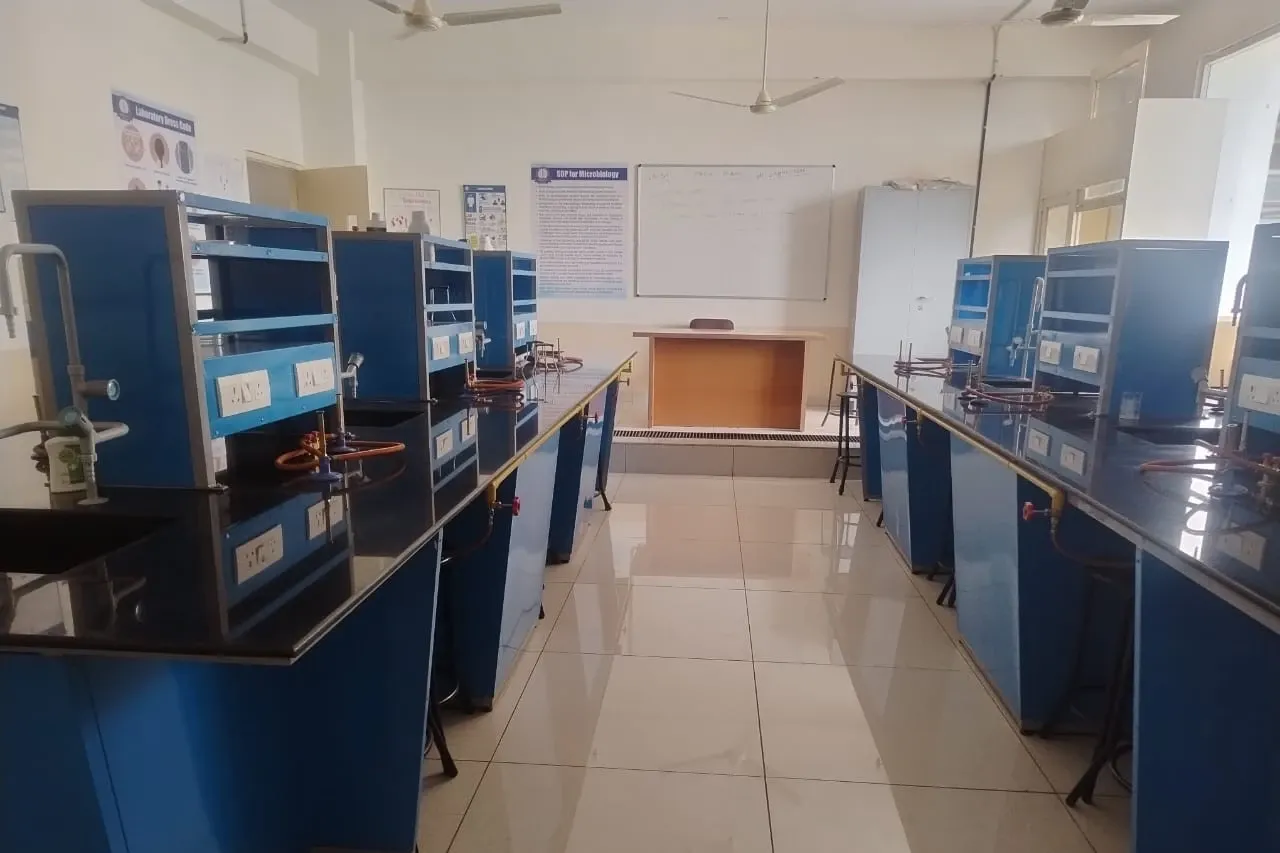
Pathology Lab

Pathology Lab

Explore More
03
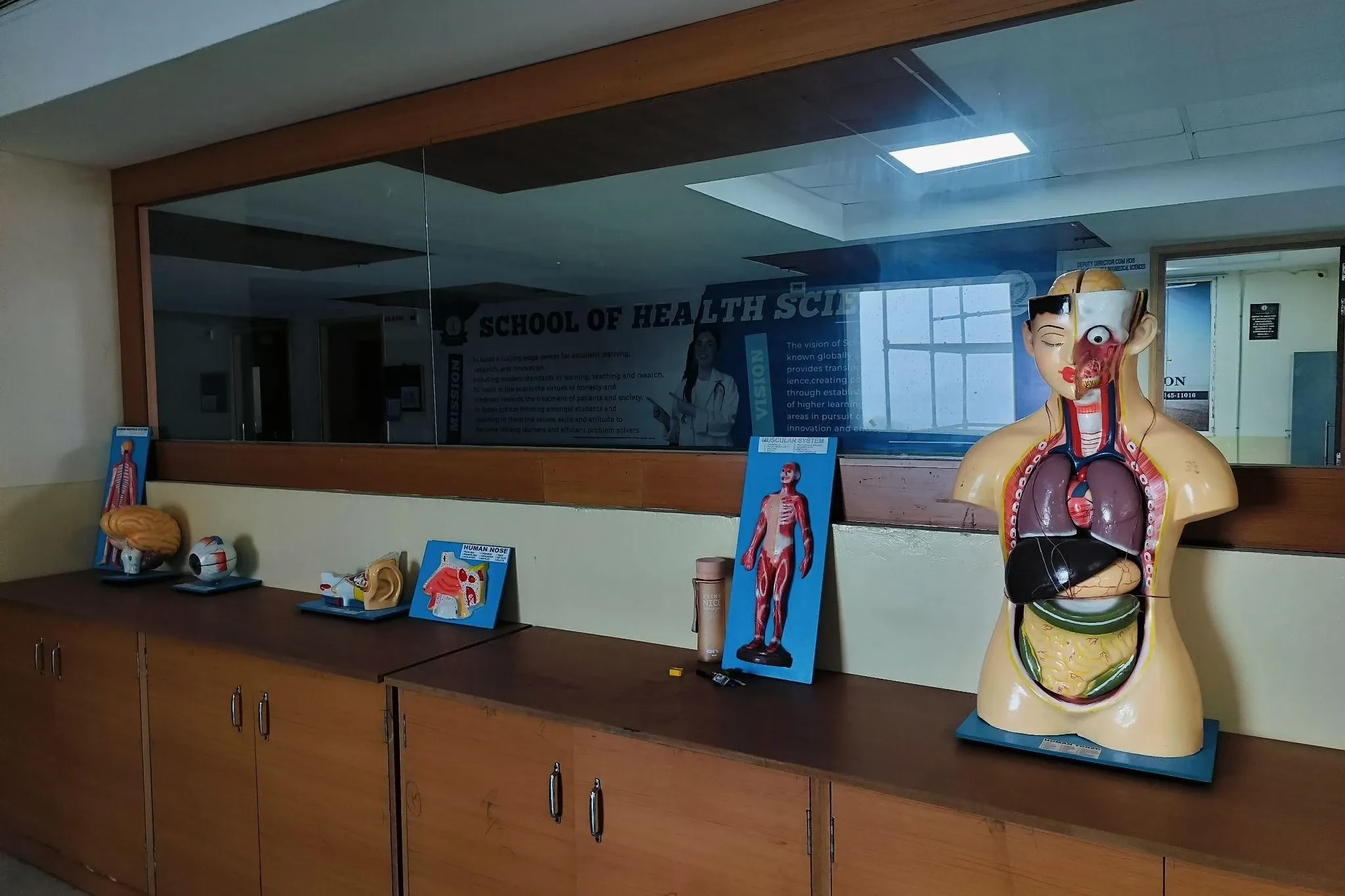
Anatomy & Physiology Lab:

Anatomy & Physiology Lab:

Explore More
04

Backed by the Legacy of CT Group, Driven by Proven Success

30000+

Placements

800+

Collaborations

1.2Cr

Highest Placement

1800+

Recruiters

1 Lac+

Alumni

40Cr

WORTH SCHOLARSHIP

Hear From Our Students

"

"CT University’s commitment to excellence in education is reflected in its B.Sc. Physiotherapy program. The rigorous training, focus on evidence-based practice, and emphasis on patient rehabilitation have prepared me to provide effective and ethical physiotherapy care in my career."

"

"CT University ensures a well-rounded experience by balancing academics with extracurricular activities. Various workshops, competitions, and student-led initiatives kept me engaged and motivated, helping me grow both professionally and personally."

"

"The internships and clinical training opportunities at CT University provided me with hands-on experience in hospitals and rehabilitation centers. Working under expert supervision gave me the confidence and practical skills needed to excel as a physiotherapy professional."

"

"What I appreciate most about CT University is its focus on patient-centered care and ethical practices in physiotherapy. The program not only teaches technical skills but also emphasizes compassion, safety, and responsibility in rehabilitation, shaping us into better professionals and individuals."

"

"The infrastructure at CT University is unmatched. The well-equipped labs, including digital radiography and advanced CT and MRI simulators, allowed me to practice and refine my skills. The emphasis on quality assurance and safety protocols in imaging technology ensures that graduates are well-prepared for real-world challenges."

"

"The curriculum at CT University is both comprehensive and future-focused. The B.Sc. Radiology and Imaging Technology course introduced me to advanced imaging techniques like CT, MRI, and Ultrasound, while also teaching me essential soft skills. Thanks to the guidance and placement opportunities provided, I secured a position in a reputed hospital before graduating."

"

"CT University stands out for its student-centric approach. The B.Sc. Radiology program is designed to meet industry standards, and the professors are always approachable and ready to assist. The emphasis on practical learning and internships has given me confidence and clarity in my chosen field. I highly recommend this course to anyone interested in a career in radiology."

"

"My experience at CT University has been truly transformative. The B.Sc. Radiology and Imaging Technology course provides an exceptional blend of theoretical knowledge and hands-on training. The faculty's expertise and the university's state-of-the-art labs have helped me gain a deep understanding of modern imaging techniques. This course has prepared me well for my career in medical imaging."