Apply Now Programmes Virtual Tour CT-SET 2026 Ph.D
Admissions
Open 2026-27
Apply now
Apply Now
Home  /  Programmes  /  Bachelor of Medical Laboratory Sciences (Lateral Entry)

Bachelor of Medical Laboratory Sciences (Lateral Entry)

Duration: 3 Years Category: Graduate Programs

Programme Details

About the Programme

School of Allied and Healthcare, CT University offers 4 years Bachelor of Science Programme. This program aims at creating professionals with the knowledge of the diagnosis, treatment and prevention of disease with the help of clinical laboratory tests. The program equips eligible candidates with an advanced learning in both routine and sophisticated laboratory diagnostic procedures. This program aims to creating professional with the requisite knowledge and skills needed to handle sophisticated lab equipment and perform accurate laboratory tests. The curriculum includes professional training and certification offered by top leading industry. Objective of this programme is to compete with well-established academic institutions in India and abroad.

Eligibility Criteria

Candidate should have passed DMLT (3 years) after 10th or DMLT ( 2 Years ) or vocational course in MLS/MLT after 10 + 2 with biology from recognized board /institute /university. Minimum percentage of marks: 50% aggregate.

Register Now

Why Choose CT University

Why CT University is the Right Choice for Your Future

CT University Campus

At CT University, we combine industry-integrated learning and global academic partnerships, backed by the CT Group's 30+ year legacy, to prepare students for careers that actually last.

Industry-oriented
learning

Modern campus
facilities

Academic excellence &
mentorship

Global opportunities &
placements

Fee Structure & Scholarships

Program Fee Details

Fee Type Amount
Programme Fees (per Semester) ₹60000
Examination Fees ₹3000
International Fee (USD) $3200

Merit Based Scholarship Scheme

Unlock up to 90% Scholarship through CTSET, with scholarships worth Rs 40 Crore! Get access to top-quality education at CT University, Ludhiana — without the financial burden.

Slab >=60% - 74.99% >=75% - 89.99% >=90% & Above
Fee ₹55000 ₹50000 ₹45000

Students can avail these slots depending on the marks they have scored. Each slot reflects a different academic range, helping students understand where they stand and what benefits they qualify for.


Course Curriculum

1ST SEMESTER SUBJECTS

Provides comprehensive knowledge of the structure and organization of the human body with emphasis on systems relevant to medical laboratory science and healthcare practice.
Course Outcome:
CO1: Describe the basic anatomical organization and structural components of the human body.
CO2: Identify and describe the structure and functions of bones, joints, muscles, and connective tissues.
CO3: Describe the anatomy of the major body systems, including the nervous, cardiovascular, respiratory, digestive, urinary, reproductive, and endocrine systems.
CO4: Explain the anatomical organization and relationships of major organs and body regions using appropriate anatomical terminology.
CO5: Identify major anatomical structures using models, charts, diagrams, and other learning resources.
CO6: Apply anatomical knowledge to understand normal body functions, common pathological conditions, and clinical laboratory procedures.

Introduces the normal functions and physiological processes of major human body systems essential for understanding health, disease, and laboratory investigations.
Course Outcome:
CO1: Explain the fundamental physiological principles governing normal functioning of the human body.
CO2: Describe the physiological functions of the nervous, muscular, cardiovascular, respiratory, digestive, renal, reproductive, and endocrine systems.
CO3: Explain the mechanisms involved in maintaining homeostasis and regulating body functions.
CO4: Describe the physiological processes involved in blood circulation, respiration, digestion, excretion, metabolism, and reproduction.
CO5: Explain the basic physiological mechanisms of sensory functions, nervous coordination, and body regulation.
CO6: Correlate normal physiological processes with common clinical conditions and their relevance to medical laboratory science.

Introduces the healthcare system, scope of medical laboratory science, laboratory services, professional roles, laboratory workflow, safety, and quality practices.
Course Outcome:
CO1: Explain the structure, organization, functions, and levels of the healthcare delivery system and the role of medical laboratory services.
CO2: Describe the scope, professional responsibilities, and importance of Medical Laboratory Science in diagnosis, treatment, disease monitoring, and prevention.
CO3: Explain the basic organization, workflow, and functional areas of a medical laboratory.
CO4: Describe the principles of laboratory safety, infection prevention, biomedical waste management, and quality practices.
CO5: Explain the basic processes of specimen collection, identification, transportation, processing, storage, and disposal.
CO6: Apply fundamental knowledge of healthcare delivery and laboratory science to support safe, ethical, accurate, and patient-centred laboratory services.

Develops effective communication, interpersonal skills, teamwork, professional behaviour, ethical conduct, and patient-centred practices required in healthcare and medical laboratory settings.
Course Outcome:
CO1: Explain the principles and importance of effective communication and professionalism in healthcare and laboratory settings.
CO2: Demonstrate effective verbal, non-verbal, written, and digital communication skills in professional situations.
CO3: Apply active listening, interpersonal skills, and appropriate questioning techniques while interacting with patients, colleagues, and healthcare professionals.
CO4: Demonstrate professional behaviour, teamwork, accountability, punctuality, and workplace discipline in healthcare environments.
CO5: Apply ethical principles, confidentiality, respect for patient rights, and culturally sensitive approaches in professional practice.
CO6: Demonstrate effective communication and professional conduct to support safe, collaborative, and patient-centred laboratory services.

Develops essential knowledge and practical skills in first aid, emergency response, basic life support, and immediate management of common medical emergencies.
Course Outcome:
CO1: Explain the basic principles, objectives, and importance of first aid and emergency care.
CO2: Assess basic emergency situations and identify life-threatening conditions requiring immediate attention.
CO3: Demonstrate appropriate first-aid measures for common injuries, bleeding, burns, fractures, shock, poisoning, and other emergencies.
CO4: Explain the basic principles and procedures of cardiopulmonary resuscitation (CPR) and use of an automated external defibrillator (AED).
CO5: Describe appropriate emergency response, patient positioning, transportation, communication, and referral procedures.
CO6: Apply basic emergency-care and first-aid principles safely and effectively while maintaining personal safety and infection-control precautions.

Develops basic computer skills for digital documentation, data management, information processing, communication, and use of computer applications in medical laboratory services.
Course Outcome:
CO1: Explain the fundamental concepts, components, types, and applications of computer systems in healthcare and laboratory settings.
CO2: Demonstrate basic skills in operating systems, file management, data storage, and computer security.
CO3: Use word-processing, spreadsheet, and presentation applications for academic and professional purposes.
CO4: Demonstrate effective use of internet, email, online resources, and digital communication tools.
CO5: Explain the principles of data privacy, confidentiality, cybersecurity, and responsible use of healthcare information.
CO6: Apply basic computer skills to prepare reports, manage laboratory-related data, maintain records, and support professional activities.

Develops practical skills in identification and study of human anatomical structures using appropriate models, specimens, and laboratory-based learning techniques.
Course Outcome:
CO1: Identify major anatomical structures of the human body using models, specimens, charts, diagrams, and other teaching aids.
CO2: Demonstrate appropriate use of anatomical terminology to describe the location, orientation, and relationships of body structures.
CO3: Identify major bones, joints, muscles, organs, and structures of the major body systems during practical exercises.
CO4: Demonstrate basic skills in observing, identifying, and interpreting anatomical structures relevant to clinical and laboratory practice.
CO5: Correlate anatomical structures with their normal functions and common clinical conditions.
CO6: Follow appropriate laboratory safety, specimen-handling, hygiene, professional, and ethical practices during anatomy practical sessions.

Develops practical skills in demonstrating and understanding normal physiological functions and processes through laboratory-based experiments and observations.
Course Outcome:
CO1: Demonstrate basic practical techniques used to assess normal physiological functions of the human body.
CO2: Measure and interpret basic physiological parameters such as pulse rate, blood pressure, respiratory rate, and body temperature.
CO3: Perform basic practical exercises related to blood, cardiovascular, respiratory, and other physiological systems.
CO4: Observe, record, analyze, and interpret physiological data using appropriate procedures and instruments.
CO5: Correlate practical observations and physiological measurements with normal body functions and selected clinical conditions.
CO6: Demonstrate appropriate laboratory safety, hygiene, ethical conduct, accurate documentation, and responsible handling of practical materials and equipment.

2ND SEMESTER SUBJECTS

Introduces the fundamentals of microorganisms, microbial classification, infection, sterilization, disinfection, and basic laboratory methods used in medical laboratory science.
Course Outcome:
CO1: Explain the basic principles, scope, and importance of microbiology in healthcare and medical laboratory science.
CO2: Describe the morphology, classification, structure, growth, and reproduction of common microorganisms.
CO3: Explain the modes of transmission, pathogenicity, host–microorganism interactions, and basic principles of immunity.
CO4: Describe common bacterial, viral, fungal, and parasitic infections of clinical importance.
CO5: Explain the principles and applications of sterilization, disinfection, aseptic techniques, and infection prevention.
CO6: Apply fundamental microbiological knowledge to support safe specimen handling, laboratory practices, infection control, and basic diagnostic procedures.

Introduces the basic principles of carbohydrates, proteins, lipids, enzymes, vitamins, minerals, metabolism, and their significance in health and disease.
Course Outcome:
CO1: Explain the fundamental principles and significance of biochemistry in normal body functions and disease.
CO2: Describe the structure, properties, functions, and metabolism of carbohydrates, proteins, lipids, and nucleic acids.
CO3: Explain the role and functions of enzymes, vitamins, minerals, hormones, and other biologically important molecules.
CO4: Describe major metabolic pathways and their physiological and clinical significance.
CO5: Explain the biochemical basis of common metabolic and systemic disorders.
CO6: Apply basic biochemical concepts to understand laboratory investigations and interpretation of common biochemical parameters.

Covers the fundamentals of blood formation, blood cells, haemostasis, blood grouping, and basic haematological investigations relevant to laboratory diagnosis.
Course Outcome:
CO1: Explain the basic principles, scope, and importance of hematology in medical laboratory science.
CO2: Describe the composition, functions, and formation of blood cells and plasma.
CO3: Explain the processes of hematopoiesis, erythropoiesis, leukopoiesis, and thrombopoiesis.
CO4: Describe the basic principles of hemostasis, coagulation, blood grouping, and transfusion practices.
CO5: Explain the basic laboratory investigations used for evaluation of hematological disorders.
CO6: Correlate common hematological abnormalities with selected clinical conditions and their diagnostic significance.

Introduces the principles of preventive and social medicine, public health, disease prevention, health promotion, sanitation, and community healthcare practices.
Course Outcome:
CO1: Explain the basic concepts, principles, scope, and importance of preventive and social medicine.
CO2: Describe the determinants of health, disease, nutrition, environment, lifestyle, and socioeconomic factors affecting community health.
CO3: Explain the principles of health promotion, disease prevention, screening, immunization, and health education.
CO4: Describe common communicable and non-communicable diseases and strategies for their prevention and control.
CO5: Explain the basic concepts of epidemiology, community diagnosis, healthcare indicators, and public health programmes.
CO6: Apply preventive and social medicine principles to promote community health, disease prevention, and effective utilization of healthcare services.

Develops practical skills in specimen handling, microscopy, staining, culture techniques, sterilization, and identification of common microorganisms in the laboratory.
Course Outcome:
CO1: Demonstrate appropriate laboratory safety, aseptic techniques, and infection-control practices during microbiology practical work.
CO2: Demonstrate preparation, handling, and use of basic microbiological culture media and laboratory materials.
CO3: Perform basic staining techniques and identify common microorganisms based on microscopic characteristics.
CO4: Demonstrate basic techniques for isolation, cultivation, and identification of microorganisms under appropriate supervision.
CO5: Perform basic sterilization, disinfection, and microbiological quality-control procedures.
CO6: Record, analyze, interpret, and report microbiological observations accurately while following laboratory safety and ethical practices.

Develops practical skills in specimen processing, preparation, basic biochemical testing, analytical procedures, and interpretation of routine biochemical results.
Course Outcome:
CO1: Demonstrate safe and appropriate handling of laboratory equipment, reagents, specimens, and chemicals used in biochemistry practical work.
CO2: Perform basic qualitative and quantitative biochemical tests for carbohydrates, proteins, lipids, enzymes, and other biological substances.
CO3: Demonstrate appropriate procedures for sample collection, preparation, labeling, and handling for basic biochemical investigations.
CO4: Perform basic estimation of commonly analyzed biochemical parameters using appropriate laboratory methods.
CO5: Record, calculate, analyze, and interpret basic biochemical test results using appropriate reference values.
CO6: Demonstrate accuracy, quality control, laboratory safety, waste disposal, and professional practices during biochemical investigations.

Develops practical skills in blood collection, cell counting, peripheral smear preparation, staining, blood grouping, and basic haematological investigations.
Course Outcome:
CO1: Demonstrate appropriate laboratory safety, specimen handling, and basic techniques used in hematology investigations.
CO2: Perform basic hematological procedures for evaluation of blood cells and related parameters.
CO3: Prepare and examine peripheral blood smears and identify normal blood cell morphology using microscopy.
CO4: Perform basic tests related to hemoglobin estimation, blood cell counts, erythrocyte indices, and other routine hematological parameters.
CO5: Demonstrate basic procedures related to blood grouping, coagulation, and examination of hematological abnormalities.
CO6: Record, calculate, interpret, and report hematological findings accurately while following quality-control, safety, and professional laboratory practices.

Develops basic proficiency in a selected language to enhance communication, cultural understanding, and professional interaction in healthcare settings.
Course Outcome:
CO1: Develop basic proficiency in reading, writing, listening, and speaking in the selected language.
CO2: Demonstrate appropriate vocabulary, grammar, sentence formation, and pronunciation for everyday communication.
CO3: Communicate effectively in common academic, social, and professional situations.
CO4: Develop the ability to understand and interpret basic written and spoken information in the selected language.
CO5: Demonstrate confidence and appropriate interpersonal communication skills while interacting with patients, peers, and healthcare professionals.
CO6: Apply basic language skills to support effective, respectful, and culturally appropriate communication in academic and healthcare settings.

3RD SEMESTER SUBJECTS

Introduces medically important bacteria, their morphology, classification, pathogenicity, transmission, and laboratory methods for identification of bacterial infections.
Course Outcome:
CO1: Explain the fundamental concepts, scope, and significance of bacteriology in medical laboratory sciences.
CO2: Describe the classification, morphology, cultural characteristics, and pathogenic properties of medically important bacteria.
CO3: Explain the mechanisms of bacterial growth, transmission, infection, pathogenicity, and host–bacterial interactions.
CO4: Describe the principles and methods used for the isolation, identification, and characterization of clinically important bacteria.
CO5: Explain the principles of antimicrobial agents, antimicrobial susceptibility testing, and bacterial resistance.
CO6: Apply bacteriological knowledge to the diagnosis, prevention, and control of common bacterial infections.

Covers intermediary metabolic pathways, biochemical regulation, hormones, endocrine functions, and related laboratory investigations in health and disease.
Course Outcome:
CO1: Explain the fundamental concepts and significance of intermediary metabolism and endocrinology in human health.
CO2: Describe the major metabolic pathways involved in carbohydrate, protein, and lipid metabolism.
CO3: Explain the regulation and integration of metabolic pathways under normal physiological conditions.
CO4: Describe the synthesis, secretion, functions, and mechanisms of action of major hormones.
CO5: Explain the biochemical basis and laboratory findings associated with common metabolic and endocrine disorders.
CO6: Apply metabolic and endocrine principles to understand and interpret relevant biochemical laboratory investigations.

Develops knowledge of blood disorders, haematological diseases, diagnostic investigations, blood cell morphology, and interpretation of clinical haematology findings.
Course Outcome:
CO1: Explain the fundamental concepts, scope, and clinical significance of clinical haematology.
CO2: Describe normal blood cell morphology, haematopoiesis, and the physiological functions of blood cells.
CO3: Explain the pathophysiology and laboratory features of common haematological disorders.
CO4: Describe the principles and procedures of routine and specialized haematological investigations.
CO5: Interpret haematological findings in relation to common anaemias, leukaemias, bleeding disorders, and other blood diseases.
CO6: Apply clinical haematology principles for accurate laboratory diagnosis, reporting, and quality assurance.

Introduces the basic principles of pharmacology, including drug actions, therapeutic uses, adverse effects, dosage forms, and relevance to healthcare practice.
Course Outcome:
CO1: Explain the fundamental concepts, scope, and significance of pharmacology in healthcare and laboratory sciences.
CO2: Describe the sources, classification, dosage forms, routes of administration, and basic properties of drugs.
CO3: Explain the principles of pharmacokinetics and pharmacodynamics and their clinical significance.
CO4: Describe the mechanisms of action, therapeutic uses, adverse effects, and contraindications of commonly used drugs.
CO5: Explain the principles of drug interactions, toxicity, safe drug use, and rational pharmacotherapy.
CO6: Apply basic pharmacological knowledge to understand drug effects, adverse reactions, and their relevance to laboratory investigations.

Develops practical skills in specimen processing, staining, culture, bacterial identification, biochemical testing, and antimicrobial susceptibility testing.
Course Outcome:
CO1: Demonstrate appropriate laboratory safety, biosafety, aseptic techniques, and infection-control practices in bacteriology.
CO2: Perform proper collection, transportation, processing, and handling of clinical specimens for bacteriological examination.
CO3: Perform appropriate staining techniques and interpret the morphological and staining characteristics of bacteria.
CO4: Demonstrate methods for isolation, cultivation, and identification of clinically important bacteria using suitable culture media and biochemical tests.
CO5: Perform basic antimicrobial susceptibility testing and interpret the results appropriately.
CO6: Record, interpret, and report bacteriological findings accurately while maintaining quality-control and laboratory documentation practices.

Develops practical skills in biochemical and endocrine investigations, sample handling, analytical techniques, quality control, and interpretation of laboratory results.
Course Outcome:
CO1: Demonstrate appropriate laboratory safety, specimen handling, and good laboratory practices in clinical biochemistry.
CO2: Perform laboratory investigations related to carbohydrate, protein, and lipid metabolism using appropriate methods.
CO3: Perform and interpret selected biochemical tests associated with metabolic disorders.
CO4: Demonstrate laboratory methods used for the assessment of endocrine function and related biochemical parameters.
CO5: Apply principles of calibration, quality control, accuracy, and precision during metabolic and endocrine investigations.
CO6: Calculate, record, interpret, and report biochemical findings in relation to metabolic and endocrine disorders.

Develops practical competencies in blood collection, peripheral smear preparation, cell counting, morphology, coagulation testing, and other clinical haematology investigations.
Course Outcome:
CO1: Demonstrate appropriate laboratory safety, biosafety, and quality practices during clinical haematology investigations.
CO2: Perform proper collection, processing, and preparation of blood specimens for routine haematological examination.
CO3: Perform routine haematological investigations and evaluate the obtained laboratory parameters accurately.
CO4: Prepare, stain, and examine peripheral blood smears for identification of normal and abnormal cell morphology.
CO5: Perform basic investigations for the evaluation of anaemia, leukocyte disorders, and haemostatic abnormalities.
CO6: Interpret, record, and report clinical haematology findings accurately with appropriate quality-control measures.

Introduces the principles of biomedical waste segregation, collection, handling, transportation, treatment, disposal, infection control, and safe laboratory practices.
Course Outcome:
CO1: Explain the fundamental concepts, principles, and significance of biomedical waste management in healthcare facilities.
CO2: Classify biomedical waste according to its type, source, risk, and appropriate disposal requirements.
CO3: Describe the principles of segregation, collection, handling, storage, transportation, and treatment of biomedical waste.
CO4: Explain the appropriate use of colour-coded containers, personal protective equipment, and safety measures for biomedical waste handling.
CO5: Describe the environmental, occupational, and public health risks associated with improper biomedical waste management.
CO6: Apply biomedical waste management principles and relevant regulatory requirements to promote safe, hygienic, and environmentally responsible healthcare practices.

4TH SEMESTER SUBJECTS

Introduces the principles of genetics, molecular biology, DNA and RNA, gene expression, mutations, inheritance, and molecular mechanisms relevant to laboratory diagnosis.
Course Outcome:
CO1: Explain the fundamental concepts, principles, and significance of genetics and molecular biology in medical laboratory sciences.
CO2: Describe the structure, organization, replication, and functions of DNA and RNA.
CO3: Explain the processes of transcription, translation, gene regulation, mutation, and genetic variation.
CO4: Describe the molecular basis of inheritance and common genetic disorders.
CO5: Explain the principles and applications of molecular diagnostic techniques used in the investigation of genetic and infectious diseases.
CO6: Apply basic genetic and molecular biology concepts to understand laboratory diagnosis, disease mechanisms, and personalized healthcare.

Covers the principles of clinical pathology, examination of body fluids and specimens, pathological changes, and laboratory investigations used in disease diagnosis.
Course Outcome:
CO1: Explain the fundamental concepts, scope, and significance of clinical pathology in medical laboratory sciences.
CO2: Describe the formation, composition, and normal characteristics of urine, body fluids, and other clinical specimens.
CO3: Explain the principles and procedures of routine examination of urine and other body fluids.
CO4: Describe the pathological changes associated with common disorders of the urinary, reproductive, and other body systems.
CO5: Interpret basic clinical pathology findings in relation to common diseases and pathological conditions.
CO6: Apply clinical pathology principles for proper specimen handling, laboratory investigation, result interpretation, and reporting.

Develops knowledge of medical laboratory management, quality assurance, quality control, laboratory safety, documentation, accreditation, and efficient laboratory operations.
Course Outcome:
CO1: Explain the fundamental principles, functions, and importance of medical laboratory management.
CO2: Describe laboratory organization, staffing, workflow, inventory management, documentation, and resource utilization.
CO3: Explain the principles of quality assurance, quality control, quality indicators, and continuous quality improvement in laboratory services.
CO4: Describe the importance of laboratory safety, biosafety, infection control, and risk management in laboratory operations.
CO5: Explain the principles of internal and external quality assessment, accreditation, and standard operating procedures.
CO6: Apply laboratory management and quality-control principles to ensure accurate, reliable, safe, and efficient laboratory services.

Develops practical skills in virological and immunological techniques, including specimen processing, antigen-antibody reactions, immunoassays, and basic methods for detection of viral infections.
Course Outcome:
CO1: Demonstrate appropriate laboratory safety, biosafety, and infection-control practices during virology and immunology investigations.
CO2: Demonstrate proper collection, handling, processing, and storage of specimens for viral and immunological investigations.
CO3: Perform basic laboratory techniques used for the detection and identification of viral infections.
CO4: Perform basic immunological tests and interpret antigen–antibody reactions appropriately.
CO5: Apply quality-control procedures while performing virological and immunological laboratory investigations.
CO6: Record, interpret, and report laboratory findings accurately while maintaining proper documentation and professional laboratory practices.

Develops practical skills in DNA/RNA extraction, amplification, molecular testing, basic genetic analysis, and application of molecular techniques in laboratory diagnosis.
Course Outcome:
CO1: Demonstrate appropriate laboratory safety, biosafety, and good laboratory practices during molecular investigations.
CO2: Perform basic procedures for the extraction, handling, and assessment of nucleic acids from biological specimens.
CO3: Demonstrate basic molecular biology techniques used for the analysis of DNA and RNA.
CO4: Perform basic amplification and detection techniques used in molecular diagnostics.
CO5: Apply appropriate controls, contamination-prevention measures, and quality-control procedures during molecular investigations.
CO6: Record, analyze, interpret, and report basic molecular laboratory findings accurately.

Develops practical competencies in the examination of urine, body fluids, and other clinical specimens using appropriate laboratory techniques for diagnosis and monitoring of diseases.
Course Outcome:
CO1: Demonstrate appropriate laboratory safety, biosafety, and specimen-handling practices in clinical pathology.
CO2: Perform proper collection, transportation, processing, and preservation of urine and other clinical specimens.
CO3: Perform physical, chemical, and microscopic examination of urine using appropriate laboratory procedures.
CO4: Demonstrate basic laboratory examination of body fluids and identify significant pathological findings.
CO5: Correlate clinical pathology findings with common diseases and pathological conditions.
CO6: Record, interpret, and report clinical pathology results accurately while maintaining quality-control and documentation practices.

5TH SEMESTER SUBJECTS

Introduces medically important fungi and parasites, their morphology, life cycles, pathogenicity, transmission, and laboratory diagnosis of related infections.
Course Outcome:
CO1: Explain the fundamental concepts, classification, scope, and significance of medical mycology and parasitology.
CO2: Describe the morphology, life cycle, transmission, and pathogenicity of medically important fungi and parasites.
CO3: Explain the mechanisms of fungal and parasitic infections and their interaction with the human host.
CO4: Describe the principles and methods used for laboratory diagnosis of common fungal and parasitic infections.
CO5: Explain the epidemiology, prevention, and control measures of common mycotic and parasitic diseases.
CO6: Apply mycological and parasitological knowledge to support laboratory diagnosis, disease prevention, and appropriate reporting.

Covers principles of analytical biochemistry, laboratory instrumentation, analytical techniques, quality control, and interpretation of biochemical test results.
Course Outcome:
CO1: Explain the fundamental principles, scope, and significance of analytical biochemistry in medical laboratory sciences.
CO2: Describe the principles of analytical techniques, instrumentation, and measurement used in clinical biochemistry.
CO3: Explain the importance of accuracy, precision, sensitivity, specificity, calibration, and standardization in laboratory analysis.
CO4: Describe the analytical methods used for estimation of clinically important biochemical parameters.
CO5: Explain sources of analytical errors, interference, quality control, and validation of laboratory methods.
CO6: Apply analytical biochemistry principles to obtain, evaluate, interpret, and report reliable laboratory results.

Introduces blood group systems, antigen-antibody reactions, compatibility testing, blood component preparation, transfusion practices, and transfusion-related complications.
Course Outcome:
CO1: Explain the fundamental concepts, principles, and significance of immunohematology and transfusion medicine.
CO2: Describe major blood group systems, their antigens, antibodies, inheritance, and clinical significance.
CO3: Explain the principles of antigen–antibody reactions, compatibility testing, and immunological reactions in transfusion.
CO4: Describe the procedures involved in blood grouping, cross-matching, antibody screening, and identification of transfusion-related incompatibilities.
CO5: Explain the principles of blood collection, component preparation, storage, transportation, and transfusion safety.
CO6: Apply immunohematological principles to promote safe blood transfusion practices and prevent transfusion-related complications.

Develops understanding of medical law, professional ethics, patient rights, confidentiality, informed consent, legal responsibilities, and ethical conduct in medical laboratory practice.
Course Outcome:
CO1: Explain the fundamental concepts, principles, and significance of medical law and ethics in healthcare practice.
CO2: Describe the legal responsibilities, professional duties, and scope of practice of medical laboratory professionals.
CO3: Explain the principles of patient rights, informed consent, confidentiality, privacy, and professional accountability.
CO4: Describe ethical principles related to laboratory testing, specimen handling, reporting, research, and patient care.
CO5: Explain the importance of professional conduct, documentation, negligence prevention, and compliance with applicable healthcare regulations.
CO6: Apply ethical and legal principles to demonstrate responsible, safe, confidential, and professional laboratory practice.

Develops practical skills in the collection, processing, microscopy, staining, culture, and identification of medically important fungi and parasites.
Course Outcome:
CO1: Demonstrate appropriate laboratory safety, biosafety, aseptic techniques, and specimen-handling practices in mycology and parasitology laboratories.
CO2: Perform proper collection, transportation, processing, and preparation of clinical specimens for fungal and parasitic investigations.
CO3: Perform basic microscopic and staining techniques for the detection and identification of fungi and parasites.
CO4: Demonstrate basic culture and identification techniques used for clinically important fungi.
CO5: Identify common medically important parasites and their diagnostic stages using appropriate laboratory methods.
CO6: Record, interpret, and report mycological and parasitological findings accurately while maintaining quality-control practices.

Develops practical competencies in biochemical analysis, laboratory instrumentation, analytical procedures, quality control, and interpretation of clinical biochemical results.
Course Outcome:
CO1: Demonstrate appropriate laboratory safety, specimen handling, and good laboratory practices during analytical biochemical investigations.
CO2: Demonstrate the preparation, handling, and use of reagents, standards, controls, and biological specimens.
CO3: Perform quantitative estimation of clinically significant biochemical parameters using appropriate analytical methods and instruments.
CO4: Demonstrate calibration, standardization, and quality-control procedures during biochemical analysis.
CO5: Identify sources of analytical error and apply appropriate measures to improve accuracy and precision of results.
CO6: Calculate, evaluate, interpret, record, and report analytical biochemical results accurately.

Develops practical skills in blood grouping, cross-matching, antibody screening, compatibility testing, and safe transfusion laboratory procedures.
Course Outcome:
CO1: Demonstrate appropriate laboratory safety, biosafety, and quality practices in immunohematology and transfusion medicine.
CO2: Perform ABO and Rh blood grouping using appropriate laboratory techniques.
CO3: Perform compatibility testing, cross-matching, and antibody screening according to standard procedures.
CO4: Demonstrate appropriate procedures for blood component handling, storage, and transfusion-related investigations.
CO5: Identify and interpret basic serological reactions and potential transfusion incompatibilities.
CO6: Record, interpret, and report immunohematological findings accurately while maintaining transfusion safety and quality-control practices.

Provides flexible, technology-enabled learning through online courses to develop subject knowledge, professional competencies, and lifelong learning skills.
Course Outcome:
CO1: Explain the fundamental concepts, scope, and applications of bioinformatics in biomedical and laboratory sciences.
CO2: Describe biological databases, sequence repositories, and basic tools used for storage and retrieval of biological information.
CO3: Explain the principles of DNA, RNA, and protein sequence analysis and biological sequence comparison.
CO4: Demonstrate the use of basic bioinformatics tools for sequence retrieval, alignment, and interpretation of biological data.
CO5: Explain the applications of bioinformatics in genomics, molecular diagnostics, drug discovery, and biomedical research.
CO6: Apply basic bioinformatics approaches to retrieve, analyze, interpret, and communicate biological information effectively.

6TH SEMESTER SUBJECTS

Covers the mechanisms and progression of diseases, pathological changes, and laboratory investigations used to understand and support the diagnosis of various disorders.
Course Outcome:
CO1: Explain the fundamental concepts, principles, and mechanisms of disease processes relevant to medical laboratory sciences.
CO2: Describe the cellular, tissue, and systemic changes associated with common pathological conditions.
CO3: Explain the mechanisms of inflammation, infection, cellular injury, degeneration, repair, and neoplasia.
CO4: Describe the pathological basis and laboratory findings of common diseases affecting major body systems.
CO5: Correlate pathological changes with clinical manifestations and relevant laboratory investigations.
CO6: Apply pathobiological principles to support laboratory diagnosis, interpretation of findings, and understanding of disease progression.

Introduces the principles of cytology and histopathology, including cellular changes, tissue processing, staining, microscopic examination, and diagnosis of pathological conditions.
Course Outcome:
CO1: Explain the fundamental concepts, scope, and significance of cytology and histopathology in medical laboratory sciences.
CO2: Describe the normal microscopic structure and organization of cells, tissues, and major organs.
CO3: Explain the cellular and tissue changes associated with inflammation, degeneration, infection, and neoplasia.
CO4: Describe the principles of specimen collection, fixation, processing, sectioning, staining, and preparation of histopathological specimens.
CO5: Explain the principles and applications of cytological techniques for the detection of normal, inflammatory, and neoplastic cellular changes.
CO6: Apply cytological and histopathological knowledge to recognize, interpret, and report basic pathological findings.

Covers clinical applications of biochemical investigations, including analysis of metabolic, organ function, enzymatic, hormonal, and other biomarkers for disease diagnosis and monitoring.
Course Outcome:
CO1: Explain the fundamental concepts, principles, and clinical significance of clinical biochemistry in laboratory medicine.
CO2: Describe the biochemical functions and metabolism of major nutrients and their relationship with human health and disease.
CO3: Explain the principles of laboratory investigations used to assess organ function and metabolic disorders.
CO4: Describe the biochemical changes associated with common disorders of the liver, kidney, heart, pancreas, and endocrine system.
CO5: Correlate biochemical laboratory findings with clinical conditions and disease processes.
CO6: Apply clinical biochemistry principles to perform, interpret, and report relevant biochemical investigations accurately.

Develops knowledge of biostatistical methods, research design, data analysis, research ethics, and evidence-based approaches for conducting and interpreting healthcare research.
Course Outcome:
CO1: Explain the fundamental concepts, principles, and applications of biostatistics and research methodology in health sciences.
CO2: Describe different types of research designs, sampling methods, data collection techniques, and variables used in biomedical research.
CO3: Explain the principles of data classification, presentation, descriptive statistics, and basic statistical analysis.
CO4: Apply appropriate statistical methods for analysis and interpretation of health and laboratory-related data.
CO5: Explain the principles of research ethics, scientific writing, literature review, referencing, and responsible conduct of research.
CO6: Apply basic research methodology and biostatistical techniques to plan, analyze, interpret, and communicate findings from biomedical studies.

Develops practical skills in specimen collection, fixation, processing, staining, cytological preparation, sectioning, and microscopic examination of tissues and cells.
Course Outcome:
CO1: Demonstrate appropriate laboratory safety, biosafety, and specimen-handling practices in cytology and histopathology laboratories.
CO2: Perform proper collection, fixation, processing, and preparation of cytological and histopathological specimens.
CO3: Demonstrate basic tissue processing, embedding, sectioning, and slide preparation techniques.
CO4: Perform routine and special staining techniques and evaluate the quality of prepared slides.
CO5: Identify and interpret basic normal and abnormal cellular and tissue features in cytological and histopathological specimens.
CO6: Record, interpret, and report cytological and histopathological observations accurately while following quality-control practices.

Develops practical competencies in clinical biochemical analysis, sample processing, laboratory instrumentation, quality control, and interpretation of biochemical test results.
Course Outcome:
CO1: Demonstrate appropriate laboratory safety, specimen handling, and quality practices during clinical biochemistry investigations.
CO2: Perform proper collection, processing, preservation, and preparation of biological specimens for biochemical analysis.
CO3: Perform routine biochemical investigations for the assessment of glucose, lipids, proteins, enzymes, and other clinically significant parameters.
CO4: Perform biochemical tests related to liver, kidney, cardiac, pancreatic, and endocrine functions using appropriate laboratory methods.
CO5: Apply calibration, internal quality control, and appropriate analytical procedures to ensure accuracy and reliability of results.
CO6: Calculate, interpret, record, and report clinical biochemistry results in relation to relevant pathological conditions.

Develops practical skills in laboratory investigation of pathological conditions through specimen handling, analytical techniques, interpretation of findings, and application of diagnostic procedures.
Course Outcome:
CO1: Demonstrate appropriate laboratory safety, biosafety, and specimen-handling practices during pathobiological investigations.
CO2: Demonstrate basic laboratory methods used for the study of cellular, tissue, and systemic pathological changes.
CO3: Perform and interpret basic investigations related to inflammation, infection, degeneration, and tissue injury.
CO4: Identify basic pathological changes in laboratory specimens using appropriate examination techniques.
CO5: Correlate laboratory findings with common pathological conditions and associated clinical manifestations.
CO6: Record, interpret, and report pathobiological observations accurately while maintaining quality-control and laboratory documentation practices.

7TH & 8TH SEMESTER SUBJECTS

Provides supervised clinical laboratory experience to develop professional competencies in diagnostic procedures, patient care, laboratory safety, quality assurance, documentation, teamwork, and professional practice.
Course Outcome:
CO1: Demonstrate professional knowledge and practical competency in the functioning and workflow of different sections of a medical laboratory.
CO2: Perform routine medical laboratory procedures under appropriate supervision in accordance with established standard operating procedures.
CO3: Demonstrate competency in specimen collection, identification, transportation, processing, analysis, and disposal following appropriate laboratory protocols.
CO4: Apply principles of quality control, quality assurance, biosafety, infection prevention, and biomedical waste management in laboratory practice.
CO5: Operate and handle basic laboratory equipment, instruments, reagents, and consumables safely and appropriately.
CO6: Interpret and correlate laboratory findings with relevant clinical conditions and communicate results accurately under supervision.

Program Outcomes & Features

Program Outcomes

  • Proficiently perform a full range of clinical laboratory tests.
  • Develop and evaluate test systems and interpretive algorithms.
  • Manage information to enable effective, timely, accurate, and cost-effective reporting of laboratory-generated information.
  • Collection and receiving of specimens (infectious samples i.e. blood, urine, stool, sputum, pus, semen, tissues and body fluids) for various biochemical, pathological, microbiological, haematological and blood bank investigations, etc.
  • Maintenance of supplies of laboratory reagents / diagnostic kits.
  • Maintenance of quality control for reliability of laboratory reports.
  • With increasing automation and the use of computer technology, the work of Technologists have become less hands-on and more analytical.
  • The complexity of tests performed, the level of judgment needed, and the amount of responsibility workers assume depend largely on the amount of education and experience they possess.

Program Specific Outcomes

  • Perform routine clinical laboratory testing.
  • Make specimen-oriented decisions on predetermined criteria including working knowledge of critical values.
  • Communicate with other members of healthcare team, customers and patients in an effective manner.

Salient Features

  • Understanding the concepts, theories & principles of medical laboratory techniques and applied sciences.
  • Understanding the role of various GOI, NGOs, health programmes/ policies and Organizations.
  • Applying quality control measures, safety procedures and maintenance of laboratory equipment’s and lab accreditation systems.
  • Applying techniques for collection and preservation of biological samples.
  • Analyzing the process of accreditation and certification in different health care systems.
  • Evaluating the results and explaining underlying principle in each investigation. 

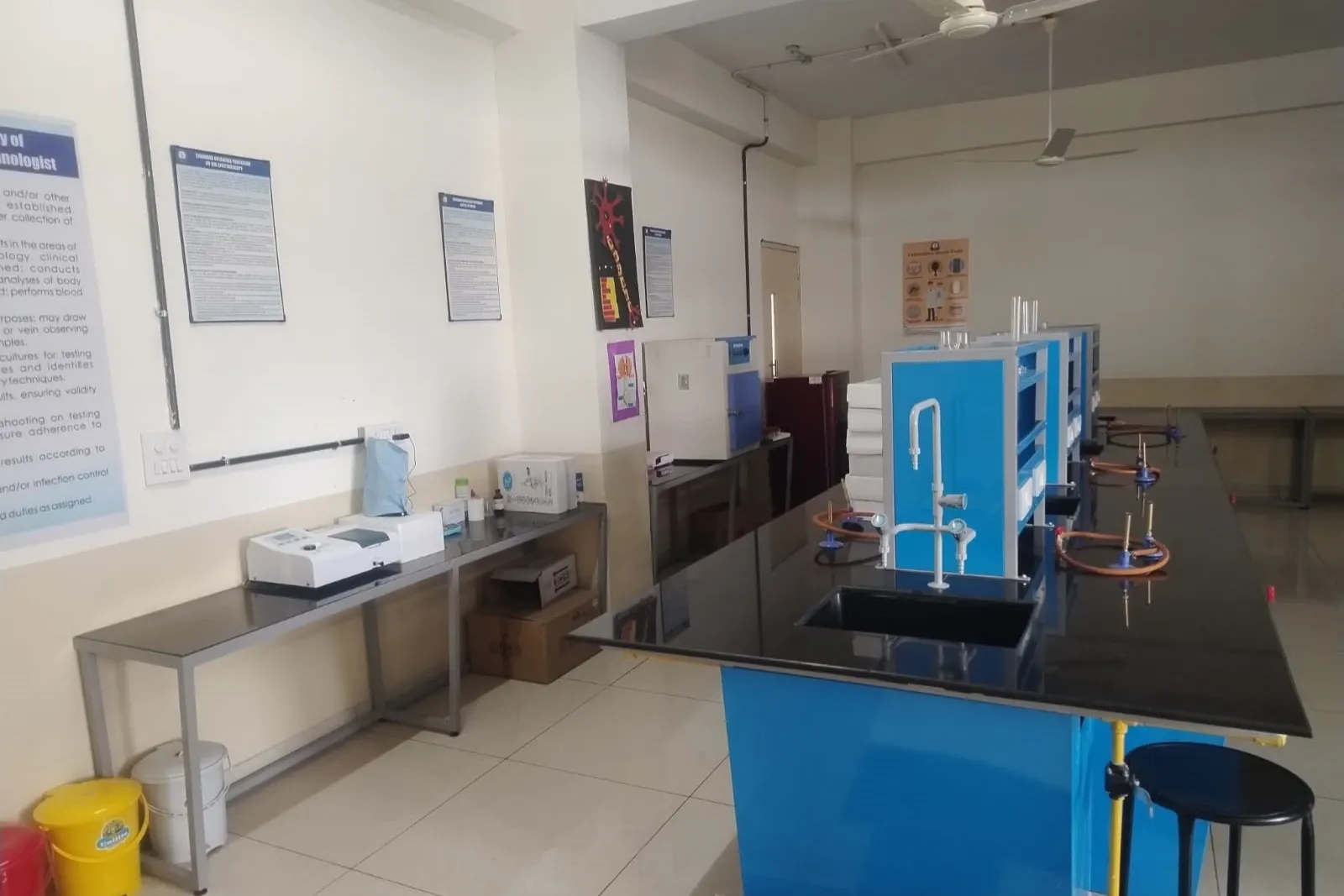
Labs and Facilities

Clinical Biochemistry Lab

Clinical Biochemistry Lab

Equipped with modern analyzers and biochemical instruments, this lab allows students to pe...

Explore
Clinical Microbiology Lab

Clinical Microbiology Lab

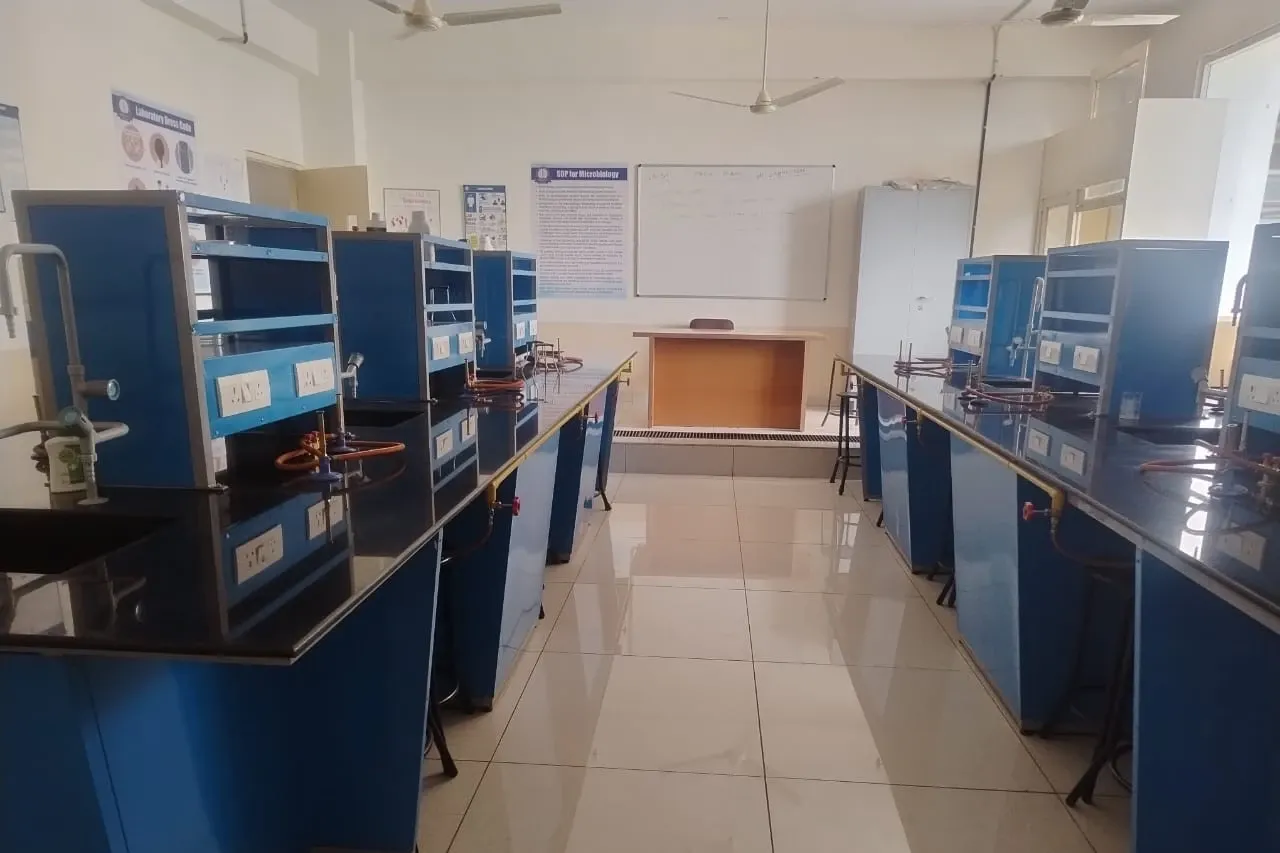
Provides hands-on training in microbial culture, staining, and identification of pathogens...

Explore
Pathology Lab

Pathology Lab

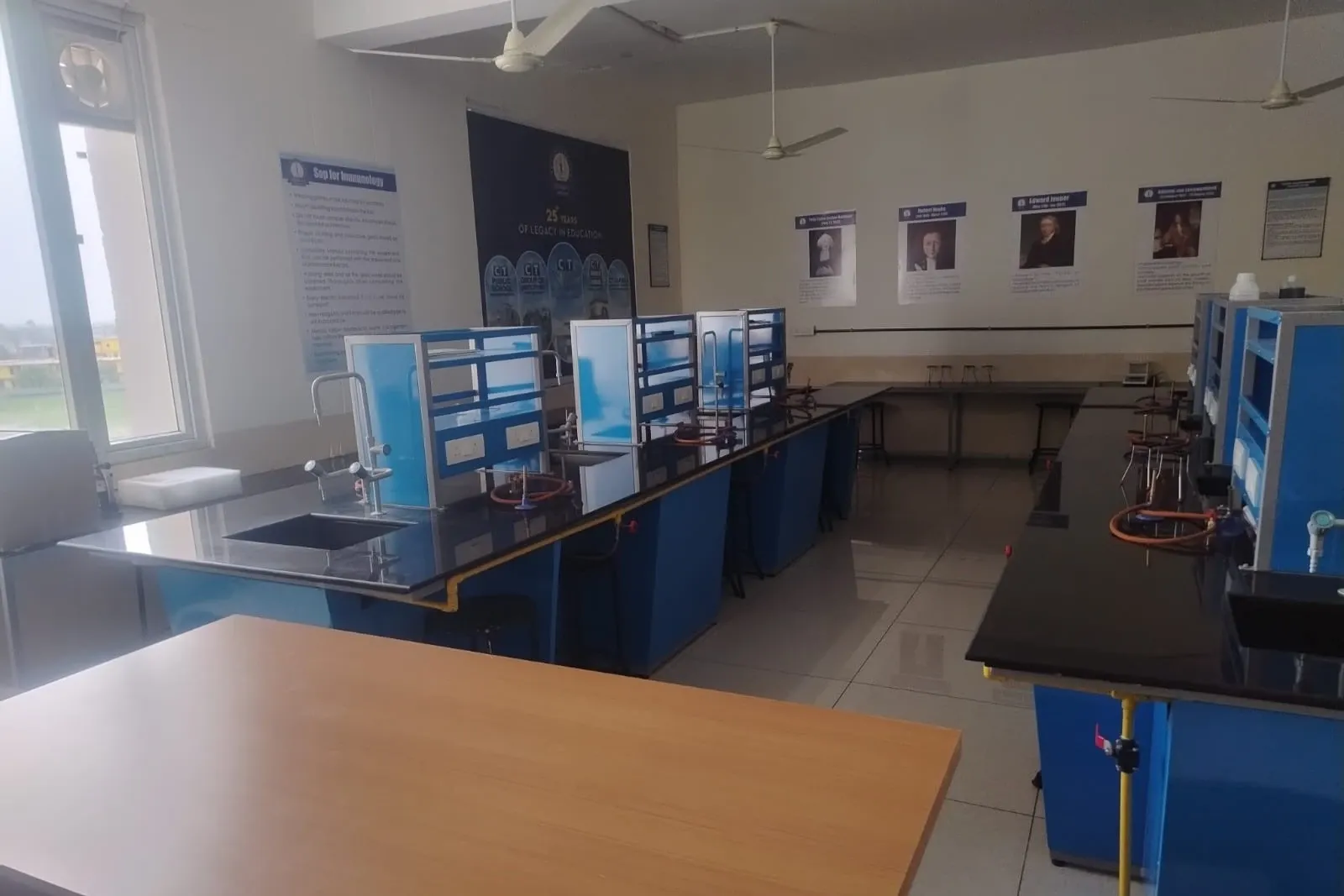
Features advanced microscopes and histopathology tools for studying tissues, diagnosing di...

Explore
Anatomy & Physiology Lab:

Anatomy & Physiology Lab:

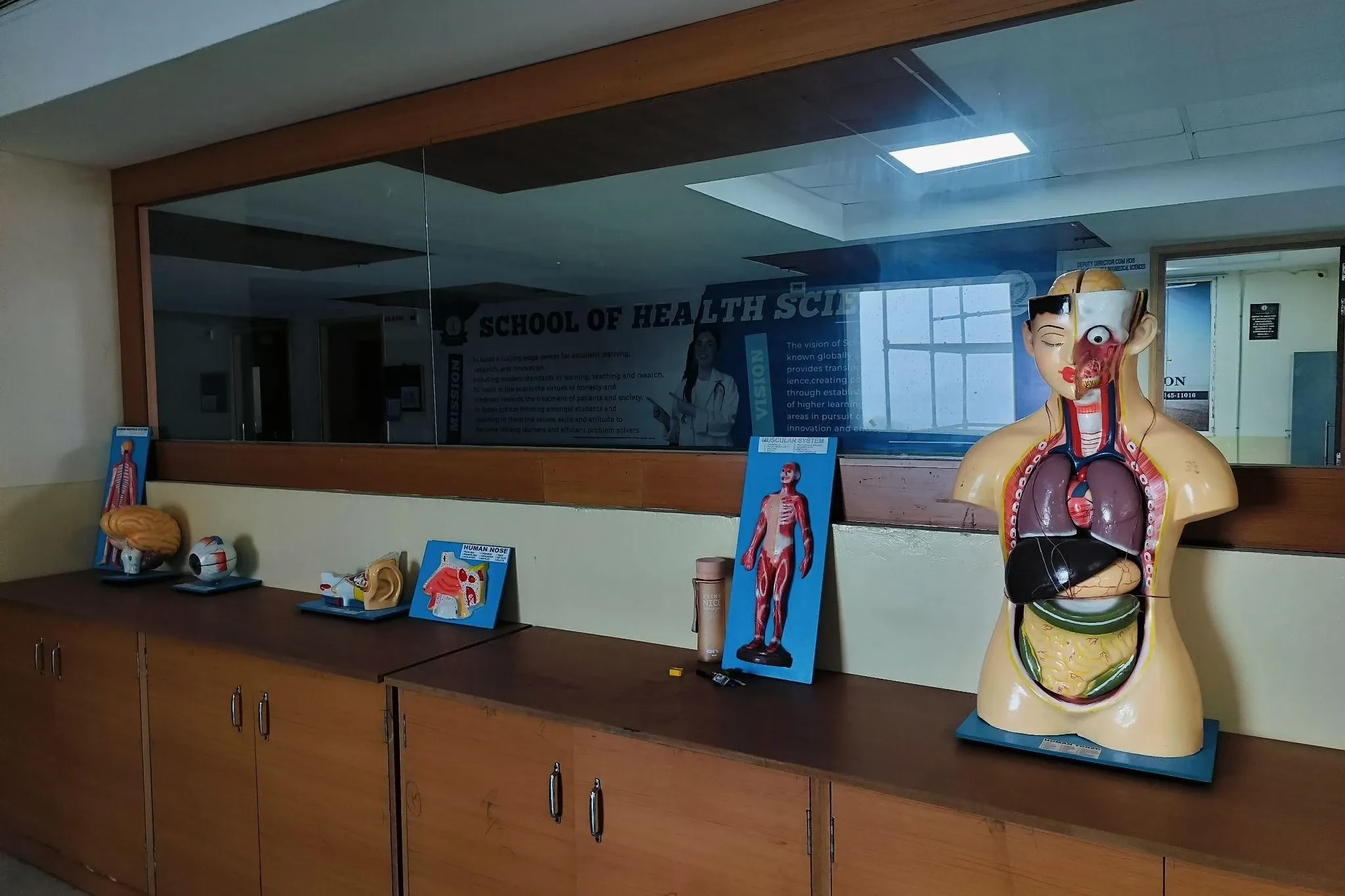
Offers anatomical models and physiological testing equipment to enhance understanding of h...

Explore

Backed by the Legacy of CT Group, Driven by Proven Success

20000+

Placements

800+

Collaborations

1.2Cr

Highest Placement

1800+

Recruiters

1 Lac+

Alumni

40Cr

WORTH SCHOLARSHIP

Hear From Our Students

"

"CT University’s commitment to excellence in education is reflected in its B.Sc. Physiotherapy program. The rigorous training, focus on evidence-based practice, and emphasis on patient rehabilitation have prepared me to provide effective and ethical physiotherapy care in my career."

"

"CT University ensures a well-rounded experience by balancing academics with extracurricular activities. Various workshops, competitions, and student-led initiatives kept me engaged and motivated, helping me grow both professionally and personally."

"

"The internships and clinical training opportunities at CT University provided me with hands-on experience in hospitals and rehabilitation centers. Working under expert supervision gave me the confidence and practical skills needed to excel as a physiotherapy professional."

"

"What I appreciate most about CT University is its focus on patient-centered care and ethical practices in physiotherapy. The program not only teaches technical skills but also emphasizes compassion, safety, and responsibility in rehabilitation, shaping us into better professionals and individuals."

"

"The infrastructure at CT University is unmatched. The well-equipped labs, including digital radiography and advanced CT and MRI simulators, allowed me to practice and refine my skills. The emphasis on quality assurance and safety protocols in imaging technology ensures that graduates are well-prepared for real-world challenges."

"

"The curriculum at CT University is both comprehensive and future-focused. The B.Sc. Radiology and Imaging Technology course introduced me to advanced imaging techniques like CT, MRI, and Ultrasound, while also teaching me essential soft skills. Thanks to the guidance and placement opportunities provided, I secured a position in a reputed hospital before graduating."

"

"CT University stands out for its student-centric approach. The B.Sc. Radiology program is designed to meet industry standards, and the professors are always approachable and ready to assist. The emphasis on practical learning and internships has given me confidence and clarity in my chosen field. I highly recommend this course to anyone interested in a career in radiology."

"

"My experience at CT University has been truly transformative. The B.Sc. Radiology and Imaging Technology course provides an exceptional blend of theoretical knowledge and hands-on training. The faculty's expertise and the university's state-of-the-art labs have helped me gain a deep understanding of modern imaging techniques. This course has prepared me well for my career in medical imaging."