Apply Now Programmes Virtual Tour CT-SET 2026 Ph.D
Admissions
Open 2026-27
Apply now
Apply Now

Bachelor in Medical Radiology and Imaging Technology

program-details

School of Allied and Healthcare, CT University offers 4 years Bachelor of Science (Medical Radiology and Imaging Technology) Programme. It provides rigorous foundations of core Medical Radiology and Imaging Technology, combination of theoretical core concepts with practical training of radiological skills which equips the students to be industry ready. Objective of this programme is to compete with well-established academic institutions in India and abroad.

Industry Immersion

Those who choose this stream are going to study about Medical Radio Imaging Technology, Equipment’s, Emergency Care in Radiology etc. Those who get their placement will be known as Radiology Assistants/Technicians & will Assist an Radiologist in diagnosing various diseases with the help of imaging the body parts by various machines. This Program will create a great source of manpower that can aid in our health sector especially in Radiology, Emergency & Operation Theatres. Radiology Technologists will provide safe & quality patient care by using their technical & critical thinking while Examining the patient. This Program will give students knowledge of basic Science like Anatomy, Physiology, Microbiology& Pathology etc.

eligibility criteria

He/she has passed the Higher Secondary (10+2) or equivalent examination recognized by any Indian University or a duly constituted Board with pass marks in Physics, Chemistry, Biology with 50% marks

Admission criteria

Merit in CT-SET, subject to fulfilling eligibility criteria.

Duration

4 Years

Curriculum

1ST SEMESTER SUBJECTS

Provides comprehensive knowledge of the structure and organization of the human body with emphasis on anatomical systems relevant to medical imaging and radiologic practice.

Introduces the normal functions and physiological processes of major human body systems essential for understanding clinical conditions and medical imaging.

Introduces the fundamental principles of radiation physics, properties of radiation, radiation production, interaction with matter, and basic radiation safety concepts.

Provides an overview of healthcare systems, healthcare professionals, patient care, infection control, safety, and the role of medical imaging professionals in healthcare delivery.

Develops knowledge of medical terminology, clinical documentation, patient records, and systematic record-keeping practices used in healthcare and radiology services.

Develops basic computer literacy and information science skills for digital documentation, data management, communication, and information handling in healthcare and medical imaging.

Introduces medical law, professional ethics, patient rights, confidentiality, informed consent, legal responsibilities, and ethical decision-making in healthcare practice.

Develops professional behaviour, values, communication, teamwork, accountability, empathy, and ethical conduct required for competent and patient-centred radiology practice.

Introduces fundamental principles of management, organization, leadership, resource utilization, teamwork, and administrative practices relevant to healthcare and medical imaging departments.

Develops English language, communication, interpersonal, presentation, and professional communication skills required for effective interaction with patients and healthcare professionals.

Provides supervised clinical exposure to radiology services, patient care, professional conduct, basic imaging procedures, radiation safety, departmental workflow, and healthcare team practices.

2ND SEMESTER SUBJECTS

Introduces basic concepts of microorganisms, infection, transmission, sterilization, disinfection, and infection control practices relevant to radiology and healthcare settings.

Introduces fundamental concepts of carbohydrates, proteins, lipids, enzymes, vitamins, minerals, metabolism, and their relevance to human health and clinical practice.

Covers the principles of conventional radiography, X-ray production, radiographic equipment, image formation, accessories, quality control, and radiation safety.

Develops foundational skills in patient positioning, radiographic positioning principles, anatomical landmarks, image evaluation, and safe acquisition of routine radiographic examinations.

Provides supervised clinical experience in radiology departments, developing competencies in patient care, radiographic procedures, equipment handling, radiation protection, professional conduct, and departmental workflow.

3RD SEMESTER SUBJECTS

Introduces the fundamental concepts of disease processes, cellular changes, inflammation, infection, and common pathological conditions relevant to medical imaging and patient care.

Develops advanced skills in radiographic positioning, anatomical landmarks, patient preparation, image evaluation, and safe performance of routine and specialized radiographic examinations.

Covers radiographic image formation, processing techniques, image quality, digital radiography, quality assurance, artifacts, and methods for optimizing diagnostic image quality.

Introduces the principles, indications, contraindications, administration, adverse reactions, and safety considerations of contrast media and special radiological procedures.

Provides supervised clinical experience in radiology departments, developing competencies in patient care, radiographic positioning, imaging procedures, equipment use, radiation protection, image quality, and professional practice.

4TH SEMESTER SUBJECTS

Develops detailed knowledge of cross-sectional anatomy of the human body with emphasis on anatomical structures as visualized through CT, MRI, and other advanced imaging modalities.

Introduces the principles, physics, operation, applications, safety, and quality assurance of modern radiological imaging equipment, including CT, MRI, ultrasound, and digital imaging systems.

Introduces the principles, procedures, equipment, patient preparation, imaging guidance, safety, and basic techniques used in interventional radiology.

Develops knowledge and skills in patient preparation, communication, positioning, infection control, monitoring, safety, and compassionate care during radiological examinations and procedures.

Provides supervised clinical training in advanced radiology services, developing competencies in modern imaging procedures, patient care, equipment operation, radiation safety, image quality, and professional practice.

5TH SEMESTER SUBJECTS

Introduces the fundamental principles, instrumentation, image acquisition, patient preparation, protocols, and safety practices involved in computed tomography (CT) imaging.

Develops knowledge of radiation hazards, dose optimization, radiation protection principles, and safe practices for patients, professionals, and the public in diagnostic radiology.

Introduces quality assurance and quality control principles for diagnostic radiology equipment, image quality optimization, radiation dose management, documentation, and compliance with applicable regulatory requirements.

Provides supervised clinical training in CT and diagnostic radiology services, developing competencies in imaging procedures, patient care, radiation safety, quality assurance, equipment handling, and professional practice.

6TH SEMESTER SUBJECTS

Introduces the fundamental principles, physics, equipment, patient preparation, safety measures, and basic image acquisition techniques used in magnetic resonance imaging (MRI).

Introduces the basic principles of nuclear medicine, radiopharmaceuticals, imaging techniques, radiation safety, and clinical applications in diagnosis and patient care.

Covers the principles of ultrasound imaging, equipment operation, transducers, image formation, patient preparation, and basic diagnostic applications.

Develops knowledge of biostatistical concepts, research methodology, data analysis, research ethics, and evidence-based approaches relevant to medical imaging practice.

Provides supervised clinical training in MRI, nuclear medicine, ultrasound, and related radiology services, developing competencies in patient care, imaging procedures, safety, equipment handling, and professional practice.

7TH & 8TH SEMESTER SUBJECTS

Develops practical competency in conventional radiography, mammography, computed radiography, digital radiography, and PACS for safe and effective image acquisition and management.

Develops knowledge and practical skills in advanced radiological imaging, special procedures, modern equipment, patient preparation, image acquisition, and radiation safety.

Develops competency in ultrasonography and Doppler imaging, including equipment handling, patient preparation, image acquisition, and basic interpretation of vascular and anatomical structures.

Develops practical knowledge of interventional radiology procedures, patient preparation, imaging guidance, equipment handling, infection control, and radiation safety.

Develops practical competency in computed tomography, including patient preparation, positioning, scanning protocols, image acquisition, contrast procedures, radiation dose optimization, and image quality.

Develops practical competency in magnetic resonance imaging, including patient screening, safety, positioning, imaging protocols, equipment operation, and acquisition of diagnostic-quality images.

fees

Details

Amount

Programme Fees (per Semester)

60000

Examination Fees

3000

International Fees (per Year)

$3200

Fee Slab

Slab >=60% - 74.99% >=75% - 89.99% >=90% & Above
Fee ₹55000 ₹50000 ₹45000

Students can avail these slots depending on the marks they have scored. Each slot reflects a different academic range, helping students understand where they stand and what benefits they qualify for.

Programme Outcomes

  • Understanding ways of functioning effectively as an individual/ independently and as a member in diverse team in multidisciplinary settings. (Attitude)
  • Understanding requirements of continuous education as a function of growth and maintenance of Professional competence. (Lifelong learning)
  • Understanding environmental consciousness and societal concerns in achieving sustainable development. (Environment and Sustainability)
  • Applying computer skills in healthcare system and taking entrepreneurial decisions. (Entrepreneurship)
  • Applying knowledge to assess societal, health, safety and legal issues related to professional practice. (Social interaction &effective citizenship)
  • Applying systematized problem-solving techniques to identify and correct procedural errors to verify the accuracy of laboratory result obtained. (Problem analysis and solving)
  • Applying appropriate techniques, resources and tools with an understanding of limitations. (Technology savvy/usage)
  • Developing the ability towards ethical as well as critical thinking. (Critical thinking)
  • Executing professional conduct and interpersonal communicational skills effectively with society at large. (Communication)

Programme Specific Outcomes

  • Understanding the basic concepts, theories of applied sciences (physics, chemistry, Anatomy, physiology, biochemistry, pathology) relevant to radiological imaging techniques.
  • Operating all radiological and imaging equipment independently and perform the image processing in X-Ray, Fluoroscopy, Computed Tomography, Dual Energy X-Ray Absorptiometry (DEXA), Mammography, Digital Subtraction Angiography, Magnetic Resonance Imaging, Ultrasonography, Nuclear Medicine
  • Remembering the relationship between physics and Radio diagnosis & modern imaging. Creating & Formulating plan for handling patient with drugs & equipment in general as well in emergency situation.
  • Understanding provisions for radiation safety by various national & international regulatory bodies and applying quality assurance measures, health care organization in India, basic medical terminology safety procedures and maintenance of radiological equipment.
  • Analysing the protocols in Radiological Procedures & evaluating the factors affecting technical quality of images and various pathological conditions 

Salient Features

  • Disciplinary knowledge and its appropriate application: This subject will facilitate students to gain relevant disciplinary understanding of the nature, practice and application of Medical Imaging Technology through lectures, Hans on training on imaging machines, computer practical, workshops and presentations. The material will be assessed in the test and the examination.
  • Professional skills and their appropriate application: Provide Time management, personal organization and teamwork skills, and communication skills will be developed through the presentation projects.
  • Engagement with the needs of society: The subject will enhance the capacity of the students to respond to the needs and grapple with ethical concerns that accompany the practice of Medical Imaging (e.g. the balance between diagnostic accuracy and radiation dose to the patient, the staff and population as a whole).
  • Clinical Care: Using a patient/family-centered approach and best evidence, each student will organize and implement the prescribed preventive, investigative and management plans; and will offer appropriate follow-up services.
  • Lifelong learning: The student should be committed to continuous improvement in skills and knowledge while harnessing modern tools and technology. Program objectives will aim at making the students being able to: Perform objective self-assessments of their knowledge and skills; learn and refine existing skills; and acquire new skills
  • Social Accountability and Responsibility: The students will recognize that allied and healthcare professionals need to be advocates within the health care system, to judiciously manage resources and to acknowledge their social accountability. They have a mandate to serve the community, region and the nation and will hence direct all research and service activities towards addressing their priority health concerns.

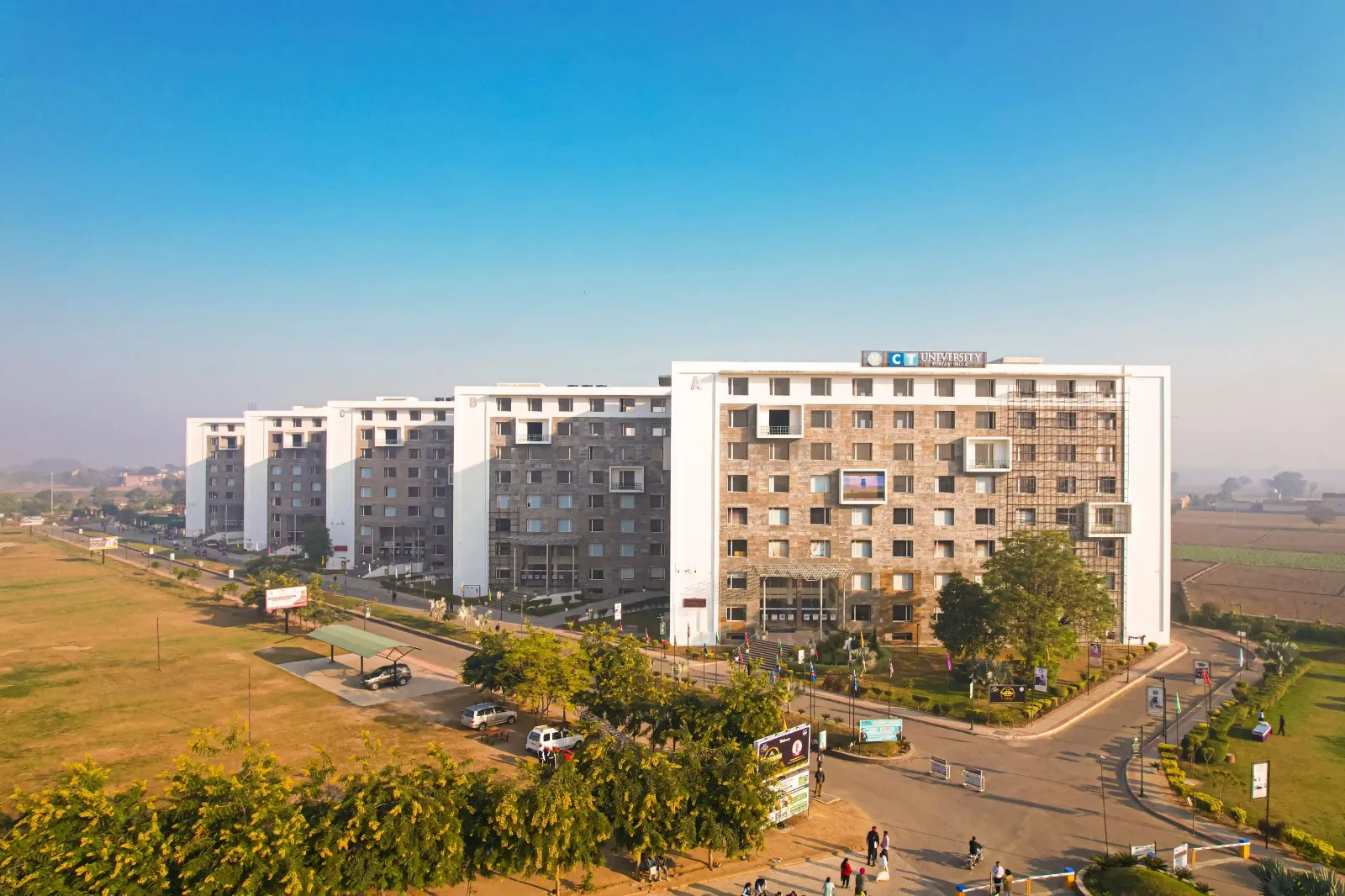
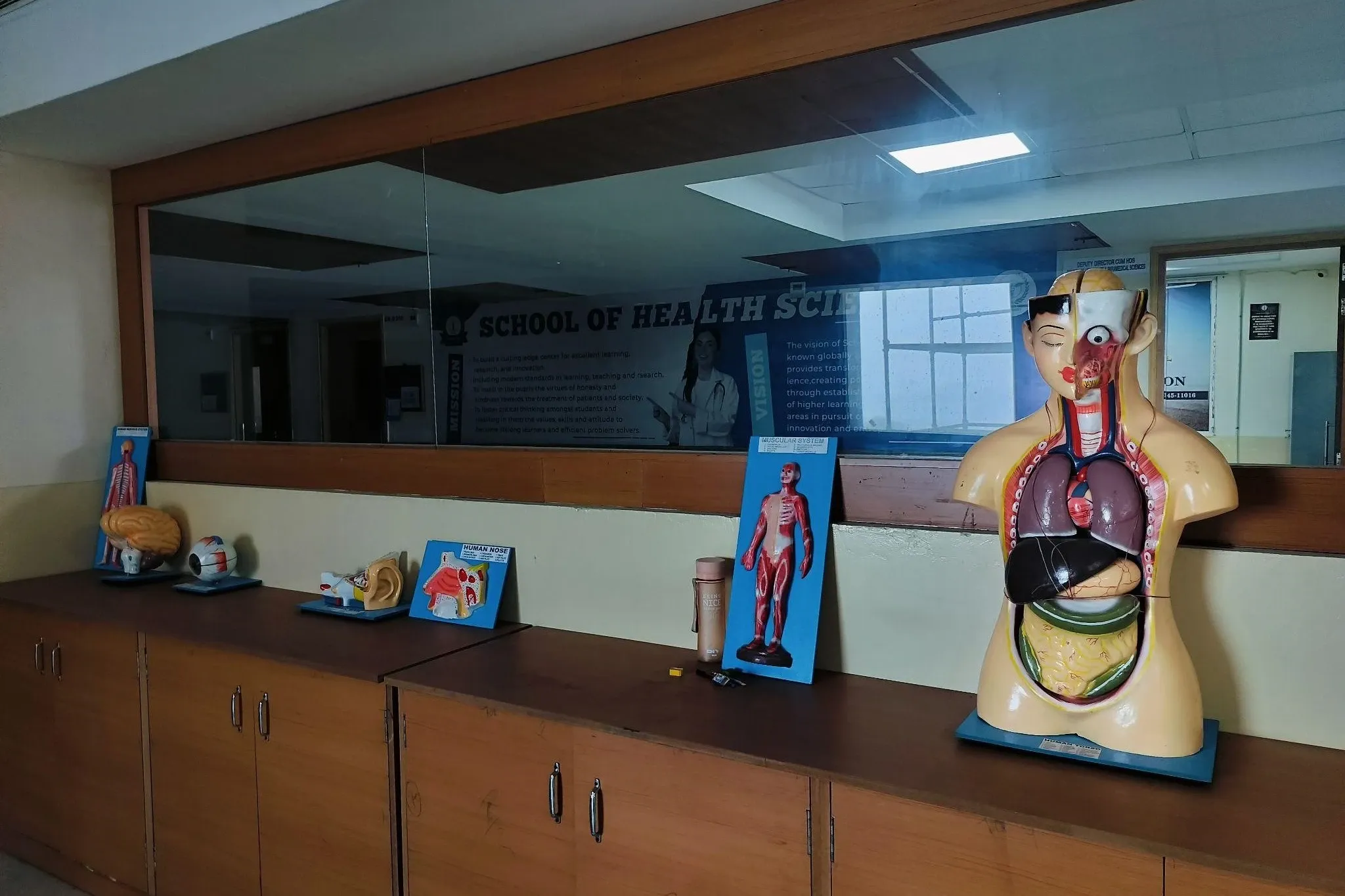
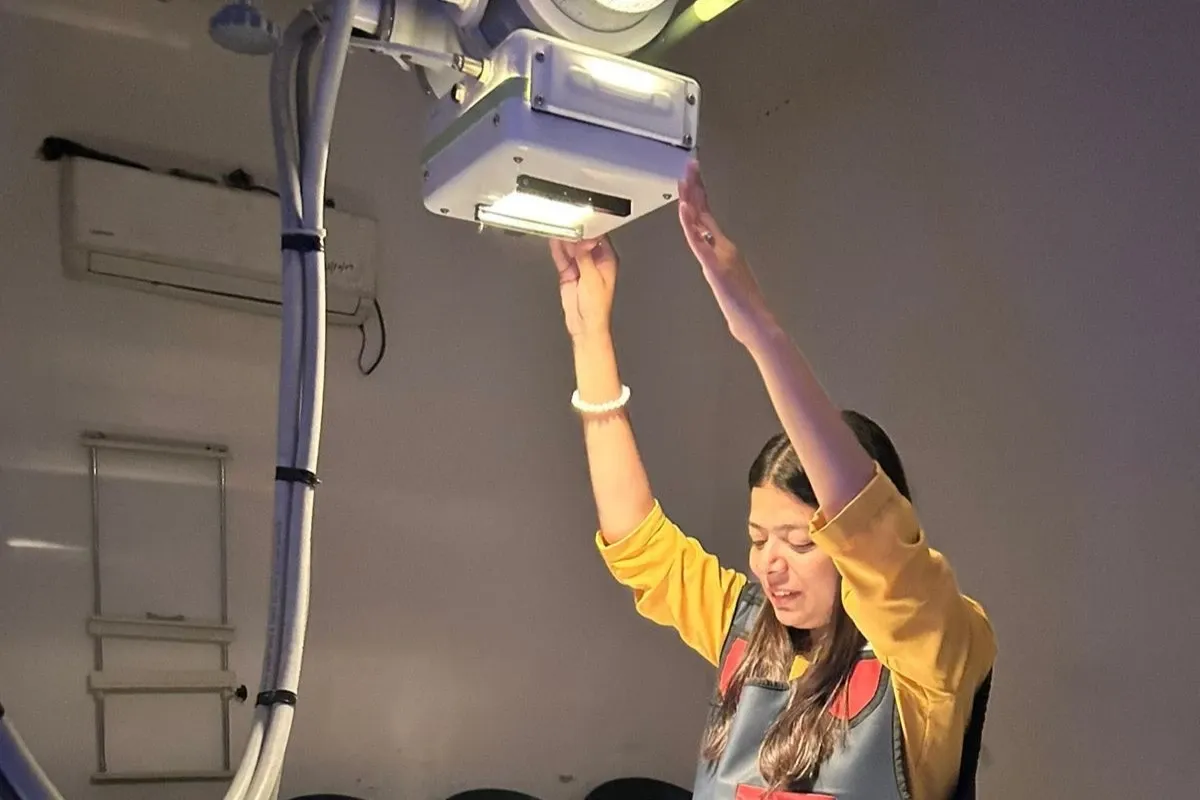
Infrastructure