Apply Now Programmes Virtual Tour CT-SET 2026 Ph.D
Admissions
Open 2026-27
Apply now
Apply Now
Home  /  Programmes  /  Baccalaureate in Anesthesia & Operation Theatre Technology

Baccalaureate in Anesthesia & Operation Theatre Technology

Duration: 4 Years Category: Graduate Programs

Programme Details

About the Programme

The Baccalaureate in Anaesthesia & Operation Theatre Technology is a four-year undergraduate programme designed to prepare skilled healthcare professionals for operation theatre and critical care environments. The programme integrates theoretical knowledge with practical and clinical training to develop expertise in anaesthesia assistance, patient monitoring, infection control and operation theatre management.

Industry Immersion

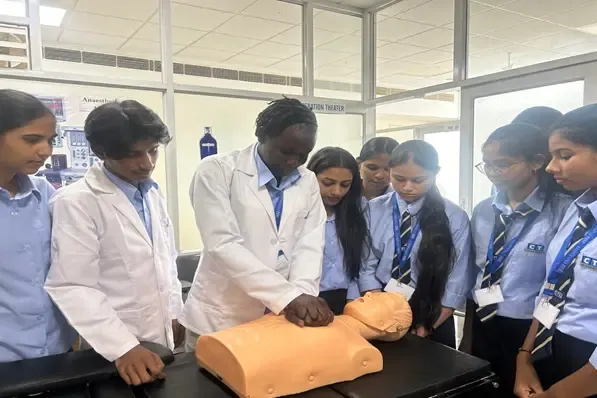
The programme provides extensive clinical and hospital exposure to enhance practical skills and professional confidence. Students undergo clinical postings, internships and hands-on training in operation theatres, intensive care units and emergency care departments under the guidance of experienced healthcare professionals.

Eligibility Criteria

10+2 with English, Physics, Chemistry and Biology as compulsory subjects from a recognised board with a minimum of 50% marks.

Register Now

Why Choose CT University

Why CT University is the Right Choice for Your Future

CT University Campus

At CT University, we combine industry-integrated learning and global academic partnerships, backed by the CT Group's 30+ year legacy, to prepare students for careers that actually last.

Industry-oriented
learning

Modern campus
facilities

Academic excellence &
mentorship

Global opportunities &
placements

Fee Structure & Scholarships

Program Fee Details

Fee Type Amount
Programme Fees (per Semester) ₹60000
Examination Fees ₹3000
International Fee (USD) $3000

Merit Based Scholarship Scheme

Unlock up to 90% Scholarship through CTSET, with scholarships worth Rs 40 Crore! Get access to top-quality education at CT University, Ludhiana — without the financial burden.

Slab >=60% - 74.99% >=75% - 89.99% >=90% & Above
Fee ₹55000 ₹50000 ₹45000

Students can avail these slots depending on the marks they have scored. Each slot reflects a different academic range, helping students understand where they stand and what benefits they qualify for.

Course Curriculum

1ST SEMESTER SUBJECTS

Provides an overview of the structure, organization, financing, policies, and functioning of the Indian healthcare delivery system, including primary, secondary, and tertiary levels of care and the role of healthcare professionals.
Course Outcome:
CO1: Explain the structure, organization, functions, and levels of the healthcare delivery system in India.
CO2: Describe the roles and responsibilities of primary, secondary, and tertiary healthcare institutions and healthcare professionals.
CO3: Explain the basic principles of public, private, and community-based healthcare services in India.
CO4: Describe major national health programmes, healthcare policies, and initiatives related to healthcare delivery in India.
CO5: Explain the importance of accessibility, affordability, equity, quality, and patient-centred care in healthcare delivery.
CO6: Apply basic knowledge of the Indian healthcare system to understand the role of allied health professionals in effective healthcare delivery.

Develops knowledge of commonly used medical terminology, abbreviations, documentation practices, and principles of accurate, confidential, and systematic healthcare record keeping.
Course Outcome:
CO1: Explain the basic principles, structure, and usage of commonly used medical terminology in healthcare settings.
CO2: Identify and interpret common medical terms, abbreviations, prefixes, suffixes, and root words used in clinical practice.
CO3: Demonstrate accurate use of medical terminology for communicating patient information with healthcare professionals.
CO4: Explain the purpose, components, and importance of maintaining accurate and complete medical records.
CO5: Demonstrate appropriate procedures for documenting, organizing, storing, retrieving, and maintaining patient records while ensuring confidentiality.
CO6: Apply principles of accurate documentation, data privacy, professional communication, and record management in healthcare practice.

Provides comprehensive knowledge of gross anatomy and the structure and organization of the human body, with emphasis on anatomical concepts relevant to anaesthesia, operation theatre, and perioperative care.
Course Outcome:
CO1: Describe the basic anatomical organization and structural components of the human body.
CO2: Identify and describe the structure and functions of bones, joints, muscles, and connective tissues.
CO3: Explain the anatomy of the major body systems, including the nervous, cardiovascular, respiratory, digestive, urinary, and endocrine systems.
CO4: Describe the anatomy of the head, neck, thorax, abdomen, and major anatomical regions relevant to healthcare practice.
CO5: Identify important anatomical structures using appropriate anatomical terminology and basic models or diagrams.
CO6: Apply anatomical knowledge to understand normal body functions, common clinical conditions, and safe patient care procedures.

Provides comprehensive understanding of normal human physiology, including the functions and regulation of major body systems relevant to anaesthesia, surgical procedures, and perioperative patient care.
Course Outcome:
CO1: Explain the basic physiological principles governing the normal functioning of the human body.
CO2: Describe the physiological functions of the nervous, muscular, cardiovascular, respiratory, digestive, renal, and endocrine systems.
CO3: Explain the mechanisms involved in maintenance of homeostasis and regulation of body functions.
CO4: Describe the physiological processes involved in blood circulation, respiration, digestion, excretion, and metabolism.
CO5: Explain the basic physiological mechanisms involved in sensory functions and nervous system coordination.
CO6: Correlate normal physiological processes with common clinical conditions and their relevance to healthcare practice.

Develops knowledge and skills in healthcare quality management and patient safety, including quality improvement, infection prevention and control, risk management, incident reporting, patient identification, and safe clinical practices.
Course Outcome:
CO1: Explain the fundamental concepts, principles, and importance of healthcare quality and patient safety.
CO2: Describe common sources of healthcare errors, risks, adverse events, and factors affecting patient safety.
CO3: Explain the principles of infection prevention, hand hygiene, safe patient identification, medication safety, and clinical risk reduction.
CO4: Describe the importance of effective communication, teamwork, documentation, incident reporting, and standard operating procedures in quality healthcare delivery.
CO5: Identify potential patient-safety risks and apply basic strategies for their prevention, reporting, and management.
CO6: Demonstrate a commitment to quality improvement, ethical practice, patient-centred care, and continuous enhancement of safety in healthcare settings.

2ND SEMESTER SUBJECTS

Provides knowledge of medical laws, professional ethics, patient rights, informed consent, confidentiality, medico-legal responsibilities, and fundamental management principles relevant to healthcare and anaesthesia operation theatre services.
Course Outcome:
CO1: Explain the fundamental principles of medical law, professional ethics, patient rights, and responsibilities in healthcare practice.
CO2: Describe the importance of informed consent, confidentiality, privacy, documentation, professional accountability, and ethical decision-making.
CO3: Identify common legal and ethical issues related to negligence, malpractice, communication, patient safety, and professional conduct.
CO4: Explain the basic principles of management, including planning, organizing, staffing, directing, coordination, and control in healthcare settings.
CO5: Demonstrate effective leadership, teamwork, communication, delegation, and decision-making skills in healthcare environments.
CO6: Apply legal, ethical, and management principles to promote safe, professional, accountable, and patient-centred healthcare delivery.

Provides foundational understanding of biomedical sciences relevant to surgery and anaesthesia, integrating anatomy, physiology, pathology, pharmacology, and basic principles of perioperative and surgical care.
Course Outcome:
CO1: Explain the basic biomedical concepts relevant to surgical and anaesthesia procedures.
CO2: Describe the anatomical and physiological principles underlying common surgical procedures and anaesthetic interventions.
CO3: Explain the basic principles of surgical pathology, tissue response, wound healing, and physiological changes associated with surgery.
CO4: Describe the basic principles, types, routes, effects, and safety considerations of anaesthesia.
CO5: Explain the physiological monitoring, vital parameters, and common risks associated with surgical and anaesthetic procedures.
CO6: Apply basic biomedical knowledge to understand the role of healthcare professionals in safe perioperative and anaesthesia care.

Provides foundational knowledge of biochemical processes, blood composition, hematological parameters, coagulation, blood grouping, and laboratory investigations relevant to surgical and anaesthesia practice.
Course Outcome:
CO1: Explain the fundamental principles of biochemistry and hematology relevant to healthcare and surgical practice.
CO2: Describe the structure, functions, and metabolism of carbohydrates, proteins, lipids, enzymes, vitamins, and minerals.
CO3: Explain the composition and physiological functions of blood, including red blood cells, white blood cells, platelets, and plasma.
CO4: Describe the mechanisms of hematopoiesis, blood coagulation, blood grouping, and basic transfusion principles.
CO5: Explain the biochemical and hematological changes associated with common diseases and clinical conditions.
CO6: Correlate basic biochemical and hematological findings with clinical assessment, surgical preparation, and patient care.

Provides fundamental knowledge of disease processes, microorganisms, infection transmission, diagnostic principles, infection prevention and control, and their relevance to surgical and anaesthesia services.
Course Outcome:
CO1: Explain the fundamental concepts of pathology, disease processes, and their relevance to surgical and healthcare practice.
CO2: Describe the mechanisms of cell injury, inflammation, tissue repair, degeneration, infection, and neoplasia.
CO3: Explain the basic classification, characteristics, growth, transmission, and pathogenicity of microorganisms.
CO4: Describe common bacterial, viral, fungal, and parasitic infections relevant to healthcare and surgical settings.
CO5: Explain the principles of sterilization, disinfection, asepsis, infection prevention, and control in clinical environments.
CO6: Apply basic knowledge of pathology and microbiology to recognize infection risks, support safe surgical practice, and contribute to appropriate patient care.

Provides foundational knowledge of pharmacological principles, including drug actions, indications, contraindications, dosage forms, routes of administration, adverse effects, and safe use of medicines in clinical practice.
Course Outcome:
CO1: Explain the basic principles, terminology, scope, and importance of pharmacology in healthcare practice.
CO2: Describe the principles of pharmacokinetics and pharmacodynamics and factors influencing drug action.
CO3: Classify commonly used drugs according to their therapeutic actions, mechanisms, and clinical applications.
CO4: Explain the indications, contraindications, adverse effects, precautions, and interactions of commonly used medications.
CO5: Describe the common routes of drug administration, dosage forms, storage requirements, and principles of safe medication handling.
CO6: Apply basic pharmacological knowledge to support safe, rational, and appropriate medication use in surgical and healthcare settings.

Develops basic competencies in computer applications, healthcare information systems, professional communication, interpersonal skills, teamwork, documentation, and effective communication in healthcare settings.
Course Outcome:
CO1: Explain the fundamental concepts, components, applications, and uses of computers and information technology in healthcare.
CO2: Demonstrate basic skills in word processing, spreadsheets, presentations, internet use, email, and digital information management.
CO3: Explain the importance of information security, data privacy, confidentiality, and responsible use of digital healthcare information.
CO4: Demonstrate effective verbal, non-verbal, written, and professional communication skills in healthcare settings.
CO5: Apply interpersonal, teamwork, problem-solving, time-management, leadership, and workplace etiquette skills in professional situations.
CO6: Integrate computer, communication, and soft skills to support effective, professional, ethical, and patient-centred healthcare delivery.

3RD SEMESTER SUBJECTS

Introduces fundamental anesthesia techniques, equipment, airway management, patient monitoring, and the role of anesthesia technologists during surgical procedures.
Course Outcome:
CO1: Explain the basic principles, types, objectives, and stages of general, regional, and local anesthesia.
CO2: Describe the commonly used anesthetic drugs, equipment, airway devices, and techniques used during anesthesia.
CO3: Demonstrate basic preparation and checking of anesthesia equipment, drugs, breathing systems, and monitoring devices under appropriate supervision.
CO4: Explain the principles of airway management, oxygen therapy, ventilation, and monitoring of vital parameters during anesthesia.
CO5: Identify common complications, adverse events, and emergency situations associated with anesthesia and describe appropriate initial responses.
CO6: Apply principles of asepsis, patient safety, monitoring, documentation, and teamwork during perioperative anesthesia care.

Provides an overview of common surgical procedures, surgical techniques, instruments, patient preparation, and the role of the operating theatre team.
Course Outcome:
CO1: Explain the basic principles, types, objectives, and stages of general, regional, and local anesthesia.
CO2: Describe the commonly used anesthetic drugs, equipment, airway devices, and techniques used during anesthesia.
CO3: Demonstrate basic preparation and checking of anesthesia equipment, drugs, breathing systems, and monitoring devices under appropriate supervision.
CO4: Explain the principles of airway management, oxygen therapy, ventilation, and monitoring of vital parameters during anesthesia.
CO5: Identify common complications, adverse events, and emergency situations associated with anesthesia and describe appropriate initial responses.
CO6: Apply principles of asepsis, patient safety, monitoring, documentation, and teamwork during perioperative anesthesia care.

Covers principles of sterilization, disinfection, instrument processing, infection control, and safe handling of medical gases in CSSD and manifold areas.
Course Outcome:
CO1: Explain the purpose, organization, functions, and workflow of the Central Sterile Services Department (CSSD) and manifold area.
CO2: Describe the processes of collection, cleaning, decontamination, inspection, packing, sterilization, storage, and distribution of medical instruments.
CO3: Explain the principles, methods, indications, and monitoring of sterilization and disinfection processes used in healthcare facilities.
CO4: Demonstrate appropriate practices for handling, segregation, transportation, storage, and safe distribution of sterile and contaminated materials.
CO5: Explain the basic functioning, safety requirements, and maintenance principles of medical gas systems and manifold areas.
CO6: Apply infection-control, occupational-safety, quality-assurance, and documentation practices in CSSD and manifold operations.

Provides practical exposure to healthcare and allied industries through orientation and industrial visits to understand workplace practices, equipment, safety, and professional roles.
Course Outcome:
CO1: Explain the organizational structure, functions, workflow, and professional practices of healthcare and allied health organizations.
CO2: Identify the roles and responsibilities of anesthesia and operation theatre technologists in different clinical and healthcare environments.
CO3: Observe and describe the practical application of anesthesia, surgical, CSSD, infection-control, and patient-safety procedures in healthcare facilities.
CO4: Relate classroom-based theoretical knowledge to actual clinical and industrial practices through structured observation and interaction.
CO5: Demonstrate professional behaviour, communication, teamwork, discipline, workplace ethics, and appropriate conduct during industrial/clinical visits.
CO6: Prepare and present structured observations and learning reports based on industrial visits and identify opportunities for professional development and career growth.

4TH SEMESTER SUBJECTS

Provides advanced knowledge and practical application of contemporary anaesthesia techniques, including advanced airway management, general and regional anaesthesia, perioperative monitoring, patient assessment, and management of anaesthesia-related complications.
Course Outcome:
CO1: Explain advanced principles, techniques, and applications of general, regional, and local anesthesia in different surgical procedures.
CO2: Describe advanced airway management techniques, ventilation strategies, anesthetic equipment, and monitoring systems used during anesthesia.
CO3: Demonstrate appropriate preparation and safe handling of advanced anesthesia equipment, drugs, airway devices, and monitoring systems under supervision.
CO4: Explain the principles of hemodynamic, respiratory, neurological, and physiological monitoring during complex anesthesia procedures.
CO5: Identify and describe the management principles of common and life-threatening anesthesia-related complications and emergencies.
CO6: Apply advanced principles of patient safety, infection control, monitoring, documentation, teamwork, and perioperative care during anesthesia procedures.

Provides advanced knowledge of surgical procedures, including surgical principles, patient preparation, positioning, instrumentation, intraoperative assistance, postoperative care, and safe operation theatre practices.
Course Outcome:
CO1: Explain the principles, techniques, indications, and requirements of advanced and specialized surgical procedures.
CO2: Describe advanced surgical instruments, equipment, technologies, and operating room arrangements used for specialized procedures.
CO3: Explain advanced principles of surgical asepsis, infection prevention, patient positioning, tissue handling, haemostasis, and wound management.
CO4: Demonstrate appropriate preparation and handling of surgical instruments, supplies, implants, and equipment according to procedural requirements.
CO5: Identify the roles and responsibilities of the operation theatre technologist and other members of the multidisciplinary surgical team during complex procedures.
CO6: Apply principles of patient safety, surgical site safety, infection control, documentation, and effective teamwork during advanced surgical procedures.

Provides foundational knowledge of intensive care principles, including critical patient monitoring, airway and ventilatory support, fluid and electrolyte management, infection control, emergency care, and basic management of critically ill patients.
Course Outcome:
CO1: Explain the basic principles, organization, functions, and indications of intensive care services.
CO2: Describe the physiological basis and basic management principles of critically ill patients requiring intensive care.
CO3: Explain the principles of monitoring vital signs, oxygenation, ventilation, circulation, fluid balance, and other essential parameters in critically ill patients.
CO4: Describe the basic principles and applications of mechanical ventilation, airway management, oxygen therapy, and commonly used ICU equipment.
CO5: Identify common life-threatening conditions and complications encountered in intensive care and describe appropriate initial management and emergency responses.
CO6: Apply principles of infection prevention, patient safety, ethical care, documentation, and multidisciplinary teamwork in the intensive care environment.

Provides knowledge of common medical conditions and their clinical management, with emphasis on patient assessment, disease recognition, perioperative care, emergency management, and coordination of multidisciplinary healthcare services.
Course Outcome:
CO1: Explain the basic concepts, causes, clinical features, diagnosis, and management principles of common medical conditions.
CO2: Describe common disorders affecting the cardiovascular, respiratory, gastrointestinal, neurological, endocrine, renal, and other major body systems.
CO3: Correlate patient history, clinical signs, symptoms, and basic investigations with common medical conditions relevant to surgical and anesthesia care.
CO4: Explain the principles of preoperative assessment, medical optimization, perioperative management, and postoperative care of patients.
CO5: Identify medical conditions requiring urgent intervention, specialist consultation, or referral and describe appropriate initial supportive measures.
CO6: Apply basic clinical medicine and patient-management principles to support safe, coordinated, ethical, and patient-centred perioperative care.

5TH SEMESTER SUBJECTS

Provides advanced knowledge and application of anaesthesia techniques for specialized and complex surgical procedures, including patient assessment, advanced monitoring, perioperative management, and management of anaesthesia-related complications.
Course Outcome:
CO1: Explain the principles, techniques, indications, and considerations of anesthesia for specialized surgical procedures and high-risk patient groups.
CO2: Describe specialized anesthetic techniques, advanced airway management, monitoring modalities, and equipment used in complex surgical settings.
CO3: Explain the physiological and pharmacological considerations of anesthesia in pediatric, geriatric, obstetric, trauma, and critically ill patients.
CO4: Demonstrate appropriate preparation, handling, and safe use of specialized anesthesia equipment, drugs, airway devices, and monitoring systems under supervision.
CO5: Identify potential anesthesia-related complications and emergencies and describe appropriate preventive and initial management measures.
CO6: Apply principles of patient safety, infection control, monitoring, documentation, communication, and multidisciplinary teamwork during specialized anesthesia care

Provides advanced knowledge of specialized surgical procedures, including patient preparation, positioning, surgical instrumentation, intraoperative assistance, postoperative care, and safety practices in specialized operation theatre settings.
Course Outcome:
CO1: Explain the principles, indications, techniques, and perioperative requirements of specialized surgical procedures.
CO2: Describe specialized surgical instruments, equipment, technologies, implants, and operating room arrangements used for different procedures.
CO3: Explain the principles of surgical asepsis, patient positioning, surgical site preparation, tissue handling, haemostasis, and wound management in specialized surgery.
CO4: Demonstrate appropriate preparation, identification, handling, and organization of instruments and surgical supplies according to procedural requirements.
CO5: Describe the roles and responsibilities of the operation theatre technologist and multidisciplinary surgical team during specialized procedures.
CO6: Apply principles of patient safety, infection prevention, documentation, surgical site safety, and effective teamwork during specialized surgical procedures.

Provides knowledge of emerging technologies, contemporary techniques, evidence-based practices, and innovations in anaesthesia and surgery, with emphasis on patient safety, improved clinical outcomes, and modern perioperative care.
Course Outcome:
CO1: Explain recent developments, innovations, and emerging technologies in anesthesia and surgical practice.
CO2: Describe advances in anesthesia equipment, monitoring systems, airway management, drug-delivery systems, and perioperative technologies.
CO3: Explain recent developments in minimally invasive surgery, robotic surgery, image-guided procedures, and other advanced surgical techniques.
CO4: Evaluate the applications, benefits, limitations, safety considerations, and clinical relevance of emerging anesthesia and surgical technologies.
CO5: Demonstrate awareness of evidence-based practice, digital technologies, automation, artificial intelligence, and innovations influencing modern surgical and anesthesia services.
CO6: Apply knowledge of recent advances to support safe, efficient, technology-enabled, and patient-centred anesthesia and surgical care.

Provides foundational knowledge of disaster preparedness and management, emergency response, mass-casualty management, environmental health, occupational safety, and sustainable practices relevant to healthcare and operation theatre services.
Course Outcome:
CO1: Explain the basic concepts, types, causes, phases, and principles of disaster management and emergency preparedness.
CO2: Describe the roles and responsibilities of healthcare professionals and healthcare institutions during natural, technological, biological, and man-made disasters.
CO3: Explain the principles of triage, emergency response, mass casualty management, evacuation, communication, and resource utilization during disasters.
CO4: Describe the fundamental concepts of environmental science, pollution, climate change, waste management, and their impact on human health.
CO5: Explain the principles of biomedical waste management, infection prevention, environmental safety, and sustainable healthcare practices.
CO6: Apply basic disaster preparedness, emergency response, environmental protection, and safety principles in healthcare and operation theatre settings.

6TH SEMESTER SUBJECTS

Provides advanced knowledge and application of specialized anaesthesia techniques for complex surgical procedures, including patient assessment, advanced monitoring, perioperative management, and management of potential anaesthetic complications.
Course Outcome:
CO1: Explain advanced principles and techniques of anesthesia for complex surgical procedures and specialized patient populations.
CO2: Describe advanced airway management, ventilation strategies, hemodynamic monitoring, and specialized anesthesia equipment used in complex cases.
CO3: Explain anesthetic considerations for pediatric, geriatric, obstetric, trauma, cardiac, neurological, and critically ill patients.
CO4: Demonstrate appropriate preparation, checking, handling, and safe use of advanced anesthesia machines, airway devices, monitoring systems, and related equipment under supervision.
CO5: Identify potential anesthetic complications and emergencies and explain appropriate preventive, corrective, and resuscitative measures.
CO6: Apply advanced principles of patient safety, infection prevention, monitoring, documentation, communication, and multidisciplinary teamwork during specialized anesthesia procedures.

Provides advanced knowledge and practical competencies in specialized surgical procedures, including patient preparation, positioning, instrumentation, intraoperative assistance, postoperative care, and operation theatre safety.
Course Outcome:
CO1: Explain the principles, indications, techniques, and perioperative requirements of advanced and specialized surgical procedures.
CO2: Describe advanced surgical instruments, equipment, implants, technologies, and operating room arrangements required for specialized procedures.
CO3: Explain advanced principles of surgical asepsis, patient positioning, surgical site preparation, tissue handling, haemostasis, and wound management.
CO4: Demonstrate appropriate preparation, identification, arrangement, handling, and maintenance of specialized surgical instruments and supplies under supervision.
CO5: Explain the responsibilities of the operation theatre technologist and multidisciplinary surgical team during complex and specialized procedures.
CO6: Apply principles of patient safety, infection control, surgical site safety, documentation, and effective teamwork during advanced surgical procedures.

Integrates advanced anaesthesia and surgical principles for the management of complex perioperative cases, with emphasis on multidisciplinary coordination, patient safety, advanced technology, and evidence-based clinical practice.
Course Outcome:
CO1: Integrate advanced knowledge of specialized anesthesia and surgical procedures used in complex and high-risk clinical situations.
CO2: Explain the perioperative requirements, patient preparation, specialized equipment, instruments, and technologies used in complex surgical and anesthesia procedures.
CO3: Demonstrate appropriate preparation and safe handling of advanced anesthesia and surgical equipment according to procedural requirements under supervision.
CO4: Identify potential intraoperative complications, emergencies, and patient-safety risks and describe appropriate preventive and initial management measures.
CO5: Apply principles of advanced asepsis, infection prevention, monitoring, patient positioning, documentation, and safe operating theatre practices.
CO6: Demonstrate effective multidisciplinary teamwork, communication, problem-solving, and professional conduct during specialized anesthesia and surgical procedures.

Develops competencies in research methodology, biostatistics, research design, data collection and analysis, critical appraisal, scientific writing, and application of evidence-based practice in anaesthesia and operation theatre technology.
Course Outcome:
CO1: Explain the fundamental concepts, principles, and importance of research methodology and biostatistics in healthcare and allied health sciences.
CO2: Describe different research designs, sampling methods, data collection techniques, variables, and methods of developing a research protocol.
CO3: Formulate appropriate research problems, objectives, research questions, and hypotheses related to anesthesia, operation theatre technology, and healthcare.
CO4: Apply appropriate descriptive and basic inferential statistical methods for organizing, analyzing, and interpreting research data.
CO5: Interpret statistical results and present research findings using appropriate tables, graphs, charts, and scientific reporting formats.
CO6: Demonstrate awareness of research ethics, informed consent, scientific integrity, evidence-based practice, and responsible conduct of healthcare research.

7TH & 8TH SEMESTER SUBJECTS

Provides supervised clinical internship experience across anaesthesia, surgical, and specialty services, enabling students to integrate theoretical knowledge with clinical practice, develop technical and patient-care competencies, and demonstrate safe, ethical, and professional practice in multidisciplinary healthcare settings.
Course Outcome:
CO1: Integrate and apply theoretical knowledge and practical skills acquired throughout the B.AOTT programme during supervised clinical internship in anesthesia, surgery, and specialty services.
CO2: Demonstrate competence in preparing patients, operation theatres, anesthesia workstations, surgical instruments, equipment, and essential supplies for routine and specialized procedures.
CO3: Assist safely in anesthesia and surgical procedures by following appropriate protocols for patient positioning, asepsis, infection prevention, equipment handling, monitoring, and perioperative care.
CO4: Identify and respond appropriately to common clinical risks, emergencies, equipment-related problems, and patient-safety concerns under the supervision of qualified healthcare professionals.
CO5: Demonstrate effective communication, teamwork, documentation, professional ethics, confidentiality, and multidisciplinary collaboration in clinical healthcare settings.
CO6: Demonstrate clinical competence, professional responsibility, patient-centred care, safe work practices, and readiness for entry-level professional practice as an Anesthesia and Operation Theatre Technologist.

Program Outcomes & Features

Program Outcomes

  • Assist anaesthesiologists during anaesthesia administration and surgical procedures.
  • Monitor patients during preoperative, intraoperative and postoperative care.
  • Handle and maintain anaesthesia and operation theatre equipment efficiently.
  • Apply infection control and patient safety protocols in healthcare settings.
  • Support emergency and critical care procedures effectively.
  • Demonstrate professional ethics, communication skills and teamwork in healthcare environments.

Program Specific Outcomes

  • Develop expertise in assisting anaesthesia procedures and patient monitoring.
  • Gain knowledge of operation theatre protocols and sterilization techniques.
  • Operate and maintain advanced anaesthesia and monitoring equipment.
  • Assist in airway management, emergency care and postoperative recovery procedures.
  • Apply clinical skills and technical knowledge in modern healthcare settings.

Salient Features

  • Competency-based and industry-oriented curriculum.
  • Extensive clinical exposure and hands-on training.
  • Simulation and skill laboratory-based learning.
  • Training in advanced operation theatre and anaesthesia technologies.
  • Focus on patient safety, infection control and ethical healthcare practices.
  • Professional development through seminars, workshops and clinical internships.

Labs and Facilities

Anatomy & Physiology Lab

Anatomy & Physiology Lab

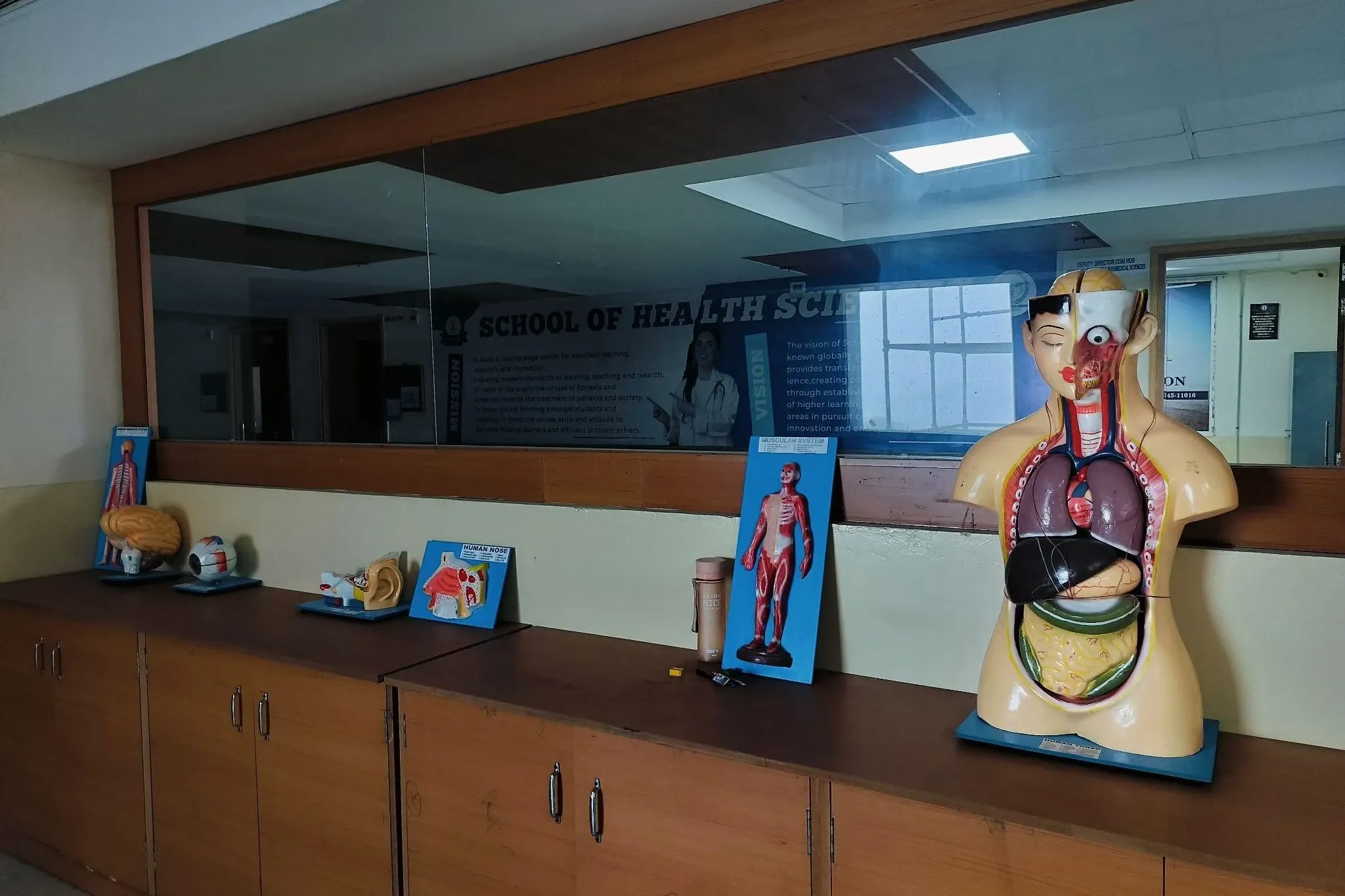
Offers anatomical models and physiological testing equipment to enhance understanding of h...

Explore
Operation Theatre (OT) Demo Lab:

Operation Theatre (OT) Demo Lab:

Simulates real surgical environments with modern surgical instruments, anesthesia machines...

Explore

Backed by the Legacy of CT Group, Driven by Proven Success

20000+

Placements

800+

Collaborations

1.2Cr

Highest Placement

1800+

Recruiters

1 Lac+

Alumni

40Cr

WORTH SCHOLARSHIP

Hear From Our Students

"

"CT University’s commitment to excellence in education is reflected in its B.Sc. Physiotherapy program. The rigorous training, focus on evidence-based practice, and emphasis on patient rehabilitation have prepared me to provide effective and ethical physiotherapy care in my career."

"

"CT University ensures a well-rounded experience by balancing academics with extracurricular activities. Various workshops, competitions, and student-led initiatives kept me engaged and motivated, helping me grow both professionally and personally."

"

"The internships and clinical training opportunities at CT University provided me with hands-on experience in hospitals and rehabilitation centers. Working under expert supervision gave me the confidence and practical skills needed to excel as a physiotherapy professional."

"

"What I appreciate most about CT University is its focus on patient-centered care and ethical practices in physiotherapy. The program not only teaches technical skills but also emphasizes compassion, safety, and responsibility in rehabilitation, shaping us into better professionals and individuals."

"

"The infrastructure at CT University is unmatched. The well-equipped labs, including digital radiography and advanced CT and MRI simulators, allowed me to practice and refine my skills. The emphasis on quality assurance and safety protocols in imaging technology ensures that graduates are well-prepared for real-world challenges."

"

"The curriculum at CT University is both comprehensive and future-focused. The B.Sc. Radiology and Imaging Technology course introduced me to advanced imaging techniques like CT, MRI, and Ultrasound, while also teaching me essential soft skills. Thanks to the guidance and placement opportunities provided, I secured a position in a reputed hospital before graduating."

"

"CT University stands out for its student-centric approach. The B.Sc. Radiology program is designed to meet industry standards, and the professors are always approachable and ready to assist. The emphasis on practical learning and internships has given me confidence and clarity in my chosen field. I highly recommend this course to anyone interested in a career in radiology."

"

"My experience at CT University has been truly transformative. The B.Sc. Radiology and Imaging Technology course provides an exceptional blend of theoretical knowledge and hands-on training. The faculty's expertise and the university's state-of-the-art labs have helped me gain a deep understanding of modern imaging techniques. This course has prepared me well for my career in medical imaging."