Apply Now Programmes Virtual Tour CT-SET 2026 Ph.D
Admissions
Open 2026-27
Apply now
Apply Now

M.Sc. Fashion Design

program-details

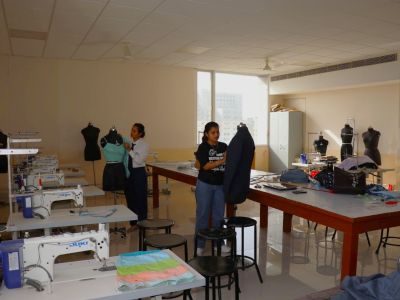
The M.Sc. Fashion Design program at CT University is an advanced two-year postgraduate course that enhances creative, technical, and research-based skills in fashion, focusing on areas such as advanced garment construction, textile innovation, sustainable design, luxury fashion, and digital technologies. Through industry collaborations, hands-on workshops, internships, and access to modern design labs, students gain practical exposure to global trends and professional practices. The program emphasizes innovation, critical thinking, and leadership, preparing graduates for diverse roles such as fashion designers, creative directors, trend analysts, brand strategists, and academicians in the evolving fashion industry.
Industry Immersion

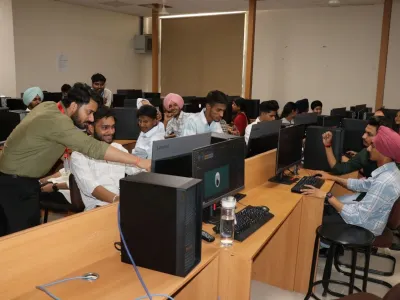
Industry immersion in a MSC Fashion Design program provides students with hands-on experience in the fashion industry, bridging the gap between academic learning and real-world applications. Through internships, collaborations with designers, and exposure to manufacturing processes, students gain practical insights into design, production, and market trends. This experience enhances their creative and technical skills, preparing them for successful careers in the fashion industry.

eligibility criteria

Graduation in any discipline from a recognized university with atleast 50% marks.
Admission criteria

CT SET EXAM/DIRECT PERCENTAGE BASED ENTRY

Duration

2 Years

fees

Details

Amount

Programme Fees (per Semester)

45000

Examination Fees

3000

International Programme Fees (per Year)

Not Applicable

Programme Outcomes

  1. Fashion and Fabric Theory Knowledge: Understanding Theories & Principles of behind Fabric Constructions and its Science; History of Art, Textile, Costumes, Fashion theories, Styles, Marketing & Merchandising, of the past and present to appreciate trends, predict appropriate market trends and machine knowledge.
  2. Design Process Knowledge: To apply the knowledge of elements of design and principles of design to create new design on paper, graphics, textile and garments.
  3. Design / Develop product prototypes: Design a garment or a product by draping or flat pattern making or by using hands on skill or stitching to construct the product to meet desired specification, performance and capabilities: compatible with client need, trend, and market analysis, social and environmental considerations.
  4. Modern Tool Usage: Computer Knowledge and skill to apply appropriate CAD and Computer Graphics knowledge to design and create new and industry ready Surface or Garment or Style on computer.
  5. Value Addition: Applying traditional practices and methods to add value to a product or garment, creating a balance between the past practices and technological advancement.
  6. Visual Communication: To visually communicate ideas in the form of artistic fashion illustrations, graphic illustration, styling, fashion photography and visual display of merchandise.
  7. Designer and Society– Understanding and awareness on sustainable practices for the upliftment of the society and the environment and ethical behaviour and IPR knowledge.
  8. Communication: Communicate and present effectively orally and in writing. Being able to comprehend and write effective reports and design documents, make presentations and give and receive clear instructions.
  9. Individual and team Work: Articulate teamwork principles, work with multidisciplinary team, and appreciate the role of a leader, leadership principles and attitudes conductive to effective professional practices.
  10. Life Long Learning: Engage in life – long learning, demonstrate knowledge and understanding of contemporary and emerging issues relevant to their domain – demonstrate knowledge and understanding of business practices and principles of management and understand their limitations, develop awareness of legal consequences.
     

Programme Specific Outcomes

  1. The students will have strong foundation in designing and have the ability to visually represent it by illustrations, photographs, graphics and visual display of merchandise.
  2. The students will be able to convert their design into a product or a garment using appropriate construction techniques.
  3. The students will be able to understand and analyse the market trends and design market friendly, sustainable, ethically viable and client friendly designs and products.
  4. Students will be able to work as a team in any organization and become accomplished or successful Designers, Entrepreneurs or Industry ready professionals.

Salient Features

  • Advanced Curriculum: Focus on sustainable fashion, textile innovation, luxury fashion, and digital design technologies.
  • Industry Exposure: Includes internships, industrial visits, live projects, and expert-led workshops.
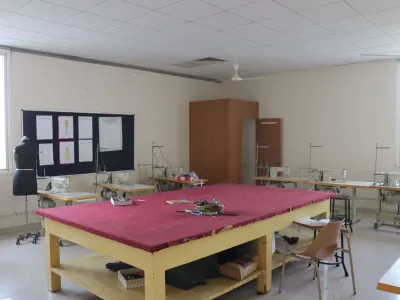
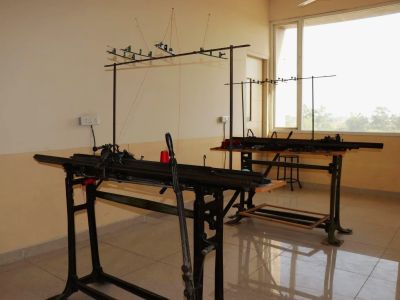
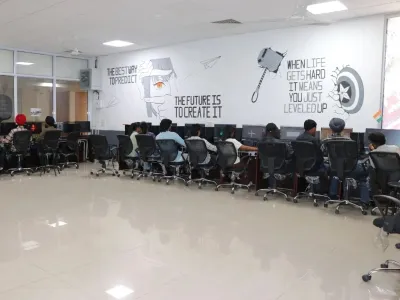
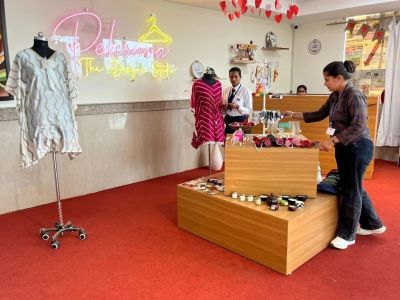
  • State-of-the-Art Facilities: Access to modern design studios, textile labs, CAD labs, and 3D fashion tools.
  • Research & Innovation Focus: Emphasis on trend forecasting, consumer studies, and fashion research methodologies.
  • Career & Entrepreneurship Support: Training for leadership roles, brand development, and fashion entrepreneurship.

Important Dates

Date Description
21-08-2025 World Fashion Day
07-11-2025 National Handloom Day (India)