Apply Now Programmes Virtual Tour CT-SET 2026 Ph.D
Admissions
Open 2026-27
Apply now
Apply Now
Home  /  Programmes  /  Doctor of Pharmacy (Post Baccalaureate)

Doctor of Pharmacy (Post Baccalaureate)

Duration: 3 Years Category: Postgraduate Programs

Programme Details

About the Programme

Pharm.D (PB) is designed for B.Pharm graduates seeking advanced clinical and patient-care training. The program includes rigorous coursework, clinical exposure and hands-on practice in hospital settings.

Industry Immersion

  • Clinical internships in multi-specialty hospitals.
  • Collaboration with healthcare professionals for patient counseling.
  • Research projects in clinical pharmacy and pharmacovigilance.
     

Eligibility Criteria

Graduation in Pharmacy from a recognized university with atleast 50% marks

Register Now

Why Choose CT University

Why CT University is the Right Choice for Your Future

CT University Campus

At CT University, we combine industry-integrated learning and global academic partnerships, backed by the CT Group's 30+ year legacy, to prepare students for careers that actually last.

Industry-oriented
learning

Modern campus
facilities

Academic excellence &
mentorship

Global opportunities &
placements

Fee Structure & Scholarships

Program Fee Details

Fee Type Amount
Programme Fees (per Semester) ₹80000
Examination Fees ₹3000
International Fee (USD) $5000

Course Curriculum

1ST YEAR SUBJECTS

Provides advanced study of pharmacotherapy and application of therapeutic principles to complex disease states, treatment selection and monitoring of drug therapy.
Course Outcome:
CO1: Understand the pathophysiology of common diseases and explain the rationale for appropriate drug therapy.
CO2: Summarize evidence-based therapeutic approaches for disease management.
CO3: Identify and assess patient-specific parameters for initiating, monitoring and adjusting drug therapy.
CO4: Develop and optimize individualized therapeutic plans addressing patient needs and drug-related problems.
CO5: Demonstrate clinical decision-making and problem-solving skills in pharmacotherapy using evidence-based resources

Covers hospital pharmacy services, medication handling, procurement, storage, distribution, dispensing and the pharmacist's role in supporting patient care.
Course Outcome:
CO1: Understand the organizational structure, functions of hospitals and the role of hospital pharmacy in healthcare delivery.
CO2: Apply principles of hospital pharmacy management including infrastructure, staffing, budgeting, procurement and financial planning.
CO3: Participate in the development of hospital drug policies, therapeutic guidelines and the functioning of key committees like PTC, infection control and ethics.
CO4: Manage inventory and drug distribution systems effectively, including controlled substances, sterile supplies and pharmaceutical manufacturing.
CO5: Demonstrate knowledge of safe practices, continuous professional development and the handling of specialized products like radiopharmaceuticals and TPN.

Covers hospital and clinical pharmacy services, medication review, patient counselling, drug information, clinical pharmacy activities and rational use of medicines.
Course Outcome:
CO1: Understand the scope, development and responsibilities of clinical pharmacy practice.
CO2: Apply clinical pharmacy services in patient care, including drug therapy monitoring, ADR management, ward round participation and patient counseling.
CO3: Analyze patient case histories, medical records and laboratory test results to optimize evidence-based drug therapy.
CO4: Provide accurate drug and poison information using appropriate resources and effective communication.
CO5: Explain and participate in pharmacovigilance activities, including ADR reporting, prevention and management.

Introduces research design, sampling, data collection, statistical analysis, hypothesis testing, interpretation of results and preparation of scientific research reports.
Course Outcome:
CO1: Explain and design various clinical research methodologies, including study designs, sampling strategies and power analysis.
CO2: Apply biostatistical principles to describe, analyze and interpret data using measures of central tendency, dispersion and graphical tools.
CO3: Demonstrate hypothesis testing using appropriate parametric and non-parametric statistical methods in pharmacy research.
CO4: Perform and interpret regression, correlation and epidemiological analyses, including the use of statistical software like SPSS, Epi Info and SAS.
CO5: Utilize computer systems effectively for pharmaceutical care, including patient data management, inventory control, medication dispensing and literature retrieval.

Explains drug absorption, distribution, metabolism and elimination, bioavailability, bioequivalence and pharmacokinetic concepts used to optimize dosage regimens.
Course Outcome:
CO1: Explain fundamental pharmacokinetic principles including drug absorption, distribution, metabolism and elimination.
CO2: Apply mathematical pharmacokinetic models (one- and multi-compartment) to analyze drug concentration data for different routes of administration.
CO3: Design and interpret multiple dosing regimens using compartmental pharmacokinetic models.
CO4: Understand nonlinear pharmacokinetics and use appropriate methods (e.g., Michaelis-Menten) for parameter estimation.
CO5: Describe bioavailability and bioequivalence principles and assess study protocols for their evaluation

Covers principles of toxicology, recognition and evaluation of poisoning and toxic effects and the pharmacist's role in prevention, assessment and management of toxic exposures.
Course Outcome:
CO1: Understand and apply principles of poisoning management, including supportive care, gut decontamination and elimination enhancement techniques.
CO2: Identify common antidotes and their clinical applications in treating various poisonings.
CO3: Recognize clinical symptoms and develop management plans for acute and chronic poisonings from pesticides, drugs, chemicals, heavy metals and radiation.
CO4: Describe first aid and treatment strategies for envenomations such as venomous snake bites, arthropod stings and plant/mushroom poisonings.
CO5: Identify signs, symptoms and treatment approaches for substance abuse and dependence involving CNS stimulants, opioids, depressants, hallucinogens, cannabis and tobacco.

Provides advanced study of pharmacotherapy and application of therapeutic principles to complex disease states, treatment selection and monitoring of drug therapy.
Course Outcome:
CO1: Understand the pathophysiology of common diseases and explain the rationale for appropriate drug therapy.
CO2: Summarize evidence-based therapeutic approaches for disease management.
CO3: Identify and assess patient-specific parameters for initiating, monitoring and adjusting drug therapy.
CO4: Develop and optimize individualized therapeutic plans addressing patient needs and drug-related problems.
CO5: Demonstrate clinical decision-making and problem-solving skills in pharmacotherapy using evidence-based resources

Provides practical case-based training in advanced pharmacotherapy, patient assessment and evaluation of therapeutic outcomes
Course Outcome:
CO1: Demonstrate clinical understanding through hospital ward postings by observing and analyzing patient cases related to drug therapy and disease management.
CO2: Apply etiopathogenesis and pharmacotherapy knowledge across various systems including gastrointestinal, hematological, nervous, psychiatric disorders and pain management.
CO3: Develop skills in case presentation and clinical discussion, effectively communicating medical findings and therapeutic decisions.
CO4: Conduct evidence-based research and submit comprehensive written assignments on recent developments in drug therapy.
CO5: Prepare for and perform practical examinations including experiments, viva voce and maintain detailed clinical records for evaluation.

Provides practical exposure to hospital pharmacy operations, medication handling, dispensing, storage, distribution and patient-care support.
Course Outcome:
CO1: Analyze and assess potential drug interactions in clinical prescriptions to ensure patient safety.
CO2: Understand and demonstrate the manufacturing processes of parenteral formulations and pharmaceutical powders.
CO3: Effectively retrieve, evaluate and provide accurate drug information to support clinical decision-making.
CO4: Apply principles of inventory control to manage pharmaceutical stocks efficiently.
CO5: Integrate practical pharmaceutical knowledge with clinical practice to optimize therapeutic outcomes.

Provides practical training in medication review, patient counselling, drug information, clinical documentation and pharmaceutical care activities
Course Outcome:
CO1: Demonstrate proficiency in answering drug information queries accurately to support clinical decisions.
CO2: Conduct effective patient medication counseling to enhance adherence and therapeutic outcomes.
CO3: Analyze case studies involving laboratory investigations to correlate clinical findings with pharmacotherapy.
CO4: Perform comprehensive patient medication history interviews to gather essential information for safe medication use.
CO5: Integrate practical skills with theoretical knowledge for improved patient-centered pharmaceutical care.

Demonstrates pharmacokinetic and biopharmaceutic principles through calculations, data interpretation and evaluation of drug disposition and dosage regimens.
Course Outcome:
CO1: Apply techniques to improve dissolution and solubility characteristics of poorly soluble drugs.
CO2: Perform and interpret dissolution, bioavailability and bioequivalence studies of marketed pharmaceutical products.
CO3: Understand and evaluate the impact of polymorphism and protein binding on drug pharmacokinetics.
CO4: Calculate and analyze pharmacokinetic parameters such as Ka, Ke, t1/2, Cmax, AUC, MRT and renal clearance from experimental data.
CO5: Conduct in vitro and in vivo absorption studies and interpret metabolic and elimination kinetics of drugs.

Provides practical case-based training in advanced pharmacotherapy, patient assessment and evaluation of therapeutic outcomes
Course Outcome:
CO1: Demonstrate clinical understanding through hospital ward postings by observing and analyzing patient cases related to drug therapy and disease management.
CO2: Apply etiopathogenesis and pharmacotherapy knowledge across various systems including gastrointestinal, hematological, nervous, psychiatric disorders and pain management.
CO3: Develop skills in case presentation and clinical discussion, effectively communicating medical findings and therapeutic decisions.
CO4: Conduct evidence-based research and submit comprehensive written assignments on recent developments in drug therapy.
CO5: Prepare for and perform practical examinations including experiments, viva voce and maintain detailed clinical records for evaluation.

2ND YEAR SUBJECTS

Introduces research design, clinical study processes, data collection, analysis, interpretation and reporting relevant to clinical research and evaluation of medicines.
Course Outcome:
CO1: Describe the drug development process, including pharmacological and toxicological approaches and IND application essentials.
CO2: Understand clinical trial phases, study design and post-marketing surveillance.
CO3: Explain Good Clinical Practice (GCP), regulatory frameworks and ethical considerations in clinical research.
CO4: Identify roles and responsibilities of clinical trial personnel and develop essential clinical study documents.
CO5: Describe informed consent, data management and safety monitoring to ensure patient safety and data integrity.

Covers the study of medicine use and outcomes in populations and the principles used to evaluate the economic impact, cost and value of pharmaceutical therapies.
Course Outcome:
CO1: Define pharmacoepidemiology and pharmacoeconomics and explain their scope and significance in healthcare decision-making.
CO2: Describe key pharmacoepidemiological concepts and outcome measures related to drug use and safety.
CO3: Analyze pharmacoepidemiological study designs and data sources for evaluating drug effects.
CO4: Explain principles and types of pharmacoeconomic evaluations used in healthcare resource allocation.
CO5: Apply pharmacoeconomic and pharmacoepidemiological tools and case studies for practical decision-making.

Covers application of pharmacokinetic principles to individualize drug therapy and therapeutic drug monitoring for optimizing efficacy and minimizing toxicity.
Course Outcome:
CO1: Explain fundamental clinical pharmacokinetics concepts and their role in optimizing drug therapy.
CO2: Design individualized dosage regimens for special populations using pharmacokinetic tools.
CO3: Analyze pharmacokinetic drug interactions and their effects on metabolism and excretion.
CO4: Apply Therapeutic Drug Monitoring (TDM) principles to manage various clinical conditions.
CO5: Evaluate pharmacokinetic changes in renal/hepatic impairment and understand pharmacogenetics for personalized medicine.

Provides supervised experiential learning through hospital visits, ward-based activities, case discussions, presentations and seminars, enabling application of pharmacy knowledge to patient care.
Course Outcome:
CO1: Demonstrate clinical pharmacy skills through participation in hospital ward rounds and patient-care activities.
CO2: Collect and interpret patient history, medication history, laboratory data and relevant clinical information.
CO3: Identify drug-related problems, including adverse drug reactions, drug interactions and medication-related issues.
CO4: Evaluate pharmacotherapy and contribute to monitoring drug safety, efficacy, adherence and therapeutic outcomes.
CO5: Communicate effectively with patients and healthcare professionals while providing appropriate patient counselling and maintaining professional ethics.

Involves supervised hospital-based project work including problem identification, literature review, data collection, analysis, interpretation, report writing and presentation.
Course Outcome:
CO1: Apply clinical pharmacy knowledge and skills in hospital and patient-care settings under professional supervision.
CO2: Assess patient-specific drug therapy using clinical, laboratory and medication-related information.
CO3: Identify and resolve drug-related problems through appropriate pharmaceutical care interventions.
CO4: Provide patient counselling and medication-related education to promote safe, rational and effective drug use.
CO5: Demonstrate professional communication, ethical practice, clinical documentation and teamwork in multidisciplinary healthcare settings.

Program Outcomes & Features

Program Outcomes

  • Able to apply knowledge of pharmacy practice utilizing current information for the delivery of pharmaceutical care in optimizing treatment outcomes promoting quality medicine use in population. 
  • Able to appreciate regulatory aspects of clinical trials of drug, design and critical analysis of drug use, policy to promote drug discovery and development, distribution and cost-effective use of medicines. 
  • Able to apply cognitive skills, investigative approach, creative thinking to evaluate and interpret data related to medicine use, poison information, clinical and laboratory investigations, pharmaceutical care and drug handling of prescription.
  • Able to perform and engage professionally and as multidisciplinary team member at different areas of professional practice. Communicate effectively with the pharmacy community and with society at large, make effective documentation
  • Able to analyze the problem to address issues at professional care practice. 
  • Able to apply knowledge on ethical practices, moral integrity and human values in personal and professional endeavors. 
  • Able to converse, write, interpret and interact effectively and scientifically for efficient professional practice of pharmacy. Utilize the principles of scientific enquiry, thinking analytically, clearly and critically, while solving problems and making defensible decisions during pharmacy practice.
  • Able to distinguish professional impact within local, national and global perspectives in field of clinical pharmacy and pharmacy practice. 
  • Able to embark upon lifelong professional learning to adapt to ever changing professional and health care scenario.
  • Able to assimilate modern approaches to quality professional practice.
  • Able to utilize basic knowledge of pharmaceutical sciences associated with the profession of pharmacy, along with understanding of behavioral, social and administrative pharmacy sciences; along with good manufacturing practices related to pharmaceuticals.

Program Specific Outcomes

  • Apply the basic knowledge gained in anatomy, physiology, pathophysiology, biochemistry, pharmacotherapeutics, pharmacology, pharmacognosy and computer technology in pharmacy profession. Enable graduate to practice their profession and adapt to a globe of constantly developing trends.
  • Develop required skills in formulation, synthesis, preclinical and clinical testing of drugs as well as overcoming potential incompatibilities and behavior of drugs. 
  • Ability to understand and apply technological innovations in the field of pharmacy practice, biotechnology and drug therapy in disease management.
  • Ability to demonstrate and communicate ethical values of the pharmacy profession & research with commitment to societal welfare. Significance of communication skills, leadership qualities and other required soft skills for professional achievement.
  • Understanding contextual knowledge to understand medical prescription, perform patient counselling along with handling of drugs and recognize the necessity to engage in independent and life-long learning.
  • To develop a sense of professional responsibility to be a medication handling and be able to master, generate, interpret and disseminate the knowledge of pharmaceutical care. To enhance the entrepreneurial capabilities for value added services and systems relating to industrial pharmacy, community pharmacy and clinical trial setups. 
  • Acquire knowledge in the field of synthetic, natural sources of drugs and biological products as well as their formulation and evaluation, including their regulatory requirements. 
  • Enable graduates to understand the core and basic knowledge in different subjects of pharmaceutical sciences as per the requirement of pharmaceutical sectors. 
  • Enable graduates to succeed in technical or professional careers in various pharmaceutical industries/institutes or health care system.
  • As a practicing pharmacist, using the fundamentals in clinical pharmacy, pathology pharmacology and toxicology of various drugs to exhibit better clinical outcomes with minimal risk / drug incompatibilities. 
  • Applying their expertise to recognize possible drug-related problems / (ADR), counsel the patients in complying with the prescribed treatment regimen, lifestyle modification and preparation of case studies. 

Salient Features

  • To empower graduates with knowledge principles and practice of pharmaceutical care across the discipline through ambience of motivation that could impel excellence and career growth in clinical testing of pharmaceuticals.
  • To enhance practice-based skills to meet professional challenges in the delivery of health care products, pharmaceuticals, cosmeceuticals and drugs.
  • To spur graduates in interpersonal skills, to value professional integrity and ethics and accustomed to lifelong learning in clinical pharmacy
  • To foster and imbibe graduates to leadership and entrepreneurship qualities to serve health care system.
  • To appreciate local and global needs of health care and health promotion with concern towards environment sustainability providing rational and safe utilization of drugs. 

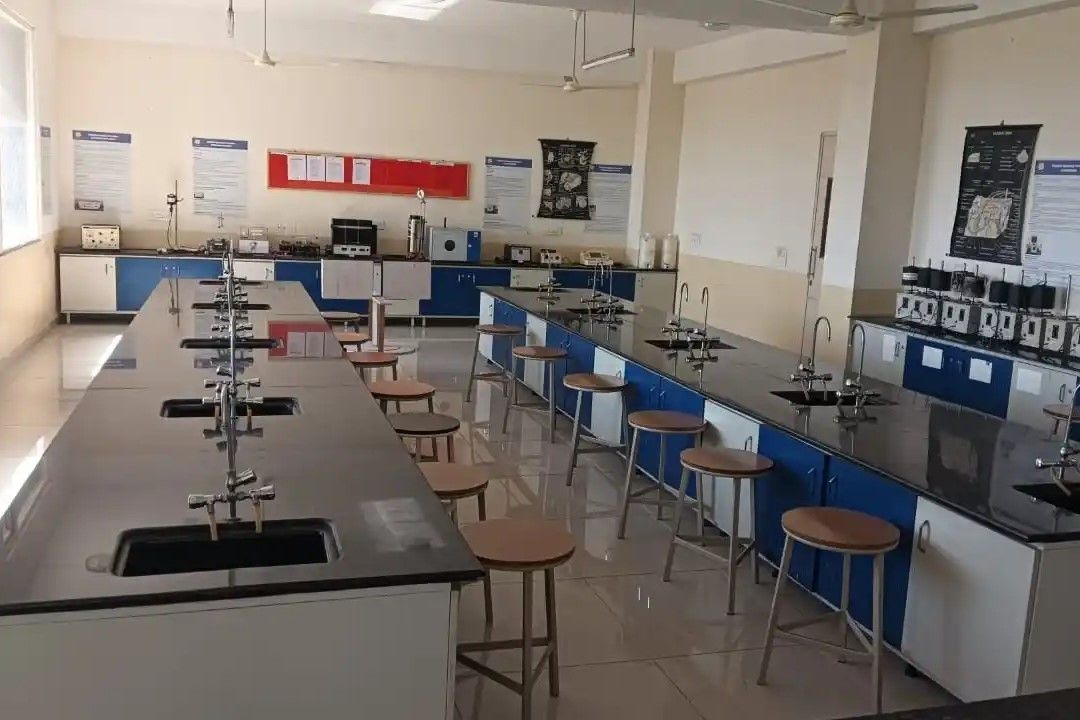
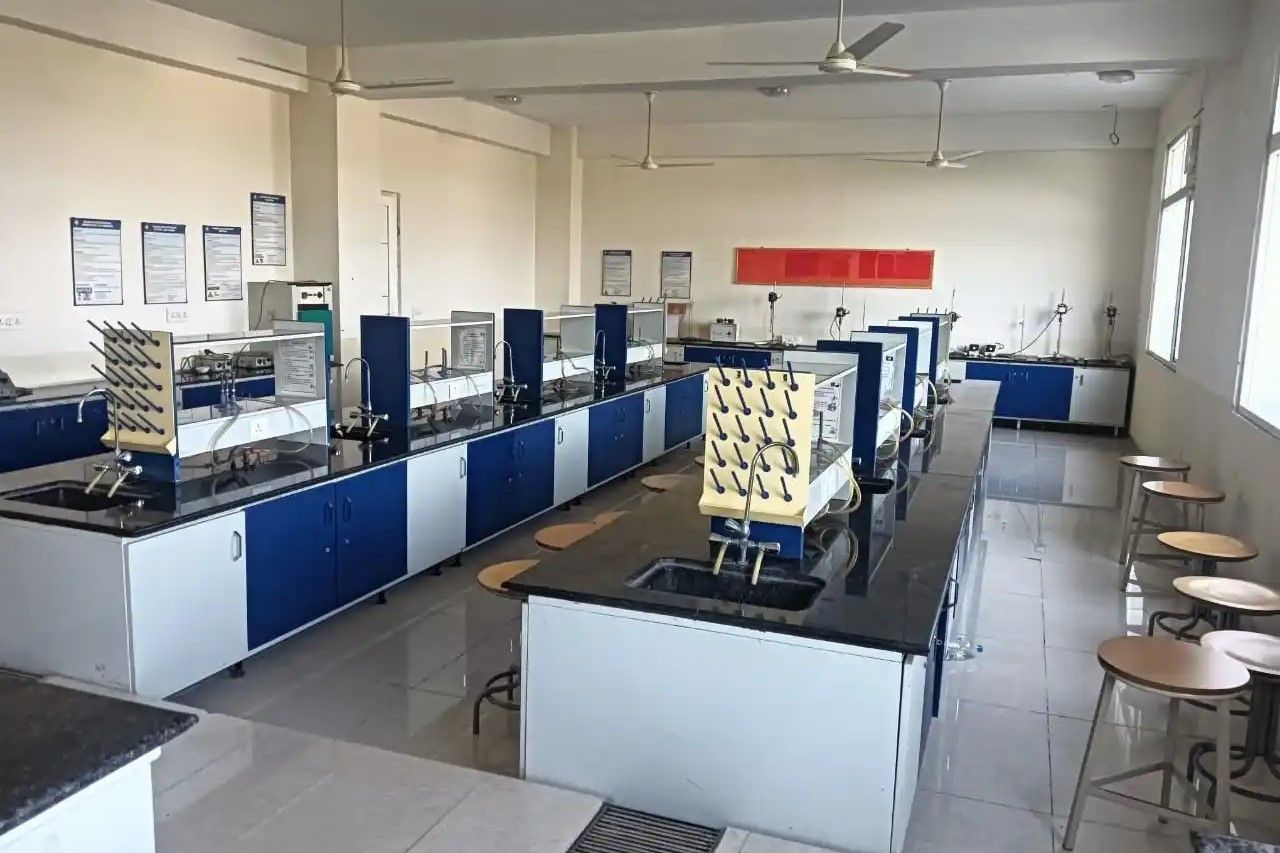
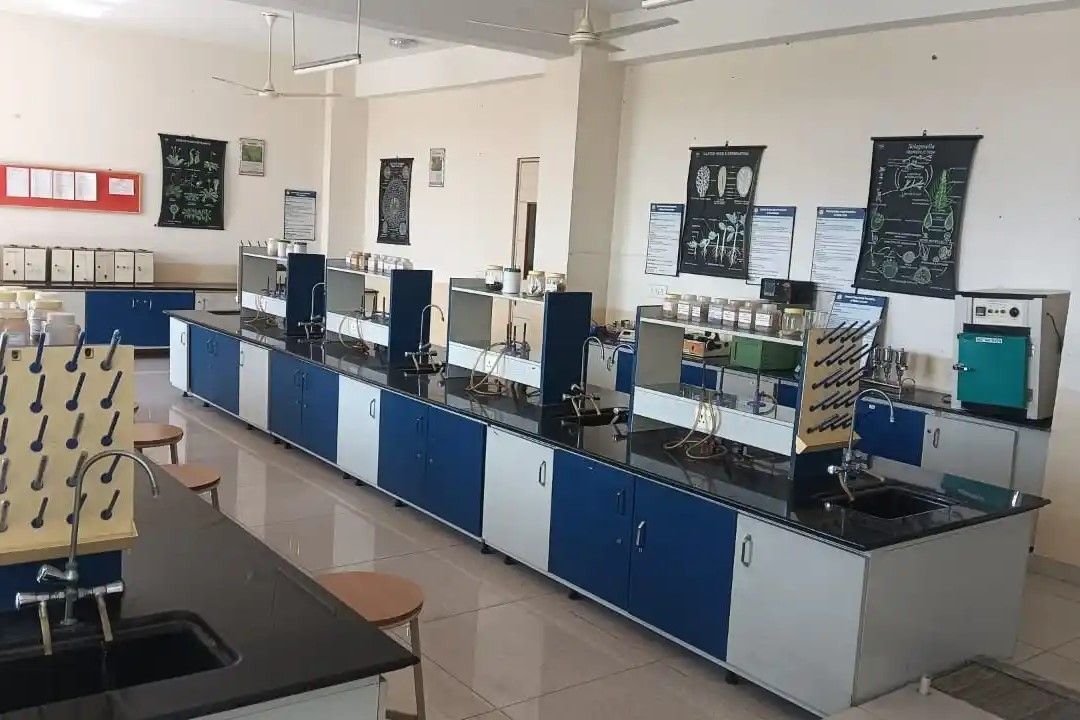
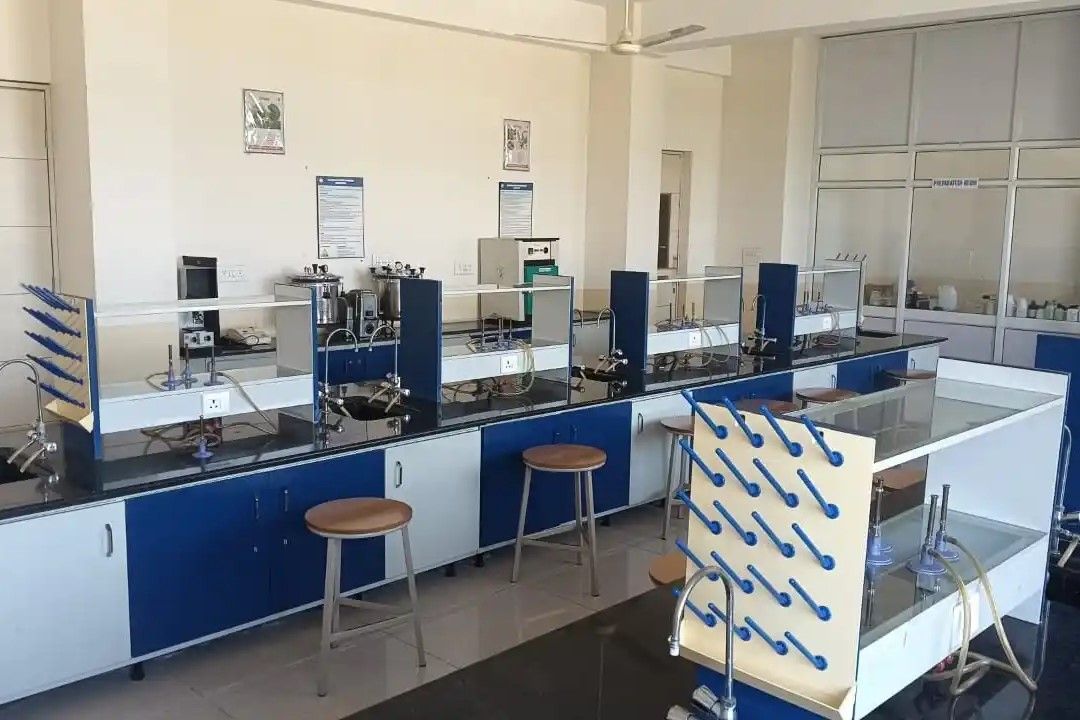
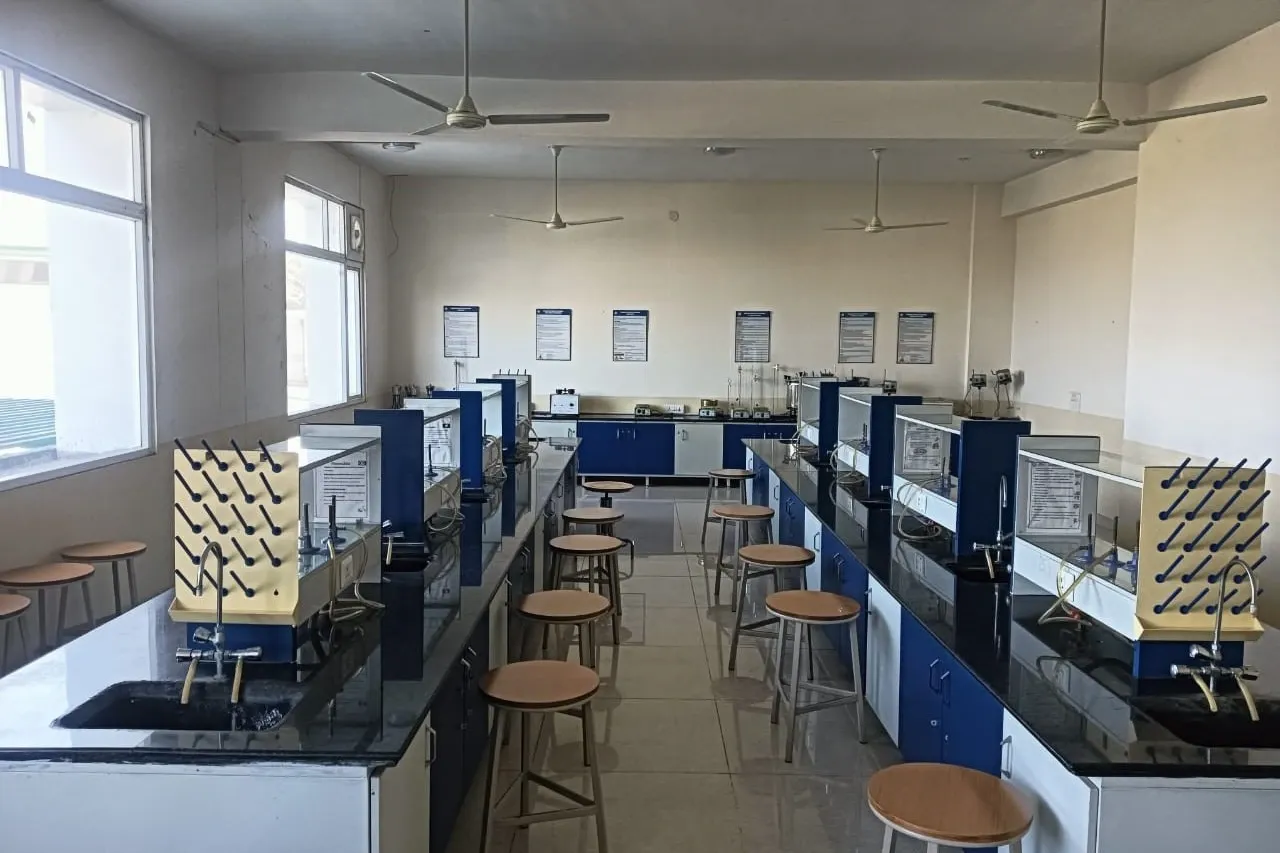
Labs and Facilities

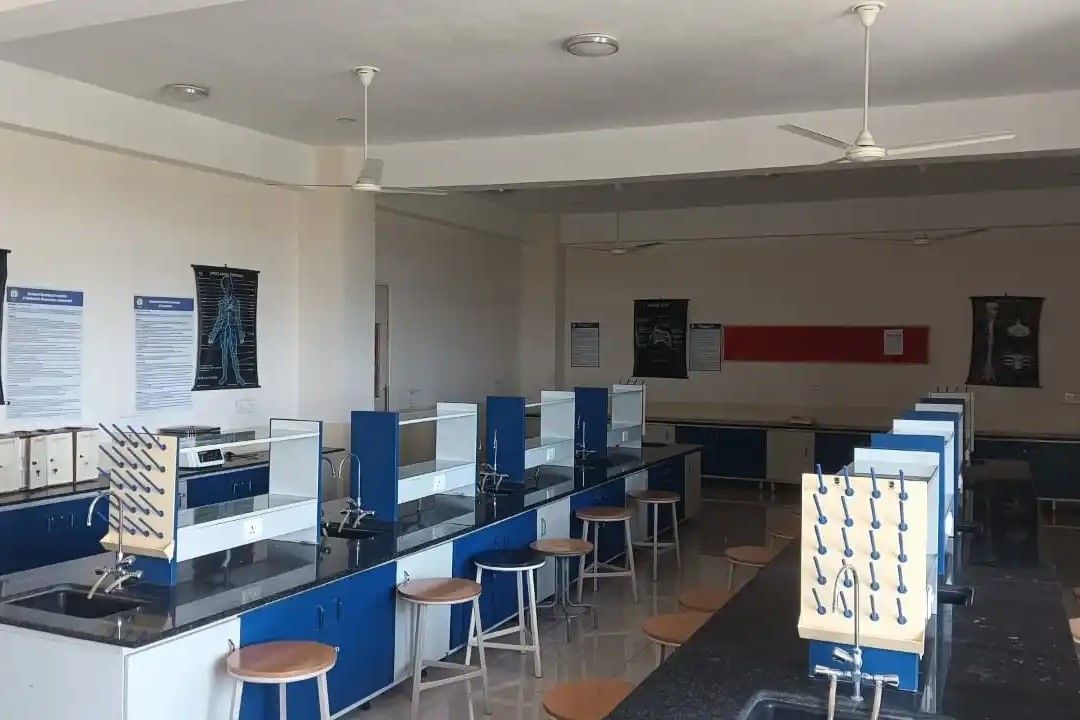
Human Anatomy and Physiology Lab

Human Anatomy and Physiology Lab

Explore More
01
Pharmacology Lab

Pharmacology Lab

Explore More
02
Pharmaceutical Chemistry Lab

Pharmaceutical Chemistry Lab

Explore More
03
Pharmacognosy Lab

Pharmacognosy Lab

Explore More
04
Pharmaceutical Biotechnology Lab

Pharmaceutical Biotechnology Lab

Explore More
05
Pharmaceutics Lab

Pharmaceutics Lab

Explore More
06

Backed by the Legacy of CT Group, Driven by Proven Success

30000+

Placements

800+

Collaborations

1.2Cr

Highest Placement

1800+

Recruiters

1 Lac+

Alumni

40Cr

WORTH SCHOLARSHIP

Hear From Our Students

"

School of pharmaceutical Sciences has world class facilities to give the best possible knowledge to all students.