Apply Now Programmes Virtual Tour CT-SET 2026 Ph.D
Admissions
Open 2026-27
Apply now
Apply Now

Bachelor of Pharmacy

program-details

The B.Pharm program provides students with a strong foundation in pharmaceutical sciences, drug formulation, and clinical applications. It prepares graduates for careers in research, industry, regulatory affairs, and healthcare.

Industry Immersion

  • Industrial visits to pharmaceutical companies.
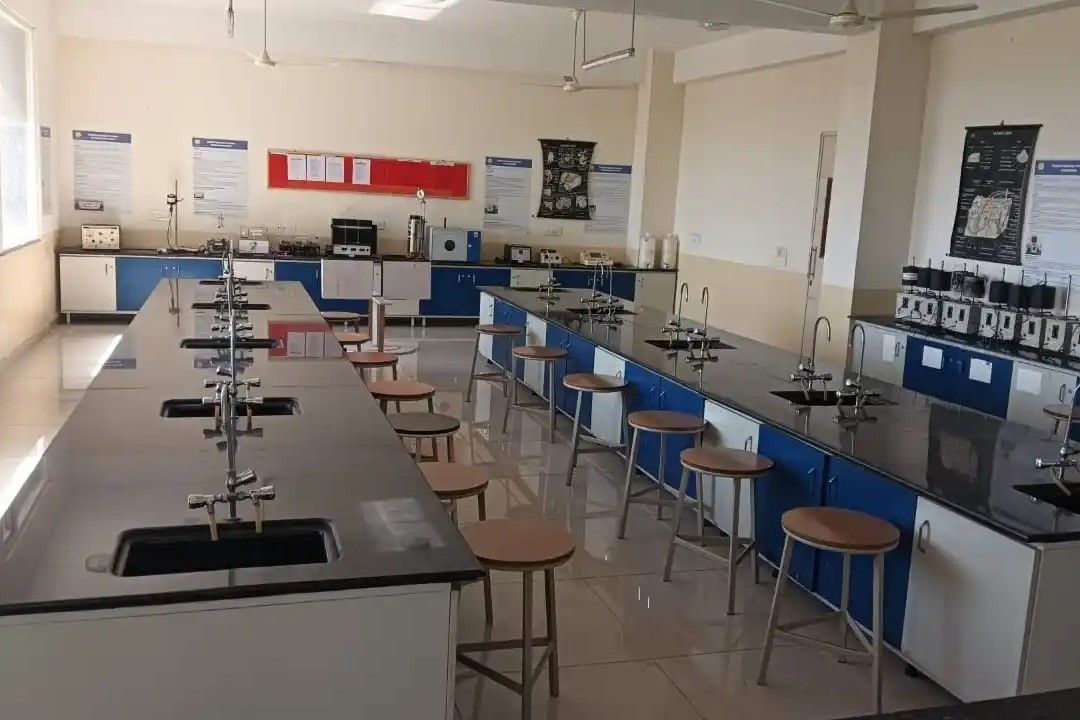
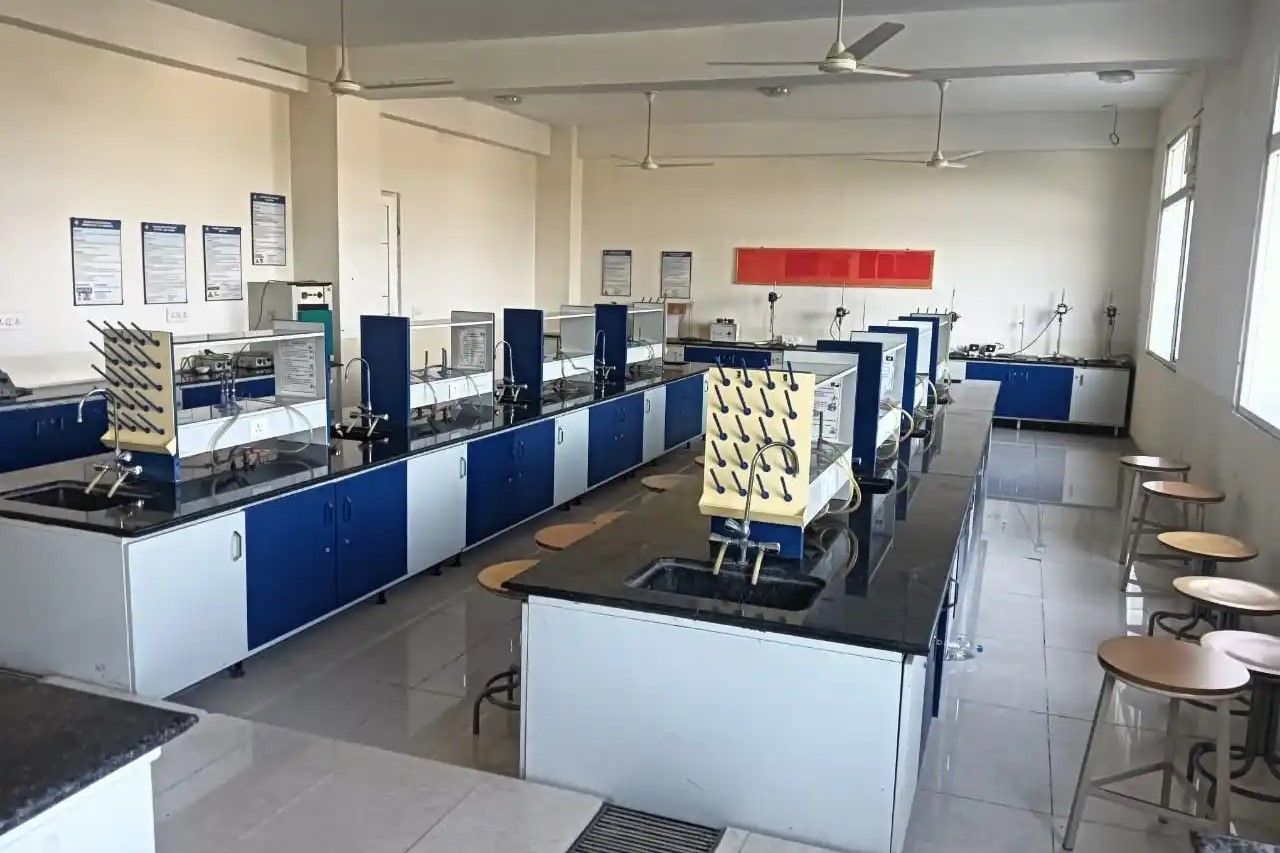
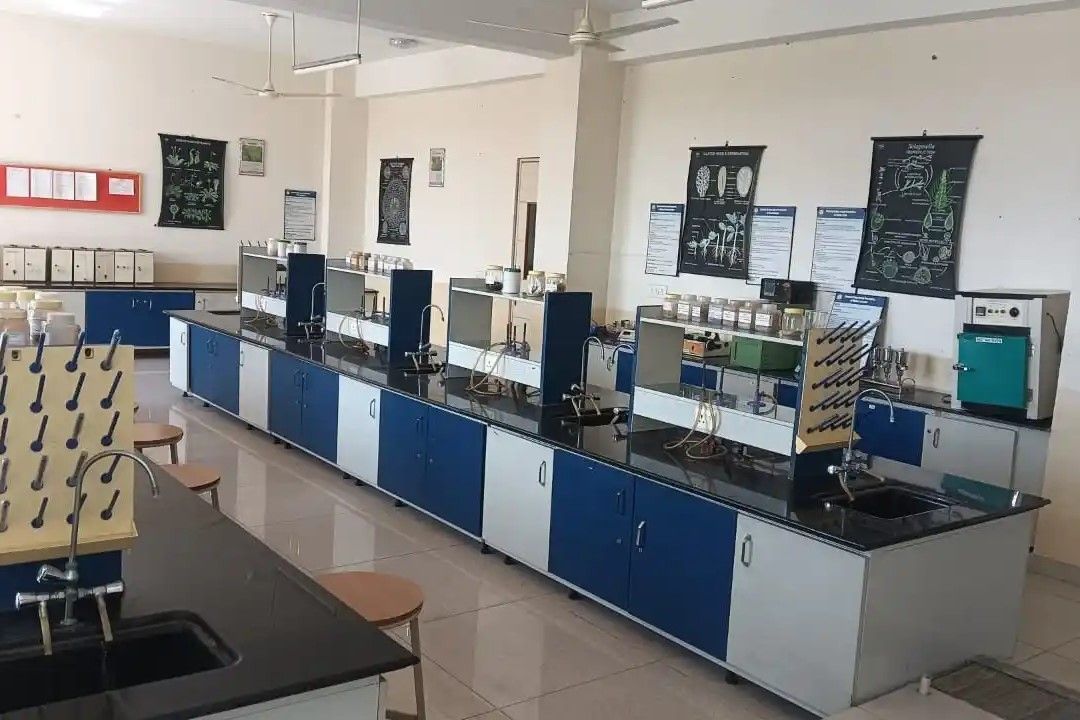
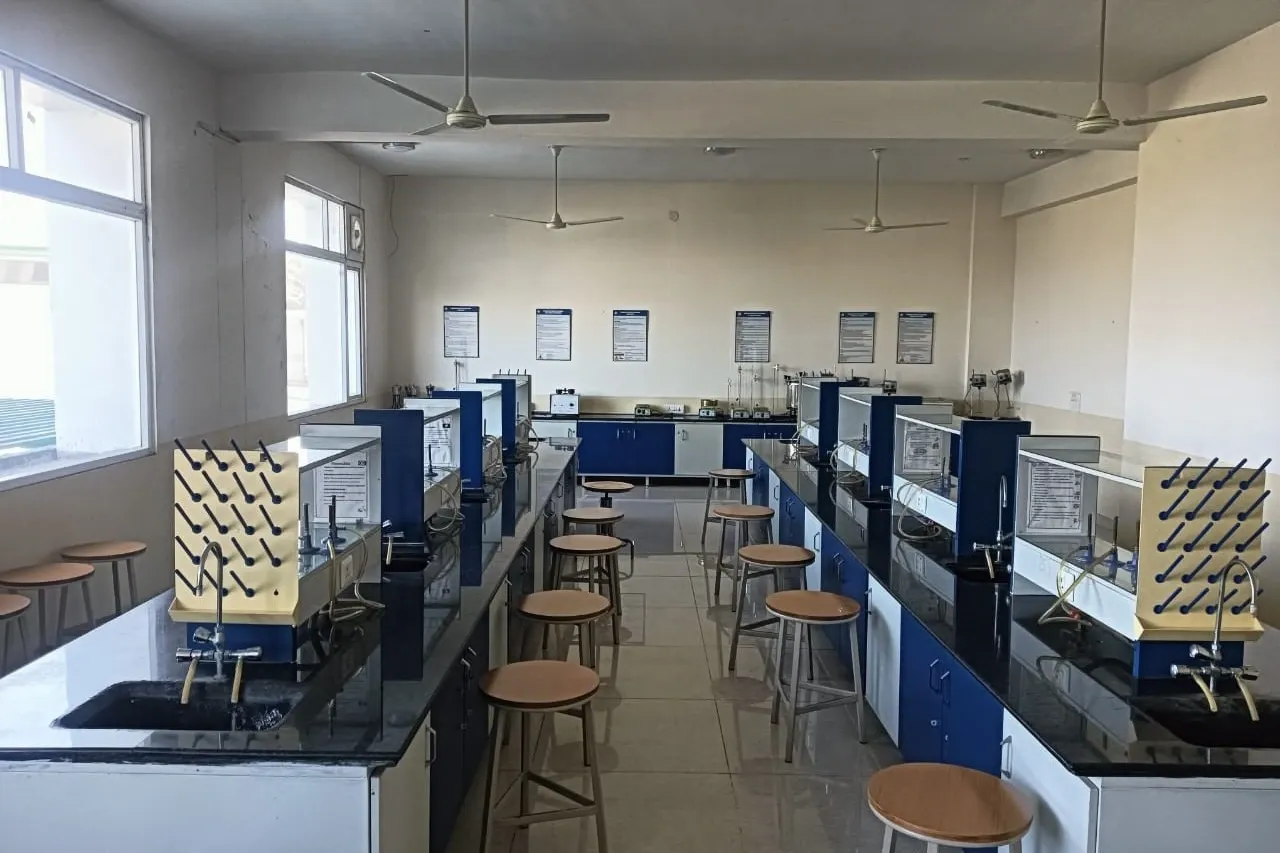
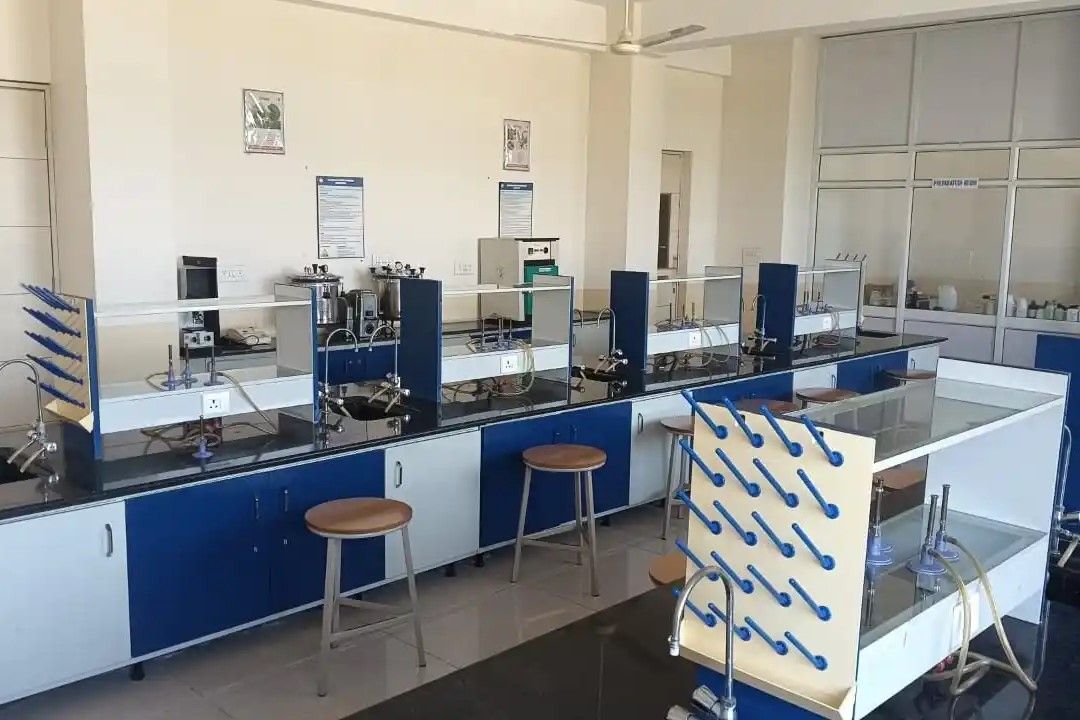
  • Hands-on training in laboratories and formulation units.
  • Internship opportunities in hospitals and regulatory agencies.

eligibility criteria

10+2 or equivalent in Biology/Mathematics, Chemistry, Physics from a recognized board having atleast 50% marks

Admission criteria

  • Admission through national/state-level entrance exams or university-specific entrance test.
  • Merit-based selection and counseling process.

Duration

4 Years

Curriculum

1ST SEMESTER SUBJECTS

Provides foundational knowledge of Python programming and its applications in pharmaceutical calculations, data analysis, and scientific problem-solving.

Introduces the fundamentals of pharmacy, including the profession, dosage forms, prescriptions, pharmaceutical care, and basic concepts of drug use.

Develops understanding of psychological principles and effective communication skills essential for patient care and professional healthcare practice.

Provides an understanding of the structure and normal functions of the human body along with the basic mechanisms of common diseases.

Introduces natural sources of drugs, medicinal plants, crude drugs, their identification, classification, and applications in healthcare.

Provides knowledge of pharmaceutical inorganic substances, their properties, identification, purity testing, and basic analytical techniques used in pharmacy.

Develops practical skills in basic pharmaceutical techniques, dosage-form handling, prescription interpretation, and dispensing procedures.

Develops practical communication, interpersonal, counselling, and patient-interaction skills required for effective healthcare practice.

Provides hands-on understanding of human anatomy, physiological functions, and basic clinical parameters through demonstrations and practical exercises.

Develops practical skills in the identification, evaluation, and study of medicinal plants and crude drugs using morphological and microscopic techniques.

Develops practical skills in the identification, limit tests, purity assessment, and basic analytical evaluation of pharmaceutical substances.

2ND SEMESTER SUBJECTS

Provides knowledge of biostatistical methods and data analytics used for interpreting, analyzing, and presenting pharmaceutical and healthcare data.

Provides an understanding of biomolecules, metabolic pathways, enzymes, and biochemical processes essential for normal body functions and disease.

Develops an understanding of advanced body systems, their physiological functions, and the pathophysiological changes associated with common diseases.

Provides knowledge of organic chemical principles, reactions, mechanisms, and pharmaceutical compounds relevant to drug synthesis and development.

Provides knowledge of medicinal plants, natural products, their active constituents, extraction, identification, and therapeutic applications.

Provides an understanding of physicochemical principles such as solubility, dissolution, rheology, surface phenomena, and drug stability important in formulation development.

Develops practical skills in the qualitative and quantitative analysis of biomolecules, enzymes, and biochemical constituents.

Provides hands-on understanding of physiological functions and basic clinical investigations related to human body systems and disease conditions.

Develops practical skills in organic synthesis, purification, identification, and characterization of pharmaceutical compounds.

Develops practical skills in the identification, evaluation, extraction, and phytochemical analysis of medicinal plants and natural products.

Provides practical understanding of physicochemical properties of drugs and their application in pharmaceutical formulation and evaluation.

Develops effective verbal, written, interpersonal, and professional communication skills essential for academic and healthcare practice.

Only one elective course shall be selected.

Develops awareness and practical skills for maintaining mental well-being, managing stress, and resolving conflicts effectively in personal and professional settings.

Provides basic knowledge and practical skills in computer operations, software applications, digital tools, and information management for academic and professional use.

3RD SEMESTER SUBJECTS

Provides an introduction to machine learning concepts and their applications in drug discovery, pharmaceutical research, healthcare, and data-driven decision-making.

Provides an understanding of environmental systems, pollution, conservation, sustainability, and the impact of human activities on health and the environment.

Develops understanding of ethical principles, human values, responsible conduct, and professional behavior for personal and societal well-being.

Provides fundamental knowledge of drug actions, mechanisms, pharmacokinetics, pharmacodynamics, adverse effects, and factors influencing drug response.

Provides knowledge of heterocyclic compounds, stereochemical principles, reactions, and their importance in pharmaceutical chemistry and drug activity.

Provides an understanding of the formulation, preparation, evaluation, and quality requirements of conventional pharmaceutical dosage forms.

Provides knowledge of engineering principles, unit operations, and equipment used in the processing, manufacturing, and handling of pharmaceutical products.

Provides an understanding of microorganisms, microbial growth, sterilization, contamination control, and their applications in pharmaceutical sciences.

Develops practical understanding of drug effects, dose-response relationships, pharmacological experiments, and basic evaluation of drug actions.

Develops practical skills in the synthesis, identification, and characterization of heterocyclic compounds and understanding of stereochemical aspects.

Develops practical skills in the formulation, preparation, and evaluation of various conventional pharmaceutical dosage forms.

Provides knowledge of nutraceuticals, functional foods, bioactive components, health benefits, and their role in disease prevention and wellness.

Only 1 elective course shall be selected.

Develops knowledge and practical skills for the analysis, quality assessment, and detection of important components and contaminants in food.

Explores the scientific principles of yoga and its role in promoting physical health, mental well-being, stress management, and a balanced lifestyle.

4TH SEMESTER SUBJECTS

Provides knowledge of herbal drugs, their cultivation, processing, extraction, standardization, evaluation, and formulation into safe and effective herbal products.

Provides an understanding of the chemical structure, synthesis, physicochemical properties, mechanisms, and structure–activity relationships of medicinal compounds.

Provides knowledge of biotechnology principles and their applications in the production of medicines, vaccines, enzymes, recombinant products, and other biopharmaceuticals.

Provides an understanding of public health, disease prevention, health promotion, national health programs, and the role of pharmacists in community healthcare.

Provides an understanding of the pharmacological actions, mechanisms, therapeutic uses, and adverse effects of drugs acting on major body systems.

Develops practical skills in the preparation, evaluation, standardization, and quality control of herbal drugs and herbal formulations.

Develops practical skills in the synthesis, purification, identification, and evaluation of medicinally important chemical compounds.

Provides hands-on experience with basic biotechnological techniques, microbial processes, enzyme technology, and pharmaceutical biotechnology applications.

Develops practical skills in health assessment, patient counselling, health education, and community-based public health activities.

Develops practical understanding of drug actions through pharmacological experiments, dose-response studies, and evaluation of therapeutic effects.

Provides practical exposure to professional pharmacy practice and enables students to apply their academic knowledge in real-world healthcare and pharmaceutical settings.

5TH SEMESTER SUBJECTS

Provides an understanding of the chemical basis of drugs, their molecular interactions, structure–activity relationships, and design of biologically active medicinal compounds.

Provides knowledge of the large-scale production, processing, standardization, quality control, and industrial utilization of medicinal plants and natural products.

Develops understanding of innovation, entrepreneurship, intellectual property, business models, and startup development within the pharmaceutical and healthcare sectors.

Provides advanced knowledge of the formulation, manufacturing, evaluation, and quality control of modern pharmaceutical dosage forms and drug delivery systems.

Provides knowledge of quality management systems, GMP, validation, documentation, regulatory requirements, and quality assurance practices in pharmaceutical manufacturing.

Provides an understanding of the pharmacological actions, mechanisms, therapeutic uses, and adverse effects of drugs acting on major body systems.

Develops practical skills in the synthesis, identification, characterization, and evaluation of biologically active medicinal compounds.

Develops practical skills in the extraction, isolation, standardization, evaluation, and quality control of medicinal plants and natural products.

Provides hands-on experience in the formulation, preparation, evaluation, and quality testing of advanced pharmaceutical dosage forms.

Develops practical understanding of drug actions through pharmacological experiments, bioassays, dose-response studies, and evaluation of therapeutic effects.

6TH SEMESTER SUBJECTS

Provides advanced knowledge of medicinal plants, natural products, phytoconstituents, their isolation, characterization, standardization, and therapeutic applications.

Provides an understanding of drug absorption, distribution, metabolism, excretion, bioavailability, bioequivalence, and pharmacokinetic principles governing drug disposition.

Provides knowledge of patents, trademarks, copyrights, intellectual property protection, and their importance in pharmaceutical research, innovation, and commercialization.

Introduces artificial intelligence and machine learning applications in drug discovery, formulation development, pharmaceutical analysis, clinical research, and healthcare.

Provides knowledge of analytical principles and instrumental techniques used for the identification, quantification, purity testing, and quality control of pharmaceutical substances.

Provides knowledge of pharmaceutical laws, regulations, professional ethics, and legal requirements governing the manufacture, distribution, sale, and practice of pharmacy.

Introduces environmentally sustainable chemical principles and practices for reducing waste, toxicity, energy consumption, and environmental impact in pharmaceutical processes.

Only 1 course shall be selected from each elective.

Provides knowledge of monitoring, detection, assessment, and prevention of adverse events associated with medical devices, blood, and blood components.

Develops skills in scientific communication, research writing, manuscript preparation, referencing, publication ethics, and effective presentation of scientific information.

Provides knowledge of pharmaceutical business operations, inventory management, purchasing, sales, accounting, marketing, and efficient management of drug stores.

Provides knowledge and practical guidance on medicinal plant cultivation, entrepreneurship, value addition, and career opportunities in the herbal and pharmaceutical sector.

Provides knowledge of APIs and pharmaceutical excipients, including their properties, selection, functionality, quality requirements, and role in formulation development.

Develops practical skills in evaluating drug absorption, bioavailability, pharmacokinetic parameters, and drug disposition using experimental and computational approaches.

Develops practical skills in pharmaceutical identification, assay, purity testing, and quantitative analysis using classical and instrumental analytical techniques.

Provides practical exposure to computational techniques used for molecular modeling, virtual screening, molecular docking, and rational drug design.

Develops practical skills in developing, optimizing, and validating analytical methods for reliable pharmaceutical quality assessment.

Provides practical understanding of the design, conduct, evaluation, and ethical considerations of preclinical studies for assessing the safety and efficacy of new drugs.

Develops professional competencies including teamwork, leadership, presentation, problem-solving, workplace communication, and employability skills.

Provides practical understanding of Quality by Design and Process Analytical Technology approaches for systematic formulation development, process optimization, and pharmaceutical quality assurance.

Provides experiential learning through supervised professional exposure, enabling students to apply pharmaceutical knowledge and develop workplace competencies in real-world settings.

7TH SEMESTER SUBJECTS

Provides knowledge of statistical methods, research design, data analysis, interpretation, and scientific approaches used in pharmaceutical and healthcare research.

Provides knowledge of cosmetic and cosmeceutical ingredients, formulation, preparation, evaluation, safety, and applications for skin, hair, and personal care.

Introduces applications of artificial intelligence in clinical practice, including clinical decision support, diagnosis, patient monitoring, drug development, and healthcare data analysis.

Provides advanced knowledge of modern instrumental techniques used for the identification, separation, quantification, characterization, and quality assessment of pharmaceutical substances.

Provides knowledge of the detection, assessment, monitoring, prevention, and reporting of adverse drug reactions to ensure safe and rational use of medicines.

Provides knowledge of patient-centered pharmacy services, prescription evaluation, medication management, patient counselling, and the clinical role of pharmacists.

Provides knowledge of pharmaceutical regulatory requirements, drug approval processes, documentation, compliance, and regulatory frameworks governing medicines and healthcare products.

Provides knowledge of current GMP principles, quality systems, documentation, validation, and regulatory requirements for ensuring consistent pharmaceutical product quality.

One course shall be selected from the list.

Introduces automation technologies, computerized systems, process control, robotics, and digital solutions used to improve efficiency, quality, and safety in pharmaceutical manufacturing.

Provides knowledge of contemporary cellular biology techniques used to study cell structure, function, signaling, genetics, and cellular responses in biomedical research.

Provides an understanding of medical devices, their classification, design, development, evaluation, quality standards, regulatory requirements, and clinical applications.

Explores sustainable approaches for converting food waste and bioactive by-products into valuable pharmaceutical, nutraceutical, and medicinal products.

Provides knowledge of biologics, biosimilars, vaccines, and therapeutic macromolecules, including their development, production, characterization, and regulatory considerations.

Study of personalized healthcare approaches that use an individual’s genetic, environmental, and lifestyle factors to optimize disease prevention, diagnosis, and treatment.

Develops practical skills in the application of modern instrumental techniques for pharmaceutical analysis, identification, quantification, and quality evaluation.

Provides hands-on research experience involving literature review, experimental design, data collection and analysis, scientific interpretation, and research reporting in pharmaceutical sciences.

8TH SEMESTER SUBJECTS

Provides an understanding of ethical, regulatory, and practical considerations in applying artificial intelligence to pharmaceutical research, drug development, and healthcare.

Provides knowledge of the rational use of medicines for the prevention and treatment of diseases through evidence-based pharmacotherapy and patient-centered care.

Provides knowledge of pharmaceutical manufacturing processes, facility planning, equipment selection, layout design, and regulatory requirements for efficient production.

Provides knowledge of management principles, leadership, human resources, financial management, operations, and strategic decision-making in the pharmaceutical sector.

Provides advanced knowledge of sterile product formulation and manufacturing along with innovative drug delivery systems designed to improve drug efficacy, safety, and patient compliance.
Provides knowledge of packaging materials, systems, design, evaluation, stability, and regulatory requirements for protecting pharmaceutical products.

One course shall be selected from the list.

Provides knowledge of procurement, inventory, logistics, distribution, forecasting, and supply chain optimization in the pharmaceutical industry.

Provides knowledge of workplace safety, hazard control, environmental protection, and safe management and disposal of pharmaceutical and industrial waste.

Explores traditional Indian systems of healing, medicinal practices, herbal remedies, and their scientific and contemporary healthcare relevance.

Introduces applications of augmented and virtual reality, digital technologies, automation, and smart manufacturing in the transformation of pharmaceutical education and industry.

Provides knowledge of herbal cosmetic ingredients, formulation, manufacturing, quality evaluation, safety, and industrial applications of plant-based personal care products.

Develops practical skills in pharmaceutical marketing, product promotion, market analysis, communication, sales strategies, and professional customer engagement.

Develops practical skills in the preparation and evaluation of sterile dosage forms and the application of novel drug delivery technologies.

Provides practical understanding of cleaning validation procedures used to demonstrate the effective removal of product residues, contaminants, and microorganisms from pharmaceutical equipment.

One course shall be selected from the list.

Develops practical skills in aseptic handling, contamination control, sterile practices, and safe manipulation of materials in controlled pharmaceutical environments.

Develops practical skills in the identification, characterization, quantification, and control of impurities in pharmaceutical substances and products.

Provides advanced research experience involving problem identification, literature review, experimental investigation, data analysis, interpretation, and scientific reporting in pharmaceutical sciences.

fees

Details

Amount

Programme Fees (per Semester)

90000

Examination Fees

3000

International Fees (per Year)

$4600

Programme Outcomes

  • Able to utilize basic knowledge of pharmaceutical sciences associated with the profession of pharmacy, along with understanding of behavioral, social, and administrative pharmacy sciences; along with good manufacturing practices related to pharmaceuticals.
  • Able to appreciate planning abilities including effective demonstration with context to regulatory aspects of dosage form design and critical analysis of drug use policy to promote drug discovery, its distribution, and cost-effective safe use of pharmaceuticals.
  • Able to apply cognitive skills, investigative approach, creative thinking to evaluate and interpret data related to preclinical and clinical testing of pharmaceuticals and drugs, laboratory investigations, pharmaceutical care and practices. 
  • Able to perform and engage professionally and as multidisciplinary team member at different areas of professional practice. Understand and consider motivation issues, leadership and team-building while fulfilment of practice, professional and societal responsibilities.

  • Able to analyze the problem to address issues at professional care practice along with understanding, analysis and communicating the value of their professional roles in society including manufacturing, quality control and quality assurance of pharmaceuticals. Apply ethical principles in professional and social contexts. Use ethical frameworks while making decisions and take responsibility for the outcomes associated with the decisions.
  • Able to converse, write, interpret and interact effectively and scientifically for efficient professional practice in pharmaceutical industry. Communicate effectively with the pharmacy community and with society at large, make effective documentation.
  • Able to apply knowledge on ethical practices, moral integrity and human values in personal and professional endeavors. Apply reasoning according to the contextual knowledge to assess societal, health, safety and legal issues and the consequent responsibilities relevant to the professional pharmacy practice.

  • Able to embark upon lifelong professional learning to adapt to ever changing professional and health care scenario related to manufacturing, quality control and quality assurance of pharmaceuticals and biologicals belonging to different schedules of Drug and Cosmetic Act. 

  • Able to assimilate modern approaches to quality professional practice in the field of pharmacy
    Understand the impact of the professional pharmacy solutions in societal and environmental contexts.
  • Able to serve society and practice pharmacy in hospitals and pharmaceutical industry, comprehending the profound knowledge of pharmacy practice.
  • Able to distinguish professional impact within local, national and global perspectives and can assess societal, health and safety issues related to pharmacy profession.

Programme Specific Outcomes

  • Understanding and applying basic knowledge gained in pharmaceutical chemistry, pharmacology, pharmaceutics, pharmacognosy and computer technology in pharmacy profession along with technological innovations in the field of pharmacy.
  • Develop required skills in extraction of crude drugs, formulation of drugs, synthesis and isolation of active pharmaceutical ingredients, preclinical testing of drugs and natural biomarkers as well as overcoming potential incompatibilities and behavior of drugs in human.
  • Understanding and communicate ethical values of the pharmacy law and pharmaceutical jurisprudence & research with commitment to societal welfare. Significance of communication skills, leadership qualities and other required soft skills for professional achievement.
  • Capabilities for value added services and systems relating to industrial pharmacy, pharmaceutical marketing, regulatory aspects, community pharmacy retail pharmacy and wholesale pharmacy setups. 
  • To develop a sense of professional responsibility and be able to master, generate, interpret, and disseminate the knowledge of pharmaceutical care.
  • Acquire knowledge in the field of synthetic, natural sources of drugs and biological products as well as their formulation and evaluation, following their regulatory requirements.
  • Enable graduate to stream a lifelong career of personal and practicing pharmacy professional with ethical codes and self-esteem.

Salient Features

  • Programme knowledge and its application: To empower graduates with knowledge and practice of pharmaceutical sciences across the discipline through ambience of motivation that could impel excellence and career growth in pharmacy profession, contributing in manufacturing, quality control and quality assurance of pharmaceuticals
  • Professional skills and their application: To enhance practical-based skills to meet professional challenges specifically related to pharmaceutical industry and hospital pharmacy.
  • Engagement with the needs of society: To foster graduates to leadership and entrepreneurship qualities to serve as qualified personnel in pharmaceutical industry and health care system.
  • Lifelong learning: To spur graduates in interpersonal skills, to value professional integrity and pharmacy ethics and accustomed to lifelong learning
  • Social accountability and responsibility: To appreciate local and global needs of health care and pharmacy profession with specific focus towards skills and will to make and serve quality pharmaceuticals
  • Pharmacy practice: As a qualified pharmacist, using the fundamentals of pharmaceutical sciences for ethical practice in hospital pharmacy, retail pharmacy, wholesale pharmacy and pharmaceutical industry.
     

Infrastructure