Apply Now Programmes Virtual Tour CT-SET 2026 Ph.D
Admissions
Open 2026-27
Apply now
Apply Now
Home  /  Programmes  /  Bachelor of Arts (Hons.) in Journalism and Mass Communication (BAJMC)

Bachelor of Arts (Hons.) in Journalism and Mass Communication (BAJMC)

Duration: 4 Years Category: Graduate Programs

Programme Details

About the Programme

The Bachelor of Arts (Hons.) in Journalism & Mass Communication is a future-ready undergraduate program designed to prepare students for the dynamic world of media, communication, and digital content. The curriculum blends classroom learning with hands-on training in news reporting, digital storytelling, advertising, public relations, photography, radio, television, filmmaking, and new-age media technologies.

Students graduate with strong communication skills, media ethics, technical expertise, and professional portfolios that prepare them for careers in corporate communication, broadcasting, entertainment, social media, and journalism.

Why Study BAJMC?

  • Learn from industry experts, media professionals, and experienced academicians.
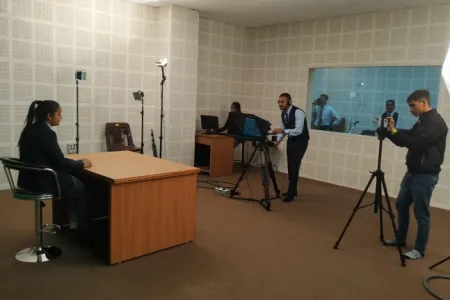
  • Practical training in newsrooms, TV studios, radio labs, and editing suites.
  • Opportunity to build your own YouTube channel, podcast, blog, or digital portfolio.
  • Strong focus on digital media, AI tools, social media strategy, and multimedia storytelling.
  • Flexible minors and open minors under the NEP 2020 framework.
  • Industry visits, internships, masterclasses, and real-world projects every semester.

Program Highlights

  1. Industry Immersion: Internships, newsroom simulations, TV and radio production, advertising campaigns, PR projects.
  2. State-of-the-Art Facilities: Radio & TV studio, photography lab, editing lab, multimedia lab.
  3. Skill-Based Curriculum: Digital marketing, mobile journalism, podcasting, scriptwriting, content creation, editing tools.
  4. International Exposure: Study abroad opportunities and workshops from global media faculty.
  5. Professional Portfolio: Students graduate with a curated portfolio (anchors’ reel, short films, ads, reports, articles, podcasts).
Eligibility Criteria

Passed 10+2 or equivalent in any stream with English as a compulsory subject from a recognized board with 45% marks

Register Now

Why Choose CT University

Why CT University is the Right Choice for Your Future

CT University Campus

At CT University, we combine industry-integrated learning and global academic partnerships, backed by the CT Group's 30+ year legacy, to prepare students for careers that actually last.

Industry-oriented
learning

Modern campus
facilities

Academic excellence &
mentorship

Global opportunities &
placements

Fee Structure & Scholarships

Program Fee Details

Fee Type Amount
Programme Fees (per Semester) ₹55000
Examination Fees ₹3000
International Fee (USD) $2800

Merit Based Scholarship Scheme

Unlock up to 90% Scholarship through CTSET, with scholarships worth Rs 40 Crore! Get access to top-quality education at CT University, Ludhiana — without the financial burden.

Slab >=60% - 74.99% >=75% - 89.99% >=90% & Above
Fee ₹50000 ₹45000 ₹40000

Students can avail these slots depending on the marks they have scored. Each slot reflects a different academic range, helping students understand where they stand and what benefits they qualify for.

Course Curriculum

1ST SEMESTER SUBJECTS

Meaning and definition of journalism, Nature and scope of journalism, Functions of journalism: Education, Entertainment, Interpretation, Role of journalism in society, Journalism as a profession
Course Outcome:
CO 1: Students will be able to define journalism and explain its core principles and functions in society.
CO 2: Students will demonstrate understanding of journalistic ethics and their importance in maintaining credibility.
CO 3: Students will produce basic news stories following standard journalistic writing formats and conventions.
CO 4: Students will critically analyze media content and understand journalism's role in democracy and public discourse.

Meaning and definition of communication, Process of communication, Elements of communication, Types of communication
Course Outcome:
CO 1: explain the concepts, process, and functions of communication and mass communication.
CO 2: identify and differentiate various forms of mass media and their societal roles.
CO 3: analyze communication theories, models, and the relationship between media, society, and culture.
CO 4: apply media literacy and critical thinking skills in understanding contemporary communication practices.

Meaning and concept of media, Meaning and structure of society, Relationship between media and society, Functions of media in society, Role of media in modern life
Course Outcome:
CO 1. Comprehensive Understanding of Media’s Role: Students will be able to explain the historical and contemporary role of media in society and its functions.
CO 2. Awareness of Social Impact: Students will demonstrate understanding of how media influences social issues, culture, politics, and everyday life.
CO 3. Critical Thinking on Media Issues: Students will critically evaluate media representation, bias, stereotypes, and the power dynamics in media-society relationships.
CO 4. Informed Citizenship and Responsibility: Students will develop awareness of media literacy and their role as responsible citizens in a media-saturated society.

Meaning and evolution of podcasts, Types of podcasts: Interview podcasts, Storytelling podcasts, News podcasts, Educational podcasts, Role of podcasting in digital journalism,
Course Outcome:
CO1: Plan, research, and script podcasts for diverse audiences and communication objectives.
CO2: Record, edit, and produce high-quality podcast episodes using appropriate audio production techniques and software.
CO3: Demonstrate effective storytelling, interviewing, and presentation skills in podcast creation.
CO4: Publish, manage, and promote podcasts on digital platforms while evaluating audience reach and engagement.

An introductory elective course designed to strengthen students’ proficiency in English communication. The course focuses on developing listening, speaking, reading, and writing skills, along with vocabulary, grammar, pronunciation, and practical communication.
Course Outcome:
CO1: Demonstrate understanding and appropriate use of fundamental English grammar, vocabulary, sentence structures, and pronunciation in different communication situations.
CO2: Develop effective listening and speaking skills to communicate confidently in academic, social, and professional contexts.
CO3: Apply reading strategies to understand, interpret, and critically respond to different types of English texts.
CO4: Produce clear, coherent, and grammatically appropriate written communication for academic, professional, and everyday purposes.

An introductory elective course designed to develop an entrepreneurial way of thinking among students. The course introduces students to creativity, innovation, opportunity identification, problem-solving, risk-taking, leadership, and decision-making.
Course Outcome:
CO1: Explain the fundamental concepts of entrepreneurship and identify the key characteristics, skills, and attitudes of successful entrepreneurs.
CO2: Demonstrate creativity, innovation, and opportunity-recognition skills to identify potential solutions to real-world problems.
CO3: Apply entrepreneurial thinking, decision-making, and problem-solving skills to develop practical responses to challenges and opportunities.
CO4: Develop confidence, leadership, teamwork, and risk-assessment abilities necessary for entrepreneurial and professional environments.

An introductory elective course designed to develop the essential skills required for academic, professional, and workplace success. The course focuses on communication, teamwork, leadership, time management, problem-solving, decision-making, interpersonal skills, workplace etiquette, and professional behaviour.
Course Outcome:
CO1: Demonstrate effective verbal, non-verbal, and written communication skills in academic and professional situations.
CO2: Apply teamwork, interpersonal, leadership, and collaboration skills to work effectively in diverse professional environments.
CO3: Develop problem-solving, decision-making, time-management, and adaptability skills for handling academic and workplace challenges.
CO4: Demonstrate professional etiquette, confidence, responsible behaviour, and employability skills required for successful career development.

Environmental Studies is an introductory elective course designed to develop awareness and understanding of the environment, natural resources, ecosystems, biodiversity, pollution, climate change, and sustainable development.
Course Outcome:
CO1: Explain the basic concepts of the environment, ecosystems, natural resources, biodiversity, and their importance for human life and sustainable development.
CO2: Identify major environmental issues such as pollution, climate change, deforestation, resource depletion, and loss of biodiversity, and explain their causes and impacts.
CO3: Apply principles of environmental conservation, sustainable resource management, waste reduction, and responsible consumption in everyday life.
CO4: Demonstrate environmental awareness and responsible citizenship by suggesting practical solutions for promoting sustainability and protecting the environment.

Health, Fitness and Sports Nutrition is an introductory elective course designed to develop awareness about physical health, fitness, nutrition, exercise, and healthy lifestyle practices.
Course Outcome:
CO1: Explain the basic principles of health, physical fitness, balanced nutrition, hydration, and their importance for overall well-being.
CO2: Identify appropriate dietary and lifestyle practices that support physical fitness, energy, healthy body composition, and active living.
CO3: Apply basic principles of exercise, nutrition, hydration, and recovery to develop healthy and sustainable lifestyle practices.
CO4: Demonstrate awareness of the role of nutrition and physical activity in maintaining health, improving fitness, and supporting sports and physical performance.

2ND SEMESTER SUBJECTS

Develops skills in camera handling, composition, lighting, and visual storytelling techniques.
Course Outcome:
CO 1: Understand the fundamentals of photography, camera operations and composition techniques.
CO 2: Apply lighting, exposure and framing techniques for effective photography.
CO 3: Develop skills in photojournalism, visual storytelling and image editing.
CO 4: Analyze ethical, aesthetic and technical aspects of professional photography.

Explores how images, symbols, colours, and design communicate ideas effectively.
Course Outcome:
CO 1: Students will be able to explain the core concepts, theories, and elements of visual communication.
CO 2: Students will demonstrate ability to create effective visual content using photography, design, and digital tools.
CO 3: Students will analyze visual messages and their impact on audiences across various media platforms.
CO 4: Students will apply ethical standards and copyright principles in visual communication practices.

Introduces ethical principles, responsibilities, values, and professional standards governing media practices.
Course Outcome:
CO 1: Explain the concepts, principles and importance of media ethics in journalism.
CO 2: Analyze ethical and legal issues related to print, broadcast and digital media.
CO 3: Apply professional codes of conduct and ethical standards in media practices.
CO 4: Evaluate contemporary media challenges such as fake news, media bias and digital misinformation ethically.

Develops practical skills in creating engaging digital content for diverse media platforms.
Course Outcome:
CO1: Identify and apply the fundamental principles of content creation for different media platforms.
CO2: Create original and engaging content using effective writing, storytelling, and communication techniques.
CO3: Research, plan, produce, and edit content tailored to specific audiences and media formats.
CO4: Develop and manage digital content strategies while evaluating audience engagement and content performance.

Provides practical workplace experience, professional exposure, industry skills, and career-oriented learning opportunities.
Course Outcome:
CO1: Apply theoretical knowledge and professional skills in a real-world organizational or industry environment.
CO2: Demonstrate professional communication, teamwork, time management, and workplace ethics while performing assigned responsibilities.
CO3: Analyze workplace practices, identify problems, and contribute effectively to organizational tasks and projects.
CO4: Develop professional competence, confidence, adaptability, and career readiness through practical industry experience.

Enhances advanced communication, writing, comprehension, vocabulary, and professional English language skills.
Course Outcome:
CO1: Demonstrate effective use of English grammar, vocabulary, and language structures in academic and professional communication.
CO2: Develop clear and coherent writing skills for academic, professional, and everyday communication.
CO3: Apply effective reading, listening, speaking, and comprehension skills in diverse communication contexts.
CO4: Communicate ideas confidently and appropriately through presentations, discussions, and other forms of professional interaction.

Develops innovation, opportunity recognition, entrepreneurial thinking, and practical business problem-solving abilities.
Course Outcome:
CO1: Identify entrepreneurial opportunities and apply fundamental principles of entrepreneurship in real-world contexts.
CO2: Develop creative and innovative ideas by applying problem-solving, critical-thinking, and opportunity-recognition skills.
CO3: Demonstrate entrepreneurial skills such as decision-making, risk assessment, teamwork, and resource management.
CO4: Develop feasible business ideas and demonstrate an entrepreneurial mindset focused on innovation, adaptability, and sustainable growth.

Develops leadership, teamwork, decision-making, planning, coordination, and effective management abilities.
Course Outcome:
CO1: Identify and apply fundamental principles of leadership and management in academic and professional environments.
CO2: Demonstrate effective communication, teamwork, decision-making, and problem-solving skills for organizational effectiveness.
CO3: Apply leadership strategies to manage teams, resolve conflicts, delegate responsibilities, and achieve organizational goals.
CO4: Develop professional leadership qualities, emotional intelligence, adaptability, and ethical decision-making skills.

Promotes ethical living, harmony, responsibility, empathy, and values-based personal and professional development.
Course Outcome:
CO1: Identify fundamental human values and understand their significance in personal, professional, and social life.
CO2: Apply ethical reasoning, empathy, respect, and responsible behaviour in everyday interactions and decision-making.
CO3: Analyze social and professional situations from the perspective of harmony, mutual respect, and human well-being.
CO4: Develop responsible, ethical, and value-based attitudes that contribute to harmonious relationships and a sustainable society.

Develops awareness of immunity, nutrition, fitness, wellness practices, and healthy lifestyle choices.
Course Outcome:
CO1: Identify fundamental concepts of immunity, health, wellness, nutrition, and healthy lifestyle practices.
CO2: Apply appropriate wellness practices related to nutrition, physical activity, hygiene, sleep, and stress management.
CO3: Analyze lifestyle factors that influence physical, mental, and social well-being and develop strategies for healthy living.
CO4: Develop sustainable personal wellness habits and demonstrate responsible practices for maintaining overall health and well-being.

3RD SEMESTER SUBJECTS

Develops practical skills in scripting, recording, editing, broadcasting, and radio programme production.
Course Outcome:
CO1: Identify and apply the fundamental principles, techniques, and processes involved in radio production.
CO2: Demonstrate skills in scripting, voice presentation, recording, sound effects, and audio editing for radio programmes.
CO3: Plan, produce, and edit different radio formats such as news, interviews, discussions, features, and advertisements.
CO4: Create engaging and audience-oriented radio content using appropriate production techniques, technology, and professional standards.

Explores communication theories, models, processes, applications, and contemporary mass media practices.
Course Outcome:
CO1: Identify and explain major concepts, theories, models, and principles of mass communication.
CO2: Apply mass communication theories to understand media messages, audiences, and communication processes.
CO3: Analyze the role and impact of mass media in shaping society, culture, public opinion, and social change.
CO4: Evaluate contemporary mass communication practices using theoretical perspectives and critical thinking skills.

Introduces print media elements, design principles, layout, typography, headlines, and publication.
Course Outcome:
CO1: Identify the fundamental elements, principles, and characteristics of print media communication.
CO2: Apply principles of news writing, editing, headline writing, page design, and visual presentation in print media.
CO3: Analyze the structure, content, language, and design of newspapers, magazines, and other print publications.
CO4: Create effective print media content by integrating editorial, visual, and design principles for specific audiences.

Develops practical camera skills, exposure, composition, focusing, lighting, and photographic techniques.
Course Outcome:
CO1: Identify and operate the basic components, controls, and functions of a digital camera.
CO2: Apply principles of exposure, composition, focus, lighting, depth of field, and shutter speed to photographic practice.
CO3: Create technically sound and visually effective photographs using appropriate camera techniques.
CO4: Evaluate and improve photographs based on technical quality, composition, visual storytelling, and ethical considerations.

Develops skills in integrating text, images, audio, video, graphics, and interactive storytelling.
Course Outcome:
CO1: Identify the fundamental concepts, tools, formats, and practices of multimedia journalism.
CO2: Apply writing, photography, audio, video, graphics, and digital storytelling techniques in journalistic content creation.
CO3: Research, produce, edit, and publish multimedia stories for web, mobile, and social media platforms.
CO4: Develop engaging, accurate, ethical, and audience-focused multimedia news content using appropriate digital technologies.

Strengthens advanced English communication, writing, comprehension, vocabulary, and professional language skills.
Course Outcome:
CO1: Apply advanced English language, grammar, vocabulary, and communication skills in academic and professional contexts.
CO2: Demonstrate effective reading, writing, listening, and speaking skills for diverse communication situations.
CO3: Develop clear, coherent, and well-structured written and oral communication using appropriate language conventions.
CO4: Communicate ideas confidently and professionally through presentations, discussions, reports, and other forms of communication.

Develops effective verbal, non-verbal, interpersonal, presentation, and professional communication abilities.
Course Outcome:
CO1: Identify and apply fundamental principles of effective verbal, non-verbal, written, and interpersonal communication.
CO2: Demonstrate active listening, presentation, public speaking, and interpersonal communication skills in diverse situations.
CO3: Apply appropriate communication strategies for teamwork, problem-solving, interviews, and professional interactions.
CO4: Develop confidence, clarity, adaptability, and professional communication skills for academic and workplace environments.

Develops entrepreneurial leadership, innovation, business planning, opportunity assessment, and venture development skills.
Course Outcome:
CO1: Identify advanced entrepreneurial concepts, opportunities, and approaches for developing innovative ideas.
CO2: Apply creativity, critical thinking, problem-solving, and decision-making skills to entrepreneurial challenges.
CO3: Develop and evaluate entrepreneurial ideas by considering market needs, resources, risks, and sustainability.
CO4: Demonstrate an entrepreneurial mindset through innovation, adaptability, leadership, initiative, and responsible decision-making.

Provides essential knowledge and practical skills for responding safely to common emergencies.
Course Outcome:
CO1: Identify basic principles, procedures, and precautions involved in providing first aid during emergencies.
CO2: Apply appropriate first-aid techniques for common injuries, accidents, wounds, burns, bleeding, and other emergencies.
CO3: Assess emergency situations and demonstrate appropriate immediate response while ensuring personal and victim safety.
CO4: Develop confidence and responsible behaviour in responding to emergencies and promoting basic health and safety practices.

4TH SEMESTER SUBJECTS

Introduces television scripting, camera operations, production planning, direction, editing, and programme development.
Course Outcome:
CO1: Identify and apply the fundamental concepts, techniques, equipment, and processes involved in television production.
CO2: Demonstrate skills in television scripting, camera operation, lighting, sound recording, directing, and editing.
CO3: Plan, produce, and edit television programmes using appropriate production techniques and workflows.
CO4: Create engaging and audience-oriented television content while maintaining professional, technical, and ethical standards.

Introduces advertising concepts, creativity, campaigns, media planning, branding, and audience communication strategies.
Course Outcome:
CO1: Identify the fundamental concepts, principles, functions, and types of advertising.
CO2: Apply advertising principles to develop effective messages for specific products, services, brands, and target audiences.
CO3: Analyze advertising campaigns, creative strategies, media choices, and audience responses across traditional and digital platforms.
CO4: Develop creative and persuasive advertising content using appropriate copywriting, visual communication, and media planning techniques.

Explores PR principles, communication strategies, media relations, reputation management, and stakeholder engagement.
Course Outcome:
CO1: Identify the fundamental concepts, principles, functions, tools, and practices of public relations.
CO2: Apply PR communication techniques to develop effective messages for organizations and their stakeholders.
CO3: Analyze public relations campaigns, media relations, corporate communication, and crisis communication strategies.
CO4: Develop basic PR plans and communication materials while demonstrating ethical, professional, and audience-oriented practices.

Provides practical industry exposure, workplace experience, professional skills, and application of classroom learning.
Course Outcome:
CO1: Apply academic knowledge and professional skills in a real-world organizational or media-industry environment.
CO2: Demonstrate professional communication, teamwork, time management, discipline, and workplace ethics during internship activities.
CO3: Analyze professional practices, workflows, and challenges while contributing effectively to assigned organizational tasks.
CO4: Develop practical competence, professional confidence, adaptability, and career readiness through hands-on industry experience.

Develops practical skills in cinematography, lighting, sound, shooting, editing, and audiovisual production.
Course Outcome:
CO1: Identify and operate basic equipment and techniques used in film and television production.
CO2: Apply principles of cinematography, camera movement, lighting, sound, shot composition, and visual continuity in production.
CO3: Plan, shoot, and edit short film and television sequences using appropriate production techniques.
CO4: Create technically effective and visually engaging film and television content while following professional and ethical production practices.

Enhances advanced English proficiency, professional communication, writing, presentation, and critical language skills.
Course Outcome:
CO1: Apply advanced English language and communication skills effectively in academic, professional, and workplace contexts.
CO2: Demonstrate proficiency in advanced reading, writing, listening, speaking, and comprehension skills.
CO3: Develop well-structured professional documents, presentations, reports, and other forms of written and oral communication.
CO4: Communicate ideas confidently, accurately, and professionally across diverse academic, social, and workplace situations.

Develops awareness and practical strategies for managing stress, emotions, resilience, and overall wellbeing.
Course Outcome:
CO1: Identify common sources, symptoms, and effects of stress on personal, academic, and professional well-being.
CO2: Apply appropriate techniques for stress management, emotional regulation, relaxation, and maintaining a balanced lifestyle.
CO3: Analyze personal and environmental factors affecting emotional wellness and develop appropriate coping strategies.
CO4: Develop positive habits, resilience, self-awareness, and healthy interpersonal practices for sustained emotional and personal well-being.

5TH SEMESTER SUBJECTS

Examines media representation, gender issues, equality, diversity, rights, and social justice.
Course Outcome:
CO1: Identify the concepts and principles related to media, gender representation, diversity, equality, and human rights.
CO2: Apply critical media literacy skills to examine gender portrayal, stereotypes, discrimination, and human rights issues in media.
CO3: Analyze the role of media in promoting gender equality, social justice, inclusivity, and human rights.
CO4: Develop responsible and ethical media content that promotes diversity, equality, dignity, and human rights.

Covers media regulations, legal frameworks, ethical principles, responsibilities, and professional journalistic conduct.
Course Outcome:
CO1: Identify the fundamental principles of media laws, regulations, professional ethics, and responsibilities.
CO2: Apply legal and ethical principles to journalistic practices, media content, and professional decision-making.
CO3: Analyze legal and ethical issues related to privacy, defamation, copyright, freedom of expression, and media accountability.
CO4: Demonstrate responsible, ethical, and legally informed practices while creating and disseminating media content.

Develops practical knowledge of newspaper planning, editing, page design, production, and publication processes.
Course Outcome:
CO1: Identify the fundamental processes, principles, and stages involved in newspaper planning and publication.
CO2: Apply skills in news gathering, writing, editing, headline writing, page layout, and newspaper design.
CO3: Plan and produce newspaper content by integrating editorial, visual, and design elements for target audiences.
CO4: Develop a complete newspaper publication while maintaining accuracy, readability, professional standards, and ethical journalistic practices.

Develops practical skills in documentary research, scripting, filming, interviewing, editing, and storytelling.
Course Outcome:
CO1: Identify the fundamental concepts, formats, stages, and techniques involved in documentary production.
CO2: Apply research, scripting, interviewing, cinematography, sound, and editing techniques in documentary production.
CO3: Plan, shoot, and edit documentary projects using appropriate storytelling and production techniques.
CO4: Create informative, engaging, and ethically responsible documentaries based on research, factual accuracy, and effective visual storytelling.

Explores digital journalism, social media, online platforms, mobile reporting, and emerging media technologies.
Course Outcome:
CO1: Identify the concepts, characteristics, platforms, tools, and emerging practices of new media journalism.
CO2: Apply digital journalism techniques including online writing, multimedia storytelling, mobile journalism, and social media reporting.
CO3: Research, produce, verify, and publish accurate and engaging news content for digital platforms.
CO4: Evaluate the impact of new media technologies on journalism, audiences, news consumption, and professional practices.

Develops advanced entrepreneurial thinking, innovation, leadership, business planning, and opportunity management skills.
Course Outcome:
CO1: Identify advanced entrepreneurial concepts, opportunities, and strategies relevant to media and professional environments.
CO2: Apply innovation, creativity, critical thinking, and problem-solving skills to develop entrepreneurial opportunities.
CO3: Analyze market needs, resources, risks, and business models to evaluate the feasibility of entrepreneurial ideas.
CO4: Develop entrepreneurial solutions and demonstrate leadership, adaptability, initiative, and responsible decision-making for sustainable growth.

Develops advanced English proficiency, professional writing, communication, presentation, and critical language skills.
Course Outcome:
CO1: Apply advanced English language and communication skills in academic, professional, and media-related contexts.
CO2: Demonstrate effective skills in reading, writing, listening, speaking, and critical comprehension.
CO3: Develop clear, structured, and professional written and oral communication for diverse audiences and purposes.
CO4: Communicate ideas confidently, accurately, and effectively through professional presentations, reports, discussions, and other communication formats.

6TH SEMESTER SUBJECTS

Explores journalism’s role in development, social change, public awareness, and community empowerment.
Course Outcome:
CO1: Identify the concepts, principles, approaches, and role of journalism in development and social change.
CO2: Apply development journalism techniques to research, report, and communicate issues related to society and communities.
CO3: Analyze development issues, policies, programmes, and social challenges from the perspectives of marginalized and diverse communities.
CO4: Produce responsible, evidence-based, and audience-oriented development stories that promote awareness, participation, and social change.

Develops skills in combining text, photographs, audio, video, graphics, and interactive elements.
Course Outcome:
CO1: Identify the fundamental concepts, elements, formats, and techniques of multimedia storytelling.
CO2: Apply writing, photography, audio, video, graphics, and interactive techniques to develop multimedia stories.
CO3: Research, plan, produce, and edit multimedia stories for specific audiences and digital platforms.
CO4: Create engaging, accurate, ethical, and audience-focused multimedia narratives using appropriate digital tools and storytelling techniques.

Introduces reporting, scripting, interviewing, news production, broadcasting, and presentation for radio and television.
Course Outcome:
CO1: Identify the fundamental principles, formats, processes, and techniques of radio and television journalism.
CO2: Apply news gathering, writing, interviewing, reporting, scripting, recording, and editing skills for radio and television.
CO3: Research, produce, and present news stories using appropriate audio-visual and broadcast journalism techniques.
CO4: Create accurate, engaging, ethical, and audience-oriented radio and television news content following professional journalistic standards.

Provides practical industry exposure, workplace experience, professional skills, and application of classroom learning.
Course Outcome:
CO1: Apply academic knowledge and professional skills in a real-world media, communication, or organizational environment.
CO2: Demonstrate professional communication, teamwork, time management, discipline, and workplace ethics during internship activities.
CO3: Analyze professional workflows, practices, and challenges while contributing effectively to assigned tasks and projects.
CO4: Develop practical competence, professional confidence, adaptability, and career readiness through hands-on industry experience.

Develops practical skills in news reporting, interviewing, script preparation, presentation, and anchoring.
Course Outcome:
CO1: Identify and apply the fundamental principles and techniques of news reporting and television/radio anchoring.
CO2: Demonstrate skills in news gathering, interviewing, scripting, voice modulation, presentation, and on-camera/on-air performance.
CO3: Research, write, present, and edit news reports using appropriate journalistic formats and professional standards.
CO4: Develop confident, accurate, engaging, and ethical reporting and anchoring skills for broadcast and digital media platforms.

Develops practical skills for creating engaging, creative, and platform-specific digital media content.
Course Outcome:
CO1: Identify the fundamental concepts, tools, formats, and principles of digital content creation.
CO2: Apply writing, visual design, photography, video, audio, and storytelling techniques to create digital content.
CO3: Plan, produce, edit, and publish engaging content tailored to specific audiences and digital platforms.
CO4: Develop effective digital content strategies while evaluating audience engagement, platform requirements, and content performance.

Strengthens advanced English communication, professional writing, presentation, comprehension, and workplace language skills.
Course Outcome:
CO1: Apply advanced English language and communication skills effectively in academic, professional, and media-related contexts.
CO2: Demonstrate proficiency in advanced reading, writing, listening, speaking, and critical comprehension skills.
CO3: Develop clear, coherent, and professionally structured written and oral communication for diverse audiences and purposes.
CO4: Communicate ideas confidently, accurately, and effectively through presentations, reports, discussions, professional documents, and media-related communication.

7TH SEMESTER SUBJECTS

Explores strategic planning, audience analysis, media selection, branding, and effective communication approaches.
Course Outcome:
CO1: Identify and explain the fundamental concepts, principles, tools, and processes involved in developing effective media strategies.
CO2: Apply audience analysis, media planning, platform selection, and communication strategies to achieve specific media objectives.
CO3: Analyze media trends, audience behaviour, competitive environments, and campaign performance to support strategic decision-making.
CO4: Develop integrated and audience-focused media strategies using appropriate platforms, resources, budgets, and evaluation methods.

Develops advanced reporting, investigative techniques, critical analysis, digital journalism, and professional news production.
Course Outcome:
CO1: Identify and apply advanced principles, practices, and professional standards of contemporary journalism.
CO2: Demonstrate advanced skills in investigative reporting, interviewing, research, news writing, verification, and multimedia journalism.
CO3: Analyze complex issues, sources, data, and evidence to produce accurate, balanced, and credible journalistic content.
CO4: Create high-quality, ethical, and audience-oriented journalistic stories using advanced reporting techniques and digital technologies.

Introduces research methods, data collection, analysis, interpretation, and research applications in media studies.
Course Outcome:
CO1: Identify fundamental concepts, approaches, methods, and processes used in media research.
CO2: Apply appropriate research methods, tools, sampling techniques, and data-collection procedures to media-related studies.
CO3: Analyze and interpret qualitative and quantitative media data to identify patterns, trends, and meaningful findings.
CO4: Design and conduct systematic media research and present findings using appropriate academic and professional research practices.

Develops skills in campaign research, objective setting, audience targeting, message design, and evaluation.
Course Outcome:
CO1: Identify the fundamental concepts, stages, objectives, and components of effective media campaign planning.
CO2: Apply audience research, message development, media selection, budgeting, scheduling, and campaign planning techniques.
CO3: Analyze campaign objectives, target audiences, media platforms, communication strategies, and performance indicators.
CO4: Develop integrated and measurable media campaign plans that effectively communicate messages to defined target audiences.

Develops practical skills in story development, scripting, dialogue, characterisation, formatting, and visual storytelling.
Course Outcome:
CO1: Identify and apply the fundamental principles, formats, structures, and techniques of script and screenplay writing.
CO2: Develop characters, dialogue, scenes, plots, narratives, and visual storytelling elements for film, television, and digital media.
CO3: Apply storytelling, dramatic structure, pacing, characterization, and formatting techniques to create effective scripts and screenplays.
CO4: Produce original and production-ready scripts that demonstrate creativity, coherence, visual imagination, and audience engagement.

Develops advanced entrepreneurial thinking, strategic innovation, leadership, opportunity identification, and venture development skills.
Course Outcome:
CO1: Identify advanced entrepreneurial concepts, opportunities, strategies, and challenges relevant to professional and media environments.
CO2: Apply innovation, leadership, critical thinking, problem-solving, and strategic decision-making skills to entrepreneurial situations.
CO3: Evaluate business opportunities, market requirements, risks, resources, and sustainable growth strategies.
CO4: Develop innovative entrepreneurial solutions and demonstrate initiative, adaptability, leadership, and responsible decision-making.

Enables students to apply knowledge and skills through independent, research-based, practical media projects.
Course Outcome:
CO1: Apply knowledge and skills acquired throughout the programme to identify and investigate a relevant media or communication problem.
CO2: Demonstrate systematic research, planning, project management, and professional skills in developing the capstone project.
CO3: Analyze information, evidence, and project outcomes to develop appropriate creative, practical, or research-based solutions.
CO4: Produce and present a well-structured capstone project demonstrating originality, critical thinking, professional competence, and effective communication.

8TH SEMESTER SUBJECTS

Enables students to complete an advanced independent project demonstrating research, creativity, and professional skills.
Course Outcome:
CO1: Apply advanced knowledge, research skills, and professional competencies to independently undertake a comprehensive media or communication project.
CO2: Demonstrate systematic planning, research, execution, problem-solving, and project management skills throughout the project.
CO3: Analyze project findings, outcomes, and challenges to develop innovative, practical, and evidence-based solutions.
CO4: Produce and professionally present a comprehensive capstone project demonstrating originality, critical thinking, technical competence, and professional standards.

Provides practical industry exposure, workplace experience, professional skills, and application of classroom learning.
Course Outcome:
CO1: Apply theoretical knowledge, technical skills, and professional competencies in a real-world media or organizational environment.
CO2: Demonstrate effective communication, teamwork, time management, problem-solving, and professional conduct during workplace assignments.
CO3: Analyze organizational practices, industry workflows, and professional challenges while contributing effectively to assigned projects and responsibilities.
CO4: Develop practical expertise, professional confidence, adaptability, and career readiness through meaningful hands-on industry experience.

Program Outcomes & Features

  • Produce high-quality news stories, multimedia content, and communication campaigns.
  • Apply media ethics, research skills, and critical thinking.
  • Use modern digital tools, editing software, and social media analytics.
  • Work confidently in media organizations, corporate communication teams, and creative agencies.
  • Pursue higher studies, government exams, or global master’s programs.

Labs and Facilities

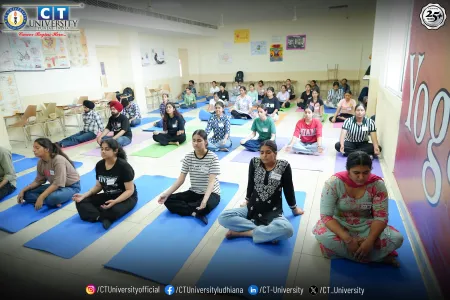
Yoga Lab

Yoga Lab

CT University places strong emphasis on holistic well-being, actively promoting yoga as...

Explore
Journalism Studio

Journalism Studio

CT University offers a well-equipped Journalism and Mass Communication Lab, often refer...

Explore
Maharaja Ranjit Singh Museum of History, Culture, and Archaeology

Maharaja Ranjit Singh Museum of History, Culture, and Archaeology

CT University’s museum, proudly inaugurated by the Department of Humanities and Physica...

Explore

Backed by the Legacy of CT Group, Driven by Proven Success

20000+

Placements

800+

Collaborations

1.2Cr

Highest Placement

1800+

Recruiters

1 Lac+

Alumni

40Cr

WORTH SCHOLARSHIP

Hear From Our Students

"

My journey from being a psychology student to becoming a Counselor with Doctors Without Borders has been both challenging and deeply rewarding. During my academic years, I built a strong foundation in psychology, developing skills in empathy, communication, and problem-solving that prepared me to work in real-world mental health settings.

"

My academic journey at CT University has been both inspiring and transformative. I began with my Bachelor’s degree in Psychology, where I built a strong foundation of knowledge and critical thinking. I then pursued my Master’s degree in Psychology, which deepened my understanding, enhanced my research skills, and gave me the opportunity to actively engage in academic projects, seminars, and collaborative initiatives.

"

My academic journey at CT University from 2021 to 2023 has been an incredibly enriching experience, filled with growth, learning, and inspiration. I am deeply grateful for the guidance and support I received from my mentors, which shaped both my academic and personal development.

"

As an alumna of the BA (Hons.) Psychology program at CT University, my academic journey has been truly transformative. The curriculum was practical, research-driven, and holistic, helping me gain not just strong subject knowledge but also the confidence and real-world skills to excel in my career.

"

It has been a blessing to learn from the qualified and dedicated faculty of our department who take extra pains to impart right skills and knowledge to all the students.

"

It has been a great experience of learning in CTU.CT University is an ideal place for students to realize his/her goals. School of humanities and Physical education has all the required infrastructure to enrich the facilities that grow the students.