19 Jan, 2026


A series of path-breaking research studies led by Dr. Satvir Singh, Assistant Dean, Research & Development Cell, CT University, have revealed widespread uranium contamination in groundwater across several districts of southwest Punjab, triggering serious concerns over public health, environmental sustainability, and long-term water security.
The research was conducted under the prestigious RUSA 2.0 Research Grant, in collaboration with Guru Nanak Dev University, Amritsar, and through an international JSPS Bilateral Collaborative Project with Tokyo Metropolitan University, Japan. The comprehensive studies evaluated uranium concentration levels, health risks, factors controlling its distribution in groundwater, and potential remediation strategies.
Alarming Findings Across Districts
The findings show significant variation in uranium concentration across districts:
• Bathinda: 0.8 to 531.8 µg/L
• Mansa: 0.5 to 475.1 µg/L
• Moga: 0.2 to 360.2 µg/L
• Barnala: 0.1 to 122.3 µg/L
Disturbingly, a large proportion of groundwater samples exceeded the WHO (2011) safe limit of 30 µg/L:
• Bathinda: 63%
• Mansa: 67%
• Moga: 43%
• Barnala: 50%
The study highlights that shallow groundwater sources (less than 200 feet) are most affected. Uranium concentration was found to decrease with depth, indicating that deeper aquifers are comparatively safer for drinking purposes.
Serious Health Risks Identified
Health risk assessment using Hazard Quotient (HQ) values revealed that groundwater from shallow aquifers in Bathinda and Mansa poses significant health risks, making long-term consumption extremely harmful for local populations.
Causes and Contributing Factors
The research attributes uranium contamination primarily to geogenic (natural geological) sources, while also emphasizing the role of human activities such as:
• Excessive use of chemical fertilizers
• Intensive groundwater extraction
• Discharge of industrial and domestic waste
Continuous over-extraction has led to declining water tables, creating oxidizing conditions that enhance uranium mobility through the formation of soluble uranyl carbonate complexes.
Advanced Remediation Research
The studies also explored innovative remediation technologies, including:
• Metal-Organic Frameworks (MOFs)
• Mesoporous silica materials
• Metal oxide nanomaterials
These advanced materials demonstrated high uranium adsorption efficiency, large surface areas, regeneration potential, environmental sustainability, and scalability, making them promising candidates for future water treatment solutions.
However, researchers caution that adsorption-based methods alone cannot provide a permanent solution. The study strongly recommends increasing access to clean surface water as a long-term strategy to reduce dependence on groundwater and limit conditions that favor heavy metal contamination.
Comment by Pro Chancellor, CT University – Dr. Manbir Singh
“This research highlights a pressing environmental and public health challenge facing Punjab. CT University remains committed to impactful research that addresses real societal issues. The findings provide critical scientific evidence that can guide policymakers in safeguarding water resources and protecting the health of our communities.”
Comment by Dr. Satvir Singh, Assistant Dean, Research & Development Cell, CT University
“Our studies clearly indicate that shallow groundwater in southwest Punjab is unsafe for consumption due to elevated uranium levels. While advanced materials show promise for remediation, sustainable water management and access to clean surface water remain the most effective long-term solutions. The data generated through this research can play a vital role in shaping future groundwater quality regulations in India.”
17 Feb, 2022
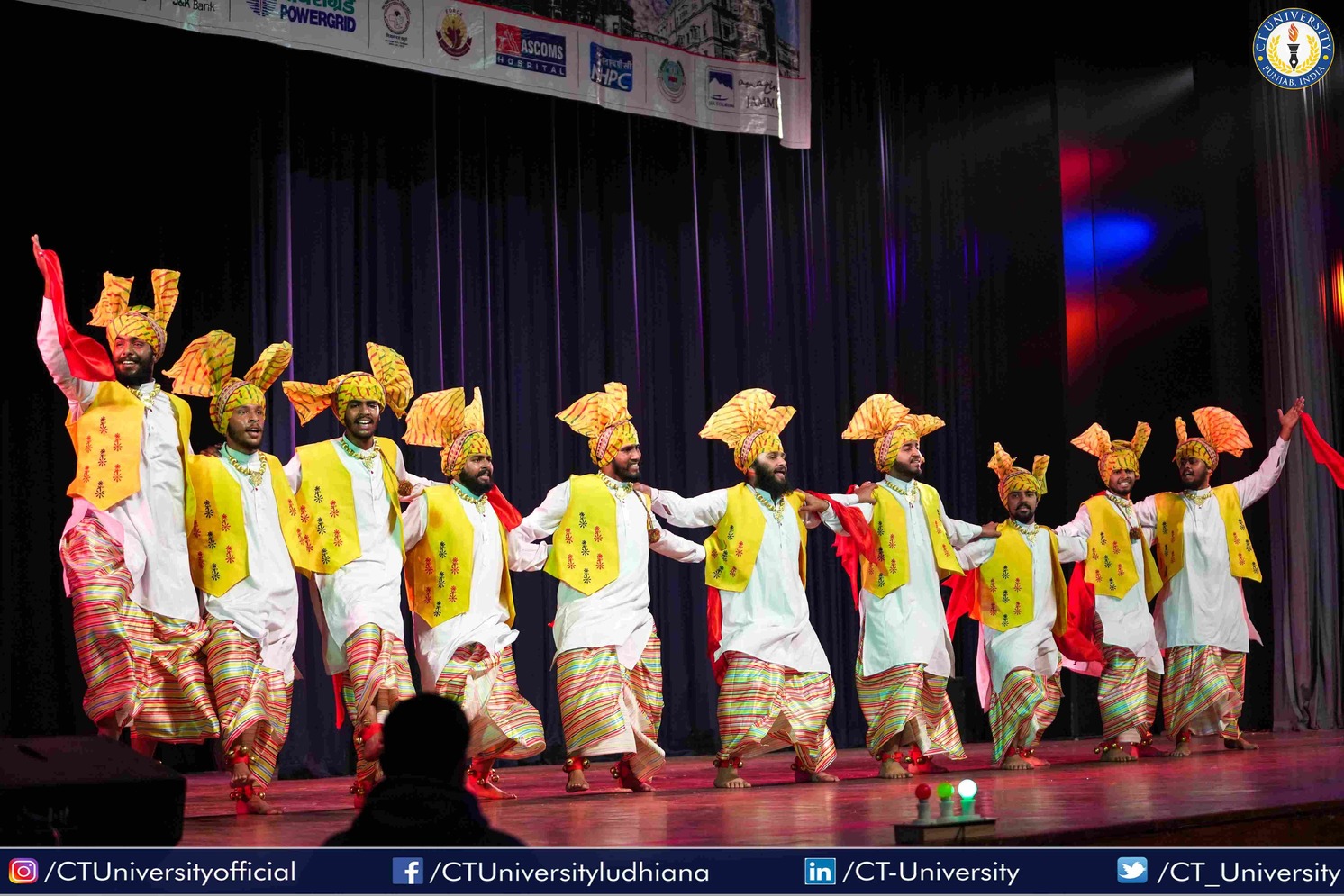
CT University organised Intra University fest Splash where students from all the eight schools participated in different events. More than 200 students from School of Engineering and Technology, School of Humanities and Linguistics, School of Design and Innovation, School of Education and Physical Education, School of Law, School of Hotel Management and School of Pharmaceuticals and Natural sciences along with School of Management participated in all the events. Splash had various cultural and creative events like Group Dance, Solo Dance, Skit, Punjabi Rasoi, Selfie taking, Collage making, face painting, documentary and the major attraction was Fashion Show. Bawanpreet Singh, a student from School of Management said, “I took part in group dance. Such breaks from study are always entertaining and make us stress free. All my fellow companions were actually very good and we had a gala time in Splash.” “Splash witnessed a different variety of talents in all the students. They did a great job by putting so many efforts. I congratulate all the winners and I even congratulate all the participants because appearing on stage is not always easy. The students were full of creativity and zeal. Such events would be regularly organised for a break for the students and bringing out their talents.” said, Pro Vice Chancellor, Dr Harsh Sadawarti.
08 Mar, 2023
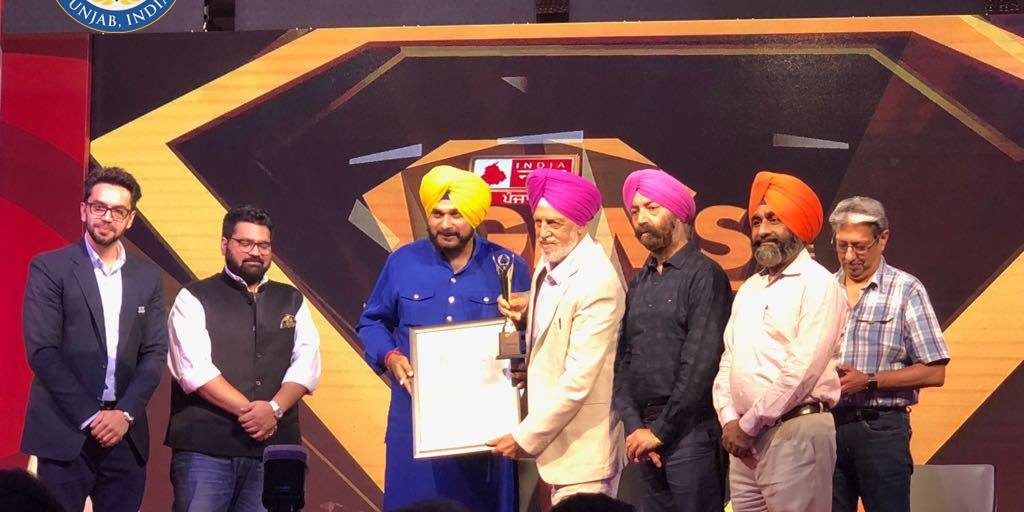
Chancellor, CT #University, Charanjit S Channi has been #awarded with “𝐆𝐞𝐦𝐬 𝐨𝐟 𝐍𝐨𝐫𝐭𝐡 𝐀𝐰𝐚𝐫𝐝”, an award show organised by 𝐈𝐧𝐝𝐢𝐚 𝐍𝐞𝐰𝐬 𝐏𝐮𝐧𝐣𝐚𝐛 (iTV Network), where 𝐒. 𝐍𝐚𝐯𝐣𝐨𝐭 𝐒 𝐒𝐢𝐝𝐡𝐮, 𝐌𝐢𝐧𝐢𝐬𝐭𝐞𝐫 𝐨𝐟 𝐓𝐨𝐮𝐫𝐢𝐬𝐦 𝐚𝐧𝐝 𝐂𝐮𝐥𝐭𝐮𝐫𝐚𝐥 𝐀𝐟𝐟𝐚𝐢𝐫𝐬 in the #Punjabgovernment was the #ChiefGuest. He has been awarded under “𝐇𝐢𝐠𝐡𝐞𝐫 𝐄𝐝𝐮𝐜𝐚𝐭𝐢𝐨𝐧” category, from total 18 categories like #singing, #comedy, #acting etc and is the only #educationist from #North India to receive this #honor.On receiving this award, Charanjit S Channi said, “It’s my honor to receive this award of #excellence in the field of education. Such awards boost our #morale to keep serving #society in the form of quality and advance education that we are doing from past 21 years #CTU.
29 Sep, 2023
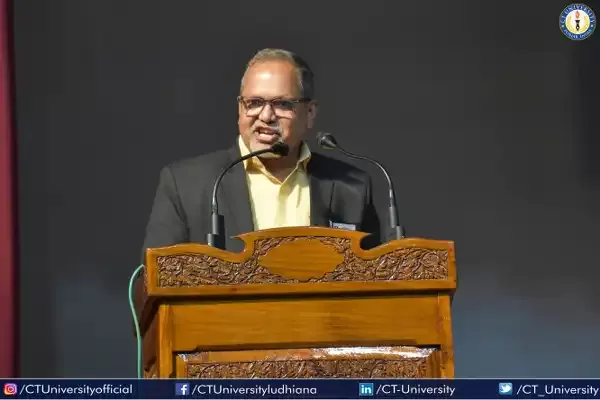
Industry 4.0 will require the world to produce a new kind of worker—a knowledge worker! Tomorrow’s industry leaders and managers must possess new skill sets to adapt, to manage, and to take advantage of Industry 4.0 and NEP is a step towards it. CT University in collaboration with the University of Kashmir organized a National Conference KASPUN 3.0. This joint initiative between Kashmir and Punjab was organized to celebrate India’s G20 presidency and to decode NEP 2020.
10 Mar, 2023
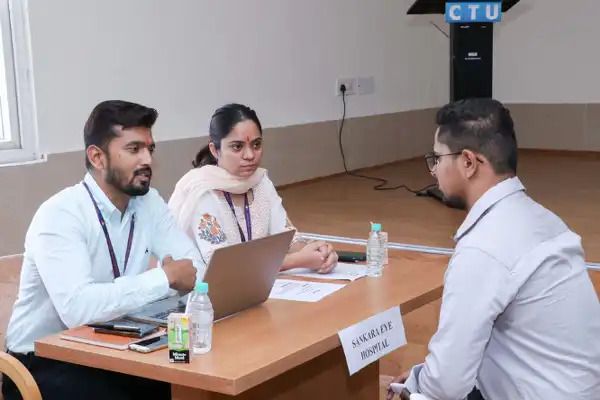
CT University organised ‘Pharmacy and Healthcare Job Fair 2023’ in collaboration with DBEE. The event, brought together a multitude of students, esteemed companies, and renowned professionals, creating a platform of unparalleled opportunities. The aim of Job Fair was to bridge the gap between aspiring students and leading companies in the pharmaceutical and healthcare sectors and provide a valuable platform for students to showcase their skills, interact with industry experts, and secure promising job opportunities. Under the esteemed presence of Dr. Sanjay Kaushal (MD, Dean Academics / Professor & Head Dept of Pharmacology, Dayanand medical College, Ludhiana) Chief Guest and a prominent figure in the medical field, the Job Fair witnessed an impressive turnout of over 350+ enthusiastic students from various colleges across North India. The fair attracted 40 top companies, including Scott-Edil Group, Microlabs, Lenskart.com, Go Healthy, Macleods Pharma, Meril Endo-Surgery Pvt. Ltd., and many more. 100+ Students got selected. The event showcased the commitment of CT University towards empowering students with a plethora of career options, enabling them to secure a bright future in the competitive healthcare industry. Through a paperless process utilizing barcodes and unique IDs, the registration process was streamlined, providing a seamless experience to participants. The Chancellor of CT University, S. Charanjit Singh Channi, shared his thoughts on the event, stating, "We are dedicated to equipping our students with exceptional opportunities, and the success of Job Fair 2023 reaffirms our commitment. This fair has bridged the gap between talented individuals and industry-leading companies, enabling our students to showcase their skills and secure promising job opportunities." Dr. Sanjay Kaushal, the esteemed Chief Guest, expressed his satisfaction in being a part of the Job Fair. He remarked, "It was an honor to witness the remarkable talent and dedication displayed by the students at the Job Fair 2023. This platform serves as a significant stepping stone for students to carve their path in the healthcare industry and make a meaningful impact." On this Occasion, Director Corporate Resource Centre Rajesh Kapoor; Manage Corporate Resource Ms. Aditi; Head , School of Pharmaceutical Sciences Dr. Vir Vikram ; Associate Dean, School of Healthcare & Paramedical Sciences Prof.( Dr.) Mohd. Usman Khan; Deputy Director, Department of Student Welfare Er. Davinder Singh, Faculty and Students were Present. Events in CT University
15 Mar, 2023
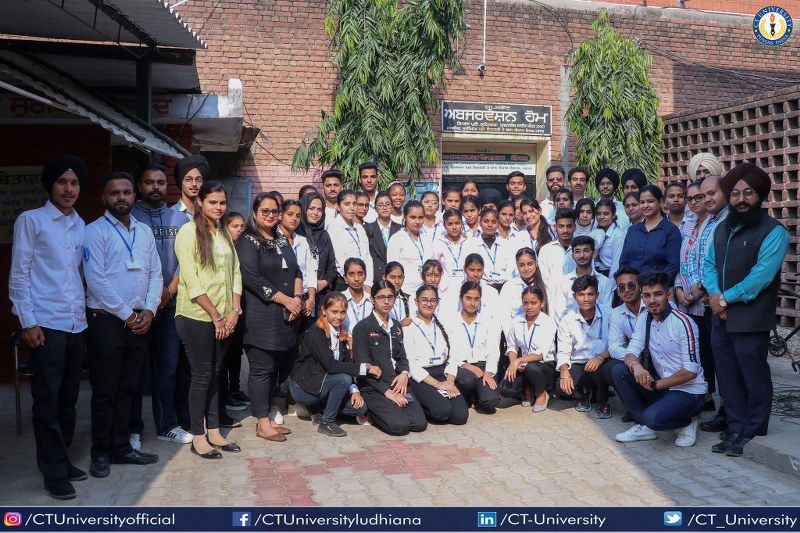
On the occasion of National Education Day, SOL, CT University students visited Observation Home, Ludhiana and distributed books to undertrial juveniles. National Law day was celebrated to pay tribute to Dr. B.R Ambedkar, the man behind the drafting of the Indian Constitution. It Started with Oath Ceremony by reading sound The Preamble of India and concluded with Nukkad Natak showing Criminal Justice System.
21 Jun, 2019
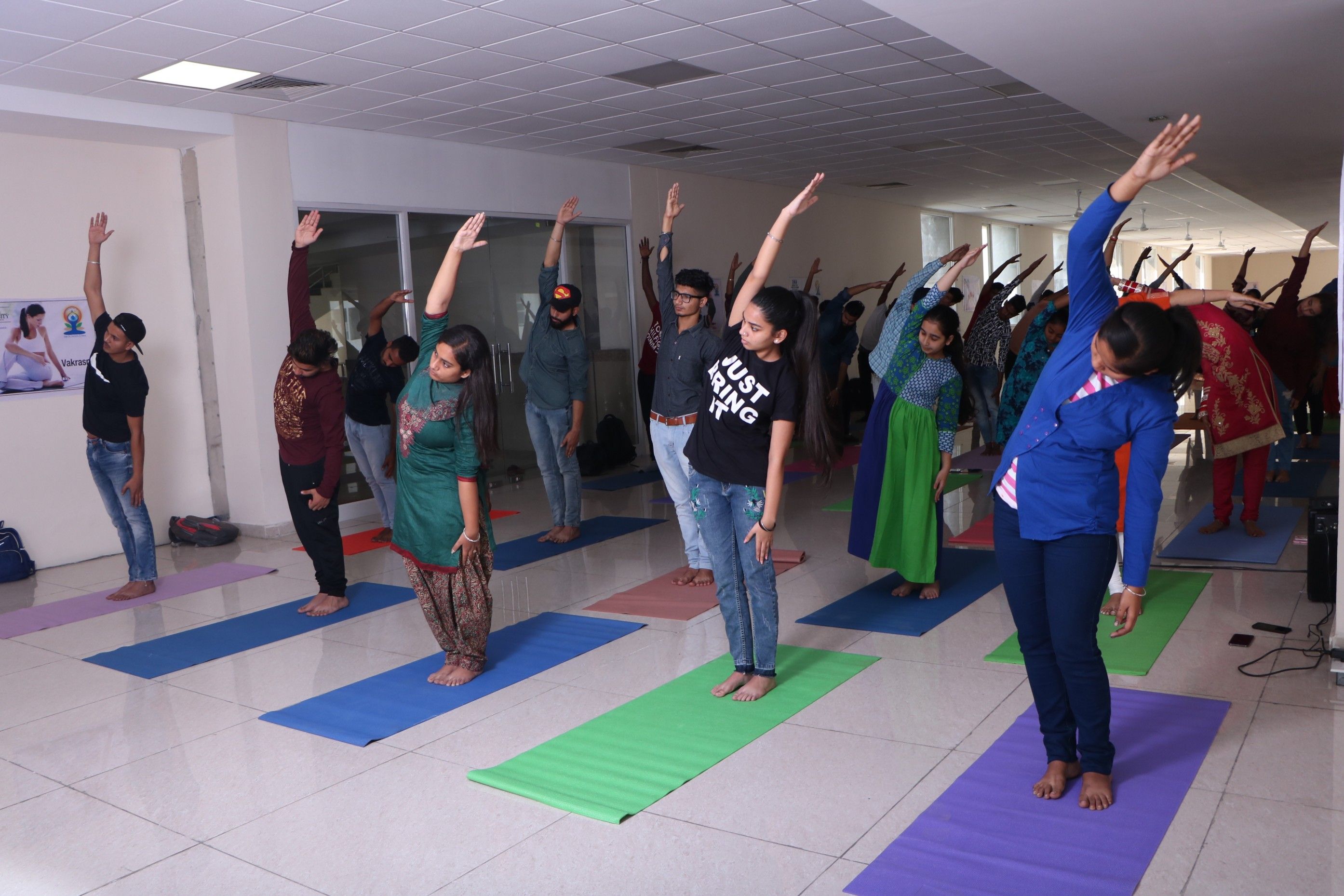
CT University’s Directorate of Sports organised International Yoga Day in the university campus by practising yoga and creating awareness about its benefits. The university commemorated the memorable day by organising free yoga camp which was open for all students, parents and general public of the nearby areas. The event was graced by Co-Chairperson Parminder Kaur Channi and Vice Chancellor Dr Harsh Sadawarti and other officials along with faculty and students. Inaugurating the event, Parminder Kaur Channi, said, “Yoga has an extremely strong power to heal stressful mind and body. In current scenario, one needs to input yoga asana in their lives.” Yoga can be fruitful for both students and faculty. It has benefits of calming down the minds and peacefully working along in a busy lifestyle. Vice Chancellor, Dr Harsh Sadawarti said that Yoga, at start of day, is a refreshing agent for moving along the whole day. Regular yoga practice, especially when combined with other stress relievers like walking outside or mindfulness meditation, can help battle many physical effects of stress and anxiety.”
22 Aug, 2018
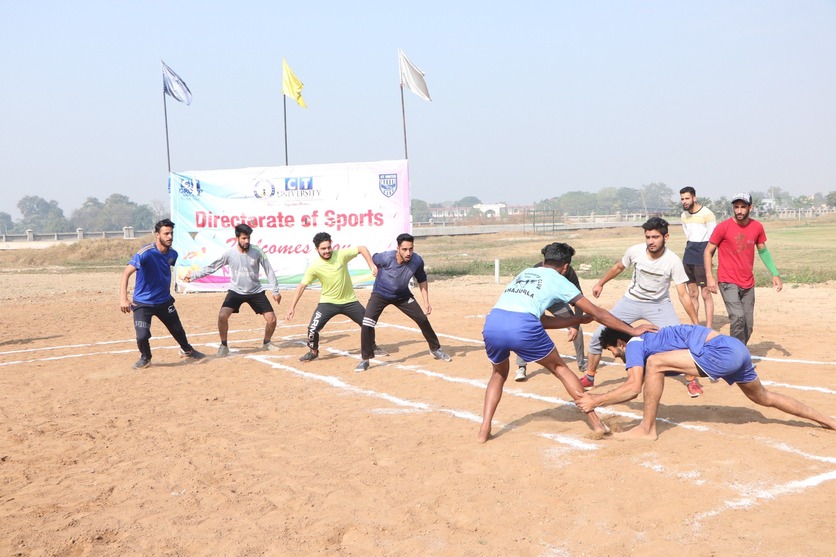
CT University, under the Department of Physical Education organised interschool Kabaddi Tournament (Men) in which seven schools participated. The final match was between School of Engineering and Technology (SOET) and School of Humanities and Physical Education (SOHPE), where SOET won the match.
03 Jul, 2023
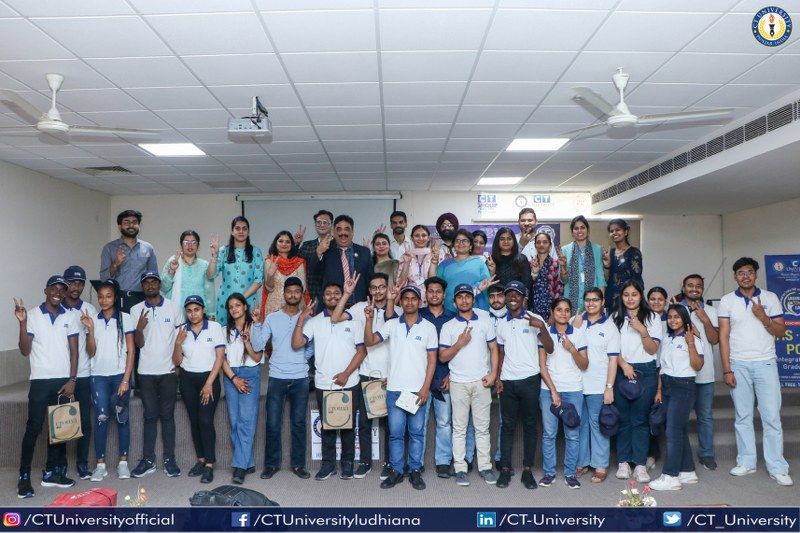
School of Engineering & Technology, CTU organized 24 hours non stop Hackathon on 18th and 19th May 2022 Where Department organized Workshop by Expert Mr. Arun Soni on CYBER SECURITY. In coding Competition “The Turbo Coders” from CT Group of Institutions Shahpur achieved the overall winner award by developing an “Iot Enabled Risk Monitoring System in Cold Supply Chain”. Team “Breakerz” secured second position by developing an app to reduce food wastage and “Infinity Coders” got third position by developing a text based AI Chatbot.
05 Jul, 2023
Engineering does not merely know and being knowledgeable, like a walking encyclopedia; engineering is not merely analysis; engineering is not merely the possession of the capacity to get elegant solutions to non-existent engineering problems; engineering is practicing the art of the organized forcing of technological change... Engineers operate at the interface between science and society.
20 Jan, 2023
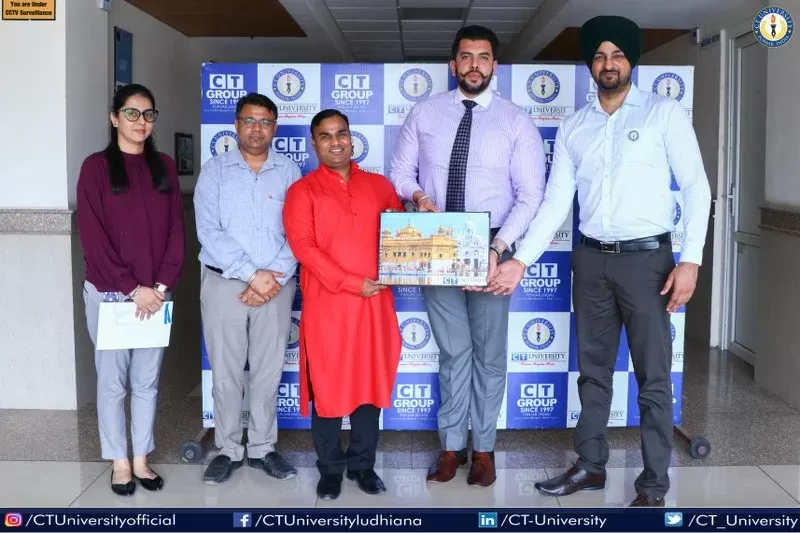
The School of Engineering & Technology, CT University organized a Expert Session on 'Cyber Crime #Awareness and Methods to Secure Social Activities on Internet' by Adv. Dattatray Bhagwan Dhainje, Cyber Law Expert, Pune. Adv. Dattatray Bhagwan Dhainje has been working in this field for the past 7 years and is helping in Cyber Crime Investigation to various police stations across Maharashtra. He discussed different aspects related to the Cyber Security Techniques, securing the Internet Banking, usage of wallet and shared knowledge about cybercrimes prevailing in the market and much more. In addition to it, he explained how to secure your personal accounts on social media platforms and gave a live demonstration of Genuine Website Authentication.

29 Sep, 2023
Towards the professional development and student enrichment, School of Management Studies, CT University organized an expert talk on “Preparation of Business Plan”. Prof. Naresh Sachdev, Head of Entrepreneurship Development Cell at PCTE Badowal was the guest speaker. He has over 30 years of professional and academic experience. The session was attended by students and faculty members of School of Management studies. The session was very informative for the students about how to prepare a business plan and its importance for budding entrepreneurs. He expressed that, “A good business plan leads to success of an entrepreneur. To be an entrepreneur and to make the start-up a successful one, there needs to be some purpose, passion, dire need and drive. Nowadays, profits are exponential and are not the only purpose of starting a startup or new business. Making money is not a problem but giving solution to a problem is a problem which is resolved with the help of good business plan. The purpose of a good business plan is alignment of team, operating plan, communication, investment capital, expansion capital, merger/acquisition process. To prepare a business plan, the pitch line needs to be attractive enough and it must include all the important points e.g. unique selling propositions (USPs), SWOT analysis, targeted audience, competitive analysis, future plans, milestones, team style, and most importantly, nowadays, pitch on social media.” He enlightened the students about the opportunities in the market where in a person needs passion and internal drive to be a successful entrepreneur. He provided various real life examples of entrepreneurs who achieved success through their strong and effective business plan. Dr. Hemant Sharma, Pro VC CT University was also present in the session and gave vote of thanks to the speaker.
15 Sep, 2023
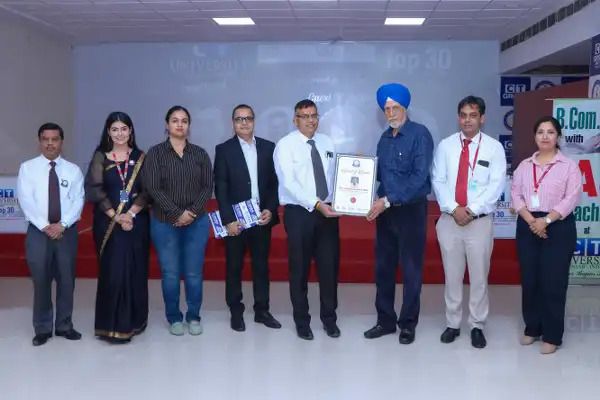
CT University organised ‘Pharmacy and Healthcare Job Fair 2023’ in collaboration with DBEE. The event, brought together a multitude of students, esteemed companies, and renowned professionals, creating a platform of unparalleled opportunities. The aim of Job Fair was to bridge the gap between aspiring students and leading companies in the pharmaceutical and healthcare sectors and provide a valuable platform for students to showcase their skills, interact with industry experts, and secure promising job opportunities. Under the esteemed presence of Dr. Sanjay Kaushal (MD, Dean Academics / Professor & Head Dept of Pharmacology, Dayanand medical College, Ludhiana) Chief Guest and a prominent figure in the medical field, the Job Fair witnessed an impressive turnout of over 350+ enthusiastic students from various colleges across North India. The fair attracted 40 top companies, including Scott-Edil Group, Microlabs, Lenskart.com, Go Healthy, Macleods Pharma, Meril Endo-Surgery Pvt. Ltd., and many more. 100+ Students got selected. The event showcased the commitment of CT University towards empowering students with a plethora of career options, enabling them to secure a bright future in the competitive healthcare industry. Through a paperless process utilizing barcodes and unique IDs, the registration process was streamlined, providing a seamless experience to participants. The Chancellor of CT University, S. Charanjit Singh Channi, shared his thoughts on the event, stating, "We are dedicated to equipping our students with exceptional opportunities, and the success of Job Fair 2023 reaffirms our commitment. This fair has bridged the gap between talented individuals and industry-leading companies, enabling our students to showcase their skills and secure promising job opportunities." Dr. Sanjay Kaushal, the esteemed Chief Guest, expressed his satisfaction in being a part of the Job Fair. He remarked, "It was an honor to witness the remarkable talent and dedication displayed by the students at the Job Fair 2023. This platform serves as a significant stepping stone for students to carve their path in the healthcare industry and make a meaningful impact." On this Occasion, Director Corporate Resource Centre Rajesh Kapoor; Manage Corporate Resource Ms. Aditi; Head , School of Pharmaceutical Sciences Dr. Vir Vikram ; Associate Dean, School of Healthcare & Paramedical Sciences Prof.( Dr.) Mohd. Usman Khan; Deputy Director, Department of Student Welfare Er. Davinder Singh, Faculty and Students were Present.

10 May, 2023
In Remembrance of Bhagat Singh, Department of Student welfare in association with Hindustan Welfare blood Donors club (Regd.) organized a ‘Blood Donation Camp’ under the guidance and supervision of Civil Hospital Jalandhar. A Nukkad Natak by Kranti Kala Manch, Moga was presented highlighting the menace of drug abuse. Remembering the irrepressible revolutionary spirit of Bhagat Singh, The Staff of CT University tied ‘Basanti’ coloured turbans. Dr. Manbir Singh, Pro Chancellor, CT University said, “The basanti turban not only symbolises Bhagat Singh’s revolutionary ideals, but also the hope and zeal of the people of the state who want to see Punjab prosper.” During the blood Donation camp, More than 100 students and faculty members donated their blood voluntarily. A contingent of 08 team members comprising doctors and technicians from Hindustan Welfare blood Donors club (Regd.) and Civil Hospital Jalandhar contributed effectively to the camp. The students were counselled on the safety and significance of Blood Donation in societal interest. After Donating blood, Deputy Director Department of Student Welfare Er. Davinder highlighted the importance of Blood Donation which can help to save thousands of lives. He inspired the students to come forward and donate blood to safeguard the lives of others. Vice Chairman Harpreet Singh said ‘We strongly believe in sensitizing our students towards developing social sensitivities and a strong need for blood donation drives amongst the youth of the country towards the cause. “ On this occasion CT University’s Chancellor Charanjit Singh Channi, Pro Chancellor Dr. Manbir Singh, Vice Chairman Harpreet Singh, Vice Chancellor (off.) Dr. Satish Kumar, Registrar Sarabpreet Singh, Deputy Director Department of Student Welfare Er. Davinder Singh and Other Faculty members, Students were present.
18 May, 2023
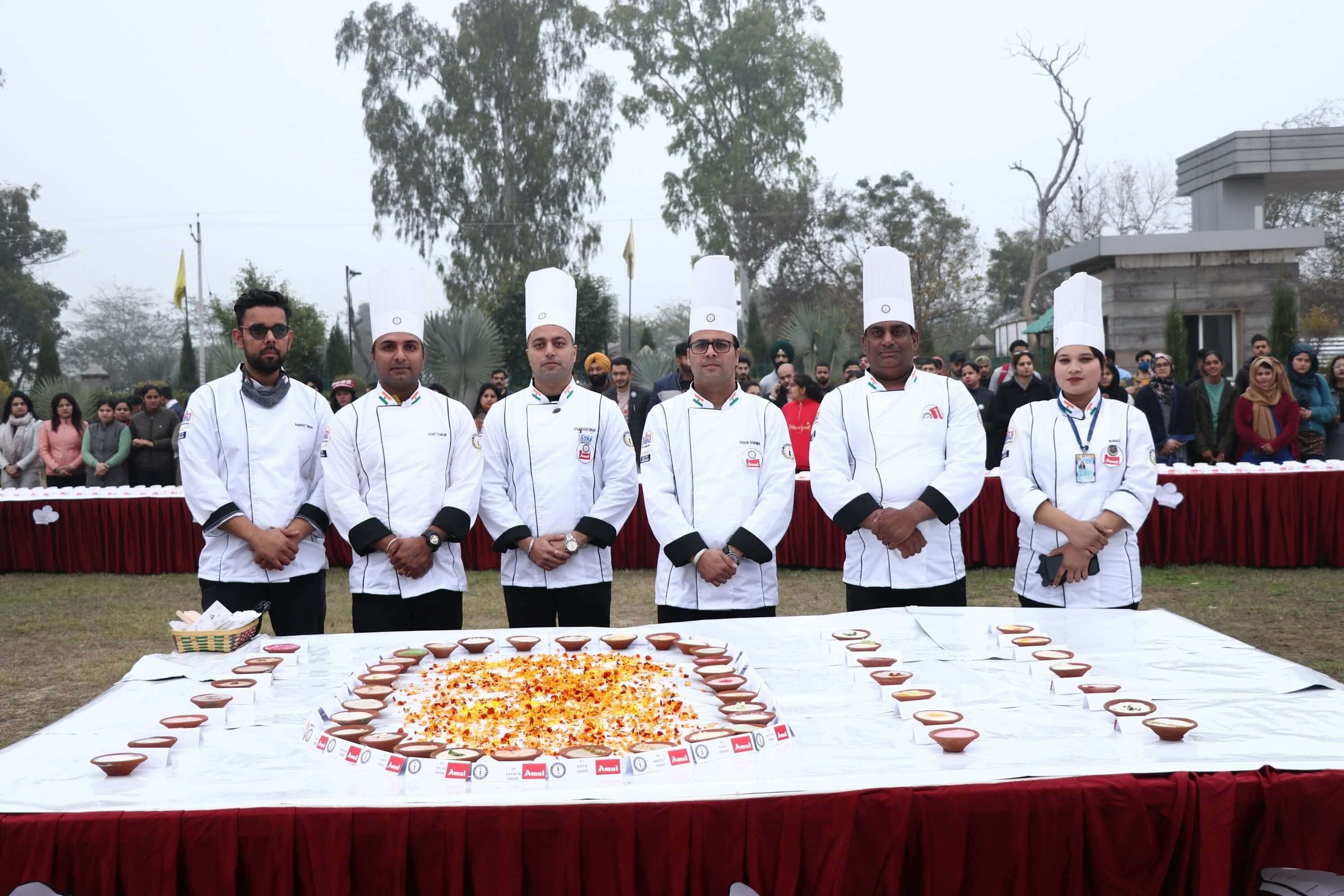
CT University attempts Limca Book of Records by preparing 1101 types of Phirnis, After making records of 550 different variety of vegetarian sandwiches, 300 different types of pastas and 198 omelettes by CT Group, CT University today has attempted a Limca Book of Record for making 1101 different types of phirnis by the students and faculty of School of Hotel Management, Airlines and Tourism under the patronage of University in collaboration with Amul, under the marketing brand of Gujarat Co-operative Milk Marketing Federation Ltd. 167 ingredients were used to prepare 1101 types of Phirnis. As per the record guidelines, this attempt has been verified by government officials. The Guests of Honour were Chef Nellu Kaura, Founder Chef Kala, Ludhiana; Chef Vishwadeep Bali, MD, Food Masters and Chef Hitesh from Hotel Kipps. In this event, 1101 different types of nutritious and healthy phirnis were prepared by chefs and faculty of Hotel Management students. The ingredients used were basil, beetroot, khas, semolina, quinnoa, etc. The phirnis made will be distributed at NGO Manukhta Di Sewa in Mullanpur.
05 Jul, 2023
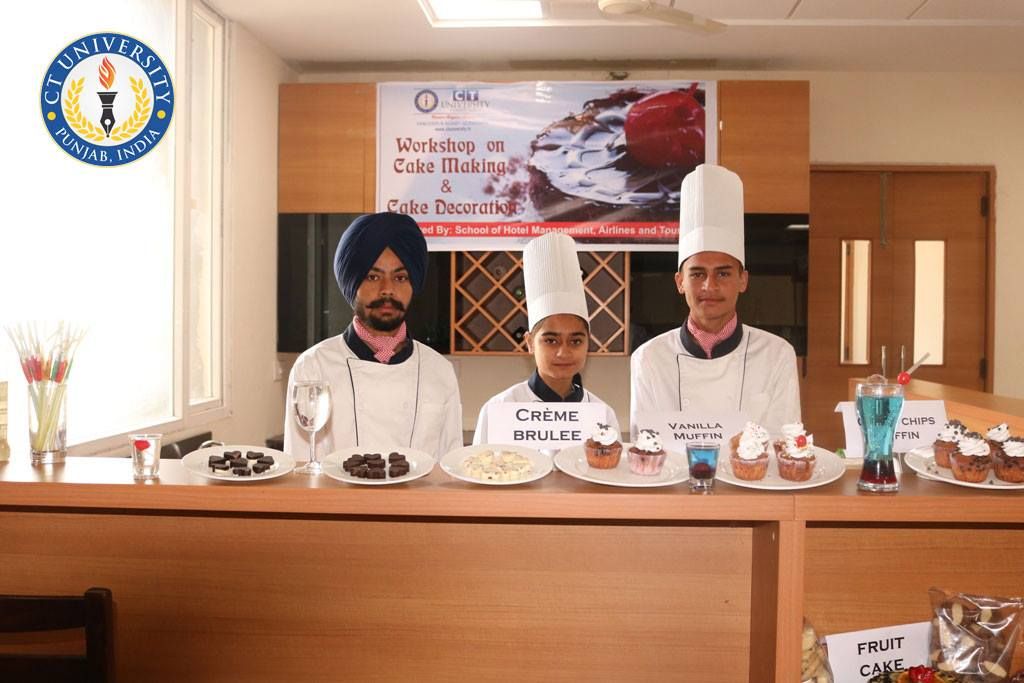
One day workshop on cake making & décor organized at CT University. School of Hotel Management, Airlines and Tourism organized a one day workshop on Cake Making & Cake decoration at CT University. To give hands-on experience to the students, a number of bakery products such as Cakes, Cupcakes, Muffins and Cookies were made during the workshop. The Dean of School of Hotel Management, Chef Dr. Varinder Singh Rana said that such workshops are very important for better learning of the students and in future many such workshops will be organized. Head of School of Hotel Management Dr. Amit Kumar said that this workshop will be very beneficial for the students as this will enhance their knowledge about bakery section
16 Jun, 2023
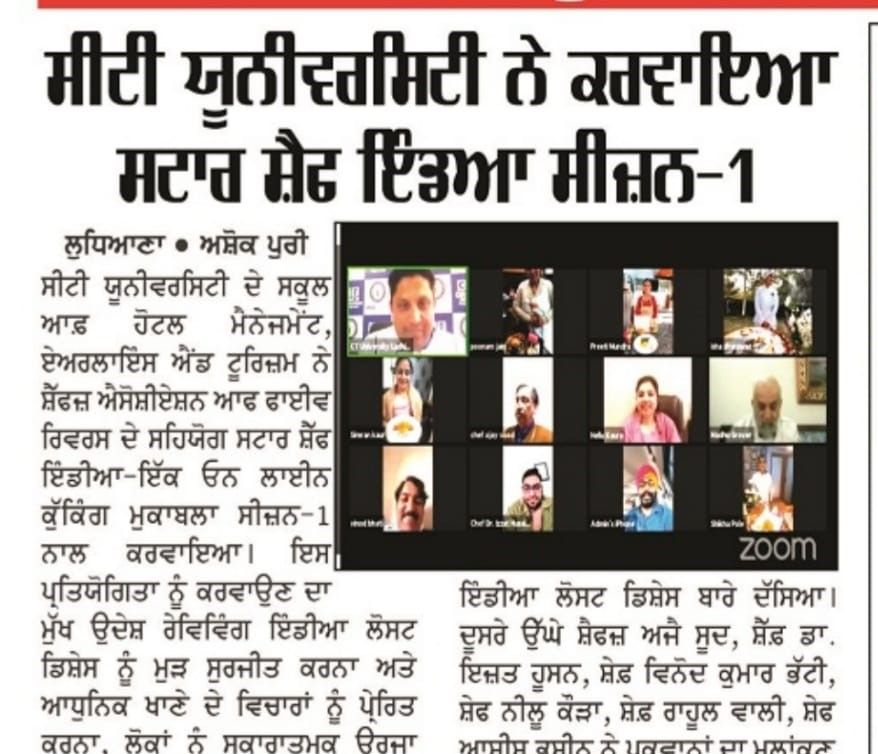
SOHMAT CTU organized Star Chef India-Online Cooking Competition in association with Chefs Association of Fiver Rivers. The primary objective of the event was to focus on Indian dishes and Plating, and further to fill people with positive energy during the lockdown period. There were 256 participants in the first round from across India and 65 participants were selected for the second round, and in the third round, the top 5 selected participants performed virtual cooking through Facebook Live on January 22, 2021. Chief Jury for the event was Chef Harpal Singh Sokhi and the winners were Isha Sherawat (First), Preeti Mundra (Second), Shikha Pole (Third). This mega event of four months duration was sponsored by Chef Kala, Cates, Cornitos and Events justabhi.com.
10 Apr, 2023
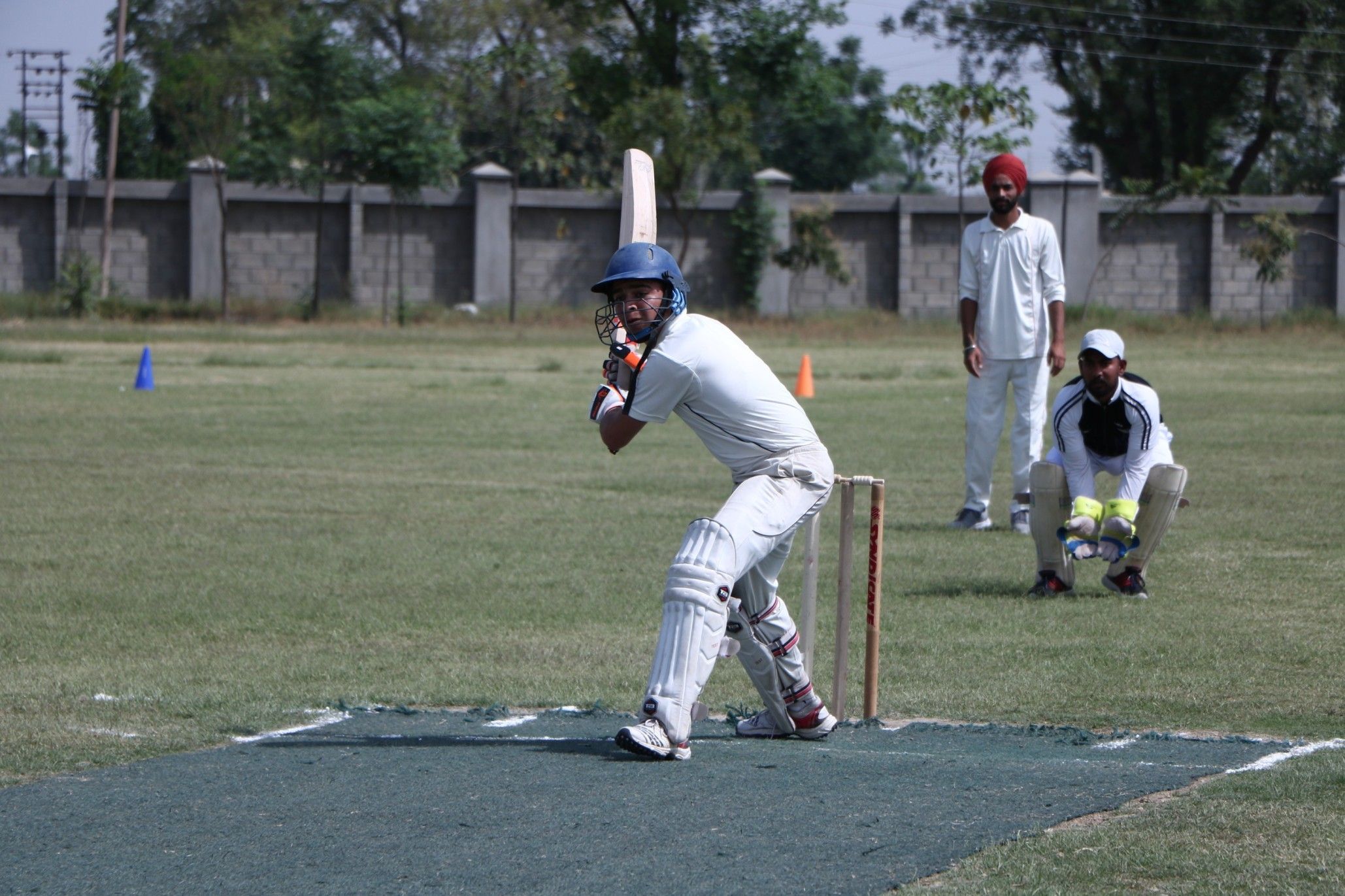
CT University’s Department of Sports organised ‘2nd CT Premier Cricket Tournament’ under 21 at the Sports Complex, CTU where in 16 teams participated from various academies and schools around Ludhiana. The matches were played in two Pools that is Pool A and B. Under Pool A: Teams were CP cricket Academy, Kular Academy, Bharowal Academy, Kamla Lohtia Cricket Academy, Bharwal Academy, CT Public School Maqsoodan, New Star Academy, Ludhiana. Under Pool B: Sunrise Cricket centre Academy, KCB Academy, Sunrise Cricket Academy, GAD Academy, GNA Phagwara, IPS School, Cricket Club Khosa. After the final match, Kular Cricket Club won with 15 runs and was awarded with cash prize of Rs 21,000/- and Runner up team Cricket Club, Khosa awarded with Rs 11,000/-.Gurveer Singh from Kular Cricket Club won Best Batsman Award. Sandeep Singh from Cricket Club, Khosa won best Bowler Award and Happy from Kular Cricket Club got ‘Man of The Series’ Award. Vice Chancellor, Dr Harsh Sadawarti, congratulating the winners said, “Such platforms let a student bring out his best and can contribute for nation. The need of the hour is not just intelligent youth but fit as well and sports activities are the best for it.”
15 Jun, 2023
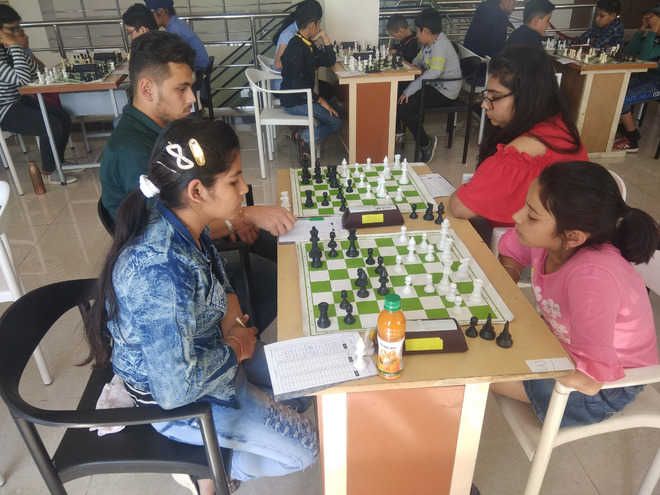
CT University (CTU) in association with Ludhiana District Chess Association organized a Chess Tournament for Under 19. In this three day chess workshop. 97 students including 61 girls were registered. They marked their performances to fight for saving their queen in consecutive eight rounds. Students from various cities took part in the event. The CTU Managing Director, Manbir Singh congratulated the winners and participants who took part in this first ever chess event organized by the University. He encouraged the students to keep the pace with both study and extracurricular activities. The chief organizer, Dr Pravin Sharma informed that on the first day of the championship, Bhuvesh Mahajan of Amritsar earned 4 points in the fourth round. On the second day of the championship top ranking Amritsar player showcased his excellent performance as also Anmol Bhagat of Jalandhar earned four points as well. Pankaj Arora of Jalandhar , Madhuvesh Mittal of Bathinda and Anju Bansal of Ludhiana, Shobhit Dhingra of Patiala all earned 3.5 points. In the girls section, Jalandhar girls top ranked in the show. In the fourth round, Deepanshi Sharma, Tia Setia, Anvanshita Verma, Lavanya Jain, Trishti Chopra remained leading. Similarly, Vanshika Sharma of Sangrur, Nitya Singhania of Amritsar got 3 points each. The championship is still progressing and the final results will be available shortly, said Dr Sharma. Congratulating the winners Dr Harsh Sadawarti, Vice Chancellor, said that chess is the game is of brain and smartness and that the participants who have the acumen turn out to be winners. He congratulated the winners and said that CTU will organize such events in future as well. Dr Jagtar Singh Dhiman, Registrar said that CTU holding the temporary membership of AIU, have a plan to organize various cultural and sports events.
20 May, 2023
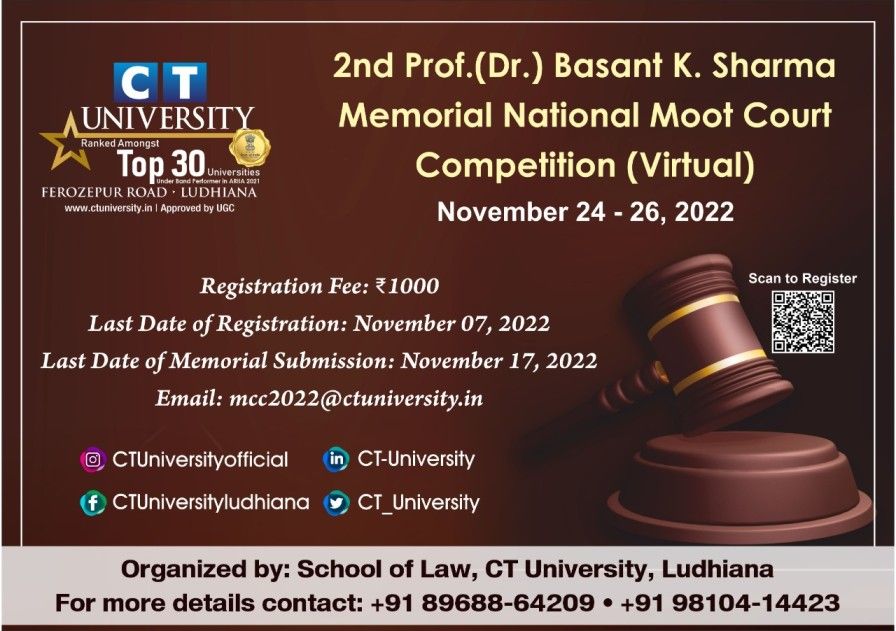
The Moot Court Competition is organised in the memory of (Late) Prof. (Dr.) Basant K. Sharma who served as an academician with Department of Laws, Panjab University, Chandigarh for more than 30 years. His zeal for teaching and love for community service can still be found amongst his students and the people he worked with. 2nd Prof. (Dr.) Basant K. Sharma Memorial National Moot Court Competition (Virtual) aims at providing a platform to law. The participants will be provided with interactive yet challenging courtroom experience for developing their critical as well as advocacy skills.
10 May, 2023
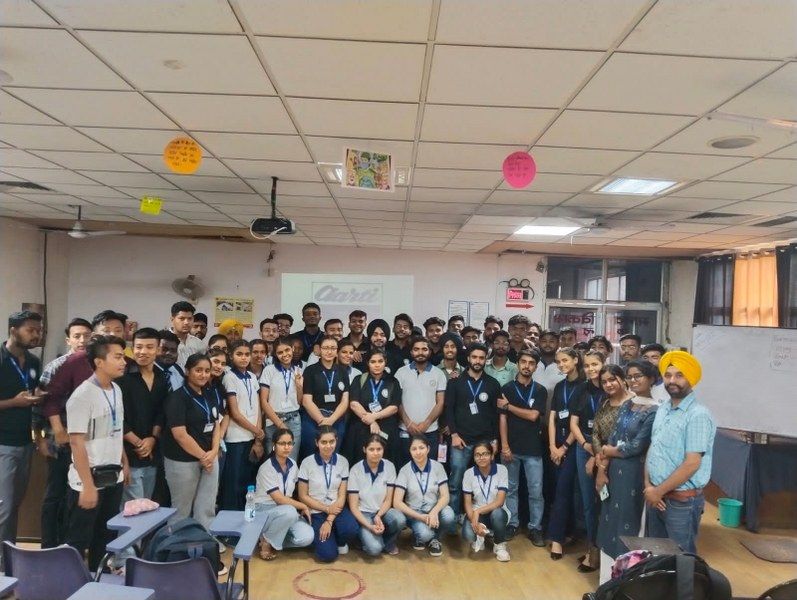
Aarti International Industrial Visit-CT University – School of Management Studies students visited Aarti International Ltd.on 06th June, 2022 at Ludhiana. Aarti International Limited is a vertically integrated textile company with manufacturing facilities of Greige Yarns, knitted, Dyed & Printed Fabrics. Annually it produces 37800 tons of Yarn and 10000 tons of Fabric. Aarti International Continuous Achieving the Milestones of Consistency, reliability, traceability and sustainability. The team of Aarti International showed the students how Yarn is manufactured along with the fabric. The team further discussed with the students about various career opportunities in the market. The Company has various reputed buyers like Disney, H&M, Adidas, Enamor, Jockey, etc. The students had great experience visiting the company and they also prepared the project report on the same.
15 Jul, 2022
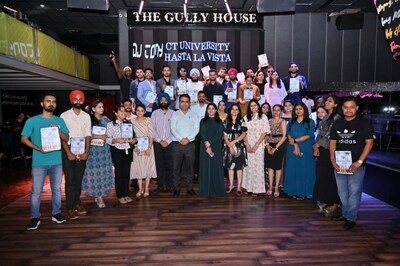
School of Management Studies, CT University organized “Hasta La Vista 2022” for the Final year students to bid them farewell and wish them good luck for the future in The Gully House, Ludhiana. The day was a fiesta devoted to the years spent together with friends and teachers, to reminisce joyous moments. The way the students hosted the program was a true treat to the eyes. Being a colorful affair, the farewell bash rocked the day for all the party attendees. The highlight of the event was the Mr. and Miss Farewell contest in which the outgoing students walked the ramp gracefully and participated in games. Rishav Jamwal was adjudged as Mr. Farewell and Gurleen as Miss Farewell from MBA, Jagdeep Singh Grewal as Mr. Farewell and Himanshi as Miss Farewell from BBA, Lovish Arora as Mr. Farewell and Prabhjot as Miss Farewell from B.COM. On the occasion, Assistant Dean and Head of School Dr. Nikhil Monga wished best of luck to the going students and said that anything can be achieved by sincere hard work and dedication. At last a special lunch was arranged for the whole gathering.
15 Jun, 2023
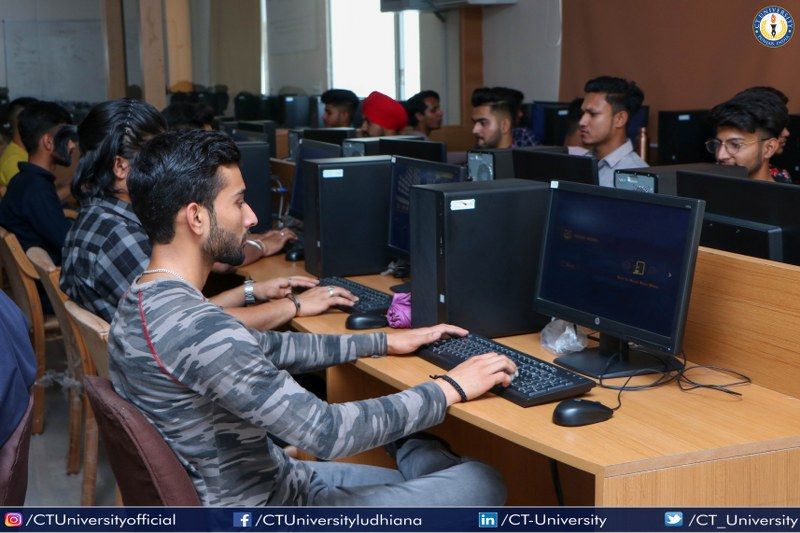
School of Engineering and Technology, CT University organized an Inter-school LAN Gaming Competition in which Harsimran of School of Design & Innovation bagged the first prize and Aman Sharma of School of Engineering & Technology bagged the second prize.
25 Aug, 2023
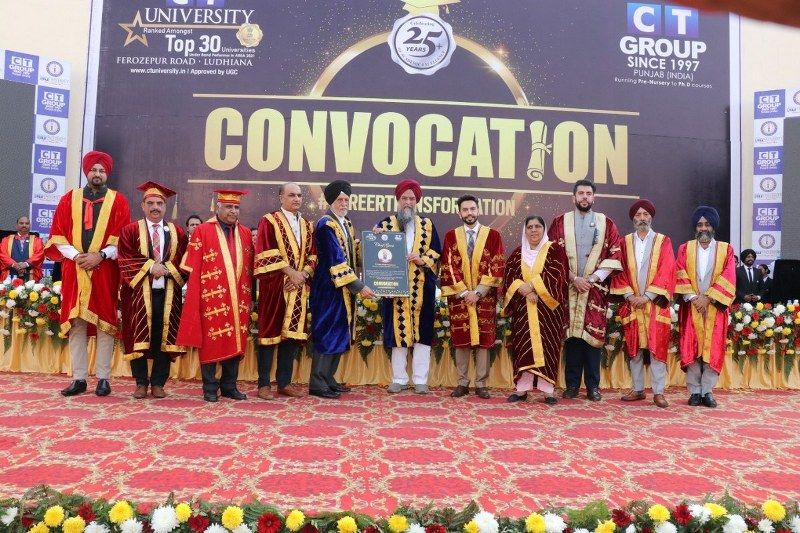
As the graduates filled the room, the excitement was palpable and the spirit was strong. This cheerful and heart-warming scenario was witnessed at 1st Convocation of CT University. As many as 1600 postgraduates and graduates of 2018 to 2022 passed out batches were awarded degrees in a convocation ceremony organized in open air theatre, CT University.The Chief Guest for the occasion was Hon’ble Speaker, Punjab Legislative Assembly S Kultar Singh Sandhwan. He delivered the Convocation Address. In his address, S Kultar Singh Sandhwan shared the tale of his success and stressed on the introduction of new technology. He said, “I congratulate all the degree holders today as it’s the reward of their hard work and sincerity during their college days. Go and Face the real challenges in the world, explore the best out of you and focus on positivity. You must work hard with a positive mindset in order to touch the pinnacle of success.”The welcome speech was delivered Hon’ble Chancellor Charanjit S Channi. The convocation was organised by Registrar, Sarabpreet Singha along with Examination controller Dr. Parveen and Dean Academics (Off.) Dr. Pooja. At the convocation, more than 1600 students of Pharmacy, Hospitality, Engineering, Law and other streams were honoured. Achievers from various programs were honoured with the University Gold Medals, and Merit Certificates. In total, 96 Gold Medals were presented to the distinguished achievers.Charanjit Singh Channi, Chancellor, CTU said, “My experiences prompt me to say that today’s Achievement may fade or even forgotten. The applause and appreciation may become a distant memory. Your certificates and medals may gather dust on a shelf or displayed on the wall. But you always will be remembered for caring enough, for helping someone, for making someone feel special and appreciated for being the kind. I have no doubt that you will get the very best in life.” Pro-Chancellor Dr. Manbir Singh and Vice Chairman Harpreet Singh thanked the Chief Guest for accepting to grace this day with his presence.On this occasion Sh. Deepak Bali, Advisor Art, Culture & Languages, Govt. of Delhi; Dr. Harsh Sadawarti, Vice President, Desh Bhagat University; Dr. Naresh Nagpal, Former Additional Director, Department of technical education and industrial training, Chandigarh, Punjab ; Mr. Vikas Heera, SDM Jagraon ; Ms. Saravjit Kaur Manuke , MLA Jagraon ; Mr. Harjeet Singh SSP Jagraon; Mr. Navdeep Singh Dy. CEO DBEE Ludhiana Govt. of Punjab; Mr. Mandeep Pahwa MD Avon Cycles ; Mr. Amit Sharma Director, Vast Linkers and many other industrialists were present along with the faculty of CT University.
18 Sep, 2023
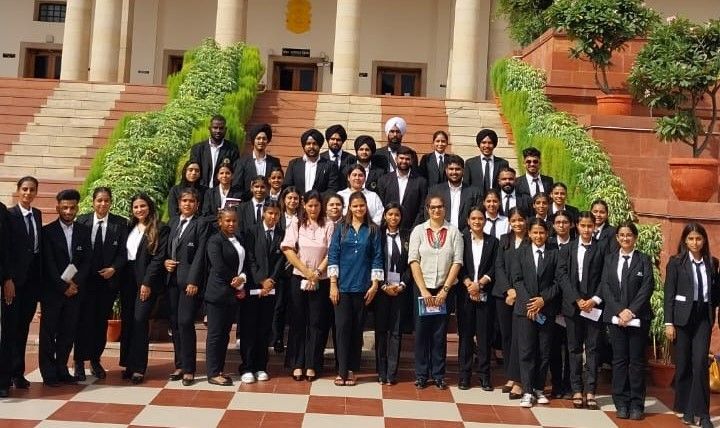
CT University’s School of Law embarked on a transformative journey to the heart of Indian democracy, the Hon’ble Supreme Court of India. This prestigious visit was meticulously organized to provide students with an insight into the crux of democracy, the principles of justice, and the indispensable role of the judiciary in our nation.The Hon’ble Supreme Court of India, perched as the pinnacle of judicial authority in the country, symbolizes the beacon of justice and the guardian of our democratic principles. This excursion was designed to not only educate but also inspire our students about the paramount functions and significance of the judiciary within a democratic society..During their visit, the students had the invaluable opportunity to witness court proceedings of the Supreme Court. These proceedings included non-sensitive cases, allowing our students to closely observe the brilliance of legal arguments presented, the dignified decorum upheld, and the meticulous administration of justice.Dr. Simran Gill, Principal, School of Law, CT University, expressed her profound enthusiasm about this remarkable learning experience. She emphasized that this visit was not just a mere field trip but a profound educational initiative aimed at nurturing well-rounded legal minds. Dr. Gill said, “The judiciary is the bedrock of any vibrant democracy. Our students need to understand the intricacies of legal proceedings and appreciate the role of lawyers, judges, and litigants in upholding the rule of law.”She further added, “The visit to the Hon’ble Supreme Court of India has exposed our students to the real-world dynamics of the legal profession. Witnessing justice being served firsthand is a humbling and enlightening experience that will undoubtedly shape their legal careers.”
15 Sep, 2023
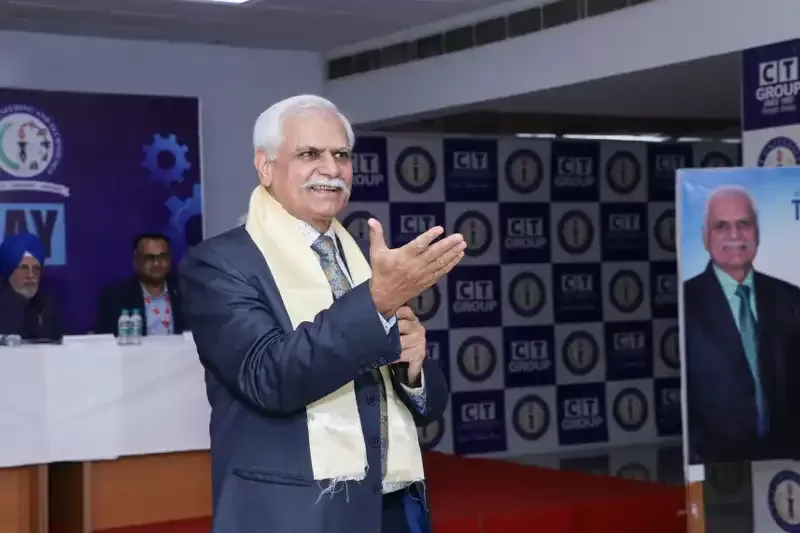
School of Engineering and Technology, CT University proudly observed Engineers’ Day by honouring the remarkable achievements in the field of engineering, bringing together students, faculty, and industry experts in a vibrant celebration of Engineering Excellence. The day featured a wide range of engaging activities that captivated participants throughout the day. These activities included Project Designing, Technical PPT Creation, a challenging Technical Quiz, Coding/Decoding Challenges, Technical Paper Writing, Web Designing, the Engineering Innovation Showcase, Best out of Waste, and LAN Gaming.The distinguished Prof (Dr) Rakesh Kumar Khandal graced the occasion as the chief guest, sharing profound insights that added significant value to the event. Prof (Dr) Khandal served as the Former President of R&D and Business Development at India Glycols Limited, Former Vice Chancellor of Uttar Pradesh Technical University, Lucknow, and Former Director of Shriram Institute for Industrial Research, New Delhi.The event began with the ceremonial lighting of the lamp, symbolizing the illumination of knowledge and innovation. Pro Vice-Chancellor Prof. (Dr.) Abhishek Tripathi welcomed the attendees, providing a detailed profile of the Chief Guest. Esteemed Pro Chancellor Dr. Manbir Singh delivered an address, followed by a keynote speech by Chief Guest Prof. (Dr.) R.K. Khandal, Former Vice Chancellor of AKTU (Lucknow) and Former President (R&D and Business Development) at India Glycols Ltd. The event concluded with vote of thanks from Dean Academics Prof. (Dr.) Avadhesh Kumar Gupta.On this occasion, Chancellor Charanjit Singh Channi, Pro Chancellor Manbir Singh, Pro Vice Chancellor Dr. Abhishek Tripathi, Dean Academics Dr. Avadhesh Gupta, Registrar Sarabpreet Singh, Director Planning and Development Dr. Ati Priye, Deputy Director of the Department of Student Welfare Davinder Singh, Head of the School of Engineering and Technology Dr. Jimmy Singla, heads of all the schools, faculty members, and students, also graced the event with their presence.Pro Chancellor Dr. Manbir Singh expressed his elation, affirming that the event epitomized CT University’s core values of innovation and excellence. He commended the unwavering commitment of students and faculty in celebrating the accomplishments of the engineering community.
07 Oct, 2023
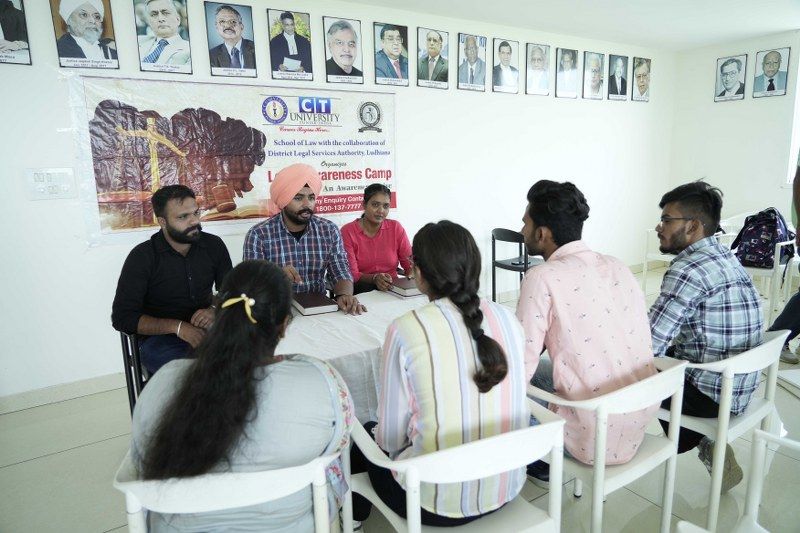
School of Law, CT University, Ludhiana celebrated “INTERNATIONAL LITERACY DAY”Awareness about legal rights was also deliveredLudhiana, September 2022 : CT University, Ludhiana, Punjab organized the different events to celebrate the “ International Literacy Day” like Legal awareness Drive, Distribution of books in villages and Session on Imparting basic legal education to CTU employees.The objective of the initiative was to create the awareness on education among the students and motivate them for achieving their aims in life by getting the knowledge from the books.Legal Aid Cell was active whole day for providing legal services to the poor, marginalized and weaker sections of the society. Fifty persons approached the cell for free legal aid including faculties, transport staff and other staff of the university, regarding their family disputes regarding the awareness of their services. After assessing the problems advices were given to them.Students of School of law also participated in the event with very zest and zeal. Further the Faculties and students of School of Law distributed the books among the needy students of village Pona. Principal School of Law, Dr. Simranjeet Gill Principle of School of Law, took a session of CTU employees (helpers), transport and security officers whose income is less than 3 lacs per year to aware them about their legal rights and informed them about the schemes and policies given by DLSA.Dr Satish Kumar, Vice-Chancellor, CT University appreciated the initiative taken by School of Law and said that Literacy is the birthright of every human being. Education is a weapon that can deal with every problem and situation through the mind and education is the medicine that cures every life and mental confusion and keeps everyone away from superstitions and conflicts.
18 Oct, 2023
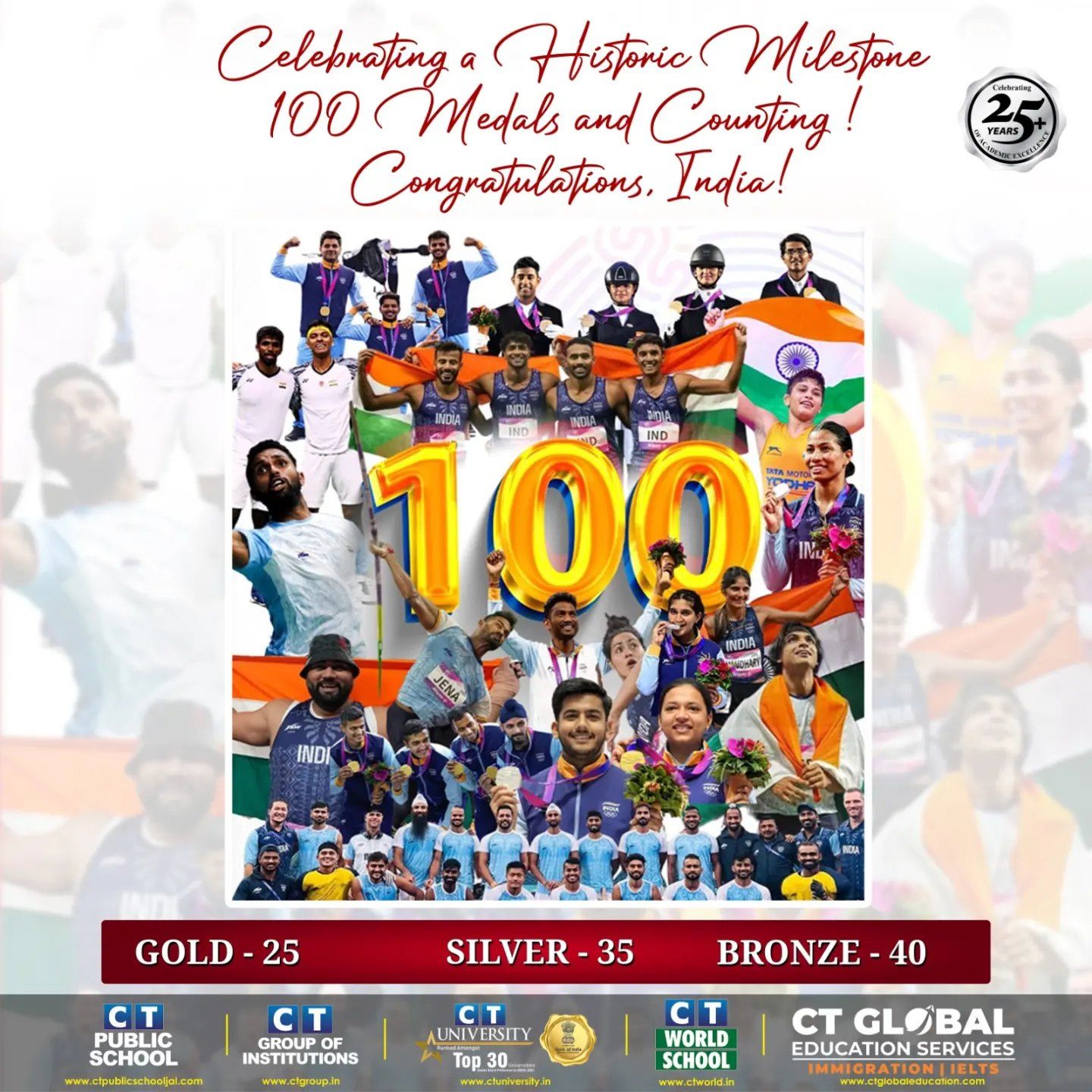
Celebrating a Historic Milestone 100 Medals and Countig congratulations india
21 Nov, 2023
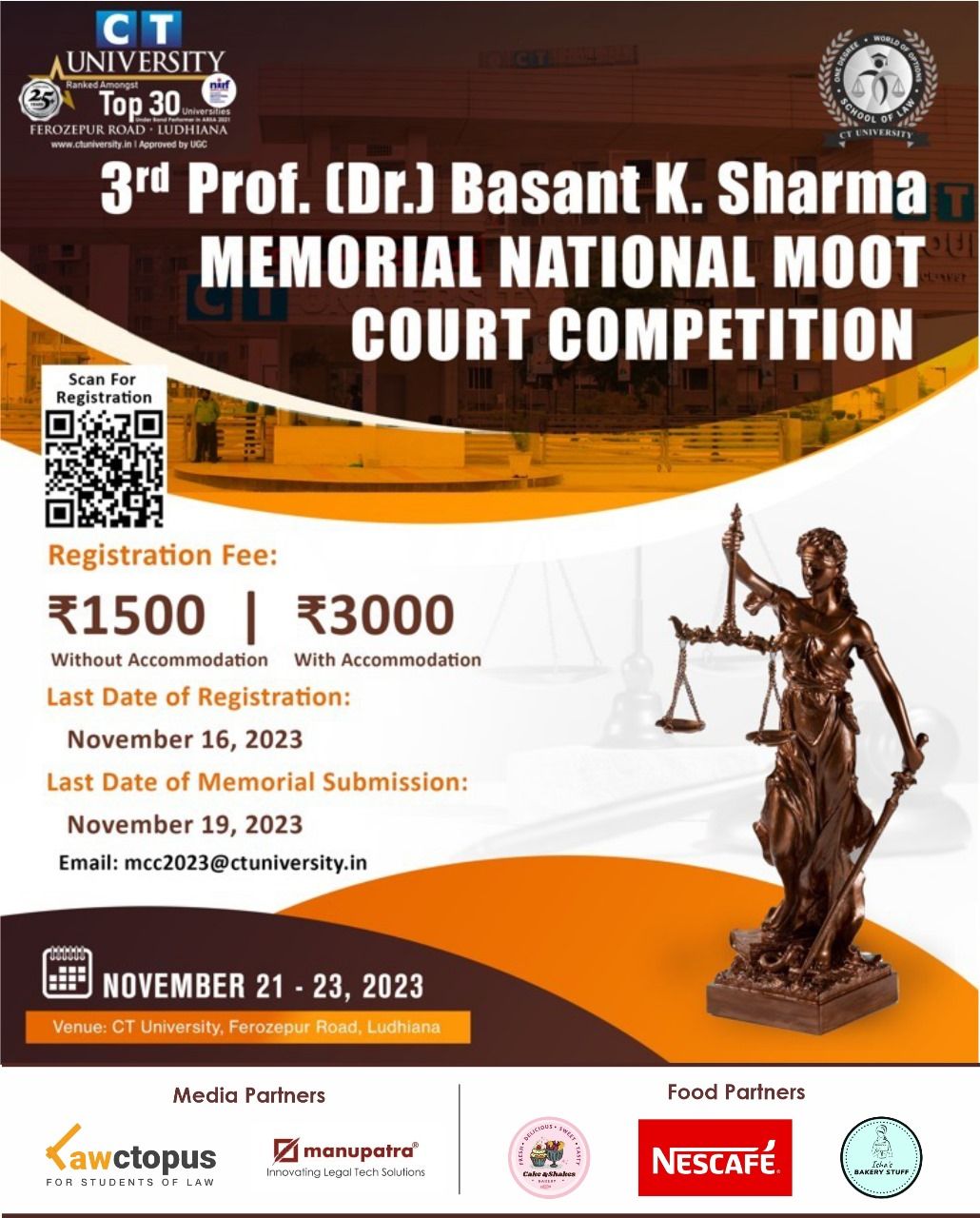
Moot Court Competition is organized in the memory of (Late) Prof. (Dr.) Basant K. Sharma who served as an academician with Department of Laws, Panjab University, Chandigarh for more than 30 years. His zeal for teaching and love for community service can still be foundamongst his students and the people he worked with. 3rd Prof. (Dr.) Basant K. Sharma Memorial National Moot Court Competition (offline) aims at providing a platform to law students to hone their mooting and articulation skills. The participants will be provided with interactive yet challenging courtroom experience for developing their critical as well as advocacy skills.Registration Open: 20th October, 2023Registration Close: 16th November, 2023Last date to seek Clarification: 17th November, 2023Last date for memorial submission: 19th November, 2023Draw of lots: 20th November, 2023Inaugural ceremony, memorial exchange and preliminary rounds: 21st November, 2023Quarter finals and semi finals: 22nd November, 2023Final round: 23rd November, 2023
09 Nov, 2023
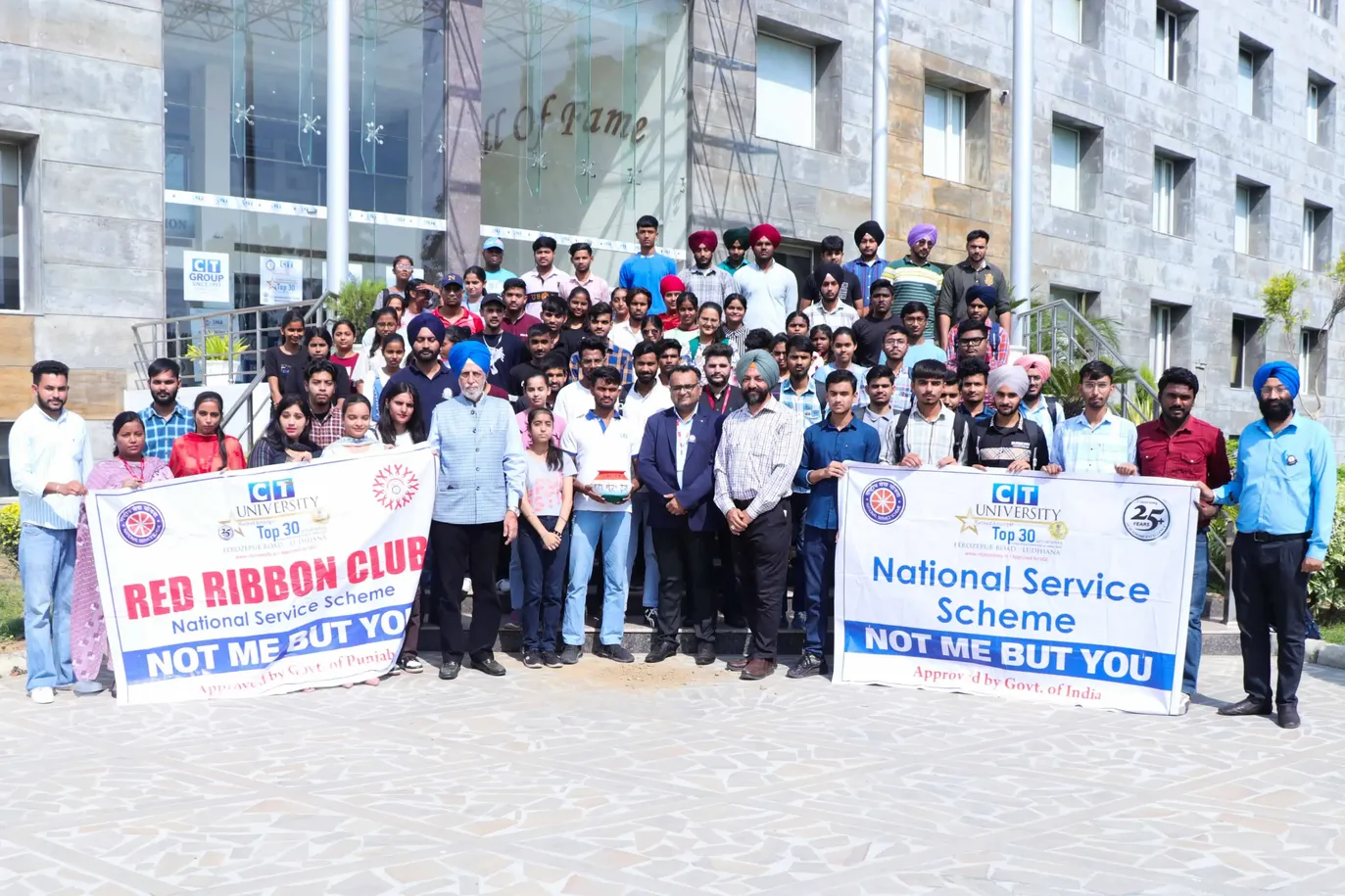
Ludhiana, 18 October 2023: NSS unit of CT University organized the Amrit Kalash Yatra, a key part of the 'Meri Maati Mera Desh' campaign. The event, which took place under the able leadership of Er. Harwinder Singh Sohal, Programme Coordinator of NSS, and Er. Davinder Singh, Deputy Director of the Department of Student Welfare, aimed to instill a deep sense of patriotism among citizens. The event witnessed the esteemed presence of Chancellor Charanjit Singh Channi and Pro Vice Chancellor Dr. Abhishek Tripathi.Additionally, CT Degree College (Collegiate) Principal Hardeep Kaur, Assistant Professor (Management) Surbhi Behl, and NCC Trainer Taranjit Singh, along with faculty and students, joined the occasion to support this patriotic initiative.The Amrit Kalash Yatra commenced from A block and followed a path filled with purpose and zeal, culminating at the Open Air Theatre. During the Yatra, the soil, symbolizing the essence of our great nation, was lovingly collected by dedicated NSS volunteers and placed in the Kalash pot. This act was a heartfelt homage to the heroic sacrifices made by our nation's valiant heroes.The event was made even more impactful by the participation of approximately 150 enthusiastic NSS volunteers who ardently contributed to its success.Chancellor Charanjit Singh Channi expressed, "The Amrit Kalash Yatra is a splendid demonstration of our deep love for our nation and our unwavering dedication to paying tribute to the sacrifices of our heroes. Such occasions serve as powerful reminders of the resilience and unity that define our nation.”
11 Nov, 2023
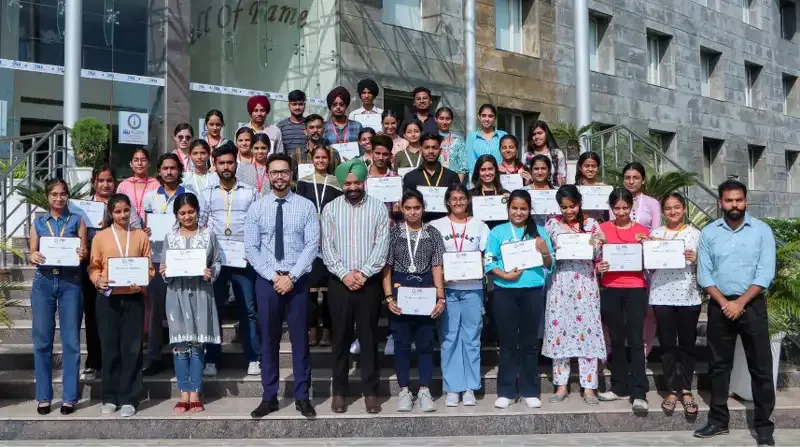
CT University's Talent Hunt, organized by the Department of Student Welfare, was a resounding success, celebrating the diverse and exceptional talents within the student community. With over 200 participants from various disciplines, the event showcased a wide array of creative competitions, spanning Dance, Music, Theatre, Fine Arts, and Literary Events.Among the standout performers and winners, Harmandeep Kaur from the School of Healthcare and Paramedical Sciences clinched the 1st place in Poster Making, while Anmolpreet Kaur secured the 2nd place in Mehndi. In the Poetry category, Harpreet Kaur (School of Healthcare and Paramedical Sciences) took the 1st place, and Deep Priya (School of Management Studies) claimed the 2nd place, with Gurvinder Singh (School of Healthcare and Paramedical Sciences) earning the 3rd place.Singing categories saw remarkable talent shine, with Sanchi from the School of Law securing the 1st place in Classical Solo, while Komalpreet Kaur (School of Humanities and Physical Education) took the 1st place in Folk Solo. In the Western Solo category, Udgaa Mandal (School of Humanities and Physical Education) impressed the judges, earning the 1st place.Dance enthusiasts also dazzled the audience, with Divayam and his team (School of Humanities and Physical Education) taking the 1st place in Group Dance Western, and Nisha and her team (School of Law) wowing the crowd with the 1st place in Group Dance Folk. In Music, Gurjit Singh (School of Law) excelled in Music Instrumental, and Vikram (School of Engineering and Technology) showcased his vocal prowess, securing 1st place in Music Vocal - Western and Folk, while also sharing the 1st place in Music Vocal - Classical with Gurjit Singh.Asifa Gulzar (School of Management Studies) displayed her talent by winning the 1st place in Mimicry, while Divyam and Ankush (School of Humanities and Physical Education) left the audience in splits, earning the 1st place in Stand-Up Comedy. In the Skit category, Diyanshu and his team (School of Management Studies) claimed the 1st place, while Gurjot and team secured the 2nd place.The Pro Vice-Chancellor of CT University expressed his delight in the remarkable showcase of talent, emphasizing the importance of such events in boosting students' confidence and personal development. The presence of esteemed figures like Pro Chancellor Dr. Manbir Singh and Deputy Director of the Department of Student Welfare Davinder Singh, along with dedicated faculty and enthusiastic students, made this event a memorable one. The event was judged by Deputy Director of Cultural Affairs, Sarghi Kaur Barring.
02 Nov, 2023
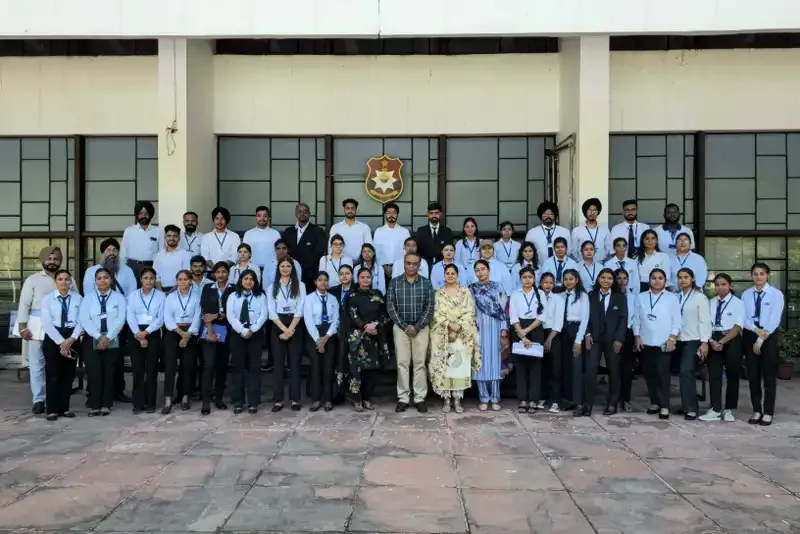
School of Law, CT University visit to Punjab Police Academy in Phillaur. The visit was aimed at providing them with practical insights into the field of forensic science.The Punjab Police Academy houses three vital divisions: the Forensic Science Lab, Fingerprint Bureau Cell, and Cyber Forensic Training Cell. During the visit, students had the chance to witness various activities in these divisions, gaining firsthand knowledge of forensic science operations.The laboratories primarily focus on the examination of equipment and specimens received from investigating officers, with a special emphasis on the chain of custody. Students were shown how to verify chain of custody details and assess the preservation of viscera packages. They were also introduced to the extraction and identification of poisons, as well as various microscopic methods used in biological and serological testing of samples.What made this visit exceptional was the informal interaction with the academy's scientists, providing invaluable real-world experiences and insights.Assistant Professor of Law, Ms. Cheena Abrol, and Ms. Daljinder Kaur played key roles in facilitating this educational opportunity.Dr. Simran Gill, Principal of the School of Law, CT University, emphasized the significance of providing students with practical insights and real-world experiences.Harpreet Singh, Vice-Chairman, CT University, commended the faculty's efforts in providing this exposure, emphasizing the importance of bridging the gap between theoretical knowledge and practical application to make students industry-ready.
05 Nov, 2023
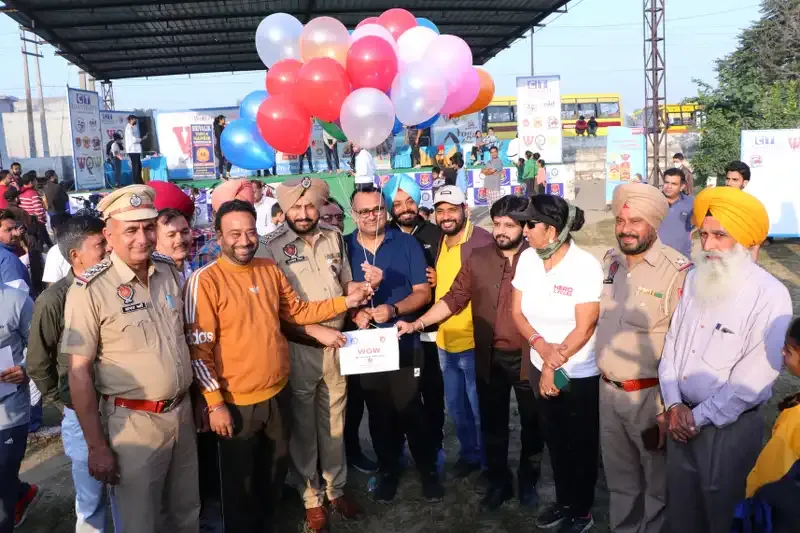
- 500+ people participated- ACP Gurdev Singh graced the occasion as chief guest Ludhiana, November 5, 2023 - CT University, in collaboration with the Commissionerate of Police Ludhiana, organized a Weekend of Wellness (WOW) at Kuliawal Playground, Chandigarh Road, Ludhiana, to spread the message of healthy living and fitness. The event witnessed people of all age groups participating in a fun-filled fitness extravaganza that encompassed synchronized dance moves and various workouts in a specially designated area at the Kuliawal Playground. The event, held on a Sunday morning from 6 am to 9 am, provided a dedicated space for citizens to engage in recreational activities, promoting health, fitness, togetherness, and joy. Participants utilized the open area to transform it into an open-air dance studio, art hub, gymnasium, and yoga institute. The Chief Guest for the occasion was ACP Gurdev Singh. (Inspector) Sudagar Ali PCR Incharge Ludhiana graced the occasion. A wide range of activities, from Zumba to basketball, cricket, yoga, engaged the participants, making it a memorable day for everyone. Pro Vice-Chancellor Dr. Abhishek Tripathi expressed that the event aimed to encourage people to adopt healthier lifestyles by walking, cycling, and engaging in fitness-related activities. The event served as a reminder for citizens to reclaim the designated area for well-being and fitness. ACP Gurdev Singh Ludhiana emphasized the importance of healthy body and creating drug free Punjab. The event's success was made possible with the support of various partners, including Decathlon, MUMMy WEB ERP, Janotra Convent School, Dragon Bhangra Academy, Waheguru Blood Sewa, Karayat Defence Academy, Ahmedgarh Paddlers, Elevate Wellness Club, National Chamber Of Education & Development, Everest Yoga Institute, and YOG Parivar. On this occasion Pro Vice chancellor Dr Abhishek Tripathi , Deputy Director Department of Student welfare Davinder Singh ; Amandeep Tangri Additional Director department of Admissions, Faculty and students were present.
09 Nov, 2023
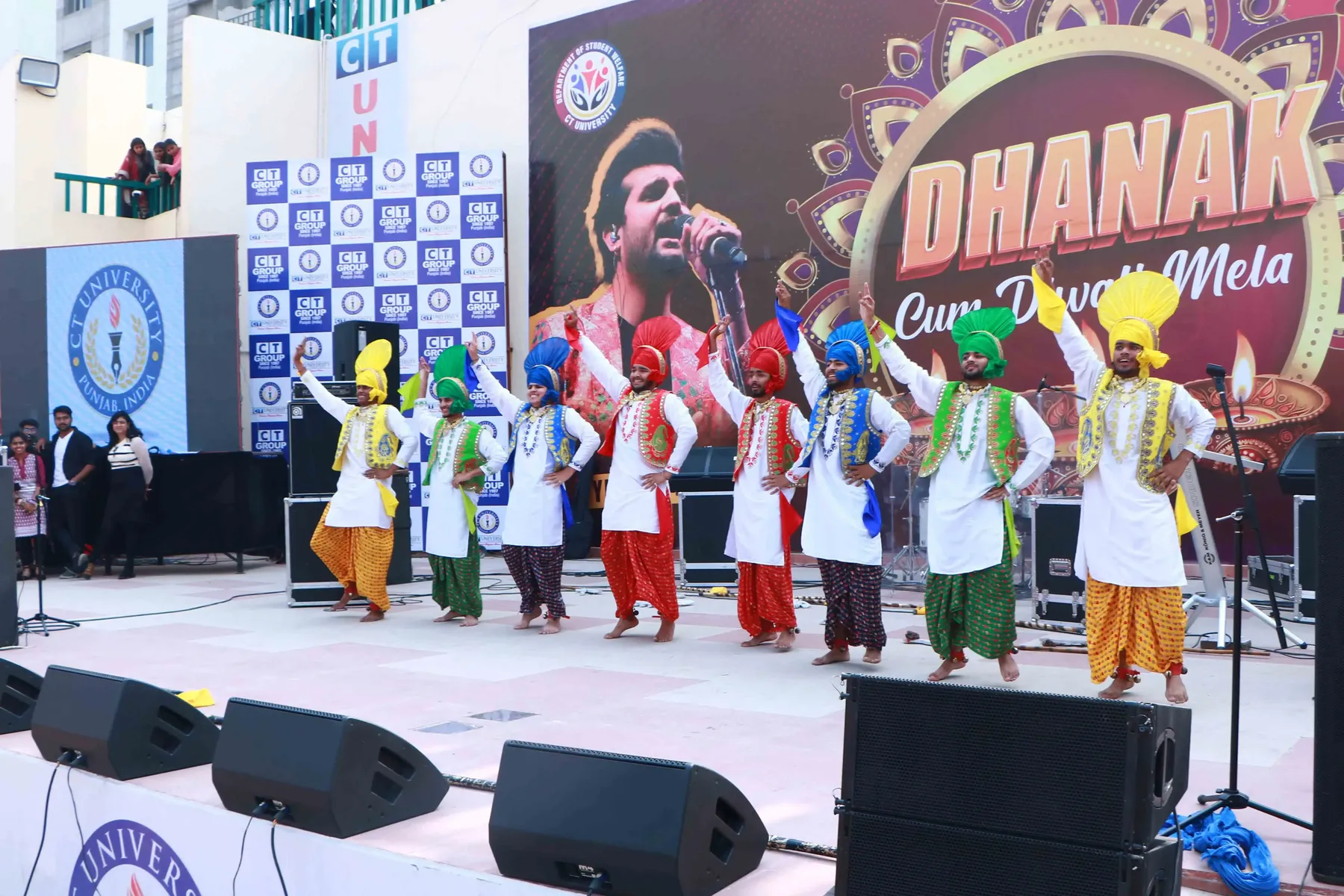
Department of Student Welfare, CT University, in a splendid display of community engagement and celebration, hosted the Dhanak cum Diwali Mela. The event was a resounding success, bringing together people from the local community, students from various schools, CT University's esteemed faculty and students, and their families.The Dhanak cum Diwali Mela was a spectacular showcase of cultural diversity and technological innovation, offering an unforgettable experience for all attendees. The event featured a wide range of attractions, including food stalls and exhibitions that highlighted various fields such as Engineering, Law, Management, Fine Arts, and Fashion. The seamless blend of culture and technology made this event stand out.A significant highlight of the Dhanak cum Diwali Mela was the participation of 50 schools in a variety of competitions, including Dance, Music, Face Painting, Rangoli, Cartooning, Poster Making, Clay Modeling, and Paint Your Imagination. The exceptional talent and creativity displayed by the winners in these events left a lasting impression.Schools like GHG Khalsa SS School, Swami Roop Chand Jain SS School, BCM School, SSS Jain School, Decent Sr. Sec. School, Nippy Model School, VPO Hans Kalan, LDH, Baba Isher Singh Sen Sec Public School etc.CT University recognized the outstanding achievements of these schools by awarding them with cash prizes as a token of appreciation.Notably, the Dhanak cum Diwali Mela had the added excitement of a star-studded visit. The star cast of the movie 'Gudhiya' graced the event, with Yuvraj Hans performing live, and Sawan Rupali sharing the stage, adding glamour and entertainment to the festivities.As the Dhanak cum Diwali Mela drew to a close, Chancellor Charanjit Singh Channi and Pro-Chancellor expressed his gratitude to the dedicated team and students for organizing this magnificent event. They highlighted how festivals infuse the atmosphere with meaning and provide a much-needed break from the daily grind of life.
15 Nov, 2023
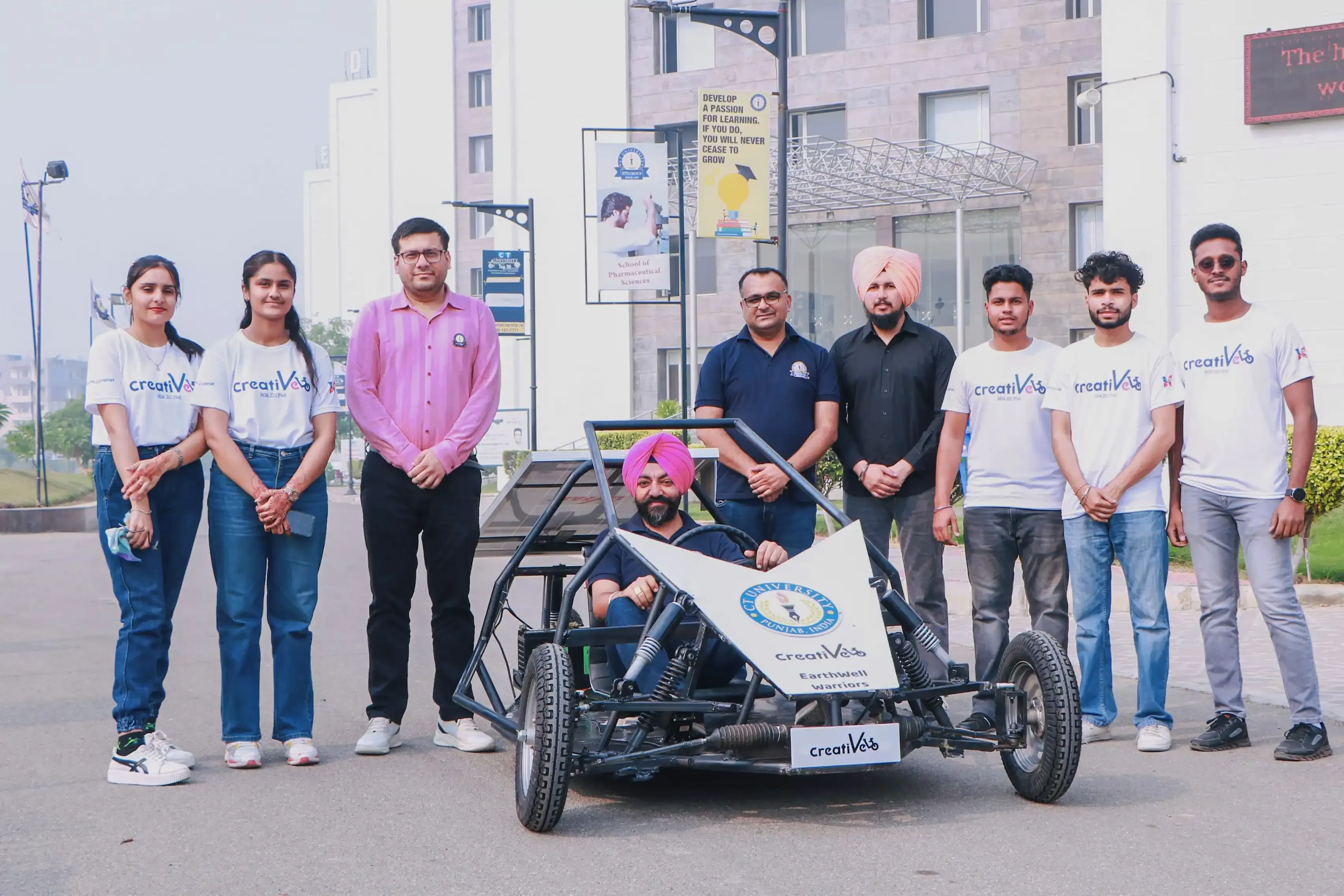
CT University proudly introduces the Solar E-Bike as a flagship initiative within the Creativelo Pilot Project. Spearheaded by the social innovation startup 1Gen, this groundbreaking endeavor seeks to cultivate sustainable solutions through academic excellence.Under the leadership of Dr. Inderjeet Singh, Project Incharge, and the collective effort of a dedicated team comprising students from the Mechanical Engineering and Computer Science departments, the Solar E-Bike has successfully come to fruition. This cutting-edge vehicle transcends its role as mere transportation; it emerges as a powerful tool designed to elevate awareness about environmental protection, climate change, and overall well-being.Students also took the initiative to visit different nearby villages, becoming ambassadors for environmental awareness. Through interactive sessions and demonstrations, they shared insights about the Solar E-Bike and emphasized the critical importance of environmental sustainability within local communitiesDr. Sachit, Head of the Mechanical Engineering Department, and Dr. Jimmy Singla, Head of the School of Engineering and Technology, commend the relentless efforts of the interdisciplinary team involved in bringing this project to life.Expressing gratitude to 1Gen for this invaluable opportunity, Dr. Abhishek Tripathi, Pro Vice Chancellor of CT University, lauds the collaborative spirit that made this venture possible. He remarks, "At CT University, we foster an environment that nurtures innovation and creativity. The Solar E-Bike stands as a shining example of what can be achieved when diverse talents unite for a common cause."The Solar E-Bike is more than a mode of transportation; it symbolizes a commitment to a greener and healthier future. As it embarks on its journey, CT University aims to inspire individuals to actively contribute to the global conversation on environmental sustainability and health.
02 Dec, 2023
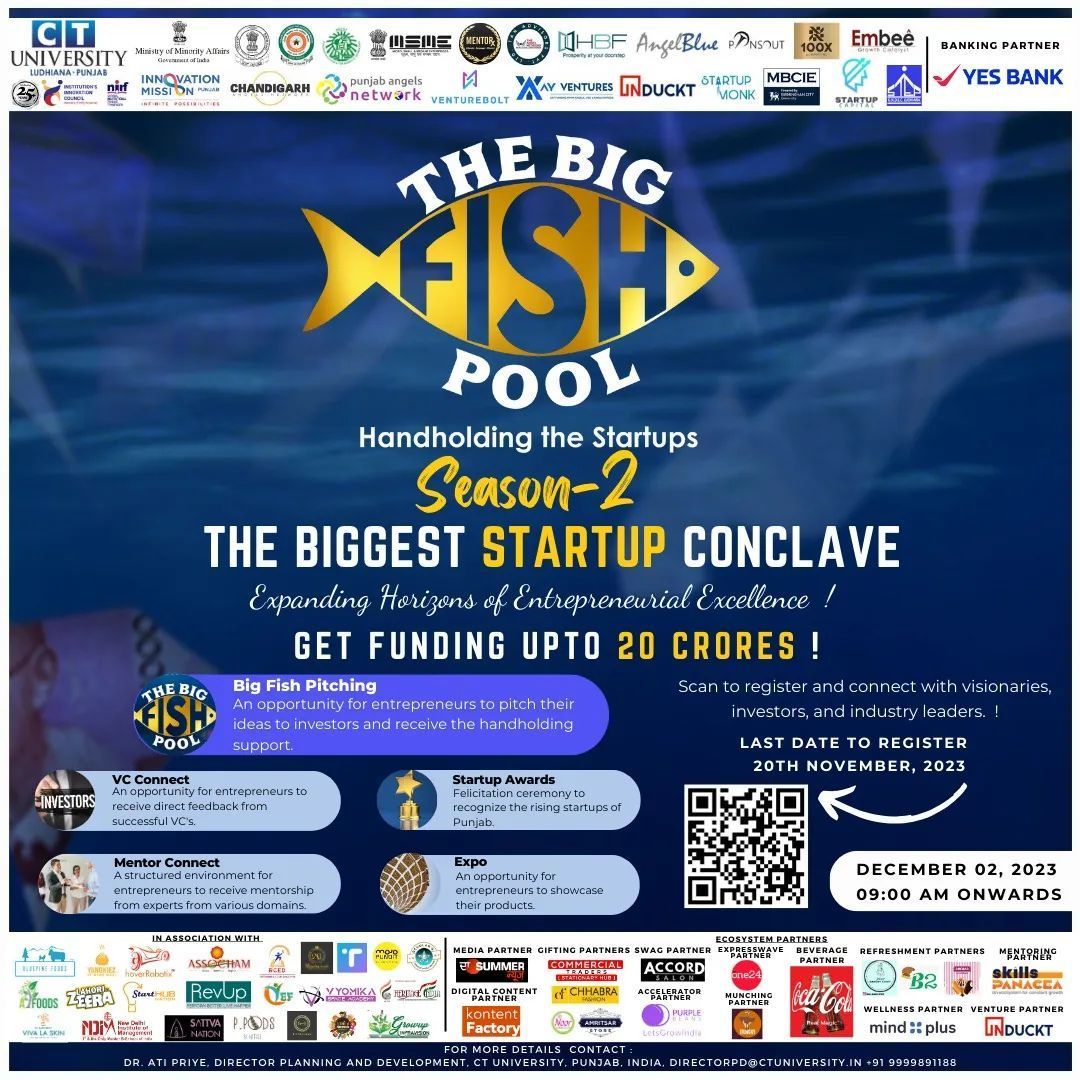
Get ready for the biggest startup conclave of the year!The Big Fish Pool is back with Season-2, and it's going to be EPIC. Join us on December 2, 2023, as we expand the horizons of entrepreneurial excellence. With the chance to secure funding up to 20 crores, pitch your ideas to investors, connect with visionaries, and receive expert guidance. Don't miss out on this incredible opportunity. Register before November 20, 2023, and get ready to make waves in the startup world!
24 Nov, 2023
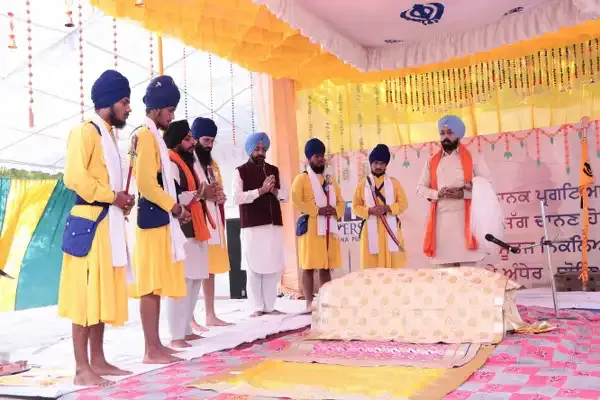
CT University, a bastion of knowledge and cultural diversity, joyously commemorated the 554th Prakash Purab of Guru Nanak Dev Ji with profound reverence and enthusiasm. The entire CT University community, comprising management, faculty, and students, came together to pay homage to the teachings and principles of Guru Nanak Dev Ji through a series of spiritually enriching activities.The Bhog of Shri Akhand Path Sahib took place at CT University, where students and faculty paid their respects to the Almighty through the soulful recitation of shabads, expressing their deep admiration for the Great Guru.Dr. Manbir Singh, the esteemed Pro Chancellor of CT University, shed light on the invaluable teachings of Guru Nanak Dev Ji. He emphasized the essence of 'Ik Onkar,' highlighting the universal concept of the oneness of God.Chancellor Charanjit Singh Channi delivered an inspiring address, urging students to embody the principles of compassion, truth, and peace advocated by Guru Nanak Dev Ji. The program reached its culmination with the sacred Ardaas and Hukamnama, as the congregation sought the blessings of the Guru before partaking in Guru Ka Langar.On this occasion Chancellor Charanjit Singh Channi, Co-Chairperson Parminder Kaur, Pro Chancellor Dr. Manbir Singh, Vice Chairman Harpreet Singh, Pro Vice Chancellor Dr. Abhishek Tripathi, Deputy Director of the Department of Student Welfare Davinder Singh, heads of various departments and schools, and students were present.
28 Nov, 2023
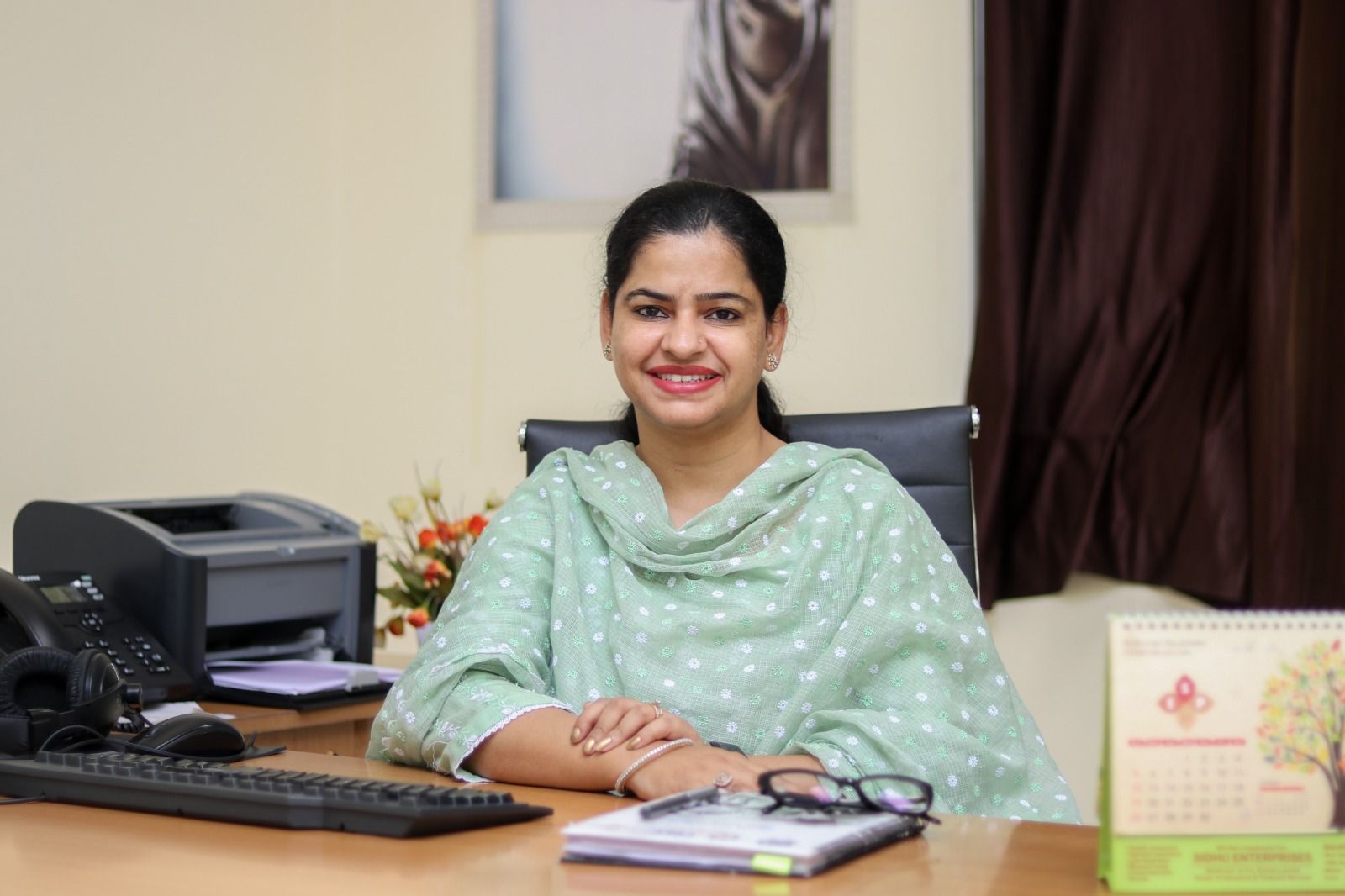
CT University proudly announces that Dr. Simranjeet Kaur Gill, Principal of the School of Law, has been chosen as a subject expert by the Ministry of Education, Government of India. Dr. Gill will play a key role in developing E-Content and Video Lectures on Jurisprudence as part of the PM e-Vidya initiative, aimed at reaching unreached segments in rural, tribal, and remote areas.Hon'ble Prime Minister's vision underscores the importance of DTH (Direct to Home) Satellite TV in broadening educational access, and Dr. Gill's second consecutive selection reflects her outstanding contribution to educational content development.Dr. Gill has been invited earlier as a resource person for Cyber Law under Cyber Security/Information Security. This involves delivering thirty-two educational television programs and an equal number of e-Content programs at the Educational Multimedia Research Centre, Punjabi University, Patiala. This initiative was sponsored by the Ministry of Human Resource Development under the National Mission on Education through Information and Communication Technologies (NMEICT) e-Content project.Chancellor Charanjit Singh Channi commended Dr. Gill, stating, "Her dedication to advancing education aligns perfectly with our university's commitment to excellence. We are proud to have her as a valuable member of our academic community."
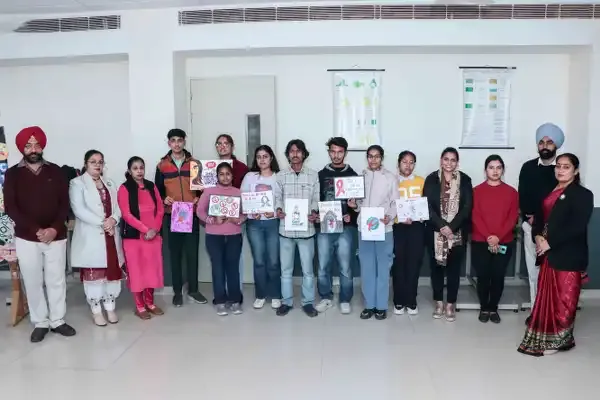
01 Dec, 2023
In observance of World AIDS Day, CT University recently hosted a series of engaging competitions that successfully brought together students from CT University and CT Degree College - Collegiate. The face painting, poster making, and slogan writing contests were not mere competitions; they stood as a remarkable showcase of solidarity, creativity, and a shared commitment to a healthier future.The event, meticulously organized by CT University's NSS Department and the Department of Student Welfare, garnered enthusiastic participation from students across various disciplines. The canvas of understanding was painted with strokes of empathy, slogans of hope were penned down with conviction, and posters resonated with a collective commitment to spreading awareness and igniting change.The winners of the Slogan Writing Competition are as follows:Gurleen Kaur Arneja (BTech CSE) - First PlaceTaranpree Kaur (BTech CSE) - Second PlaceNavdeep Kaur (+2 Medical) - Third PlaceFor the Poster Making Competition, the winners are:Harman Preet Singh (BCA 5th Sem) - First PlaceJagriti (BTech CSE 5th Sem) - Second PlaceTaranpreet Kaur (Arts) - Third PlaceAnd for the Face Painting Competition:Prabhdeep Kaur and Simranjeet Kaur - First PlaceIshpreet Kaur, Ramandeep Kaur, Simran Verma, Gagandeep Kaur - Second PlaceManbir Kaur, Kiran Jot Kaur, Taniya, Vaneet Kaur - Third Place (All from CT Degree College - Collegiate)The competitions were evaluated by a distinguished panel, including Ritu Bhalla (Assistant Professor, Professional Enhancement Cell), Hardeep Kaur (Principal, CT Degree College), and Medha Kumari (Head of School of Design and Innovation), Roop Kanwal, Assistant Professor in the French Department.Present at the occasion were Er. Davinder Singh, Deputy Director, Department of Student Welfare, and Er. Harwinder Singh Sohal, Program Officer, NSS Unit. CT University’s Pro Vice Chancellor Dr. Abhishek Tripathi commended all the participants for their creativity and commitment to raising awareness about AIDS. These events not only showcased talent but also demonstrated the strength of unity in creating a positive impact on society.
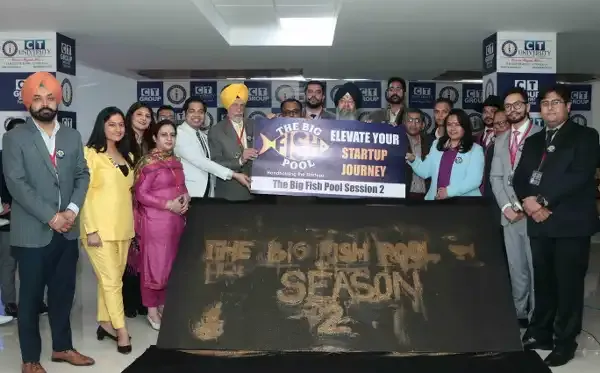
02 Dec, 2023
CT University proudly hosted Big Fish Pool Season 2, the largest startup conclave dedicated to expanding the horizons of entrepreneurial excellence. This groundbreaking event showcased the innovation and creativity of top startups, connecting them with investors, mentors, and industry leaders.The inaugural session commenced with a warm welcome by the esteemed Pro Vice Chancellor Dr. Abhishek tripathi of CT University, setting the tone for an exciting day ahead. Distinguished guests, including Dr. Dapinder Kaur Bakshi, Joint Director, Research, Innovation & Startup Facilitation, Punjab State Council for Science & Technology; Dr. Sumeet Suseelan, Chairman, ASSOCHAM; Mr. Dhaval Kaku, Program Coordinator, Innovation Mission Punjab; Sh. Virinder Sharma, I.E.D.S., Director, Govt. of India, Ministry of MSME, MSME-DFO, Ludhiana, and Sh. Jeevandeep Singh, PCS (A)EGSDTO, Ludhiana, shared insights into the evolving startup landscape.Honored to welcome the esteemed Chief Guest, Shri Iqbal Singh Lalpura, Hon'ble National Chairperson, National Commission for Minorities, Government of India. His address added immense value to the conclave, inspiring both budding and established entrepreneurs present.The conclave further witnessed a thought-provoking dialogue led by the Chancellor, CT University, setting the course for future endeavors in the entrepreneurial realm.Track 1: The Big Fish Pitching and Track 2: Startup Expo showcased 53 groundbreaking startups from 13 states, pitching their innovative ideas before a powerhouse panel of 23 investors. The event provided a unique opportunity for startups to secure funding up to 20 crores, contributing to the future of entrepreneurship. Keynote sessions by Master Meedhansh Kumar Gupta, Recipient of The Pradhan Mantri Rashtriya Bal Puraskar 2022; Mr. Saurabh Munjal, Co-Founder & CEO, Archian Foods Pvt. Ltd. (Lahori Zeera); Ms. Aditi Bhutia Madan, Founder Director, BluePine Foods Pvt Ltd highlighted the significance of inclusive entrepreneurship. A diverse panel of experts explored topics ranging from scaling startups internationally to catalyzing innovation in higher education institutions. A special moment was the inauguration of the United Nations Harmony Development Centre. H.E. Mr. Basem F. Hellis, Counselor, Embassy of the State of Palestine, India, graced the occasion, further emphasizing the global significance of the conclave.Dr. Ati Priye, Director Planning and Development, and the Organizer and Curator of the Big Fish Pool, said, "We are thrilled to witness the tremendous success of Big Fish Pool Season 2, The Biggest Startup Conclave. The event brought together the brightest minds in the entrepreneurial landscape, fostering connections between startups, investors, and industry leaders. The insightful discussions and groundbreaking pitches have undoubtedly set the stage for a new era of innovation and growth in the startup ecosystem."Dr. Manbir Singh, Pro Chancellor, CT University, congratulated the team and remarked, “My heartiest congratulations to the entire team for orchestrating such a remarkable event. Big Fish Pool Season 2 has not only showcased the diverse talent and creativity within the start up community but has also provided a platform for meaningful dialogue and collaboration.”On this occasion Chancellor Charanjit Singh Channi , Vice Chairman Harpreet Singh, Heads of schools, and all the faculty members were present.
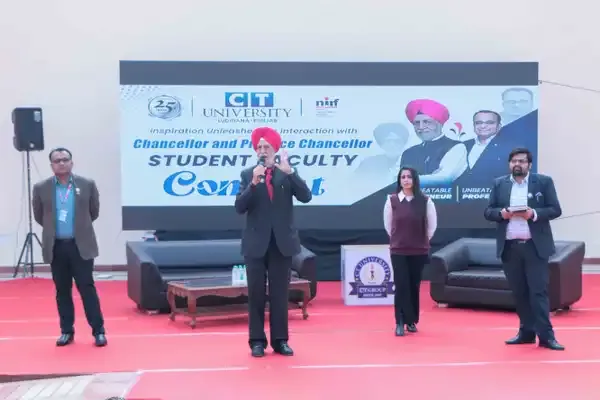
01 Dec, 2023
Nurturing Futures: Chancellor Charanjit Singh Channi Leads CT University Connect Program with Student-Centric Focus on Inspiring Leadership and Active ListeningThe CT University Connect Program, held at the open-air theatre of CT University, unfolded as an inspiring and transformative event, bringing together the heads of schools, dedicated faculty, and enthusiastic students in a shared commitment to personal and academic growth.The program, designed as a Judgment-Free Zone, provided a welcoming and non-judgmental space for students to express themselves freely. Chancellor Charanjit Singh Channi and Pro Vice Chancellor Dr. Abhishek Tripathi emerged as beacons of Inspirational Leadership, fostering an environment of encouragement and support.One of the program's key highlights was the leadership's commitment to Active Listening. Chancellor Charanjit Singh Channi and Pro Vice Chancellor Dr. Tripathi not only addressed the audience but also actively listened to the dilemmas and concerns of the students, demonstrating a genuine understanding of their challenges.It served as a platform for understanding hearts, sharing valuable suggestions, and fostering a collective commitment to personal and academic growth. The event addressed crucial topics such as Stress Management, where Chancellor Charanjit Singh Channi acknowledged the prevalence and importance of stress among students, providing insights and strategies for coping. Additionally, the Chancellor shared valuable insights on Entrepreneurship, encouraging students to explore entrepreneurial endeavors.Practical advice and strategies for Coping with Stress were shared, emphasizing the importance of mental health and well-being. The theme of Peer Pressure was also touched upon, shedding light on ways to navigate and cope with the challenges associated with it.Beyond the stage lights, the Connect program at CT University created a judgment-free zone where Chancellor Charanjit Singh Channi and Pro Vice Chancellor Dr. Abhishek Tripathi not only inspired but actively listened to student dilemmas. Understanding hearts, valuable suggestions, and a shared commitment to growth – that's the essence of CTU Connect.Chancellor Charanjit Singh Channi commented, 'This program reflects our dedication to creating an environment where students feel heard and supported. It's about nurturing their aspirations and providing guidance for holistic growth.'The program was skillfully hosted by Dr. Sumesh Saini, Director of Digital Marketing and Branding, and Nader Kaur, Head of Branding for CT Campuses.
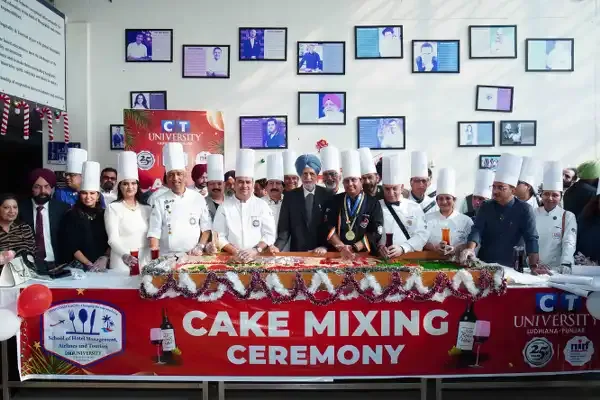
12 Dec, 2023
School of Hotel Management, Airlines and Tourism, CT University hosted a vibrant and insightful culinary event, bringing together renowned chefs, industry experts, and culinary enthusiasts for a day filled with discussions, demonstrations, and celebrations. The event, organized by CT University and Culinary Arts and Food Retail (CAFR, witnessed the presence of esteemed personalities who shared their expertise and insights on the evolving landscape of the culinary industry.Mrs. Rajni Bector, the founder of Cremica Foods, and Padam Shri awardee, graced as esteemed Chief Guest.The event commenced with a warm welcome from Dr. Chef Varinder Singh Rana, setting the stage for an engaging and informative day. Chef T K Razdan, President of CAFR, followed with opening remarks, highlighting the importance of culinary arts in the modern world.The Inaugural Remarks were delivered by Dr. Manbir Singh, Pro Chancellor, CT University, who shed light on the university's commitment to providing holistic education in culinary arts.Mrs. Rajni Bector, the founder of Cremica Foods, and Padam Shri awardee, graced as our esteemed Chief Guest.A thought-provoking Panel Discussion-1 on the topic "Future Vision of Culinary Industry" brought together experts who delved into the trends and innovations shaping the future of the culinary world. This was followed by an enlightening talk by Chef Vikas Chawla on the significance of millets, highlighting their nutritional benefits and role in contemporary cuisine.To commemorate the pre-Christmas celebrations, the School of Hotel Management, Airlines and Tourism, CT University organized a cake mixing ceremony at its campus followed by Wine Tasting session, and a Live Demonstration by Chef Reetika Gill and Chef Varinder Singh Rana, showcasing their culinary prowess. Chef Jaswinder Singh conducted a Cooking Demonstration, offering a glimpse into the artistry of culinary preparation.Panel Discussion 2 focused on the "Role of Millets in Daily Diet," emphasizing the importance of incorporating millets into everyday meals for a healthier lifestyle. The event reached its pinnacle with the Honoring and Distribution of Awards to all guest chefs, recognizing their outstanding contributions to the culinary field.The Closing Remarks were delivered by Chef Sanjeev Verma, Vice President of CAFR, expressing gratitude to all participants for their valuable contributions. The Vote of Thanks was extended by Dr. Chef Ashish Raina, Assistant Dean, School of Hotel Management, Airlines and Tourism, CT University, acknowledging the collective efforts that made the event a resounding success.The event will also be graced by prominent chefs such as Chef Manjit Singh Gill, Chef Parvinder Singh Bali, Chef Ajay Sood, Chef Sudhir Sibal, Chef Anil Grover, and many more culinary luminaries from the hotel Industry. On this Occasion Chancellor Charanjit Singh Channi, Pro Chancellor Dr. Manbir Singh, Pro Vice Chancellor Dr. Abhishek Tripathi were also present.Dr. Manbir Singh, Pro Chancellor , CT University said “The culinary extravaganza at CT University served as a platform for learning, networking, and celebrating the rich tapestry of culinary arts. The university remains committed to fostering excellence in culinary education and looks forward to hosting more such impactful events in the future. “View More
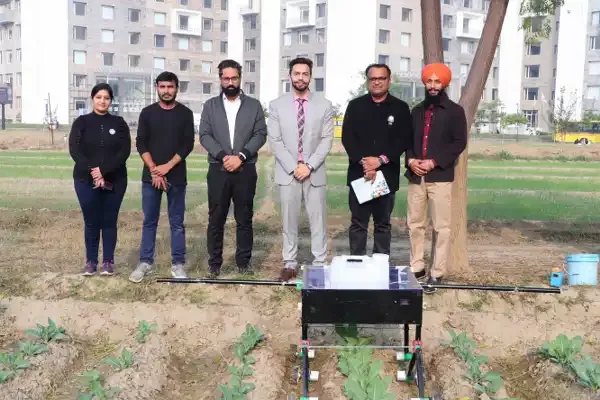
15 Dec, 2023
The Robotics and Automation Lab at CT University proudly announces the successful development of a cutting-edge pesticide spraying robot, a technological breakthrough designed to transform crop protection and elevate farming efficiency.This Wi-Fi-controlled prototype is a testament to CT University's commitment to advancing agricultural technology and addressing the evolving needs of farmers. The robot boasts a 20-liter tank, six powerful motors, and all-terrain tires, allowing for seamless customization to meet specific field requirements. Its state-of-the-art spraying mechanism ensures precise and controlled pesticide delivery, revolutionizing traditional spraying methods.Dr. Harmeet Singh, Deputy Director of the IPR Cell, emphasizes the pivotal role that robots will play in the future of precision agriculture. The Robotics and Automation Lab is already working on an advanced version of the prototype, integrating solar charging and GPS navigation to further enhance functionality and efficiency.According to Dr. Mandeep Kaur, the adoption of pesticide spraying robots offers numerous advantages to farmers. Not only does it reduce reliance on manual labor, thereby cutting down on labor costs and addressing potential labor shortages, but it also ensures the precise application of pesticides. This, in turn, minimizes the risk of human exposure to harmful chemicals, promoting safety in agricultural practices.The development of this groundbreaking prototype is credited to the ingenuity and dedication of final-year students, Lab Technician Gurkirat Singh and Project Manager Satyam Gupta both of whom played pivotal roles in the success of this project.
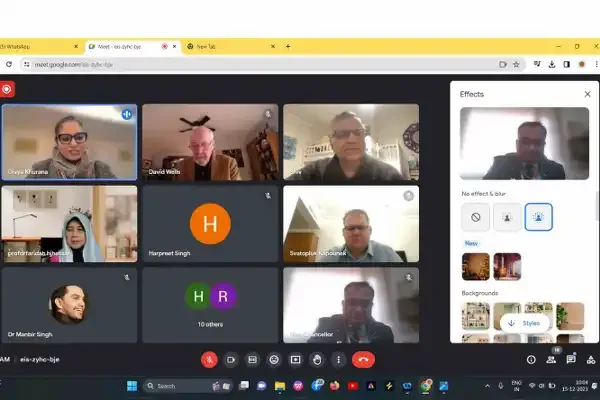
20 Dec, 2023
Academicians From 12+ Countries joined virtuallyCT University convened an unprecedented Virtual International Advisory Board Meeting, fostering a collaborative platform of diverse global expertise. The session, inaugurated by Dr. Divya Khurana, witnessed esteemed dignitaries from across continents lending their insights and counsel towards fortifying the university's academic prowess and global footprint.The event commenced with an address by Hon’ble Pro Chancellor Dr. Manbir Singh, followed by esteemed representatives including Hon’ble Vice Chairman Mr. Harpreet Singh, and the revered Vice Chancellor Prof. (Dr.) Abhishek Tripathi.With a comprehensive agenda focusing on strategic guidance, academic excellence, quality assurance, global exposure, and more, the meeting accentuated the university’s commitment to international standards and innovative education practices.The distinguished members of CT University International Advisory Board were joined by an illustrious panel of global stalwarts, including Prof. Dr. David Asirvatham, Prof. (Dr.) J. Luis Guasch, Prof. (Dr.) Ramona Birau, Dr. David A. Wells, and several other eminent personalities representing esteemed institutions worldwide.The session culminated with a vote of thanks by the Respected Registrar, acknowledging the invaluable contributions of the international advisory board members. This convergence of global minds reflects CT University's dedication to shaping a dynamic, inclusive, and globally competitive academic environment.Pro Chancellor , Dr. Manbir Singh expressed his gratitude for the active participation of 17+ academicians from 12+ countries in the Virtual International Advisory Board Meeting. He highlighted the significance of collaboration and shared knowledge in advancing the university's academic endeavors. Dr. Singh emphasized the role of global perspectives in shaping a holistic educational experience and thanked the esteemed members for their valuable insights, which he believes will contribute significantly to CT University's continued growth on the global stage.
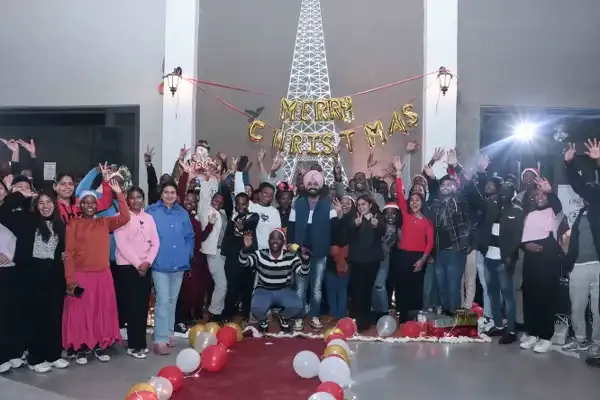
25 Dec, 2023
CT University’s Department of Student Welfare Organized Christmas Celebrations Students from all over India and Africa celebrated Musical Christmas Eve together. With Students from 35 Nations, CT University is the most preferred destination for International students. The Gala event witnessed some of most amazing performance of Singing, Dance, and Christmas Carol.Mr. Conrad Nana Kojo Asiedu, First Secretary/Trade, Culture & Tourism, Ghana High Commission graced the occasion as chief guest.The event was graced by Pro Vice Chancellor Dr. Abhishek Tripathi, Davinder Singh (Director, Department of Student Welfare) and and wished everyone a Merry Christmas.Pro Vice Chancellor Dr. Abhishek Tripathi, who was present on the occasion, said, "Our University is the place where students of all nations and religions celebrate all the festivals together and it’s the time to celebrate the Joy and peace. For Students it’s their home away from home. Celebrations like these give them the feeling of belongingness and Oneness.

16 Feb, 2024
🌐 Explore the future of Hospitality & Tourism at CT International Hospitality & Tourism Conference on Feb 16, 2024, hosted by the School of Hotel Management, Airlines and Tourism at CT University, Ludhiana, Punjab.Join us for 'Innovation in Hospitality and Tourism: Embracing Technology For a Seamless Experience,' in collaboration with THSC and NSDC.Scan to register and be part of this transformative event! 🛫🏨For more details, contact +91 98723-33062 | +91 95927-73322 or email soat@ctuniversity.in.For more Details
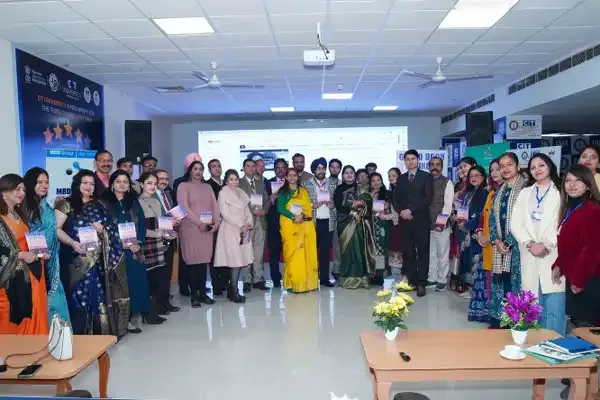
28 Dec, 2023
CT University, in collaboration with the esteemed 91 Days Leadership Program, recently hosted the 'Residential Leadership Summit - Namaste Bharat,' drawing participation from 120 educators across diverse regions of India. This two-day event, commenced with the ceremonial Lamp Lighting, symbolizing the institution's unwavering commitment to the pursuit of knowledge and enlightenment.The Chief Guest for the occasion, Social Worker Anmol Kwatra, added grace to the event. Dr. Abhishek Tripathi, the Pro Vice Chancellor, set the tone with a warm welcome speech, providing an insightful overview of CT University. The summit featured an array of Speaker Sessions, showcasing thought leaders such as Mr. Daljeet Rana, Mr. Lekh Raj, Ms. Rohini Kaul, Ms. Aman Bhatia, Ms. Harleen Kaur Chaddha, Mr. Bhavuk Bhalla, and Mr. S. Rana, who shared their invaluable expertise.The program embraced holistic well-being through Yoga and Meditation sessions conducted by Manzoor Ahmed and Jasbir Bhatia, respectively. Notable speakers, including Ms. Anamika, Dr. Priyanka Sharma, Ms. VipanPreet, Dr. Pankaj Damija, Mr. Balwant Bhikhi, and Mr. LB Maurya, provided insights into a spectrum of topics.The summit also featured an engaging session by Balwant Sharma from MBD Group, accompanied by an interactive discussion with Chancellor Charanjit Singh. A special highlight of the event was the unveiling of Dr. Kanwalpreet Kaur's book, "21 Days of Self Love," during a dedicated Book Launch ceremony.The event concluded on a high note with a captivating dance performance, an honorable ceremony expressing gratitude to distinguished guests, and an evening filled with the vibrant tunes of the Indian Idol Band and a delightful bonfire.Present at the occasion were CT University’s Chancellor Charanjit Singh Channi, Registrar Dr. Vipul Yadav, Daljeet Rana (Founder, 91 Days Leadership Program), Sheikh Karrar Hussain (from Wednesday Times), Gurwinder Singh (Director Admissions), Davinder Singh (Director Department of Student Welfare), Lekhraj Thakur (CT Group), Radhika Talwar, and heads of various schools along with the Marketing team.
02 Jan, 2024
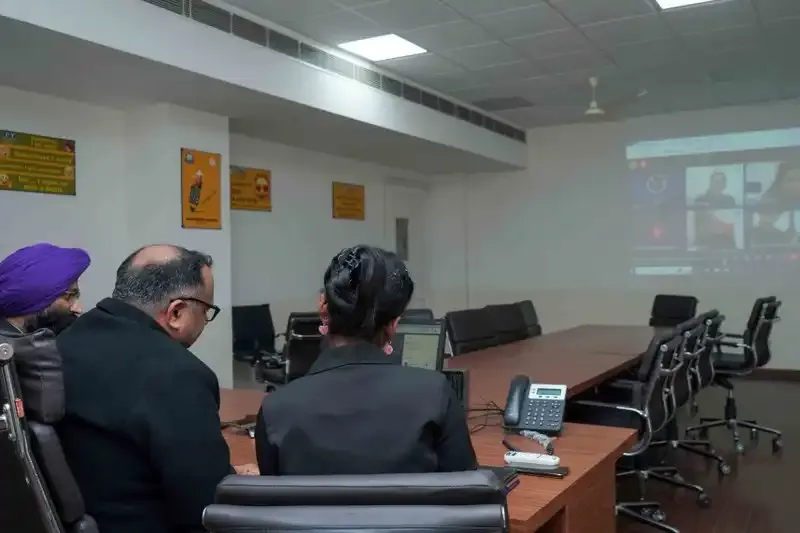
CT University Signed Memorandum of Understanding (MOU) with STOCK GRO, a prominent player in the financial and stock market domain. This MOU signifies a significant stride in fostering collaboration between academia and industry.The partnership between CT University and STOCK GRO is designed to establish a mutually beneficial relationship that will enrich the learning experience for students, faculty, and professionals. The MOU encompasses a variety of initiatives aimed at augmenting educational experiences and providing practical exposure to the ever-evolving realms of finance and stock trading.The signing ceremony, conducted at the CT University campus, was attended by key representatives from both institutions, including Pro Vice Chancellor Dr. Abhishek Tripathi; Dr. Kawal Nain Singh, Head of the School of Management Studies; Ms. Lovejit Kaur, Assistant Professor at the School of Management Studies , CT University and Mr. Varun S Arora, Chief Partnership Officer, along with Ms. Mehvish Iqbal, Community and Partnership Manager from STOCK GRO. Ms. Lovejit Kaur coordinated the MOU signing ceremony.Dr. Abhishek Tripathi, Pro Vice Chancellor of CT University, expressed optimism about the collaboration, stating, "This strategic partnership with STOCK GRO is a testament to our commitment to providing students with a comprehensive education that extends beyond the classroom. We believe that this collaboration will open new avenues for learning and professional development."Similarly, Mr. Varun S Arora, Chief Partnership Officer, and Ms. Mehvish Iqbal, Community and Partnership Manager of STOCK GRO, shared their thoughts on the alliance, saying, "We are excited to partner with CT University and contribute to the development of skilled professionals in the financial sector. This collaboration aligns with our vision of bridging the gap between academia and industry, ensuring that students are well-prepared for the challenges of the dynamic financial landscape."
12 Jan, 2024
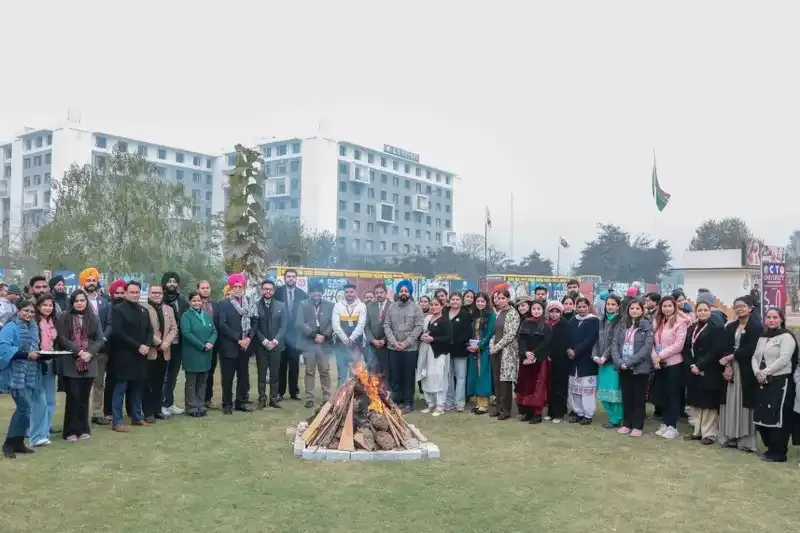
Lohri 2024: With bonfire, folk songs, bhangra, Games, Faculty celebrates the festivalCT University’s Department of Student Welfare organized Lohri celebrations for the faculty. With a bonfire, folk songs, bhangra, games, and a DJ party, the faculty celebrated Lohri. The main attraction of the event was a Potluck Lunch in which every faculty member made different dishes, fostering a sense of community as they enjoyed the meal together.Davinder Singh, Director , Department of Student Welfare, said, “Lohri is celebrated before the arrival of warmer weather and the Harvesting Season. It is a way to spread joy amidst songs, dance, and food.”Dr. Manbir Singh, Pro Chancellor of CT University, said, “It is important to keep our traditions alive, and Lohri is one of those traditional festivals that is celebrated together by communities.” Honorable Chancellor Charanjit Singh Channi, Pro Chancellor Dr. Manbir Singh, Vice Chairman Harpreet Singh, Pro Vice Chancellor Dr. Abhishek Tripathi appreciated the efforts of the team and wished everyone a Happy Lohri. On this occasion all the heads of the schools and faculty members were present.
15 Jan, 2024
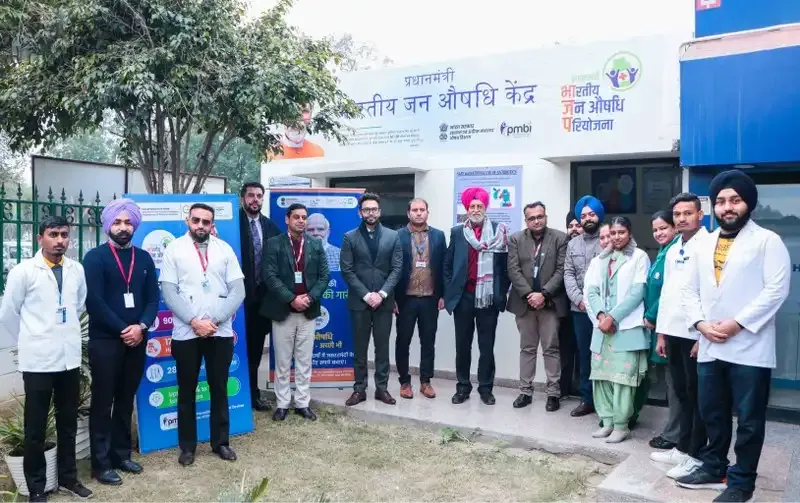
CT University, a committed advocate for societal welfare, celebrated a crucial stride in healthcare accessibility with the inauguration of Jan Aushadhi Kendra and Drug Information Centre. Distinguished guests, including Arafat Ali, Nodal Officer Punjab & Chd., Honorable Chancellor Charanjit Singh Channi, Pro Chancellor Dr. Manbir Singh, Vice Chairman Harpreet Singh, Pro Vice Chancellor Dr. Abhishek Tripathi, and Head of the School of Pharmaceutical Sciences Dr. Vir Vikram.Aligned with the Pradhan Mantri Bharatiya Janaushadhi Pariyojana, the Jan Aushadhi Kendra at CT University will offer affordable generic medicines, contributing to the national healthcare agenda. The initiative aims to make quality healthcare accessible to all, reflecting the university's dedication to community well-being.The Drug Information Centre, inaugurated alongside the Jan Aushadhi Kendra, will provide reliable information on various medicines, empowering individuals to make informed health decisions.Honorable Chancellor Charanjit Singh Channi expressed gratitude for government support, emphasizing CT University's commitment to enhancing healthcare accessibility. He stated, "Our Jan Aushadhi Kendra and Drug Information Centre reflect our dedication to creating a positive impact on the communities we serve."On this occasion Dean Academics Dr. Simranjeet Kaur Gill and Director, Department of Student Welfare Davinder Singh and faculty were present.
19 Jan, 2024
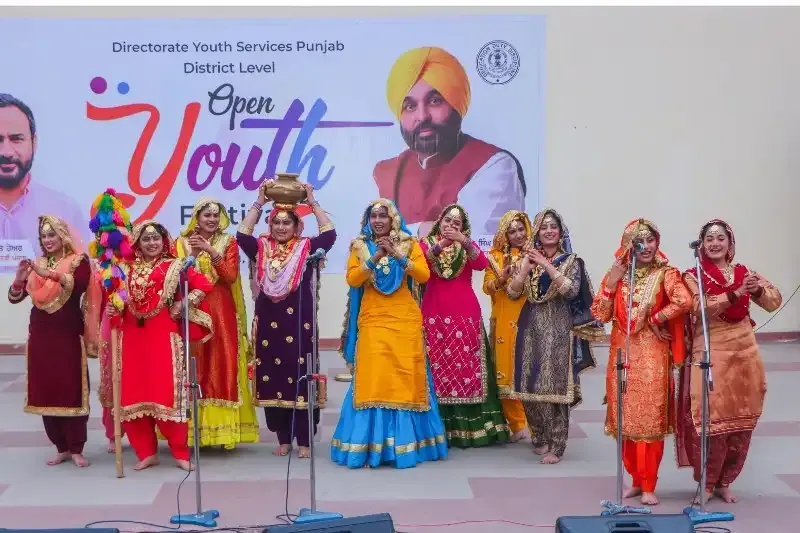
CT University proudly took the helm as the host for a vibrant and culturally rich District Open Youth Festival. The two-day extravaganza, organized by the Department of Youth Services, unfolded on the dynamic grounds of CT University, creating an atmosphere of celebration and artistic exploration.The event, showcased the diverse talents of the district's youth, drawing enthusiastic participation and fostering a spirit of camaraderie. The festival featured an eclectic mix of competitions designed to promote various art forms and enhance the cultural fabric of the region. The inaugural day buzzed with energy as participants engaged in spirited competitions, including Bhangra, Ludi/Sammi, Folk Instrument Competition, Speech Competition/Debate, War-singing, Kawishri, and Fine Arts Competition encompassing Poster Making, Clay Modeling, Cartooning, Rangoli, and Mehndi etc.Day two of the festival continued the celebration with students participating in Giddha, Gatka, traditional folk song renditions, traditional dress displays, Bhand, mono acting, Kali, folk art competition, and phulkari making, among other captivating activities.The festival was graced by the presence Chancellor Charanjit Singh as Chief Guest. Joining him were S. Davinder Singh Lotey, Assistant Director of Youth Services Ludhiana, Pro Chancellor Dr. Manbir Singh and Er. Davinder Singh, the Director of Student Welfare at CT University Ludhiana. Chancellor Charanjit Singh and other dignitaries presented prizes, applauding their outstanding performances and valuable contributions to the cultural vibrancy of the district.Winner's ListKavishri:Ramgarhia Girls College, LudhianaGuru Nanak Khalsa College for Women, Gujjarkhan CampusRamgarhia Senior Secondary School, LudhianaGuru Gobind Singh Khalsa College, LudhianaVaar Gayan Muquabla:Guru Nanak Khalsa College, LudhianaRamgarhia Girls Senior Secondary School, Miller Ganj, LudhianaA.S. Group and InstitutesLuddi:S.C.D Government College, LudhianaGuru Nanak Khalsa School, LudhianaGovernment College for Girls, LudhianaLok Saj:Guru Nanak Khalsa College, Gujjar Khan CampusGovernment College, LudhianaPoster Making:Sakshi Chauhan - Ramgarhia Girls College, LudhianaParampreet Kaur - GNKCW (Model Town, Ludhiana)Divu Jain - Government College for Girls, LudhianaClay Modelling:Mansi Aggarwal - BCM College of EducationStuti - GNKCW Town, LudhianaYashpreet Kaur - Nightingale Senior Secondary SchoolCollage Making:Surleen Kaur - Ramgarhia Girls College, LudhianaDrishti - GNWK, Model TownJyoti - Government College for Girls, LudhianaCartooning:Surbhi Jain - Government College for Girls, LudhianaKajal - BCM College of Education, LudhianaHarveen Kaur - AS Group of InstitutesRangoli:Neelam - Ramgarhia Girls College, LudhianaMalika Sohi - Guru Nanak Khalsa College for WomenRinky Verma - Government College for Girls, LudhianaMehndi Competition:Harshpreet- GNKCWTabassum Khatun- SBS College, RamgarhBhangra:Ramgarhia sen sec school, LudhianaNankana Sahib Public School, LudhianaBhashan (debate/ Declamation):1. Prakirti Kumari- RGC2. Tanisha Kaushal- GCG College, Ludhiana3. Riya- BCM college of education
23 Jan, 2024
CT University proudly organized IBM Day on the 22nd and 23rd of January, a dynamic two-day event that witnessed enthusiastic participation from over 100 IBM students. The event featured a series of insightful workshops and activities aimed at exposing students to cutting-edge technologies and industry trends.The workshops covered diverse topics, including AI and Chatbots, Design Thinking, and Microsoft Power BI for creating Dashboards, providing students with a comprehensive understanding of the latest developments in these fields. Esteemed industrial professionals, Mr. Aman Bakshi, Ms. Deeksha, and Ms. Anjali from IBM, graced the occasion, sharing their expertise and offering valuable insights to the attending students.Over 100 students actively engaged in the event, benefiting from hands-on workshops and gaining exposure to real-world applications of their academic knowledge. The event also featured Quiz competitions, Games, and various other interactive activities, creating a vibrant and dynamic learning atmosphere.Chancellor Charanjit Singh Channi, Pro Vice Chancellor Dr. Abhishek Tripathi graced the occasion.Pro-Chancellor, Dr. Manbir Singh, addressed the students, encouraging them to pursue their endeavors with determination. He emphasized the significance of workshops like IBM Day in bridging the gap between academia and industry, preparing students for the challenges of the professional world.Dr. Kamal Malik, the coordinator of the event, played a crucial role in ensuring its success. The event concluded with an award distribution ceremony recognizing the winners and participants of the various competitions.
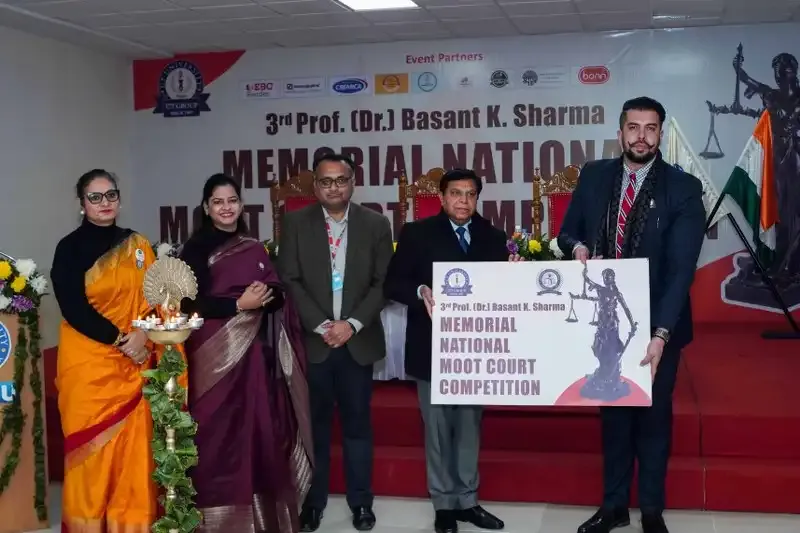
25 Jan, 2024
School of Law, CT University has successfully concluded its prestigious 3rd (Prof.) (Dr.) B.K Sharma National Moot Court Competition, held from January 23rd to January 25th at its campus. The event witnessed enthusiastic participation from 32 teams comprising 96 students from across India, showcasing their legal acumen and advocacy skills.The inaugural session of the competition was graced by the presence of Honorable Justice Mr. Lalit Batra from the Punjab and Haryana High Court, who served as the Chief Guest. Mr. Harpreet Singh, Vice Chairman, CT University and Dr. Abhishek Tripathi, Pro-Vice Chancellor, CT University, also honored the event with their esteemed presence.The Moot Court Competition, centered around Criminal Law, saw spirited participation, leading to the qualification of four teams for the semi-finals. The final round was adjudicated by a distinguished panel of judges, including Advocate Karan Singh, Advocate Parwinder Pal Singh, and Advocate Deepinder Singh Gill.The valedictory event, held on the last day, was graced by the presence of Honorable Justice Dr. Ajit Attri, Addl. District and Sessions Judge, Ludhiana. Mr. Charanjit Singh Channi, Chancellor CT University, Dr. Manbir Singh, Pro-Chancellor CT University, and Dr. Abhishek Tripathi, Pro-Vice Chancellor CT University, were among the dignitaries who honored the occasion.Dr. Simranjeet Kaur Gill, Dean Academics and Principal School of Law, CT University, delivered an insightful address on the workings of the courts, the conduct of lawyers, and the significance of learning through Moot Court competitions. Emphasizing the values of compassion, empathy, and emotional intelligence, Dr. Gill encouraged students to view defeats as opportunities for growth.The coveted trophy was clinched by the students of TC-04 Amity University Mohali, while the runner-up trophy was secured by the students of TC-25 Kurukshetra University. TC-01 PURC, Regional Centre, Ludhiana, was honored with the Best Memorial Award, and Ms. Shreya from Admus University was recognized as the Best Speaker.Dr. Manbir Singh, Pro-Chancellor CT University, expressed his appreciation for the successful organization of the event, commending the Moot Court Committee for their dedication and efforts in ensuring the competition's seamless execution.In her vote of thanks, Dr. Simranjeet Kaur Gill extended gratitude to all participants, judges, and organizers for contributing to the success of the 3rd (Prof.) (Dr.) B.K Sharma National Moot Court Competition.

29 Jan, 2024
The Department of Student Welfare in collaboration with Sports department at CT University successfully organized the Fit India Week, a week-long initiative aimed at promoting physical well-being and fostering a healthy lifestyle among students. The event witnessed enthusiastic participation from students across various disciplines.The Fit India Week featured a diverse range of activities designed to cater to the holistic health of students. The schedule included Yoga sessions, Self-Defence Workshops, a Cross-fit Event at CT’O’ Gym, Tug Of War, Cross Country Event, Zumba, and Aerobics Sessions.The Fit India Week unfolded with a meticulously designed schedule addressing various aspects of student well-being. Invigorating Yoga sessions emphasized mental and physical well-being, while empowering Self-Defence Workshops aimed at providing essential skills for safety and confidence.The CT'O' Gym hosted a dynamic Cross-fit Event challenging students to push their physical limits, and the Tug of War competition brought spirited participants together in a test of strength and strategy.In addition to these main events, the week embraced a variety of fitness-related activities, ensuring inclusivity for diverse interests and fitness levels. Noteworthy additions included a thrilling Cross Country Event, showcasing participants' endurance against the backdrop of the scenic campus, and lively Zumba and Aerobics Sessions added an energetic and joyful spirit to the Fit India Week.Er. Davinder Singh, Director, Department of Student Welfare said, "The Fit India Week aimed to instil a sense of the importance of fitness and well-being in our students. The variety of activities allowed us to cater to different interests, ensuring that every student could find something that resonated with them.”
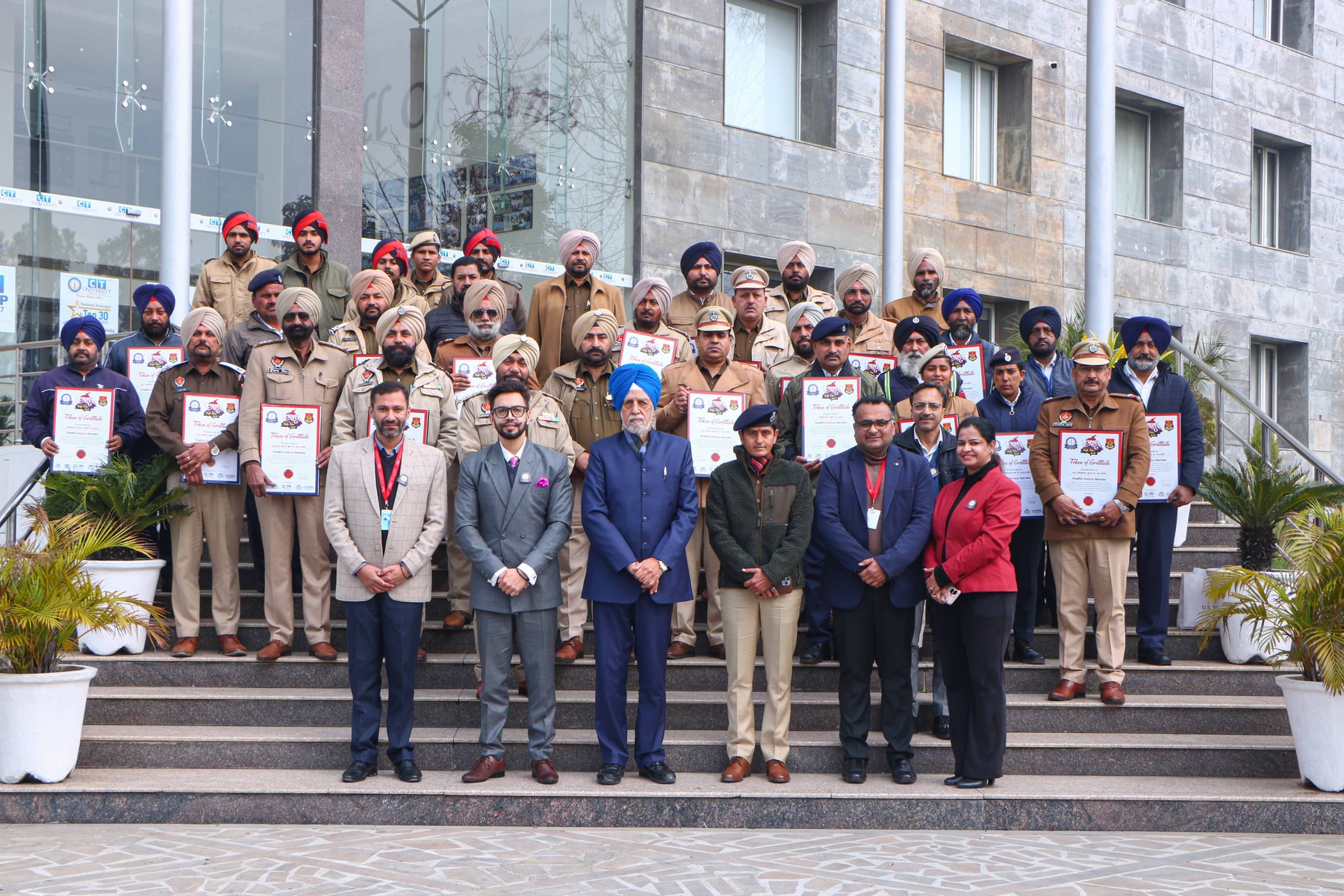
24 Jan, 2022
CT University hosted a heartwarming event titled 'AABHAAR' to express deep appreciation for the relentless efforts of Ludhiana's Traffic Police, the unsung heroes who work diligently to ensure road safety and smooth traffic flow in the city.Under the esteemed supervision of Mr. Varinder Singh Brar, Deputy Commissioner of Police (DCP), Traffic Ludhiana, the event saw the participation of over 50 Traffic Police officials and constables, who were honored for their unwavering dedication to public safety.Guests of honor included Ms. Gurpreet Kaur Purewal ADCP and Mr. Gurpreet Singh ACP who graced the occasion with their presence. The event showcased a thought-provoking skit on "Traffic Awareness," performed by the talented students of the School of Law, emphasizing the crucial role of responsible road behavior.Head Constable Jasvir Singh from Ludhiana Traffic Police addressed the gathering, providing valuable insights on "Road Safety Awareness." His words shed light on the significance of adhering to traffic rules and ensuring safety on the roads.Distinguished personalities present at the event included Chancellor Charanjit Singh Channi, Pro-Chancellor Dr. Manbir Singh, Pro-Vice-Chancellor Dr. Abhishek Tripathi, Dr. Simranjeet Kaur Gill (Dean Academics), and Davinder Singh (Director of the Department of Student Welfare).Dr. Manbir Singh, Pro-Chancellor of CT University, expressed, "The ‘AABHAAR - gratitude to traffic police’ event is a small token of our gratitude to those who often work behind the scenes, ensuring our roads are safe and traffic flows smoothly. Their commitment to public safety is commendable, and we are honored to acknowledge their contributions."
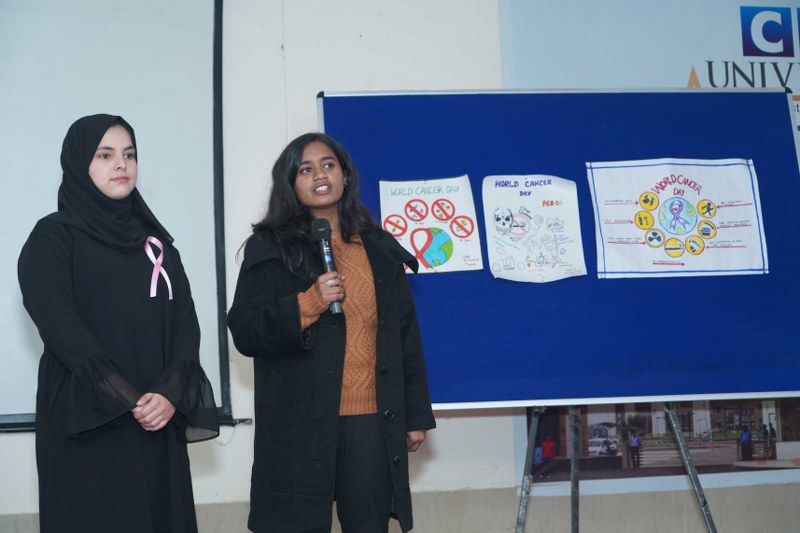
05 Feb, 2024
To mark World Cancer Day, the School of Health Sciences at CT University organized a significant event to raise awareness about the global impact of cancer and underscore the importance of prevention, detection, and treatment.The event saw enthusiastic participation from students who dedicated their time and creativity to prepare impactful posters and deliver insightful speeches. The initiative aimed to educate and inspire the community about the importance of early detection, healthy lifestyle choices, and the ongoing efforts in the field of cancer research.Dr. Apurva, Head of School of Health Sciences graced the occasion with her presence.The event featured a display of student-prepared posters that conveyed powerful messages about cancer prevention, highlighting the role of a healthy lifestyle, regular screenings, and public awareness campaigns. The speeches delivered by students showcased their dedication to making a positive impact on the community by spreading knowledge and encouraging proactive measures against cancer.Dr. Apurva said "We believe that education and awareness are key components in the fight against cancer. By involving our students in initiatives like these, we not only empower them with knowledge but also contribute to the larger goal of creating a healthier and more informed society."Pro Vice Chancellor Dr. Abhishek Tripathi added, “Events like these epitomize our commitment to societal well-being and underscore the pivotal role that educational institutions play in shaping responsible and proactive citizens.”
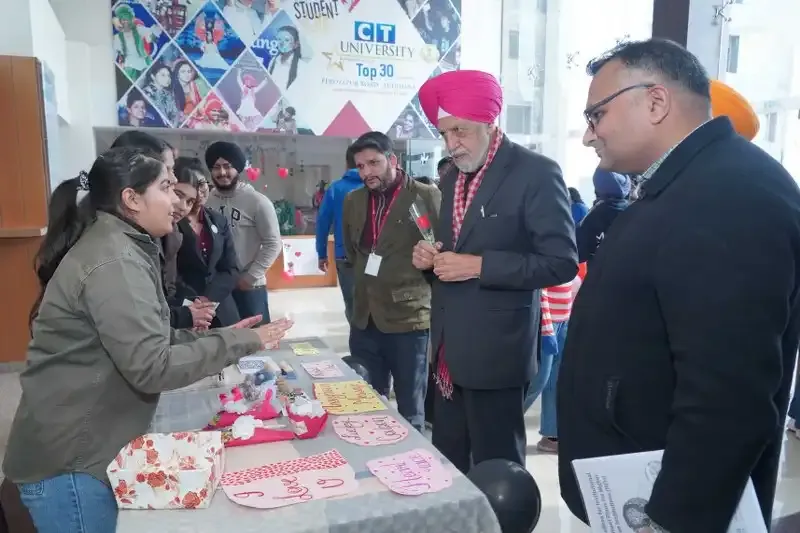
08 Feb, 2024
The Department of Management Studies at CT University recently hosted an exhilarating event, "Valentine Ventures & Stall Showdown: Igniting Entrepreneurial Passion." The event took place on a lively Wednesday, providing a dynamic platform for students to actively participate in entrepreneurial endeavors and unleash their creative potential.The event showcased a diverse range of products, including delectable eatables, beautiful flowers, tempting chocolates, engaging games, and more. A total of 12 stalls were ingeniously set up by students from the BBA, B. Com, and MBA programs, highlighting their entrepreneurial prowess and creative flair.Throughout the Stall Showdown, students captivated the audience with innovative presentations and engaging interactions, leaving a lasting impression with their entrepreneurial spirit. Awards were presented post-event, based on the profits generated by each team, introducing an element of healthy competition and encouraging students to employ strategic business tactics to maximize their earnings.Pro Vice Chancellor Dr. Abhishek Tripathi expressed his enthusiasm, stating, "We were thrilled to witness the passion and creativity displayed by our students at the Valentine Ventures & Stall Showdown. The event provided an invaluable opportunity for students to apply their academic knowledge in a practical setting, honing their entrepreneurial skills."Chancellor Charanjit Singh Channi, Pro Vice Chancellor Dr. Abhishek Tripathi, and Director of the Department of Student Welfare Er. Davinder Singh, , graced the occasion, further emphasizing CT University's commitment to nurturing entrepreneurial talent and fostering a culture of innovation among its students.
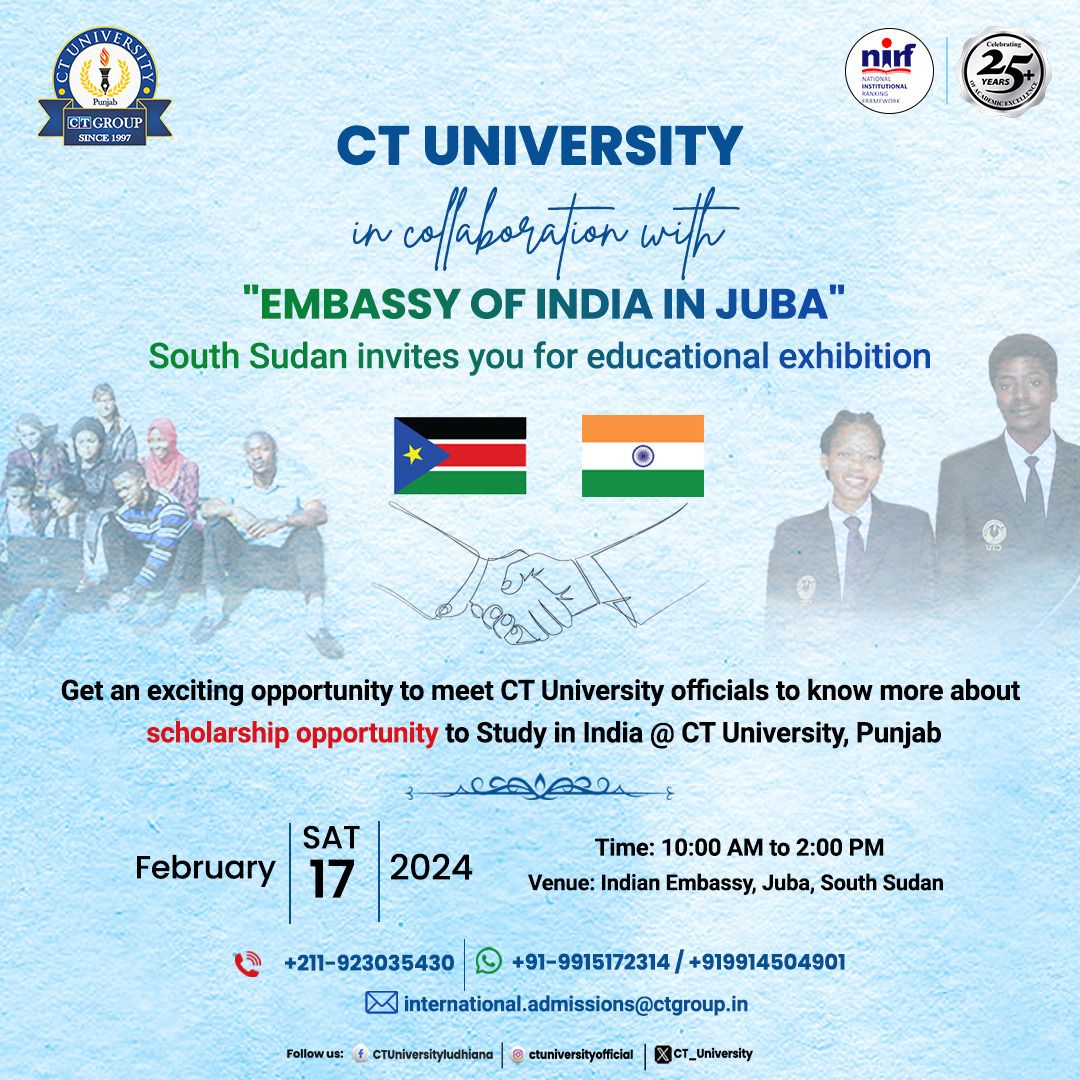
17 Feb, 2024
CT University, in collaboration with the Embassy of India in Juba, South Sudan, invites you to an educational exhibition! 📚🔍Discover exciting scholarship opportunities and meet CT University officials.🤝Join us on February 17, 2024, from 10:00 AM to 2:00 PM at the Indian Embassy, Juba.Your gateway to #education in India awaits!👍

13 Feb, 2024
You're Invited!🌟 Join us for an enchanting celebration of love and unity! 🌟CTU Clubs, alongside the Department of Student Welfare, cordially invite you to embrace the spirit of Valentin at our special event: ENKINDLE - Uniting Minds, Spreading Love! 💕Date: February 13thTime: 1:00 PM onwardsVenue: OAT, CT University, LudhianaIndulge in a delightful afternoon featuring dance, singing, presentations, fashion, fun activities, and charitable endeavors. Let's come together to #SpreadTheLove and create lasting memories!We look forward to sharing this heartwarming experience with you!
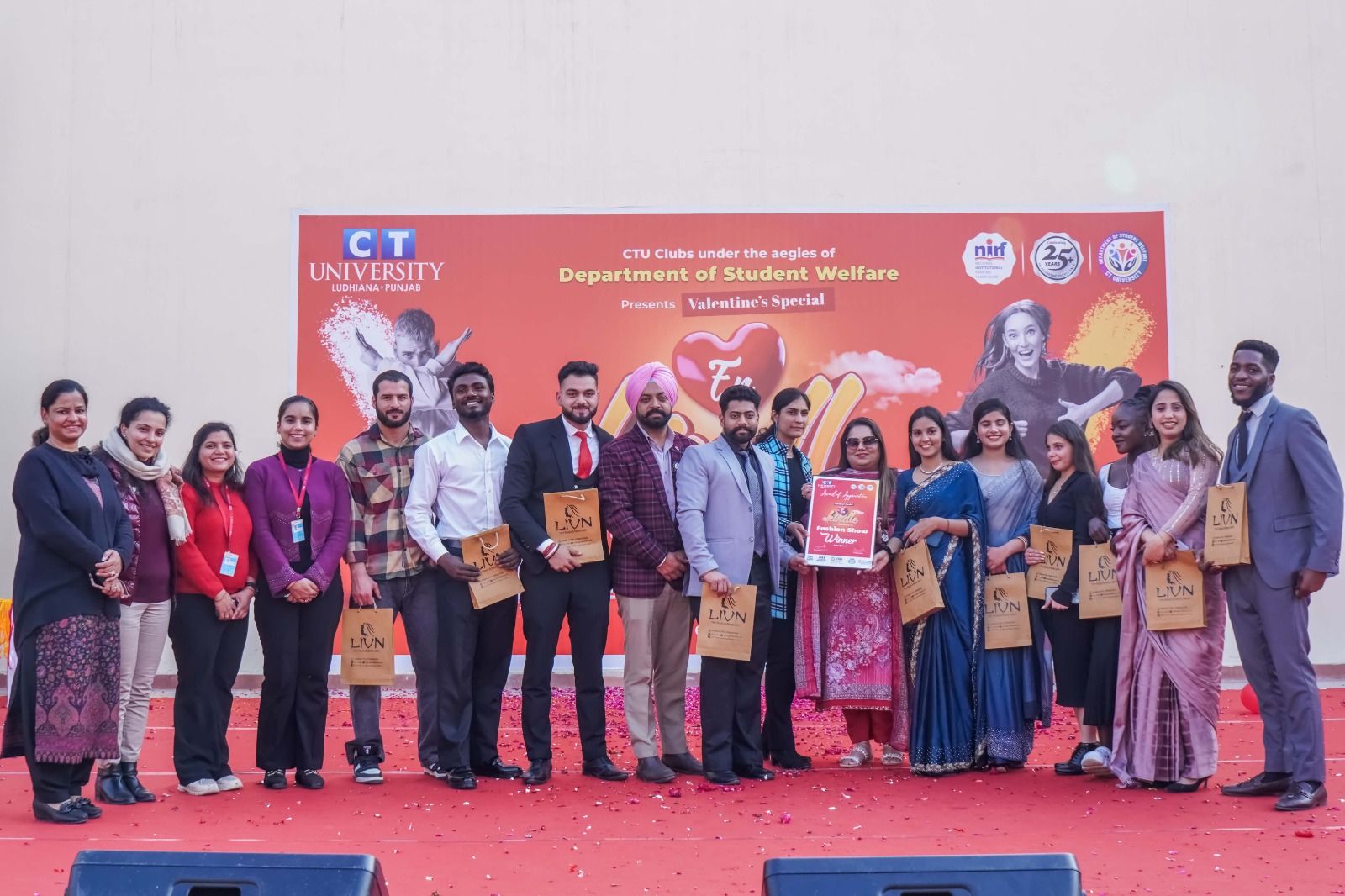
13 Feb, 2024
Under the leadership of the Department of Student Welfare, CT University Clubs orchestrated a mesmerizing celebration of 'ENKINDLE,' a heart-warming event that aimed to unite minds and spread love. The celebration, held on Valentine's Day, brought together students, faculty, and staff for a magical experience filled with joyous festivities.The event commenced with the Cake Cutting ceremony by the esteemed Hon'ble Dignitaries, Vice Chairman Mr. Harpreet Singh and Pro Vice Chancellor Dr. Abhishek Tripathi, who graced the occasion with their esteemed presence, adding an aura of significance to the festivities.The program unfolded with a captivating array of performances, including group dances, songs, skits, and more, presented by various departments and clubs of the university. The EnKindle Fashion Competition stood out as a highlight, showcasing the creativity and style of students from different schools, who embraced the theme of love and unity by donning 'RED and WHITE' attire.The School of Law emerged victorious in the Dance category, while the School of Management Studies claimed the top spot in the Fashion show.Vice Chairman Harpreet Singh, in his insightful comment, emphasized, "Love is not limited to the partner only; it can be for anything. For students, it must be a passion to study along with research. Love for these two can bring revolutions around the globe." His words resonated with the spirit of the occasion, encouraging students to channel their passion and love into meaningful endeavors that can make a positive impact on the world.The afternoon was filled with joyous celebrations, fostering a sense of togetherness and creating lasting memories. Participants, adorned in striking attire symbolizing the colours of love and unity, truly embodied the essence of the occasion.In his closing remarks, Davinder Singh, Director of the Department of Student Welfare, expressed heartfelt gratitude to everyone who contributed to making 'ENKINDLE' a resounding success.On this occasion, Dean Academics Dr. Simranjeet Kaur Gill, Registrar Vipul Yadav and heads of School, faculty and Students were Present.
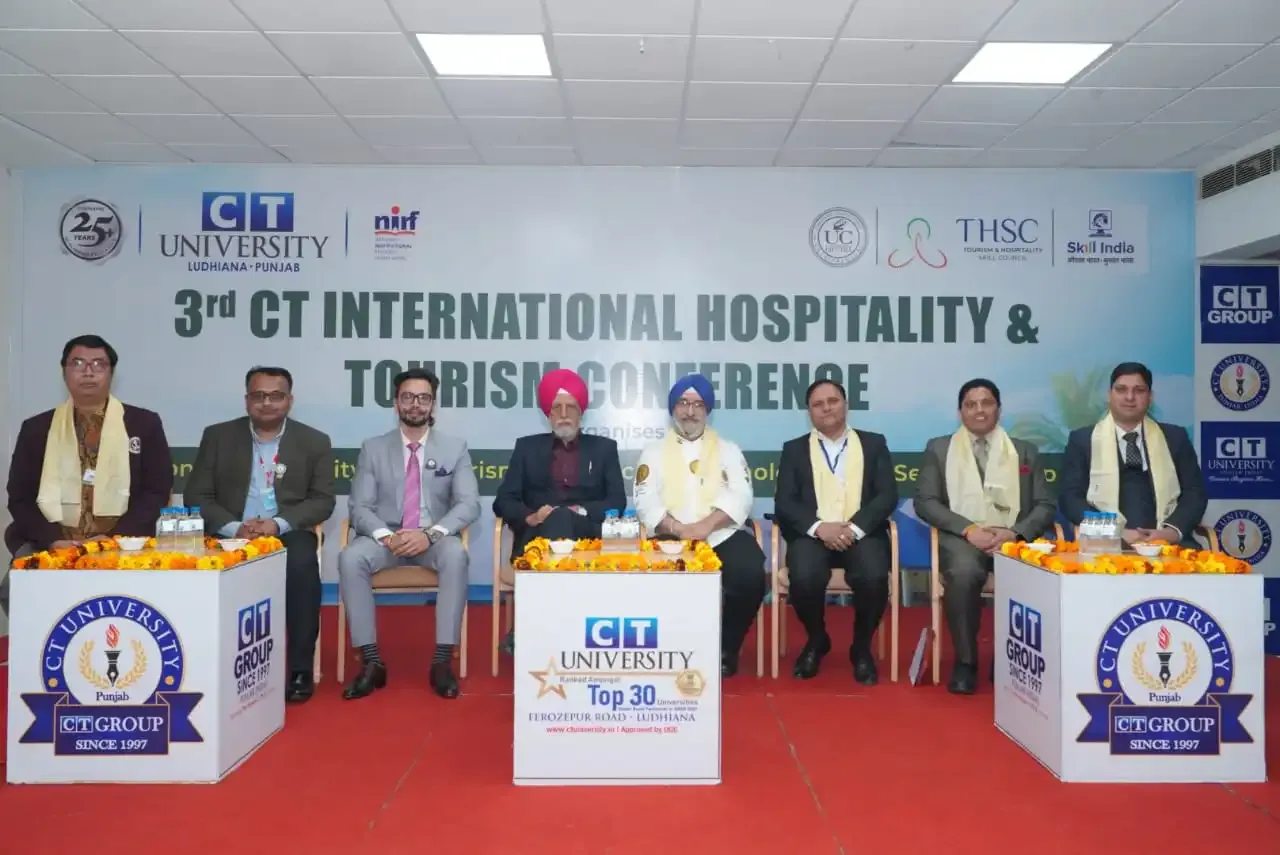
16 Feb, 2024
School of Management, Hotel Management and Design at CT University successfully hosted the 3rd International Hospitality and Tourism Conference. The conference, centered around the theme "Innovation in Hospitality and Tourism: Embracing Technology for a Seamless Experience," brought together distinguished individuals from the industry and academia to explore the latest advancements and innovative practices in the hospitality and tourism sector.The event was graced by the presence of esteemed keynote speakers and guests of honor, making it a significant gathering for professionals and enthusiasts alike. Dr. Chef Parvinder Singh Bali, Corporate Chef of L & D Oberoi Hotel & Resorts, added a touch of expertise in culinary and hospitality as the Guest of Honor. Prof. Dr. Parikshat Singh Manhas, Chairman of the School Board of Education, honored the conference as the Chief Guest, showcasing his leadership and visionary contributions to education and research.The conference featured distinguished keynote speakers, including - Prof. (Dr.) Varinder Singh Rana from City University Ajman (UAE); Prof. (Dr.) Prashant Gautam from Panjab University; Agoes Tinus Inndrianto, PhD, from Universitas Ciputra Surabaya, Indonesia ; Mr. Rajan Bahadur (CEO) from Tourism & Hospitality Skill Council; Prof. (Dr.) Mohinder Chand from Kurukshetra University.CT University’s Pro Chancellor, Dr. Manbir Singh, Pro Vice Chancellor, Dr. Abhishek Tripathi, Registrar Vipul Yadav; Director Department of Student welfare Davinder Singh and Head of the School of Management, Hotel Management and Design Dr. Ashish Raina, were present on this occasion, emphasizing the university's commitment to fostering excellence in education and research.Pro Chancellor, Dr. Manbir Singh said “The event provided a platform for knowledge exchange, networking, and collaboration among representatives and industry professionals from all over the world”. He applauded the efforts of the team.
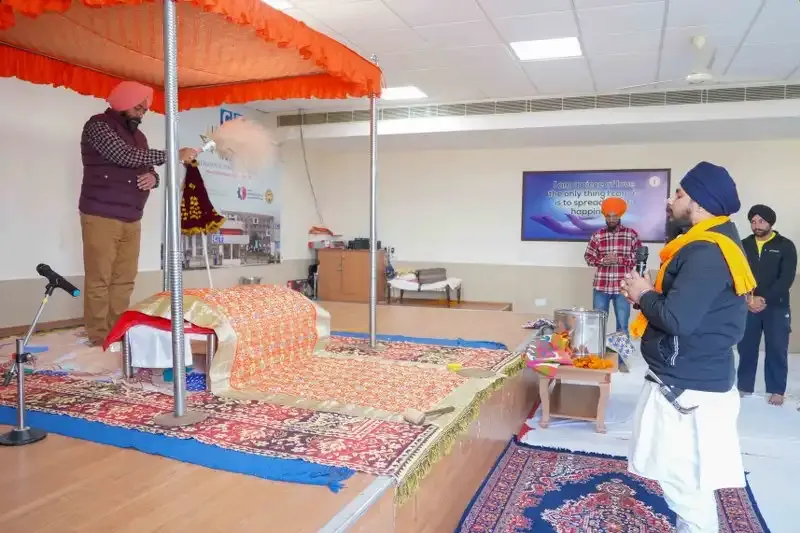
19 Feb, 2024
In a spirit of unity and reverence, CT University organized a special event encompassing a guest lecture and the recitation of Sukhmani Sahib Path, bringing together the entire CT University community, including management, faculty, and students. The gathering sought to seek blessings from the Almighty and gain insights into the teachings of Guru Nanak Dev Ji.Under the aegis of Guru Nanak Chair, a guest lecture was delivered by renowned Punjabi poet, Dr. Davinder Saifi, on the theme of 'Guru Nanak Dev Ji di Bani Sandesh Ate Sade Farz' (The Message and Our Duties According to Guru Nanak Dev Ji). The Chief Guest commenced the lecture by elucidating the three fundamental principles prescribed by Guru Nanak Dev Ji— "Kirat karo" (earn an honest living), "Naam Japo" (meditate on the divine), and "Vand Chakko" (practice selfless service). Dr. Saifi emphasized the importance of incorporating these principles into one's life to lead a path of honesty, generosity, and spiritual awareness while contributing positively to the community and society at large.Addressing the audience, Dr. Saifi contextualized the teachings of Guru Nanak Dev Ji in the present day, drawing attention to their relevance and applicability in the contemporary world. He highlighted the challenges of the present time and demonstrated how Guru Nanak Dev Ji's teachings, encapsulated in the concept of "Sewa" (selfless service), continue to guide and inspire people, transcending religious and cultural boundaries.Guru Nanak Chair Coordinator, Er. Harwinder Singh Sohal, provided valuable insights into the places associated with Guru Nanak Dev Ji's life, from his birthplace Shri Nankana Sahib to Shri Kartarpur Sahib, where Guru Sahib settled after his missionary work and engaged in farming. Coordinator Dr. Lakhwinder Kaur expressed gratitude to the guest for enriching the audience with special information about Guru Nanak Ji's life and teachings.In recognition of Dr. Davinder Saifi's contributions, a special memento was presented to him by Chancellor S. Charanjit Singh Channi, Pro Chancellor Dr. Manbir Singh, Pro Vice Chancellor Dr. Abhishek Tripathi, Dean Academics Dr. Simranjeet Kaur Gill, Coordinator Dr. Lakhwinder Kaur, and Coordinator Er. Harwinder Singh Sohal.The event fostered a sense of spiritual awareness, unity, and appreciation for the timeless teachings of Guru Nanak Dev Ji, serving as a platform for students to engage and learn from the valuable insights shared by the esteemed guest speaker.
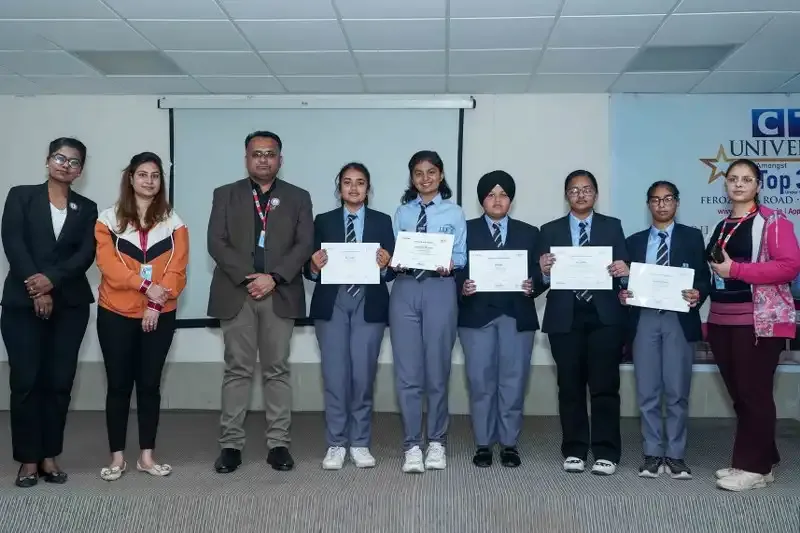
27 Feb, 2024
CT University's Department of Management Studies recently hosted a distinguished Felicitation Ceremony to honour exceptional achievements in the field. 100 + students were felicitated.The event, graced by Chancellor Charanjit Singh Channi and Pro Vice Chancellor Dr. Abhishek Tripathi, celebrated outstanding accomplishments of students in both academic and professional domains.A notable highlight was the recognition of students completing exemplary certification courses from prestigious bodies like Great Learning, TCS, Alison Ireland, KPMG, JP Morgan, and Forage. Notably, MBA students excelled in the Certificate in Banking, Finance, and Insurance facilitated by Bajaj FinServ, earning commendable achievements and cash prizes.The ceremony also acknowledged students for outstanding performances in competitions such as 'Budget pe Charcha,' 'Valentine's Stall Showdown,' 'Business Mania,' and Stock Grow Competitions, providing a dynamic platform for talent showcase and creativity.Pro Vice Chancellor Dr. Abhishek Tripathi expressed the university's commitment to nurturing future leaders through innovative education and holistic development and said “This Felicitation Ceremony underscored CT University's dedication to fostering excellence and creating an environment where students thrive in both academic and professional pursuits.”
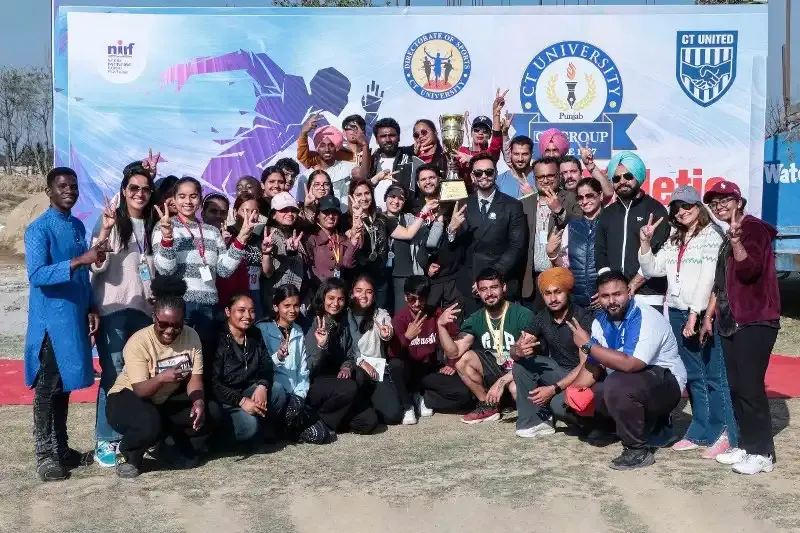
01 Mar, 2024
The vibrant sports ground of CT University witnessed a spectacular display of athleticism, camaraderie, and sportsmanship during the recently concluded 7th Annual Athletic Meet organized by the Department of Sports. The two-day event, inaugurated by esteemed dignitaries - Chancellor S. Charanjit Singh Channi, Vice Chairman Harpreet Singh and Pro Vice Chancellor Dr. Abhishek Tripathi, showcased the unwavering spirit of the CTU community.Chancellor S. Charanjit Singh Channi addressed the gathering, inspiring students with insights into the historical development of sports in India and globally. The day commenced with an impressive March Past, where students pledged their commitment to fair play and displayed unparalleled enthusiasm. Participants from various schools engaged in a diverse array of events, including sprints, relays, jumps, and throws, demonstrating their prowess in track and field.The Closing Ceremony, graced by Pro Chancellor Dr. Manbir Singh as the chief guest, celebrated the achievements of the participants. Dr. Singh motivated and encouraged students to prioritize fitness, emphasizing its positive impact on life and character development.The School of Management Studies emerged triumphant, securing the Overall Trophy of the CTU Athletic Meet, while the School of Engineering technology claimed the first runners-up position. School of Engineering and Technology was honoured with the 'Best March Past' accolade for their exceptional display of discipline and precision.Individual excellence shone through as Badal Rajak claimed the title of Best Athlete - Men, and Niloli earned the prestigious title of Best Athlete - Women.Dr. Abhishek Tripathi, Pro Vice Chancellor, CT University, and Gurdeep Singh, Head of Sports, extended their congratulations to the winners and participants. Dr. Tripathi remarked, "The Annual Athletic Meet is a testament to the unwavering spirit of sportsmanship and the incredible talents of our students. I congratulate all the winners and participants for their outstanding efforts."The event was attended by Registrar Vipul Yadav; Dean Academics Dr. Simran; Director, Department of Student Welfare Davinder Singh ; Deans, Heads of Departments, Faculty, and enthusiastic students, making it a memorable celebration of athleticism and unity within the CTU community.
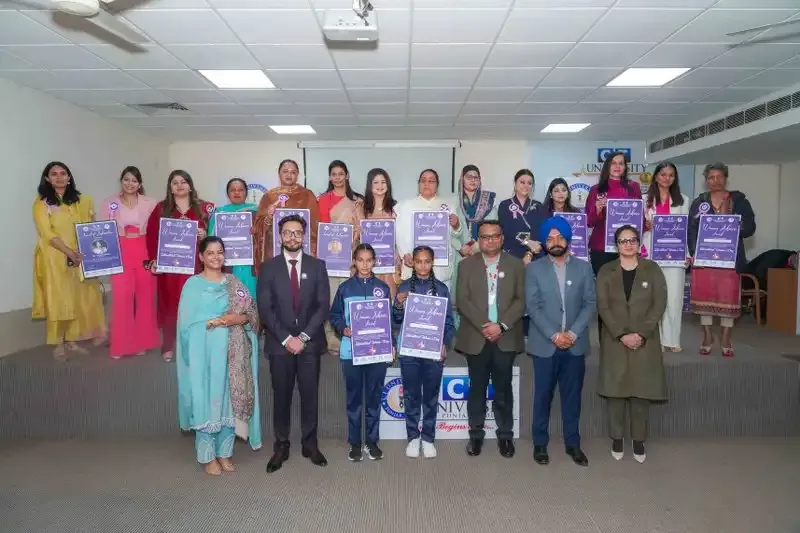
06 Mar, 2024
CT University marked International Women's Day with an inspiring event organized by the Department of Student Welfare. The celebration featured a Panel Discussion and Women Achievers Awards, to recognizing and empowering women in diverse fields. The panel discussion, themed "Celebrating Achievements and Navigating Challenges," brought together accomplished leaders, including Ms. Smyra Gupta, a renowned Fashion Designer, Ms. Mehak Jain, a Journalist at Times of India, Dr. Mridul Anand, a highly skilled Consultant in Clinical and Radiation Oncology (MBBS, MD), and Dr. Simranjeet Kaur Gill, the Dean Academics at CT University.The event also honored outstanding women achievers who have made significant contributions to their respective fields. Awardees included Ms. Sanskriti Sethi: World-renowned Akashic Record reader, Numerologist, and Automatic Writing Coach; Ms. Ravi Devgan: Social worker and Artist ; Ms. Sharanjeet Kaur: Vice Principal, CBSE Board ; Ms. Kanchan Gupta: Green Lady of Jagraon ; Dr. Gagandeep Kaur: Orodental & Cosmetic Surgeon, Gagan Dental & Cosmetic Clinic, Ludhiana ; Mrs. Pragati Chadda: Founder, Director - Hakunamata Musicals ; Mrs. Shally Aggarwal: Director and Co-founder - Pinnacle Institute of Fashion Technology ; Ms. Priyanka Bansal: Fashion Designer with her label, Privani; Ms. Guneeta Bindra: MD of KN Production house and Founder of Kala Nikhar Academy; Ms. Sandhaya Kumari: National Games 3rd prize in Kho Kho; Ms. Khushveer Kaur: National Games 3rd prize in Kho Kho; Ms. Kuldeep Kaur: Sarpanch, Pind Sohia ; Ms. Gurpreet Kaur: Sarpanch, Pind Mandiani.On this occasion CT University’s Pro Chancellor Dr. Manbir Singh, Pro Vice Chancellor Dr. Abhishek Tripathi, and Director of the Department of Student Welfare, Davinder Singh. In their addresses, the dignitaries commended the achievements of the awardees and emphasized the university's commitment to gender equality and recognizing the invaluable contributions of women.
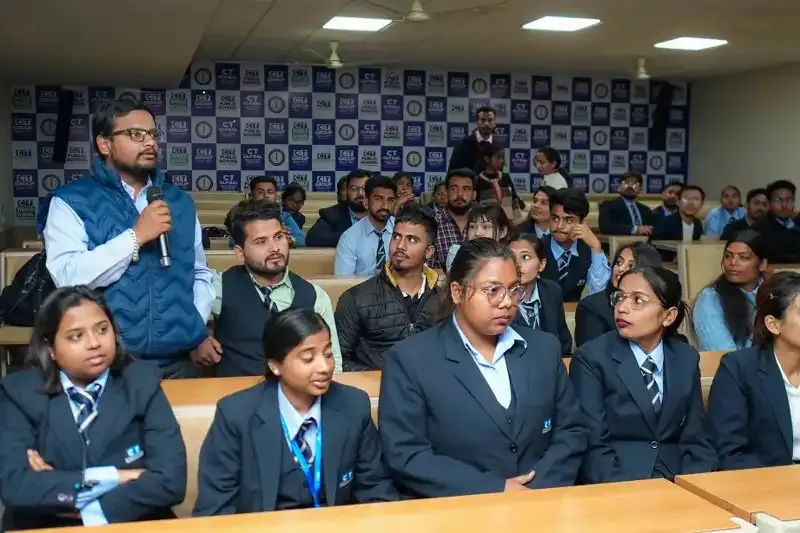
11 Mar, 2024
In a proactive endeavour to enhance knowledge and awareness about sustainable agricultural practices, the Department of Agriculture & Natural Sciences at CT University organized an enlightening Expert Talk on 'Crop Residue Management.' The session was conducted by Mr. Jobandeep Singh, an esteemed Agriculture Development Officer from Block & District Sri Muktsar Sahib.The main aim of the event was to engage individuals from farming backgrounds, providing them with valuable insights into the latest developments in agricultural techniques and environmental conservation.Mr. Jobandeep Singh, Agriculture Development Officer, shared his extensive knowledge and practical experiences in Crop Residue Management, offering a comprehensive perspective on the challenges and opportunities in the field.The talk saw active participation from Agriculture & Environment Science students, as well as attendees from farming backgrounds, creating an interactive platform for the exchange of ideas and experiences. Students had the opportunity to delve into the intricacies of Crop Residue Management, gaining practical insights crucial for sustainable farming practices.GurpreetKaur Deol, Head, Dept. of Agriculture and Natural Sciences, CT University, said, “We are thrilled to host Mr. Jobandeep Singh, whose expertise has undoubtedly enriched our students and attendees with valuable insights into Crop Residue Management, empowering our students to be at the forefront of sustainable agricultural practices."Mr. Jobandeep Singh, Agriculture Development Officer, said, “Crop Residue Management is a critical aspect of modern agriculture, and it's heartening to see the interest and dedication of the students and participants toward sustainable farming practices."
15 Mar, 2024
CT University's ALUMNI ASSOCIATION under aegis of Department of Student Welfare recently hosted a vibrant and engaging Virtual Alumni Meet 2024, bringing together over 400 alumni of various batches and disciplines to reminisce, reconnect, and celebrate their alma mater's legacy from all over the world. The event was graced by esteemed dignitaries, including the Hon’ble Chancellor S. Charanjit Singh Channi, Vice-Chairman Mr. Harpreet Singh, and Pro Vice-Chancellor Dr. Abhishek Tripathi. The event commenced with an inspiring address by the Hon’ble Chancellor S. Charanjit Singh Channi, who emphasized the significance of alumni engagement in fostering the university's growth and development. This sentiment was echoed by Vice-Chairman Mr. Harpreet Singh and Pro Vice-Chancellor Dr. Abhishek Tripathi, who underscored the invaluable contributions of alumni towards shaping the university's journey. Throughout the meet, alumni had the opportunity to interact and share their experiences at CT University, reminiscing about cherished memories, enduring friendships, and remarkable success stories. Addresses by Dean Academics Dr. Simranjit Kaur Gill and CRC Director Mr. Rajesh Kapoor further enriched the event, highlighting the university's commitment to academic rigor, innovation, and holistic development. In his closing remarks, a Vote of Thanks was extended by Er. Davinder Singh, Director, and Department of Student Welfare to all participants’ supporters who contributed to the resounding success of the Virtual Alumni Meet 2024. One of the Alumni Ananya said “I feel lucky to be a part of CT University. Whatever I am today, either personally or professionally is just because of the regular guidance of my teachers and friends”. Speaking about the event, Pro Vice-Chancellor Dr. Abhishek Tripathi expressed gratitude towards the alumni for their enthusiastic participation and reiterated CT University's unwavering commitment to fostering lifelong connections and creating transformative experiences for its alumni community.
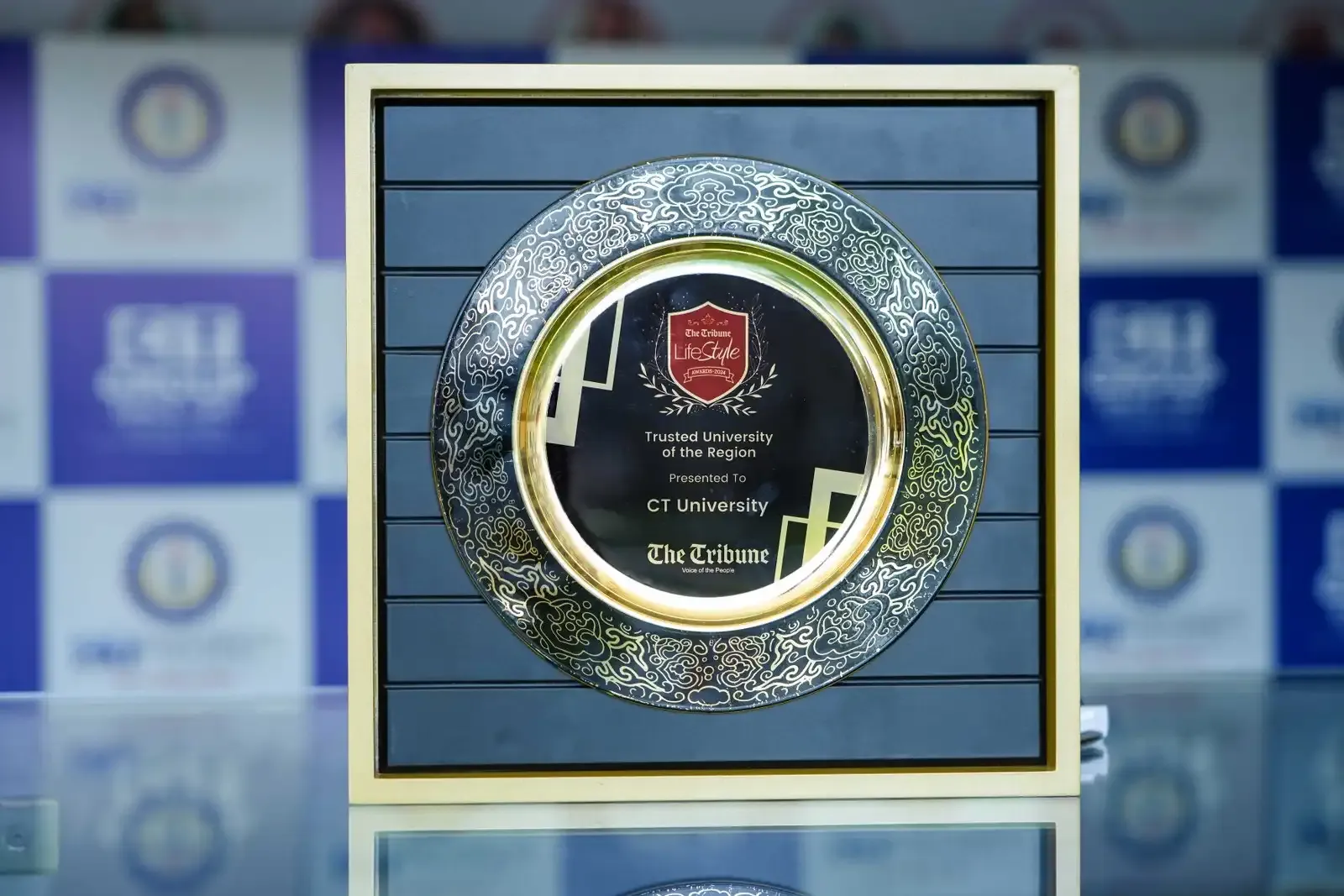
19 Mar, 2024
CT University proudly announces its recognition as the "Most Trusted University of the Region" at The Tribune Lifestyle Awards 2024, held at the Hyatt Regency, Chandigarh. The award was presented by the esteemed Finance Minister of Punjab, S Harpal Singh Cheema, in acknowledgment of CT University's exemplary contributions to education and excellence in fostering talent development.The Tribune Lifestyle Awards, renowned for celebrating excellence and innovation across various sectors, bestowed this prestigious accolade upon CT University for its unwavering commitment to innovation, sustainable practices, entrepreneurial excellence, inclusivity, customer-centric approaches, digital transformation, social responsibility, industry standards, talent development, and inspiring leadership.Expressing gratitude for the honor, Dr. Manbir Singh, Pro-Chancellor of CT University, stated, “We are deeply honored to receive the 'Most Trusted University of the Region' award. This recognition underscores our relentless pursuit of excellence in education and our steadfast dedication to nurturing future leaders equipped to tackle global challenges.”
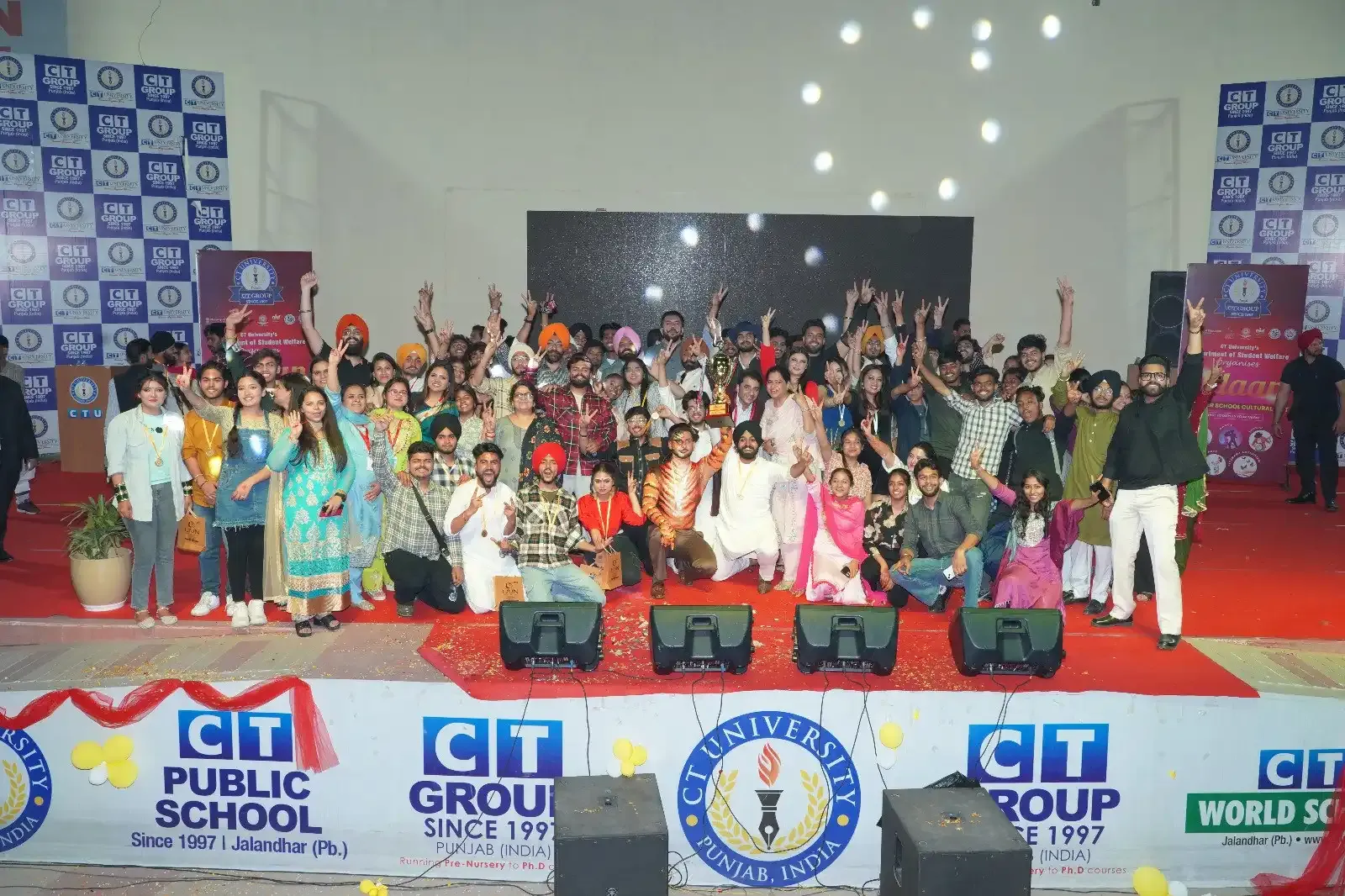
22 Mar, 2024
CT University's Department of Student Welfare recently organized 'Udaan - An Inter School Cultural Fest' with immense zeal and excitement. The event served as an exceptional platform for budding talents from various schools to exhibit their skills and creativity across a spectrum of cultural and artistic disciplines.The fest encompassed a diverse array of events and activities, ranging from skits, solo performances in singing and dance, to photography, rangoli, mehndi, face painting, cartooning, and even intellectual competitions like debates, elocution, essay writing, quizzes, and more. Participants displayed their finesse in theatre, dance, music, literary arts, and fine arts, making 'Udaan' a true celebration of artistic expression in all its forms.After intense competitions and stellar showcases of talent, The prestigious Overall Trophy was shared between School of Law and School of Engineering and Technology, showcasing their exceptional talent and unwavering dedication across various events.School of Design and Innovation secured the position of 1st Runner Up, showcasing outstanding performance and a steadfast commitment to excellence throughout the fest.The title of Best Cultural Procession was awarded to School of Law, acknowledging their captivating and culturally rich presentation that left a lasting impression. On this momentous occasion, Chancellor Charanjit Singh Channi, Pro Chancellor Dr. Manbir Singh, Vice Chairman Harpreet Singh, and Joint Managing Director Tanika Channi, Pro Vice Chancellor Dr. Abhishek Tripathi , Registrar Dr. Vipul Yadav, Dean Academics Dr. Simran, Director Department of Student Welfare Er. Davinder Singh graced the event with their presence, adding to the grandeur and significance of the fest.Pro Chancellor Dr. Manbir Singh said ‘I am immensely proud to witness the remarkable talent and creativity showcased by the students at 'Udaan - An Inter School Cultural Fest'. Events like these not only provide a platform for young minds to shine but also foster a spirit of camaraderie and cultural exchange”. He congratulated the participants and winners for their outstanding performances.
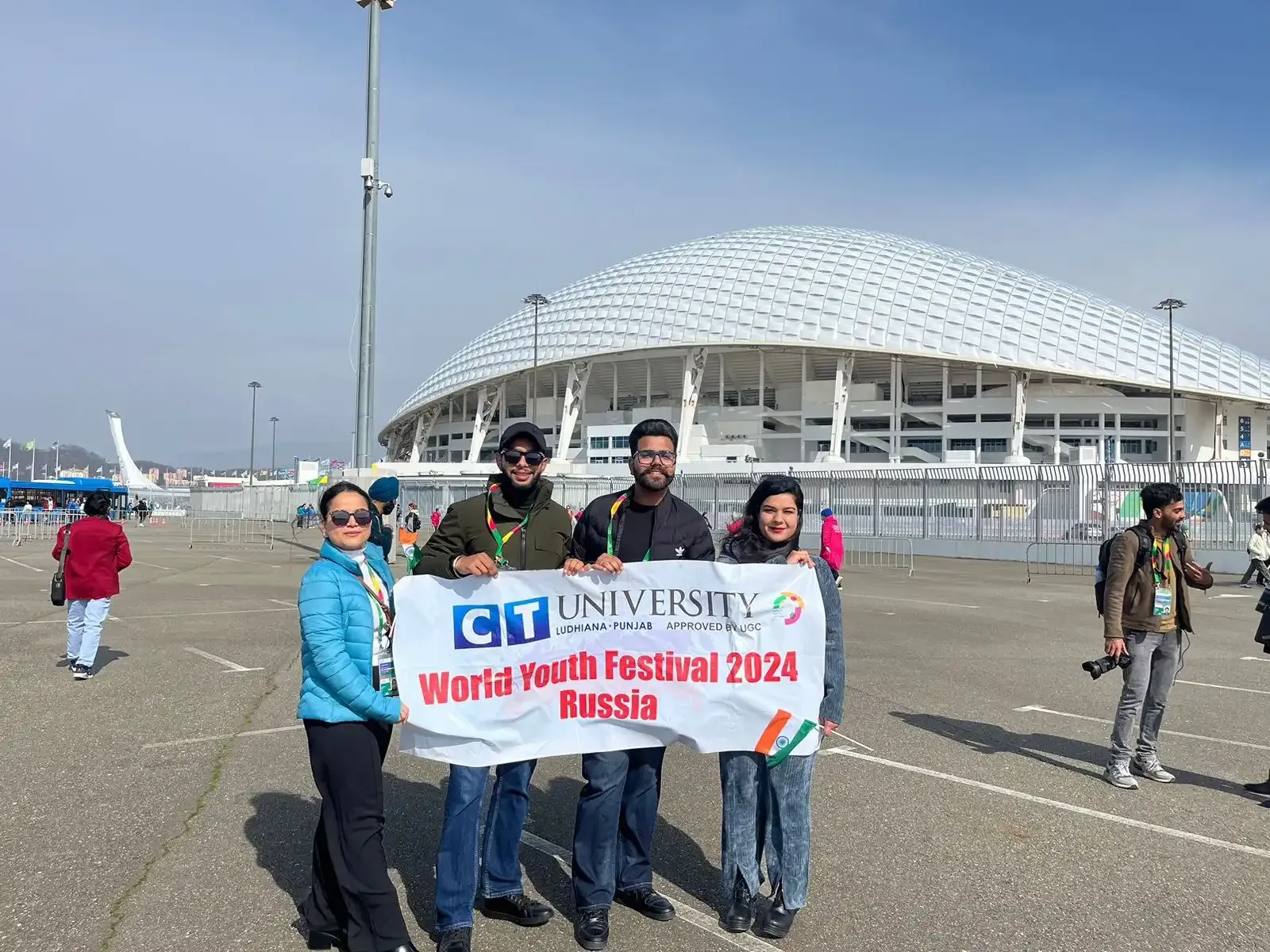
27 Mar, 2024
CT UNIVERSITY takes immense pride in announcing its successful representation at the prestigious World Youth Festival held in Russia's Sirius Federal Territory. The delegation, comprising faculty members Ms. Apurva and Ms. Jagpreet Kaur, alongside students Vishwaas Vaid and Chaksh Kataria from the School of Law, stood as ambassadors of Indian youth on the global stage.The World Youth Festival, a convergence of talent and innovation, brought together a diverse spectrum of participants, including high school and university students, young scientists, political leaders, educators, and entrepreneurs, aged between 14 to 30. Over 800 events and activities, spanning marathons, music and dance performances, and yoga sessions, reverberated throughout the festival, showcasing the vibrancy and dynamism of global youth.Highlighting India's prominent presence, the festival witnessed the active engagement of 360 Indian participants hailing from various fields, illustrating India's rich tapestry of talent and expertise. The participants echoed the sentiment of fostering international connections and youth involvement in addressing global challenges, underscoring the festival's significance as a platform for cross-cultural dialogue and collaboration.The Russian Embassy extended its warm hospitality and reaffirmed its commitment to bolstering ties between India and Russia, with a particular focus on initiatives that empower and inspire the youth. The festival attendees expressed their gratitude for the enriching experiences and acknowledged the hospitality extended by the hosts.Pro Chancellor Dr. Manbir Singh, Pro Vice Chancellor Dr. Abhishek Tripathi, Dean Academics Dr. Simran, Director Department of Student Welfare Davinder Singh congratulated the team.
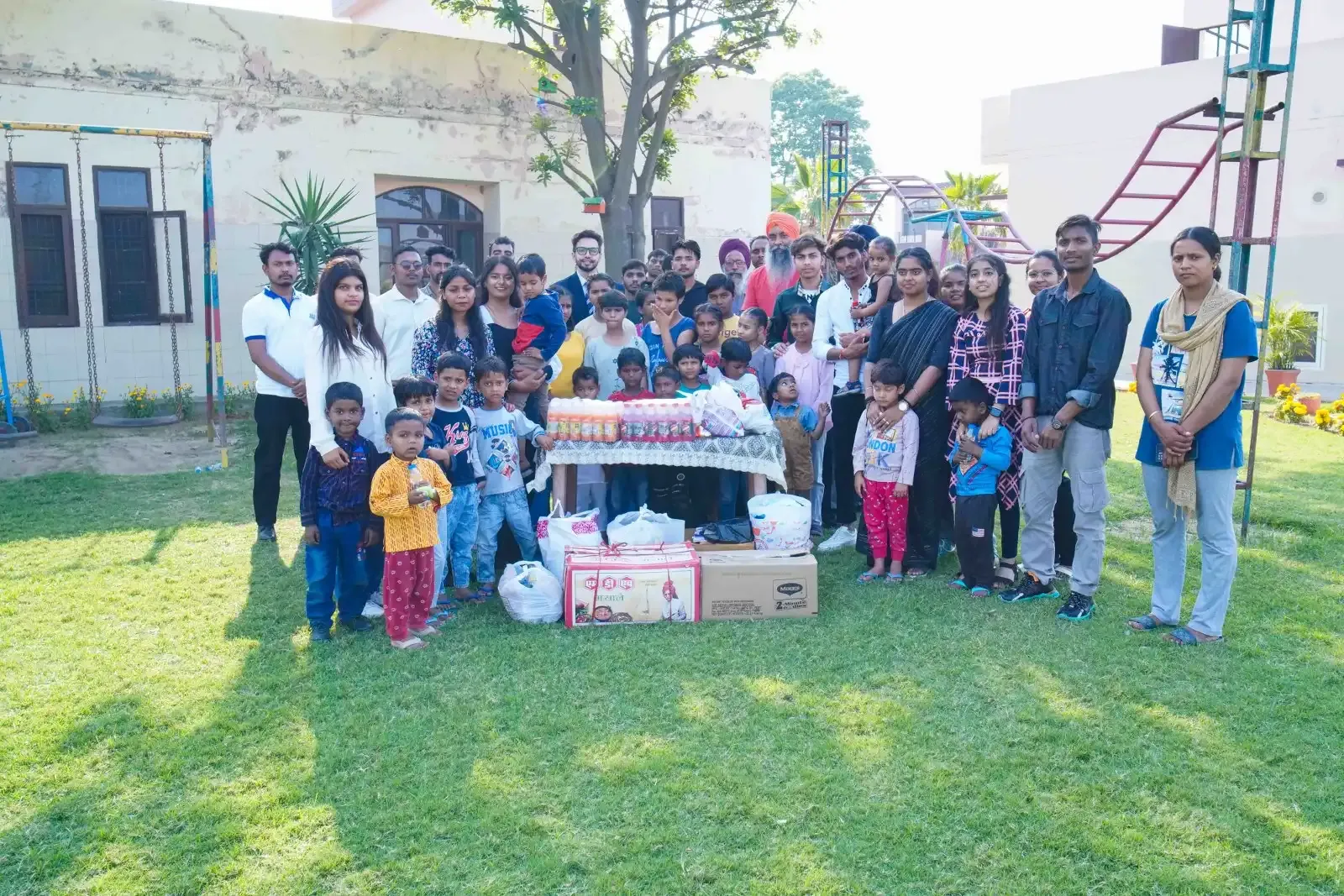
30 Mar, 2024
CT University's Givers Club, under the aegis of the Department of Student Welfare, organized a heartwarming visit to SGB BAL GHAR in Talwandi Khurd, epitomizing the university's commitment to social responsibility and community engagement. The visit aimed to bring joy, laughter, and essential provisions to the children residing in the home.The students from CT University were greeted with warmth and excitement by the children, setting the stage for an unforgettable day filled with meaningful interactions and acts of kindness. Throughout the visit, the students engaged the children in a series of enjoyable and educational activities crafted to foster creativity, teamwork, and laughter.In addition to the engaging activities, the Givers Club extended its support by generously donating essential food items to the home, ensuring that the children have access to nutritious meals and necessary provisions. This gesture of kindness exemplifies CT University's dedication to serving the community and making a positive impact on the lives of those in need.Speaking about the initiative, Pro Chancellor Dr. Manbir Singh expressed profound gratitude towards the students for their unwavering dedication and compassion. "We are immensely proud of our students for their heartfelt efforts in organizing this visit to SGB BAL GHAR. Through their selfless actions, they have not only brought smiles to the faces of these children but have also exemplified the values of empathy and generosity that we hold dear at CT University."
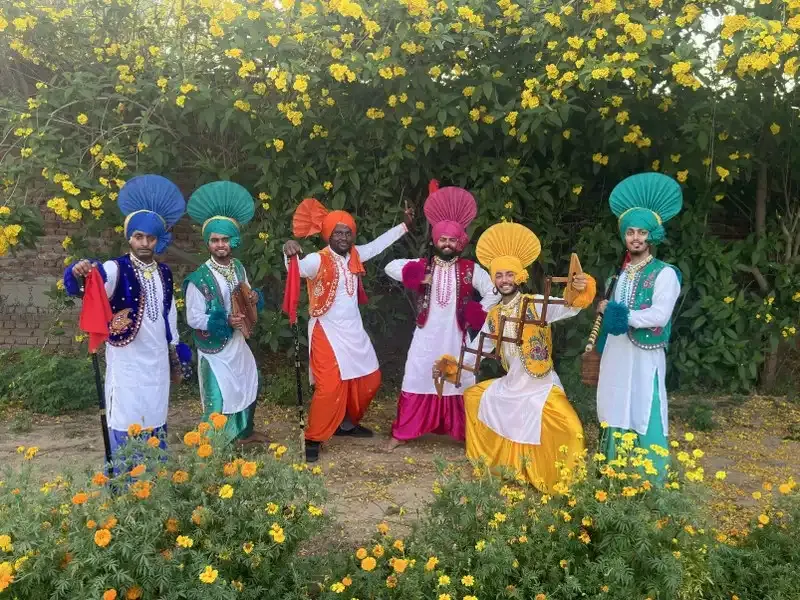
12 Apr, 2024
The spirit of Baisakhi, marking the onset of spring and the end of the harvest season, was celebrated with fervour and unity at CT University. The students of CT University came together to spread messages of hope and passion.Punjabi and international students alike adorned themselves in the vibrant colours of Baisakhi, showcasing the rich cultural diversity present on campus. The celebration served as a reminder of the unity that binds us all together, transcending borders and backgrounds.CT University’s Pro Vice Chancellor Dr. Abhishek Tripathi said ‘We take pride in fostering an inclusive environment where students from all walks of life come together to celebrate and embrace each other's traditions. The Baisakhi celebration exemplifies the university's commitment to promoting cultural exchange and harmony among its diverse students.
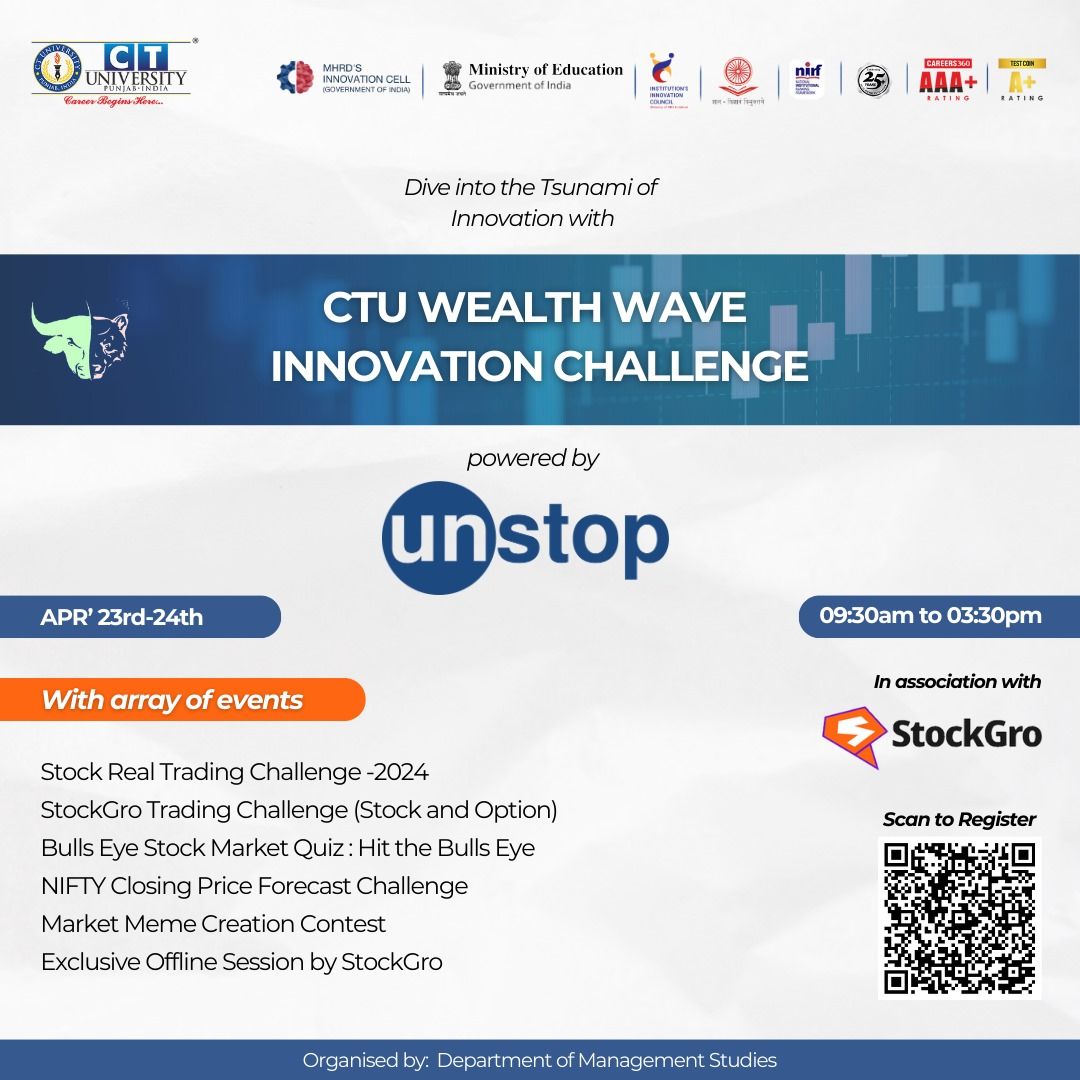
23 Apr, 2024
Join us at the CTU Wealth Wave Innovation Challenge Festival, hosted by CT University in collaboration with Stock Gro and Unstop! This two-day event, taking place on April 23-24, 2024, offers a diverse range of engaging activities for participants passionate about the stock market and investment.Experience the thrill of real trading in the Stock Real Trading Challenge, Put your knowledge to the test in the Bull's Eye Stock Market Quiz and Get creative in the Market Meme Creation Contest. Don't miss this opportunity to learn, compete, and network with fellow enthusiasts at the CTU Wealth Wave Innovation Challenge Festival. Mark your calendars for April 23-24, 2024, and join us for an unforgettable experience!"National Level “CTU Wealth Wave Innovation challenge” organized by CT University (CTU), Punjab https://unstop.com/f/hlLvNXn?lb=Cm1XXig1&utm_medium=Share&utm_source=WhatsApp

06 May, 2024
CT University witnessed a spectacular evening of music, entertainment, and glamour as it hosted the 'Pitaara Premiere Night'. The event, graced by the presence of renowned Punjabi singer Gippy Grewal and the charismatic Hina Khan and Prince Kanwaljit came for the promotions upcoming release of 'Shinda Shinda no papa'.The stage came alive with mesmerizing performances by Amar Sehmbi, Chandra Brar, Deep Bajwa, Sakshi Ratti, and Oye Kunal, captivating the audience and adding to the allure of the star-studded evening. The enthusiastic crowd from Punjab immersed themselves in the musical extravaganza, creating an electric atmosphere filled with joy and excitement.Amidst the cheers and applause, students and faculty of CT University were thrilled to be part of such a grand event, experiencing the magic of live performances.On this Occasion, Pro Chancellor Dr. Manbir Singh, Vice Chairman Harpreet Singh, Joint Managing Director Tanika Channi, Vice Chancellor Dr. Abhishek Tripathi, Registrar Vipul Yadav, and Dean Academics Dr. Simran, Er. Davinder Singh, Director, Department of Student Welfare were present.Pro Chancellor Dr. Manbir Singh said, “The 'Pitaara Premiere Night' at CT University was not just a celebration of music and entertainment but also a testament to the university's dedication to providing enriching experiences for its students and the community at large”
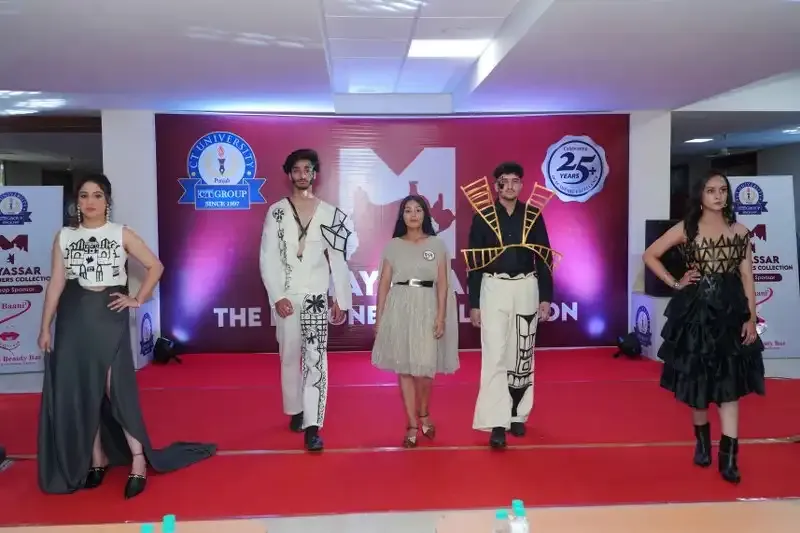
17 May, 2024
- Ganika Emerged as the Winner of Mayassar 2024, Earning the Title of Designer of the YearThe Department of Fashion Design, School of Design and Innovation at CT University showcased their exceptional talent and creative prowess at the highly anticipated fashion event, Mayassar 2024 - The Designer's Collection. This theme-based fashion show brought together final semester students, each presenting their unique interpretation of captivating themes through four outfits. The event was a resounding success, captivating the audience with its creativity and innovation.The seven themes that inspired the collections at Mayassar 2024 were diverse and imaginative, including "Banjara" (Collection of the Year), "Granim" (a combination of traditional Greek outfits and denim), "Snowy Pearls" (depicting the beauty of pearls from head to toe), "Picasso" (a tribute to the famous artist), "Contemporary Architecture" (a blend of architectural elements with a contemporary twist), "Indian Mafia" (showcasing a collection filled with terror and attitude), and a surprise "Denim Collection" from first-year students. The specific themes presented by the students featured Liza with "Snowy Pearls," Khushboo with "Indian Mafia," Ritika with "Granim," Manjinder with "Contemporary Architecture," and Ganika with "Picasso."Ganika emerged as the winner of Mayassar 2024, earning the title of Designer of the Year.Dr. Manbir Singh, Pro Chancellor of CT University, expressed his pride and admiration for the talented fashion designers, stating, "Mayassar 2024 - The Designer's Collection showcased the exceptional creativity and passion of our students. We are immensely proud of their achievements and their dedication to the art of fashion design. "The Department of Fashion Design at CT University extends its heartfelt congratulations to all the winners and participants for their remarkable contributions. The jury members for the event were Ms. Nandini Gupta, Head of Department at Gulzar Group of Colleges, Khanna, Ludhiana, and Ms. Bharti Kapoor. The event was sponsored by Baani Beauty Bar.On this occasion, Dr. Abhishek Tripathi, Vice Chancellor of CT University; Dean Academics Dr. Simran; Davinder Singh, Director of the Department of Student Welfare, Head School of Design and Innovation Mr. Mannan Sharma along with staff and students, were present to celebrate the achievements of the budding designers.
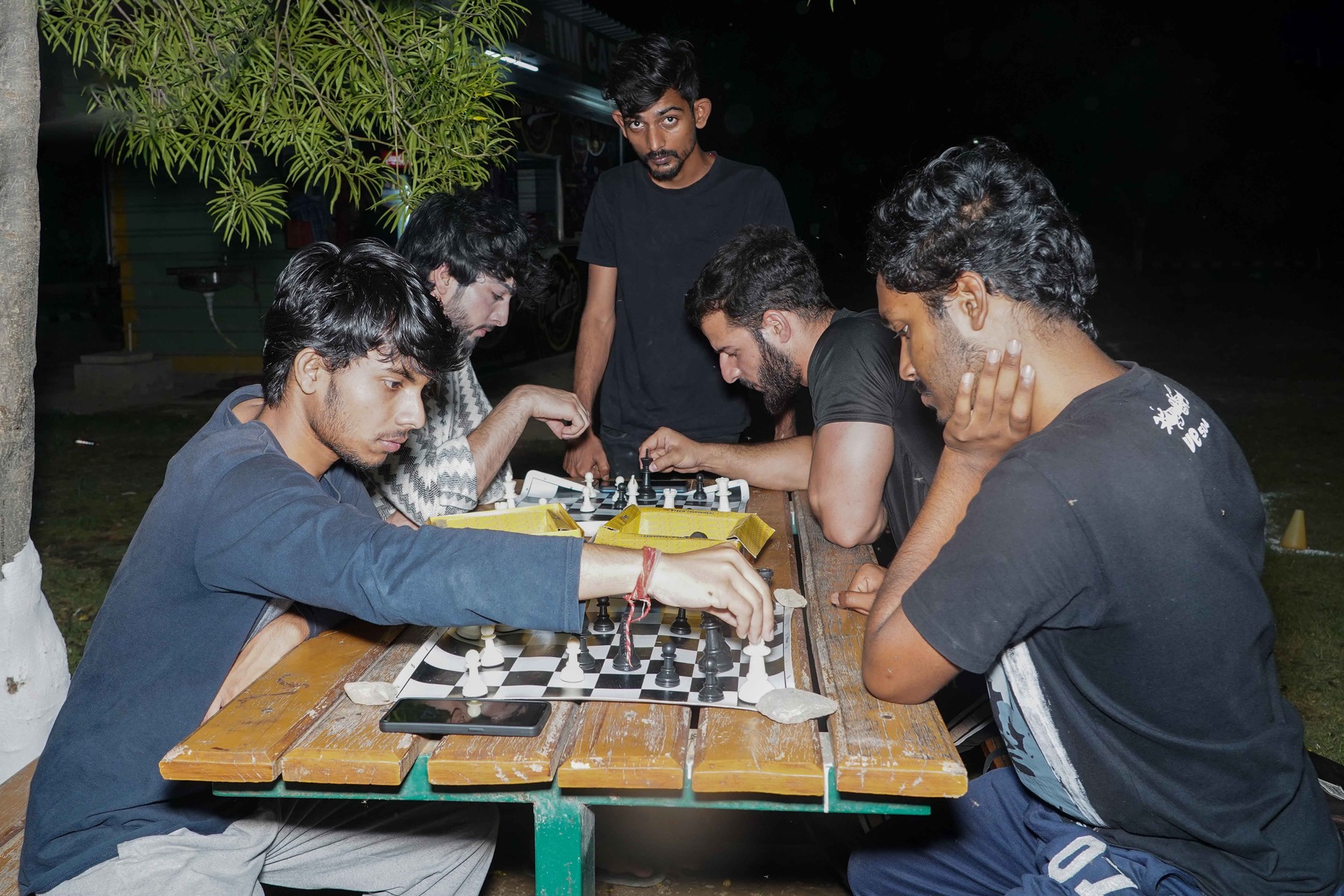
31 May, 2024
The Hostel Champions League 2024, organized by CT University Clubs under the Department of Student Welfare, concluded with resounding success. Over 700 hostel students participated in a six-day extravaganza, showcasing their talents and embracing healthy competition.The event kicked off with a grand opening ceremony featuring captivating performances and the unveiling of trophies. Each day brought a diverse array of games, engaging participants in traditional sports such as volleyball, basketball, cricket, football, badminton, and swimming, along with unique contests like arm wrestling, push-up competitions, and UNO. The competition was fierce as hostels competed across four regions, with the East emerging as the overall winner.The grand award ceremony honored students for their exceptional participation and achievements. The event featured prestigious awards celebrating excellence in various categories, highlighting remarkable talent and sportsmanship.Vice Chancellor Dr. Abhishek Tripathi said "the Hostel Champions League 2024 was a celebration of talent, teamwork, and sportsmanship, leaving participants with cherished memories and a renewed sense of pride."On this occasion Vice Chancellor Dr. Abhishek Tripathi, Director Department of Student Welfare Davinder Singh, Faculty and students were present.
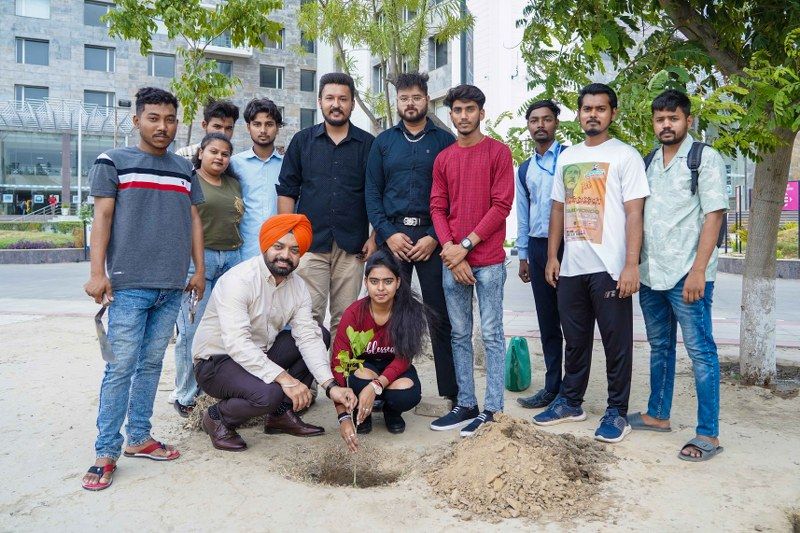
05 Jun, 2024
CT University today marked World Environment Day with a series of impactful activities designed to raise environmental awareness and encourage sustainable practices among students. Organized by the Department of Student Welfare, the celebrations included a successful plantation drive and enthusiastic participation in International Bicycle Day.Students and staff members came together to plant numerous saplings, aiming to enhance the greenery and promote a healthier environment.CTU clubs, under the aegis of the Department of Student Welfare, celebrated International Bicycle Day to promote cycling as an eco-friendly and healthy mode of transportation. By encouraging students to incorporate cycling into their daily routines, the university aims to reduce carbon footprints and foster a culture of sustainability on campus.The dual celebrations successfully motivated students to engage in environmental conservation efforts."By celebrating both World Environment Day and International Bicycle Day, we aim to educate and inspire our students about the interconnectedness of environmental issues and the importance of sustainable living," said Dr. Abhishek Tripathi, Vice Chancellor, CT University.On this occasion Davinder Singh, Director, Department of Student Welfare, faculty and Students were present.
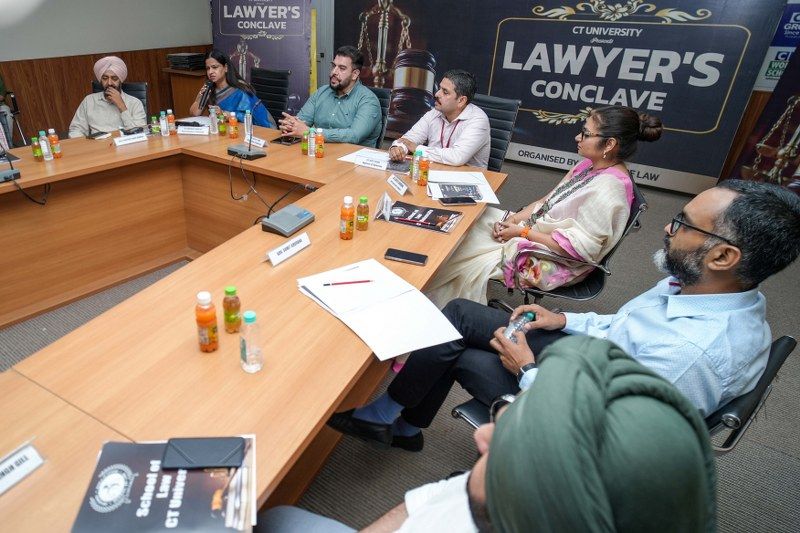
03 Jun, 2024
The School of Law at CT University recently hosted a Lawyers’ Conclave, bringing together esteemed legal professionals to deliberate on strategies for elevating the School of Law to the pinnacle of legal education in the Punjab region. This event served as a confluence of ideas, experiences, and foresight, aimed at charting a roadmap for the institution's future.Present at the session were Vice Chairman Mr. Harpeet Singh, Registrar Dr. Vipul Yadav, and Dean Academics and Principal of the School of Law, Dr. Simranjeet Kaur Gill.The conclave commenced with an inaugural session, graced by Dr. Simranjeet Kaur Gill, who welcomed the distinguished guests and highlighted the university’s commitment to excellence in legal education. She emphasized the importance of such interactions in bridging the gap between theoretical knowledge and practical application.The event featured several panel discussions with 15 senior advocates, each focusing on different aspects of legal education and practice. These discussions provided a platform for lawyers to share their insights and propose actionable strategies. One of the key speakers, Mr. PS Ghuman, ex-Vice President and senior advocate of District and Sessions Courts, Ludhiana, highlighted the need for innovative teaching methods such as case-based learning, moot courts, and legal clinics. These methods, he suggested, would engage students more effectively and enhance their analytical and critical thinking skills.Dr. Simranjeet Kaur Gill stated, "The Lawyers’ Conclave at the School of Law, CT University, was a significant step towards achieving the institution’s vision of becoming the leading law school in the Punjab region. The insights and recommendations from esteemed legal professionals provided a clear and actionable roadmap for the future. By implementing these strategies, the School of Law at CT University can enhance its curriculum, foster a robust research culture, build valuable collaborations, integrate cutting-edge legal technology, and engage its alumni network to provide an unparalleled legal education experience."The conclave concluded with a commitment to adopt the recommendations and strategies discussed, ensuring that the School of Law at CT University continues its journey towards educational excellence and becomes a beacon of legal education in the region.
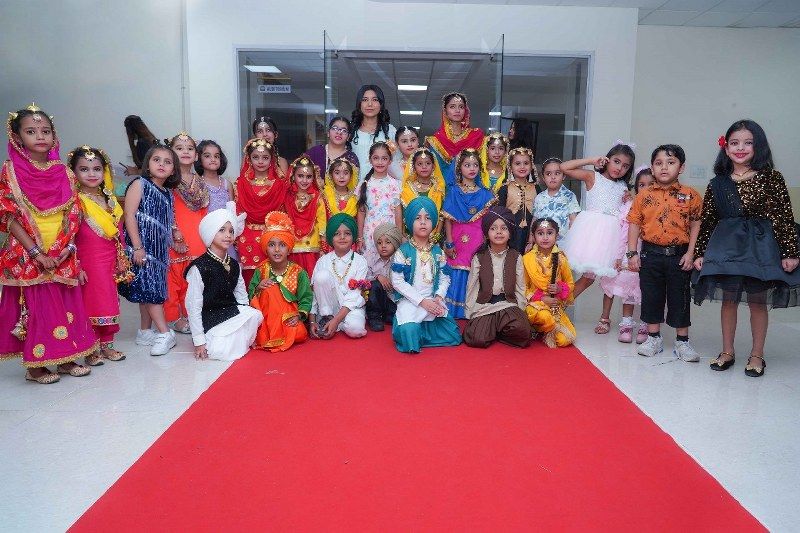
11 Jun, 2024
CT University hosted "The Talent Show - T2S 2024," organized by Bhanu Events & Production Pvt. Ltd. The event was a resounding success, with over 100 participants showcasing their remarkable talents in categories such as Fashion Show, Singing, Instrument Playing, Poetry, and Dance.The Talent Show brought together a vibrant community of young artists aged 4 to 17 years, who captivated the audience with their extraordinary performances. The judges, Simran Sangowal, Suraj Nahar, and Gourav Bohat, were impressed by the high level of talent and creativity displayed by the participants.The event was graced by the presence of special guests Davinder Singh, Director, Department Of Student Welfare ; Raman Bali, Sukhpal Singh, Nasir Mohammad, Manisha Sood, and Jasvir Kaur Sood, who added to the grandeur of the occasion."We are extremely proud of the participants who put on such an inspiring and entertaining show," said Bhanu Sood, Managing Director of Bhanu Events & Production Pvt. Ltd. "Their dedication and hard work were evident in every performance, and we are thrilled to have provided a platform for these young talents to shine."Davinder Singh, Director, Department Of Student Welfare, CT University added, "Hosting The Talent Show - T2S 2024 has been an honour for CT University. The energy and enthusiasm of the participants were truly contagious, and we are grateful to Bhanu Events & Production Pvt. Ltd. for organizing such a memorable event."
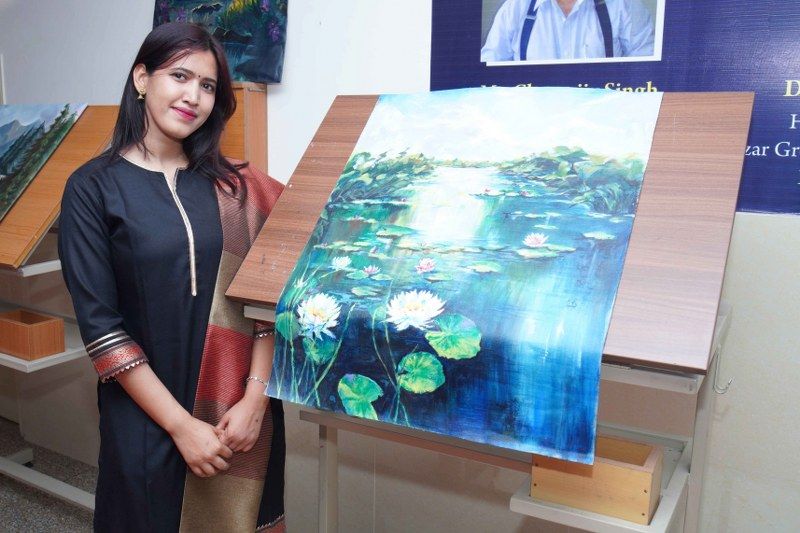
14 Jun, 2024
The Department of Design and Innovation at CT University proudly hosted its annual art exhibition, showcasing a stunning array of artworks created by the talented students from the Bachelor of Fine Arts (BFA) and Animation & Multimedia courses. The exhibition, held in the department's gallery, was organized under the guidance of Mr. Manan Sharma, Head of the Design and Innovation Department, and Ms. Mandeep Kaur, Assistant Professor and Chief Coordinator of the Art Exhibition 2024.This yearly event provides a platform for young artists to present their creative talents, reflecting the combined ingenuity of both students and faculty. The artworks on display addressed significant contemporary issues, including crimes against women and the effects of globalization, demonstrating the students' ability to engage with important societal themes through their art.The exhibition received an overwhelmingly positive response from visitors and art enthusiasts. The presence of distinguished guests, including Dr. Manbir Singh, Pro Chancellor of CT University; Vice Chairman Harpreet Singh ; Dr. Abhishek Tripathi, Vice Chancellor; Dr. Simran, Dean Academics; and Davinder Singh, Director of the Department of Student Welfare, added to the event's prestige.Several students were recognized for their exceptional contributions to the exhibition:Muskan received the Artist of the Year Award.Saloni was honored with the Excellence Award.The Best Work Awards were presented to Rajwinder Kaur, Chandon Mehta, and Gurnoor Singh.Commenting on the event, Dr. Manbir Singh, Pro Chancellor of CT University, said, “The annual art exhibition is a testament to the extraordinary talent and creativity of our students. It is inspiring to see how they address important societal issues through their art. We are proud to support and nurture their artistic journey, providing them with opportunities to showcase their work and develop their skills.”The exhibition offered students a remarkable opportunity to showcase their artwork, enhance their skills, and engage with new audiences. It also provided a platform for students to sell their custom artworks, adding a rewarding commercial aspect to their educational experience.
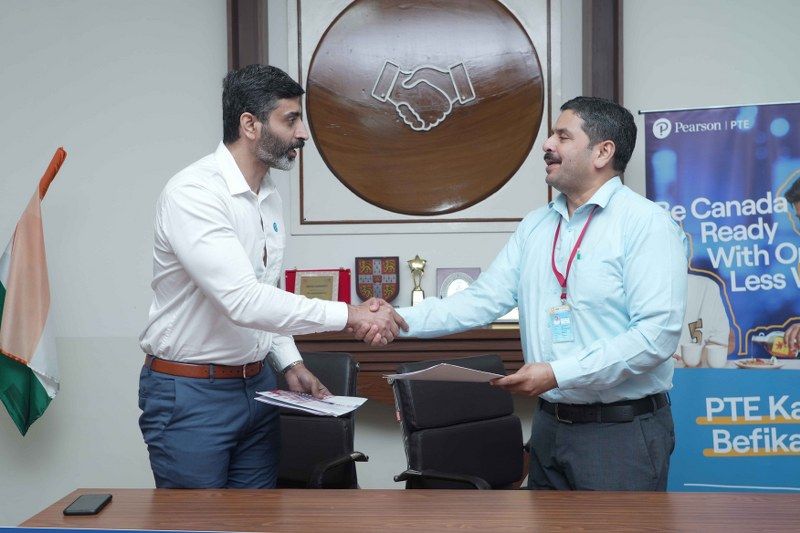
17 Jun, 2024
CT University is pleased to announce a new partnership with Pearson, the world’s leading learning company. This memorandum of understanding (MoU) will provide Pearson Test of English (PTE) learning resources to CTU students, equipping them for English proficiency assessments and helping them achieve their dreams of studying abroad.Through this association, Pearson and CTU will offer a range of benefits to students, including applicable student discounts on PTE, access to offline practice materials, PTE Train (the trainer sessions for faculties), informative seminar/webinar sessions, and access to B2B partner portals. Additionally, students will have access to Pearson PTE's cutting-edge educational resources, including official guides and score practice tests, further assisting their study abroad journey.Dr. Abhishek Tripathi, Vice Chancellor, CT University, stated, “At CT University, we are driven by a steadfast commitment to innovation, transformation, and excellence in education. Our vision is to nurture the next generation of global leaders who are equipped to tackle the challenges of tomorrow. Through our partnership with Pearson PTE, we continue to pave the way for our students' success, empowering them to realize their dreams and make a positive impact on society.”Prabhul Ravindran, Director of English Language Learning at Pearson India, said, “It is a delight to partner with CT University. Our mission is to empower students at CT University by enhancing their English language skills. We are committed to equipping these students to pursue global opportunities and achieve their academic and professional goals.”
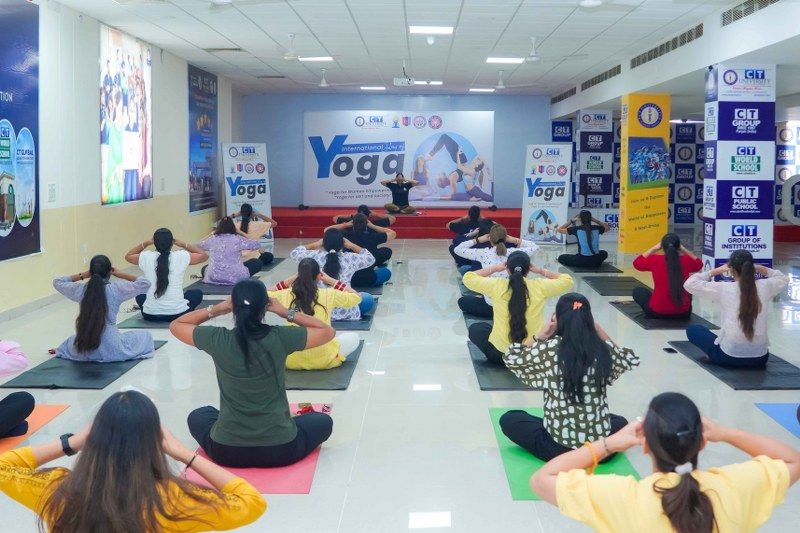
21 Jun, 2024
CT University’s Department of Student Welfare celebrated International Yoga Day with an enriching yoga session led by the esteemed Dr. Seema Parihar. The session saw enthusiastic participation from the faculty members, who embraced the path to holistic wellness and mindfulness.The event focused on this year’s theme, "Yoga for Self and Society," symbolizing the comprehensive benefits of yoga for individual well-being and societal harmony. Dr. Parhar’s guidance highlighted the transformative power of yoga, particularly in the context of women empowerment. It created an atmosphere of tranquillity and rejuvenation, emphasizing the importance of yoga in daily life.Pro Chancellor Dr. Manbir Singh graced the occasion, encouraging the audience to adopt yoga as a daily routine. He emphasized that regular yoga practice is essential for maintaining fitness and enhancing the immune system, contributing to a healthy life.Director of the Department of Student Welfare, Er. Davinder Singh, said “Yoga is a transformative practice that brings harmony and well-being to individuals. It is essential for us to incorporate yoga into our lives to promote physical, mental, and spiritual balance."The event was graced by Pro Chancellor Dr. Manbir Singh, Vice Chancellor Dr. Abhishek Tripathi, and Director of the Department of Student Welfare, Er. Davinder Singh.
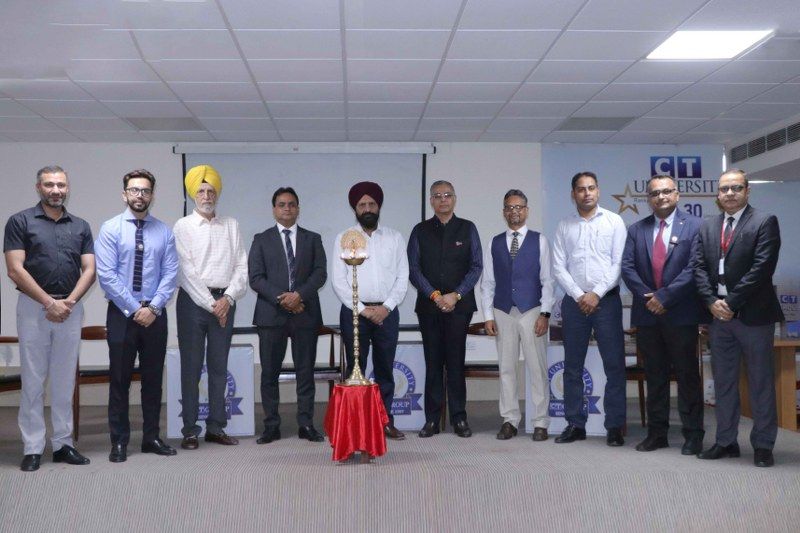
27 Jun, 2024
CT University organized its first exclusive Industry-HR conclave titled “Adapting to Evolving Markets through Skill Development and Knowledge Exchange.” The event aimed to foster collaboration, innovation, and growth within Punjab's business community, providing a platform for sharing insights, networking, and exploring new opportunities.The conclave saw an overwhelming response with 75 + HR professionals, executives, entrepreneurs, and business owners in attendance. Eminent figures from various industries in Ludhiana contributed to the event's success.The primary objectives of the conclave were to facilitate networking, encourage knowledge sharing, promote innovation, support local economic growth, and highlight CT University's resources. Keynote addresses, panel discussions, and workshops led by industry experts were central to achieving these goals.Distinguished guests included Chief Guest Mr. Upkar Singh, President of CICU and MD of New Swan Cycles, and Guest of Honor Mr. Honey Sethi, General Secretary, and CEO of Avighan AB Steels. Special guests and speakers included industry leaders such as Mr. Deepak Marwaha, Mr. Gagnish Singh Khurana, Mr. Dwarka Dass, Mr. Ripti Sharma, Mr. Sidhant Sehgal, and Mr. Dilbagh Singh. The panel featured prominent figures like Dr. Deepak Jain, Mr. Varun Sharma, Mr. B.R. Pillai, Dr. S.B. Singh, Mr. S.D. Yadav, Ms. Savita Koul, and Ms. Jyoti Kapoor.The event was sponsored by Avon Cycles Limited, CICU, Finstem Group and Aryana Bakery. Their support was instrumental in ensuring the conclave's success. On this Occasion Chancellor Charanjit Singh Channi, Pro Chancellor Dr. Manbir Singh, Vice Chancellor Dr. Abhishek Tripathi; Mr. Rajesh Kapoor (Director Corporate Resource Cell), Ms. Harkamal (Assistant Manager Corporate Resource Cell), Mr. Rajveer Singh (Manager Industry Connect) were present.
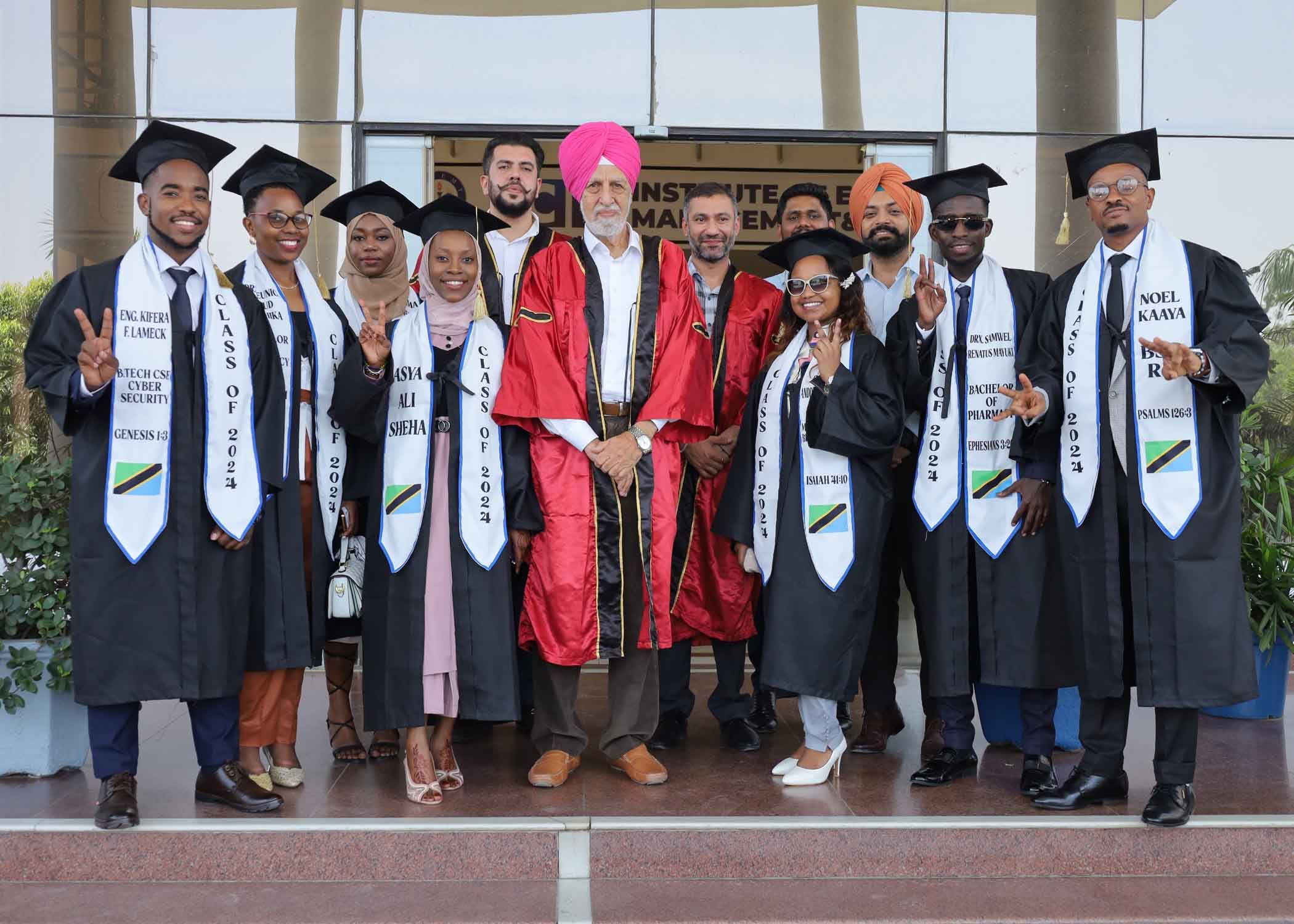
29 Jun, 2024
CT University proudly hosted an esteemed graduation ceremony to honor the academic achievements of 75 Tanzanian students from the class of 2024. This momentous event, organized by the Department of Student Welfare, was a celebration of both scholastic excellence and cross-cultural unity.The ceremony was distinguished by the presence of the Ambassador of Tanzania to India, H.E. Ambassador Anisa Kapufi Mbega, who graced the occasion as the chief guest. The university's top leadership, including Chancellor Charanjit Singh, Vice Chairman Harpreet Singh, and Director of Student Welfare Davinder Singh, were also in attendance, reflecting the importance of this significant milestone.Chancellor Charanjit Singh and Vice Chairman Harpreet Singh extended their warmest congratulations to the graduates. In their remarks, they expressed immense pride in the students' accomplishments and optimism for their futures. They highlighted the profound impact of cultural exchange, noting how the integration of international students enriches the university community and strengthens global ties.Chancellor Charanjit Singh said, "We are immensely proud of our Tanzanian students and their achievements. The cultural exchange that occurs when students from different countries come together enhances our collective sense of brotherhood and global citizenship."Vice Chairman Harpreet Singh added, "We wish our graduates a bright and successful future. Their presence at CT University has not only contributed to their personal growth but also to the enrichment of our campus community."
09 Jul, 2024
CT University is proud to announce the ongoing success of its Certificate Program in Foundation Skills for Higher Education, a transformative initiative specifically designed for students who have recently appeared for or passed their 10th and 12th-grade exams. Since its inception on April 15, the program has successfully run four batches and continues to attract students.This comprehensive three-week program is meticulously crafted to provide an experiential and enjoyable learning experience. It aims to equip students with essential skills across various domains, including academic and professional fields, language abilities, and interpersonal skills. The program also offers comprehensive guidance on career planning and job readiness, ensuring students are well-prepared for their future professional endeavours.Beyond academic development, the Foundation Skills for Higher Education program focuses on instilling confidence and equipping students with the skills required to excel in their academic and professional journeys. Through hands-on activities, interactive workshops, and practical applications, students gain valuable insights and practical knowledge that will set them apart in their future prospects.The program also emphasizes cultural awareness and sensitivity, exposing students to diverse cultural practices and traditions. Additionally, the program includes orientations in the National Service Scheme (NSS) and National Cadet Corps (NCC), promoting holistic development and community engagement.The Valedictory Ceremony, a vibrant celebration marking the successful completion of the Foundation Program, witnessed the presence of Vice Chancellor Dr. Abhishek Tripathi and Dean Academics Dr. Simran who motivated and encouraged the students with his inspiring words. The Head of the Professional Enhancement Cell, Ms. Sudhashree Parvati, Ms. DeePreet Kaur, and her dedicated team played a crucial role in the successful execution of the program.
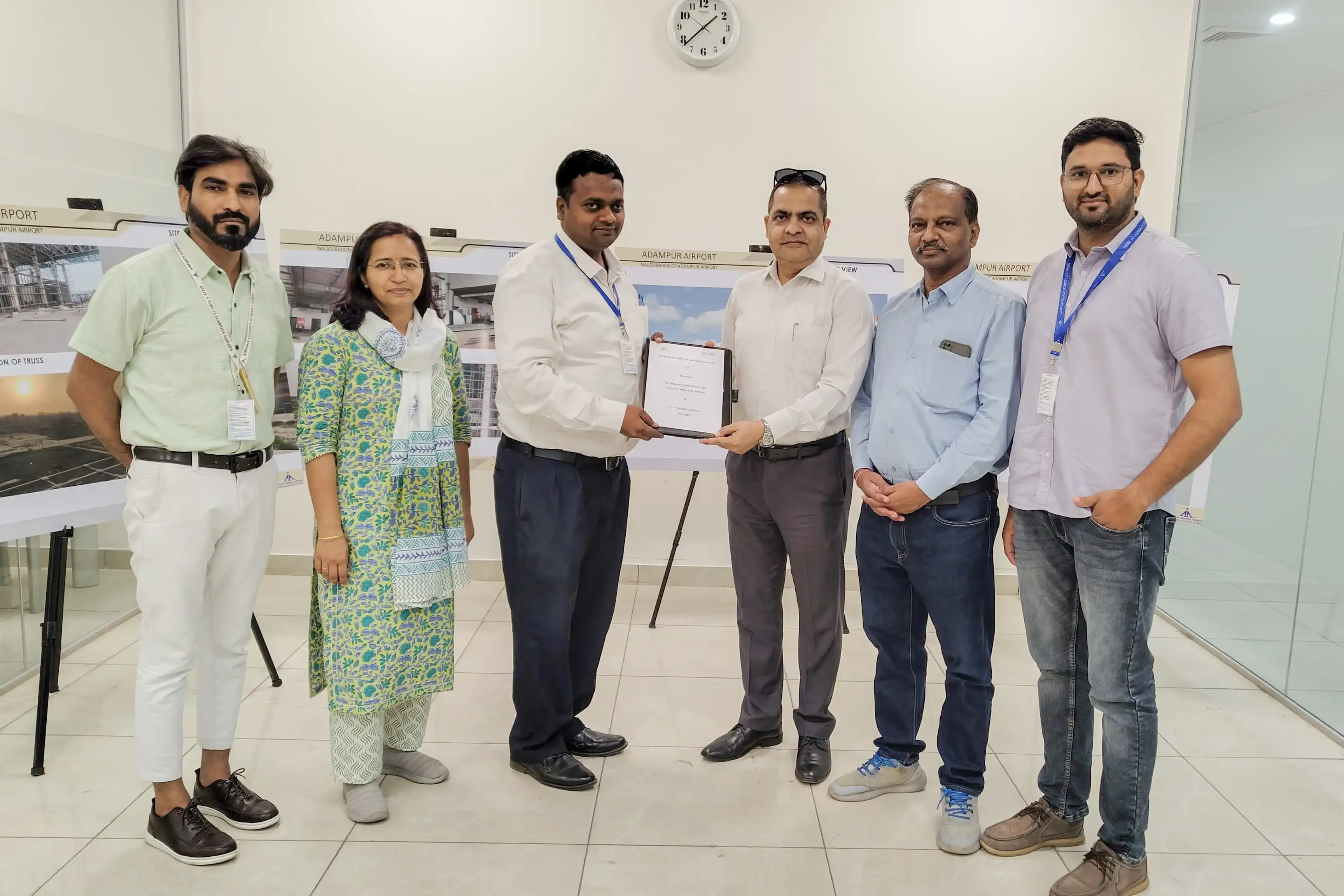
05 Jul, 2024
CT University proudly announces the signing of a Memorandum of Understanding (MoU) with the Airport Authority of India (AAI) to offer exceptional training opportunities for students under the prestigious "Pradipti" program.The MoU was signed by Mr. Girish Kumar, General Manager of HR at AAI, and Mr. Sanjay Khanduri, Registrar at CT University. This initiative, supervised by the Director of the Career Resource Center (CRC) Rajesh Kapoor at CT University, aims to enhance the practical skills and industry readiness of students.Students will undergo rigorous training at various airports managed by AAI, gaining firsthand experience in airport operations, management, and allied services. The "Pradipti" program bridges the gap between academic learning and real-world application, exposing students to cutting-edge practices and technologies in the aviation sector.Mr. Sanjay Khanduri expressed enthusiasm about the collaboration, stating, "This MoU will open new avenues for our students, offering them invaluable exposure and hands-on training in one of the most dynamic sectors. We look forward to a fruitful collaboration that benefits both the students and the aviation industry."The first batch of students will begin training on 8th July 2024 at airports including Amritsar, Chandigarh, Kangra, Ludhiana, Shimla, Adampur, and Bhatinda. CT University and AAI are committed to ensuring the program's success, providing students with a comprehensive learning experience and preparing them for promising careers in the aviation sector.
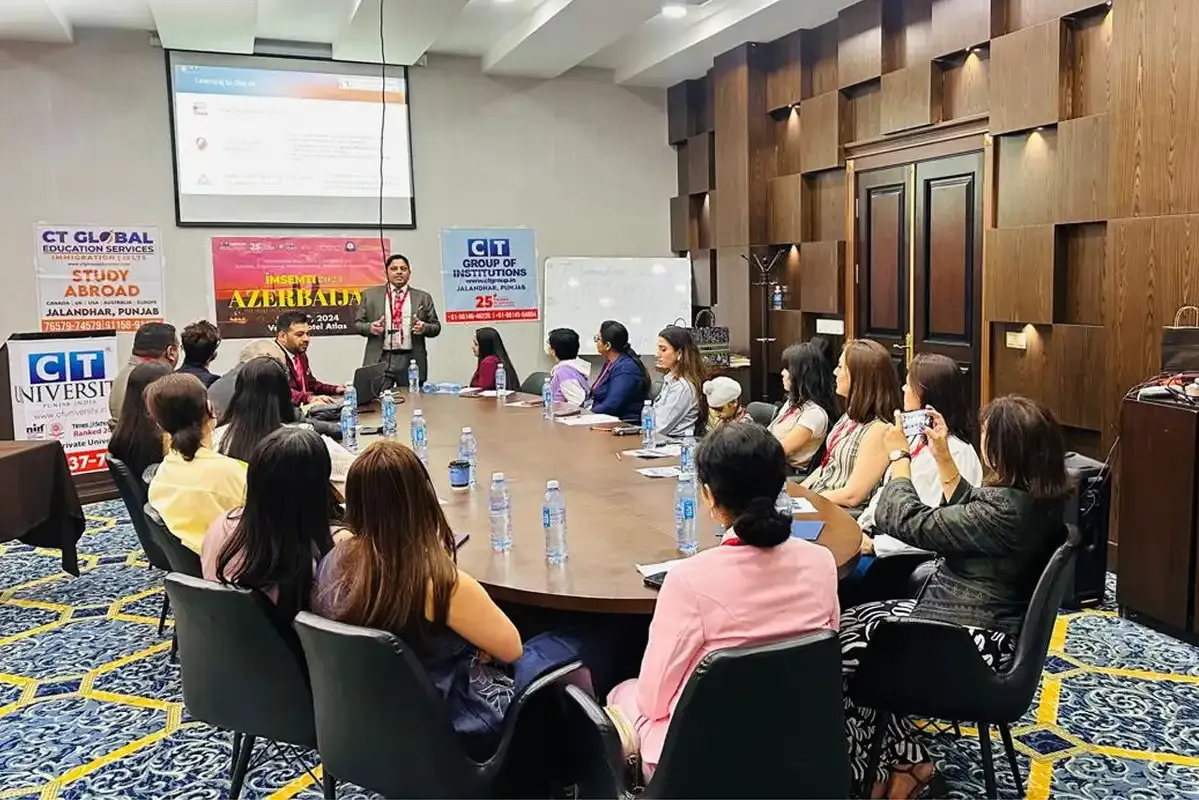
12 Jul, 2024
CT University, Ludhiana, CT Group of Institutions, and City University Ajman, in collaboration with Azerbaijan State University of Economics (UNEC), successfully organized the 7th International Multi-Track Conference on Sciences, Engineering, Management, and Technical Innovations (IMSEMTI) 2024 in Azerbaijan. This conference provided an exceptional platform for academicians, research scholars, and experts from various disciplines to gather in a hybrid format.The conference was conducted in both online and offline modes, with approximately 120 participants joining online from countries including the UAE, India, and Azerbaijan, while nearly 50 participants attended in person in Azerbaijan. The event showcased a diverse range of scholarly papers from fields such as Medical Sciences, Environmental Studies, Commerce, Management, Humanities, Engineering, and Technical Innovation.Dr. Shahla Gahramanova, Associate Professor at the Department of Business Administration, Azerbaijan State University of Economics (UNEC), served as a keynote speaker and session chair. Dr. Varinder Singh Rana, Department Chair of Hospitality and Tourism Management and Deputy Director of Research at City University, Ajman, also contributed as a keynote speaker and session chair. Other distinguished guests included Dr. Rajesh Kumar, Principal of DAV College, Jalandhar; Dr. Meeta Seta, Principal In-Charge of Patuck Gala College of Commerce and Management; Mr. Punit Puri, Head of the Department of Zoology at DAV College; and Ms. Jasmeet Kaur from Chitkara University.Dr. Shahla Gahramanova and Dr. Varinder Singh Rana opened the conference by emphasizing the significance of such gatherings in fostering innovation and collaboration among global scholars. Their participation, along with that of many distinguished researchers, underscored the event's high caliber. Participants praised the conference for bringing together a diverse group of thinkers and practitioners, enabling a rich exchange of ideas and insights. This year’s event was noted for its inclusivity, providing every participant with a platform to share their thoughts and opinions.CT University's Pro Chancellor Dr. Manbir Singh, Joint Managing Director Tanika Channi, and CT Group of Institutions' Deputy Director CCPC Dr. Nittan Arora were also present, lending their support to the conference and reinforcing CT University's commitment to academic excellence and global collaboration. Previous IMSEMTI conferences held in Dubai, Malaysia, Singapore, and Vietnam have each offered unique experiences.
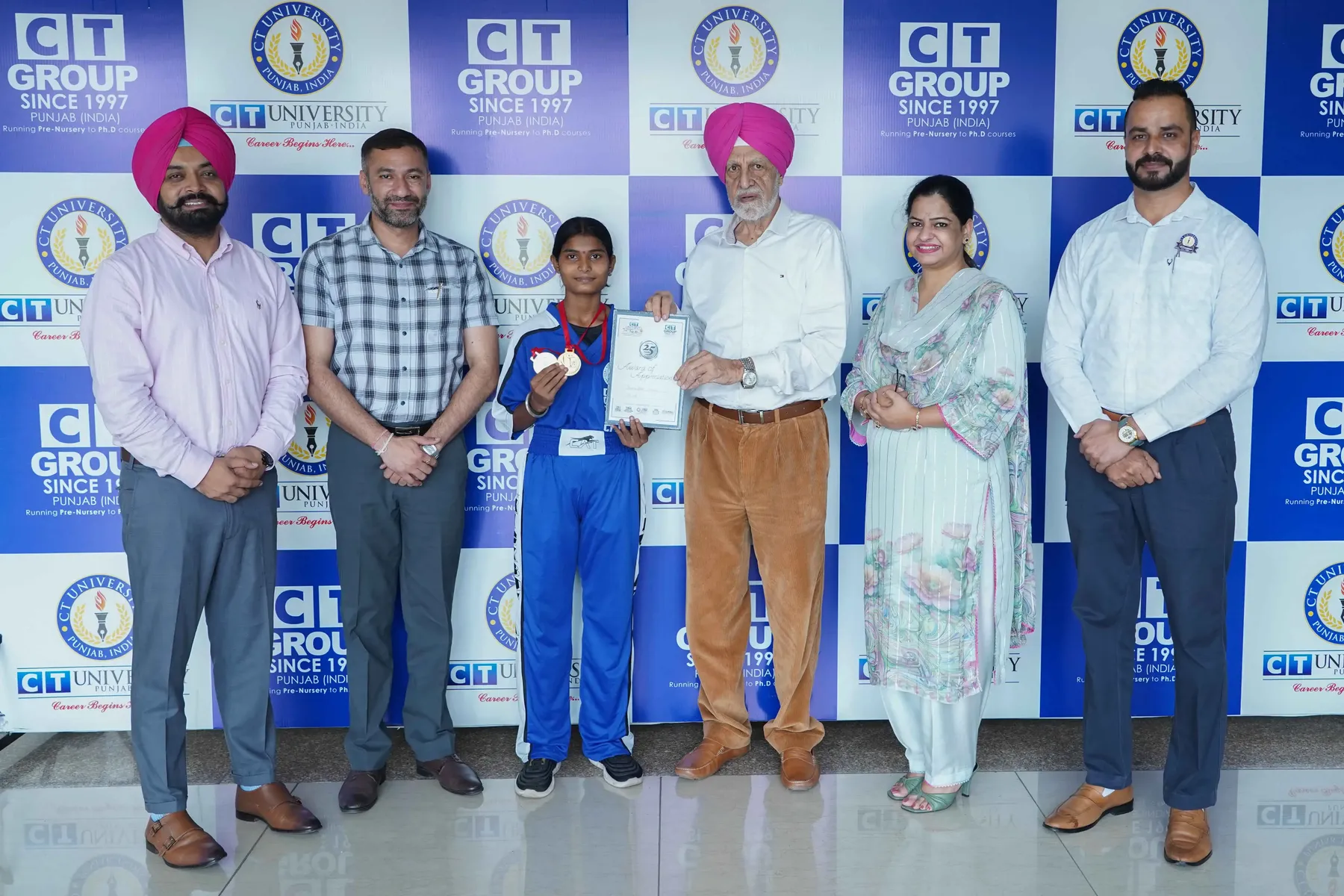
15 Jul, 2024
CT University is proud to announce the outstanding performance of Ms. Jashandeep Kaur at the 21st Punjab State Senior Kickboxing Championship. Demonstrating exceptional skill and dedication, She has secured two gold medals in the Kick Light and Point Fight events in the 45kg weight category.Her remarkable achievement has earned her a place in the National Kickboxing Championship to be held in Goa, further underscoring her talent and hard work.Charanjit Singh Channi, Chancellor of CT University, has extended his heartfelt congratulations to Ms. Jashandeep Kaur and the Sports department for this significant accomplishment. He expressed his pride in her achievements and wished her the best as she prepares for the National Championship in July 2024.Dean Academics Dr. Simran, Executive Director Dr. Nittin Tondon, and Director of the Department of Student Welfare Davinder Singh , Head Sports Gurdeep Singh Gill also extended their congratulations to Ms. Jashandeep Kaur , acknowledging her dedication and the positive representation she brings to CT University.
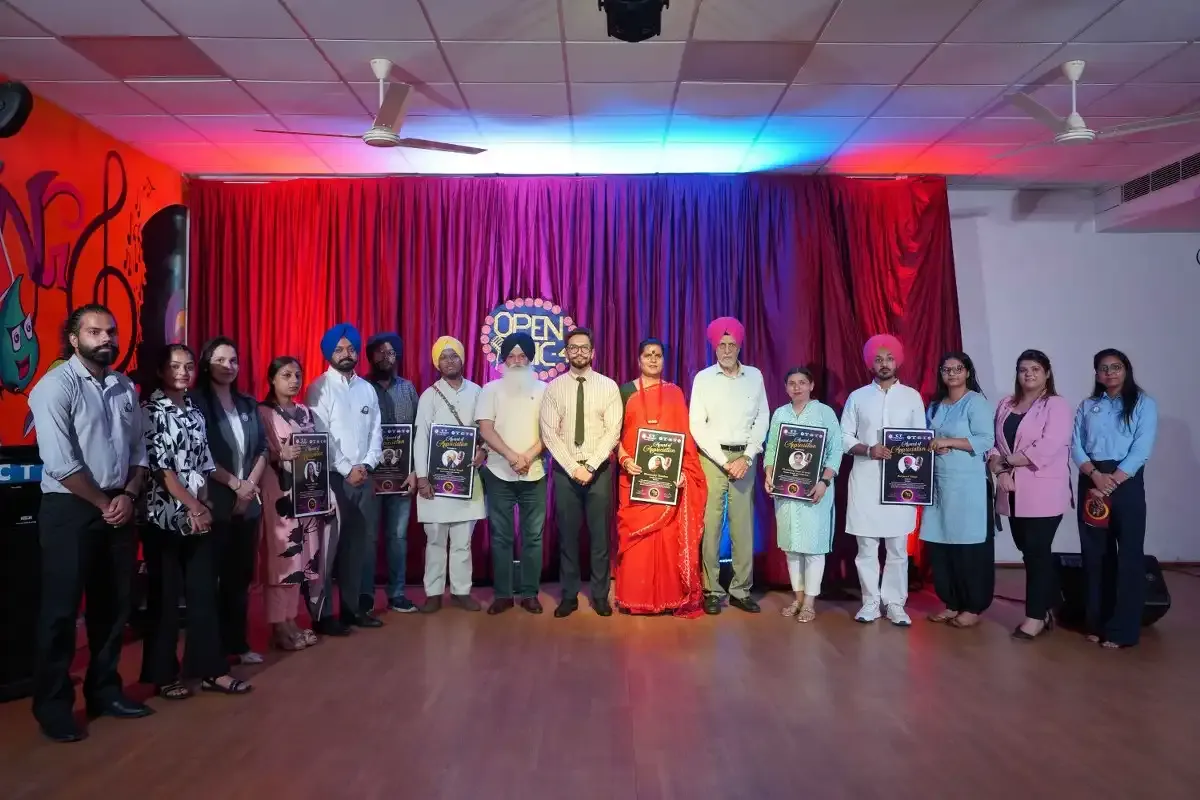
19 Jul, 2024
CT University, renowned for fostering a culture of inspiration and growth, held it’s highly anticipated 'Open Mic Season 4' event, gathering remarkable individuals from diverse backgrounds to share their motivational stories. Organized by the Department of Student Welfare, the event provided a platform for those who have made significant contributions to society, allowing them to share their life struggles, challenges, and triumphant accomplishments.The event witnessed an enthusiastic audience eagerly listening to the inspiring narratives of nine exceptional speakers. Each speaker shared their unique journey, serving as a beacon of hope for those in attendance.The esteemed Guest of Honour, Charanjit Singh Channi, Chancellor of CT University, Ludhiana, graced the occasion with his esteemed presence. On this occasion, Dr. Manbir Singh, Pro Chancellor; Davinder Singh, Director, Department of Student Welfare; and faculty were present.The line-up of speakers featured remarkable personalities, each leaving an indelible mark on the audience:Harminder Singh: Asia Gold Medallist: Harminder Singh shared his journey of achieving excellence in athletics, emphasizing the importance of perseverance and dedication.Simar Singh: World's Youngest Sikh Historian : Simar Singh captivated the audience with his deep insights into Sikh history and the significance of preserving cultural heritage.Ekamdeep Kaur Grewal: Adoption Incharge, SGB Children's Home: Ekamdeep Kaur Grewal spoke about her passionate work in child adoption and the transformative power of providing a loving home to children in need.Mandeep Singh: Restaurant Owner known as Veerji Bullet Vale : Mandeep Singh, popularly known as Veerji Bullet Vale, recounted his entrepreneurial journey, highlighting the challenges he overcame to establish his successful restaurant business.Dhananjay Chauhan: Transgender Activist : Dhananjay Chauhan shared her powerful story of advocating for transgender rights and the importance of acceptance and inclusivity in society.Aman Kaur Bhatia: Motivational Speaker and Life Coach : Aman Kaur Bhatia inspired the audience with her motivational speech on personal development, resilience, and the pursuit of one's dreams.Harpreet Singh: YouTuber: Harpreet Singh discussed his journey as a content creator, the impact of digital media, and how he uses his platform to spread positivity and awareness.Gurpreet Singh: Social Worker (Manukhta Di Sewa): Gurpreet Singh shared his experiences in social work, particularly focusing on his initiatives to serve humanity and uplift underprivileged communities.Reena Kalyan: Social Worker : Reena Kalyan spoke about her dedicated efforts in social service, emphasizing the importance of compassion and community support in creating a better society.Expressing gratitude to the speakers, CT University’s Chancellor Charanjit Singh Channi conveyed his heartfelt appreciation for their willingness to share their life-inspiring stories, acknowledging the profound impact they had on the audience.
23 Jul, 2024
In a significant move towards promoting sustainable practices, CT University has embraced the Council of Scientific and Industrial Research's (CSIR) 'Wrinkles Achhe Hain (WAH)' campaign. Inspired by CSIR's initiative encouraging individuals to wear unironed clothes on Mondays, CT University has launched 'Wrinkled Tuesday' to further support the cause of reducing carbon emissions.The inaugural 'Wrinkled Tuesday' saw enthusiastic participation from the CT University workforce, who pledged their support by donning unironed clothes. This simple yet impactful act aims to raise awareness about the environmental benefits of reducing ironing, which contributes to the emission of approximately 200 grams of carbon dioxide per set of clothes. By opting for non-ironed attire, individuals can significantly reduce their carbon footprint, making a meaningful contribution to environmental conservation.Dr. Abhishek Tripathi, Vice Chancellor of CT University, expressed his wholehearted support for the campaign, stating, "Collective efforts are crucial in conserving energy and protecting our environment. Initiatives like 'Wrinkled Tuesday' not only promote sustainability but also instill a sense of responsibility towards our planet among the community."The event was graced by the presence, Dean Academics Dr. Simran, and Director of Student Welfare Davinder Singh, who actively participated in the campaign activities, showcasing their commitment to this green initiative.
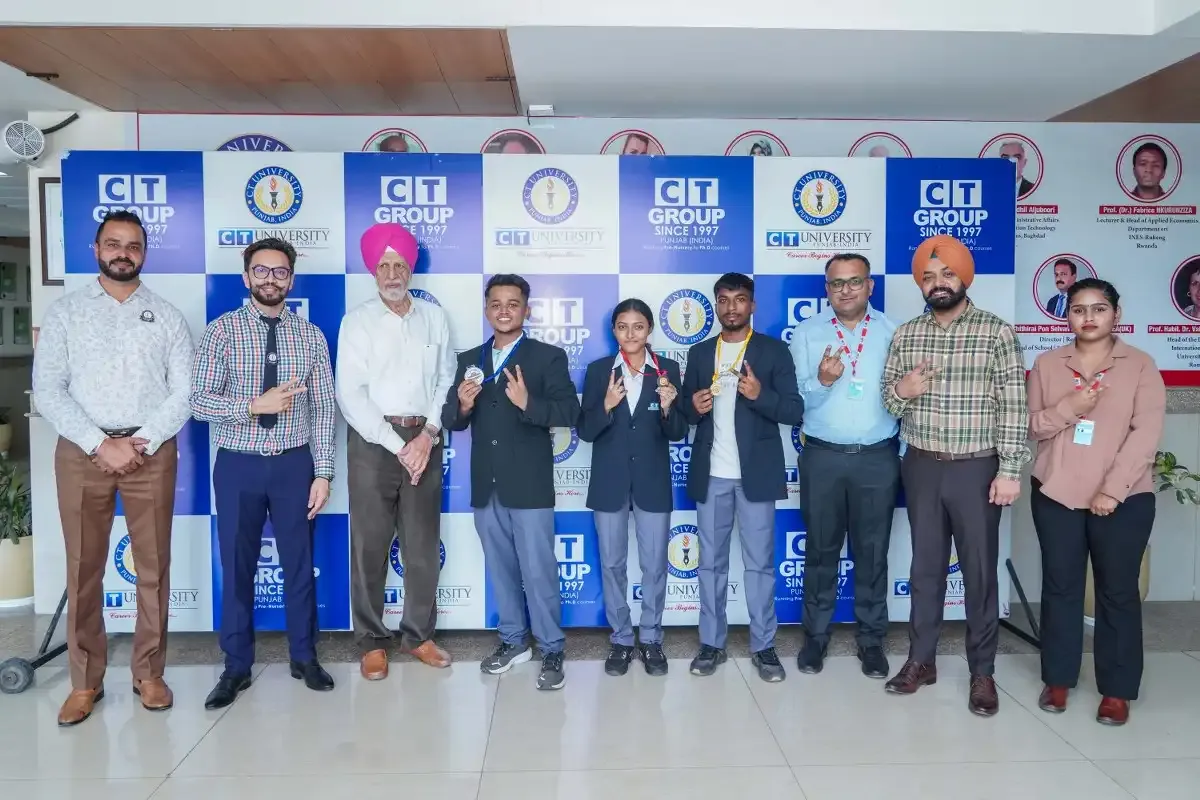
25 Jul, 2024
CT University has honoured its athletes for their exceptional achievements during the 2023-24 sports year. The university's commitment to excellence was highlighted by the impressive accomplishments of its students.At the AIU Championships, Ms. Deepika and Mr. Sagar won gold medals in Wushu, while Mr. Saptarshi and Ms. Byas Nath secured bronze medals in Karate. Gold medalists received Rs. 25,000 each, and bronze medalists were awarded Rs. 15,000 each.Additionally, CT University athletes earned 1 international medal, 3 national medals, 5 AIU and zonal medals, and 8 state-level medals. In Khelo India selections, three male players and one female boxer were ranked among the top 8.Vice Chairman Harpreet Singh remarked, “The outstanding achievements of our athletes reflect their dedication and hard work. We are immensely proud of their success and are committed to supporting their continued excellence.”On this Occasion, Vice Chancellor Dr. Abhishek Tripathi; Director, Department of Student Welfare Davinder Singh, Head Sports Gurdeep Singh Gill were present.
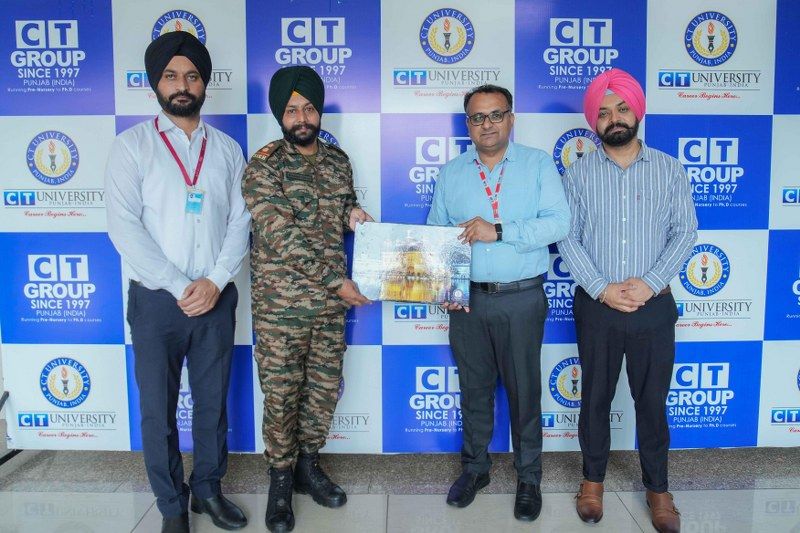
26 Jul, 2024
In commemoration of Kargil Vijay Diwas, Department of Student Welfare and the NCC (National Cadet Corps), CT University hosted a distinguished guest lecture delivered by Subedar Bikram Singh, 3 Punjab Battalion NCC, Ludhiana.The lecture, aimed to honor the valor and sacrifices made by the armed forces during the Kargil War. Subedar Bikram Singh an esteemed officer with extensive experience, shared insightful perspectives on the strategic significance of the Kargil conflict and its impact on national security. The session was a profound tribute to the bravery of soldiers and a valuable educational experience for students and faculty alike.The event was attended by faculty members, and NCC cadets, all of whom gained a deeper understanding of the challenges faced during the Kargil conflict and the lessons learned from it. The engaging lecture fostered a sense of patriotism and respect for the nation's defense forces.CT University extends its gratitude to SubedarBikram Singh for his valuable contribution and to the Department of Student Welfare and NCC for organizing this enlightening session. The university remains committed to promoting awareness and education on significant historical events that shape our national identity.On this Occasion Director, Department of Student Welfare Davinder Singh was present.
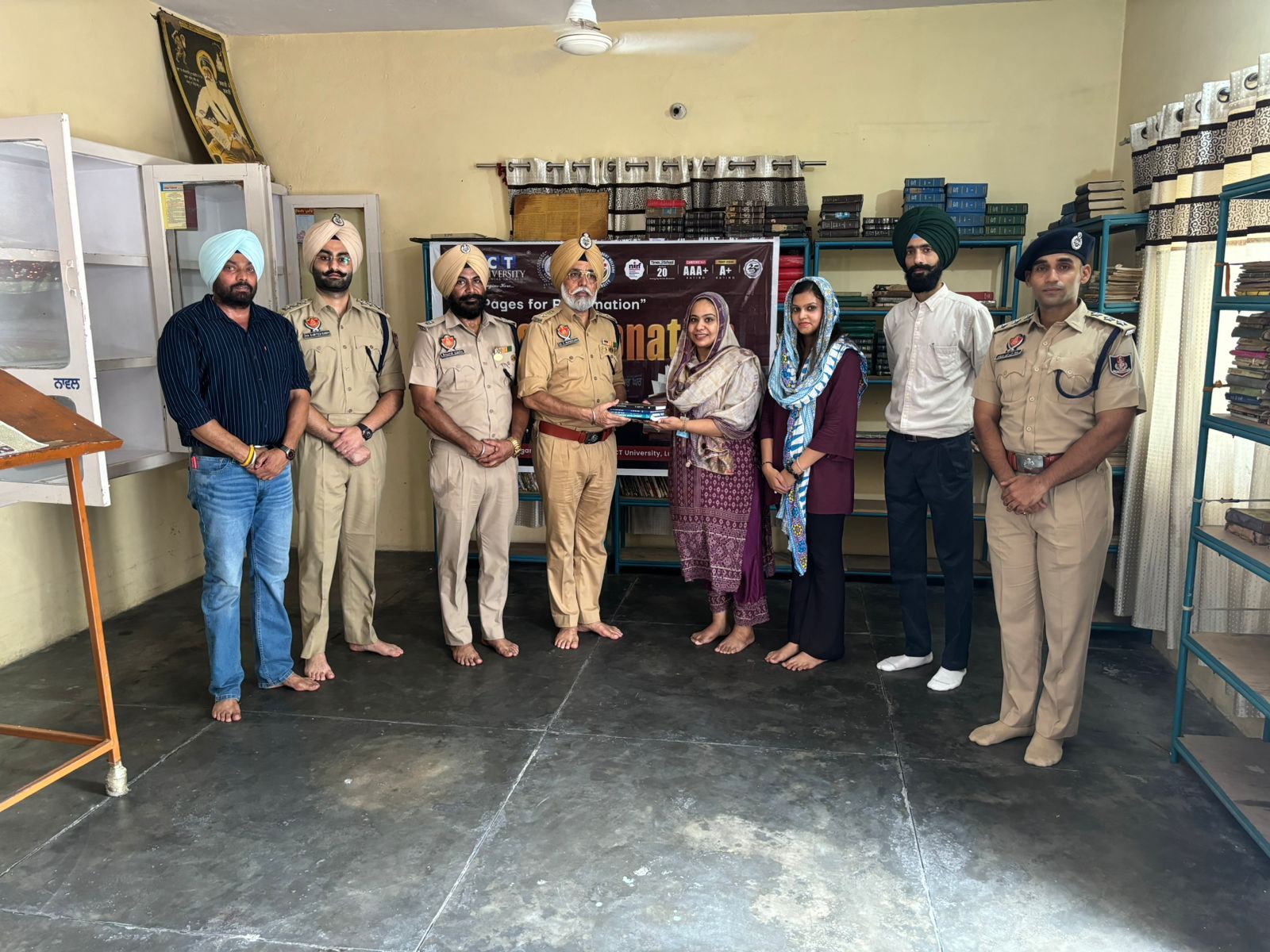
31 Jul, 2024
The School of Law at CT University, Ludhiana, organized a significant book donation drive as part of the 'Page for Prisoners' initiative, aimed at enhancing educational opportunities for inmates at Central Jail Ludhiana. The donation was warmly received by the Superintendent of Central Jail Ludhiana, alongside the Deputy Superintendent of Police, marking a meaningful step in the university’s ongoing commitment to social responsibility and community engagement.This initiative, led by Vice Chancellor Dr. Abhishek Tripathi, Dean Academics Dr. Simran, and Director, Department of Student Welfare, Davinder Singh, saw enthusiastic participation from the faculty members. Their collective efforts underscore the transformative power of education in creating a more inclusive and informed society.Dr. Simran highlighted the impact of the initiative, stating, "Reading not only enhances academic excellence but also nurtures creativity, critical thinking, and empathy. We commend our faculty for their enthusiastic participation in this initiative."
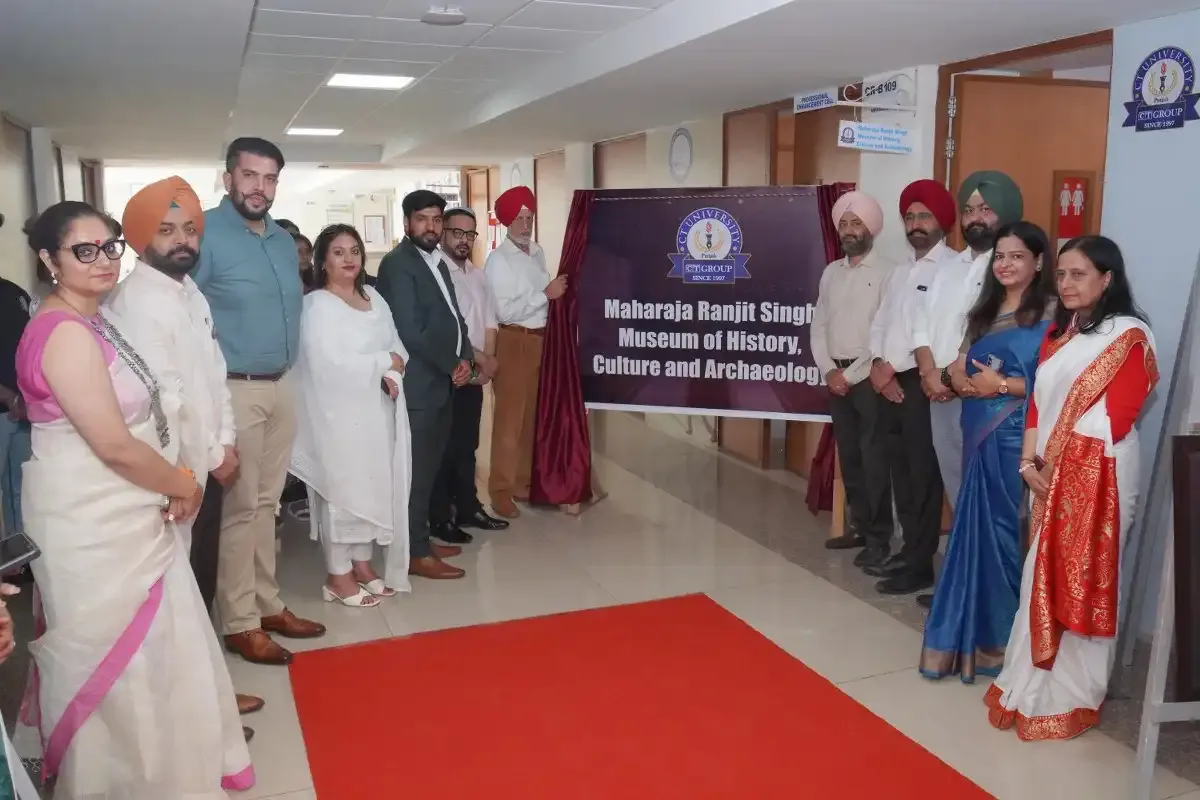
03 Aug, 2024
The Department of Humanities and Physical Education at CT University proudly inaugurated the Maharaja Ranjit Singh Museum of History, Culture, and Archaeology. The museum was unveiled in the esteemed presence of Chairman Charanjit Singh Channi, Vice Chairman Mr. Harpreet Singh, Vice Chancellor Dr. Abhishek Tripathi, and Dean Academics and Principal of the School of Law, Dr. Simranjeet Kaur Gill, alongside the Davinder Singh, Director of the Department of Student Welfare.The dignitaries, along with other guests, took a walkthrough of the museum, which offers a rich and immersive encounter with history, showcasing the journey from the past to the present. Chancellor Charanjit Singh Channi emphasized the significance of museums, stating, "Museums collect and preserve objects and materials of religious, cultural, and historical value. They are a vital source of knowledge, preserving the achievements of the past through sculptures, coins, pottery, and more."Vice Chancellor Dr. Abhishek Tripathi highlighted that museums play a crucial role in preserving and promoting cultural heritage. Dr. Simranjeet Kaur Gill echoed this sentiment, adding, "Museums are the guardians of our collective human experience. This museum presents information about the past in a chronological order, ensuring that our history is well preserved and understood."The Maharaja Ranjit Singh Museum, designed by Dr. Seema Parihar, Associate Professor of History, boasts over 200 esteemed artifacts, including pottery, sculptures, terracottas, coins, and other metalwork, which collectively showcase the development of art and architecture across different periods of history. The museum also features a Wall of National Movement, highlighting the struggle for independence, as well as a stunning display of student artwork from various streams including BA, BA Hons, and BALLB. This artwork, in the form of assignments, fabric paintings, and other projects, reflects the creativity and academic prowess of CT University’s students.
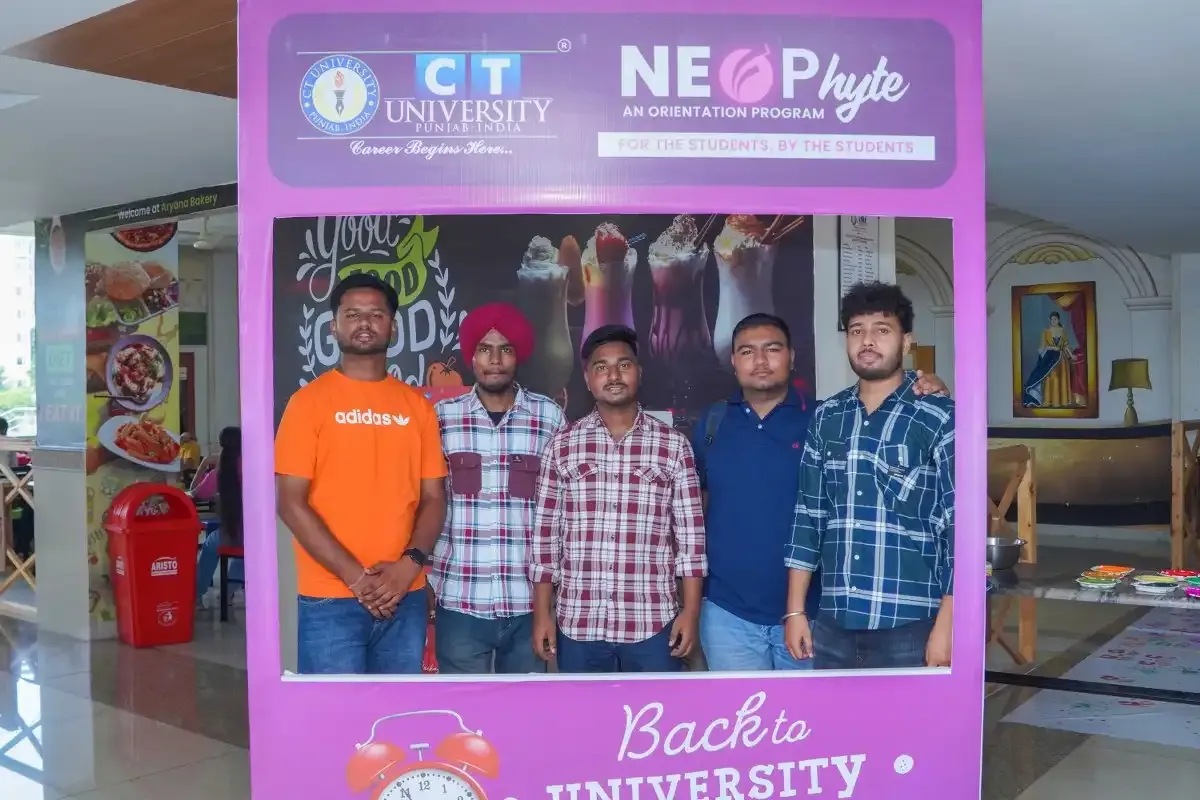
05 Aug, 2024
CT University successfully wrapped up its grand two-day orientation program ‘NEOPHYTE’, welcoming over 2000 new students to the campus. The event was a vibrant introduction to the university’s dynamic academic and cultural environment, marking the beginning of an exciting journey for the incoming batch.The program commenced with a formal welcome by Dr. Manbir Singh, Pro Chancellor, who extended his warm regards to the new students, emphasizing the university's commitment to holistic education. Vice Chairman Mr. Harpreet Singh also welcomed the new students, expressing his delight at seeing so many bright and enthusiastic individuals ready to embark on their educational journey at CT University.Dr. Abhishek Tripathi, Vice Chancellor, encouraged students to excel both academically and personally, while Dr. Nittin Tondon, Pro Vice Chancellor, highlighted the importance of discipline and determination. Mr. Sanjay Khanduri, Deputy Registrar, also addressed the students, emphasizing the support available to them.Dr. Simranjeet Kaur Gill, Dean of Academics, provided an overview of academic rules and regulations, ensuring students were informed about university expectations.The program featured an impactful skit on anti-ragging, reinforcing the university’s zero-tolerance policy. Mr. Rajesh Kapoor, Director of Corporate Resource Centre, discussed the numerous placement opportunities available to students, while Mr. Pradip Kumar Yadava, Controller of Examinations, briefed them on examination rules. Er. Davinder Singh, Director of Student Welfare, showcased the vibrant student life at CT University.New Students Joined "Ek Ped Maa Ke Naam": Each new student planted a tree as part of this initiative, symbolizing growth and responsibility.Chancellor Charanjit Singh Channi welcomed the students, saying, "This orientation marks the beginning of a transformative journey at CT University, where you will gain knowledge, build character, and embrace the opportunities ahead."The event concluded with vibrant cultural performances, reflecting the university's rich diversity and spirit.
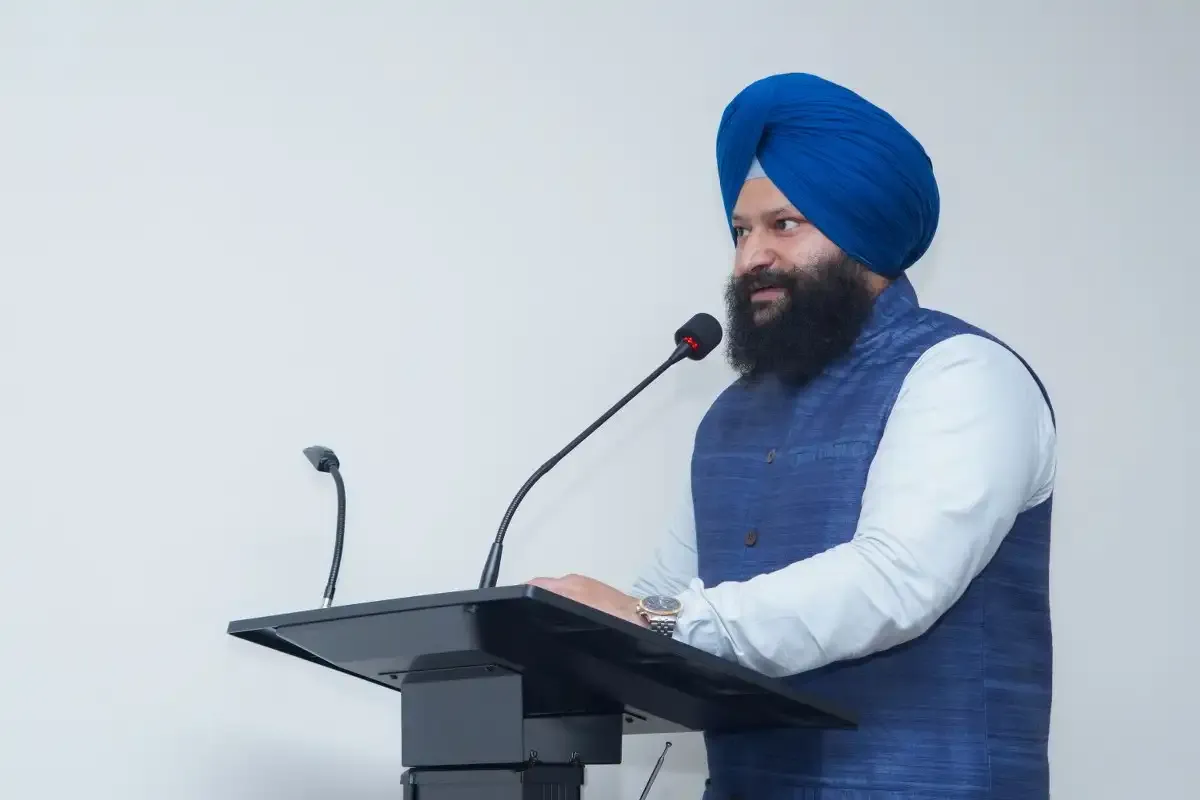
10 Aug, 2024
In commemoration of the 555th anniversary of Guru Nanak Dev Ji's birth, CT University recently organized a thought-provoking guest lecture titled "Guru Nanak: A Pioneer of Social, Political, and Spiritual Revolution." The event was held under the auspices of the Guru Nanak Chair and the Dean Research Office. The lecture was delivered by the distinguished Dr. Manpreet Singh, Professor and Head of the Guru Gobind Singh Study and Research Department at Lamrin Tech Skill University, Punjab. Dr. Singh, who has an illustrious academic and spiritual background, has previously served as a guest lecturer at Central University of Kashmir, J & K, and Guru Nanak Dev University, Amritsar. He is also the Head Preacher at DSGMC, where he regularly gives Katha discourses at prominent Gurdwaras, including G. Bangla Sahib, G. Sis Ganj Sahib, and G. Manji Sahib (Sri Darbar Sahib, Amritsar). Additionally, Dr. Singh is the Editor of the monthly magazine "Sis Ganj," published by DSGMC.The event was graced by the presence of esteemed dignitaries, including Pro Chancellor Dr. Manbir Singh, Vice Chancellor Dr. Abhishek Tripathi, Pro Vice Chancellor Dr. Nitin Tandon, Dean Academics Dr. Simran, and Director of the Department of Student Welfare Davinder Singh. The coordination of the lecture was led by Dr. Satvir Singh, Assistant Dean Research and Coordinator of the Guru Nanak Chair, along with Dr. Lakhwinder Kaur, another Coordinator of the Guru Nanak Chair.During the lecture, Dr. Manpreet Singh highlighted Guru Nanak Dev Ji's monumental contributions to social, political, and spiritual domains. He elaborated on how Guru Nanak’s teachings transcended the boundaries of religion, advocating for equality, justice, and the universal brotherhood of mankind. Dr. Singh's deep insights and extensive knowledge left a lasting impact on the attendees, emphasizing Guru Nanak’s role as a revolutionary figure who instilled values that remain relevant even today.Reflecting on the significance of the event, Pro Chancellor Dr. Manbir Singh commented, “Celebrating the 555th birth anniversary of Guru Nanak Dev Ji by exploring his profound impact on society, politics, and spirituality is not only a tribute to his legacy but also a reminder of the timeless relevance of his teachings. At CT University, we are committed to fostering an environment that honors our rich cultural heritage and encourages intellectual exploration of such important figures.”The event concluded with a vote of thanks, acknowledging the contributions of all those involved in making the lecture a success. CT University remains committed to hosting scholarly discussions that foster an understanding of our rich cultural and spiritual heritage, especially in this significant year marking the 555th anniversary of Guru Nanak Dev Ji's birth.
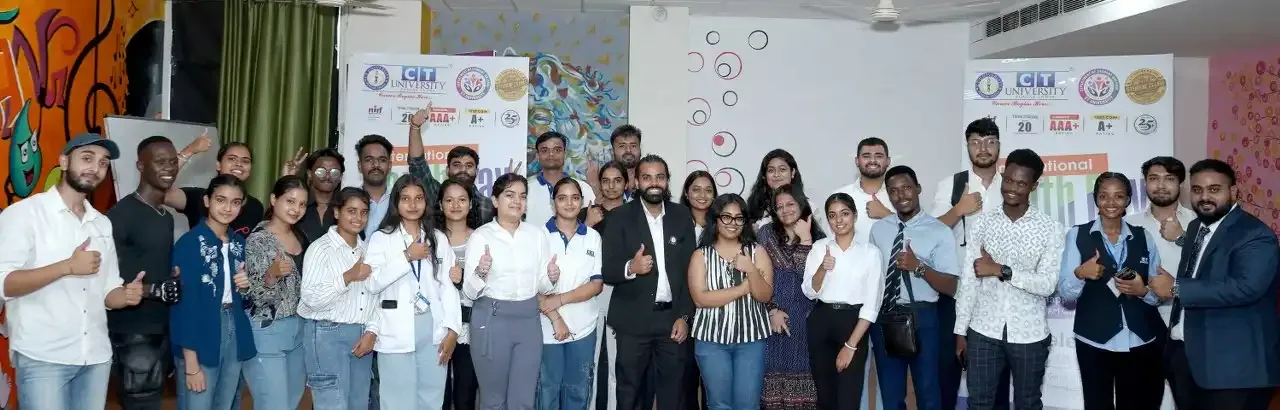
12 Aug, 2024
CTU Clubs Under the aegis of the Department of Student Welfare, CT University organized a dynamic and engaging events on the occasion of International Youth Day. The day was filled with a plethora of activities designed to celebrate the vibrant spirit of youth and foster intellectual growth among students.The event began with a Group Discussion on LGBTQIA+ issues, where students engaged in meaningful conversations about diversity, inclusion, and the challenges faced by the LGBTQIA+ community. This session encouraged open dialogue, aiming to promote understanding and empathy among the youth.In line with CT University's commitment to sustainability, the "Clean Campus, Green Future" initiative was also launched. Students participated in various activities to promote environmental awareness and took pledges to maintain a cleaner, greener campus.A highlight of the day was the Debate Competition on the topic "Artificial Intelligence: Is the rise of AI more likely to create jobs than eliminate them for the youth?" Participants presented compelling arguments on both sides, showcasing their critical thinking and debating skills.The celebration also included a range of indoor games that allowed students to unwind and showcase their strategic acumen. Competitions were held in Carom, Chess, and Table Tennis, with students enthusiastically participating and demonstrating their prowess.Speaking on the occasion, CT University’s Vice Chancellor Dr. Abhishek Tripathi stated, "International Youth Day is a significant event for CT University as it aligns with our mission to empower students and nurture their talents. Today's activities reflect the diverse interests and capabilities of our youth, and we are proud to provide them with a platform to grow and express themselves."On this Occasion Vice Chancellor Dr. Abhishek Tripathi; Director, Department of Student Welfare Davinder Singh, Director IT Harinderpal Singh; were present.
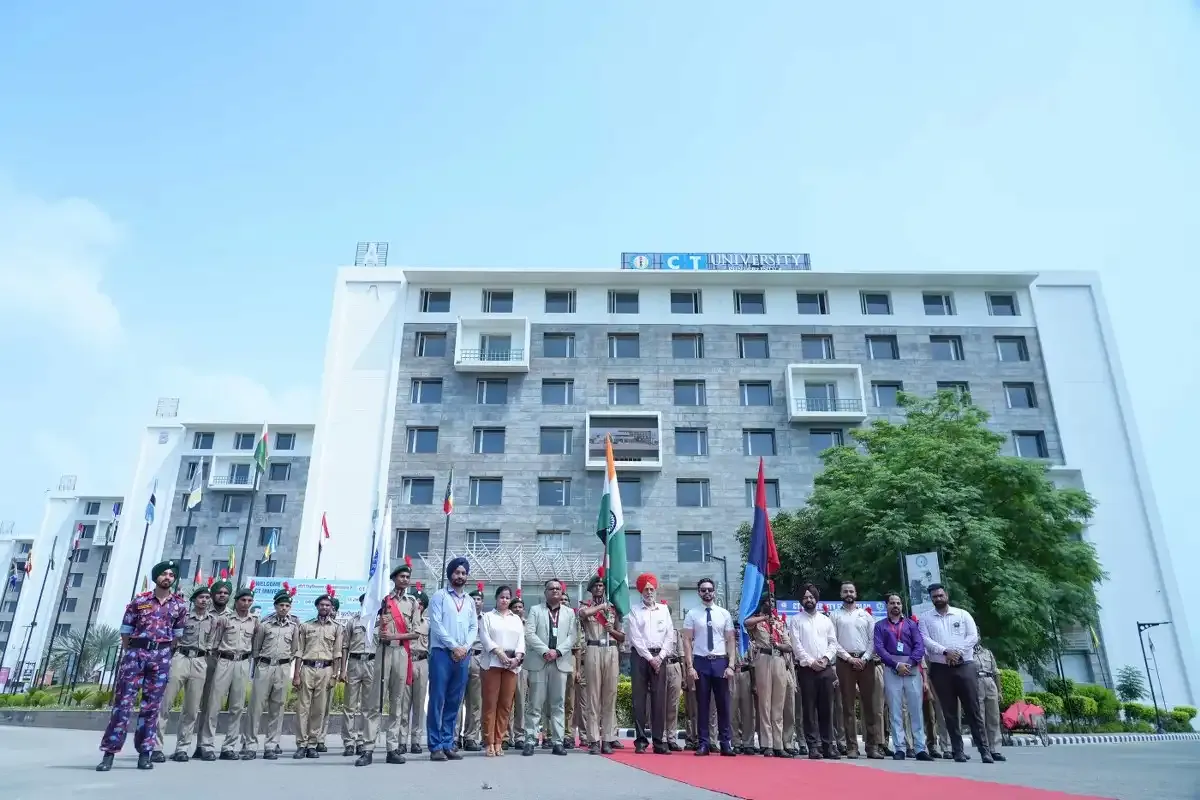
15 Aug, 2024
On the occasion of the 78th Independence Day, marking 77 glorious years of freedom, CT University proudly celebrated with the theme "Viksit Bharat"The campus was adorned with patriotism as the day commenced with a spirited march past by the NCC Cadets, NSS Volunteers and students of CT University. Flag hoisting ceremony was organised. A collective display of unity, discipline, and devotion was seen. Event was organised by Department of Student welfare With NSS and NCC unit.Vice Chancellor Dr. Abhishek Tripathi delivered an inspiring speech, acknowledging the nation builders' contributions and expressing gratitude for their tireless efforts. He emphasized the importance of unity and dedication in building a prosperous India.The celebrations concluded with a renewed pledge to serve the nation with unwavering duty. The presence of Chancellor Charanjit Singh Channi, Pro Chancellor Dr. Manbir Singh, Vice Chancellor Dr. Abhishek Tripathi, Dean Academics Dr. Simran, and Director of Department of Student Welfare Davinder Singh added significance to the event.Chancellor Charanjit Singh Channi said that ‘Today, as we celebrate our 78th Independence Day, let us remember the sacrifices of our forefathers and strive to keep our nation's interests at the forefront. Our unity and dedication will pave the way for a brighter future."
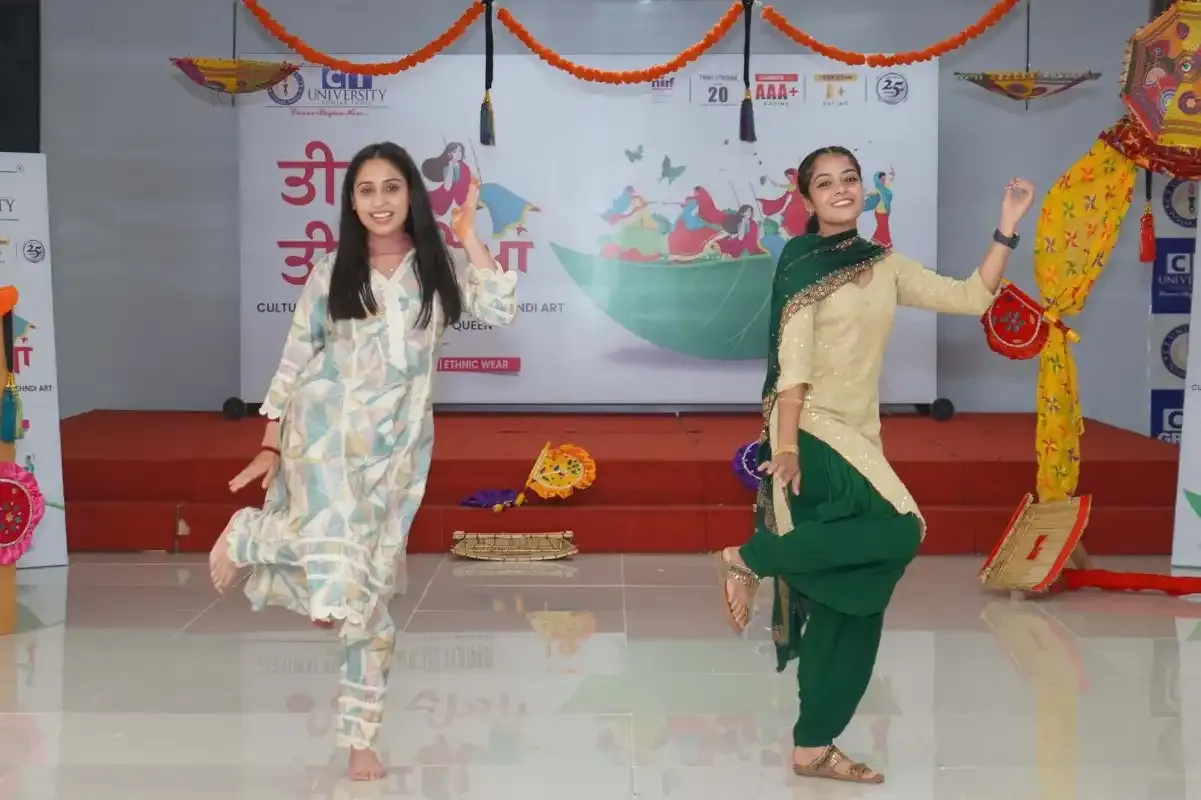
16 Aug, 2024
The Department of Student Welfare at CT University hosted a vibrant celebration of cultural heritage through the event ‘TIYAN TEEJ DIAN’. This festive occasion highlighted the rich traditions of Punjab, brought to life by the enthusiastic participation of the university's esteemed faculty members.The campus was adorned with colorful decorations that captured the spirit of Teej, creating a lively atmosphere. The Department of Design and Innovation set up traditional stalls featuring jewelry and mehndi, adding to the festive charm of the event.A highlight of the celebration was the cultural performances, including Giddha and singing, where faculty members took center stage with their mesmerizing displays of Punjab’s rich cultural heritage.Adding an extra layer of excitement to the event was a captivating fashion show. Faculty members walked the ramp, adorned in traditional and contemporary Punjabi attire, showcasing the beauty and elegance of Punjab’s traditional clothing.The event was graced by the presence of esteemed personalities, including Vice Chancellor Dr. Abhishek Tripathi, Dean Academics Dr. Simran, and Director of the Department of Student Welfare Davinder Singh, who expressed their appreciation for the faculty's enthusiastic participation.Dean Academics Dr. Simran shared his thoughts on the event, stating, "'TIYAN TEEJ DIAN' was a beautiful blend of Punjab’s cultural heritage, celebrated with the enthusiasm and creativity of our faculty members."
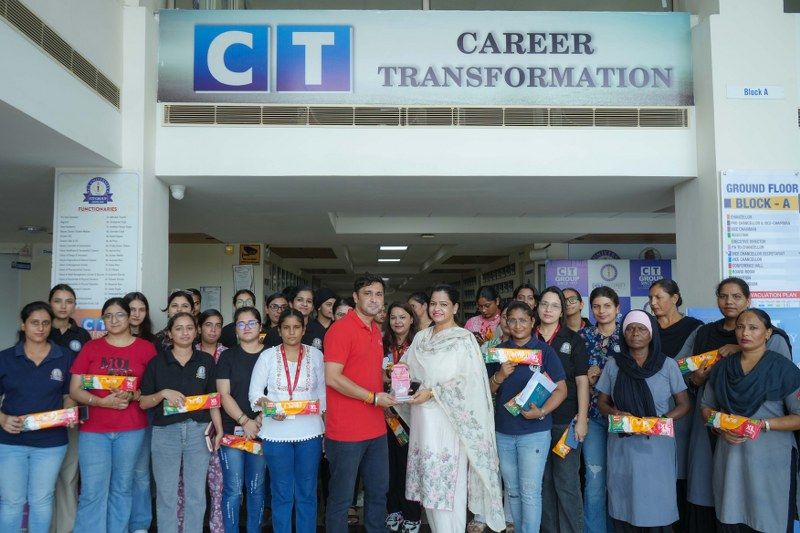
21 Aug, 2024
CT University’s Women Empowerment Cell acknowledges the generous donation of 7,000 sanitary pads from Nine Foundation. This significant contribution marks a pivotal step in promoting menstrual health and ensuring the well-being of our female students and staff.The donation by Nine Foundation underscores the shared commitment to fostering a supportive and healthy environment within the university. With this contribution, CT University continues its mission to empower women by addressing essential health needs, thereby creating a more inclusive and nurturing campus.Dr. Simran, Dean Academics and Chairperson of the Women Empowerment Cell at CT University, emphasized the importance of this initiative. “This generous donation highlights the critical role of menstrual health and hygiene in the overall well-being of our community. We are proud to collaborate with Nine Foundation in promoting awareness and providing necessary resources to our female students and staff.”
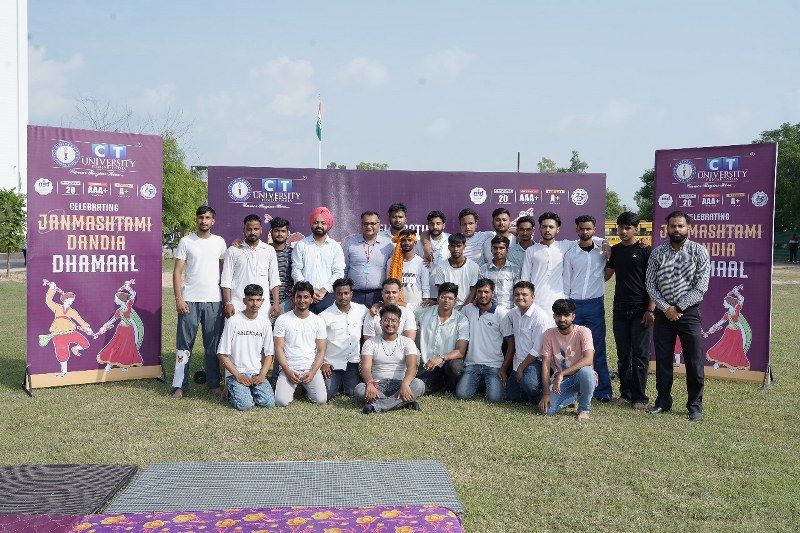
23 Aug, 2024
CT University’s Department of Student Welfare hosted a spectacular Janmashtami celebration, marking the birth of Lord Krishna with vibrant festivities and cultural activities. It was a grand success, drawing enthusiastic participation from students, faculty, and staff.The celebration featured a Rangoli Competition, where participants showcased their artistic talents through colorful and intricate designs. The campus was beautifully decorated with these rangolis, adding a festive touch and enhancing the overall atmosphere of the event.One of the key highlights of the day was the Dandiya and Dance Performances. Participants engaged in lively dandiya dances, performing with colorful sticks to the rhythm of traditional music. The energetic performances created a joyous and celebratory mood, embodying the spirit of Janmashtami.Another major attraction was the Matki Phod, a traditional activity where participants broke an earthen pot filled with goodies. This exhilarating event added an element of excitement and fun to the celebration, reflecting the cultural significance of the festival.Vice Chancellor Dr. Abhishek Tripathi said, “The successful execution of these activities demonstrated the vibrant cultural life at CT University and fostered a strong sense of community among attendees. The event not only celebrated Janmashtami but also strengthened the university's commitment to providing a dynamic and engaging environment for its students.”On this occasion Director Department of Student Welfare Er. Davinder Singh, faculty and students were present.
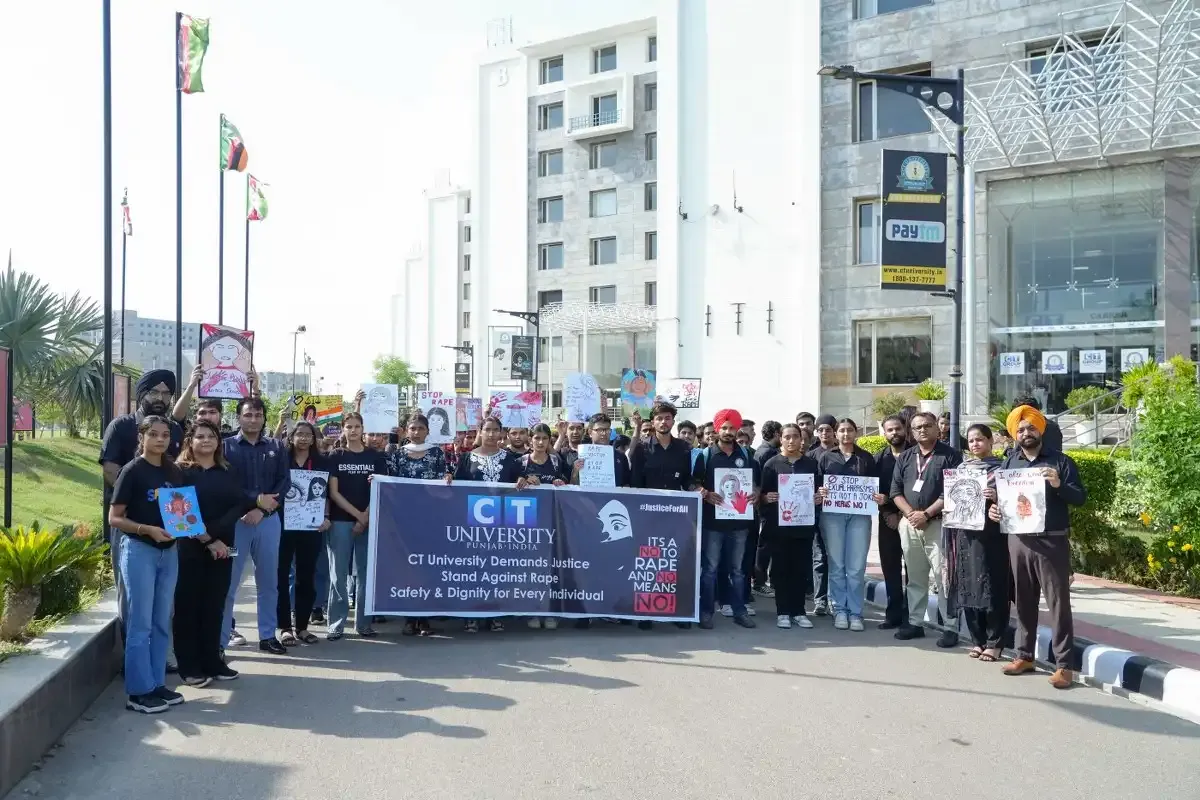
27 Aug, 2024
CT University stood in solidarity on 'Black Day,' organizing a significant rally on campus under the theme "DEMAND JUSTICE AND ADVOCATE FOR SAFETY AND DIGNITY FOR ALL." This event marked the university's stand against the rising cases of sexual violence in India, with a collective call for justice, safety, and dignity for every individual.The rally witnessed the active participation of students, faculty, and university management, all of whom donned black attire as a symbol of their united front against injustice. The event featured a compelling visual display of student-created posters with the theme 'From Fear to Freedom: Break the Chains of Sexual Violence,' underscoring the university's commitment to spreading awareness about sexual awareness.Dr. Abhishek Tripathi, Vice Chancellor of CT University, addressed the gathering, stating, “Today, we stand together not just as an academic institution but as a force for change.”Joining this noble cause were Dr. Simranjit Kaur Gill, Dean of Academics; Er. Davinder Singh, Director of Student Welfare, and various Heads of Departments stood shoulder to shoulder with the students and faculty, advocating for a more respectful and secure society.
29 Aug, 2024
CT University, in collaboration with its Department of Student Welfare and the Sports Department, celebrated National Sports Day with great fervor and enthusiasm. The event was organized to commemorate the birth anniversary of Major Dhyan Chand, the legendary Indian hockey player who brought immense pride to the nation.The celebrations saw vibrant participation from students, faculty, and staff members, all coming together to honour Major Dhyan Chand and engage in a day full of sports. The occasion was graced by the presence of Pro Chancellor Dr. Manbir Singh, Vice Chancellor Dr. Abhishek Tripathi, Director of the Department of Student Welfare Davinder Singh, Sports head Gurdeep Singh Gill and other esteemed faculty members.The day's activities included an array of sports such as Football, Volleyball, Basketball, and Swimming, as well as indoor games like Table Tennis, Chess, and Carrom. The spirited participation showcased the dedication and enthusiasm of students, embodying the true spirit of sportsmanship.Adding to the celebrations, a cake-cutting ceremony was held to mark the significance of the day. The event brought everyone together, further fostering a sense of unity and camaraderie within the university.Pro Chancellor Dr. Manbir Singh expressed his delight at the active involvement of students. He praised the efforts of all participants and emphasized the significance of sports as an integral part of education. "Sports teach us invaluable lessons beyond the classroom, offering a rejuvenating experience for both body and mind," he remarked.
02 Sep, 2024
CT University proudly announces its latest achievement, being recognized as the Preferred University of the Region at the Tribune Lifestyle Awards 2024 Punjab, organized by The Tribune in Ludhiana.The esteemed award was presented by Shri Harjot Singh Bains, the Hon'ble Minister of Education, Punjab, during a distinguished ceremony that celebrated excellence across various sectors. This accolade highlights CT University's unwavering commitment to providing top-tier education and fostering an environment of innovation and academic excellence.“Our recognition as the Preferred University of the Region is a testament to our relentless pursuit of educational excellence. We remain dedicated to shaping future leaders and making a lasting impact on society,” said Dr. Manbir Singh, Pro-Chancellor of CT University.On this occasion, Vice Chancellor Dr. Abhishek Tripathi and Mr. P.S. Bawa from Skyway Hosiery were also present.
04 Sep, 2024
In celebration of National Nutrition Week, the Department of Student Welfare at CT University organized a highly informative guest lecture by renowned dietician Ms. Gunjan Mehta Sood. The session was aimed at promoting healthy eating habits among students and raising awareness about the importance of nutrition in overall well-being.The lecture provided a comprehensive overview of nutritional choices and the impact of diet on physical and mental health. Ms. Gunjan Mehta Sood shared expert insights, offering practical advice on how students can make informed decisions about their food intake, enhance their dietary habits, and achieve a balanced lifestyle.Speaking on the occasion, Ms. Sood emphasized, “Good nutrition is the foundation for a healthy life. By making the right food choices, students can not only improve their physical health but also boost their academic performance and mental resilience.”The event was met with enthusiasm by the students, who actively engaged in the session by asking questions and discussing their own dietary habits. It served as a platform to encourage a culture of wellness and self-care within the university.Vice Chancellor Dr. Abhishek Tripathi, commenting on the importance of the event, said, “At CT University, we are committed to nurturing not just academic excellence but also the holistic well-being of our students. This insightful session on nutrition by Ms. Gunjan Mehta Sood is a step toward empowering our students to make informed lifestyle choices that will positively impact their health and future success.”The occasion was graced by the presence of Pro Chancellor Dr. Manbir Singh, Vice Chancellor Dr. Abhishek Tripathi, Director of the Department of Student Welfare Davinder Singh.
07 Sep, 2024
A grand ceremony held at CT University, teachers from various schools across the region were felicitated with the prestigious Teachers Excellence Award. The event was graced by our Vice Chancellor and Group Director, Dr. Abhishek Tripathi, who delivered a captivating workshop on Emotional Intelligence.The Teachers Excellence Award, a testament to the invaluable contributions of educators to society, recognized teachers who have demonstrated exceptional dedication, innovation, and a commitment to nurturing young minds. The awardees were selected based on their academic achievements, student outcomes, and contributions to their schools and communities.Vice Chancellor and Group Director Dr. Abhishek Tripathi, a leading expert in emotional intelligence, delivered a thought-provoking workshop that provided participants with valuable insights into understanding and managing emotions effectively. He emphasized the importance of emotional intelligence in building strong relationships, enhancing communication skills and fostering a positive learning environment.The university's management including the Chancellor Charanjit Singh Channi, Vice Chancellor and Group Director Dr. Abhishek Tripathi, ED and Pro Vice Chancellor Dr. Nitin Tandon, Dean academics Dr. Simranjeet Kaur Gill, Director Admissions Mr. Harman, Director of Student Welfare Mr. Davinder Singh, Deputy Director and Head of Marketing Mr. Karan Bhardwaj was present to honor the awardees and express their gratitude for their exceptional work. The event served as a reminder of the vital role that teachers play in shaping the future of society.Chancellor Charanjit Singh Channi shared his thoughts on the event by expressing his gratitude for their unwavering dedication, passion for teaching, and ability to inspire and motivate their students. He also emphasized the significance of creating a supportive and nurturing environment for teachers to thrive in their profession.
12 Sep, 2024
CT University recently hosted a vibrant and engaging two-day talent hunt that showcased the diverse skills and abilities of students from various cultural backgrounds. The Department of Student Welfare organized the event that featured a wide array of competitions, providing a platform for students to express their creativity and passion.The talent hunt started with a engrossing display of dance performances. Students from different cultural backgrounds took to the stage, captivating the audience with their graceful movements and energetic beats. The singing competition was another highlight of the event, whether it was classical, pop or Bollywood songs.The poems touched on various themes from love and loss to social issues and personal reflections. The drama and skit competitions provided a platform for students to showcase their acting skills and storytelling abilities. The visual arts competitions including poster making, Rangoli and mehndi allowed students to express their creativity through colors and patterns.Pro Chancellor Dr. Manbir Singh, Vice Chancellor Dr. Abhishek Tripathi, Pro Vice Chancellor Dr. Nitin Tandon, Dean academics Dr. Simranjeet Kaur Gill, Director of Student Welfare Mr. Davinder Singh were present to encourage the students.The intellectual competitions such as debates, poetry recitations and elocution tested the students' knowledge, communication skills and critical thinking abilities. The talent hunt concluded with a fashion show that showcased the creativity and style of the participating students.Pro Chancellor Dr. Manbir Singh emphasized the importance of nurturing and showcasing individual talents. He commended the participants for their enthusiasm and creativity noting that such events not only highlight personal skills but also foster a sense of community and collaboration. The Pro Chancellor Dr. Manbir Singh also encouraged students to embrace opportunities for growth, stay resilient in the face of challenges and continue pursuing excellence both academically and personally.The two-day talent hunt at CT University was a resounding success, providing a platform for students to showcase their talents and celebrate their cultural diversity.
15 Sep, 2024
CT University's School of Engineering celebrated Engineers' Day with the theme "Innovate, Code, Compete: Engineers' Day Extravaganza 2024." The event brought together students to showcase their skills in various technical competitions, highlighting creativity, innovation, and problem-solving abilities.Students actively participated in engaging activities, including meme creation, code fixing, puzzle-solving, website designing, error detection in paragraphs, gaming, poster creation, AutoCAD drawing, land surveying, and waste recycling. These activities were designed to challenge students' technical and creative skills while fostering teamwork and competition.Special guest Dr. S.B. Singh, CEO of TAARN Industries, shared his insights on the future of engineering and the critical role of innovation in driving progress. He remarked, "Engineering is the backbone of our technological world, and it's vital that the next generation of engineers not only master the fundamentals but also think beyond the conventional."Vice Chancellor of CT University, Dr. Abhishek Tripathi, along with Pro Vice-Chancellor, Dr. Nitin Tandon, Dean of Academics, Dr. Simranjeet Kaur Gill, and Dean of Student Welfare, Davinder Singh, were present to motivate and encourage the students.
19 Sep, 2024
CT University hosted the inauguration of the prestigious Annual Training Camp (ATC) 64, from September 18th to 27th. The camp is conducted under the expert supervision of Commanding Officer Col. Rohit Khana, SM, with administrative support from Devinder Dhadwal and Subedar Major Karnail Singh.The camp has brought together 450 cadets from 30 schools and colleges, including four Air Squadron units, all gathered at CT University for this unique training experience. Throughout the camp, cadets will enhance their weapon training, engage in rigorous physical activities, compete in thrilling sports events, and display their cultural talents. This holistic training fosters discipline, teamwork, and leadership among the participants.The inauguration was graced by dignitaries, including Harpreet Singh, Vice Chairman of CT University, Dr. Abhishek Tripathi, Vice Chancellor and Group Director of CT University, Davinder Singh, Director of Student Welfare, and Taranjit Singh, NCC in-charge, who were present at the rank ceremony.
21 Sep, 2024
CT University's School of Allied Health Sciences organized a special session about clinical research in physiotherapy. Dr. Megha Choudhary Khanna, a neuro physiotherapist, talked to the students about the importance of research in physiotherapy. She explained how research can help improve patient care and develop new treatments.Dr. Khanna also discussed the different areas of physiotherapy research such as musculoskeletal disorders, neurological conditions, and pediatric rehabilitation. She talked about the skills needed for research like strong research methods, data analysis, and good communication.Dean academics Dr. Simranjeet Kaur Gill, Department of Student Welfare, Davinder Singh, Vice Principal of School of Allied Health Sciences, Harpreet Singh and other faculty Members were present to encourage and motivate the students.
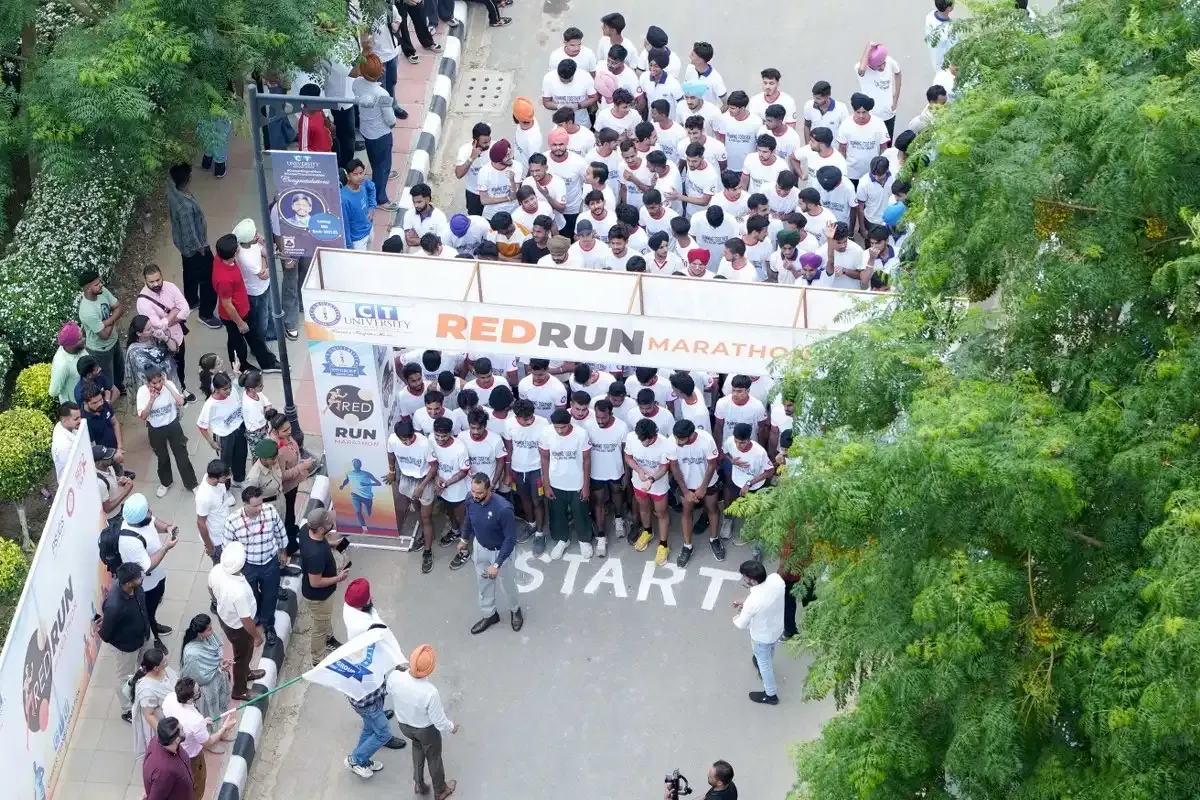
27 Sep, 2024
CT University along with Red Ribbon Club and Directorate of Youth Welfare of Punjab organized Red Run Marathon. Over 300 enthusiastic participants, including 200 students from CT University and more than 100 from other institutions participated.The 5-kilometer race started and ended at the university campus which aimed to promote health, fitness and awareness about HIV/AIDS. The event was graced by the Kulwinder Singh, Deputy Director of Youth Welfare of Punjab who commended the university and participants for their commitment to a healthier lifestyle and social causes."The Red Run is more than just a race; it's a symbol of hope, resilience and unity," said Kulwinder Singh. CT University's Red Ribbon Club has been at the forefront of organizing such events to raise awareness about HIV/AIDS and encourage the youth to adopt healthy habits.The flag-off ceremony was conducted by Pro Chancellor Dr. Manbir Singh, Vice Chairman Harpreet Singh, and Vice Chancellor Dr. Abhishek Tripathi. Dean of Academics Dr. Simranjeet Kaur Gill, along with Director of Student Welfare Davinder Singh congratulated the winners, celebrating their achievements and encouraging continued success.
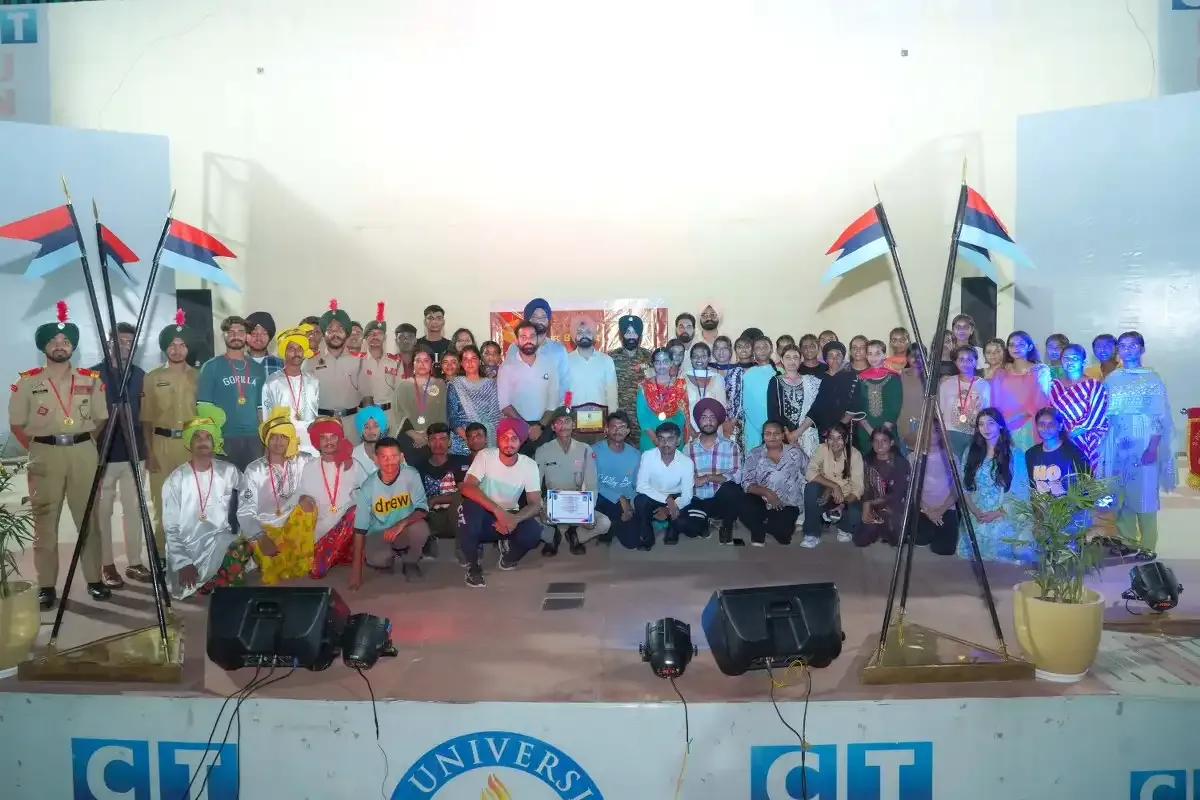
30 Sep, 2024
The Combined Annual Training Camp of the 3 Punjab Battalion NCC concluded at CT University after a rigorous ten-day program, marking the participation of 385 cadets from Senior and Junior divisions across various institutions in Ludhiana, Jagraon, and Moga.The training camp featured activities designed to build leadership, discipline, and camaraderie among the cadets. These included physical training, military drills, and leadership development exercises. In addition, expert lectures by teams from the National Disaster Response Force (NDRF), Traffic Police, Crime Branch, Punjab Fire Services, and stress management specialists enriched the cadets' understanding of current social issues and equipped them with essential problem-solving skills.Col Rohit Khanna 'SM' addressed the cadets during the camp, emphasizing the importance of these training exercises in shaping cadets into responsible and compassionate citizens ready to serve the nation with integrity and resilience.The closing ceremony was presided over by Davinder Singh, Director of the Department of Student Welfare at CT University, who congratulated the cadets on their successful completion of the camp and encouraged them to uphold the values of unity, leadership, and discipline in all aspects of life.
03 Oct, 2024
CT University recently hosted a week-long "Zenith Seven" exclusively for hostel students. The event was a vibrant and energetic celebration of youth filled with a variety of exciting activities that showcased the students' talents.Each day of the Zenith Seven brought a new set of exciting activities. The week was full of cultural extravaganza, featuring dance and singing performances by the students. Following the cultural performances the event transitioned into a thrilling sports competition. Students were engaged in a series of games including the popular "7 tiles," volleyball, skipping, push-up competitions, and many more. The students' competitive spirit fueled them to cheer each other on and strive for victory.The week concluded with a fashion show and award distribution ceremony, where students showed their stylish outfits on the runway, showcasing their unique sense of style. The fashion show was a celebration of individuality and self-expression. Director of Student Welfare Davinder Singh expressed his gratitude for the students' enthusiastic participation and the organizers' dedicated efforts. The event showcased the vibrant and dynamic spirit of the CT University hostel community.
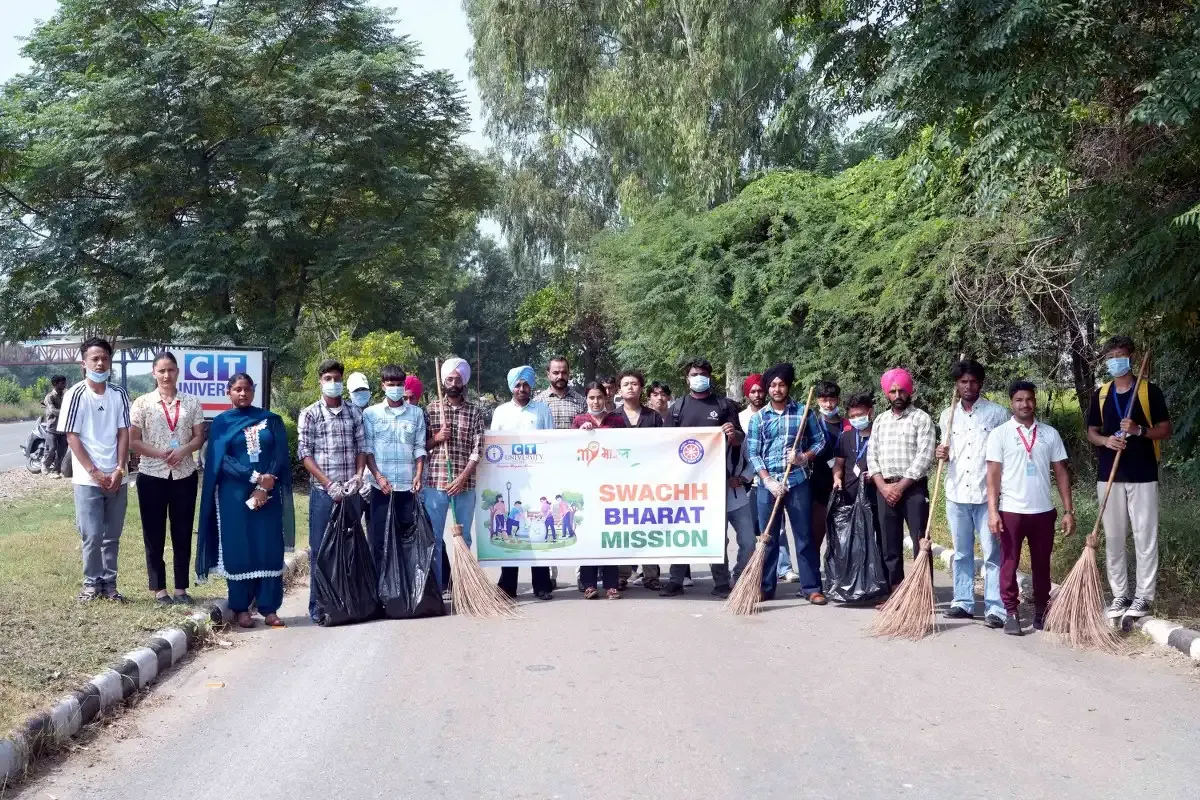
07 Oct, 2024
A dedicated team of 40 NSS volunteers including students and teachers from CT University participated in a community service initiative aligned with the Swachh Bharat Mission. The event organized in collaboration with the University, aimed to promote environmental awareness and cleanliness in the local area.The volunteers under the guidance of their coordinators, embarked on a roadside cleaning drive. Armed with brooms, dustbins, and gloves, they diligently removed litter and garbage from the surrounding streets. The initiative was spearheaded by Chairman Charanjit Singh Channi, Pro Chancellor Dr. Manbir Singh, Directorate of Student Welfare Davinder Singh, Head of Sports Gurdeep Singh.Pro Chancellor Dr. Manbir Singh stated "It's a wonderful opportunity to contribute to our community and make a positive impact on our environment. Cleaning up our roads not only improves the aesthetics but also promotes public health." The Swachh Bharat Mission, a nationwide campaign launched by the Government of India, emphasizes the importance of cleanliness and hygiene.
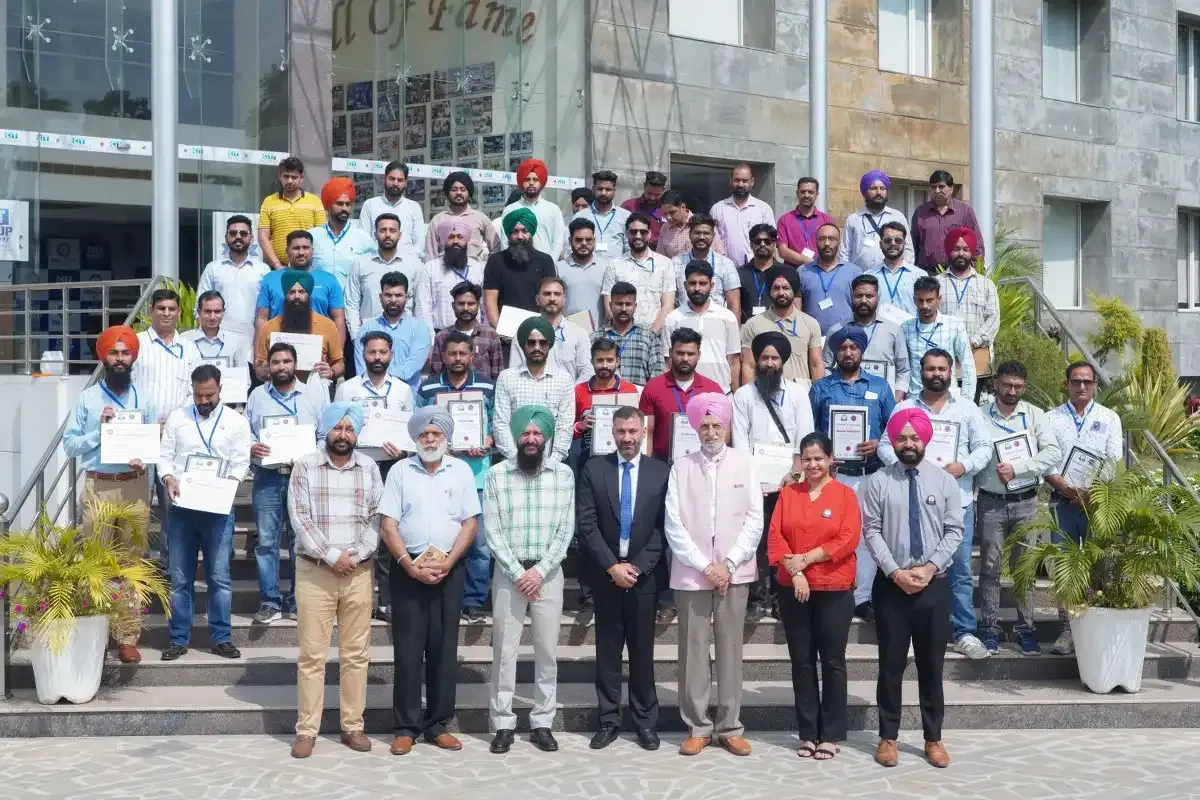
14 Oct, 2024
CT University hosted a state level five-day teacher training workshop organized by the Directorate of Youth Affairs, Punjab with the goal of educators with the skills to promote drug-free, healthy and culturally rich environments in schools and colleges. Teachers and professors from every district in Punjab participated in the program.Deputy Director Kulwinder Singh and Assistant Director Mr. Davinder Lote (Youth Affairs and Sports) were present. The workshop included activities focused on drug awareness, sports, culture, cyber crime seminar and the Swachh Bharat initiative. Participants took part in interactive sessions, discussions, and hands-on exercises to better understand these important topics and learn practical strategies for addressing them in their classrooms.Chairman Mr. Charanjit Singh Channi, Vice Chancellor Dr. Abhishek Tripathi, Group Executive Dr. Nitin Tandon, Dean Academics Dr. Simranjit Kaur Gill, Director of Student Welfare Davinder Singh attended the workshop and emphasized its importance for the development of Punjab's youth. Pro Chancellor Dr. Manbir Singh highlighted the critical role that teachers play in shaping the lives of young people. They stressed the need for educators to be equipped with the knowledge and tools to promote healthy lifestyles.
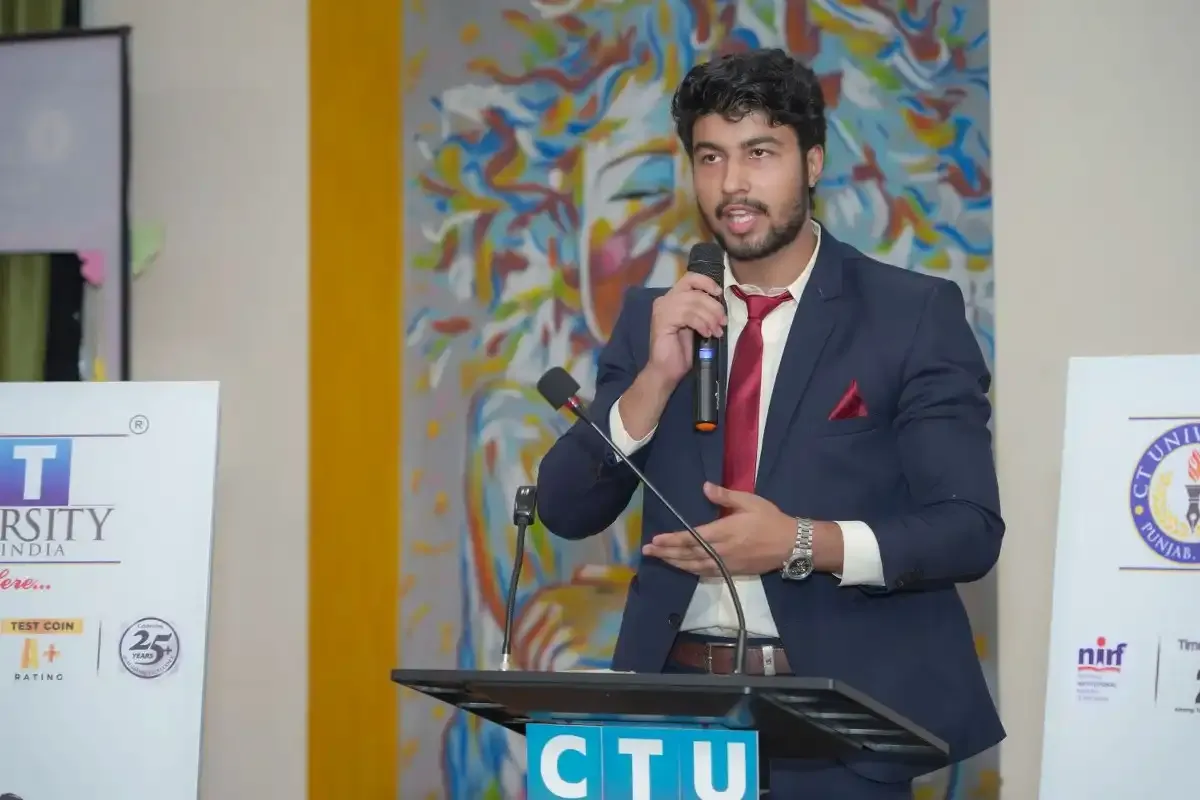
18 Oct, 2024
CT University celebrated World Students' Day with activities organized by various student clubs under the aegis of the Department of Student Welfare.The day started with intra-university debate competition that saw enthusiastic participation from students across different department. The winners of the competition were Gousia Baig, Shivam and Sidrah from the School of Law showcasing their oratory skills and critical thinking abilities.Donation drive was also organized where students generously contributed essential items to local charities. The initiative highlighted the students' dedication to social responsibility and compassion. A legal awareness camp was held to educate students about their legal rights and duties. Experts from the legal field conducted informative sessions, empowering students with knowledge about their rights and responsibilities as citizens. The event also featured sports activities, dance performances, and singing competitions, providing a platform for students to showcase their talents.As quoted by Pro Chancellor Dr. Manbir Singh, the students showcased their talent, enthusiasm, and social consciousness, making the World Students' Day celebration a memorable occasion for all involved.The celebrations were graced by the presence of Vice Chancellor Dr. Abhishek Tripathi, Dean Academics Dr. Simranjeet Kaur Gill and Director, Department of Student Welfare Davinder Singh. Their presence served as a source of inspiration for the students and underscored the university's commitment to their holistic development.
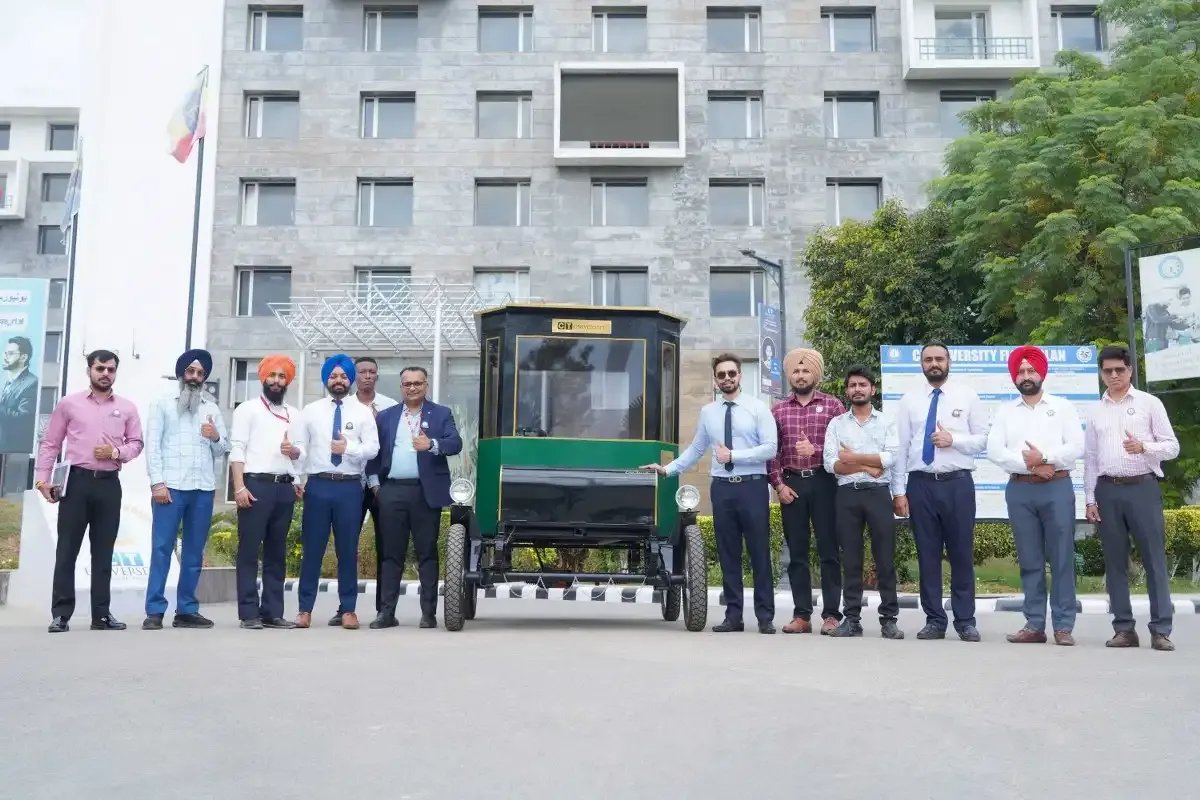
21 Oct, 2024
CT University's Department of Robotics & Automation launched the Vintage Electric Car EvoClassic. This project successfully merges the timeless elegance of classic automotive design with the technology of electric vehicles.This project took over six months to complete with an approximate budget of ₹2.5 lakhs. The project was initiated by R&D Engineer Dr. Inderjeet Singh, along with Satyam Gupta and Gurkirat Singh Maan, supported by the department's technical staff and engineering students. The team incorporated retro design elements into a fully functional electric vehicle demonstrating the immense potential for innovation within traditional concepts.Pro-Chancellor of CT University, Dr. Manbir Singh emphasized that EvoClassic is not only a technological marvel but also a bridge between history and the future showcasing the versatility of electric vehicles. The inauguration was attended by the Vice Chancellor of CT University, Dr. Abhishek Tripathi; Dean of Academics, Dr. Simranjeet Kaur Gill; Director of the Department of Student Welfare, Davinder Singh; Engineer Dr. Inderjeet Singh; faculty, students, and industry representatives.
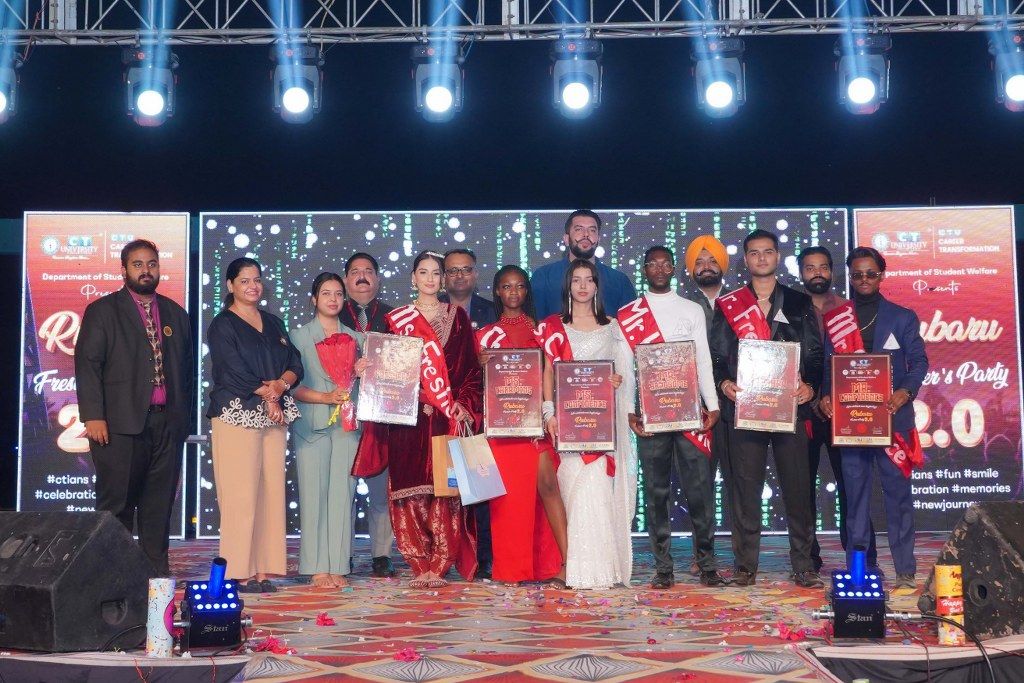
24 Oct, 2024
CT University's Department of Student Welfare hosted a freshers' party, "Rubaru 2.0," to welcome new students. The colorful event was filled with exciting activities.The party started with a series of performances by the university's talented students. Dancers wowed the crowd with their energetic moves, while singers engaged the audience with their voices. The fashion show was a highlight of the evening, showcasing the students' style and creativity. To add to the fun, various games and competitions were organized.The highlight of the evening was the open DJ. Towards the end of the event, the much-awaited announcement of Mr. and Ms. Fresher was made. The winners of Mr Fresher was Ranveer Singh Khurmi, Ms Fresher was Harmanpreet Kaur, Mr Handsome was Panashe Chenjerai Tembo, Ms Charming was Faith Shine, Mr Confidence was Shivam Pandey and Ms Confidence was Minakshi. They were crowned based on their overall performance throughout the evening.Chairman S.Charanjit Singh Channi, Vice Chairman Mr. Harpreet Singh Pro Chancellor Dr. Manbir Singh, Vice Chancellor Dr. Abhishek Tripathi, Dean Academics Dr. Simranjeet Kaur Gill, Director, Department of Student Welfare Davinder Singh marked their presence.
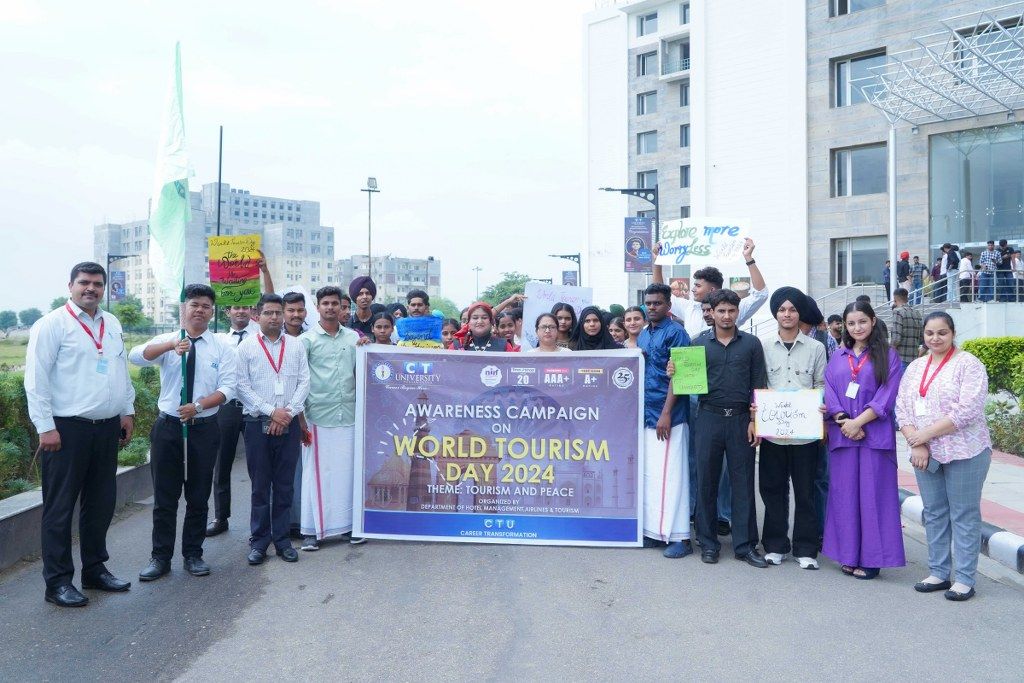
28 Oct, 2024
CT University's Department of Hotel Management, Airlines and Tourism celebrated a week-long Tourism Week with a series of events themed "Tourism and Peace". The celebration aimed to highlight tourism's role in promoting global understanding, environmental responsibility and cultural exchange.The activities included an awareness campaign, a students' seminar, an educational visit to a wildlife sanctuary, tree plantation drives and a cleanliness campaign. The highlight was an international e-seminar on "Tourism and Peace," where Prof. Mohinder Chand, Prof. Nitin Vyas, Dr. Anna, Dr. Vianna and Dr. Ahmed shared insights on how tourism promotes global harmony by fostering cross-cultural understanding and peaceful interactionsChairman S. Charanjit Singh Channi, Vice chancellor Dr. Abhishek Tripathi, Dean Academics Dr. Simranjeet Kaur Gill, Registrar Mr. Sanjay Khanduri and Dean school of Management, Hotel Management and Design Dr. Ashish Raina marked their presence. Through these events, the department engaged students and faculty in promoting tourism as a force for good. The celebration not only broadened students' understanding of the tourism industry but also encouraged them to become responsible and environmentally conscious citizens.
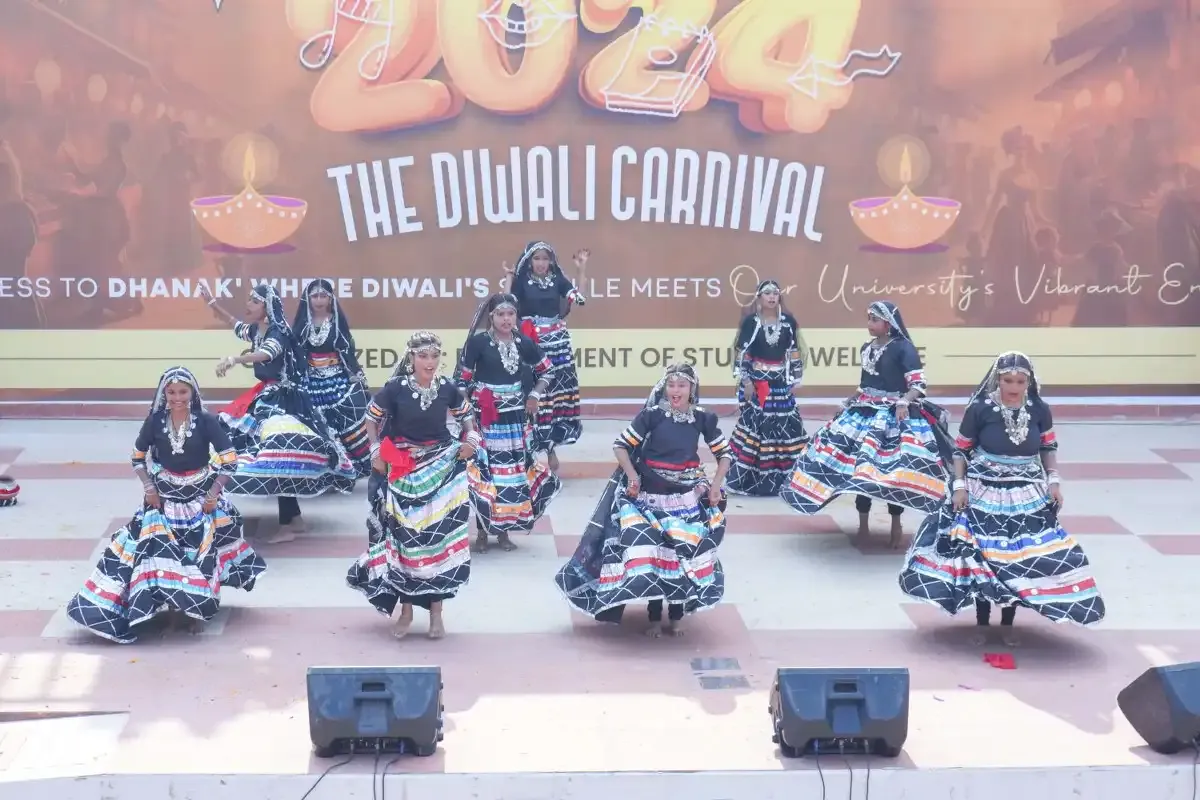
29 Oct, 2024
CT University's Department of Student Welfare recently organized the much-awaited Dhanak 2024, a vibrant celebration of Diwali that left students and faculty mesmerized. Students from various departments showcased their talents in a variety of genres, including classical and western dance, solo singing, poetry recitations, quizzes, and debates. The campus was transformed into a carnival with colorful stalls selling food, exciting games, and thrilling rides. CT University's students, faculty and more than 50 school students alike indulged in the festive atmosphere, creating lasting memories.CT University conducted an international level assessment test with WAC (World Assessment Council), USA, Boston based organization during Dhanak 2024. This initiative aimed to empower students to shine globally by providing them with a platform to assess their skills and knowledge on an international level.The WAC-TEST is a valuable tool that offers numerous benefits to students. It helps them gain a competitive edge in job applications, expand their global professional network, access career opportunities worldwide, and boost their resume and LinkedIn credibility. Over 1000 students participated in the WAC test, a milestone in their journey towards global recognition.Chairman S. Charanjit Singh Channi stated, "We are thrilled to announce our collaboration with the World Assessment Council (WAC) to conduct the WAC-test. By partnering with WAC, we are able to offer our students a standardized assessment that recognizes their skills and potential, which is very important for them to grow in their career. Pro Chancellor Dr. Manbir Singh wished everyone on the occasion of Diwali.Chairman S. Charanjit Singh Channi, Pro Chancellor Dr. Manbir Singh, Vice Chairman Mr. Harpreet Singh, Vice Chancellor Dr. Abhishek Tripathi, Pro Vice Chancellor Dr. Nitin Tandon, Dean Academics Dr. Simranjeet Kaur Gill, Registrar Sanjay Khanduri, Director, Department of Student Welfare Davinder Singh, marked their presence. Dhanak 2024 was a resounding success, leaving a lasting impression on everyone who attended. As CT University continues to foster a holistic learning environment, initiatives like Dhanak 2024 and collaborations with prestigious organizations like WAC will undoubtedly play a crucial role in shaping the future of students
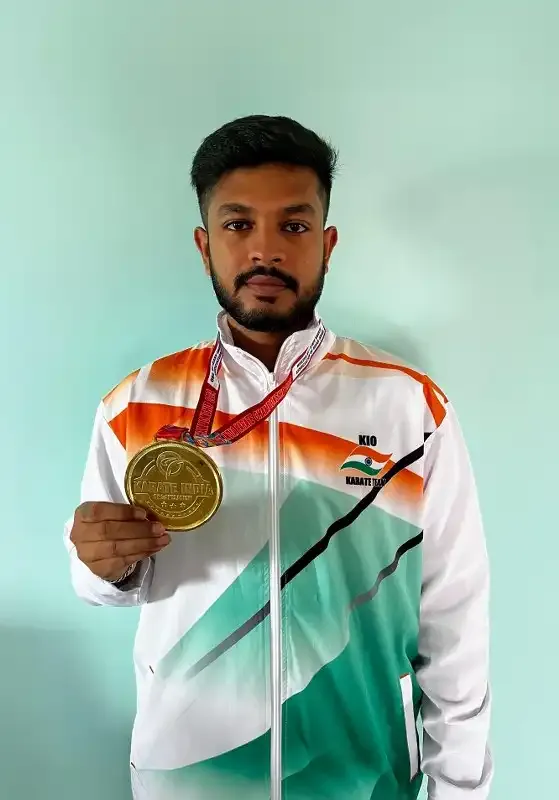
04 Nov, 2024
CT University is proud to announce that four of its talented sports students have been selected to represent India in prestigious international tournaments. This achievement underscores the university's commitment to nurturing sporting excellence and providing a platform for its students to showcase their abilities on the global stage.Kajal Biswas, a student from the Bachelor of Physical Education and Sports Sciences (BPES) program, has been selected to participate in the 4th World Sqay Championship to be held in Uzbekistan. Manjeet, a student from the Bachelor of Arts (BA) program, has earned a spot in the 8th Asian Pencak Silat Championship, also taking place in Uzbekistan. Sayam Saha, another BPES student, has been chosen to represent India at the 11th Commonwealth Karate Championship in South Africa. Harkunwar, a BA student, has secured a place in the World Table Tennis Youth Contender in Hungary. Harkunwar's selection highlights his potential as a rising star in the world of table tennis.Pro Chancellor Dr. Manbir Singh, extended his heartfelt congratulations to all the selected students and expressed confidence that these students would make India proud with their outstanding performances on the international stage. Head of Sports Mr. Gurdeep Singh also offered his congratulations to the selected students. He acknowledged their dedication, hard work, and commitment to their respective sports and also expressed his belief that these students would inspire future generations of athletes and bring glory to the university and the nation.
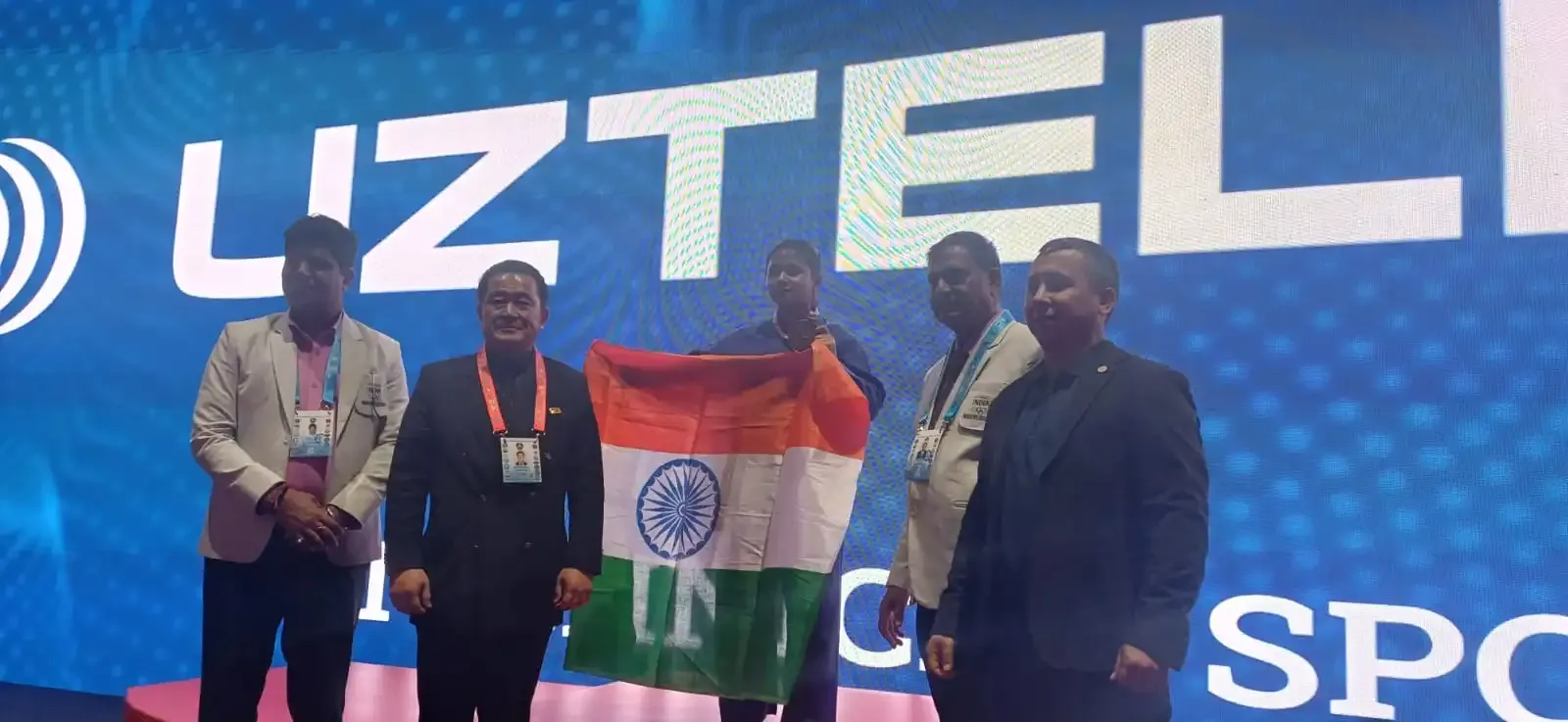
07 Nov, 2024
CT University's talented student Kajal Biswas, has brought immense pride to the nation by winning the Gold Medal at the 4th World Sqay Championship held in Tashkent, Uzbekistan. This impressive achievement highlights the exceptional talent and dedication of CTU's students.Sqay, a dynamic martial art combining elements of karate, taekwondo and kickboxing, demands immense physical and mental practice. Kajal's victory demonstrates her rigorous training, unwavering determination, and unwavering commitment to her sport. Her victory not only highlights her individual brilliance but also underscores the supportive and nurturing environment provided by CT University.Pro Chancellor Dr. Manbir Singh, extended his heartfelt congratulations to Kajal Biswas on her outstanding achievement of winning the Gold Medal at the 4th World Sqay Championship. He expressed confidence in her ability to continue inspiring future generations of athletes and bring glory to the university and the nation. Head of Sports Gurdeep Singh also offered his congratulations to Biswas, acknowledging her dedication, hard work, and commitment to the sport of Sqay.
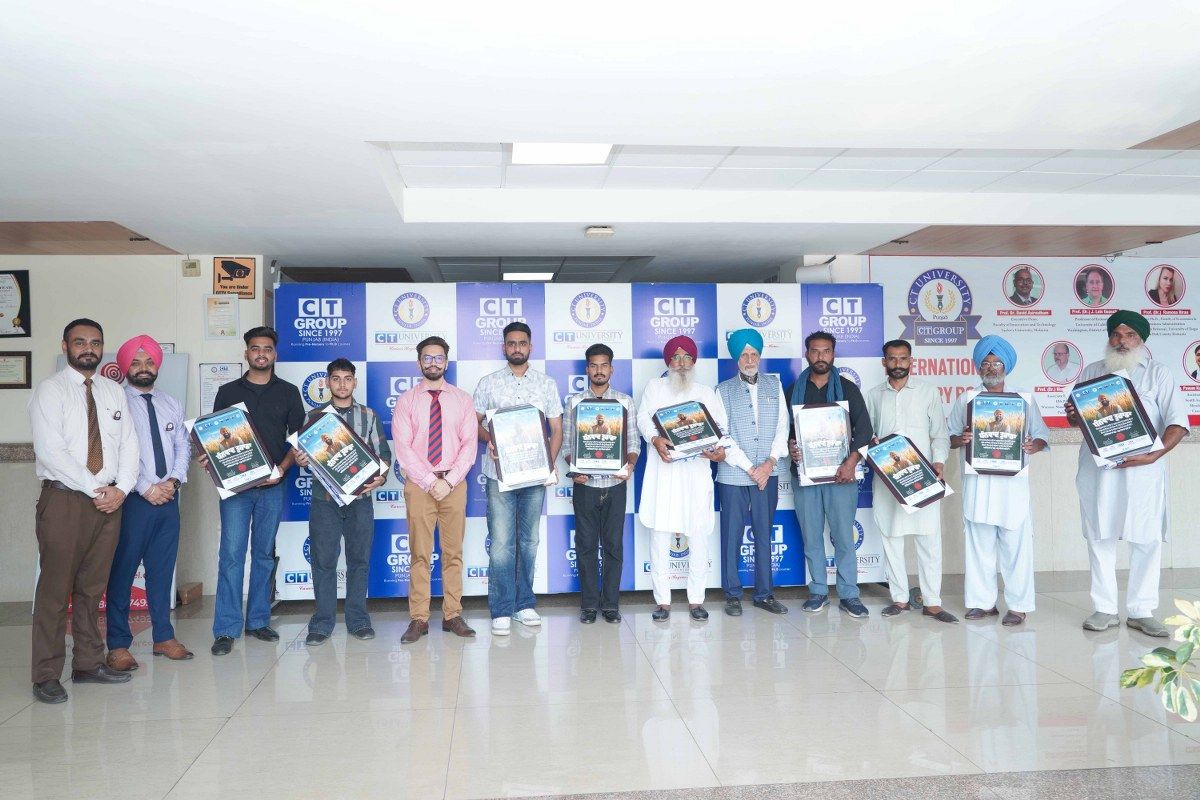
11 Nov, 2024
CT University recently honored a group of farmers for their commitment to sustainable agricultural practices. These farmers, who hail from various villages in the region, have taken the initiative to avoid the traditional practice of burning crop residue, a major contributor to air pollution.The honored farmers are Gurpreet Singh and Jaspreet Singh from Chownkiman, Malwinder Singh, Narinderpal Singh, and Jaswant Singh from Gureh, Lal Singh, Soni Sidhu and Amna Toor from Sowaddi, Gurpratap Singh from Malak, Raminderdeep Singh from Manuke, Jashanpreet Singh from Barsal, Armanpreet Singh from Malak. By choosing not to burn crop residue, they have contribute to reducing air pollution, improving air quality, and preserving the health of the environment.Chairman S. Charanjit Singh Channi and Pro-Chancellor Dr. Manbir Singh presented the awards to the honored farmers. Chairman S. Charanjit Singh Channi appreciated them by commending their efforts and emphasized the importance of sustainable agriculture practices. The Director, Department of Student Welfare Davinder singh was also present at the event.
25 Nov, 2022
Around 50 speakers present their research papers in IMSEMTI 2022Dr. Firas Habal CEO – Emirates Scholar Research Center deliberated the Key note speech CT University in association with City University, Ajman organized its 5th International Multi-Track Conference on Sciences, Engineering, Management & Technical Innovation IMSEMTI 2022 at UAE. The conference brought experts and delegates from different countries to take stock of current knowledge, share information, and build consensus on the actions most needed to move forward in the respective fields.Mr. Imran Khan, President – City University Ajman, accompanied by Dr. Sabrin Azim and Dr. Varinder Singh Rana welcomed the keynote speakers, delegates and presenters across the globe and outlined the aim and objectives of the conference. Mr. Imran Khan, President – City University Ajman also shared that they have received around 50 papers from different universities/institutes like Muscat, Dubai, CT University, Ludhiana, Singapore Institute of Technology & University of Glasgow-Singapore, Alqalam University- Nigeria, National University of Singapore-Singapore, University of Ottawa-Canada, Chandigarh University, Lovely Professional University, National Institute of Technology-Jalandhar, and DAVIET etc.Dr. Manbir Singh, Pro Chancellor CT University, Ludhiana delivered inaugural remarks and discussed the rich heritage of CT Group of Institutions, The elegant history of City University Ajman, the collaboration of two Titanic Universities, and about the International Conference IMSEMTI 2022.Dr. Firas Habal CEO – Emirates Scholar Research Center delivered the keynote address. He presented the insight into the challenges that an automated work environment poses for organizations in the future and how they should be run. He also highlighted the positive and negative impact of artificial intelligence on the future of business scenarios.Professors, Directors and Dean of renowned and International Universities also attended the conference and chaired the technical Sessions. To name a few, the first technical session was chaired by Dr. Mohamed Amerah and co-chaired by Dr. Jasdeep Kaur Dhami, the moderators for this session were Dr. Sabrine Ali and Ms Anjali. The second technical session was chaired by Prof.AssemTharwat and co-chaired by Dr.SachitVardhan & Dr.Hala Afifi, the moderators for this session were Dr. Faisal Khan and Dr.AbuFaiz. The third technical session was chaired by Dr. Babeet Gupta, co-chaired by Dr. Kamal Malik and the moderators were Dr.Jaishu Antony and Mr. Sayed Mahmoud. The fourth technical session was chaired by Dr. Jasdeep Kaur Dhami, co-chaired by Dr. Deepanjana Varshney and moderators were Dr. Hima Parmeshwaran and Dr Mohamed Knio.Dr. Dr. Varinder Singh Rana, Convener IMSEMTI 2022 delivered the vote of thanks to key note speakers, presenters, delegates, and one and all who contributed for the success of the conference.Dr. Manbir Singh, Pro Chancellor, CT University, Ludhiana congratulated the organizing team for taking this conference to the new heights and also said that academicians and post graduate students from various universities and institutions, working professionals, research scholars from industry and research &development organizations across the different countries participated in this one day conference.
22 Jul, 2023
CT University hosted IMSEMTI 2023 Vietnam: 6th International Conference on Engineering, Management, and Technical Innovation. The conference was held on 17 July 2023, in Vietnam, bringing together renowned experts, researchers, academicians, and industry professionals from around the world.IMSEMTI 2023 Vietnam provided a platform for knowledge exchange, collaboration, and networking in engineering, management, and technical innovation. The conference featured insightful discussions, interactive sessions, and presentations on cutting-edge research and advancements in various disciplines.One of the highlights of the conference was the presence of esteemed keynote speakers, Prof. Dr. Andreas Stoffer, Professor of Management, International University, SDI, Munich, and Dr. Mojo George, Senior Lecturer, RMIT University, Vietnam.Dr. Andreas Stoffer is a renowned management expert and has made significant contributions to the field through his research and publications. He shared his insights into the latest trends and developments in management and its impact on society. Dr. Mojo George. Another esteemed keynote speaker is a distinguished business professional. With his vast experience and expertise, he has driven organizational growth and innovation.Research scholars from the USA, Dubai, Ajman, Indian states of Andhra Pradesh, Punjab, Assam, and many more contributed through presenting research papers. They discussed advances and challenges in their respective fields. The conference also saw the exchange of ideas and knowledge sharing among the participants.Dr. Varinder Rana, Department Chair, Department of Hospitality and Tourism, City University, Ajman, UAE also contributed. Dr. Rana's contributions further highlighted the collaborative spirit of the conference, leading to a wealth of knowledge shared by all.The Chancellor of CT University, Charanjit Singh Channi, virtually attended and provided valuable insights from his experiences. Pro Chancellor of CT University, Dr. Manbir Singh, Director of Research and Innovation, Dr. Jasdeep Kaur Dhami, Deputy Director of Centre for Career Planning and Counselling, Mr. Nittan Arora, Principal School of Law, CT University, Dr Simran Gill and Head of Engineering and Technology, Professor Dr. Jimmy Singla were the attendees.The Pro Chancellor of CT University, Dr. Manbir Singh stated about the conference and said,"This conference is a great platform to discuss the challenges and opportunities of the new industrial revolution. It will help create an atmosphere of collaboration and innovation amongst the attendees and help in the growth of the industry. I am confident that the outcome of this conference will be fruitful and beneficial to us all."
14 Nov, 2024
CT University's brilliant student, Eklavya Gaur, has brought immense pride to the institution by securing the 5th rank in the prestigious Haryana Judiciary Exam.To celebrate this special occasion, a ceremony was organized at the university campus. The event was honored by the presence of Chancellor S. Charanjit Singh Channi, Vice-Chancellor Dr. Abhishek Tripathi, Pro Vice-Chancellor Dr. Nitin Tandon, Registrar Sanjay Khanduri, and Dean of Academics Dr. Simranjeet Kaur Gill.Chancellor S. Charanjit Singh Channi, in his address, appreciated Eklavya's hard work and dedication. He emphasized that the university's focus on career development and practical learning experiences empowers students to excel in competitive exams. "Eklavya's success is a testament to our commitment to providing quality education and nurturing future leaders," he stated. Eklavya, expressed deep gratitude to CTU for providing him with the necessary resources and support.
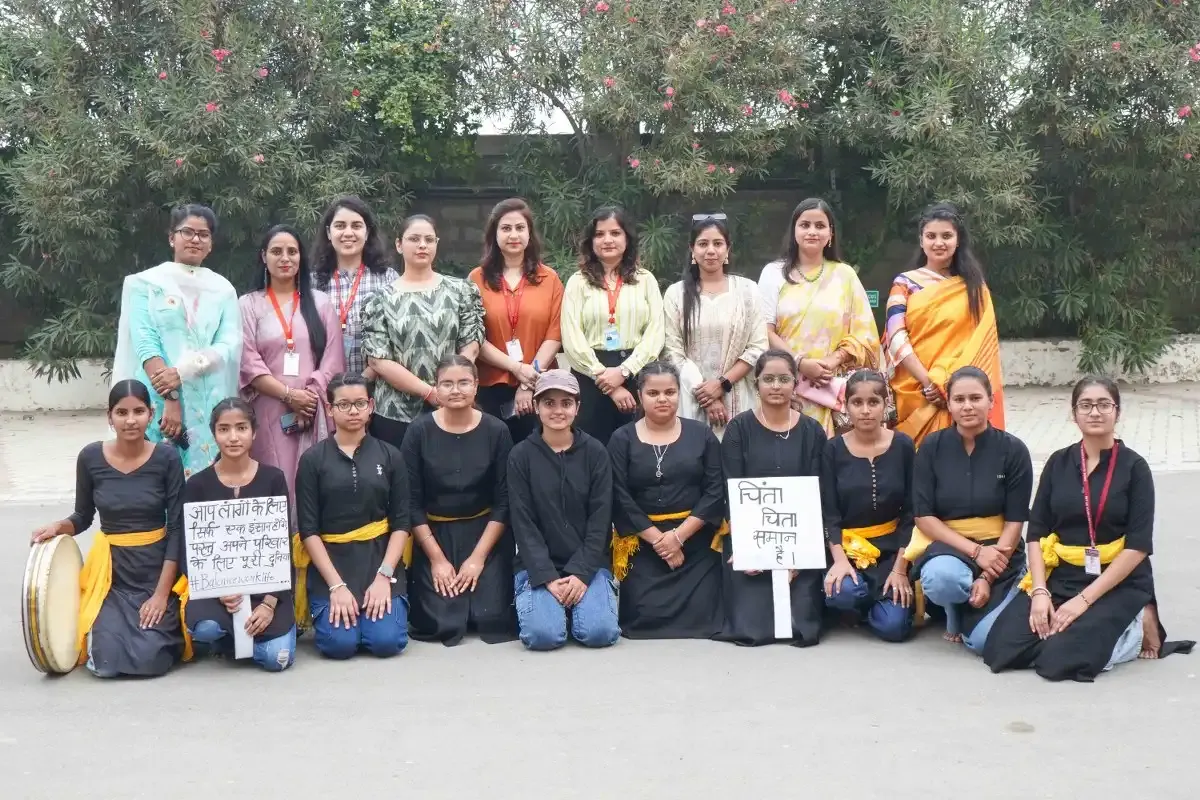
18 Nov, 2024
CT University's Department of Management Studies successfully hosted Two days of ManiFest 2k24. This two-day inter-college fest was powered by Unstop in association with StockGro, attracted talent from various colleges across the region. The fest started with a grand inauguration ceremony graced by esteemed faculty and administration members of University. The event witnessed enthusiastic participation from students across multiple departments of CT University and prestigious institutions.ManiFest 2k24 organized 21 diverse events catering to various creative competitions like Rangoli, Face Painting, and Collage Making to intellectual challenges like Debate and Quiz, the fest had something for everyone. The event also featured industry-oriented competitions such as Trading Competitions, Marketing Tech, and Corporate Comm-Conclave, providing students with a platform to apply their knowledge in real-world scenarios.The event witnessed enthusiastic participation from students across multiple departments of CT University and various prestigious colleges, including SCD Government College, PCTE, Guru Nanak Dev Engineering College, Guru Nanak Khalsa College for Women, Ludhiana Group of Colleges, Gulzar Group of Institutions, UBS Ludhiana, Guru Teg Bahadur Institute of Management and Technology, Government College for Girls, and many more. A total of 200 students competed in different events, showcasing their skills and creativity.ManiFest 2k24 concluded with a felicitation ceremony, where the top performers in each event were honored by the Vice Chairman Mr. Harpreet Singh, Vice Chancellor Dr. Abhishek Tripathi, Dean academics Dr. Simranjeet Kaur Gill, Registrar Sanjay Khanduri, Director, Department of Student Welfare Davinder Singh and Head of the Management Department. The event left a lasting impression on all participants, inspiring them to continue pursuing their passions and strive for excellence.
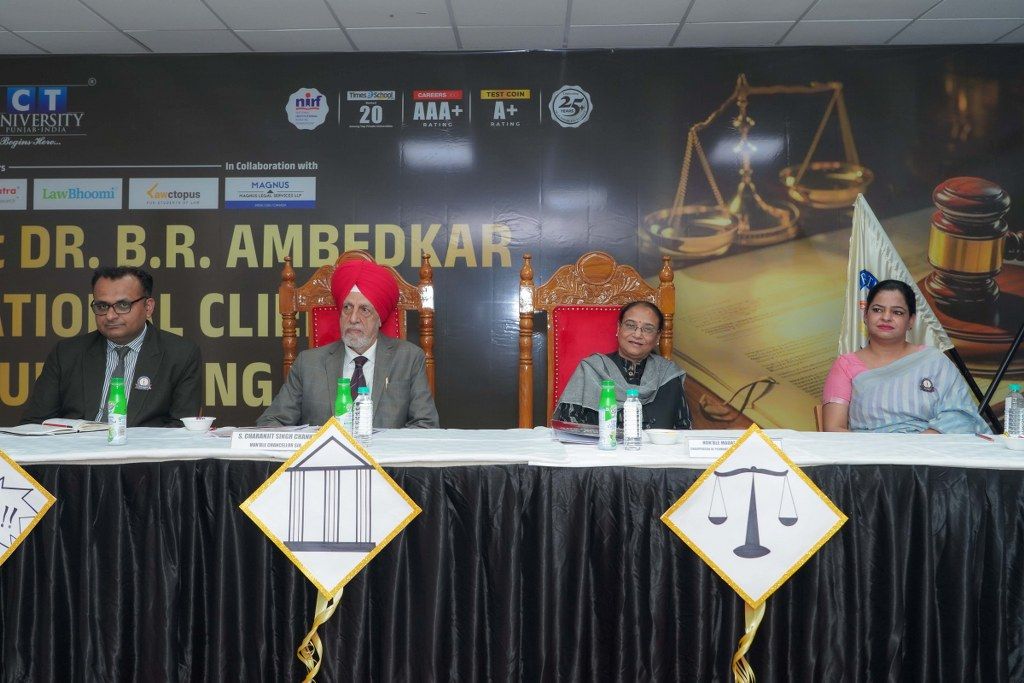
25 Nov, 2024
CT University's School of Law successfully hosted the 1st B.R. Ambedkar Client Counseling Competition. This prestigious event brought together 24 teams comprising 48 talented law students from across India to showcase their Legal knowledge and client counseling skills. The competition was designed to simulate real-world legal scenarios, challenging participants to understand client concerns, provide strategic legal advice, and navigate complex legal issues. The diverse range of legal topics covered included Criminal Law, Family Law, and Commercial Law.The trophy for the championship title was lifted by the team from Department of Laws, UILS, Punjab University, Chandigarh. The runner-up trophy went to the team from Christ University, Delhi. Deepak Kaur from Punjab University, Chandigarh, was awarded the Best Advocate title.The inaugural session was graced by the presence of esteemed jurist, Honorable Retd. Additional District and Sessions Judge Ms. Preeti Sahini, Chairman Permanent Lok Adalat Moga. The event was further honored by the presence of CT University's Chancellor, S. Charanjit Singh Channi, Pro Chancellor Dr. Manbir Singh, Vice Chairman Mr. Harpreet Singh, Vice Chancellor Dr. Abhishek Tripathi and Dean Academics Dr. Simranjeet Kaur Gill. Advocate Ritesh Anand, a prominent legal practitioner from Magnus Legal Firms, Delhi, graced the occasion as the Guest of Honor.Chancellor S. Charanjit Singh Channi addressed the participants, emphasizing the significance of learning through client counseling competitions and highlighted the importance of developing empathy, compassion, and emotional intelligence in addition to legal knowledge.
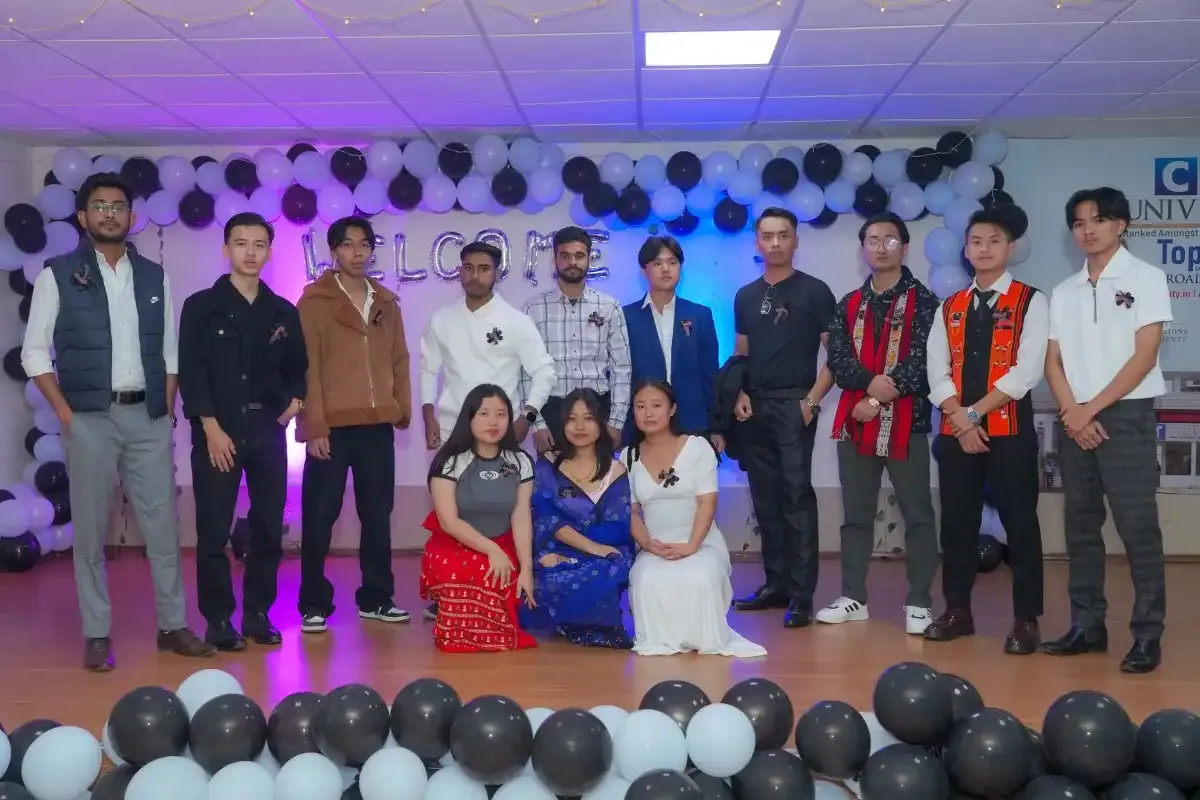
28 Nov, 2024
CT University hosted a spectacular cultural evening, "North East Freshers," to welcome freshers from the North Eastern states. The event was a grand celebration of music, dance, fashion and fun, showcasing the rich cultural diversity of the region.The evening commenced with a series of cultural singing and dance performances by the students, which left the audience spellbound. The energy was palpable as the students took to the stage, dressed in their traditional attire, to showcase their talents.In addition to the cultural performances, the event also featured fun games and a fashion show, which added to the excitement and glamour of the evening. The highlight of the event was the "Mr. and Ms. Fresher" contest, which saw enthusiastic participation from the students.Nramchung and Priyanka were crowned Mr. Fresher and Ms. Fresher, respectively, amidst thunderous applause and cheers from the audience.The event was graced by the presence of Hon'ble Vice Chancellor, Dr. Abhishek Tripathi, and Director, Department of Student Welfare, Davinder Singh. Faculty members and students from various departments attended the event, making it a grand success.Speaking on the occasion, Dr. Abhishek Tripathi, Vice Chancellor, CT University, said, "We are delighted to welcome our freshers from the North East and provide them with a platform to showcase their talents."
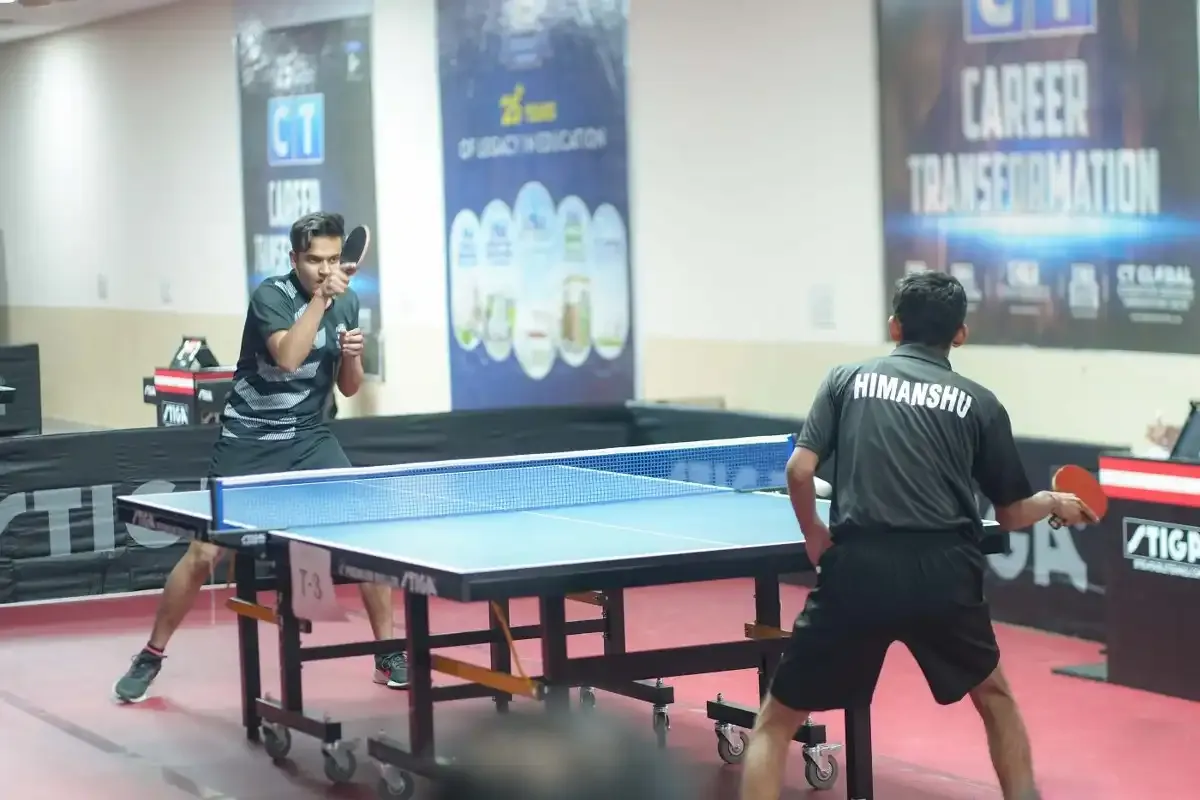
02 Dec, 2024
CT University proudly inaugurated the North Zone Intervarsity Table Tennis Men Championship 2024-25 on its campus. The tournament, running from December 1 to December 5, follows a knockout format, featuring intense competition among 58 university teams from across the North Zone.This prestigious event offers participants a chance to qualify for the All India Inter-University Table Tennis Championship and the ‘Khelo India’ University Games, with the top four teams advancing to these national platforms.The inauguration ceremony witnessed the esteemed presence of CT University Chancellor S. Charanjit Singh Channi, Pro Chancellor Dr. Manbir Singh, Vice Chancellor Dr. Abhishek Tripathi, Pro Vice Chancellor Dr. Nitin Tandon, Registrar Sanjay Khanduri, Dean Academics Dr. Simranjeet Kaur Gill, and Director of the Department of Student Welfare Davinder Singh.Renowned institutions such as Chandigarh University, Chitkara University, Cluster University (Jammu), Doon University (Dehradun), Lovely Professional University, and Punjab University, among others, are competing in this championship.Addressing the gathering, Chancellor S. Charanjit Singh Channi expressed his pride in hosting the event, saying, “This championship provides a platform for students to excel not only in sports but also in developing qualities like discipline and teamwork. CT University remains committed to supporting initiatives that contribute to the holistic growth of students.”
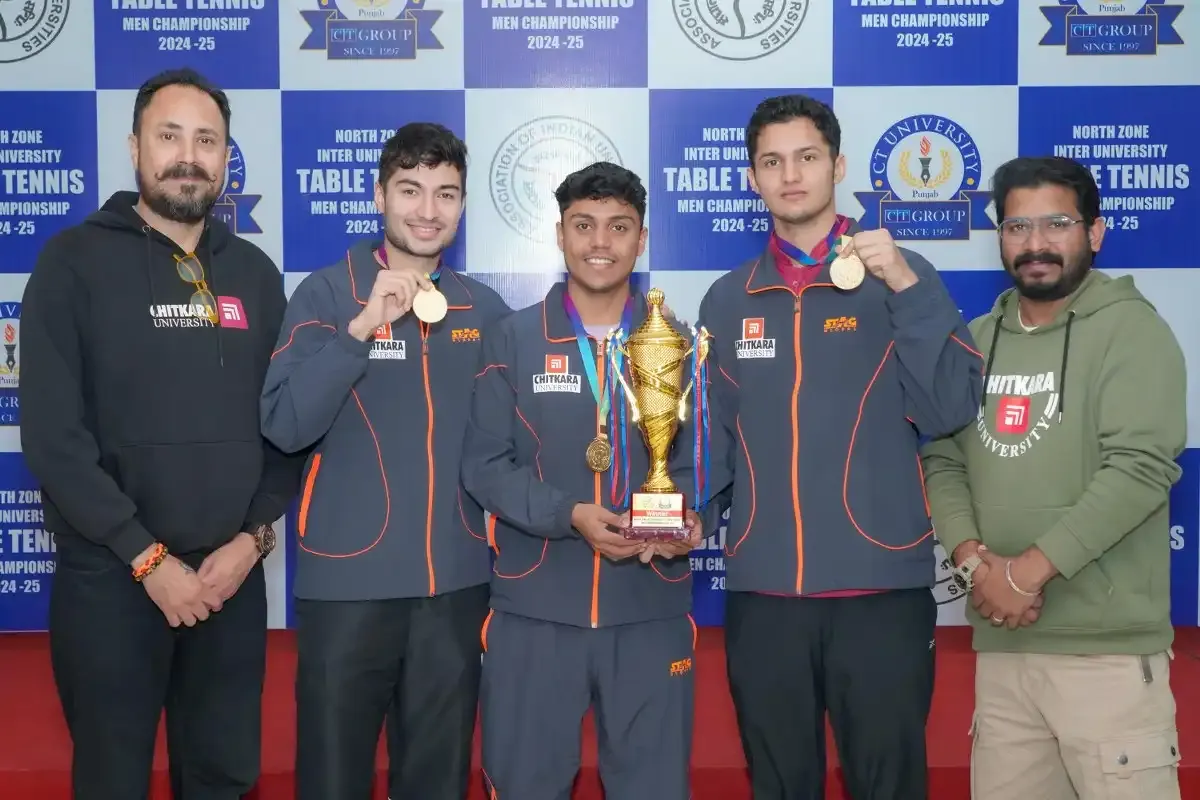
05 Dec, 2024
CT University successfully hosted the North Zone Intervarsity Table Tennis Men Championship, which witnessed intense competition among 58 university teams from across the North Zone.Chitkara University, Punjab, emerged as the winner, securing the first prize and gold medal. Chandigarh University, Mohali, took home the second prize and silver medal, while Punjabi University, Patiala, secured the third prize and bronze medal. CT University, Ludhiana, finished fourth.The winning participants have qualified for the All India Inter-University Table Tennis Championship and the 'Khelo India'.The closing ceremony was attended by CT University's Pro Chancellor Dr. Manbir Singh, Vice Chancellor Dr. Abhishek Tripathi, Director of the Department of Student Welfare Davinder Singh, and Head of the Sports Department Gurdeep Singh.Commenting on the occasion, CT University's Pro Chancellor, Dr. Manbir Singh, said, 'We are thrilled to have hosted this prestigious championship and congratulate the winners on their achievement. We look forward to continuing to promote sports excellence among our students.'
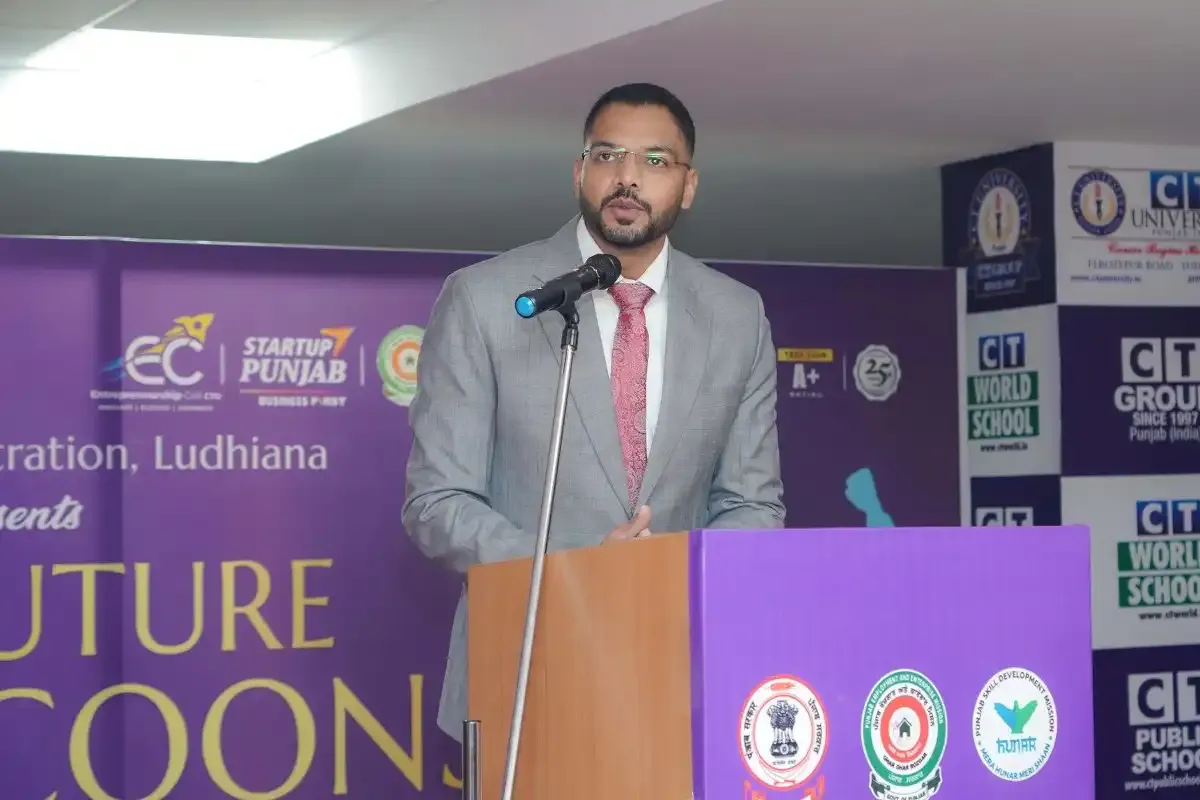
10 Dec, 2024
The District Administration, in collaboration with Startup Punjab and CT University, successfully hosted the Boot Camp cum Workshop for the Future Tycoon startup challenge. The event saw an impressive turnout, with 4624 registrations and 218 teams selected to move on to the next round.These teams were chosen from five categories: Open Category, Student Category, Women Category, Sustainable Agriculture Category, and PWD (People with Disability) Category. The Student Category had the highest qualification of 115.The selected teams will now prepare for the Jury Round, scheduled to take place in January, followed by the Grand Finale. The top three teams from each category will receive a seed capital of ₹13 crore 10 lakh.The event was graced by dignitaries, including Jitendra Jorwal, IAS Deputy Commissioner Ludhiana, and Dr. Abhishek Tripathi, Vice Chancellor, CT University. Keynote speakers included Shibananda Das, CEO of Ludhiana Angel Network, Salil Kaplash, Startup Punjab, and Sarabjit, LDM Punjab Sind Bank.CT University's Pro Chancellor Dr. Manbir Singh expressed his gratitude towards the Chief Guest, stating, "We are thankful for your presence and support. This event is a testament to our commitment to fostering innovation and entrepreneurship among our students."The Official Sponsors include CICU, Happy Forgings Ltd., and Punjab and Sind Bank, while the Official Partners include CT University, Innovation Mission Punjab, Ludhiana Angels Network, PAU, and STEP GNDEC.CT University’s Vice Chairman Harpreet Singh, Registrar Sanjay Khanduri and Director of the Department of Student Welfare Davinder Singh thanked the Chief Guest for accepting to grace this day with his presence.

13 Dec, 2024
The School of Pharmaceutical Sciences (SOPS) at CT University successfully organised a two-day workshop on the "Zebrafish Model in Pharmacological Research," held under the auspices of the 4th Asian Congress for Alternatives to Animal Experiments.The workshop revolved around the overarching theme of "Non-animal Approaches: Concept, Validation and Regulatory Acceptance" and aligned with the 7th Annual Conference of the Society for Alternatives to Animal Experiments (SAAE).The workshop was conducted by Kaunava Roy Chowdhury under the guidance of Dr. Vir Vikram.The workshop was graced by the presence of Chancellor S. Charanjit Singh Channi, Pro Chancellor Dr. Manbir Singh, Vice Chancellor Dr. Abhishek Tripathi and Pro Vice Chancellor Dr. Nitin Tandon, encouraged the participants with their motivational words.The workshop witnessed overwhelming participation with 61 participants including 12 participants from different states showcasing the national reach of the event. The presence of dignitaries and the active involvement of participants made the workshop a grand success.The distinguished Guest of Honours were Dr. J.S. Dua, President SPER Punjab and Dr. Ashwani Dhingra, President SPER Haryana.The event also featured Dr. Satnam Singh, Professor at Adesh University, as an honoured speaker."We are committed to promoting innovative research and ethical practices in pharmaceutical sciences, with a focus on non-animal approaches," said Dr. Vir Vikram."The workshop was a huge success and we are proud to have hosted it" said Chancellor S. Charanjit Singh Channi.
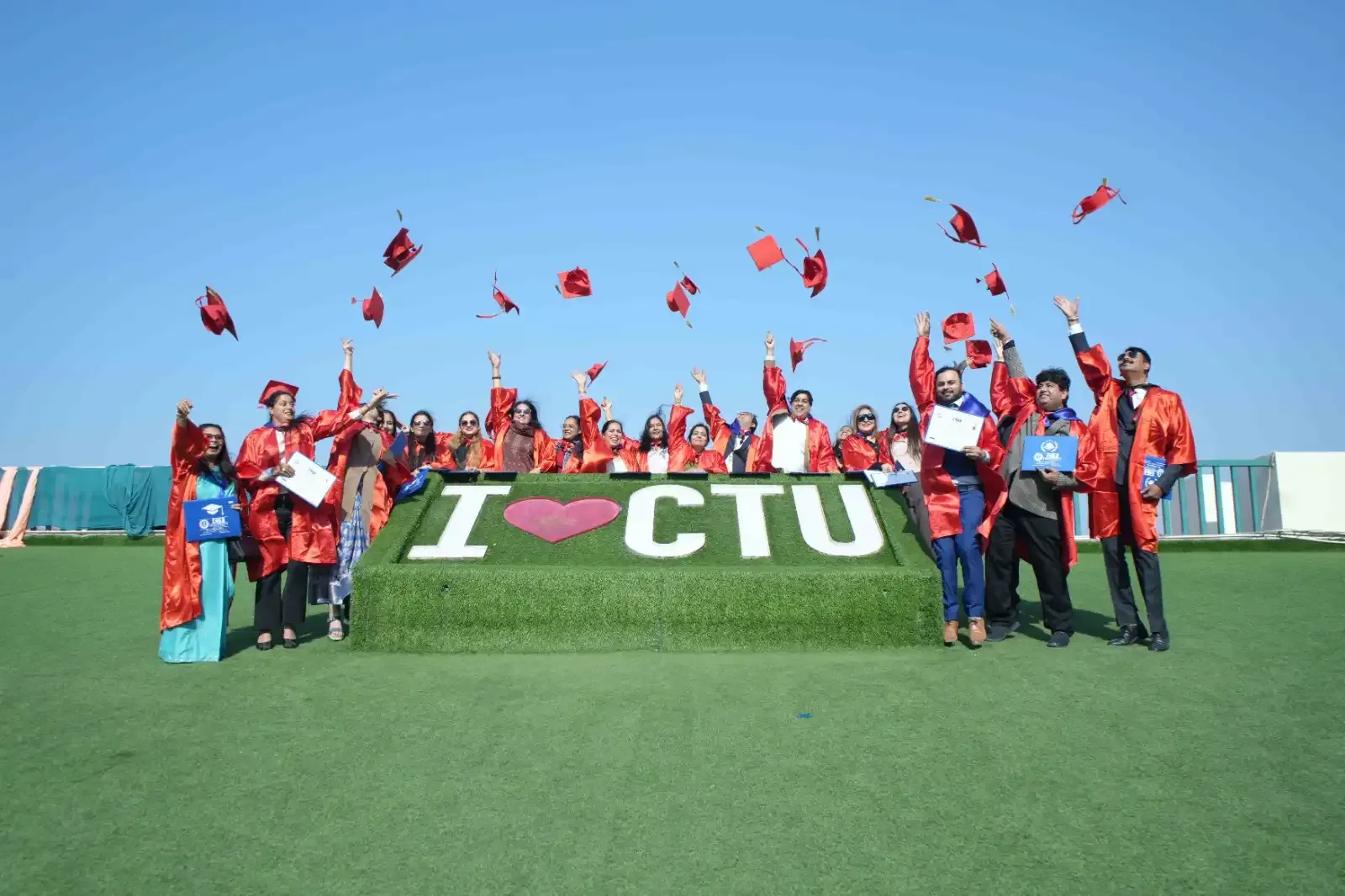
07 Dec, 2024
As the graduates filled the room, the excitement was palpable and the spirit was strong. This cheerful and heart-warming scenario was witnessed at 2nd Convocation of CT University. As many as with a high number of postgraduates and graduates of 2023 and 2024 passed out batches were awarded degrees in a convocation ceremony organised in open air theatre,CT University.At the convocation, more than 1600 students of Pharmacy, Hospitality, Engineering, Law and other streams were honoured. Achievers from various programs were honoured with the University Gold Medals, and Merit Certificates. In total, 41 Gold Medals and 140 Ph.D. Scholars were presented to the distinguished achievers.On this occasion, so many industrialists were present along with the faculty of CT University. The Chief Guest for the occasion was Member of Parliament, Rajya Sabha and Chancellor of LPU, Dr. Ashok Kumar Mittal. He delivered the Convocation Address.In his address, Dr. Ashok Kumar Mittal shared the tale of his success and stressed on the educational aspect. He said, “I congratulate all the degree holders today as it’s the reward of their hard work and sincerity during their college days.The welcome speech was delivered by Vice Chancellor, Dr. Abhishek Tripathi. Charanjit Singh Channi, Chancellor, CTU said, “My experiences prompt me to say that today’s Achievement may fade or even forgotten. The applause and appreciation may become a distant memory. I have no doubt that you will get the very best in life.”Chancellor S. Charanjit Singh Channi, Pro Chancellor Dr. Manbir Singh, Vice Chairman Harpreet Singh, Vice Chancellor Dr. Abhishek Tripathi, Pro Vice Chancellor Dr. Nitin Tandon, Registrar Sanjay Khanduri and Director of the Department of Student Welfare Davinder Singh thanked the Chief Guest for accepting to grace this day with his presence.Guest of honours were there, Ramesh Mittal and Naresh Mittal from Lovely Group. Politician Fateh Jung Singh Bajwa Jimmy Conrad Nana Dojo Aside, First Secretary Trade Tourism and Culture Ghana High Commission to India, New Delhi Motivational Speaker and Life Coach, Kamana Agarwal Some of the Academician, Dr. Anshu Kataria, Dr. Zora Singh, Manjeet Singh, Anil Chopra Some of the Industrialists, Dr. S.B Singh, Dr. Munish Jindal, Saurabh Goyal, Rahul Sharma.
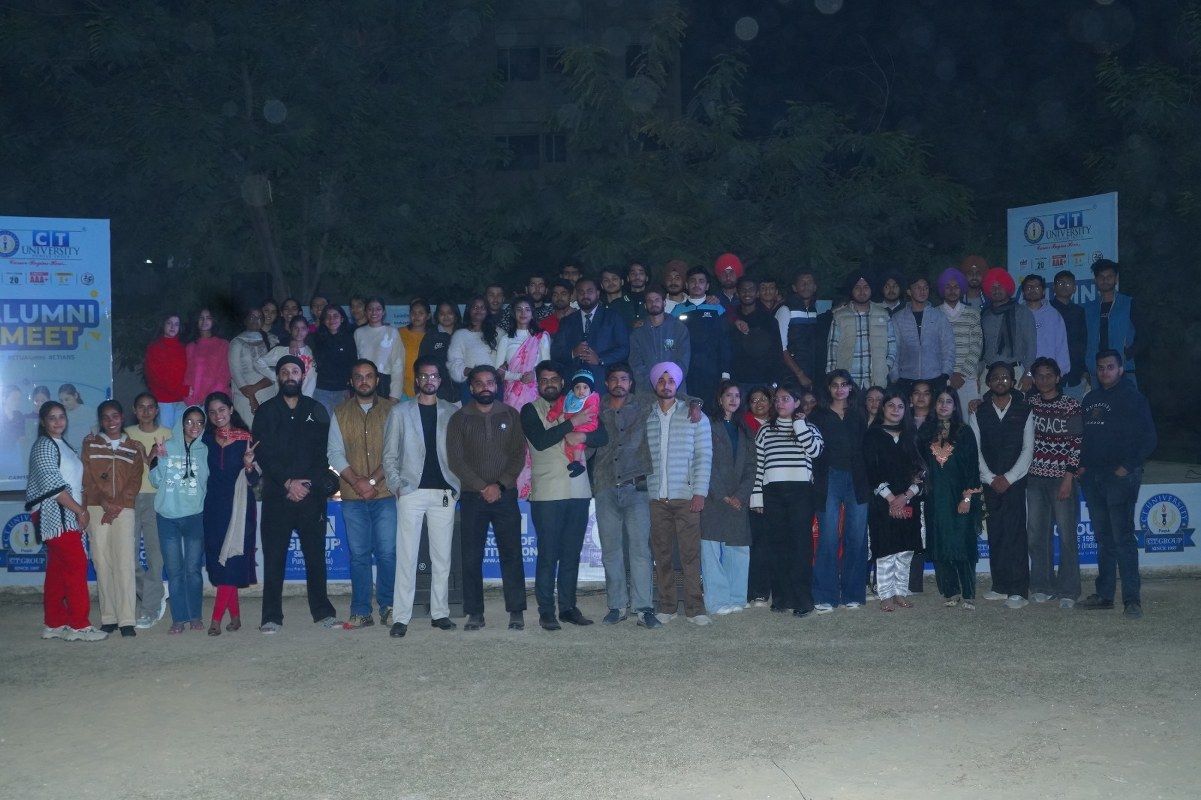
06 Dec, 2024
CT University's Alumni Association, under the aegis of the Department of Student Welfare, recently hosted its 2nd Alumni Meet 2024. The event brought together over 170 esteemed alumni from various batches and disciplines, reunifying them with their alma mater.The occasion was graced by distinguished dignitaries, including Vice-Chancellor Dr. Abhishek Tripathi and Director of the Department of Student Welfare, Er. Davinder Singh.Dr. Abhishek Tripathi delivered an inspiring address, emphasising the significance of alumni engagement in fostering the university's growth and development.Throughout the meet, alumni shared their experiences, reminisced about cherished memories, and celebrated remarkable success stories.Geetanjali Arora, one of the attendees, expressed her gratitude, saying, "I feel lucky to be a part of CT University. Whatever I am today is because of the regular guidance of my teachers and friends."Dr. Abhishek Tripathi expressed his gratitude towards the alumni for their enthusiastic participation, reiterating CT University's commitment to fostering lifelong connections and creating transformative experiences for its alumni community.The event concluded with a Vote of Thanks by Er. Davinder Singh, acknowledging the contributions of all participants and supporters who made the Alumni Meet 2024 a resounding success.
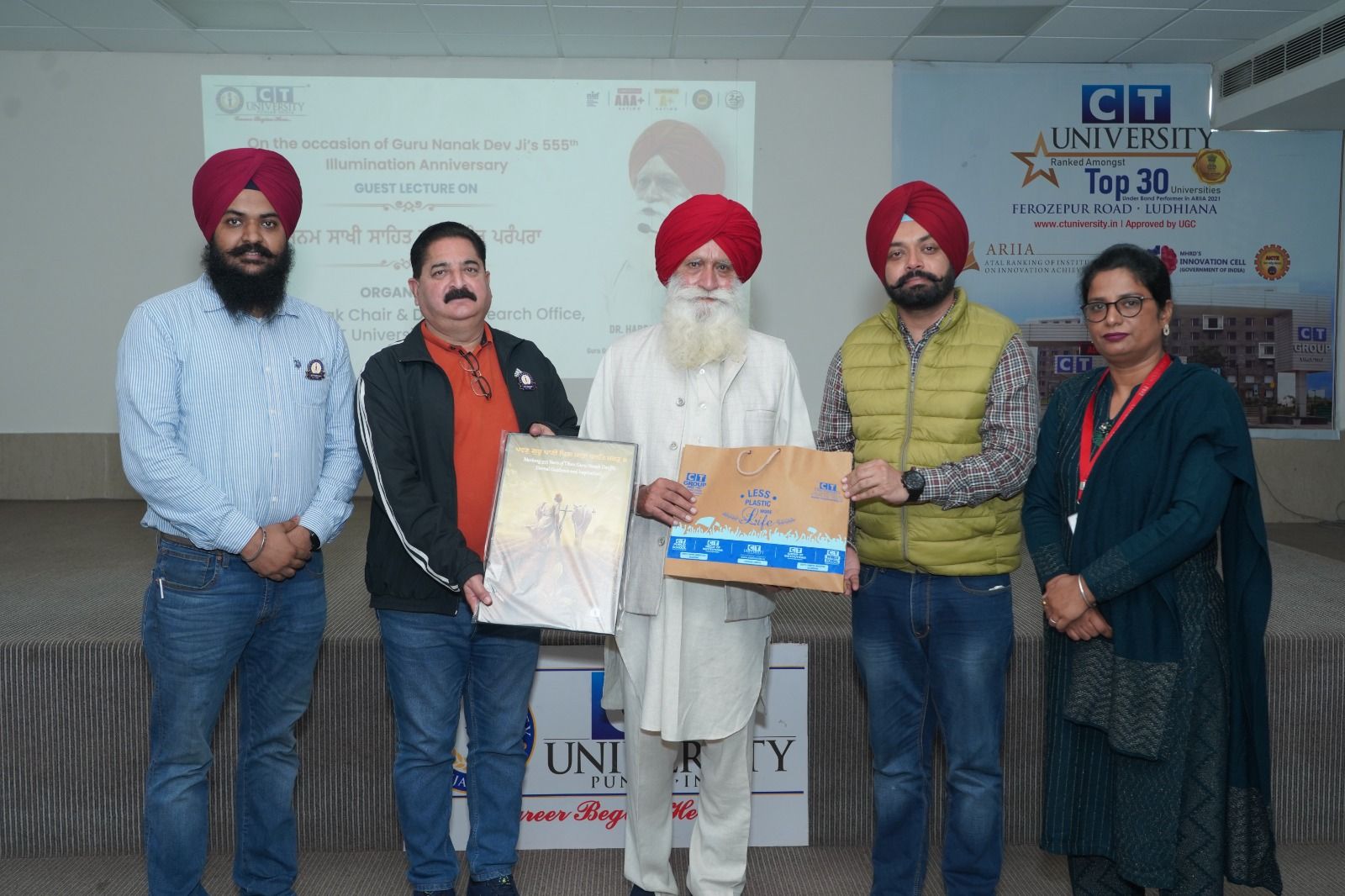
19 Dec, 2024
CT University's Guru Nanak Chair and Dean Research Office organised a special event to commemorate Guru Nanak Dev Ji's Prakash Purab. The occasion featured a distinguished lecture by Dr. Harpal Singh Pannu, Professor of Sikh Studies, Guru Gobind Singh Chair, Central University of Punjab.Dr. Pannu's lecture, titled "Janam Sakhi Sahit Di Ameer Parampra" (ਜਨਮ ਸਾਖੀ ਸਾਹਿਤ ਦੀ ਅਮੀਰ ਪਰੰਪਰਾ), delved into the rich tradition of Janam Sakhi literature and celebrated Guru Nanak Dev Ji's teachings.According to Dr. Manbir Singh, Pro Chancellor, CT University, "We are honored to host Dr. Harpal Singh Pannu and celebrate Guru Nanak Dev Ji's Prakash Purab. This event is a testament to our university's commitment to promoting Sikh studies and values."The event was coordinated by Assistant Dean Research Dr. Satvir Singh, Dr. Lakhwinder Kaur, Pro Vice Chancellor Dr. Nitin Tandon and Director of the Department of Student Welfare, Er. Davinder Singh, thanked the Chief Guest for his insightful lecture.Dr. Harpal Singh Pannu is a renowned scholar with numerous accolades, including the Shiromani Punjabi Sahitkar Award (2016) from the Government of Punjab. He has published 24 books and has held various prestigious positions, including Visiting Professor at the University of Religious Studies, Qom, Iran, and Nav-Nalanda University, Nalanda, Bihar.
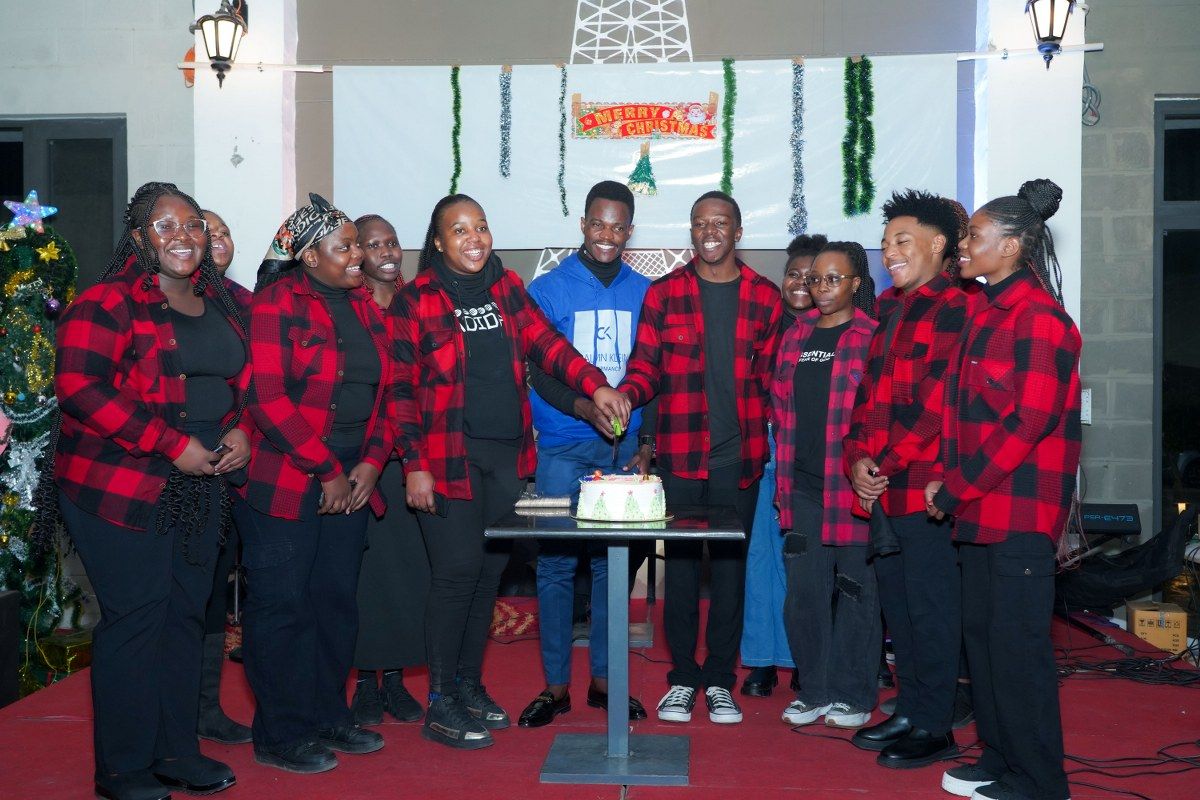
24 Dec, 2024
CT University's Department of Student Welfare organized a joyous Christmas celebration, bringing together students from over 35 nations, including India and Africa. The vibrant event featured mesmerizing performances of singing, dancing, and Christmas carols.Tatenda Chinhamo, President of the Zimbabwean Student Council, graced the occasion as the chief guest. Vice Chancellor Dr. Abhishek Tripathi and Er. Davinder Singh, Director of the Department of Student Welfare, extended warm wishes to everyone on the auspicious occasion.Dr. Abhishek Tripathi emphasized, "CT University is a melting pot of cultures, where students from diverse backgrounds come together to celebrate festivals with great fervor. This Christmas celebration is a testament to our university's spirit of unity and inclusiveness, making it a home away from home for our students."
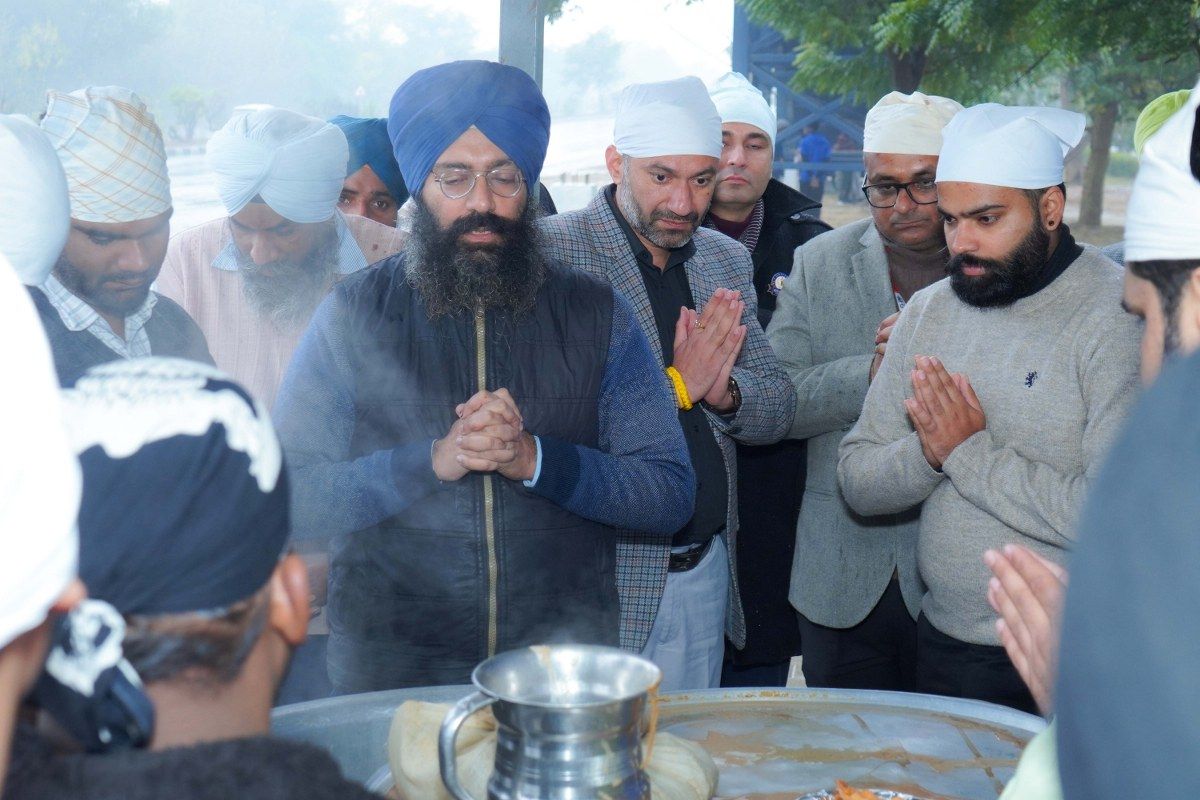
27 Dec, 2024
CT University organised a tribute to the martyrdom of Chaar Sahibzaade - Baba Ajit Singh, Baba Jujhar Singh, Baba Zorawar Singh, and Baba Fateh Singh. The University's Department of Student Welfare hosted 'Chaa Da Langar,' that honored the supreme sacrifice of the four Sahibzaades.On the occasion of the supreme sacrifice, the Department of Student Welfare showed Movie ‘CHAAR SAHIBZAADE’ a story of bravery and sacrifice.The occasion began with Langar Sewa, where staff members and students offered prayers, remembering the sacrifices made by the gurus.Vice Chancellor Dr. Abhishek Tripathi, Pro Vice Chancellor Dr. Nitin Tandon, and Director of the Department of Student Welfare Er. Davinder Singh graced the occasion.Dr. Abhishek Tripathi emphasized, “We should forever remember Mata Gujri and Chaar Sahibzaade in our hearts and follow the path shown by them, rising above caste and all religions.”This tribute reinforced CT University's commitment to preserving and promoting India's rich cultural heritage.
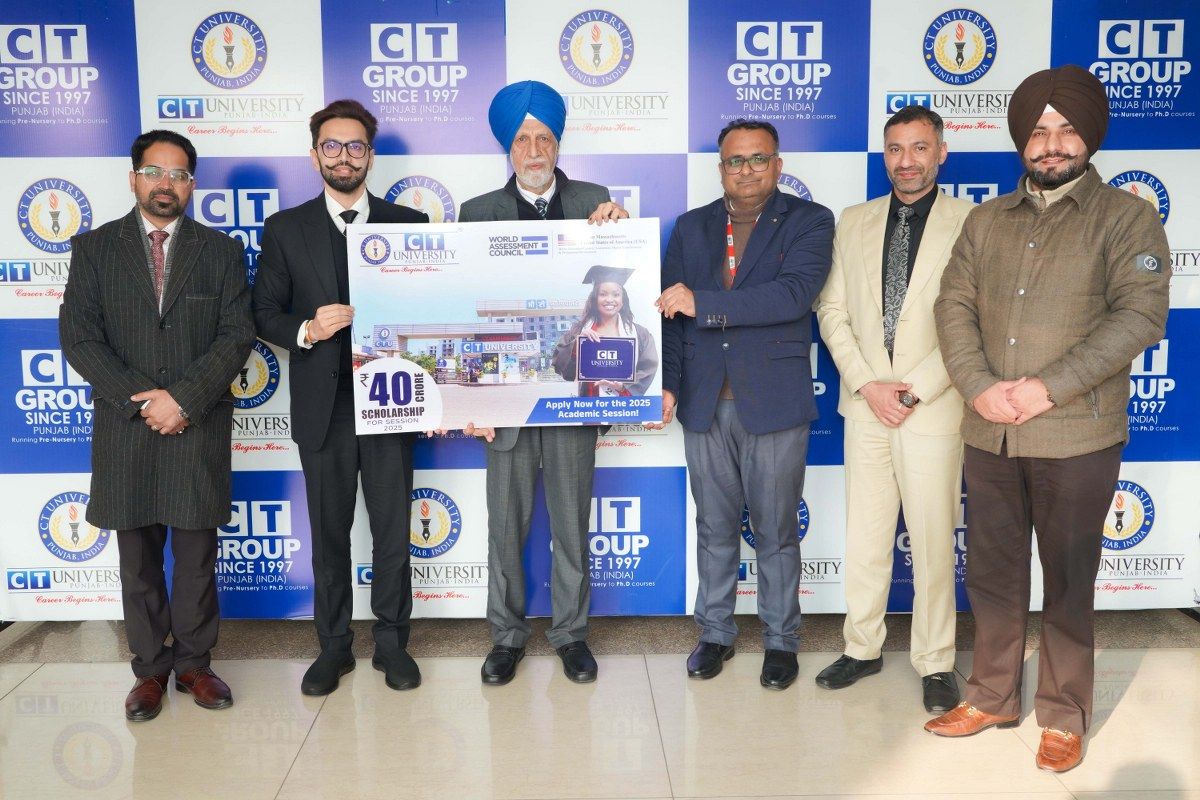
30 Dec, 2024
The scholarship fund has seen a significant boost of ₹8 crore, increasing from ₹32 crore in 2024 to ₹40 crore in 2025CT University has introduced a special scholarship worth ₹40 crore for the 2025 academic session to honour the legacy of Lt. Dr. Manmohan Singh, former Prime Minister of India. This scholarship aims to support deserving students in achieving their dreams of higher education.Students applying for programs like Law, Engineering, Management, Pharmacy, Hotel Management and Pharmaceutical Sciences at CT University can benefit from this initiative.The scholarship will be given based on how well students do on the World Assessment Council (WAC) exam. The WAC headquarters is in Boston, USA. This test evaluates students aptitude and subject knowledge for undergraduate and postgraduate programs.Lt. Dr. Manmohan Singh first studied at Hindu College, Amritsar. He later received a scholarship to study at the University of Cambridge, specifically at St. John’s College.By providing this scholarship, Lt. Dr. Manmohan Singh's legacy continues to inspire and support Indian students in achieving their academic goals and becoming future leaders in their respective fields.Inspired by Lt. Dr. Singh's journey, we are proud to offer the Lt. Dr. Manmohan Singh Scholarship at CT University to support talented students in achieving their academic goals. The Lt. Dr. Manmohan Singh Scholarship reflects CT University’s dedication to providing quality education to talented students. By paying tribute to Lt. Dr. Manmohan Singh, the university hopes to inspire students to follow his values of hard work and dedication.Chancellor S. Charanjit Singh Channi expressed the university’s commitment to making education accessible to all deserving students and emphasised the importance of this initiative in continuing Dr. Singh’s legacy of excellence and integrity.With this initiative, CT University strengthens its reputation as a leader in academic excellence and social responsibility.
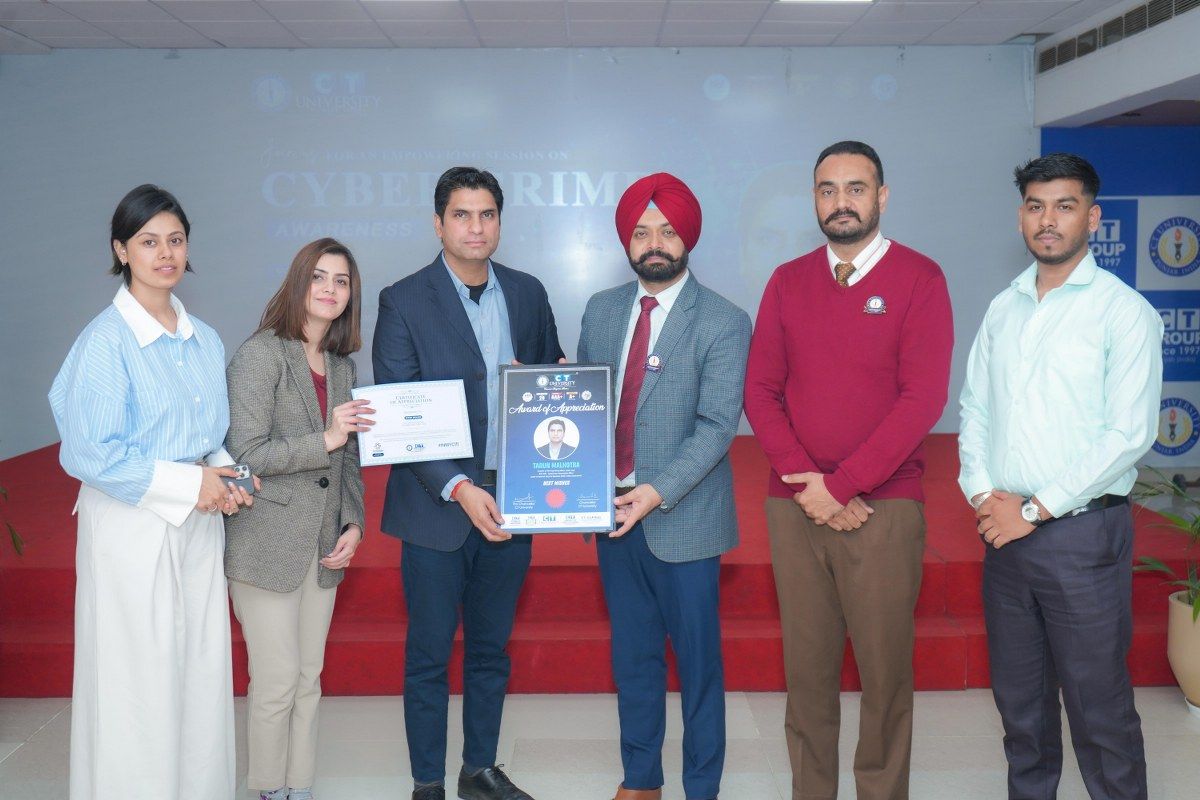
08 Jan, 2025
CT University's Department of Student Welfare organised a special session to educate students about cybercrime and online safety. The session featured Tarun Malhotra, a renowned expert and founder of Cyber Cops.Tarun Malhotra shared valuable tips and insights on how to protect oneself from cyber threats. He also talked about the growing threats of cybercrime and the importance of online safety.The session was attended by 300 students, faculty members, and staff. They appreciated the informative and engaging presentation by Tarun Malhotra.We were honoured to have the Director of the Department of Student Welfare, Er. Davinder Singh, and Director IT, Harinder Pal Singh, at the session. Their support shows our university's commitment to creating a safe and informed community.Dr. Manbir Singh, Pro Chancellor, said, "I'm delighted to see our students taking steps towards cyber safety. This session shows our commitment to creating a safe and aware community."
16 Jan, 2025
CT University students have made their mark at two prestigious national championships, bringing home gold and silver medals and qualifying for top-tier tournaments.In the North-East Zone Inter University Weightlifting Men Championship 2024-25, hosted by L.P.U. Jalandhar, CT University weightlifters impressed with their strength and technique. Mr. Sachin won the gold medal in the 55Kg weight category, while Mr. Kushal secured the silver medal in the +109kg weight category. Notably, 9 out of 10 weightlifters from CT University qualified for the All India Inter University Championship.Meanwhile, at the All India Inter University Wrestling (Greco Roman) Men Championship 2024-25, hosted by Guru Kashi University, Bhatinda (Talwandi Sabo), CT University's Mr. Saurabh won the gold medal in the Wrestling FreeStyle, 63Kg weight category. This achievement has earned him a spot in the Khelo India University Games.Both championships saw participation from 56 universities across the country, making CT University's achievements all the more remarkable. The institution's commitment to fostering excellence in sports has paid off, and its students are making waves at the national level."We are proud of our students' achievements and their dedication to their craft," said Dr. Manbir Singh, Pro Chancellor, CT University.Er. Davinder Singh, Director Student Welfare, CT University, added, "Our students' success is a result of our commitment to providing world-class infrastructure and training facilities. We will continue to support and nurture our students' talents."CT University continues to foster a culture of excellence, encouraging students to pursue their passions and interests. The university's commitment to providing world-class infrastructure and training facilities has enabled its students to achieve remarkable success in various fields
10 Jan, 2025
Shivani and Neetu won the Bronze MedalRhythm Shine at All India Inter University Boxing ChampionshipsGuru Kashi University, Bhatinda (Talwandi Sabo), recently hosted the All India Inter University Boxing Women and Men Championships 2024-25. CT University proudly participated in both events, showcasing exceptional talent and determination.In the women's championship, which saw participation from 166 universities, CT University's Shivani and Neetu secured Bronze Medals in their respective categories. Both students have qualified for the prestigious Khelo India University Games.The men's championship witnessed an impressive participation from 225 universities and 2000 boxers. CT University's Rhythm demonstrated outstanding skills, finishing among the top 8 boxers. Rhythm has also qualified for the Khelo India University Games.Er. Davinder Singh, Director of the Department of Student Welfare, CT University, added, "Our students have made us proud once again. We will continue to support and nurture their talent, providing them with opportunities to grow and succeed.""We are incredibly proud of our students' achievements in the All India Inter University Boxing Championships," said Dr. Manbir Singh, Pro Chancellor, CT University. "Their dedication, hard work, and perseverance have paid off, and we look forward to seeing them excel in the Khelo India University Games."
21 Jan, 2025
CT University's Department of Student Welfare organised a successful awareness rally to educate students and the local community about the harmful effects of single-use plastic straws, specifically China Dor.The rally aimed to promote eco-friendly alternatives and encourage individuals to make a positive impact on the environment.The event, attended by students, faculty members, and local residents, featured a rally and slogan writing. Participants held placards and banners with thought-provoking messages.Director Student Welfare, Er. Davinder Singh, CT University, emphasised, "As responsible citizens, it's our duty to protect the environment. Single-use plastic straws are a major contributor to plastic pollution, harming our ecosystem and wildlife.By choosing eco-friendly alternatives, we can make a significant difference."Pro Chancellor, Dr. Manbir Singh, commented, "We are proud to initiate this eco-friendly movement. Our students are the future leaders, and it's essential to instill environmental responsibility in them. We will continue to promote sustainability and reduce plastic waste on our campus."This initiative is a step towards creating a cleaner, greener, and healthier environment for future generations.
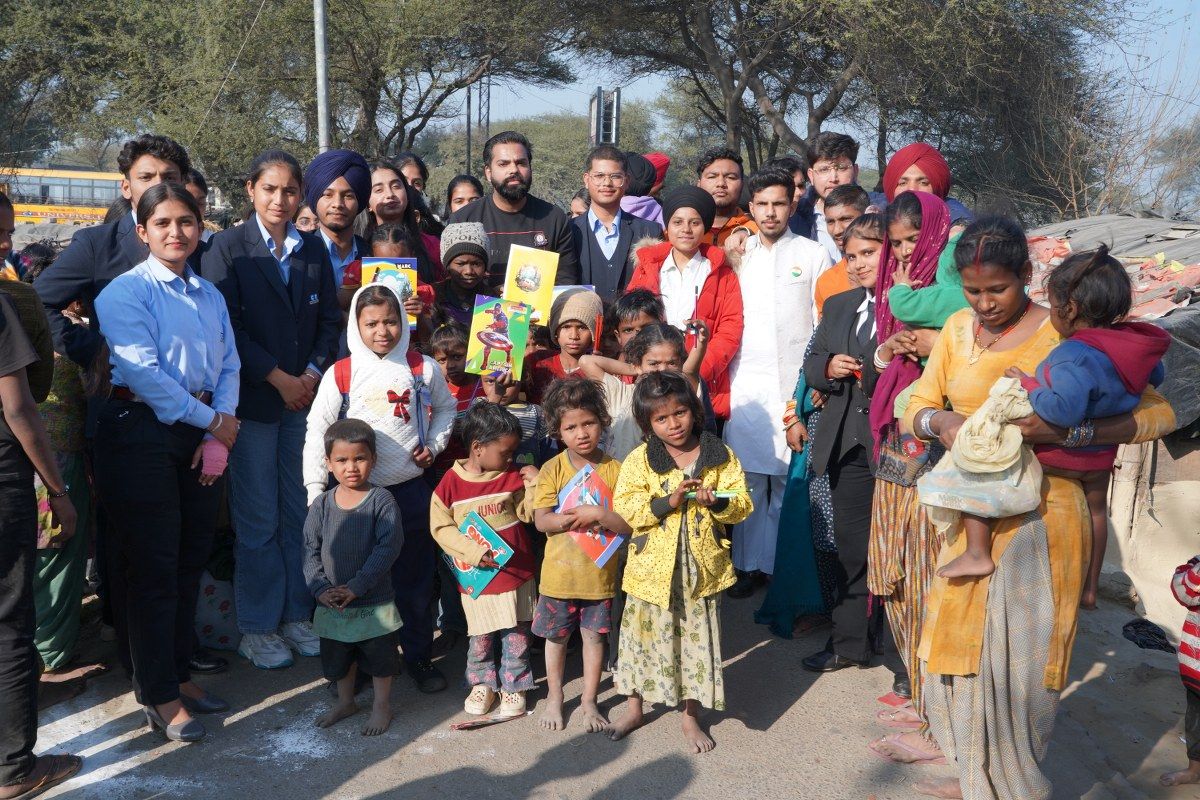
24 Jan, 2025
CT University today celebrated National Girl Child Day with a charity event aimed at empowering young girls in the local slum area of Jagraon. The event was a powerful success, with staff members and students coming together to make a positive impact on the lives of underprivileged girls.The event featured the distribution of donated items, including clothes, toys and hygiene.The event also included some performances and games, which added a touch of excitement and joy to the celebrations.CT University's Director of Student Welfare, Er. Davinder Singh, emphasised the importance of providing quality education, healthcare and opportunities for growth to young girls. "Inspiring girls to become confident leaders is crucial for creating a brighter future," he said.Dr. Manbir Singh, Pro Chancellor, CT University, praised the initiative, saying, "This charity event is a testament to our university's commitment to social responsibility and empowering the girl child. We are proud to be making a positive difference in the lives of young girls."The event was attended by students, staff members, and local community leaders, who all came together to support the cause.CT University's charity event was a shining example of the power of community and the impact that can be made when people come together to make a difference.
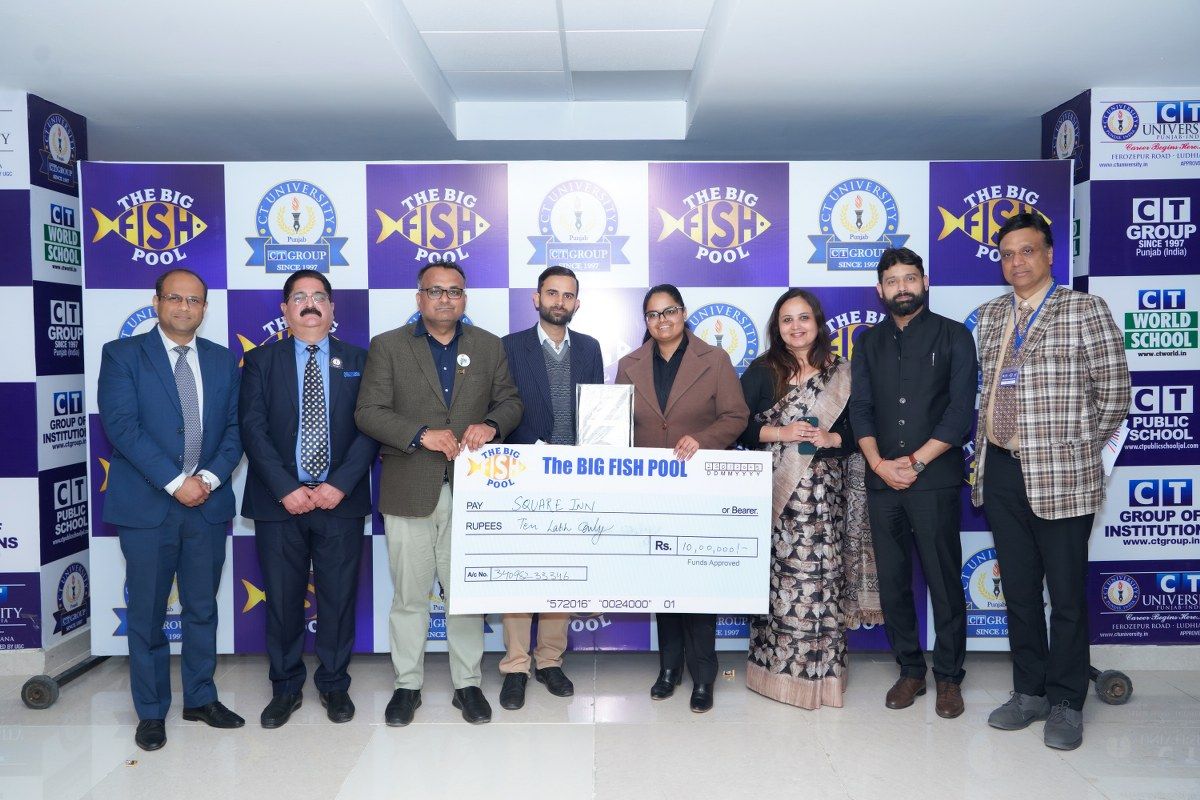
25 Jan, 2025
CT University Hosts Big Fish Pool Season 3Fueling Startup Ecosystem with ₹34 Crore in FundingCT University hosted Big Fish Pool Season 3, a premier startup conclave.The two-day event brought together over 50 startups, 15 investors and industry experts, offering a platform for emerging entrepreneurs to showcase their innovative ideas and secure funding.The event witnessed an overwhelming response, with more than ₹34 crore in funding opportunities available to startups. In addition, cheques worth over ₹40 lacs were handed over to startups as investments.The event featured a panel of esteemed investors, including Mr. Harish Chawla, Vice President, Pisfot Informatics Pvt Ltd,Mr. Gurmukh Singh, Managing Director, Dortex AI Pvt Ltd,Mr. Pushkar Rawat, Proprietor, Novem Controls,Mr. Om Singh, Founder, Emperor Bull,Dr. Saurabh Trivedi, Director, VentureBolt,Mr. Hammad, Director, FGH Engineering,Mr. Amresh Kumar Singh, President, IFBIC,Ms. Molly Faulkner, Co-Founder & COO, DAVENTURE Investment Group & Holdings USA, Mr. Vikas Singhal, Founder, Nioc Gases.The top 30 startups from India pitched their innovative ideas, competing for investments and recognition. Additionally, an intra-university project display competition showcased the innovative projects of CT University students.The event was graced by distinguished guests, including Mr. Somveer Anand, CEO and Mission Director, Innovation Mission Punjab, as the Chief Guest and Mr. Jeevandeep Singh, PCS(A), EGSDTO, District Administration Ludhiana, as the Guest of Honour.CT University would like to extend its gratitude to the event sponsors, including Swaraj Tractors, Hyundai, JD Jewelers, Veeba, Zydus, Hindustan Unilever, and ITC.Chancellor, S. Charanjit Singh Channi expressed his delight at hosting the event, stating, "We were thrilled to host Big Fish Pool Season 3, which provided a platform for startups to showcase their innovative ideas and secure funding."Pro Chancellor, Dr. Manbir Singh added, "Big Fish Pool Season 3 was a unique opportunity for startups to learn from industry experts, network with peers, and gain recognition. We were proud to support this initiative and looked forward to seeing the impact it would have on the startup ecosystem."
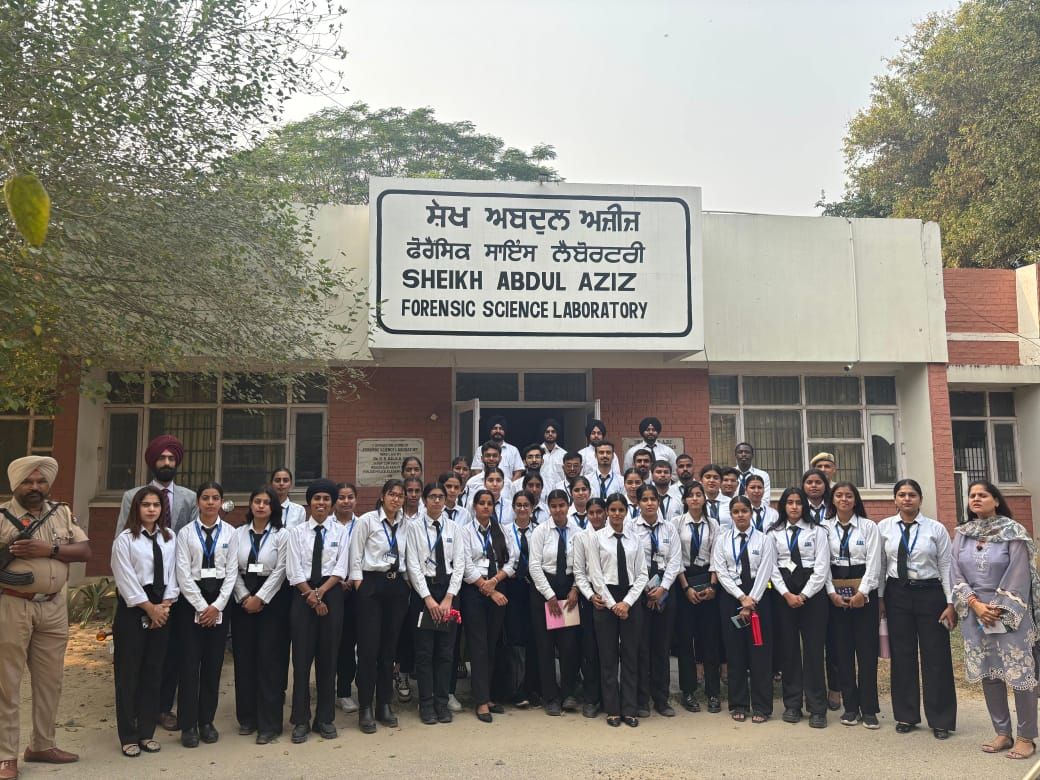
06 Nov, 2024
On 06 November 2024, a group of students from CT University had the unique opportunity to visit the esteemed Punjab Police Academy in Phillaur. The visit was part of an educational initiative to provide students with a firsthand understanding of the rigorous training and operational framework that shapes the law enforcement professionals of tomorrow. During the visit, the 50 students and 2 faculty members, were introduced to the academy’s world-class facilities, which include specialized training zones, mock crime scenes, and advanced laboratories designed to simulate real-life law enforcement scenarios although with this students had visited Finger print Beuro, Traffic wing, Cyber cell, Forensic Science laboratory and Museum (crime and weapon gallery).The students observed various aspects of police training, from physical fitness and tactical drills to theoretical lessons on criminal law, investigation techniques, and community policing. The highlight of the visit was an interactive session with faculty members and trainee officers, where the students gained valuable insights into the academy’s curriculum and its emphasis on integrity, ethical conduct, and professional development. The academy’s commitment to fostering a well-rounded law enforcement professional was evident in the discussions, which touched upon the importance of mental resilience, leadership, and community engagement in modern policing.This visit was an eye-opening experience for the students and an invaluable opportunity for them to engage with future law enforcement leaders and understand the role of institutions like the Punjab Police Academy in maintaining law and order across the state. CT University students left the academy inspired and enriched with knowledge about the challenges and responsibilities of policing. The visit is a testament to the university’s commitment to providing students with practical learning experiences that complement their academic pursuits and prepare them for various professional paths.
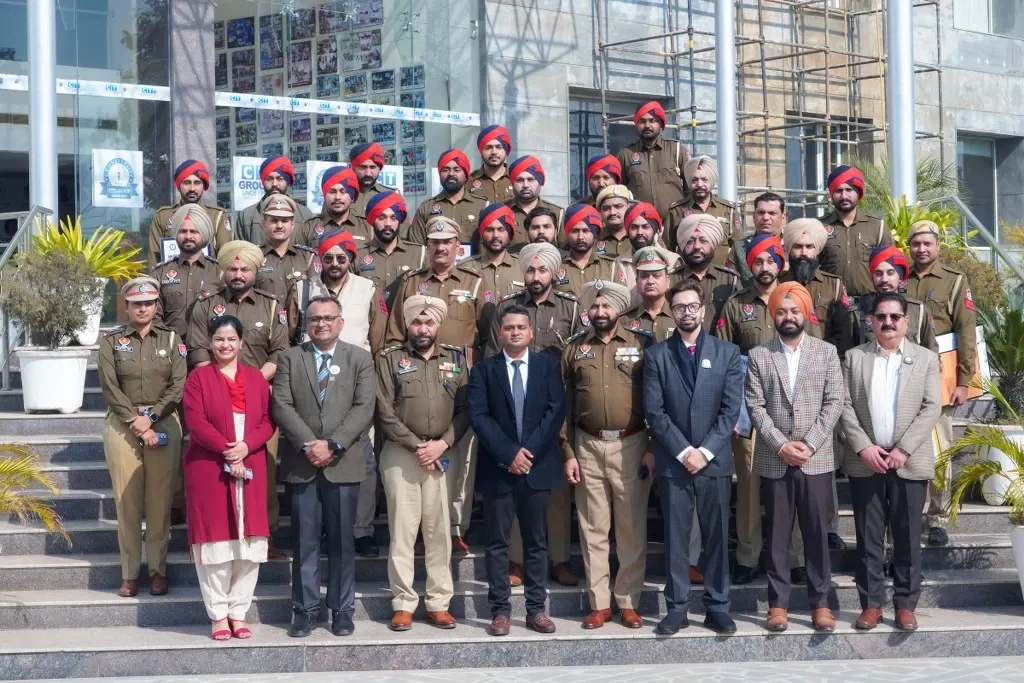
29 Jan, 2025
CT University proudly hosted the Police Awards Ceremony, "Heroes in Khakhi," to pay tribute to the courage, commitment and sacrifice of the Police Department.The prestigious event was graced by esteemed guests, Sh. Shubham Agarwal, DCP Ludhiana, as the Chief Guest and ACP Gurdev Singh and ACP Traffic Gurpreet Singh as Guest of Honour.The university honoured police personnel across various ranks, including ACP, Inspector, Sub-Inspector, ASI, Head Constable, Senior Constable, Constable, and Clerk.The ceremony featured cultural performances, including poetry recitals, dance performances, and singing. Students showcased their talents, and police officers demonstrated their skills, making the event a memorable one.The event culminated in a cake-cutting ceremony, symbolising the university's appreciation for the police department's tireless efforts.Pro Chancellor Dr. Manbir Singh expressed his admiration for the bravery and selflessness of the police personnel, stating, “We are honoured to recognise the tireless efforts of our police forces, who work relentlessly to maintain law and order and ensure our safety.”Sh. Shubham Agarwal, DCP Ludhiana, praised the university's initiative, saying, “It's a proud moment to see CT University acknowledging the dedication and hard work of our police department. We are grateful for this recognition.”The ceremony was a testament to CT University's commitment to acknowledging and appreciating the contributions of the police department. By hosting this event, the university aims to foster a sense of community and solidarity between the police and the public.
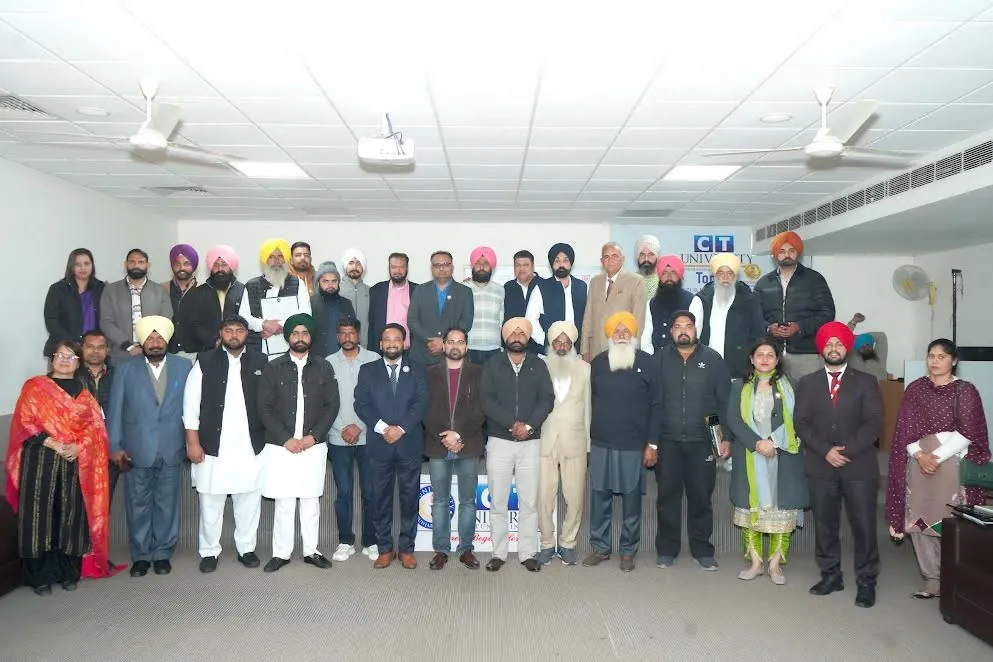
01 Feb, 2025
CT University recently hosted the Sarpanch Meet 2025, a prestigious event that brought together esteemed individuals who are shaping our society.The event was a resounding success, reinforcing the university's commitment to honoring change-makers who are making a positive impact on our society.The Sarpanch Meet 2025 was a unique platform that provided an opportunity for sarpanches from across the region to come together, share their experiences and explore ways to address the challenges faced by rural India.The event featured an interaction, where the dignitaries shared their valuable insights and experiences, providing a rich learning experience for all participants.The meet was also accompanied by captivating dance performances that added to the grandeur of the occasion. The performances showcased the rich cultural heritage of Punjab and provided a fitting tribute to the sarpanches who are working tirelessly to promote rural development.The meet was graced by the online interaction of Hon'ble Chancellor S. Charanjit Singh Channi, who emphasized the importance of empowering rural India and promoting sustainable development.Vice Chancellor Dr. Abhishek Tripathi also addressed the gathering, highlighting the university's commitment to fostering a culture of excellence and social responsibility.Branding and Digital Head Deputy Director School Connect Karan Bhardwaj was also present at the event, where he interacted with the sarpanches and discussed ways to leverage technology and digital platforms to promote rural development.
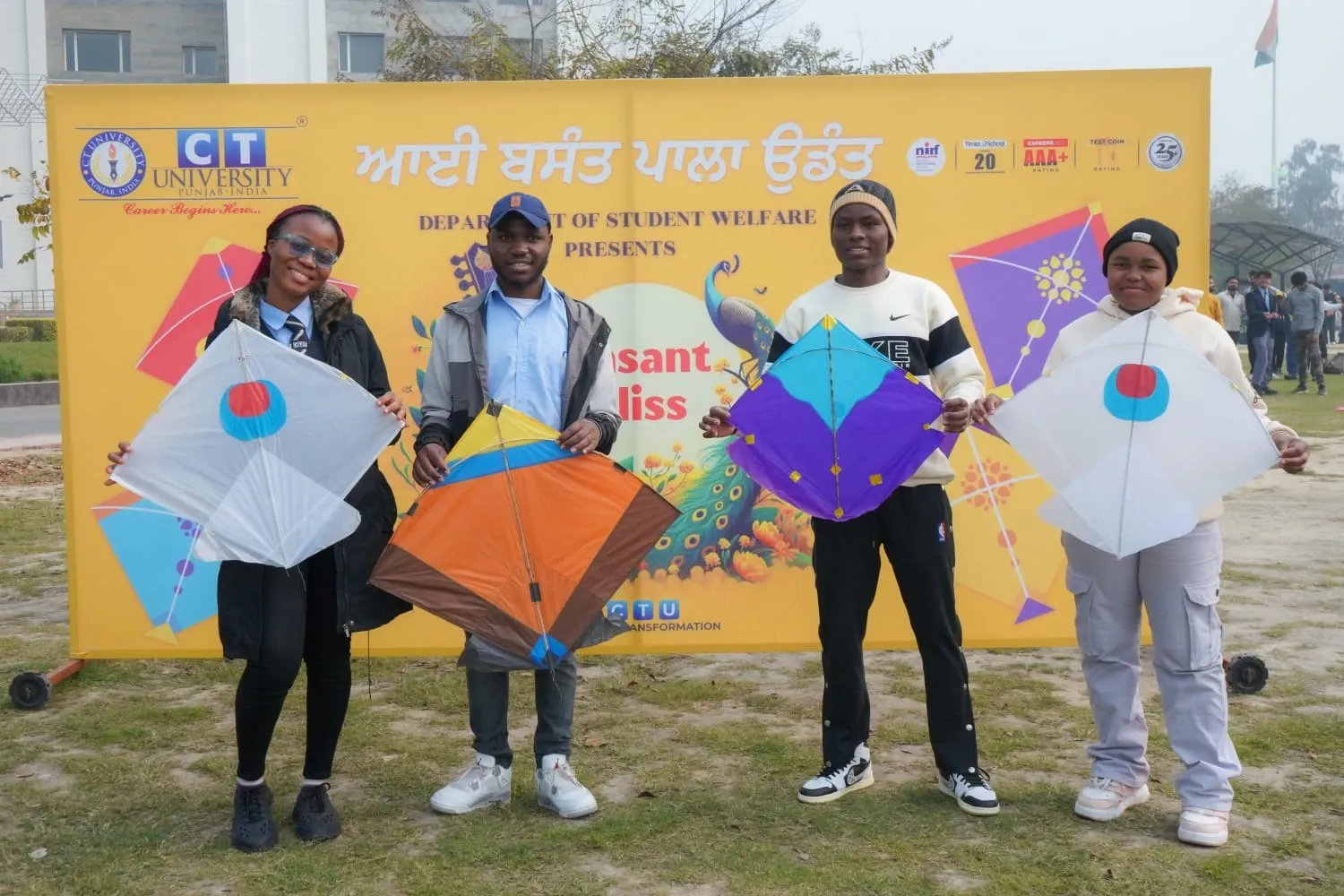
01 Feb, 2025
CT University celebrated Basant Panchami, a festival marking the arrival of spring. The event was a wonderful display of culture, talent, and festivity.The celebration started with kite flying, where students showed off their skills and competed with each other. The university campus was buzzing with colorful kites and excited students.The event also featured cultural performances, including music, dance, and theater. Students showcased their talents, leaving the audience amazed.Yellow was the theme of the day, with students and faculty members dressed in yellow clothes. The atmosphere was electric, and the spirit of Basant Panchami was palpable.One of the highlights of the event was the Mr. and Ms. Spring Fashion Icon contest. Students walked the ramp, showcasing their talent and style. The winners received prizes and praise.The event was attended by Pro Chancellor Dr. Manbir Singh, Vice Chancellor Dr. Abhishek Tripathi, Pro Vice-Chancellor Dr. Nitin Tandon, Dean Academics Dr. Simranjeet Kaur Gill, and Director Student Welfare Er. Davinder Singh.Chancellor S. Charanjit Singh Channi said, "Basant Panchami is a time to welcome spring and rejuvenate ourselves. I'm thrilled to see our students and faculty members celebrating this festival with such enthusiasm."Pro Chancellor Dr. Manbir Singh added, "CT University is committed to preserving and promoting our cultural heritage. Events like Basant Panchami celebration help us connect with our roots and showcase our rich cultural diversity."The event ended with a vote of thanks and a promise to continue celebrating cultural festivals with the same zeal and enthusiasm.
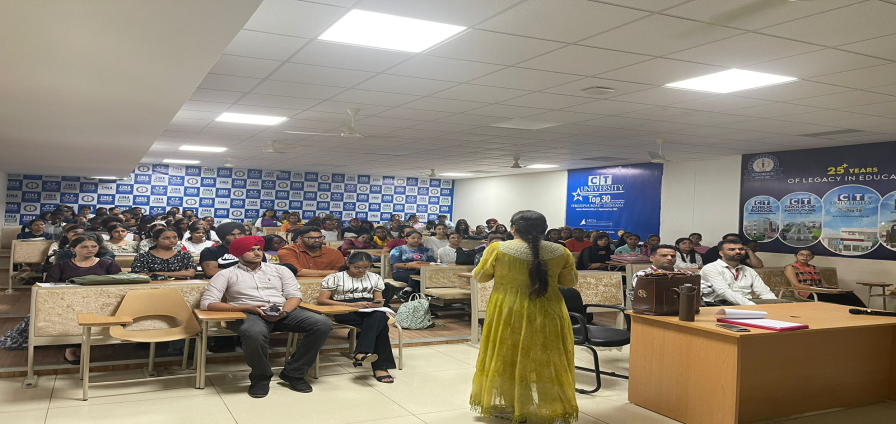
10 Oct, 2024
This expert talk on 10-9-2024 provided insights and guidance on building a successful career in counselling. Designed for students and professionals in psychology, counselling, and mental health fields, this session covered essential skills, effective counselling techniques, and practical advice on establishing a meaningful client-counselor relationship. The speaker, an experienced counselor, shared their journey, challenges, and strategies that contributed to their success. Topics included communication skills, empathy, understanding client needs, ethical considerations, and professional growth opportunities.
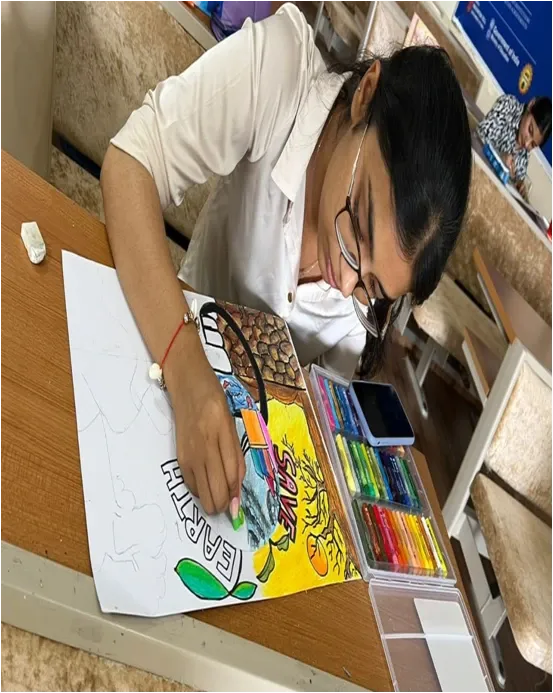
22 Apr, 2024
In celebration of World Environment Day, a poster-making competition was organized on 22-4-2O24 to engage participants creatively in raising awareness about environmental conservation. Participants were encouraged to design posters that reflected the theme of the day, “Beat Plastic Pollution’’

12 Oct, 2024
The Stress Management course on 12-10-2024 was designed to provide participants with a thorough understanding of stress, its causes, and its effects on physical and mental health. The course covered a range of evidence-based strategies to manage and reduce stress, such as mindfulness, relaxation techniques, cognitive-behavioral strategies, and lifestyle modifications. Participants learnt to identify stressors, assess their stress levels, and apply techniques that enhance resilience and overall well-being. The course was suitable for students, professionals, and anyone looking to improve their quality of life through effective stress management.
10 Oct, 2024
BSW III Semester students visited to PHC Sidhwan Kalan on 10-10-2024 to understand healthcare delivery system, including basic medical care, maternal and child health services, immunization, family planning, disease prevention, health education, and the role of Primary Health Centres in referrals and early disease detection.
17 Feb, 2025
As part of their community field work, BSW III Semester students on 17-10-2024 engaged in a case study interaction with ASHA workers in Sidhwan Kalan village. This interaction aimed to understand the ASHA workers' motivations, roles, and challenges in promoting community health. Through structured questions, students explored the common health issues ASHA workers address, the support they receive, their methods for encouraging healthy practices, and the overall impact of their work on community well-being.
24 Apr, 2024
The workshop, led by Shri Abhishek Vashishtha (IPS) on April 24, 2024, aims to provide insights into careers in civil services, guide aspirants on preparation strategies, and inspire them with real-life experiences. It seeks to motivate participants to pursue a meaningful career in public service and administration. It successfully motivated attendees, providing valuable preparation strategies and insights into civil services. Participants left inspired and better informed about pursuing careers in public administration, with many expressing renewed dedication to their civil service aspirations.
25 Jan, 2025
Department of Humanities and Physical Education organised an awareness campaign to commemorate National Voters Day celebrated on January 25 every year.Students of the department interacted with the local authorities like Sarpanch and got to know about his roles and responsibilities. Students got aware about the usage of NOTA and made people know about Right to vote as a Constitutional Right and how free and fair elections are necessary to run a successful democracy.
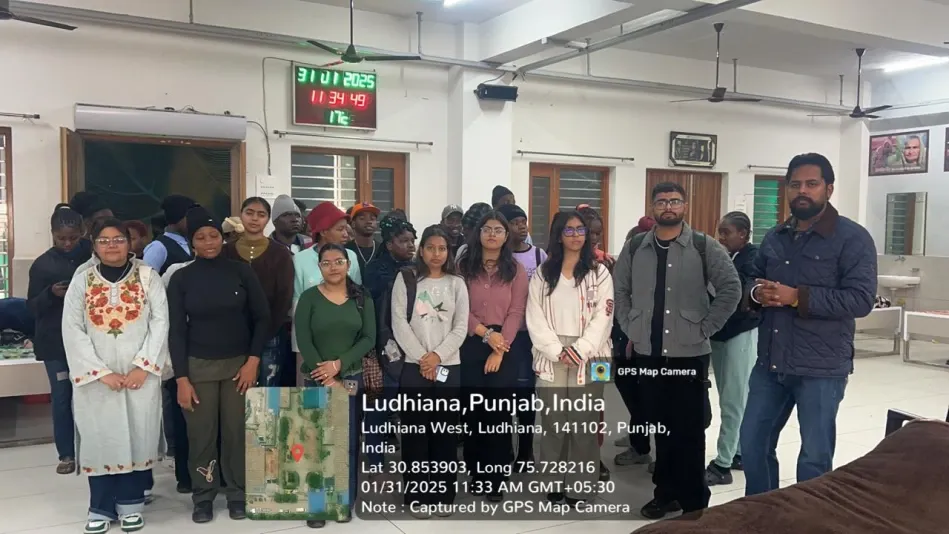
31 Jan, 2025
The primary purpose of the visit to Manakhta De Sewa on 31-01-2025 was to understand its social impact, observe the ongoing activities, and explore opportunities for collaboration and service learning. The visit aimed to provide participants with an insight into community service, volunteerism, and the welfare activities undertaken at the center.Manukhta De Sewa is a well-established charitable organization dedicated to providing food, shelter, and other essential services to the underprivileged. The institution operates through community support and volunteers who contribute their time and resources for the welfare of society. The organization runs multiple programs, including free meals (langar), medical assistance, and educational support for needy individuals.
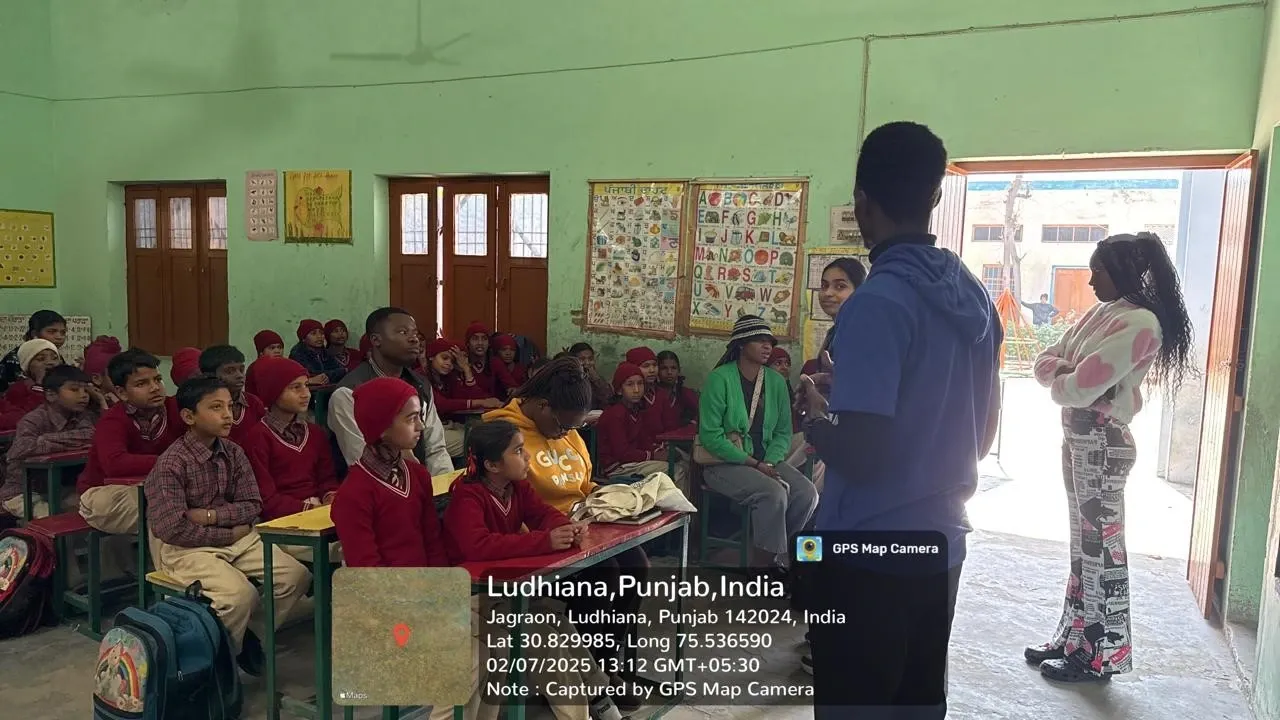
07 Feb, 2025
BSW IV Semester students, along with BSc Clinical Psychology students, conducted an awareness program on 07-02-2025 on mental health for children at Government Primary School Sidhwan Kalan. The initiative aimed to educate young learners about the importance of mental well-being through interactive and engaging activities.The students used role plays to illustrate common mental health challenges and coping strategies, making the session relatable and impactful. Storytelling was incorporated to convey key messages in a simple yet effective manner, encouraging children to understand emotions and mental resilience. Additionally, yoga exercises were introduced to promote relaxation, mindfulness, and emotional balance.The program created a safe and supportive space for children to express their thoughts and concerns about mental health. It also helped them develop self-awareness and positive coping mechanisms. Teachers and students responded positively, highlighting the session’s effectiveness in fostering mental health awareness and well-being among young learners.
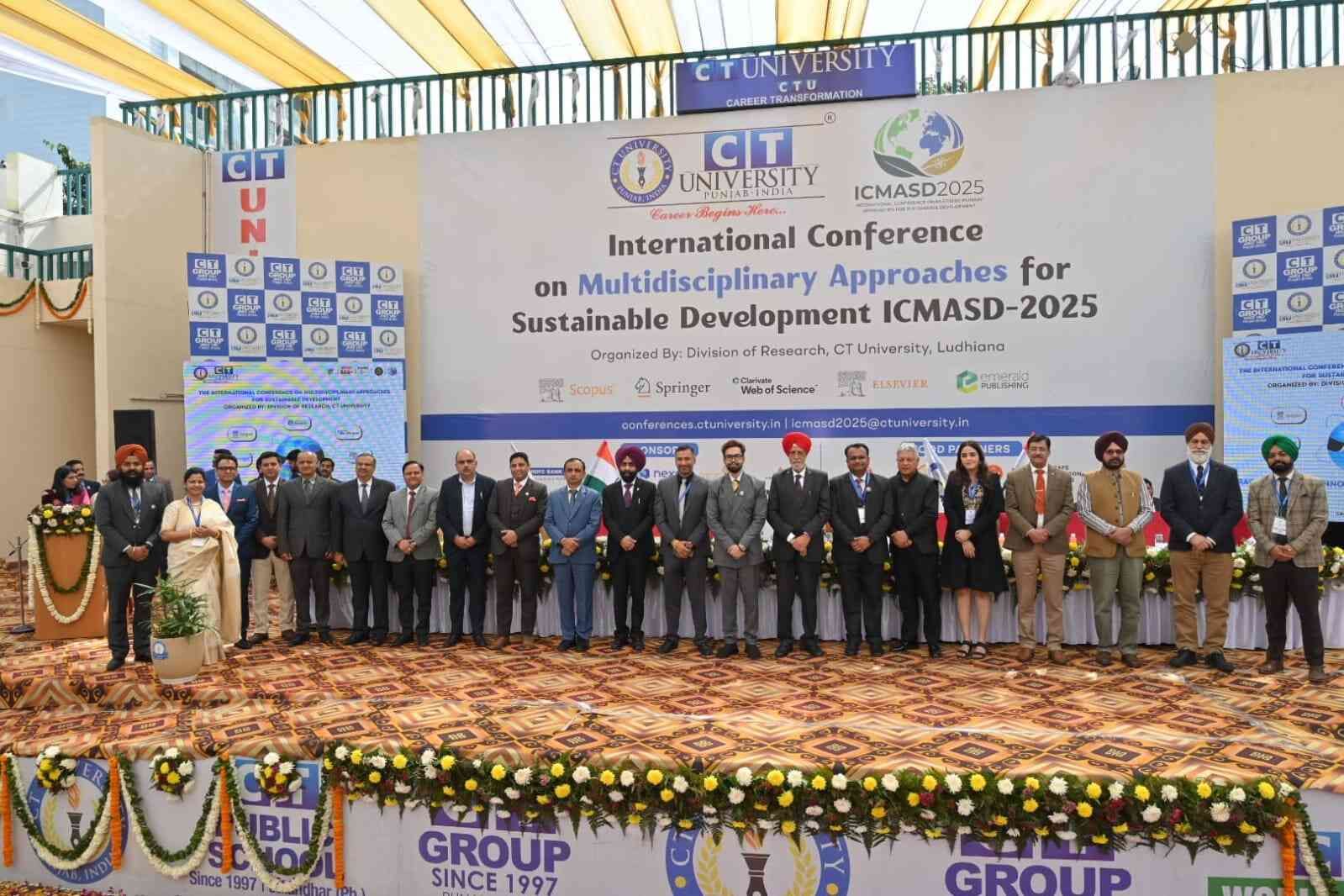
21 Feb, 2025
Cabinet Minister Aman Arora Graces CT University's International Conference as Chief GuestCT University's Division of Research successfully hosted the International Conference on Multidisciplinary Approaches for Sustainable Development (ICMASD-2025). The two-day conference provided a platform for experts from around the world to share knowledge and ideas on sustainable development.The conference received an overwhelming response, with 348 abstract submissions and over 200 research papers received for publication in Scopus Indexed and Peer-Reviewed Journals.The event featured distinguished speakers and panelists sharing their insights on sustainable development. The conference was held offline on Day 1, followed by online sessions on Day 2.The conference covered various tracks, including Emerging Trends in Sustainable Business, Hotel and Tourism Management, Engineering Innovations, Green Materials for Sustainable Environment and Agriculture, Health Sciences and Pharmaceutical Innovations for Sustainable Health Society and Policy, Governance, Pedagogies and Community Engagement Perspectives.This comprehensive approach provided a platform for researchers, scientists, leaders, and innovators to share their experiences and present opportunities for a better future.The conference was graced by the presence of esteemed guests, including Aman Arora Ji, Cabinet Minister and President of Aam Aadmi Party, Punjab, who was the Chief Guest.Other notable guests included Dr. Jaspal Singh Sandhu Vice Chancellor, Lovely Professional University, Phagwara; Dr. Manpreet Singh Manna Vice Chancellor, Chandigarh University, Punjab; Dr. D.D Sharma Former Vice Chancellor, Sardar Patel University, Mandi, Himachal Pradesh; Dr. Dalwinder Kaur Dhillon Programme Director-School of Education, Manipal Global NXT University, Malaysia; Dr. Gurnam Singh University of Warwick, UK and Saravjit Kaur Manuke, MLA, Aam Admi Party, Punjab.CT University's senior officials, including Vice Chancellor Dr. Abhishek Tripathi, Pro Vice Chancellor Dr. Nitin Tandon, Registrar Mr. Sanjay Khanduri, Dean Academics Dr. Simranjeet Kaur Gill, and Director Student Welfare Er. Davinder Singh, were also present at the conference.In their comments, Chancellor S. Charanjit Singh Channi and Pro Chancellor Dr. Manbir Singh emphasised the importance of sustainable development and the role of education in achieving this goal.The conference was a huge success, providing a platform for experts to share their knowledge and ideas on sustainable development.
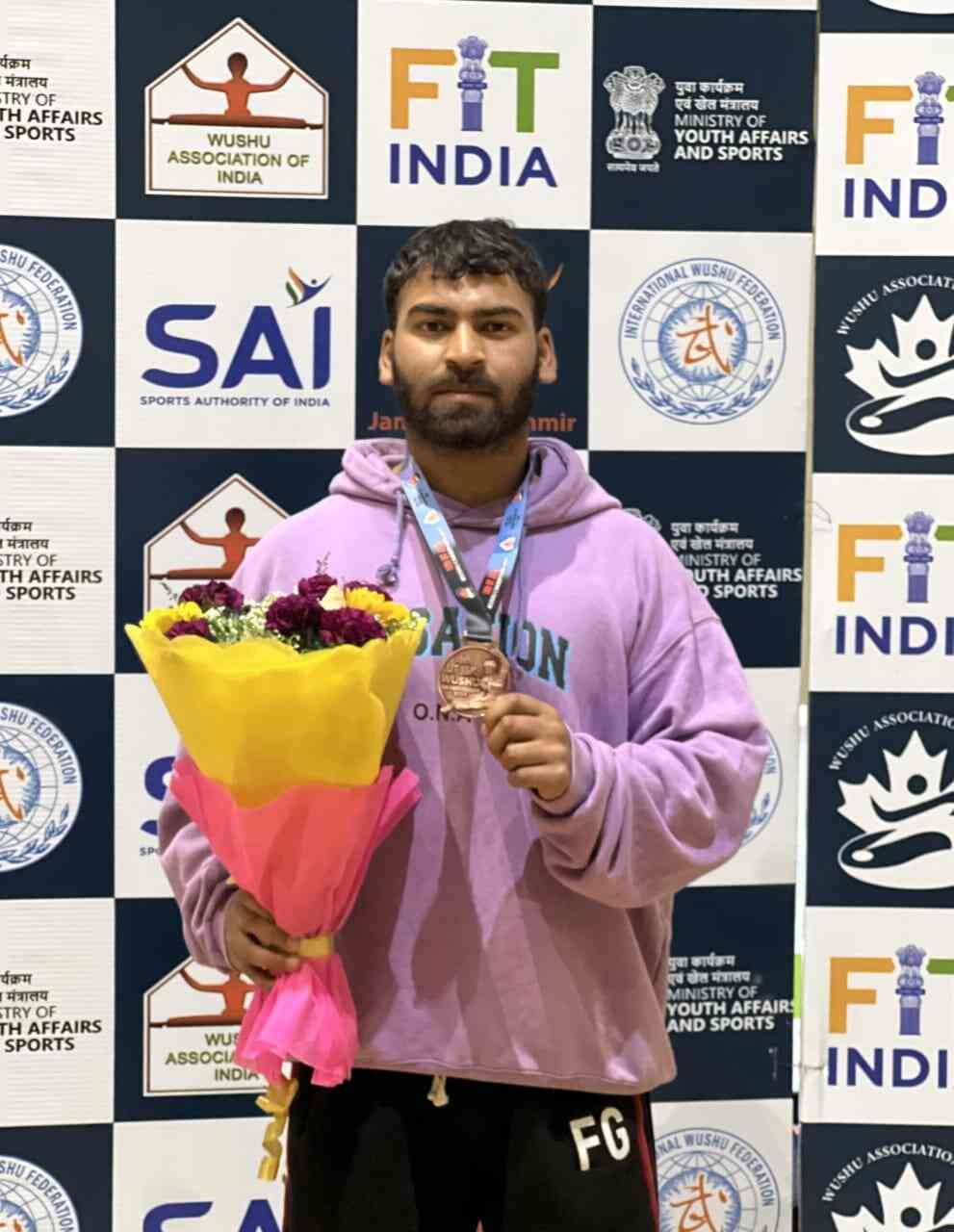
25 Feb, 2025
The 18th Jammu & Kashmir UT Wushu Championship 2025, hosted by Jammu & Kashmir CT University, concluded on a high note, with the university's Wushu players showcasing their exceptional skills and bringing home an impressive haul of medals.The championship, which witnessed participation from top Wushu players across the Union Territory, provided a platform for the athletes to showcase their skills, demonstrate their techniques, and compete at the highest level.CT University's Wushu players put up an impressive performance, bagging a total of five medals in the championship.In the Men's Category, Amir secured a Silver Medal in the 48kg weight category, while Mohammad Ali and Aabid took home Gold Medals in the 65kg and 80kg weight categories, respectively. Imran Raja won a Bronze Medal in the 85kg weight category.In the Women's Category, Saima Akhter secured a Bronze Medal in the 60kg weight category."We are proud of our Wushu players' achievements in the 18th Jammu & Kashmir UT Wushu Championship 2025. This success is a testament to the university's commitment to promoting sports and providing opportunities for young athletes to excel, said Dr. Manbir Singh, Pro Chancellor, CT University."I congratulate our Wushu players on their impressive performance. The university's focus on sports and physical education has yielded excellent results, said Er. Davinder Singh, Director Student Welfare, CT University.
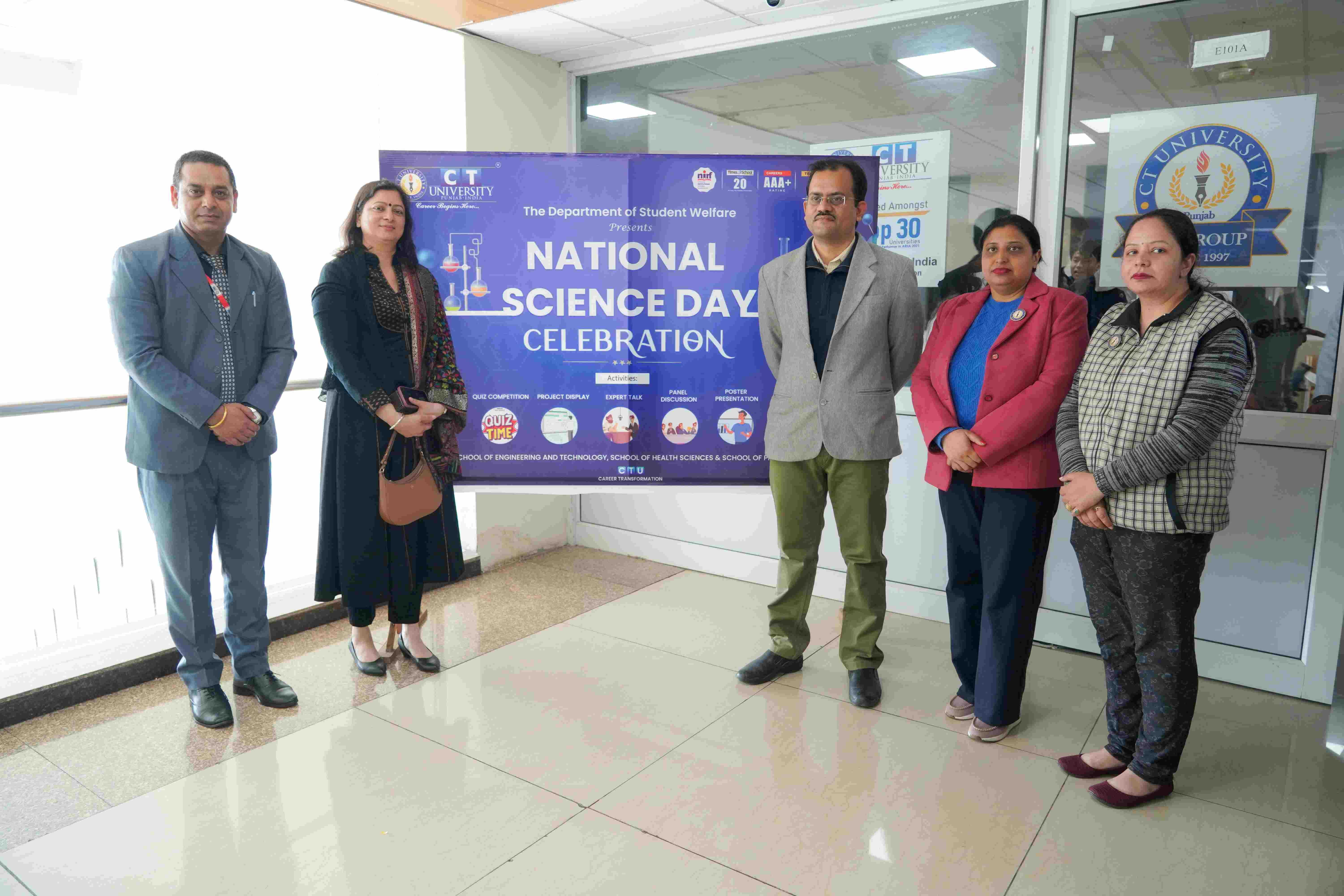
28 Feb, 2025
CT University celebrated National Science Day with great fervor, hosting a series of events that showcased the institution's commitment to scientific excellence and innovation.The celebrations began with a formal inauguration ceremony, graced by Chief Guest Dr. Ujjaval Chandra Mehrotra, Senior Cardiologist from AIIMS Delhi, and Guest of Honour Dr. Bharti Mahajan, Professor of Pharmacology at DMC Hospital, Ludhiana.Under the aegis of Department of Student Welfare, Three schools of CT University - Engineering, Pharmacy and Healthcare participated in the events, which included poster presentations, model making and oral quizzes.Students from M Pharmacy, Diploma in Pharmacy and Pharm D showcased their research and projects, highlighting the significance of science and innovation in their respective fields.The School of Health Sciences and Allied Health Sciences organised a vibrant poster presentation and project display, featuring cutting-edge research and projects that promoted scientific awareness and inspired the next generation of health and allied health professionals.The School of Engineering & Technology celebrated National Science Day with a panel discussion, quiz competition, and project display. The event focused on the transformative impact of Artificial Intelligence (AI) and automation across various sectors, including autonomous vehicles, business, healthcare and cybersecurity.The panel discussion featured expert insights from industry professionals, highlighting the potential benefits and challenges of AI adoption. The quiz competition and project display showcased the innovative projects developed by students, including robotics, automation, and AI-powered solutions.Commenting on the occasion, Pro Chancellor, Dr. Manbir Singh said, "National Science Day is a celebration of India's scientific prowess and CT University's commitment to fostering innovation and excellence."Director Student Welfare, Er. Davinder Singh added, "CT University's National Science Day celebrations have provided a platform for our students to showcase their talent and innovation."
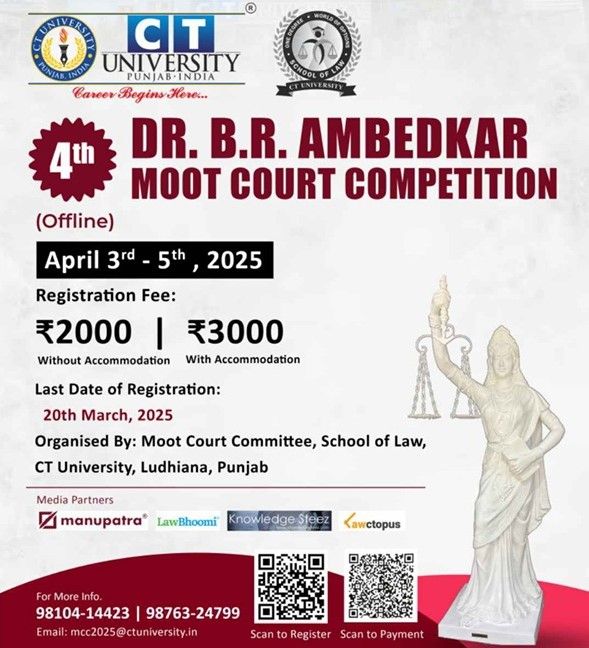
03 Apr, 2025
CT University, School of Law proudly presents the '4th Dr. B.R. Ambedkar Moot Court Competition 2025', a prestigious Pan-India event set to take place on April 3rd, 4th, and 5th, 2025. This esteemed competition aims to provide a dynamic platform for law students across the country to hone their advocacy skills, legal reasoning, and research capabilities.The event will simulate real courtroom proceedings, allowing participants to engage in rigorous legal debates before a distinguished panel of more than 30 judges from across India, including a sitting Supreme Court Judge as the Chief Guest. Participants will tackle contemporary legal issues, showcasing their legal acumen, articulation, and persuasive advocacy before eminent legal professionals, academicians, and members of the judiciary.By hosting this event, CT University, School of Law reaffirms its commitment to fostering legal excellence and honoring the legacy of Dr. B.R. Ambedkar, a pioneer of social justice and legal reform. Law students from institutions across India are invited to compete and demonstrate their advocacy skills on this esteemed platform.Join us in this remarkable journey of legal intellect, debate, and excellence!Additionally, the full brochure should be made available in the download section for detailed reference.Click here to visit download Section: downloads - CT University
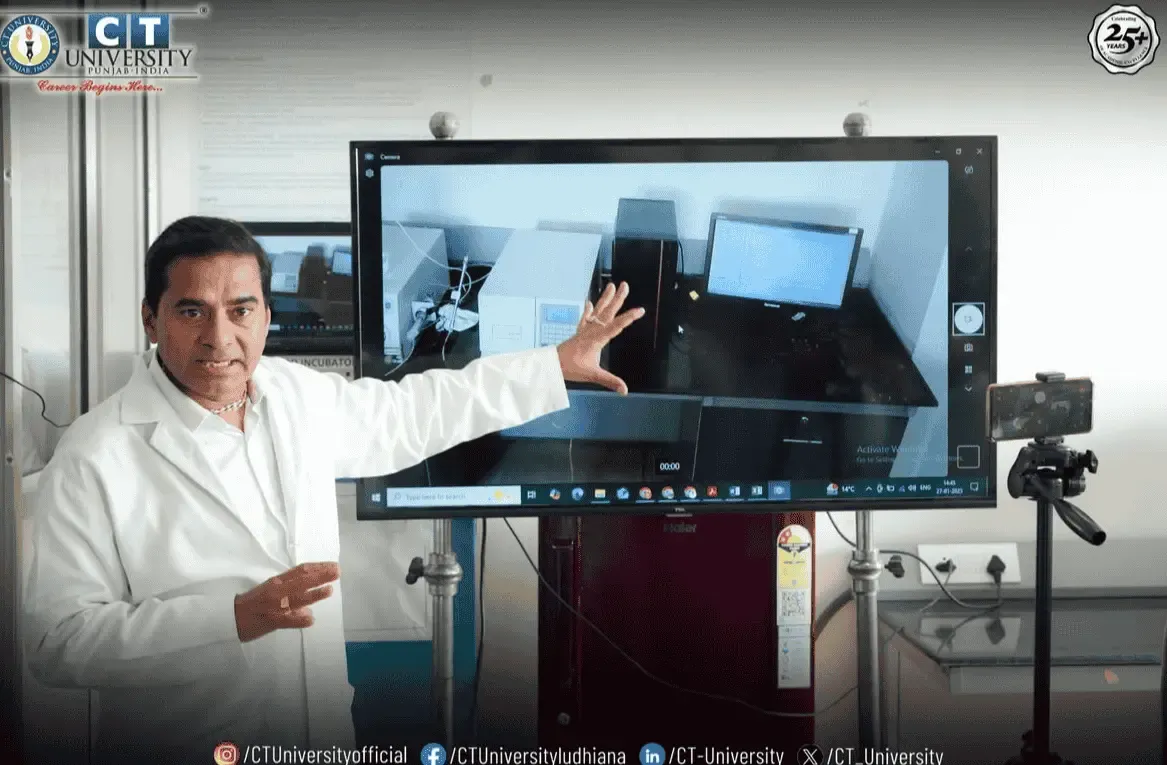
27 Jan, 2025
SOPS organized a workshop on High-Performance Liquid Chromatography (HPLC), offering hands-on training and in-depth knowledge on advanced techniques. Participants gained practical insights into HPLC applications and its role in analytical research.
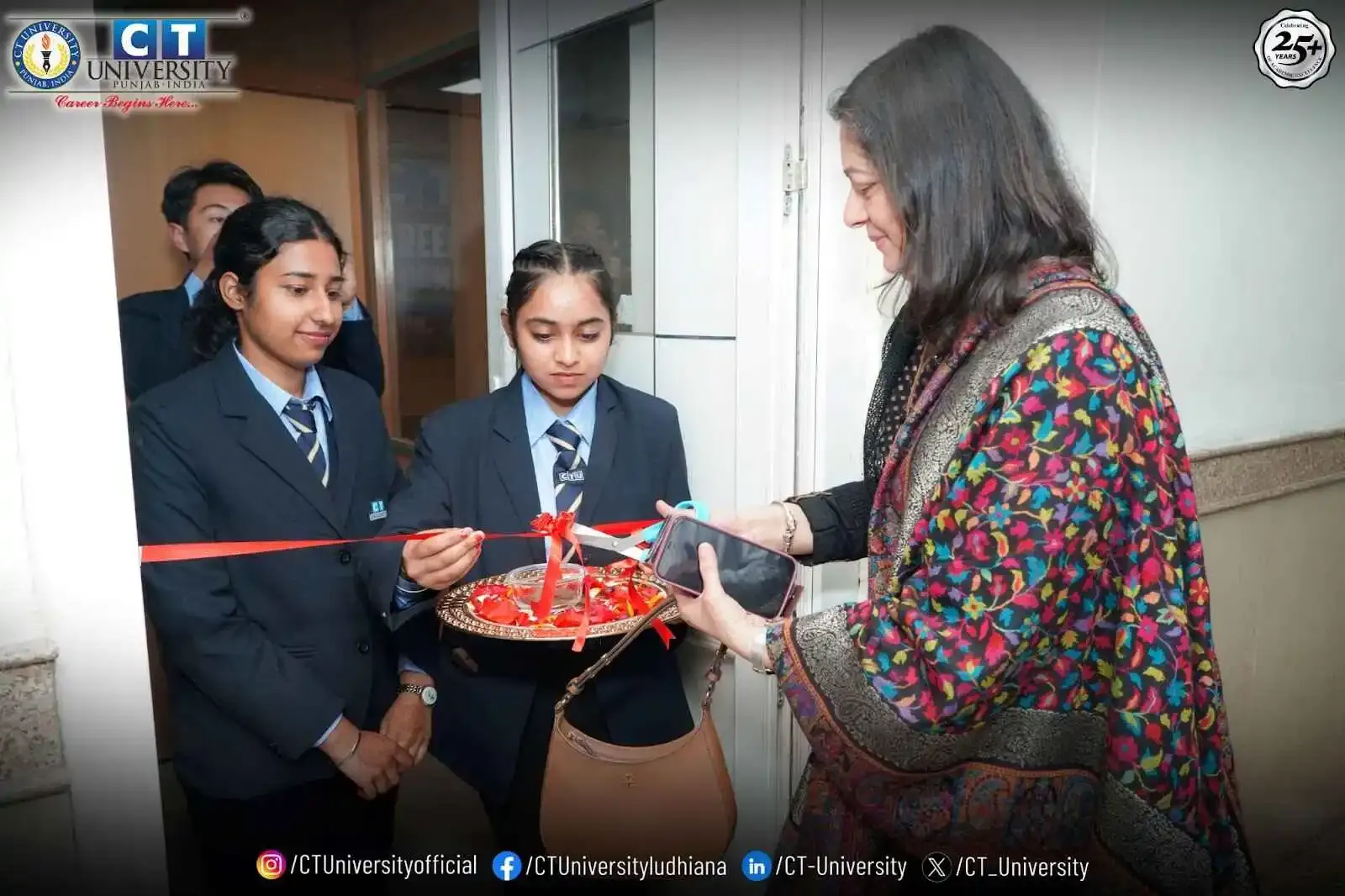
28 Feb, 2025
Dr. Bharti Mahajan inaugurated the state-of-the-art Drosophila Lab at SOPS, marking a significant step towards advancing genetic research and innovation in the field. The lab promises to be a hub for groundbreaking discoveries.
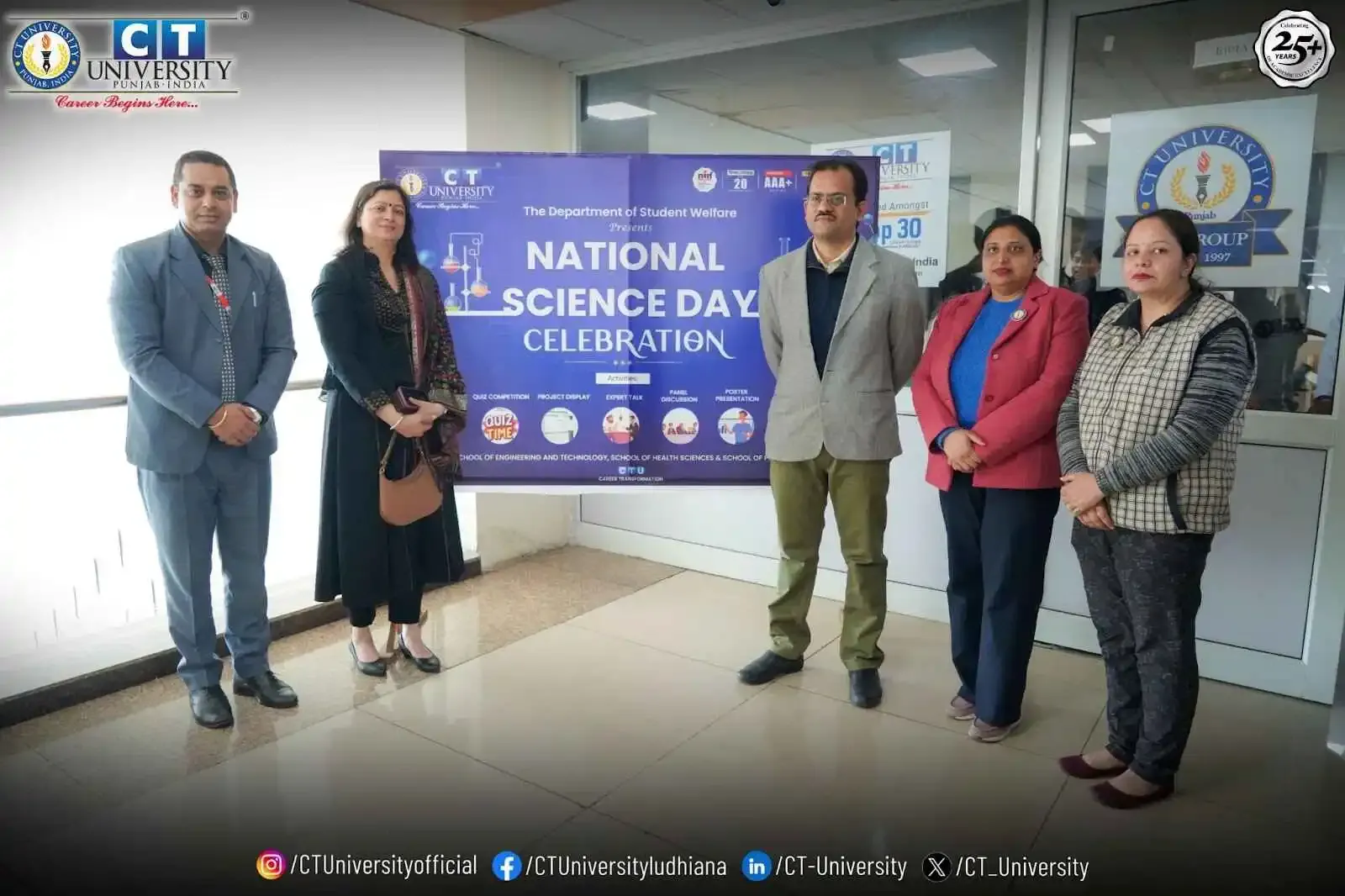
28 Feb, 2025
SOPS celebrated National Science Day by organizing engaging activities to honor scientific achievements and promote awareness of science in society. The event featured insightful discussions and interactive sessions for participants of all ages.

05 Mar, 2025
SOPS celebrated Jan Aushadhi Diwas 2025, emphasizing the importance of affordable healthcare and access to quality medicines for all. The event highlighted the government's efforts in promoting the Jan Aushadhi scheme to empower citizens.
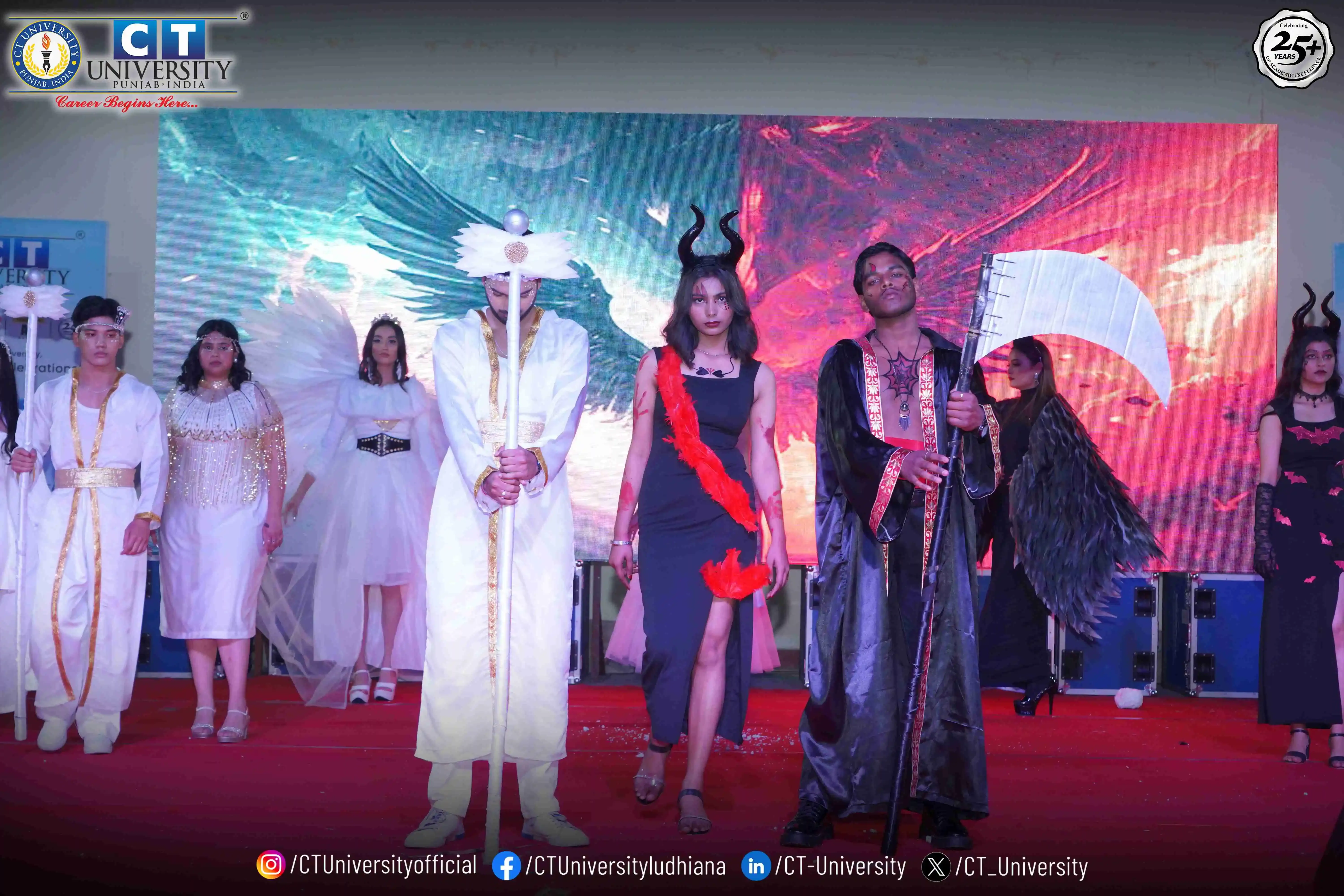
07 Mar, 2025
Ludhiana, March 8 – CT University buzzed with excitement as it successfully organized Udaan 2025, its much-awaited cultural fest. The event witnessed enthusiastic participation from students across all departments, showcasing their talent in various performances.One of the major highlights of the evening was the fashion show, where students put forth dazzling displays of creativity and confidence. The competition was tough, but the Department of Humanities and Physical Education emerged victorious, securing the first position with their remarkable performance.The fest saw active participation from students, including Haraman, Tushar Dhiman, Nirupama, Arman Preet Kaur, Richa Sharma, Shine, Ankush Gupta, Himanshi, Dinesh, Tibeto, and Gurkiran, Riya who mesmerized the audience with their enthusiasm and talent.The event concluded with a vibrant award ceremony, celebrating the spirit of art and culture at CT University. Faculty members and organizers appreciated the students’ hard work and dedication, making Udaan 2025 a grand success. The festival not only provided a platform for young artists but also strengthened the bond of cultural harmony within the university.
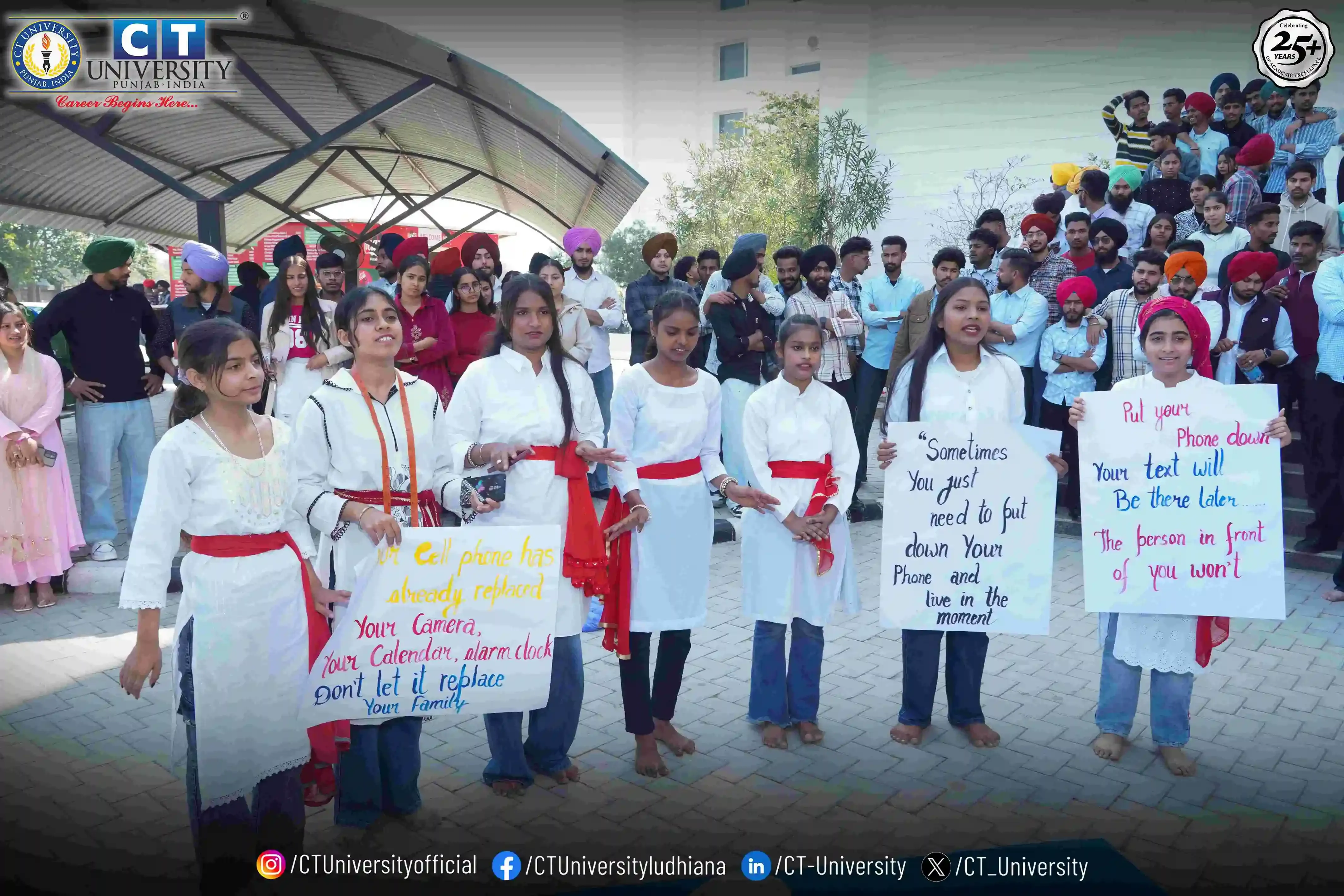
07 Mar, 2025
Ludhiana: CT University recently hosted Udaan 2025, a vibrant cultural fest that witnessed enthusiastic participation from students across all departments. The event showcased a variety of performances, competitions, and artistic expressions, making it a grand celebration of talent and creativity.One of the highlights of the fest was a Nukkad Natak (street play) on the thought-provoking theme of mobile phones. The play captivated the audience with its powerful message on the impact of excessive mobile usage on daily life and human relationships.Among the competing teams, the School of Social Sciences and Liberal Arts secured the third position for their outstanding performance. The team comprised talented students, including Jagwinder, Roshini, Mehak, Anjali, Diya, Mehak, and Jasleen Kaur, who delivered a compelling act that left a lasting impression on the judges and spectators alike.The event concluded with a felicitation ceremony, where winners were honored for their efforts and creativity.
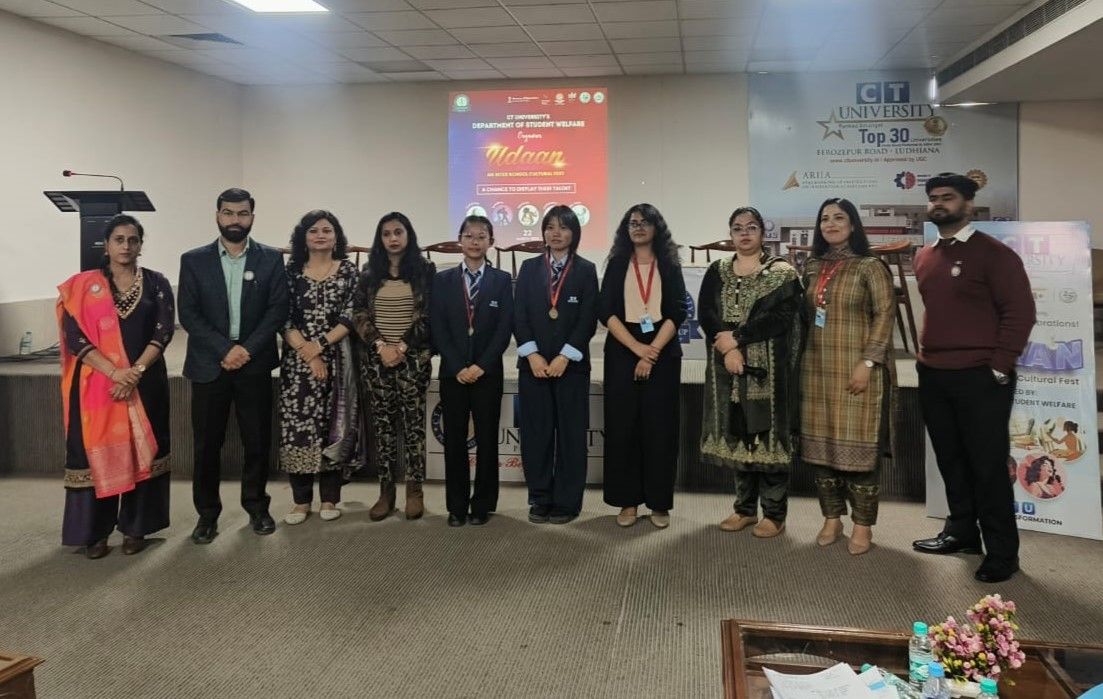
07 Mar, 2025
Ludhiana, March 8, 2025 – CT University recently organized its much-awaited cultural fest, UDAAN 2025, bringing together students from all departments for a vibrant celebration of talent, creativity, and competition. The event was marked by energetic performances, intellectual battles, and artistic showcases, making it a grand success.One of the highlights of the fest was the Quiz Competition, where Team Venus, represented by Wintamah and Margaret, secured the first prize with their exceptional knowledge and quick thinking. The duo outshined other participants in a thrilling contest of wit and intelligence.Similarly, in the Essay Writing Competition, Team Venus once again took the lead, with Puimi emerging as the winner for her outstanding composition. Her insightful writing impressed the judges and earned her the top spot.The School of Social Sciences and Liberal Arts played a significant role in the event, showcasing the spirit of academic excellence and creativity. UDAAN 2025 not only provided a platform for students to express their talents but also fostered a spirit of unity and healthy competition.The fest concluded on a high note, leaving students and faculty with unforgettable memories and a sense of pride in their achievement
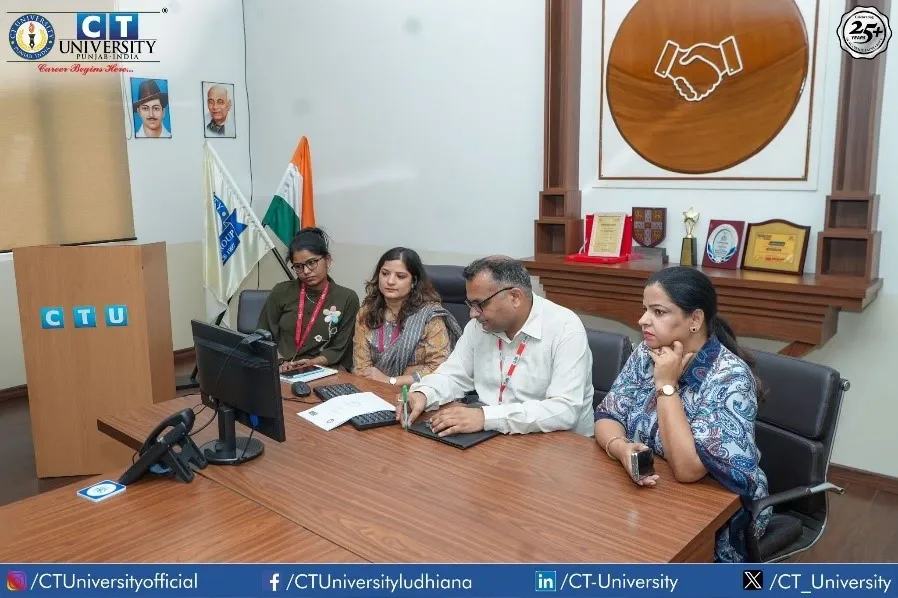
07 Aug, 2024
The MoU Signing Ceremony was conducted to formalize the partnership between CT University and Arth Nimriti for establishing the Center of Finance Acceleration. This collaboration aims to enhance the financial education and research capabilities of the university by integrating practical insights and resources from Arth Nimriti.
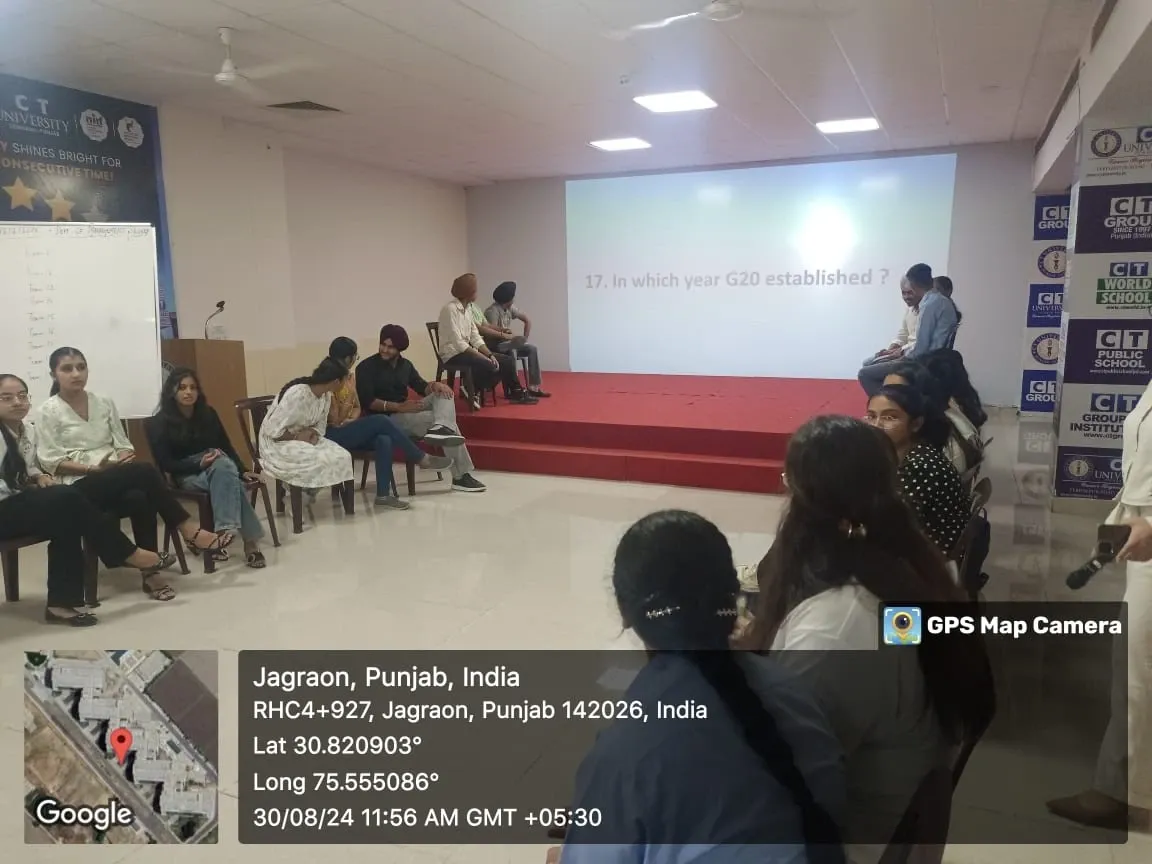
30 Aug, 2024
With a series of questions from the field of business, a well-structured Business Quiz Competition was organized to assess business knowledge and awareness of the students.
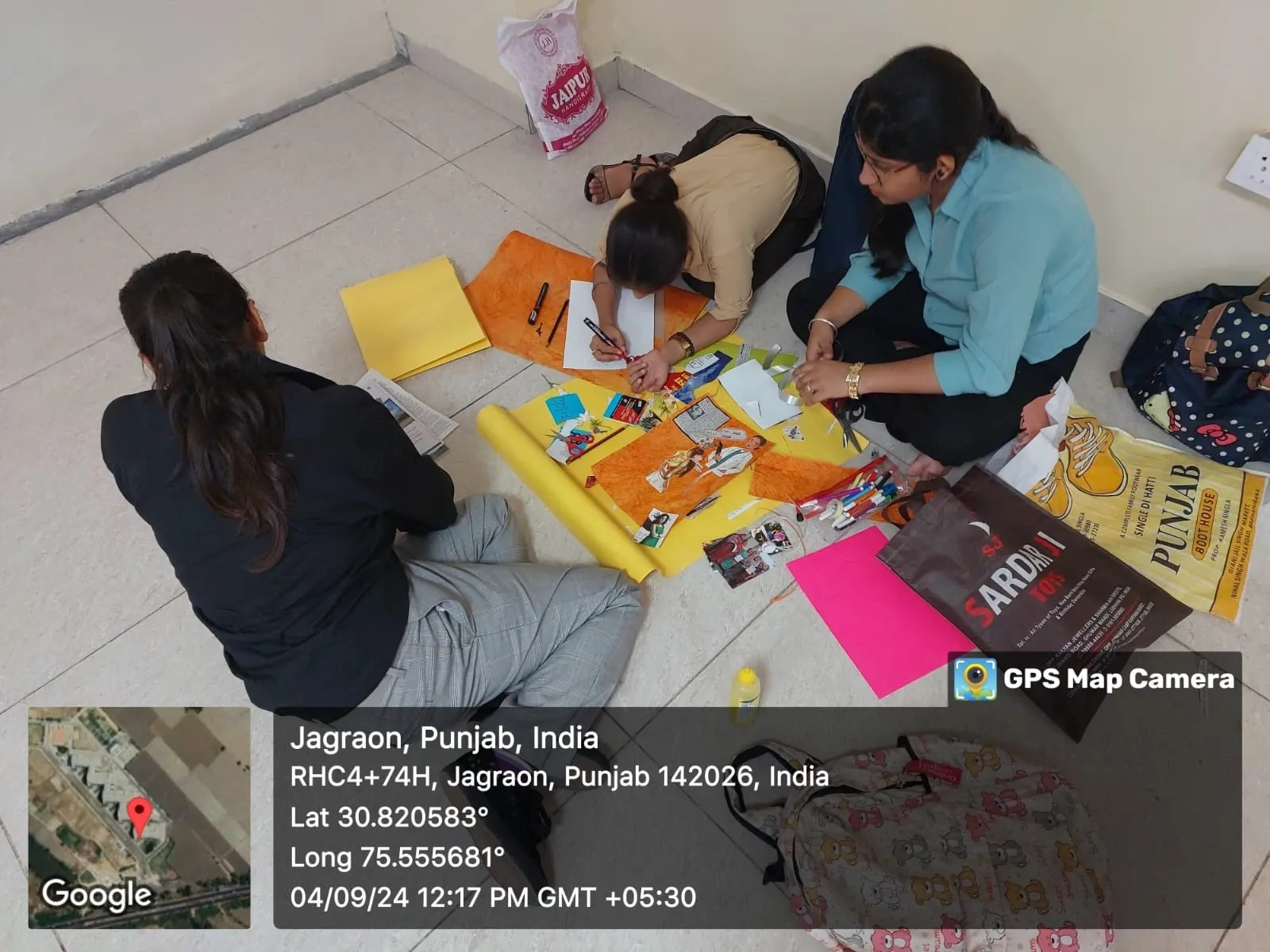
07 Aug, 2024
These interactive activities were designed to spark innovation, encourage collaboration, and inspire creativity, offering participants a fun and engaging platform to showcase their skills and creative thinking. A treasure hunt, collage-making, video commercial production, and logo design have all been interesting events included at this event.
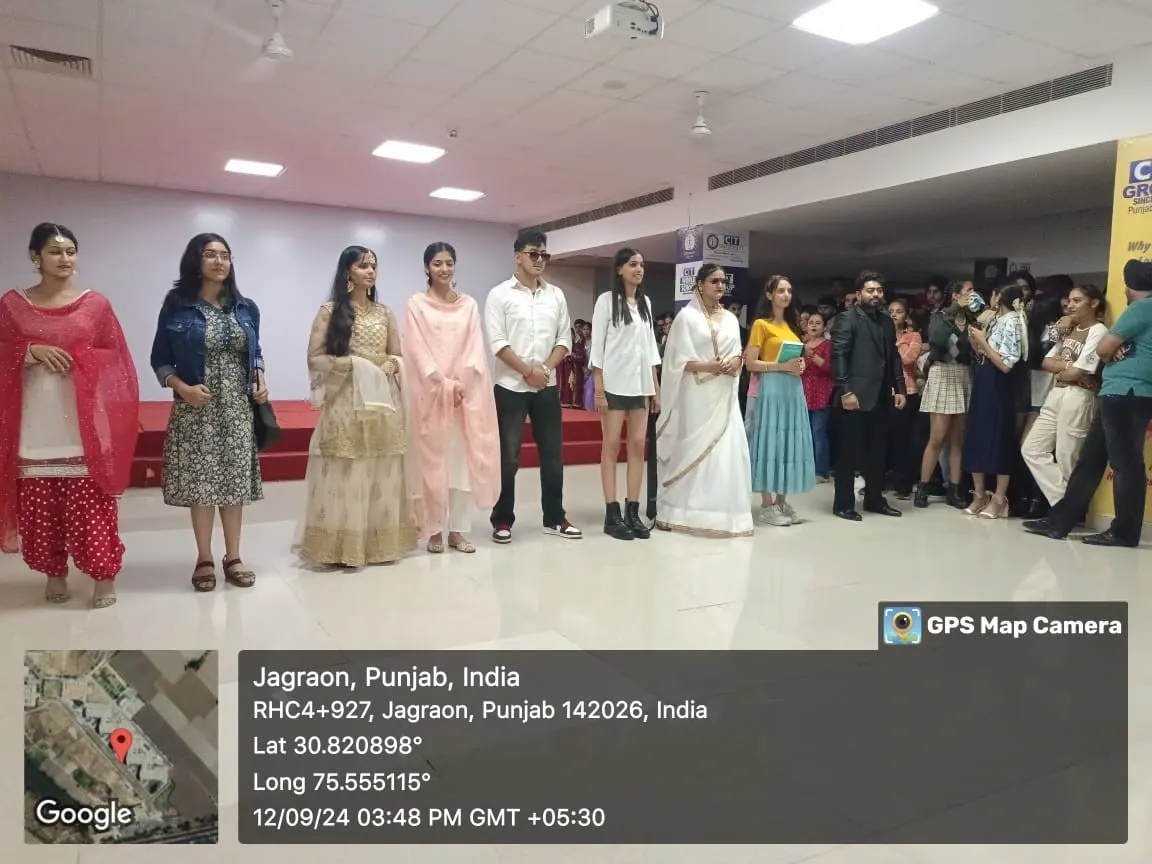
04 Sep, 2024
The Pinnacle Showcase was a multifaceted event organized by the Department of Management Studies at CT University. The event featured three major segments: case study presentations, a fashion show, and ad mastery. It provided students with a platform to showcase their analytical skills, creativity, and marketing acumen. The case study presentations highlighted students' problem-solving abilities, while the fashion show offered a chance to display artistic and design flair. The ad mastery segment challenged participants to develop innovative marketing strategies. With active participation from approximately 150 students, the event fostered collaboration, critical thinking, and innovation
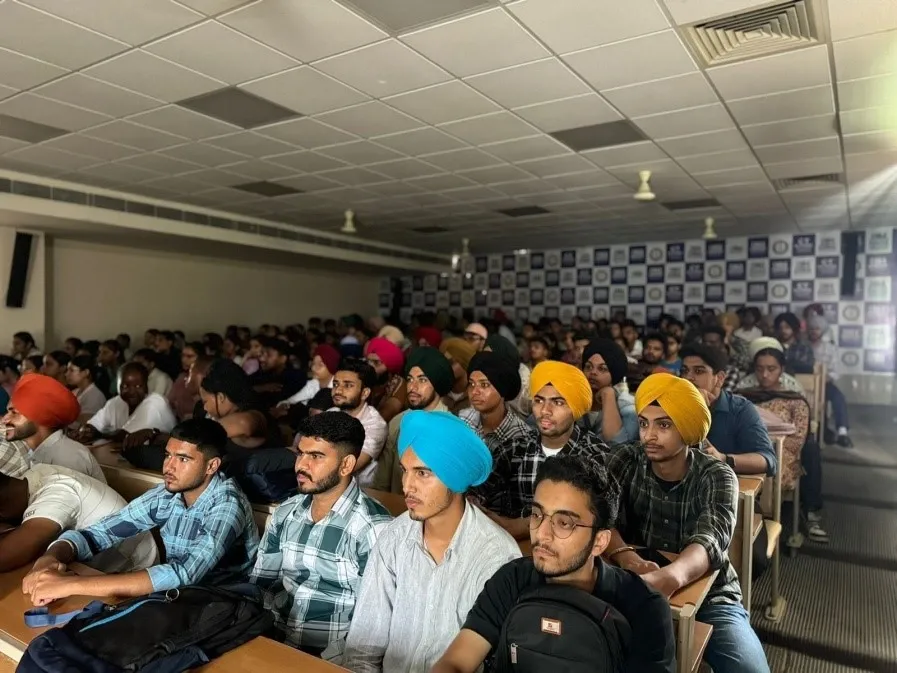
07 Aug, 2024
The event was organized to screen the movie "12th Fail" to provoke discussions among students about perseverance, determination, and the challenges faced by students preparing for competitive exams. The screening aimed to inspire students by showcasing real-life struggles and motivational stories, encouraging them to pursue their goals with resilience and hard work.
09 Aug, 2024
Students embarked on a recreational visit to MBD Mall, Ludhiana, enjoying a day filled with fun, exploration, and relaxation. This visit was a part of experiential learning. Students visited various brands to understand the marketing strategies adopted by them. The mall organized a Add making competition for students.

31 Dec, 2024
A variety of dishes prepared and presented by hotel management students during what appears to be hands-on training sessions. The diverse range of food items highlights the practical learning experiences these students are undergoing. Practical and diverse culinary training program for hotel management students, focusing on both the preparation and presentation of a wide array of dishes to equip them with the necessary skills for successful careers in the hospitality sector in India.

30 Dec, 2024
This program offers Hotel Management students exciting opportunities to gain global experience and launch international careers. Through strategic partnerships and dedicated career services, students can access placements in renowned hotels, resorts, and hospitality organizations worldwide. This invaluable experience provides cross-cultural exposure, enhances practical skills, and broadens career horizons in the dynamic global hospitality industry.
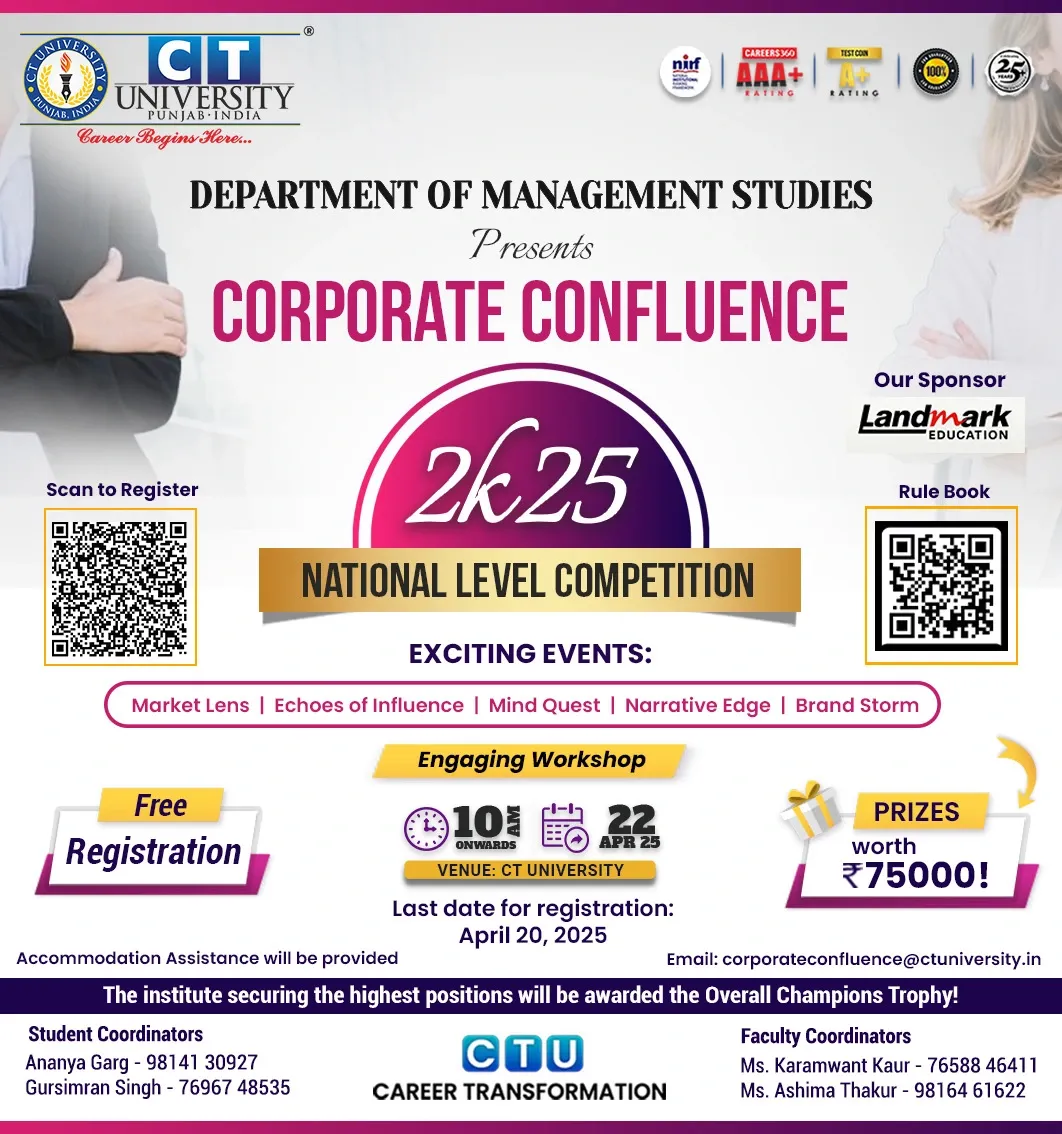
22 Apr, 2025
Corporate Confluence 2k25 is a power-packed Management Fest where future leaders tackle real-world strategy, marketing, and business challenges. Sharpen your skills through thrilling competitions, dynamic case studies, and creative tasks. Also, discover your best self in a transformative Personality Development Workshop focused on confidence, communication, and self-growth. Registration Fee and Prizes Event Cash Prizes Market Lens 1st Prize 10,000/- 2nd Prize 2,100/- Echoes of Influence 1st Prize 10,000/- 2nd Prize 2,100/- Mind Quest 1st Prize 10,000/- 2nd Prize 2,100/- Narrative Edge 1st Prize 10,000/- 2nd Prize 2,100/- Brand Storm 1st Prize 10,000/- 2nd Prize 2,100/- *Participants can participate in multiple events with one-time registration. * Last Date to Register: 20 April 2025 No Registration Fee. For further queries, contact: STUDENT COORDINATOR FACULTY COORDINATOR Ananya Garg (9814130927) Gursimran Singh (7696748535) Ms. Ashima Thakur (9816461622) Ms. Karamwant Kaur (7658846411) Additionally, the full brochure should be made available in the download section for detailed reference.Click here to visit download Section: downloads - CT University
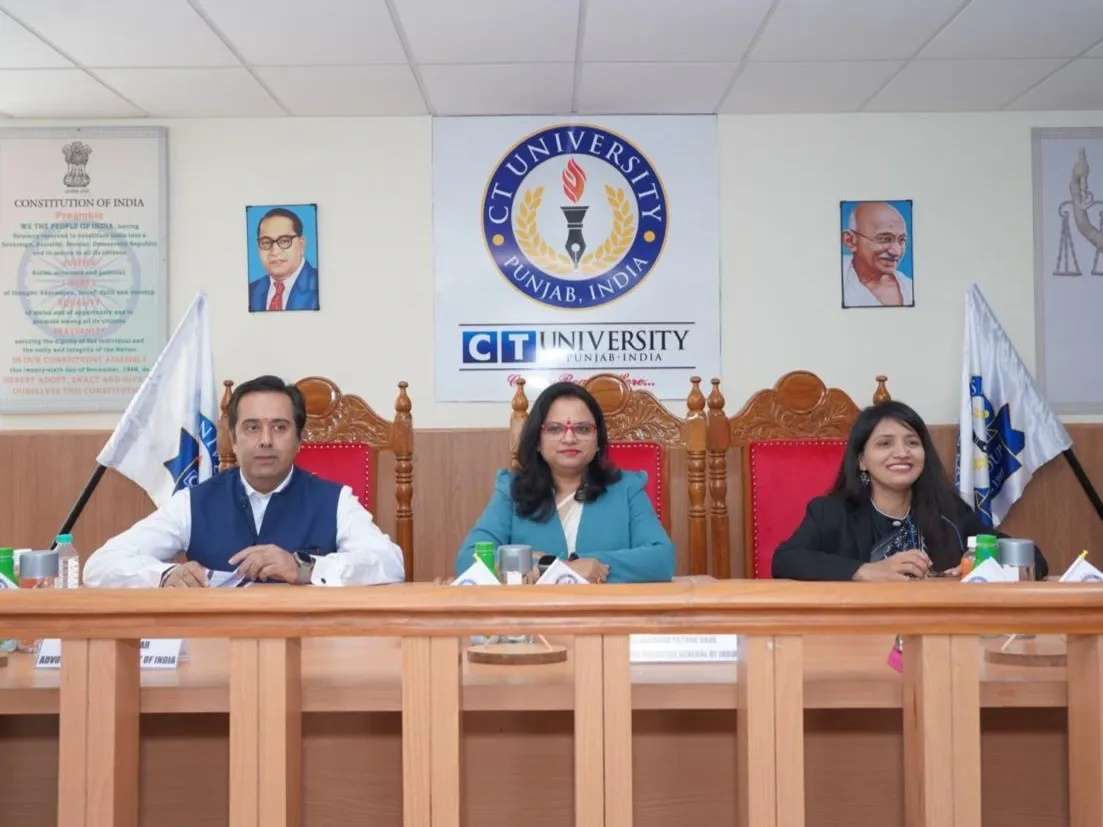
04 Apr, 2025
Young Legal Minds Showcase Exceptional Talent and Advocacy SkillsThe 4th Dr. B.R. Ambedkar National Moot Court Competition at CT University, Ludhiana, has successfully concluded, showcasing exceptional talent and advocacy skills among young legal minds.Over 50 teams from across India participated in the three-day event, making it one of the most competitive and prestigious moot court competitions in the country.The inaugural ceremony was graced by esteemed guests, including Chief Guest Manjinder Singh, Secretary, Punjab State Legal Services Authority, and Harvinder Singh, Secretary, DLSA, as the Guest of Honor.Other dignitaries present included Chancellor Charanjit Singh Channi, Pro Chancellor Dr. Manbir Singh, Vice Chairman Harpreet Singh, Vice Chancellor Dr. Abhishek Tripathi, Pro Vice Chancellor Dr. Nitin Tandon, Registrar Sanjay Khanduri, Dean Academics Dr. Simranjeet Kaur Gill, and Director Student Welfare Er. Davinder Singh.The competition featured 40+ judges from District Courts of Ludhiana, Jagraon, Moga and Jalandhar, who assessed teams on their legal acumen, argumentation skills and courtroom demeanor.The second day of the competition saw the presence of Senior Advocates from the Hon'ble Supreme Court of India, who played a crucial role in evaluating team performances.The Grand Finale was honored by Chief Guest Hon'ble Justice Kuldip Singh (Retd.) Punjab and Haryana High Court and Guest of Honor Archana Pathak Dave, Additional Solicitor General of India, along with Senior Advocates Adv. Sanjeev Sagar and Adv. Babita Sharma, Supreme Court of India.After intense legal battles, Team Chandigarh University, Mohali emerged as the Winner while Team Kurukshetra University, Kurukshetra (Haryana) secured the Runner-up position.Manroop Kaur was awarded Best Mooter, Mimashak Khosla was recognised as Best Researcher, and TC-04 PURC, Ludhiana won the Best Memorial prize.The event concluded with a Vote of Thanks and a closing speech by Pro Chancellor Dr. Manbir Singh.Chief Guest Sh. Manjinder Singh praised the participants for their exceptional advocacy skills.Chancellor S. Charanjit Singh Channi highlighted the importance of such competitions in fostering legal education and research.
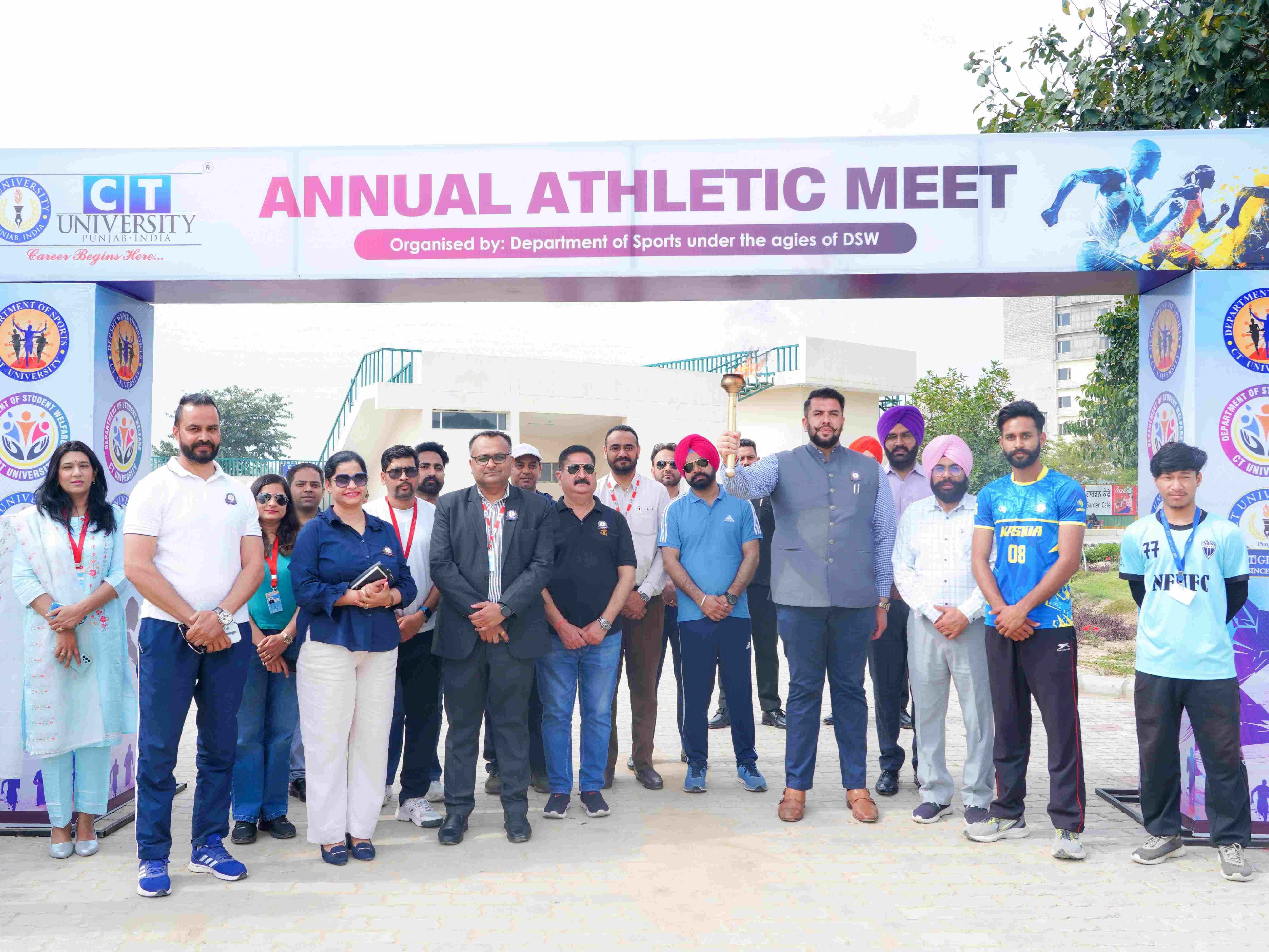
27 Mar, 2025
CT University's Annual Athletic Meet 2025 concluded on a high note, with the School of Law being crowned the Overall Champions. The two-day event, held at the university's sports ground, witnessed a spectacular display of athleticism, camaraderie, and sportsmanship among students from various schools.The School of Engineering and Technology secured the 1st Runner-up position, while the School of Arts, Science, and Humanities claimed the 2nd Runner-up spot. The event showcased the dedication, resilience, and winning spirit of CT University's students.The Annual Athletic Meet is a testament to the university's commitment to promoting sportsmanship, teamwork, and physical fitness among its students. The event featured a diverse array of track and field events, including sprints, relays, jumps, and throws.Chancellor S. Charanjit Singh Channi, commented, “I am thrilled to see our students showcasing their athletic prowess and sportsmanship. This event is a testament to the university's commitment to holistic education and development of our students.”Vice Chairman Harpreet Singh, added, “I am impressed by the enthusiasm and energy displayed by our students. This event is an excellent platform for our students to develop their physical and mental skills, and I am proud to see them excel.”The two-day event was inaugurated by esteemed dignitaries, including Vice Chairman Harpreet Singh and Vice Chancellor Dr. Abhishek Tripathi, Pro Vice Chancellor Dr. Nitin Tandon, Registrar Sanjay Khanduri, Dean Academics Dr. Simranjeet Kaur Gill, and Director Student Welfare Er. Davinder Singh. The ceremony also featured an impressive March Past, wherestudents pledged their commitment to fair play and displayed unparalleled enthusiasm.The event was a grand success, with students, faculty, and staff coming together to celebrate the spirit of sportsmanship and camaraderie. CT University remains committed to promoting holistic education and development of its students, and the Annual Athletic Meet is a testament to this commitment.
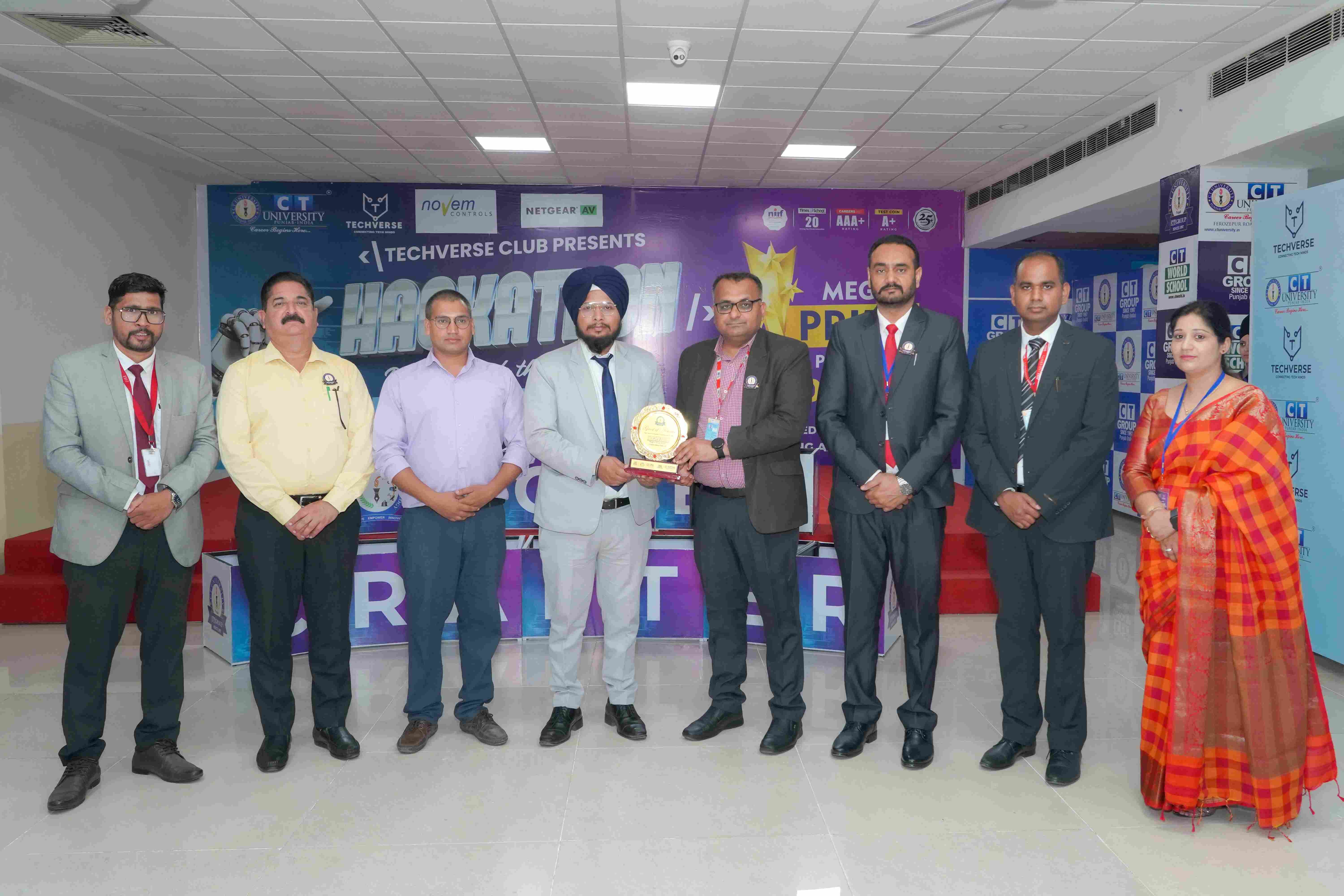
10 Apr, 2025
Winners: Lovely Professional University, CT University and Sant Baba Bhag Singh UniversityCT University's TechVerse Club, under the aegis of the School of Engineering and Technology, successfully organised “Code Crafter 2.0”, a 24-hour national hackathon.The event witnessed participation from 91 teams across the country, including cities like Dehradun, Jaipur, Kangra and various parts of Himachal Pradesh.The hackathon provided students an opportunity to showcase their skills in domains such as Environmental Sustainability, Agriculture, Healthcare, Satellite Communication, Cybersecurity and Examination Systems.Participants innovatively addressed real-world issues such as Reducing delays in system processes, Developing Decision Support Systems for agricultural crop planning and Creating integrated platforms connecting patients, doctors and labs in the healthcare sector.Alongside the intense coding sessions, the event featured fun indoor and outdoor activities, including workshops, interactive games and an outdoor DJ night to energize participants.The event's Guest of Honour, Shamsher Singh from Novem Controls, appreciated the innovation-driven spirit of the young coders.Naveen Singh from Brilliko emphasised the importance of practical learning and hands-on problem-solving in education.The event concluded with the announcement of winners,1st Prize: Lovely Professional University, 2nd Prize: CT University and 3rd Prize: Sant Baba Bhag Singh University.Special Categories include Best Ui/Ux Design: Chandigarh Group of Colleges, Jhanjeri; Best Innovation: Lamrin Tech Skills; Best Startup Idea: CT University.Judges for Day 1 and Day 2 were Tammna from Novem controls, Ayush Chauhan from IBM, and Aswin ram kishore pal from IBM.Commenting on the success of the event, Chancellor, S. Charanjit Singh Channi and Vice Chancellor, Dr. Abhishek Tripathi, expressed their pride and appreciation for the participants and organisers.Code Crafter 2.0 stood as a testament to the power of young minds and collaborative thinking. In an era where innovation drives the future, this hackathon inspired participants to not only dream big but to build tangible solutions.
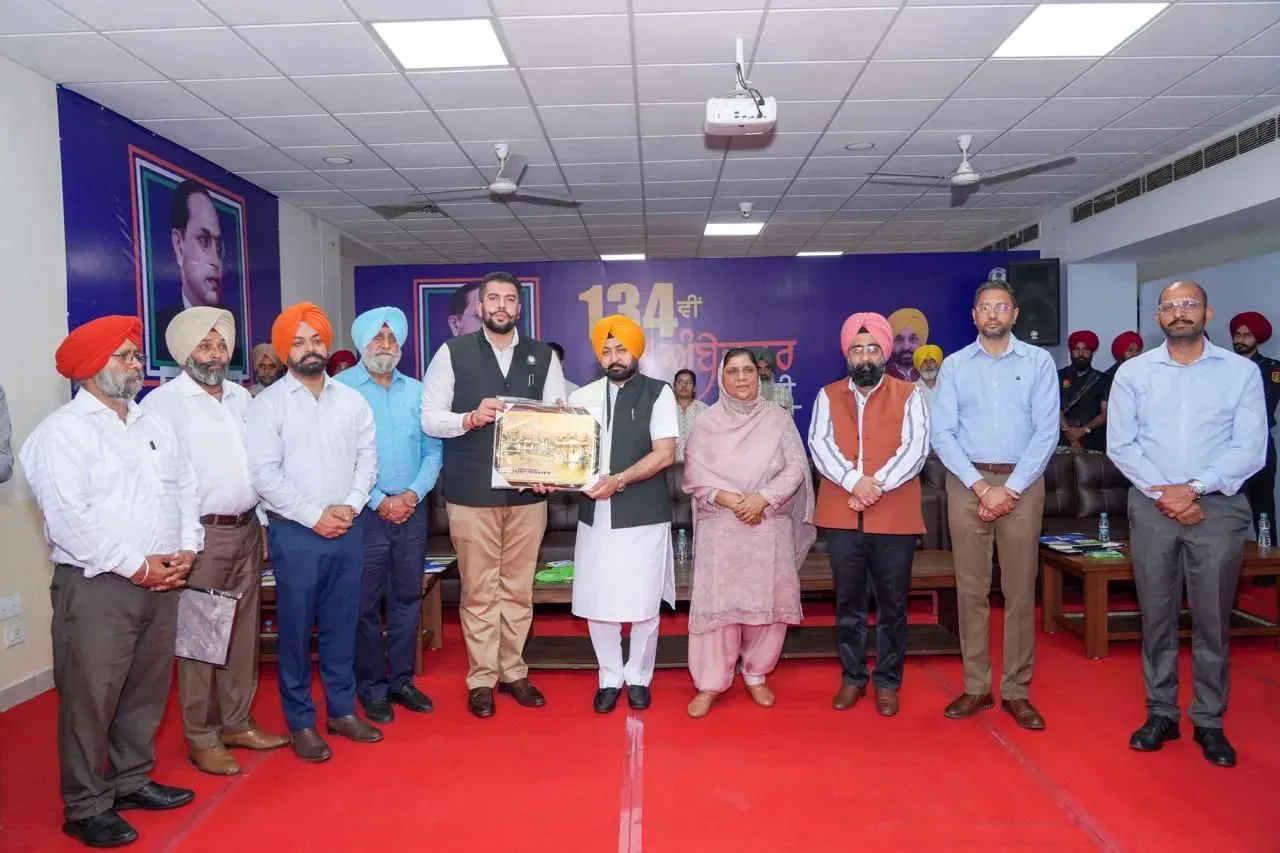
14 Apr, 2025
Cabinet Minister S. Hardeep Singh Graces Event as Chief GuestCT University recently paid homage to Dr. B.R. Ambedkar, the architect of the Indian Constitution, on his 134th birth anniversary.The ceremony was graced by esteemed dignitaries, including Cabinet Minister S. Hardeep Singh as the Chief Guest, MLA Jagraon Sarabjeet Kaur Manuke, ADC Jagraon Kulpreet Singh, SDM Karandeep Singh, and Chairman District Planning Board Sharanpal Singh.Also, Cabinet Minister S. Hardeep Singh launched a booklet outlining welfare schemes for Scheduled Castes, Backward Classes, and Minority Groups, reinforcing its commitment to social responsibility and inclusivity.Cabinet Minister S. Hardeep Singh praised Dr. Ambedkar's tireless efforts in shaping India's future, emphasizing the importance of following his ideals.MLA Jagraon Sarabjeet Kaur Manuke said, the journey of Ambedkar’s journey and her presence underscored the significance of Dr. Ambedkar's legacy.University leadership, comprising Vice Chairman Harpreet Singh and Director Student Welfare Er. Davinder Singh, was present alongside other esteemed guests.Vice Chairman Harpreet Singh expressed gratitude to the dignitaries and attendees, highlighting the university's appreciation for their support.By honoring Dr. Ambedkar's legacy, CT University reinforces its dedication to empowering youth and promoting social awareness. The university's tribute serves as a reminder of the importance of nurturing young minds and promoting social innovation and entrepreneurship.
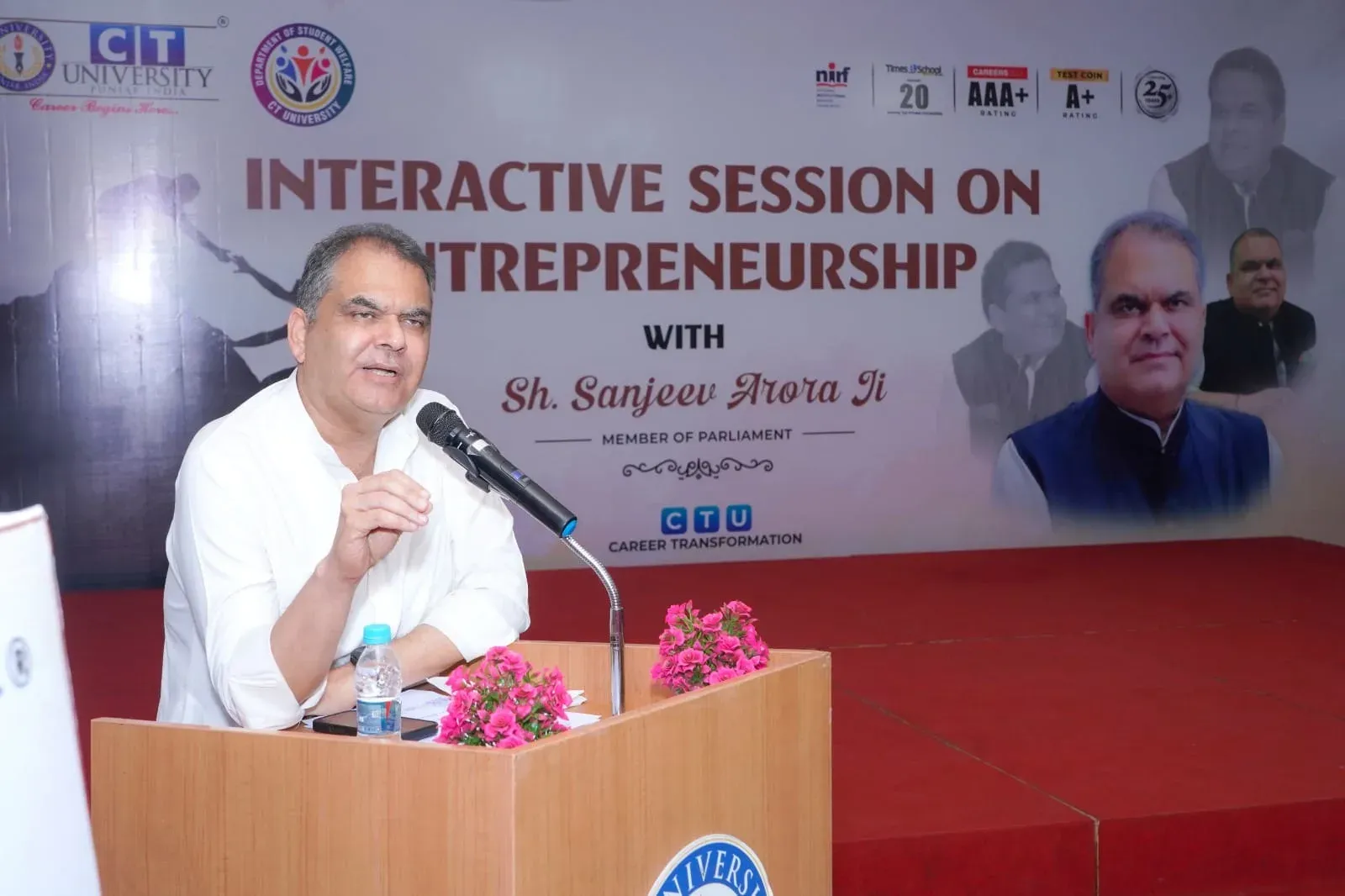
15 Apr, 2025
CT University recently hosted an interactive session with esteemed guest Sanjeev Arora Ji, a respected Member of Parliament, as part of its commitment to fostering leadership and entrepreneurship among its students.The event, titled "Interactive Session on Entrepreneurship," brought together young minds and seasoned leaders to share knowledge and insights.Sanjeev Arora Ji shared his wealth of experience and knowledge with the students, offering valuable guidance on leadership and its role in shaping the future.Dr. Sulbha Jindal Ji, Sports Secretary, Satluj Club, skillfully moderated an interactive question-and-answer session, allowing students to explore various aspects of leadership.The session was attended by notable guests Balbir Ji, COE Octave, and B.S Bawa Ji, Owner Skyway Hosiery, who added depth and diversity to the discussions.Pro Chancellor Dr. Manbir Singh, Dean Academics Dr. Simranjeet Kaur Gill, and Director Student Welfare Er. Davinder Singh represented the university's commitment to student development and growth.Dean Academics Dr. Simranjeet Kaur Gill delivered a warm welcome address, setting the tone for the event.Harinderpal Singh, Deputy Dean, School of Engineering and Technology, delivered a heartfelt vote of thanks, expressing gratitude to Sanjeev Arora Ji and all participants for their contributions to the event's success.Sanjeev Arora Ji emphasised the importance of leadership in today's world, highlighting its impact on individuals and society.Pro Chancellor Dr. Manbir Singh reiterated the university's dedication to nurturing young talent and providing opportunities for growth and learning.The event fostered a sense of community and encouraged students to pursue their passions, providing a unique opportunity for growth and learning.
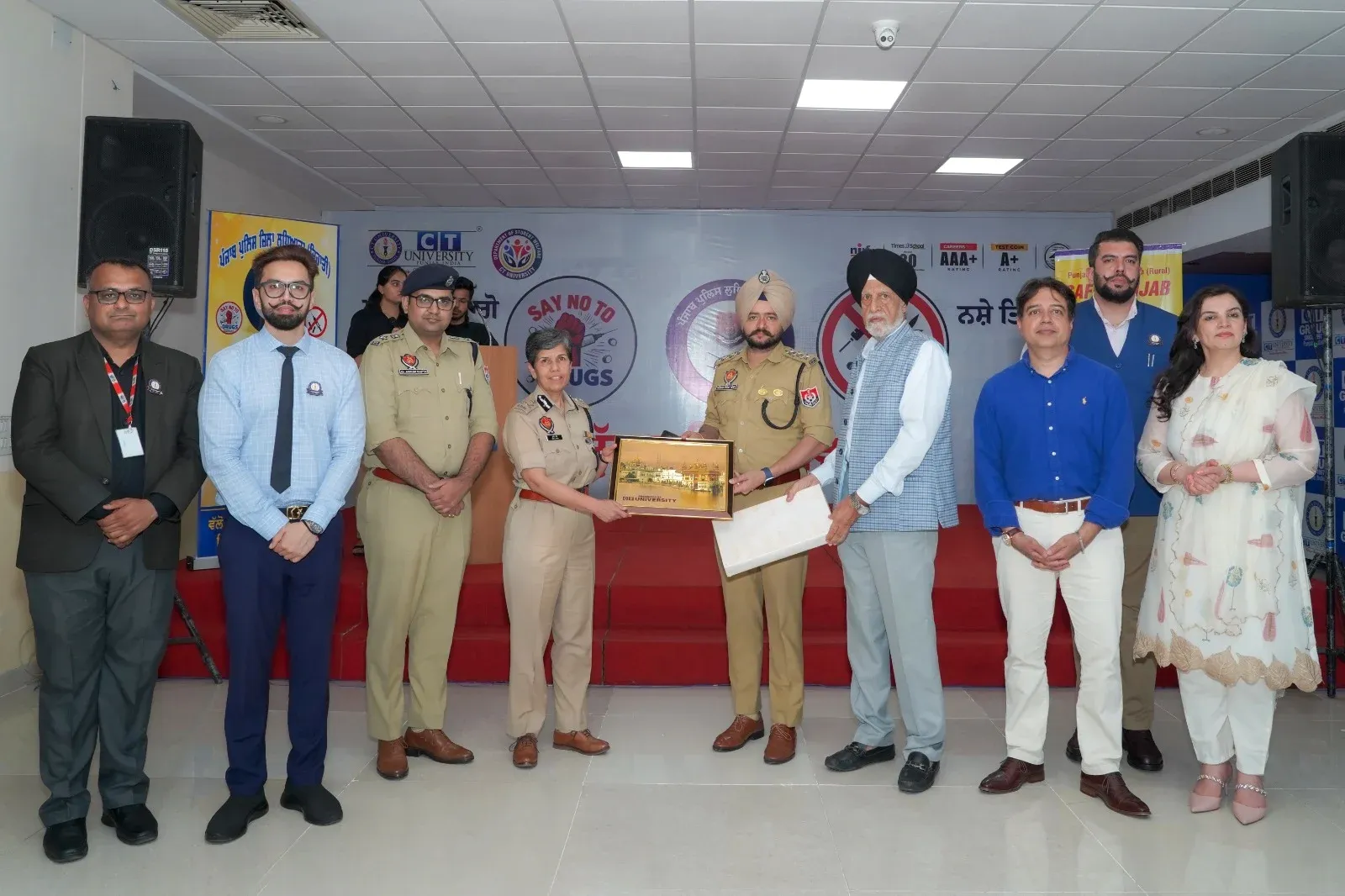
09 Apr, 2025
Empowering Youth, Protecting FuturesIn a continued effort to combat drug abuse and safeguard the future of youth, CT University has taken a proactive step by initiating a powerful awareness drive in support of the Punjab Police's campaign "ਯੁੱਧ ਨਸ਼ਿਆਂ ਵਿਰੁੱਧ".Originally launched by the Punjab Police, this campaign aims to educate and empower the youth against the perils of drug addiction and promote a healthier, drug-free lifestyle.CT University’s involvement marks a significant contribution from the academic community in amplifying this mission and spreading awareness among students and the larger community.The awareness initiative at CT University was graced by distinguished dignitaries including Anita Punj IPS (ADGP), Director of General Police Academy Phillaur, Dr. Ankur Gupta IPS, Senior Captain of Police, Ludhiana (Rural), Ramaninder Singh Deol Captain Police, (Local) Ludhiana (Rural), Surjit Singh Chief Officer Sadar Jagraon Police Station and Varinder Singh, DSP, Mullanpur.University leadership including Chancellor Charanjit Singh Channi, Pro Chancellor Dr. Manbir Singh, Vice Chairman Harpreet Singh, Vice Chancellor Dr. Abhishek Tripathi, Pro Vice Chancellor Dr. Nitin Tandon, Registrar Mr. Sanjay Khanduri, Dean Academics Dr. Simarjeet Kaur Gill and Director Student Welfare Er. Davinder Singh were present to show their unwavering support for the cause.Ms. Anita Punj IPS emphasised the significance of educational institutions standing shoulder to shoulder with law enforcement in curbing the drug menace. She stressed the importance of collaborative efforts to build a resilient and drug-free society.Chancellor Charanjit Singh Channi reiterated the university’s dedication to youth empowerment and its commitment to creating a nurturing environment that encourages informed decision-making and healthy living.This initiative adds to CT University’s ongoing efforts to foster a supportive and safe learning atmosphere. The university has previously collaborated with the Commissionerate of Police Ludhiana on wellness-focused events like the “Weekend of Wellness (WOW)” held at Rakh Bagh, Ludhiana.Through this alignment with Punjab Police’s "ਯੁੱਧ ਨਸ਼ਿਆਂ ਵਿਰੁੱਧ", CT University aims to inspire young minds to reject drugs and embrace a future full of potential and purpose.
28 Mar, 2025
The Department of Hotel Management Airlines and Tourism organized an Educational Tour for the students of BHMCT & B. Sc Airlines 2nd Semester. The trip was organised for the students so that they can explore the vibrant, rich and incredible culture, heritage, history, havelis, forts of Jaisalmer. The students indulged in local sightseeing, havelis & forts of Jaisalmer and nearby areas. Stay tuned for more memories from the recently concluded trip.
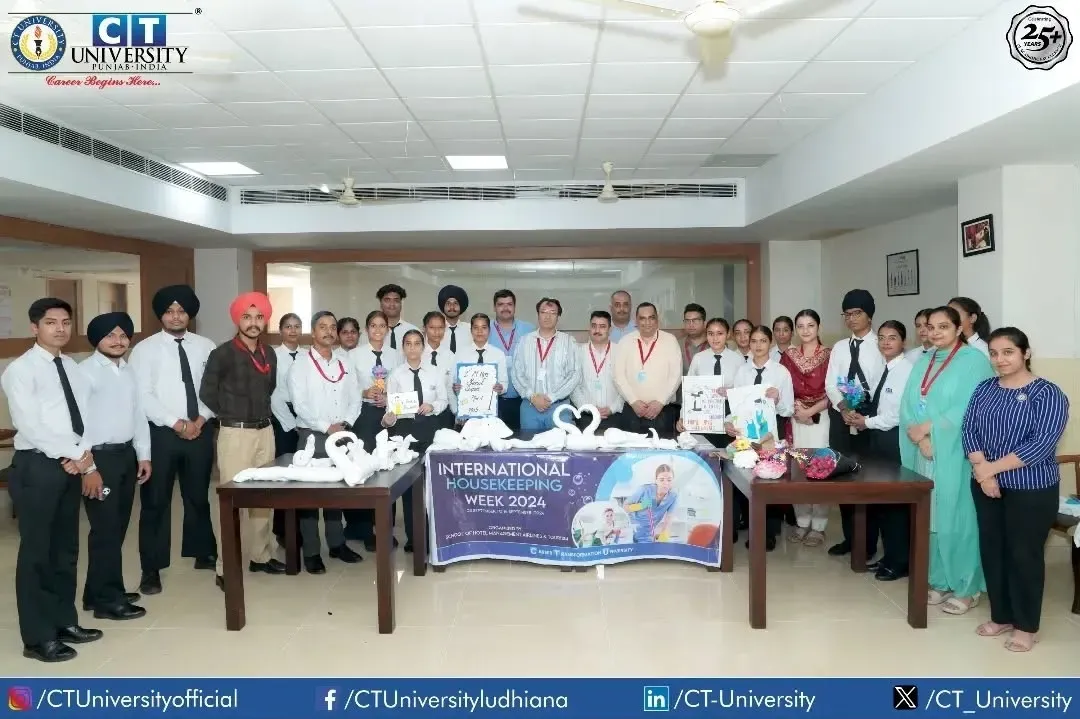
15 Oct, 2024
Celebrating International Housekeeping Week at CT University.! Glimpses of TOWEL ORIGAMI Competition!We had an incredible time honoring the unsung heroes of our campus during International Housekeeping WeekFor keeping our surroundings clean and hygienic to ensuring a welcoming environment for students, staff and visitors, our housekeeping team plays a vital role in maintaining the heart and soul of CT University. This week was dedicated to appreciating their hard work, dedication and attention to detail.Here are some highlights from TOWEL ORIGAMI Competition from an array of our celebrations, where we showed our gratitude with special events, fun activities and heartfelt appreciation.Thank you to our amazing housekeeping staff for everything you do. You truly make CT University shine brighter!
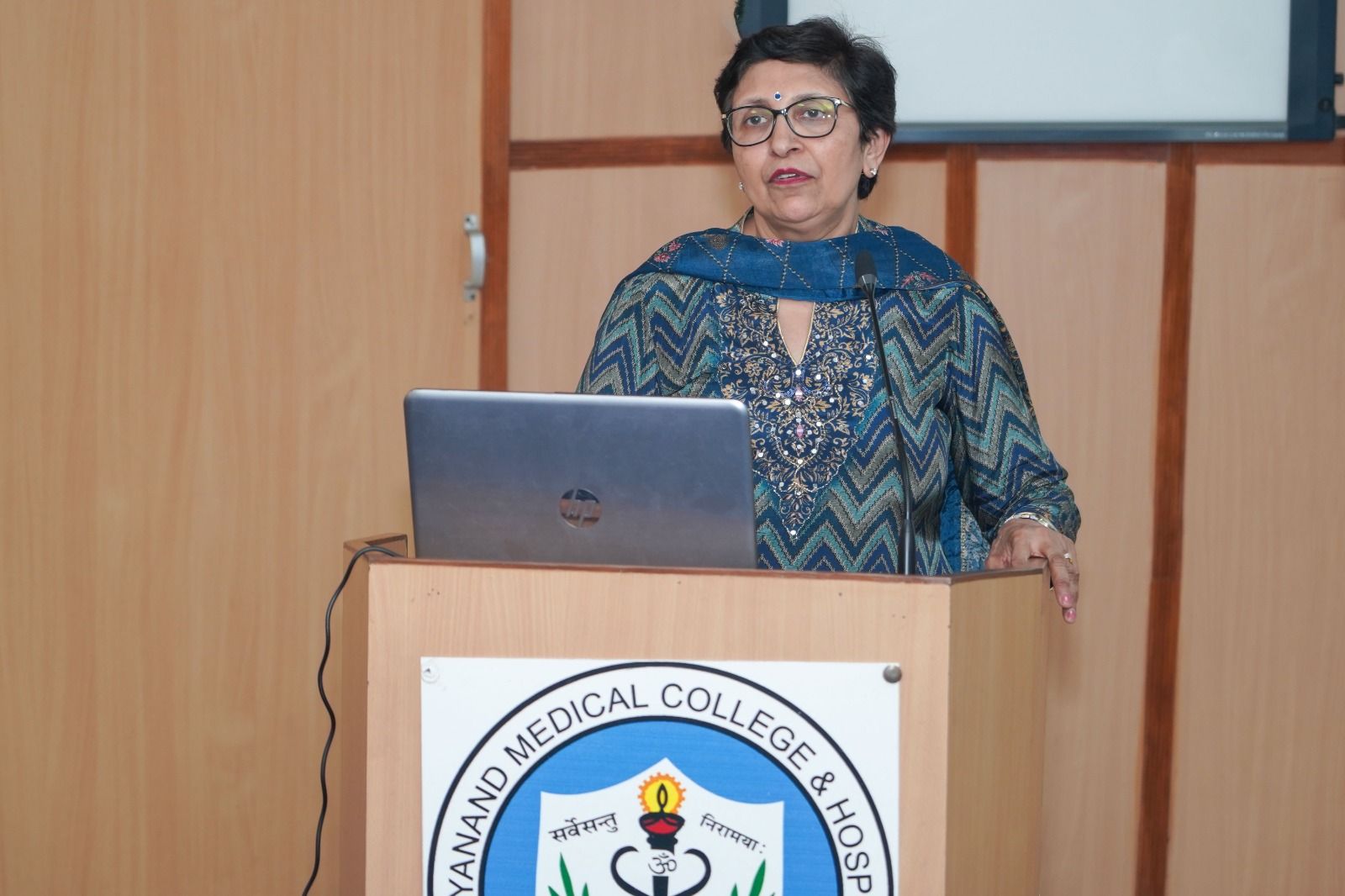
24 Mar, 2025
Unite to End TB: CT University and DMC&H Ludhiana Organise Awareness EventCT University, in collaboration with Dayanand Medical College and Hospital (DMC&H) Ludhiana, observed World Tuberculosis Day with a special event aimed at raising awareness about tuberculosis among students of School of Health Sciences, Allied Health Sciences and Optometry.The event, held at LT-1, Dumra Auditorium, DMC&H, featured an expert talk by Dr. Veenu Gupta, who shared valuable insights on TB prevention, symptoms and treatment. The session was followed by a Q&A round, where students actively participated, asking thought-provoking questions and engaging in meaningful discussions.Dr. Veenu Gupta, the esteemed speaker, commented, "Tuberculosis is a pressing public health concern that requires collective efforts to combat. It's heartening to see students and institutions like CT University and DMC&H Ludhiana taking proactive steps to raise awareness and promote education on TB prevention and management.Chancellor S. Charanjit Singh Channi, CT University, stated, "As an institution committed to social responsibility, we recognize the importance of promoting health awareness and education. Our partnership with DMC&H Ludhiana is a testament to our shared vision of creating a healthier, more informed community. We will continue to work together to address critical health issues and empower our students to become responsible healthcare professionals.This initiative reaffirms CT University's commitment to promoting health awareness and education among students and the community. By partnering with DMC&H Ludhiana, CT University aims to create a platform for students to engage with healthcare experts and gain valuable knowledge on critical health issues.
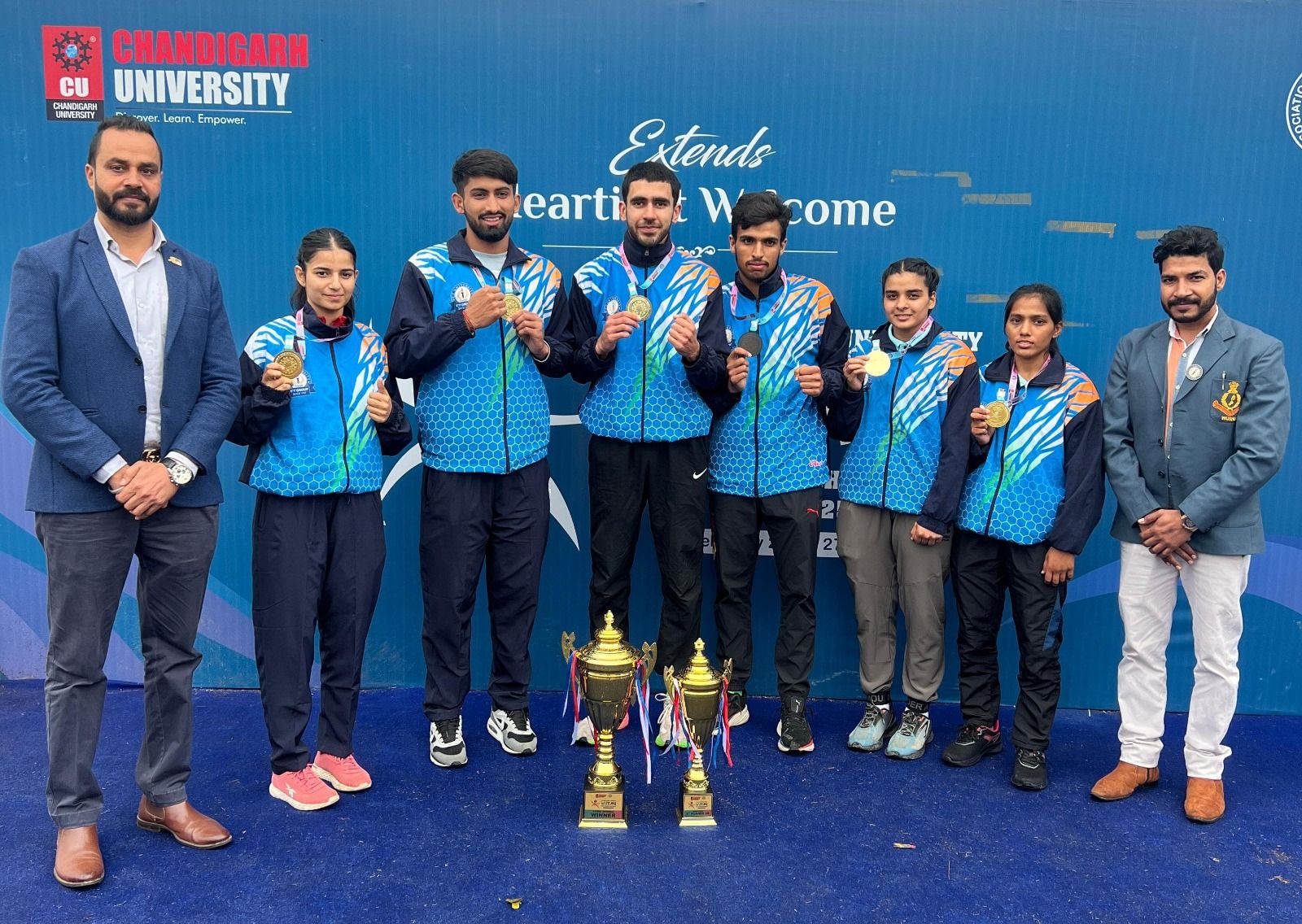
28 Feb, 2025
CT University Emerges as Overall Champions in Girls Wushu and 2nd Runner-Up in Boys Wushu at All India Inter-University Wushu ChampionshipCT University has made a remarkable achievement at the All India Inter-University Wushu (M/W) Championship, hosted by Chandigarh University, Mohali.The championship witnessed participation from 135 universities and over 1500 players from across the country. CT University's girls' team won 3 gold medals, with Sonia (45 Kg), Palavi (48 Kg), and Deepika (56 Kg) emerging as champions in their respective weight categories, securing the Overall Champion title.In the boys' category, CT University secured 2 gold medals and 1 bronze medal. Yash Kadian won the bronze medal in the 60 Kg category, while Syed Mohammad Ali Rouf Shah and Vivek won gold medals in the 65 Kg and 80 Kg categories, respectively, achieving 2nd Runner-Up position."We are proud of our students for their outstanding performance in the All India Inter-University Wushu Championship. This achievement is a testament to their hard work, dedication, and teamwork," said Pro Chancellor, Dr. Manbir Singh.Director Student Welfare, Er. Davinder Singh, added, “We are committed to providing our students with opportunities to excel in sports and other extracurricular activities. This achievement is a result of our efforts to promote sports and physical education among our students.”
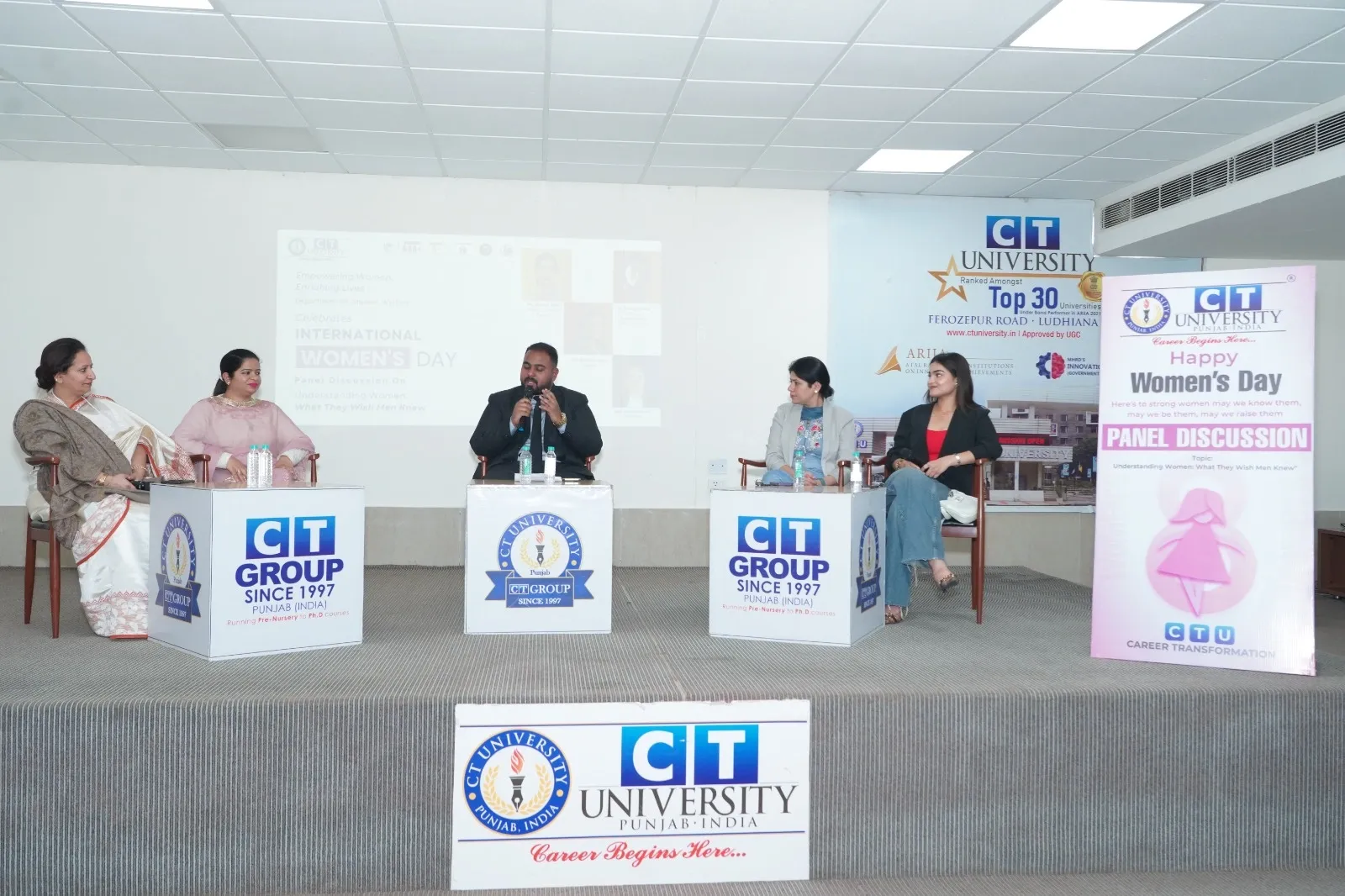
07 Mar, 2025
CT University celebrated International Women's Day with great enthusiasm and fervour. The event, organised by the Department of Student Welfare, aimed to empower women and enrich lives.The guest of honour, Ms. Inderjit Kaur, Mayor of Ludhiana, graced the occasion with her presence. The event commenced with a panel discussion on "Understanding Women: What They Wish Men Knew." The discussion aimed to foster a deeper understanding and appreciation of women's perspectives and experiences.The panel consisted of esteemed guests, including Dr. Shruti Kakkar, Clinical Haematologist at CMC, Ludhiana; Ms. Ravleen Kaur, renowned blogger; Adv. Harleen Kaur, advocate and Ms. Inderjit Kaur, Mayor of Ludhiana.Ms. Inderjit Kaur, Mayor of Ludhiana, emphasised the importance of women's empowerment and education. She stated, "Women are the backbone of our society and it's essential that we provide them with equal opportunities and support to help them grow and thrive."Er. Davinder Singh, Director, Student Welfare, CT University, emphasised the significance of celebrating International Women's Day. He stated, "This day serves as a reminder of the progress we've made towards achieving gender equality and the work that still needs to be done."During the celebration, CT University honoured 15 women, including students, who made extraordinary contributions to society in various fields, recognising their dedication, hard work and positive impact on the community.The event was attended by Vice Chancellor Dr. Abhishek Tripathi, Registrar Mr. Sanjay Khanduri and Dean Academics Dr. Simranjeet Kaur Gill, among other dignitaries.
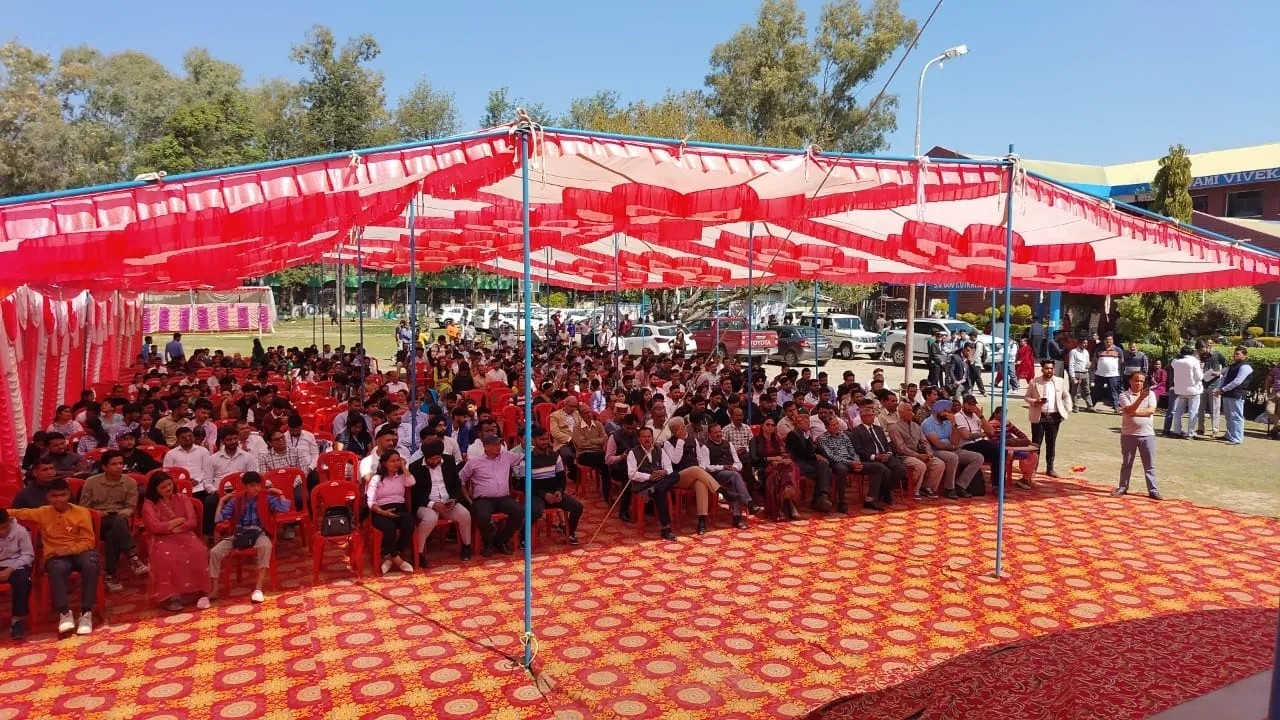
23 Mar, 2025
CT University, in collaboration with the Government of Himachal Pradesh, successfully hosted the 6th edition of the prestigious HIMPUN Job Fair at Government Polytechnic College, Hamirpur. This landmark event aimed to provide employment opportunities to the youth of the region and enhance industry-academia collaboration.The HIMPUN Job Fair series has a strong legacy of empowering the youth of Himachal Pradesh, with previous editions connecting thousands of young professionals with leading recruiters. This year's event, HIMPUN 4.0, was the largest yet, with participation from over 50 leading companies across various sectors, including Hero Cycles, Alorica India Pvt Ltd, Hoping Minds, Yuvraj Overseas Pvt Ltd, and Paytm, among others.The event provided a platform for direct interaction with recruiters, career guidance sessions, and on-the-spot placement opportunities. Sh. Rajesh Dharmani, Hon'ble Cabinet Minister for Technical Education, graced the event, reinforcing the state's commitment to fostering employment for the youth.Over 1950 students and aspiring professionals from across India attended the event, with more than 2000 students already registered.CT University's management team, including Vice Chairman Harpreet Singh and Vice Chancellor Dr. Abhishek Tripathi, Director of Admission CT Group Dr. Vaneet Thakur, Dr. Nitin Arora and Dr. Pankaj Jain were also present there.The 6th HIMPUN Job Fair is a testament to the government's commitment to empowering the youth and driving economic growth through direct employment opportunities.
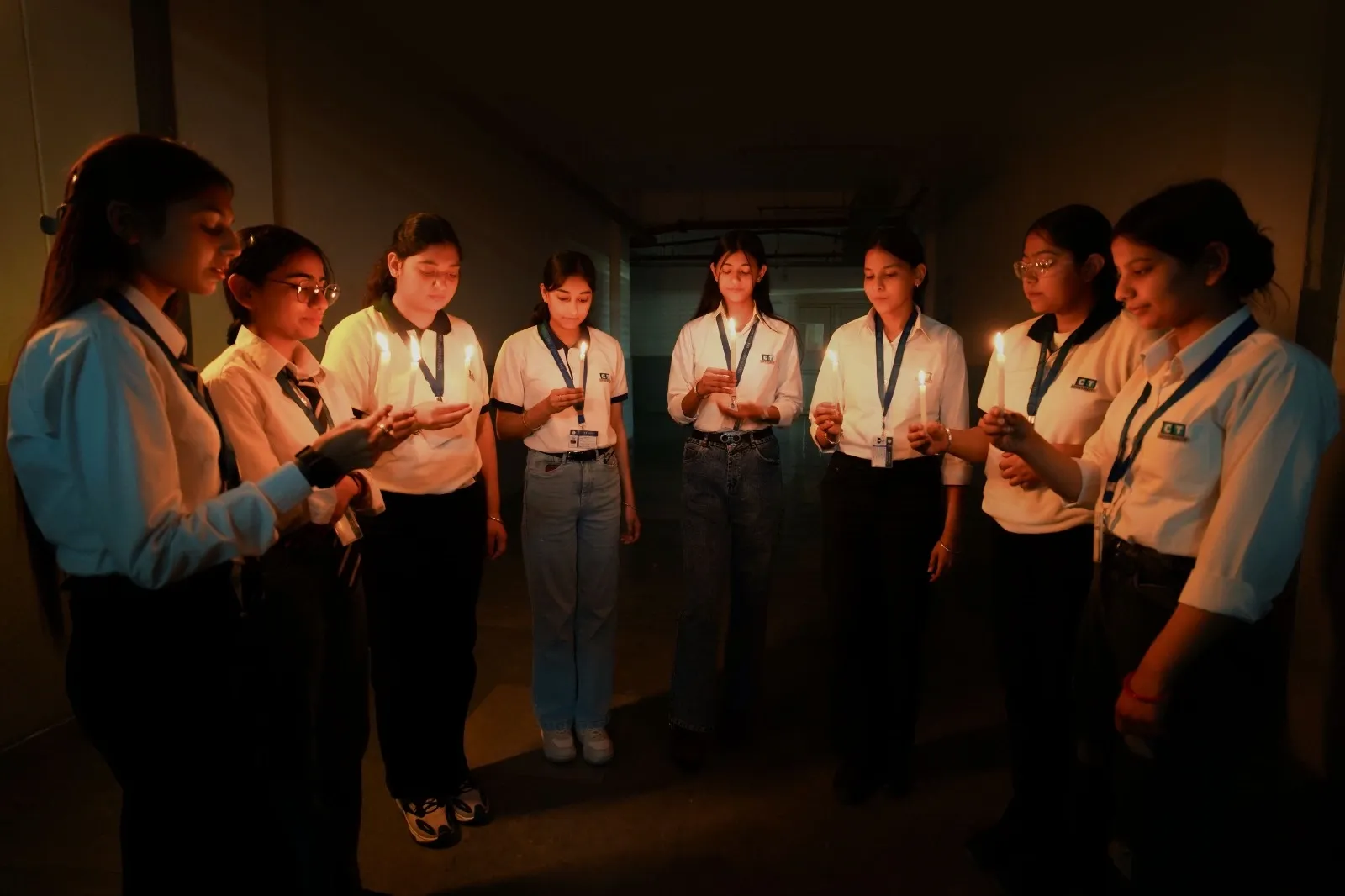
28 Mar, 2025
CT University Observes Earth Hour with Awareness DriveStudents Create Posters for Awareness, University Observes One-Hour 'Lights Off' Period to Promote Energy Conservation.CT University celebrated the Impact of Earth Hour with great enthusiasm and zeal, reinforcing its commitment to sustainability and environmental conservation. The event aimed to raise awareness about the importance of energy conservation and promote eco-friendly practices among students, faculty, and staff.As part of the celebrations, students from various departments created posters highlighting the significance of Earth Hour and the impact of small actions on the environment. The posters were displayed across the campus, serving as a reminder of the importance of sustainability.In a symbolic gesture, the university observed a one-hour 'Lights Off' period from 1:00 pm to 2:00 pm, during which all non-essential electrical devices, including lights, computers and printers, were switched off. This initiative aimed to demonstrate the potential impact of collective action on energy conservation.Pro Chancellor, Dr. Manbir Singh, added, "As a responsible educational institution, it is our duty to promote eco-friendly practices and raise awareness about the importance of energy conservation. We are proud of our students' efforts to make a difference."Vice Chancellor, Dr. Abhishek Tripathi said, "The Impact of Earth Hour celebrations is an excellent opportunity for our students to engage with environmental issues and develop a sense of social responsibility. We will continue to support and encourage our students to take up initiatives that promote sustainability and environmental conservation."The university used the hashtags #CTULightsOffChangeOn and #CTUForSustainability to spread awareness about the importance of energy conservation and sustainability.
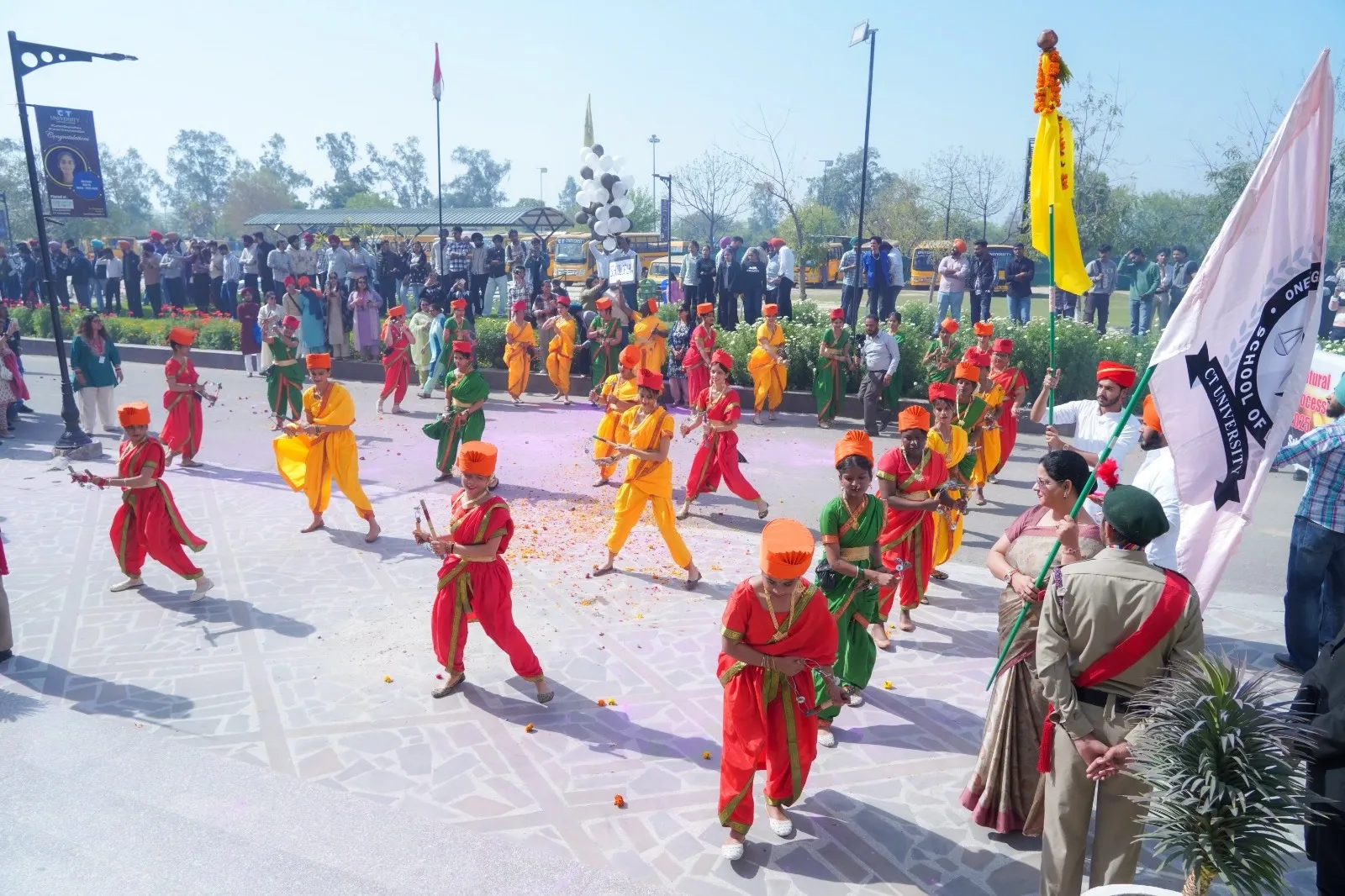
07 Mar, 2025
School of Law Wins Big!CT University's Department of Student Welfare recently hosted "Udaan" - An Inter School Cultural Fest, a spectacular event that brought together budding talents from various schools to showcase their skills and creativity in a wide range of cultural and artistic disciplines.The fest featured an exciting array of events and activities, including skits, solo performances in singing and dance, group dance, photography, rangoli, mehndi, face painting, cartooning, fashion show, poem recitation, debate, elocution, essay writing, quiz, poetry writing, installation, clay modelling, nukkad natak and cultural procession.After intense competitions and outstanding showcases of talent, the prestigious Overall Trophy was awarded to the School of Law, recognising their exceptional talent and unwavering dedication across various events.The School of Engineering and Technology secured the position of 1st Runner Up, while the School of Design and Innovation took home the 2nd Runner Up trophy.The title of Best Cultural Procession was awarded to the School of Design and Innovation, acknowledging their captivating and culturally rich presentation.In a special highlight of the event, added to the excitement by giving away a iPhone 13 to one lucky student. This generous gesture aimed to recognise and encourage young talent, making Udaan 2025 an even more memorable experience for all participants.The event was graced by the presence of Chancellor, S. Charanjit Singh Channi; Pro Chancellor, Dr. Manbir Singh; Vice Chairman, Mr. Harpreet Singh; Vice Chancellor, Dr.Abhishek Tripathi; Pro Vice Chancellor, Dr. Nitin Tandon; Registrar, Mr. Sanjay Khanduri; Dean Academics, Dr. Simranjeet Kaur Gill; and Director Student Welfare, Er. Davinder Singh.According to Chancellor, S. Charanjit Singh Channi, “Udaan is a testament to the incredible talent and creativity of our young generation. We are proud to provide a platform for them to showcase their skills and pursue their passions.”Pro Chancellor, Dr. Manbir Singh, added, "CT University is committed to fostering a culture of innovation, creativity, and excellence. Udaan is an integral part of this vision, and we are thrilled to see it grow and flourish every year."
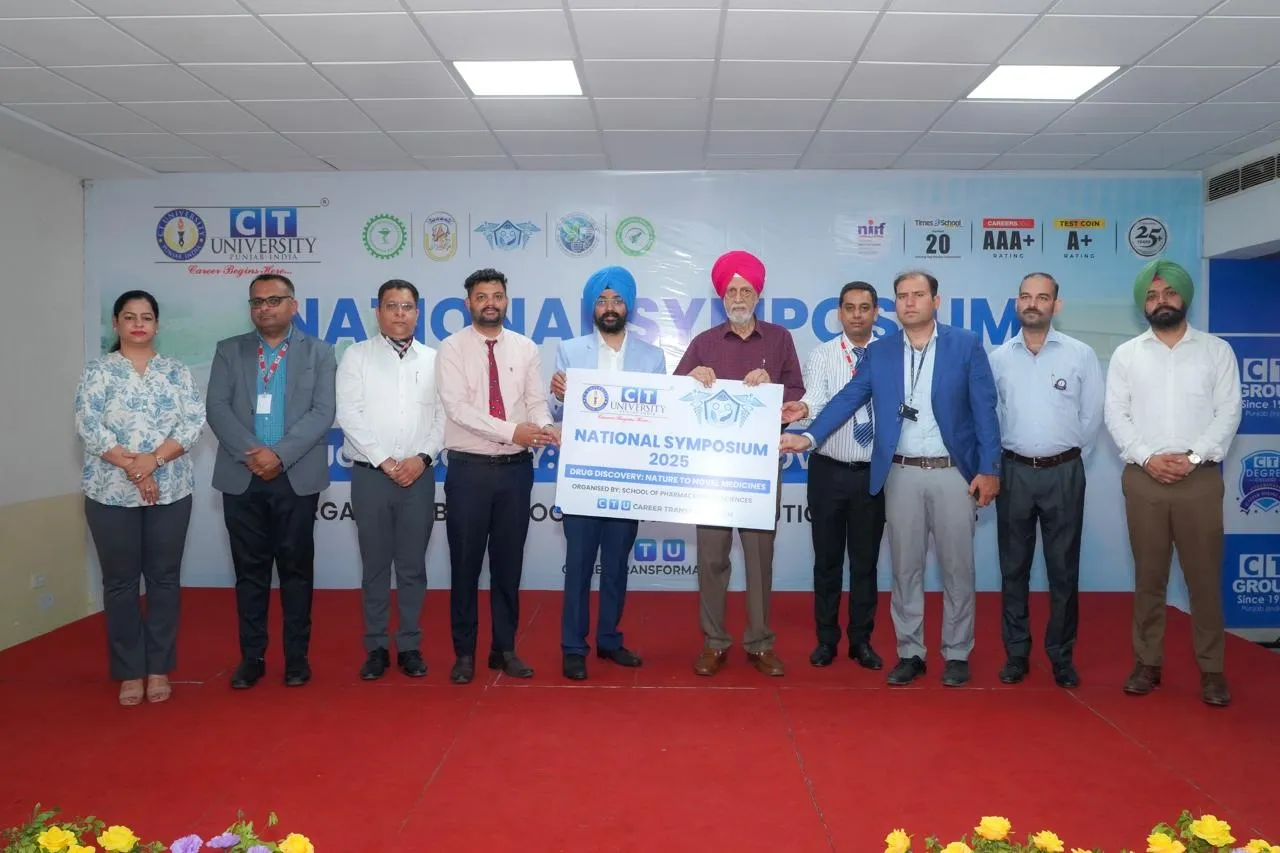
18 Apr, 2025
A Leap Towards Innovative HealthcareCT University recently organised a National Symposium on "Drug Discovery: From Nature to Novel Medicine," a testament to its commitment to fostering innovation and research in the field of pharmaceutical sciences. With over 150 registrations from across India, the symposium brought together experts, researchers, and students to explore the latest advancements in drug discovery and development.The symposium featured a competition for oral and poster presentations on various topics, including pharmacology, pharmaceutics, pharmaceutical chemistry, and pharmacognosy. A panel of esteemed judges, led by the Chairperson, Dr. Puneet Utreja, evaluated the presentations, providing valuable feedback to the participants. The event also included five workshops on cutting-edge topics such as Zebrafish model in pharmacological research, Docking methods and Simulation in drug discovery, Drosophila model in pharmacological research, and HPLC instrumentation. These workshops aimed to equip participants with the latest research methodologies and insights, enabling them to apply their knowledge in future endeavours.The symposium was graced by Dr. Gursagar Singh Sahota, Chief Liver Transplant Surgeon, Department of Liver Transplant, DMC&H, Ludhiana, as the Chief Guest. Dr. Sahota emphasised the importance of innovative research in healthcare, highlighting the role of pharmaceutical sciences in improving patient outcomes. Arafat Ali, Assistant Manager/Nodal Officer, Pharmaceuticals and Medical Devices Bureau of India (PMBI), Punjab and Chandigarh, Jan Aushadhi Kendra, was the Guest of Honour.The event also featured expert speakers, including Dr. Rohit Bhatia, Associate Professor, Dept. of Pharmaceutical Chemistry, Dr. Abhinav Anand, HOD & Associate Professor, CT Group of Institutions, South Campus, Shahpur.The symposium was supported by the university's leadership, including Chancellor S. Charanjit Singh Channi and Vice Chancellor Dr. Abhishek Tripathi. Chancellor S. Charanjit Singh Channi expressed his pride in the university's commitment to research and innovation, while Vice Chancellor Dr. Tripathi highlighted the importance of interdisciplinary collaboration in driving scientific advancements.Dean Academics Dr. Simranjeet Kaur Gill, Director Student Welfare Er. Davinder Singh and Dr. Vir Vikram, Principal School of Pharmaceutical Sciences played key roles in organising the symposium.The future of healthcare lies in innovative research and collaboration. I commend CT University for hosting this symposium and fostering a spirit of inquiry among young researchers," said Dr. Gursagar Singh Sahota.Events like these provide a platform for budding scientists to learn from experts and showcase their work. I wish all the participants the best in their future endeavours," said Chancellor S. Charanjit Singh Channi.The symposium concluded with a sense of accomplishment and excitement for the future of drug discovery and development in India. CT University's commitment to advancing pharmaceutical sciences and fostering innovation is set to inspire a new generation of researchers and scientists.
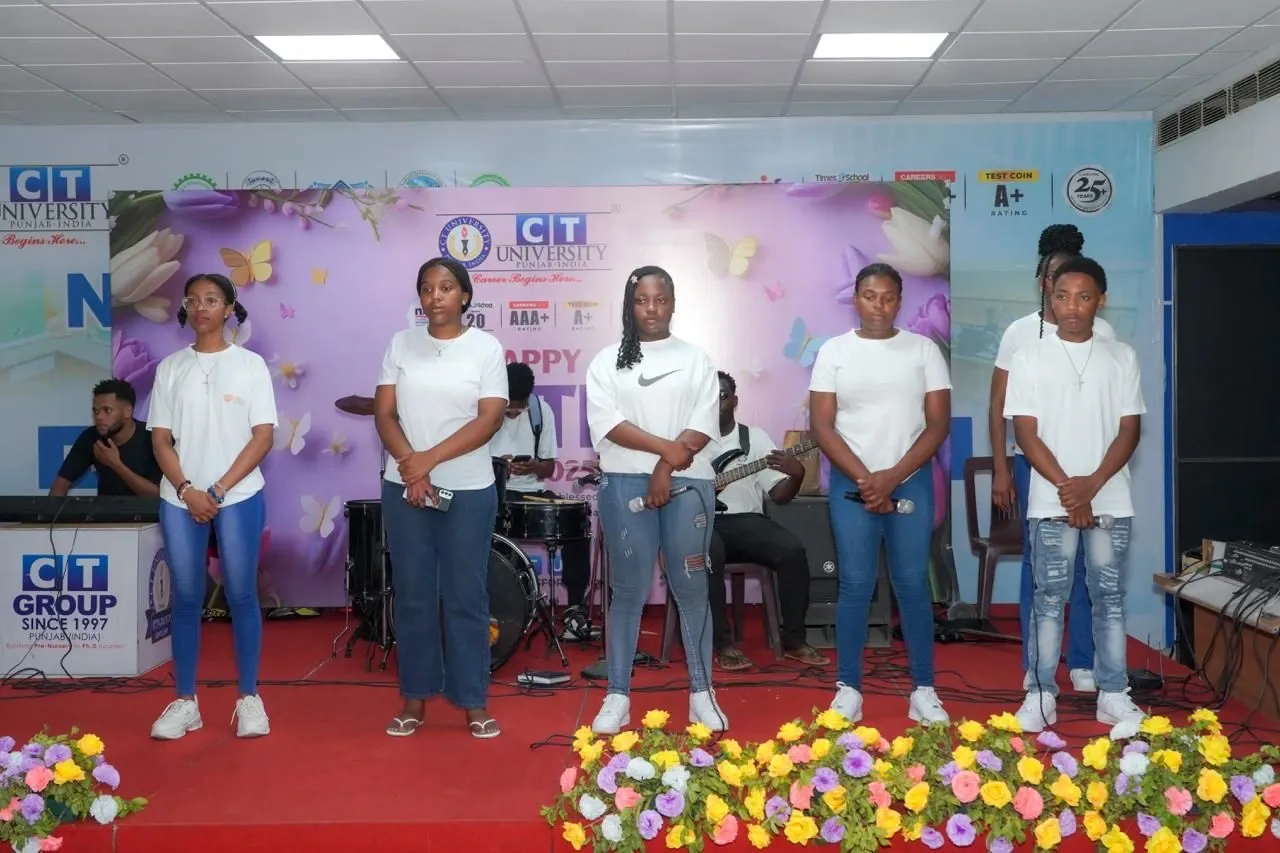
18 Apr, 2025
CT University joyfully celebrated Easter Day 2025, embracing the spirit of hope, renewal, and togetherness.The Easter celebration, organised by the Department of Student Welfare, brought the CTU community together in a vibrant display of unity and festive cheer.Easter is celebrated to commemorate the resurrection of Jesus Christ, symbolising hope, renewal, and eternal life.It's a time for reflection, gratitude, and joy, bringing people together in the spirit of love and togetherness.Pro Chancellor Dr. Manbir Singh said, "Easter reminds us of the values of compassion, forgiveness, and love. At CT University, we strive to nurture these values in our students, empowering them to make a positive impact in the world."Director Student Welfare Er. Davinder Singh commented, "The Easter celebration is a wonderful opportunity for our students to come together, share joy, and reflect on the true spirit of the festival. We're grateful for the enthusiasm and participation of our CTU community."The Easter celebration at CT University was marked with messages of peace, happiness, and gratitude, highlighting the values that the university stands for.The event showcased the university's commitment to fostering a sense of community, inclusivity, and social responsibility.
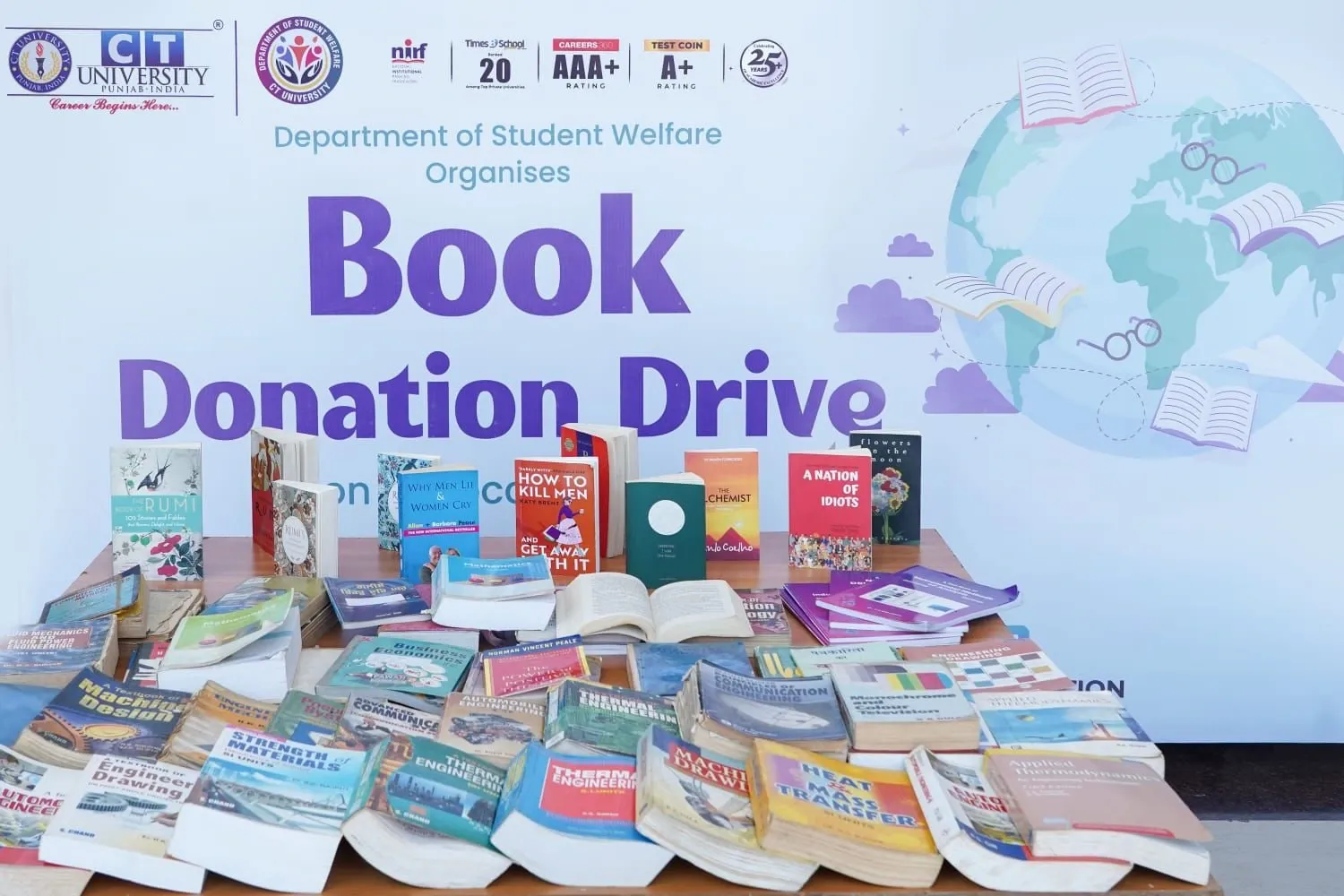
23 Apr, 2025
Book Donation Drive to Share the Joy of Reading with Those in NeedCT University is thrilled to announce its celebration of World Book Day, organised by the Department of Student Welfare. This year, the university is taking a step forward to promote literacy and a love for reading among underprivileged communities.A Book Donation Drive has been launched, inviting students, faculty, and staff to donate books and share the joy of reading with those in need.To make this initiative a success, students were engaged in an exciting activity where they got to choose books for donation. This not only helped them develop a sense of social responsibility but also instilled in them the value of sharing knowledge.The event saw the presence of esteemed faculty members, including Dean Academics Dr. Simranjeet Kaur Gill and Dr. Kamalpreet Kaur, Head of the Department of Management Studies.Pro Vice Chancellor Dr. Nitin Tandon expressed his delight over the initiative, saying, "World Book Day is not just about celebrating books; it's about spreading the joy of reading and promoting literacy. CT University is committed to making a positive impact in the community, and this Book Donation Drive is a step in that direction."Director Student Welfare Er. Davinder Singh added, "We believe that education is the key to empowerment, and books play a vital role in shaping young minds. This initiative will not only benefit the underprivileged but also sensitize our students about the importance of giving back to the community."The Book Donation Drive is a testament to CT University's commitment to social responsibility and its efforts to promote literacy and education. We invite everyone to join hands and make this initiative a success.
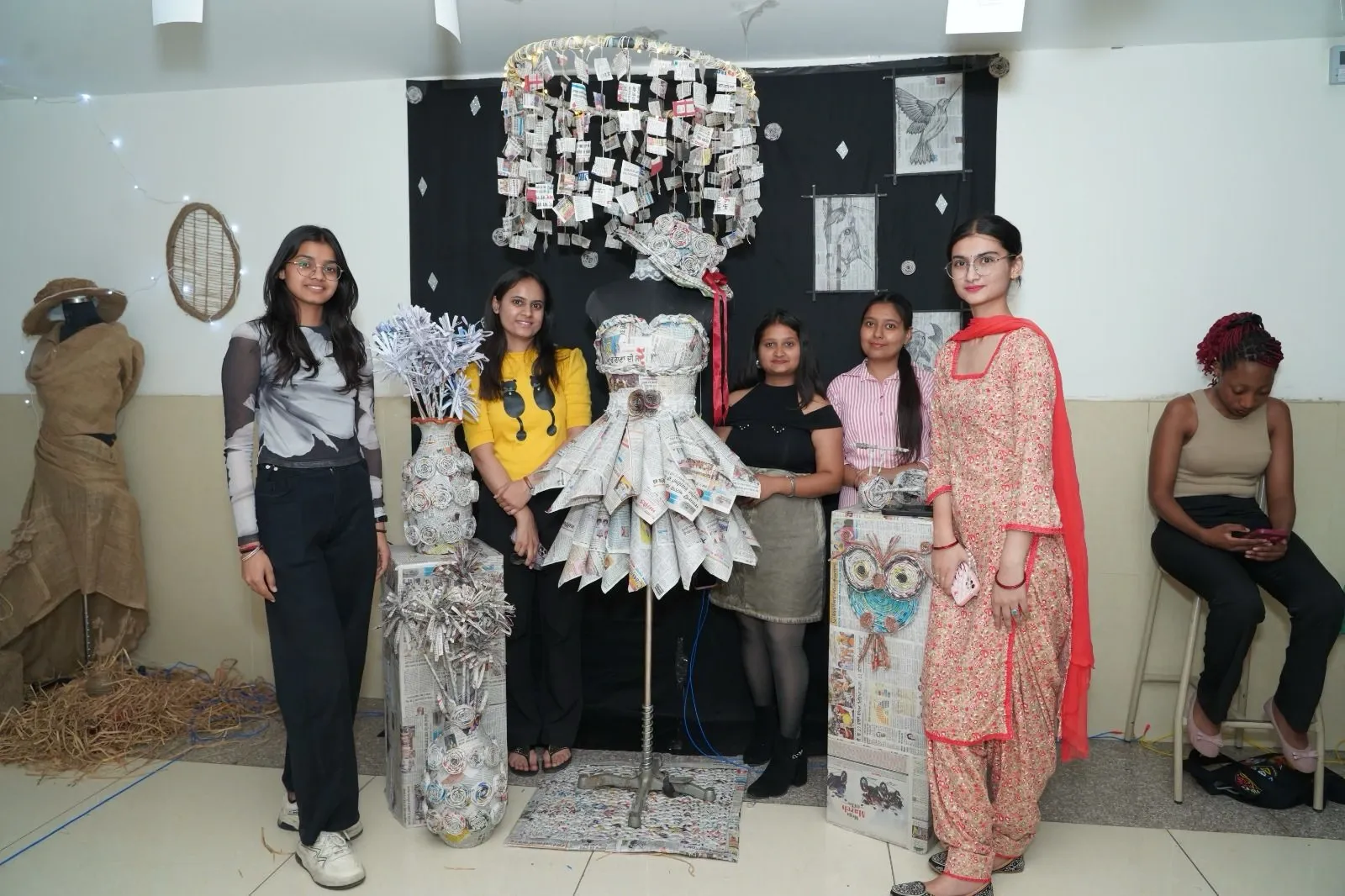
26 Apr, 2025
Department of Design and Innovation Showcases Eco-Friendly Projects, Highlighting the Future of DesignCT University's Department of Design and Innovation recently celebrated World Design Day with a vibrant and creative event, bringing together students, faculty, and design enthusiasts to showcase innovative projects centered around sustainability and creativity in design.The Department presented an impressive collection of work under the theme of sustainability, focusing on eco-friendly materials such as newspaper, jute, fabric waste, denim waste, and green leaves.Students displayed diverse and eco-conscious creations, including outfits, wall art, home décor pieces, and floor mats, reflecting the department's commitment to promoting sustainable fashion and creativity.The event also featured expertise in illustrations, crocheting, fabric manipulations, and surface ornamentation, with striking wall art pieces showcasing technical skills and artistic vision. The Banjara Collection, blending traditional craftsmanship with modern aesthetics, was a special highlight, offering a unique take on cultural fusion in fashion design.The multimedia aspect of the event was equally engaging, with students impressing attendees with their photography skills through a curated best-picture display and a lively photo booth corner. A movie trailer showcasing students' creative work was unveiled, along with behind-the-scenes footage highlighting the process, passion, and dedication behind the scenes.The event was made possible through the tireless efforts of the Design and Innovation Team with the guidance of Mr. Monu Sharma, Head of the Department.Dr. Manbir Singh, Pro Chancellor, praised the students' innovative work and the department's focus on sustainable design practices.Dr. Abhishek Tripathi, Vice Chancellor emphasised the transformative power of design in shaping a more sustainable and conscious future.
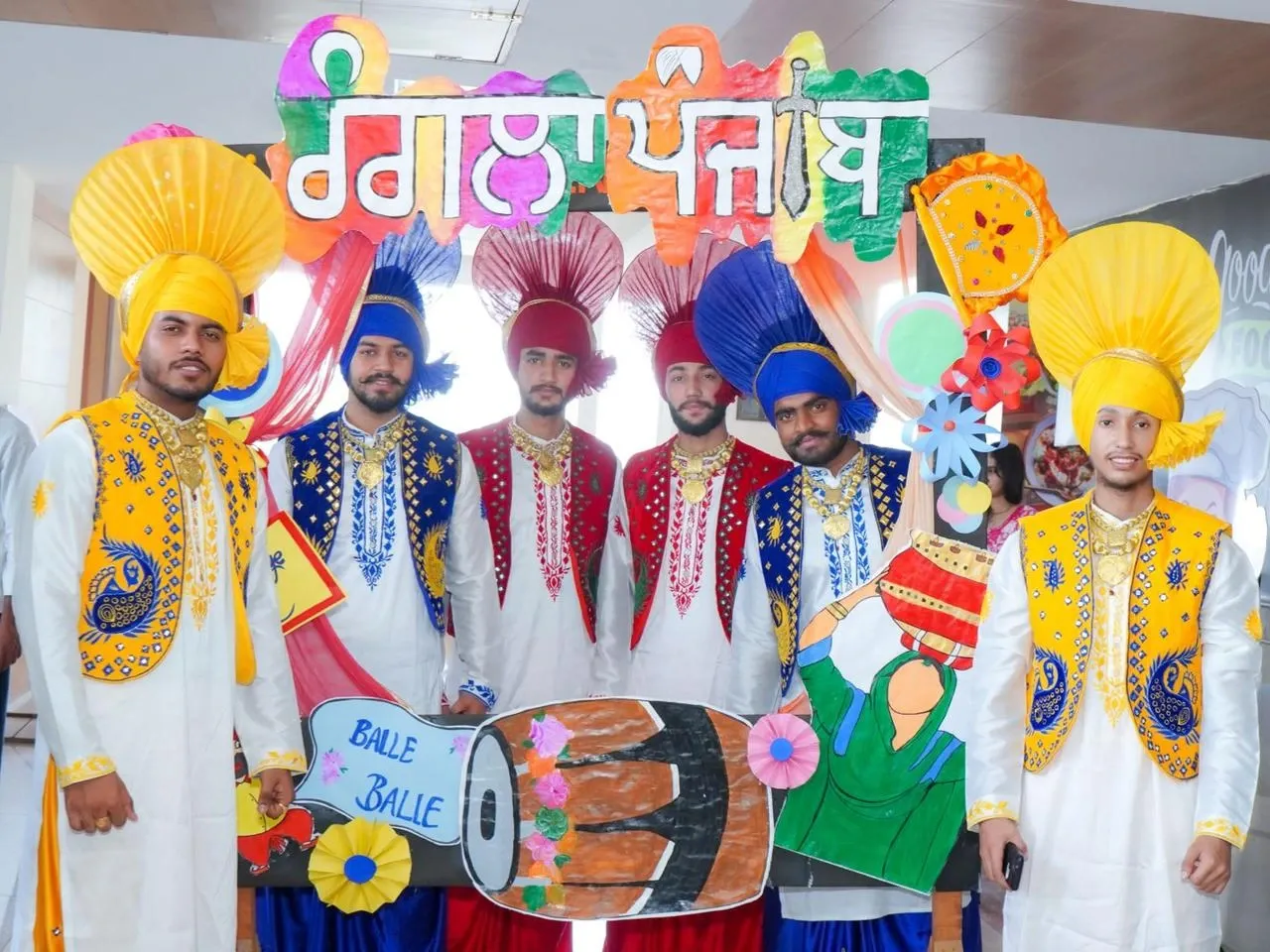
02 May, 2025
The School of Engineering and Technology at CT University, under the dynamic aegis of the Department of Student Welfare, orchestrated a resplendent celebration of Punjab's rich cultural tapestry, aptly titled "Rangla Punjab." This vibrant event was a testament to the university's commitment to fostering an environment that not only nurtures academic excellence but also deeply ingrained cultural appreciation and creativity among its students.The "Rangla Punjab" event was a kaleidoscope of activities designed to showcase the multifaceted beauty of Punjabi culture. Students enthusiastically participated in a variety of competitions and presentations, including poem writing and recitation, a quiz focusing on Punjabi culture and history, a turban tying competition, a game centered around Punjabi idioms and proverbs, and a calligraphy contest. Additionally, the event featured a captivating presentation of traditional Punjabi cuisine, highlighting the state's culinary richness.The event was graced by the presence of Dr. Nitin Tandon, Pro Vice Chancellor of CT University, and Mr. Sanjay Khanduri, Registrar. Their participation underscored the university's emphasis on cultural preservation and promotion. Dr. Tandon and Mr. Khanduri's engagement with the students during the event reflected their appreciation for the students' creative endeavors and cultural awareness.Dr. Manbir Singh, Pro Chancellor of CT University, commented on the event, saying, "Initiatives like 'Rangla Punjab' are truly commendable as they not only celebrate our rich cultural heritage but also provide a platform for our students to showcase their talents and creativity. Such events are instrumental in shaping well-rounded individuals who appreciate and contribute to the preservation of our traditions."Er. Davinder Singh, Director of Student Welfare, echoed similar sentiments, stating, "The Department of Student Welfare at CT University is dedicated to organizing events that promote cultural awareness and creativity among students. 'Rangla Punjab' was a resounding success, thanks to the active participation of our students and the support of our esteemed faculty members. We look forward to hosting more such events in the future.""Rangla Punjab" was more than just a celebration; it was a vibrant expression of Punjab's cultural richness and the creative spirit of CT University's students. Through this event, the university reaffirmed its commitment to cultural preservation and to nurturing the artistic talents of its students. The success of "Rangla Punjab" sets a promising precedent for future cultural events at CT University, highlighting the potential for continued growth and celebration of diverse heritages.
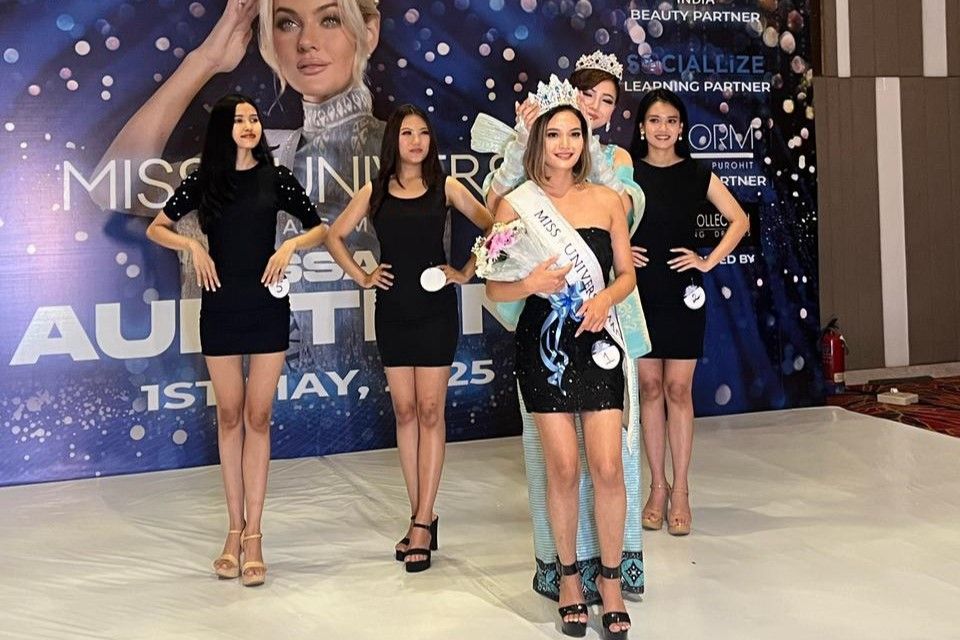
03 May, 2025
Nirupama's Journey of Resilience and Determination Inspires Many, Advocating for Love, Peace, and PositivityWe are thrilled to announce that Sarangthem Nirupama, a student of CT University pursuing a degree in Psychology, has been crowned Miss Universe Manipur 2025. Nirupama's journey is a testament to her unwavering determination and passion for creating positive change. Now she would be representing Manipur and will compete for Miss India Universe.Nirupama's story began in 2022 with Miss Manipur, where she broke stereotypes and represented the voices of young girls pursuing their dreams. She continued to shine in Mega Miss Northeast 2023, winning the 19th edition. Witnessing the trauma of war in Manipur led her to pursue Psychology, aiming to support those affected by conflict. As a victim of cyber harassment for speaking up for women, children, and peace, Nirupama's selection as Miss Universe Manipur 2025 is a powerful statement.Commenting on her achievement, Nirupama said "I am honored to represent Manipur at Miss Universe India 2025, advocating for love, peace, and an end to hatred. I look forward to using this platform to promote positivity and support those affected by conflict."Dr. Manbir Singh, Pro Chancellor of CT University, congratulated Nirupama, saying, "Sarangthem Nirupama's journey embodies the spirit of resilience and determination. We are proud to have her as a student at CT University, pursuing a degree in Psychology. Her advocacy for love, peace, and an end to hatred is inspiring, and we wish her all the best in her future endeavors."We congratulate Sarangthem Nirupama on her achievement and wish her success in her future endeavors.

13 May, 2025
The Department of Management Studies at CT University proudly hosted Corporate Confluence 2025, a national-level, two-day inter-college competition. The event brought together students from prestigious colleges across the region to showcase their talent and innovation in various management disciplines.The competition featured five diverse events, including Market Lense, Echoes of Influence, Mind Quest, Narrative Edge, and Brand Storm, designed to engage a wide range of interests and skills.A Personality Development Workshop was also conducted to enhance student confidence and communication skills.A total of 200 students from multiple departments of CT University and various esteemed colleges participated in the event, including SCD Government College, PCTE Groups of Institutes, Guru Nanak Dev Engineering College, and Chandigarh University, among others. The event provided a powerful platform for professional learning and networking.The event commenced with a grand inauguration ceremony graced by esteemed dignitaries, including Registrar Sanjay Kumar Khanduri, Dean Academics Dr. Simranjeet Kaur and Director Student Welfare, Er. Davinder Singh.The Felicitation Ceremony honored the winning teams and individuals, with PCTE Groups of Institutes bagging the overall trophy for winning the maximum number of events.In her address, Dean Academics Dr. Simranjeet Kaur emphasised the importance of such platforms in shaping future-ready professionals and commended the participants for their enthusiasm and creativity.The Director Student Welfare, Er. Davinder Singh delivered a heartfelt vote of thanks and a motivational message to all participants, highlighting the significance of learning and growth through such competitions.Corporate Confluence 2025 successfully fostered leadership, strategic thinking, and peer collaboration, leaving participants enriched with practical insights and invaluable experiences. The event inspired students to embrace real-world challenges with confidence and motivation.
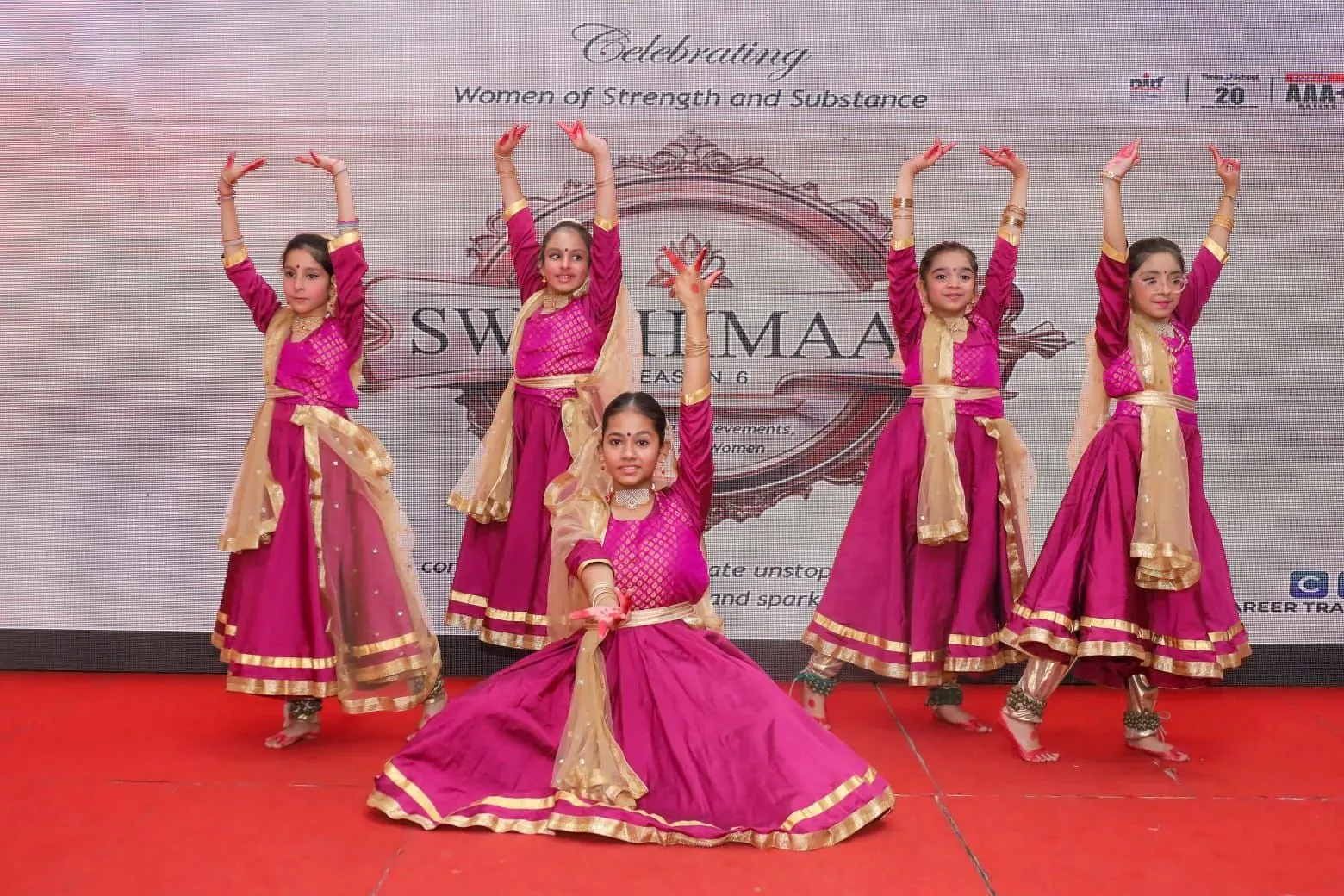
16 May, 2025
Media Mentor, in collaboration with CT University, successfully hosted the sixth edition of SWABHIMAN, a powerful and inspiring event dedicated to honouring Women of Strength and Substance.The event, held under the resonant theme “Empowering Achievements, Celebrating Women”, stood as a vibrant tribute to resilience, leadership, and the remarkable journeys of women who continue to impact society in profound ways.The presence of several eminent personalities added further gravitas to the event. Distinguished guests included Inderjeet Kaur, Lady Mayor of Ludhiana; Dhamija, Trustee of Govind Godham; Navdeep Sharma, Country Manager for India and South Asia at ILE; Rajni Bector, Founder of Cremica Foods; Bipan Jain, Founder and Director of Sharman Jain Swimwear; Leena Taparla, Vice President of Punjab Pradesh Mahila Congress; and Nitin Chawla from Kapri Immigration and Education Pvt. Ltd. Their contributions and words of encouragement served as an inspiration to all in attendance.CT University played a vital role in supporting and facilitating this impactful initiative. The event was graced by the presence of key university leaders including Chancellor Charanjit Singh Channi, Pro Chancellor Dr. Manbir Singh, Vice Chancellor Dr. Abhishek Tripathi, Pro Vice Chancellor Dr. Nitin Tandon, Registrar Mr. Sanjay Khanduri, and Director of Student Welfare Er. Davinder Singh.SWABHIMAN Season 6 brought together an inspiring spectrum of achievers and changemakers.The event created a dynamic and inclusive space for honoring untold narratives and promoting the development of real-world skills essential for societal upliftment. It inspired attendees to embrace their journeys and continue pushing boundaries.Adding to the energy and direction of the event was Bhawna Dixit Chawla, Director of Media Mentor, who was truly the light of the occasion. Her leadership and passion significantly elevated the purpose and execution of SWABHIMAN Season 6.Their involvement underscored the university’s deep commitment to gender equity, inclusive growth, and leadership development for women.SWABHIMAN Season 6 was not merely an event—it was a celebration of identity, strength, and purpose. It honored stories of transformation, gave voice to lived experiences, and served as a beacon for future generations.CT University remains proud to be a part of this empowering journey and reaffirms its dedication to building a world where every woman’s story is not only heard but celebrated.
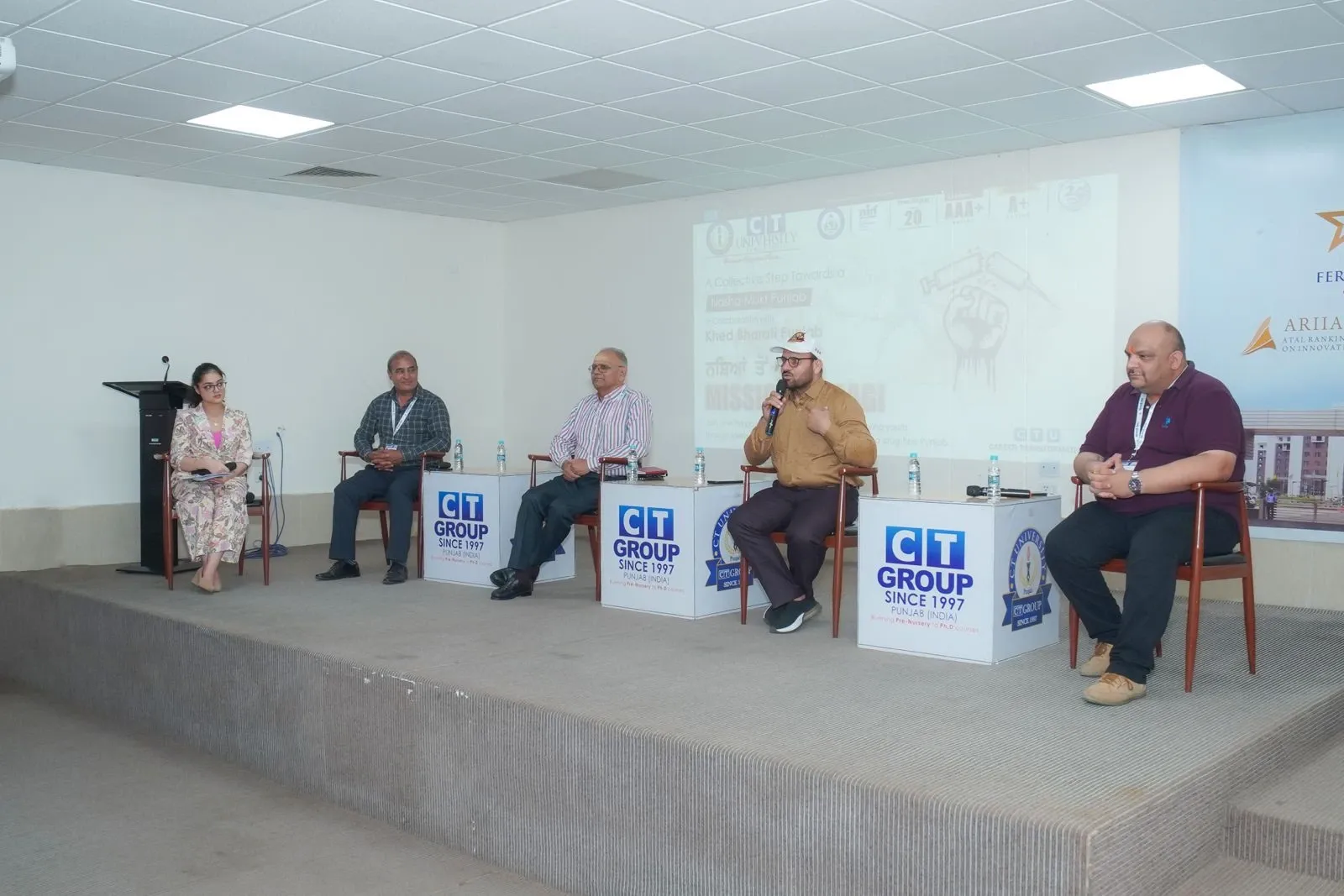
19 May, 2025
“Nasheya Toh Azadi – Mission Zindagi: Yudh Nashian Virudh”In a powerful and inspiring initiative to build a drug-free Punjab, CT University, Ludhiana, in collaboration with Khed Bharati Punjab, organised an interactive and thought-provoking panel discussion titled “Nasheya Toh Azadi – Mission Zindagi: Yudh Nashian Virudh.”The event was a part of the collective mission to raise awareness about the detrimental effects of drug abuse and to encourage the youth towards a healthier and more purposeful life.The event brought together a distinguished panel of national icons and experts who have made significant contributions in their respective fields and are strong advocates for social reform.The panel included Mr. Universe 1988, Padma Shri and Arjuna Awardee Premchand Degra, Dronacharya Awardee Shiv Singh, Former Director of the National Institute of Sports, Patiala, Dr. I.P. Nagi, and State President of Khed Bharati Punjab, Mr. Arvind Singh Rana.Their powerful messages and life experiences deeply resonated with the students and attendees, emphasising the importance of discipline, sportsmanship, and making the right life choices.The event was graced with the presence of Padam Passi, Director of the All India Cricket Association, who was honoured for his unwavering dedication to sports development and youth engagement in India.His presence served as a motivational beacon for the students and faculty alike.Mr. Arvind Singh Rana, State President of Khed Bharati Punjab, shared his thoughts on the occasion, stating, “This movement is not just an event, it is a revolution. We aim to instill strength, discipline, and direction in our youth. With the support of educational institutions like CT University, we can turn the tide against drug abuse.”Dr. Abhishek Tripathi, Vice Chancellor of CT University, also expressed his commitment towards this noble cause, remarking, “CT University stands firm in its resolve to create a better, healthier, and drug-free society. Through awareness, education, and community collaboration, we can empower students to make informed decisions that shape their future positively.”The event witnessed an enthusiastic participation from both students and faculty.Representing CT University were Vice Chancellor Dr. Abhishek Tripathi, Pro Vice Chancellor Dr. Nitin Tandon, Registrar Sanjay Khanduri, Dean of Academics Dr. Simranjeet Kaur Gill, and Director of Student Welfare Er. Davinder Singh.Their active involvement and support underlined the institution’s commitment to social responsibility and youth empowerment.The panel discussion concluded with an open house interaction where students engaged with the dignitaries, asking questions and sharing perspectives.The session ended on a high note of inspiration, motivation, and collective resolve to say “No” to drugs and “Yes” to life.
23 May, 2025
CT University has launched several new programs aimed at preparing students for successful careers with practical skills and industry exposure.A unique commerce program integrated with Tally and IAS coaching is available in both 3-year and 4-year formats. It combines UPSC preparation with hands-on training in Tally ERP, GST, and computerised accounting, opening doors to both government and corporate careers.New MSc MLT programs in Microbiology, Haematology, and Biochemistry offer in-depth lab training and prepare students for roles in diagnostics, pharma, and research labs.The university now offers MPT programs in Neurology, Orthopedics, and Sports, focusing on advanced rehab techniques, manual therapy, and sports injury care, ideal for careers in hospitals and clinics.The new BBA LL.B program blends business and legal studies, preparing students for careers in corporate law, compliance, and legal consulting.These courses reflect CT University’s commitment to innovation and career-focused education, helping students gain a strong edge in the job market.Pro Chancellor, Dr. Manbir Singh said these new courses reflect CT University's commitment to innovation and career-focused education. We are dedicated to providing students with the skills and knowledge required to succeed in their chosen fields. Our programs are designed to bridge the gap between academia and industry, ensuring our graduates are job-ready and equipped to make a meaningful impact.
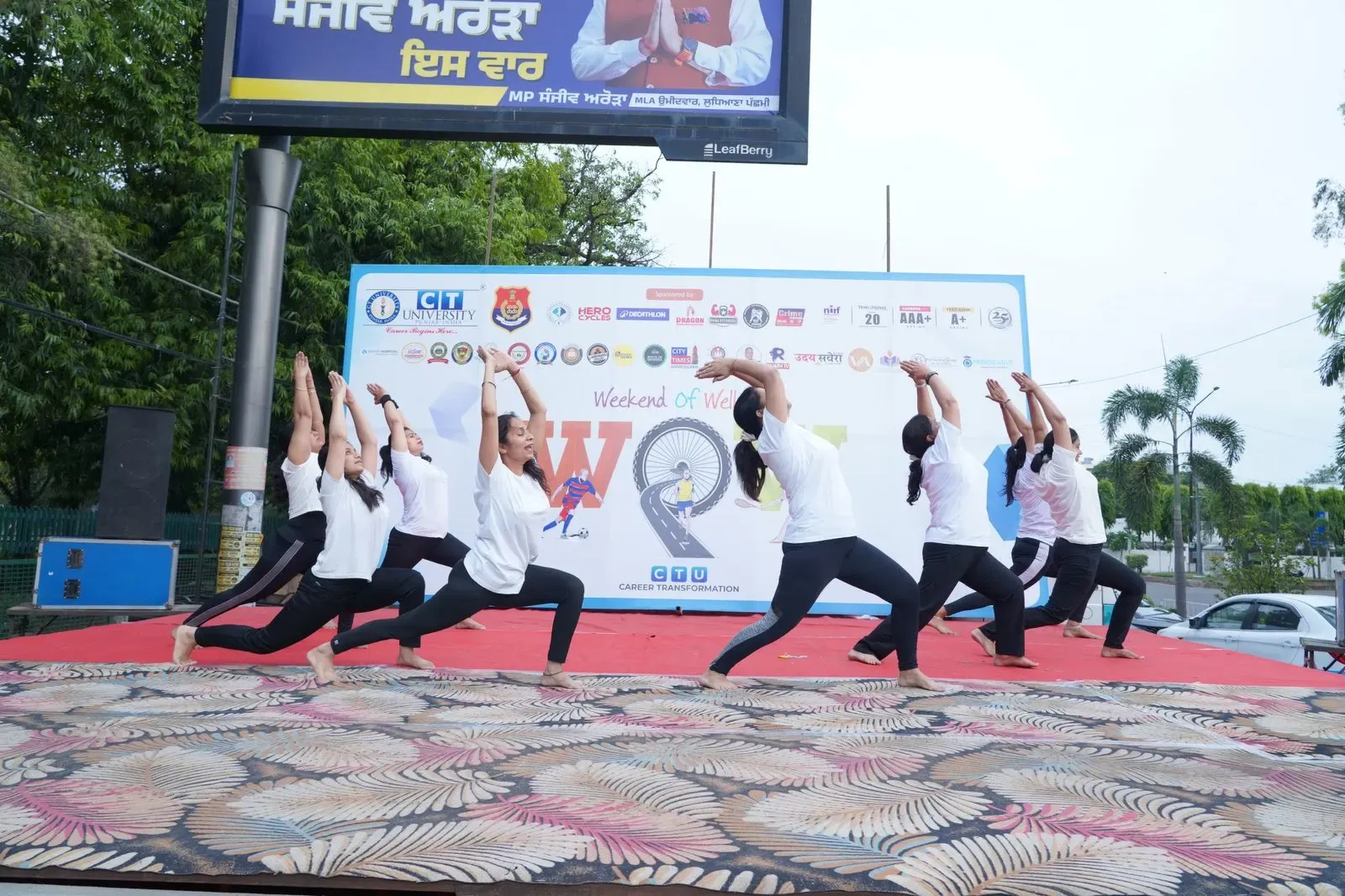
25 May, 2025
A vibrant celebration of fitness, unity, and purpose under the theme “ਯੁੱਧ ਨਸ਼ਿਆਂ ਵਿਰੁੱਧ” to champion a drug-free and healthy Punjab.In a remarkable initiative aimed at fostering a healthy lifestyle and promoting a drug-free society, CT University, in collaboration with the Commissionerate Police of Ludhiana, successfully organised the “Wow Weekend of Wellness”.The event was held under the impactful and action-oriented theme “ਯੁੱਧ ਨਸ਼ਿਆਂ ਵਿਰੁੱਧ” (War Against Drugs), which is part of a flagship initiative led by the Government of Punjab.The event served as a powerful platform to unite the community in a collective stand against substance abuse while encouraging physical fitness, mental wellness, and community engagement.The city of Ludhiana came alive with energy and enthusiasm as people from all walks of life—children, youth, adults, and senior citizens—participated in a vibrant and diverse array of wellness activities. The event created an electric atmosphere filled with positivity, laughter, and unity.The event featured a wide spectrum of engaging activities designed to appeal to a broad audience.Highlights included horse riding, open DJ, basketball and a singing competition.Each event was met with enthusiastic participation and spirited competition, reflecting the community’s shared commitment to wellness and a drug-free lifestyle.One of the most memorable parts of the event was a series of fun-filled races that brought participants and spectators together in a moment of joy and camaraderie.The races sparked loud cheers and laughter from the audience. It was a moment that exemplified the spirit of the event—bringing people together in the name of health, fun, and collective purpose.The event was graced by the presence of several distinguished dignitaries, including Er. Davinder Singh, Director of Student Welfare andKaran Bhardwaj, Associate Director of Admissions Branding Head and Dr. Pankaj Jain, Director Training and Placement Cell.Their active involvement also inspired many young participants to view health and wellness as integral to academic and personal success.The “Wow Weekend of Wellness” ultimately proved to be far more than a celebration of physical activity.
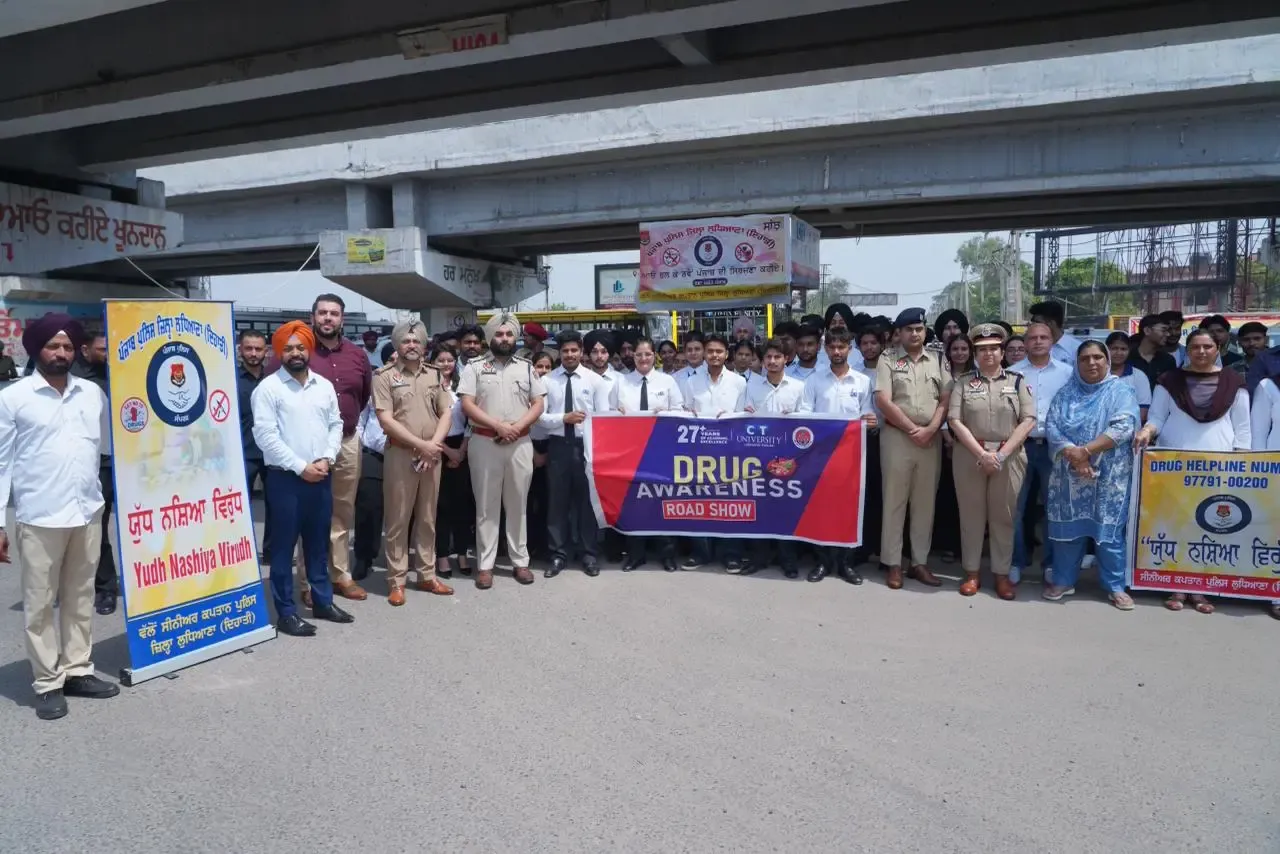
28 May, 2025
Empowering the Youth, Eradicating the Menace of Drug Abuse (ਯੁੱਧ ਨਸ਼ਿਆਂ ਵਿਰੁੱਧ)CT University, in collaboration with the Punjab Police, successfully organised a Drug Awareness Drive in the form of a road show in Jagraon.The event aimed to raise awareness about the dangers of drug abuse and promote a healthy, drug-free lifestyle among the youth.The road show was graced by the presence of esteemed guests, including MLA Jagraon, Saravjit Kaur Manuke, IPS DIG Ludhiana Range, Nilambari Jagdale, SSP Dr. Ankur Gupta, SP Raminder Deol, social activist Anurag Paul, and DSP Jasjot Singh.Chancellor S. Charanjit Singh Channi welcomed the dignitaries, while Vice Chairman Harpreet Singh, Vice Chancellor Dr. Abhishek Tripathi, Dean Academics Dr. Simranjeet Kaur Gill, and Director Student Welfare Er. Davinder Singh were also present on the occasion.MLA Jagraon, Saravjit Kaur Manuke, emphasised the importance of community involvement in preventing drug abuse. She highlighted the need for collective efforts to create a society that is aware of the risks associated with drug addiction and is equipped to tackle the issue effectively.DIG Ludhiana Range, Nilambari Jagdale, IPS lauded CT University's initiative and stressed the role of education in preventing drug abuse. She emphasized that awareness and sensitization are crucial in addressing this issue and encouraged the youth to make informed choices.The road show featured informative posters, banners, and slogans, which helped to spread the message of drug awareness and prevention. The event provided a platform for the community to come together and discuss the issue of drug abuse, its consequences, and the ways to prevent it.
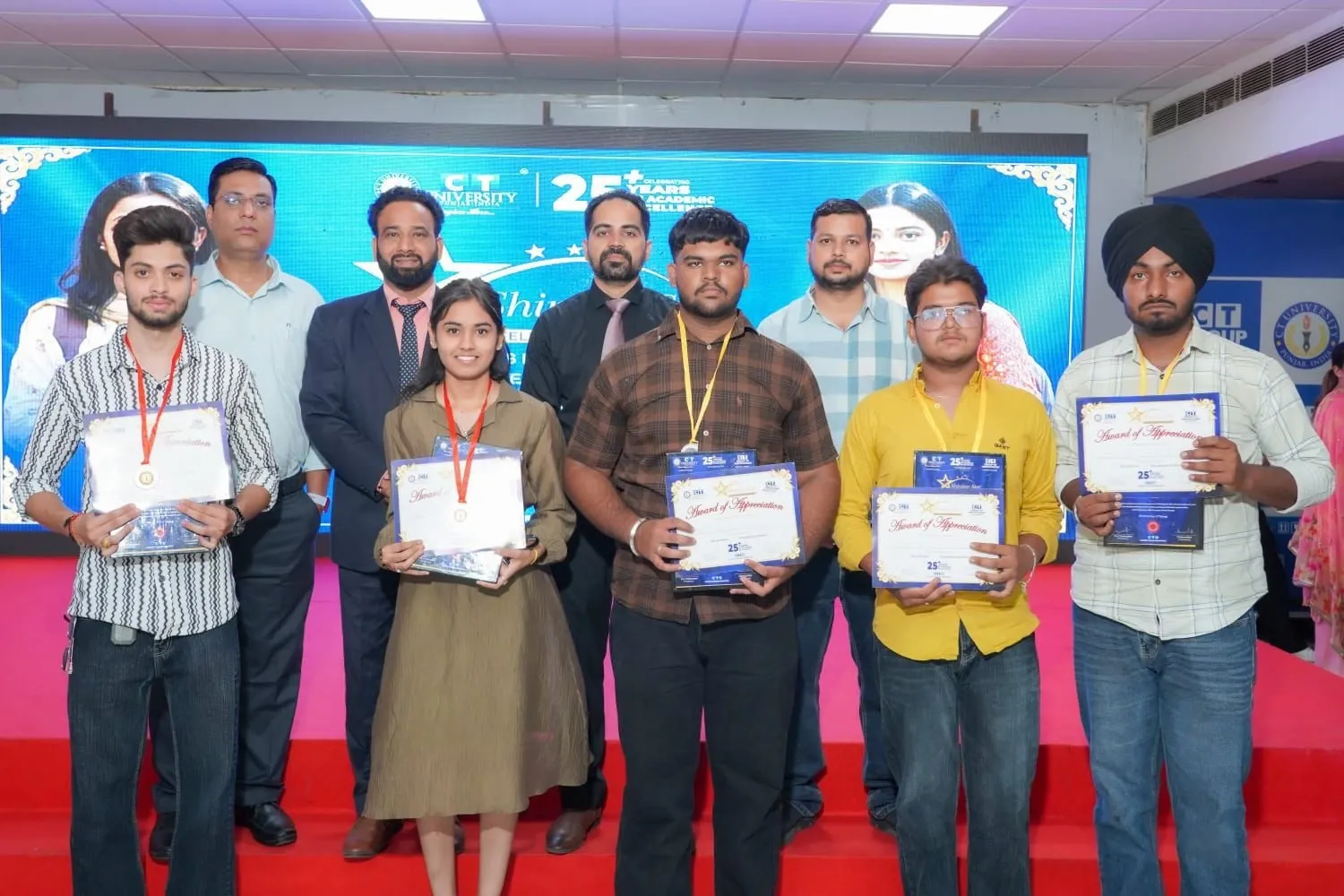
31 May, 2025
Over 800 top-performing Class 12 students recognised in a grand ceremony at CT UniversityIn a remarkable celebration of academic brilliance, CT University organised the “Shining Star Felicitation Program” to honour the dedication and hard work of Class 12 students from across Punjab.The grand ceremony witnessed the participation of over 800 attendees, including students, parents, educators, and university officials. The event recognised the outstanding achievements of 310 meritorious students, lauding their consistent performance in academics.These students, representing various schools across the state, were honoured for their impressive board exam results and unwavering commitment to excellence.A total of 200 students were conferred with the title of “Exceptional Achievers” for securing 75% and above in their Class 12 examinations. Additionally, 90 students were recognised as “Star Achievers” for achieving marks between 60% to 75%.The program also extended special recognition to 20 State Toppers, each of whom scored above 90%, setting a benchmark of academic excellence.Addressing the gathering, CT University Chairman Charanjit Singh Channi shared his heartfelt congratulations:“At CT University, we believe that recognising and nurturing young talent is not just our responsibility but our privilege. These students represent the future of our nation, and it is our honour to celebrate their success.”The felicitation program also included insightful speeches from Dr. Abhishek Tripathi, Vice Chancellor, who spoke about the university’s mission to empower students with holistic education and futuristic skills.The event was graced by distinguished university officials including Pro Vice Chancellor Dr. Nitin Tandon, Registrar Mr. Sanjay Khanduri, Dean Academics Dr. Simranjeet Kaur Gill and Director Student Welfare Er. Davinder Singh.Karan Bhardwaj, Assistant Director Admissions and Digital Branding Head, and Dr. Rupali, Deputy Director Admissions, also addressed the gathering, sharing motivational insights and highlighting the dynamic learning environment at CT University.As a token of encouragement, CT University offered all honorers an on-the-spot admission benefit, featuring a 25% discount on the first semester fee (subject to terms and conditions). This initiative underlined the university’s commitment to making quality higher education more accessible to deserving students.A lively interaction session was held with Chairman Charanjit Singh Channi, where students and parents had the opportunity to share their experiences and aspirations. A fun and engaging quiz segment further added excitement to the day, making it both memorable and inspirational.
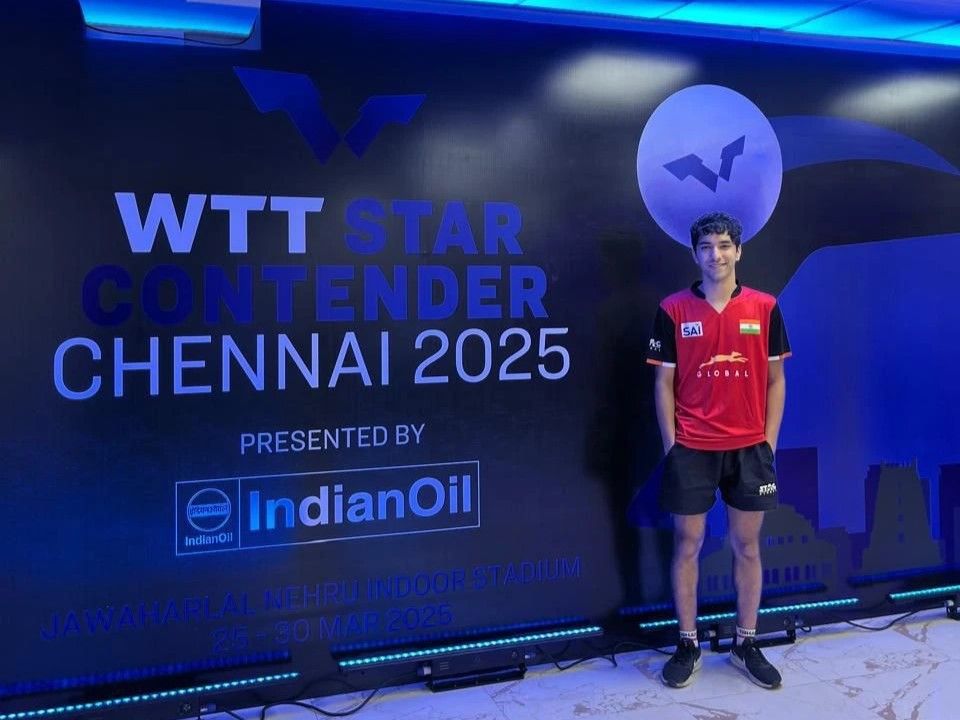
06 Jun, 2025
Rising Star to Represent India in Global Arena at Germany this JulyIn a moment of immense pride for CT University (CTU) Harkunwar Singh, an outstanding Table Tennis player and dedicated student of the university, has been officially selected to represent India at the prestigious World University Games 2025, scheduled to be held in Germany from 16th to 27th July 2025.The World University Games, often referred to as the “Olympics for University Athletes,” is a global multi-sport event that showcases the most promising student-athletes from around the world.This year, top-performing players from Indian universities across the country were invited for a competitive selection trial, where Harkunwar emerged as one of the Top 5 players in India to make the national squad.His exceptional skill, discipline, and dedication have brought immense glory not only to CT University but also to the entire nation.Dr. Manbir Singh, Pro Chancellor, commented this is a historic moment for us.Harkunwar Singh’s selection is not only a personal victory but also a shining example of the sporting excellence that CT University fosters.Gurdeep Singh Gill, Head, Department of Sports, commented Harkunwar’s achievement is the result of years of hard work, rigorous training, and focused determination.We are extremely proud of him. This selection highlights CTU’s strength in sports and our dedication to building future champions. The entire sports department and university family are standing firmly behind him.
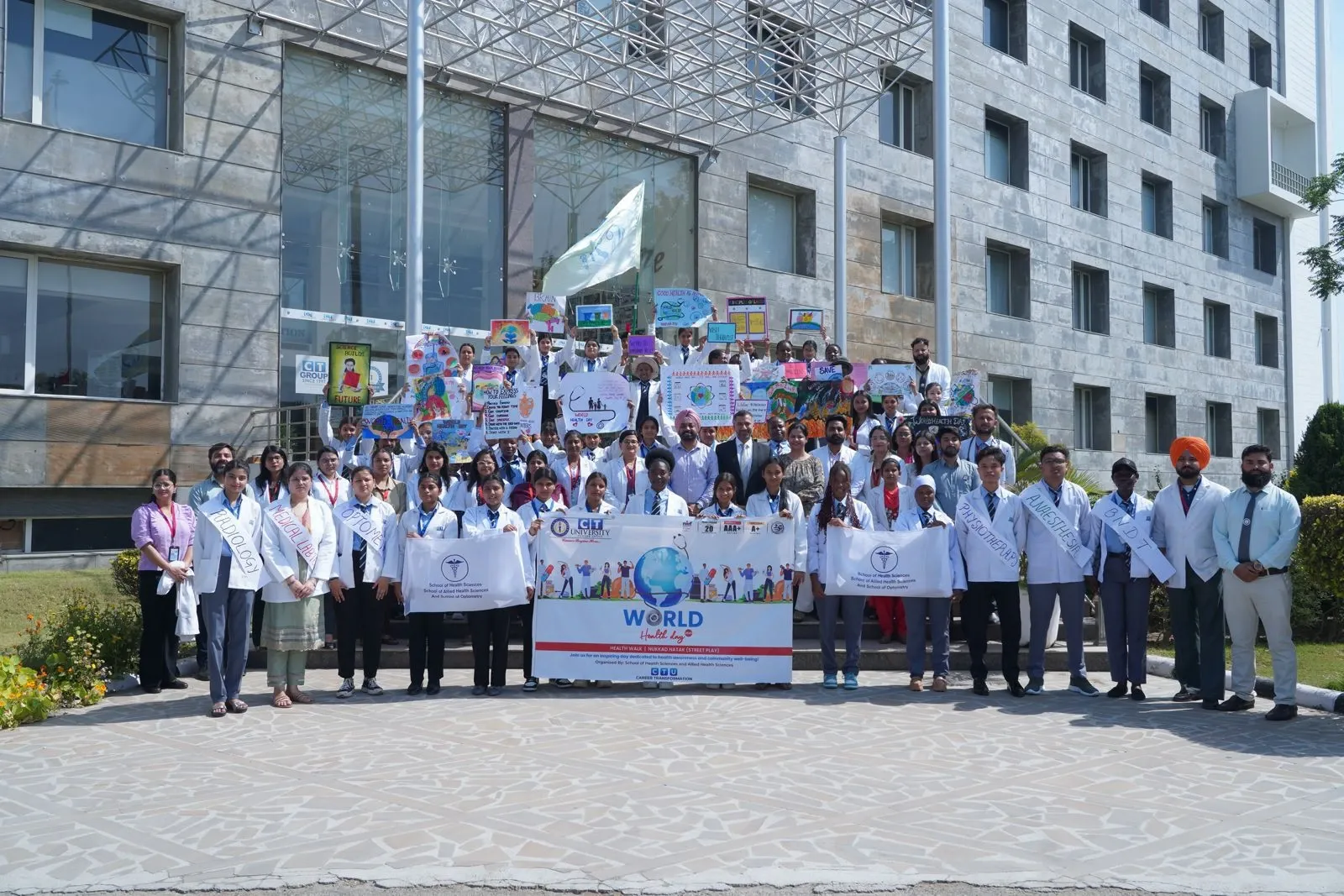
10 Jun, 2025
Students Drive Change with Health Walk and Street Play Focused on Mental and Physical Well-beingIn a vibrant and impactful celebration of health consciousness, the School of Allied Health Sciences at CT University hosted a dynamic Health Awareness Event, witnessing enthusiastic participation from students and faculty alike.The event aimed to ignite dialogue around holistic well-being—addressing both physical health and mental wellness.The day began with an energetic Health Walk Parade, as students marched across the CTU campus holding bold, colorful banners and chanting slogans promoting fitness, unity, and preventive care.Their spirited presence turned heads and emphasized the importance of leading a balanced and healthy lifestyle in today’s demanding world.Adding depth to the initiative was a compelling Nukkad Natak (street play) on the pressing issue of Mental Health. The performance highlighted the emotional and psychological challenges individuals face, stressing the importance of open conversations, destigmatization, and access to support systems.With powerful storytelling and passionate delivery, students successfully conveyed the need for greater sensitivity, compassion, and awareness in society.The combination of physical engagement through the parade and mental health advocacy through the play offered a truly holistic representation of well-being—reinforcing CT University’s commitment to grooming socially responsible professionals.Pro Chancellor Dr. Manbir Singh applauded the students’ efforts, stating,“Initiatives like these reflect the progressive mindset of our youth. It’s heartening to see students not only learning but also leading societal change. The School of Allied Health Sciences is doing exemplary work in building future health professionals who care deeply about community well-being.”Pro Vice Chancellor Dr. Nitin Tandon added,“Mental health is a topic that demands urgent attention, and I am proud that our students are pioneering that conversation. Their creativity, sensitivity, and leadership in such awareness programs exemplify the ethos of CT University.”
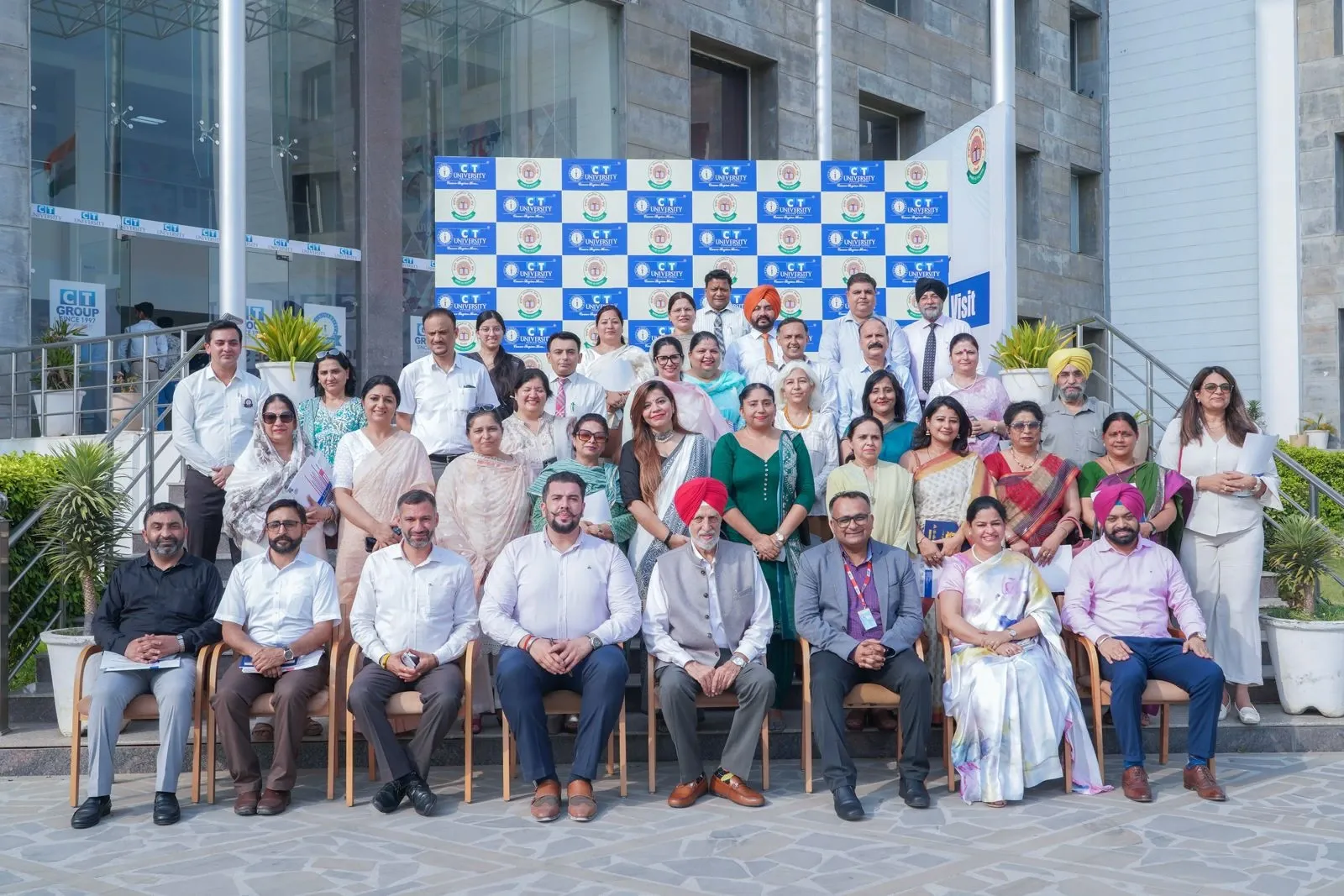
14 Jun, 2025
An Immersive Journey into Innovation, Leadership, and Future-Ready EducationCT University proudly hosted a two-day National-Level CBSE Exposure Visit, bringing together over 60 school principals from across Punjab and neighboring regions. This significant initiative reinforced CT University’s reputation as a trailblazer in academic excellence, collaborative learning, and institutional leadership.Held under the theme “A Gathering of Visionary Educators,” the event provided a unique platform for school heads to engage in critical dialogue, experience pedagogical innovations, and gain exposure to the evolving landscape of higher education. Participating institutions included esteemed schools such as Eastwood International School, Ludhiana; CT World School, Jalandhar; Shamrock World, Ropar; Oakridge International School, Mohali; Guru Nanak Public School, Mullanpur, among many others.CT University is among the only two universities in Punjab selected to conduct this high-impact exposure visit, highlighting its strong academic credibility and future-ready vision.The program commenced with a traditional lamp-lighting ceremony, graced by the presence of notable dignitaries including Chancellor S. Charanjit Singh Channi, Vice Chairman Harpreet Singh, Vice Chancellor Dr. Abhishek Tripathi, Pro Vice Chancellor Dr. Nitin Tandon, Registrar Sanjay Khanduri, Dean Academics Dr. Simranjeet Kaur Gill, and Director of Student Welfare Er. Davinder Singh. The warm welcome set a collaborative and insightful tone for the days ahead.Throughout the two-day journey, school leaders experienced a vibrant mix of expert-led workshops, live demonstrations, and campus exploration. A landmark moment of the event was the inauguration of the Satish Dhawan Centre of Skill Development, a progressive initiative aimed at bridging academic learning with hands-on industry skills. The principals were given an in-depth tour of CT University’s state-of-the-art facilities, including interdisciplinary labs, innovation studios, and student-centric spaces that reflect the university’s dedication to experiential learning.Engaging academic sessions sparked thought leadership and meaningful takeaways. Harinder Singh, Director of IT, showcased cutting-edge ICT tools for classroom transformation. Pradip Kumar Yadava, Controller of Examinations, delivered a compelling session on Revised Bloom’s Taxonomy, offering educators a structured lens to strengthen teaching outcomes. Rishabh Sharma, Deputy Director HRDC and renowned Life & Leadership Coach, inspired participants with his dynamic address on “Transitioning from Authority to Influence,” challenging traditional notions of leadership and encouraging personal growth.Day two focused on celebrating innovation across disciplines. Dr. Nitin Tandon highlighted the university’s expanding research culture, while Dr. Simranjeet Kaur Gill introduced the principals to emerging academic innovations and future-focused trends in education.Specialised sessions brought academic advancements to life. Manan, Head of Design and Innovation, demonstrated the potential of 3D Gaming, Modelling, and Virtual Reality in education. Dr. Vir Vikram, Head of Pharmaceutical Sciences, shed light on research in healthcare and life sciences. Dr. Rupali Dhir, Associate Professor of CSE, introduced participants to the world of robotics and intelligent systems. Dr. Kamalpreet Kaur, Head of Management Studies, created an immersive experience through live management games and simulations, blending strategy, teamwork, and experiential learning.A defining moment of the event was the keynote address by Vice Chancellor Dr. Abhishek Tripathi, who eloquently spoke on the role of Emotional Intelligence in Education. His powerful insights emphasised the need for empathy, self-awareness, and compassionate leadership in shaping not just institutions but individuals.In his concluding remarks, Chancellor S. Charanjit Singh Channi expressed deep appreciation to all participating educators and reaffirmed the university’s vision.“At CT University, we do not simply educate—we empower, innovate, and inspire. This CBSE Exposure Visit is not just an event—it is a commitment to building a community of educators who can lead transformation with wisdom, courage, and compassion.”
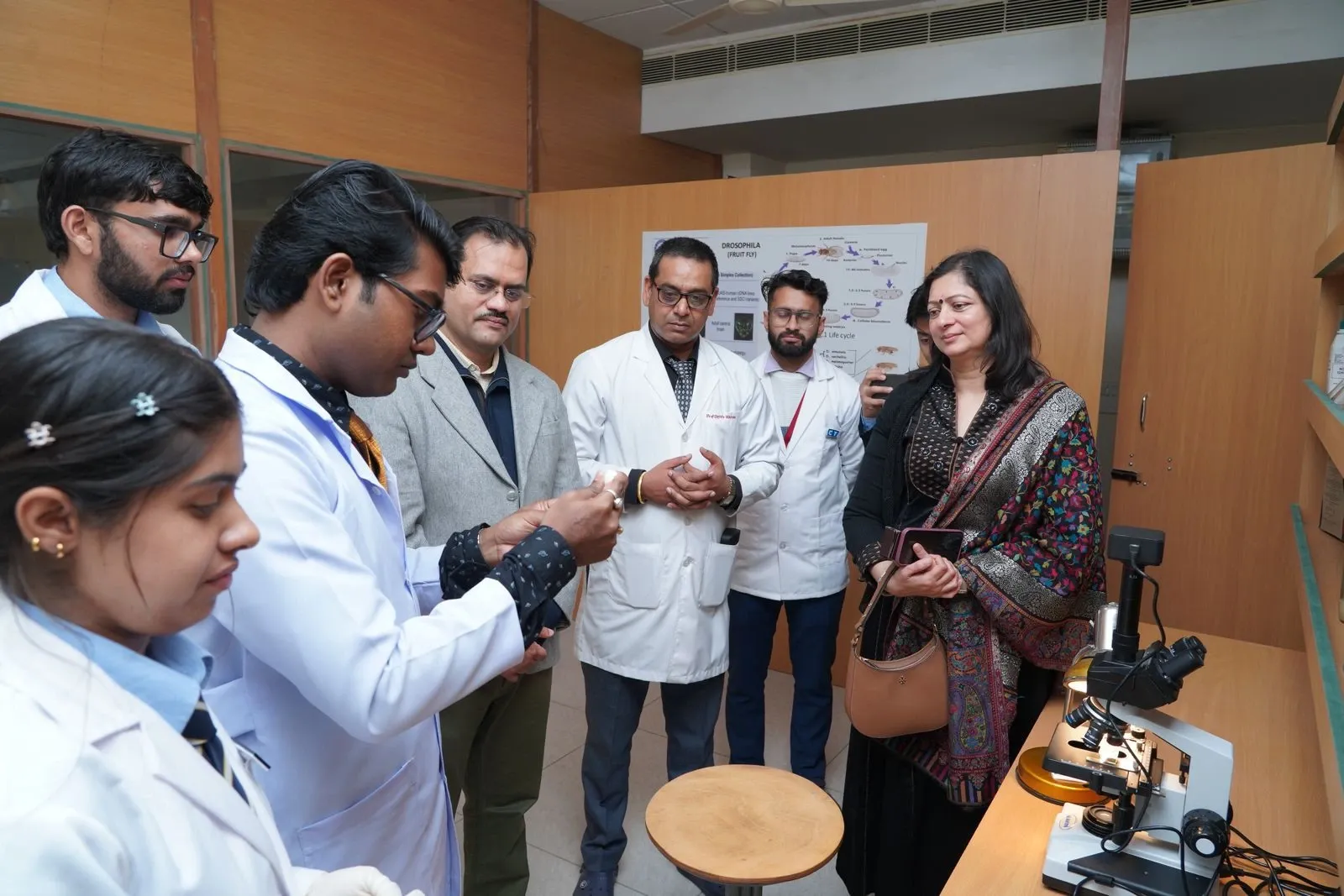
18 Jun, 2025
Teikyo University Applauds CTU’s Breakthroughs in Biomedical and Neuroscience ResearchIn a moment of immense pride for Indian academia, two distinguished researchers from CT University Dr. Vir Vikram and Kaunava Roy Chowdhury have been invited by Japan’s esteemed Teikyo University to participate in an exclusive International Research Exchange Program.This prestigious invitation stands as a powerful testament to CT University’s rapidly growing global footprint in scientific research and innovation.The program will be hosted by the renowned Institute of Medical Mycology at Teikyo University and will focus on advanced biomedical research in infectious diseases using the silkworm model.This experimental model is at the frontier of biomedical science, offering ethical, efficient, and highly promising alternatives to traditional vertebrate testing methods.The invitation was formally extended by Dr. Atsushi Miyashita, a globally recognized expert in antifungal immunobiology.Dr. Miyashita acknowledged CTU’s significant contributions in the field of biomedical science, particularly in the use of Drosophila and zebrafish models to explore neurotoxicology and ecotoxicology areas that hold profound implications for human health and environmental sustainability.As part of this academic exchange, Dr. Vir Vikram and Chowdhury will spend two weeks at Teikyo University engaging in hands-on training with cutting-edge experimental techniques and collaborating with some of the world’s most accomplished scientists.The engagement is expected to strengthen the academic and scientific ties between India and Japan, while opening new avenues for joint research, co-publications, and future international projects.Teikyo University will sponsor the entire cost of research, travel, and accommodation for both researchers, highlighting its strong commitment to global academic partnerships.In addition to this support, the CTU scientists have been awarded a financial grant of 400,000 Yen to further their ongoing research in neuroscience a field that continues to be a cornerstone of CT University’s scientific focus.Speaking on this proud occasion, CT University Chancellor S. Charanjit Singh Channi expressed deep appreciation for the recognition accorded to the university’s research community. “This invitation is a shining example of the strides CTU is making on the international academic landscape.”Echoing this sentiment, Dr. Vir Vikram, Principal of the School of Pharmaceutical Sciences at CTU, shared his excitement about the opportunity. “To be part of a program of this calibre is an honor and a humbling experience. It’s not only an opportunity to deepen our scientific understanding but also to represent CTU and India on a global research platform.
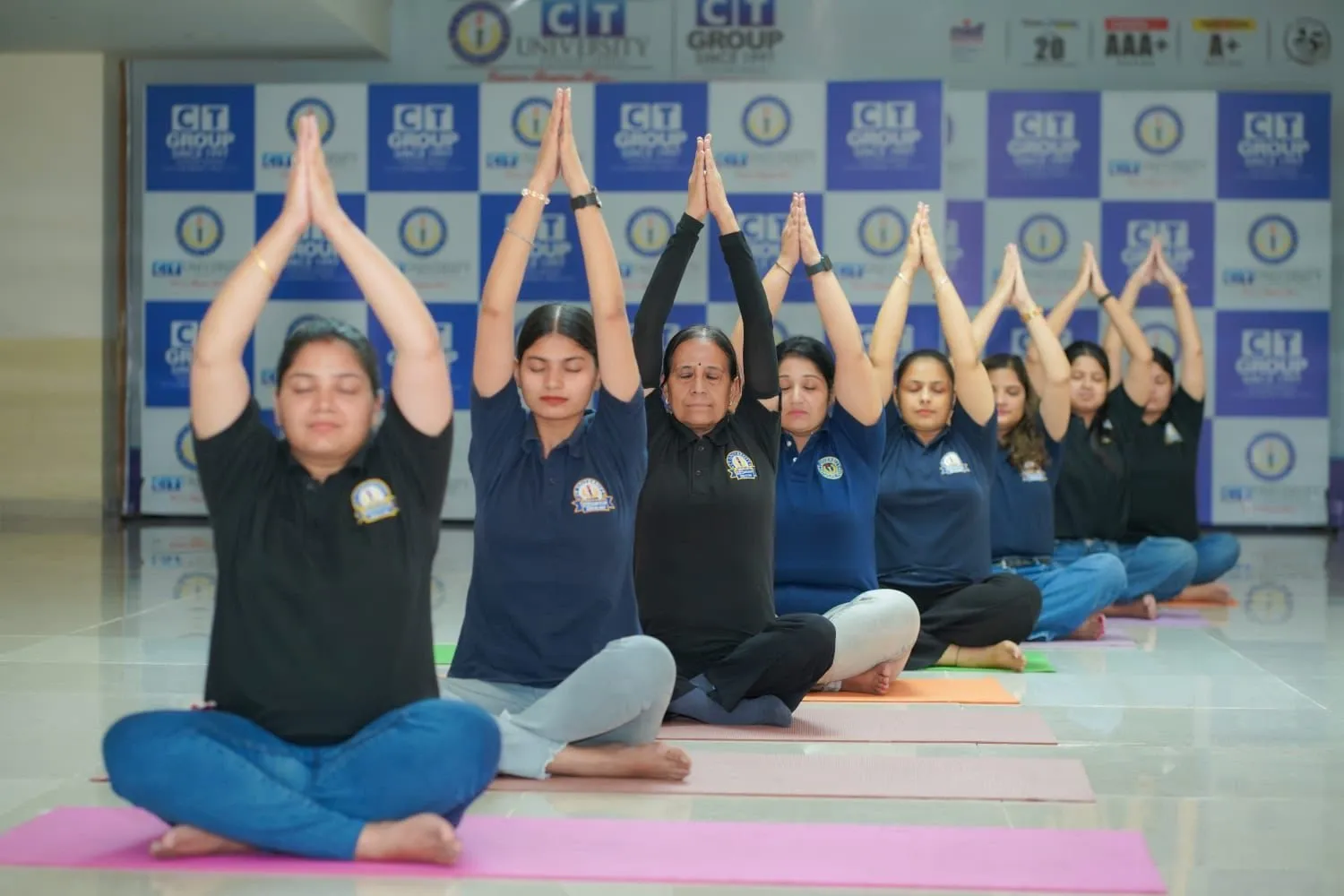
21 Jun, 2025
Championing the Global Vision: ‘Yoga for One Earth, One Health’CT University’s Department of Student Welfare organised a vibrant celebration of the International Day of Yoga on its campus, aligning with the global theme for the year – “Yoga for One Earth, One Health.”The initiative brought together faculty and staff in a collective pursuit of mindfulness, wellness, and environmental harmony.The yoga session was expertly conducted by Shalu Thakur and Arshdeep Kaur, who led participants through a series of rejuvenating asanas and breathing exercises.Their guidance helped participants connect with the core principles of yoga, enhancing both mental and physical well-being.Speaking on the occasion, Dr. Nitin Tandon, Vice Chancellor, CT University, said “Yoga is not just a physical practice, but a lifestyle that nurtures our inner and outer ecosystems. Today’s celebration reinforces CT University’s commitment to holistic education, health, and sustainable living. It’s inspiring to see our students embracing the power of yoga with such dedication.”Echoing the spirit of wellness and unity, Er. Davinder Singh, Director of Student Welfare, added “The enthusiasm displayed by students today reflects their growing awareness about mental health and ecological balance. Through such initiatives, we aim to cultivate a culture of well-being, balance, and collective consciousness.”The event not only reinforced the importance of yoga in daily life but also served as a reminder of the shared responsibility we hold towards the planet and ourselves.With an overwhelming turnout and positive energy radiating across the campus, CT University once again proved its dedication to nurturing not just brilliant minds but also healthy and grounded individuals.
21 Jun, 2025
Chosen to Represent India at the 9th Asian Pencak Silat Championship 2025 in VietnamA Remarkable Achievement as CTU’s Young Talent Prepares to Showcase Martial Arts Excellence on the Asian StageCT University is proud to announce that its student, Sachin, a talented Pencak Silat athlete, has been officially selected to represent India in the 9th Asian Pencak Silat Championship 2025-26, scheduled to take place at Ha Tinh Province, Vietnam.The championship, one of Asia’s most reputed martial arts tournaments, is being hosted by the Vietnam Pencak Silat Federation, under the banner of the Asian Pencak Silat Federation and the International Pencak Silat Federation (PERSILAT). Teams from across the continent will showcase their skills and sportsmanship in this dynamic and culturally rich martial art.Sachin’s selection comes after an exceptional performance at the 13th Senior National Pencak Silat Championship 2025, held at Late KD Babu Singh Stadium, Lucknow, Uttar Pradesh. His dedication, discipline, and consistent achievements in the sport have earned him this golden opportunity to represent the nation at an international level.Sharing his views on the achievement, Dr. Nitin Tandon, Vice Chancellor, CT University, said “This is a moment of immense pride for the university. Sachin has proven that hard work, discipline, and commitment always pay off. His selection for the Asian Championship is not only a personal milestone but also an inspiration for other students. We extend our best wishes for his performance in Vietnam.”Er. Davinder Singh, Director, Student Welfare, also expressed his joy and appreciation “Sachin has always displayed exemplary dedication in both academics and sports. This selection highlights CTU’s commitment to nurturing talent across all domains. We believe he will make India and CTU proud on the international platform.”CT University continues to support and uplift young talent by providing platforms, training, and exposure across academic, cultural, and sports disciplines. Sachin’s journey is a testimony to CTU’s vision of empowering students to reach global heights.
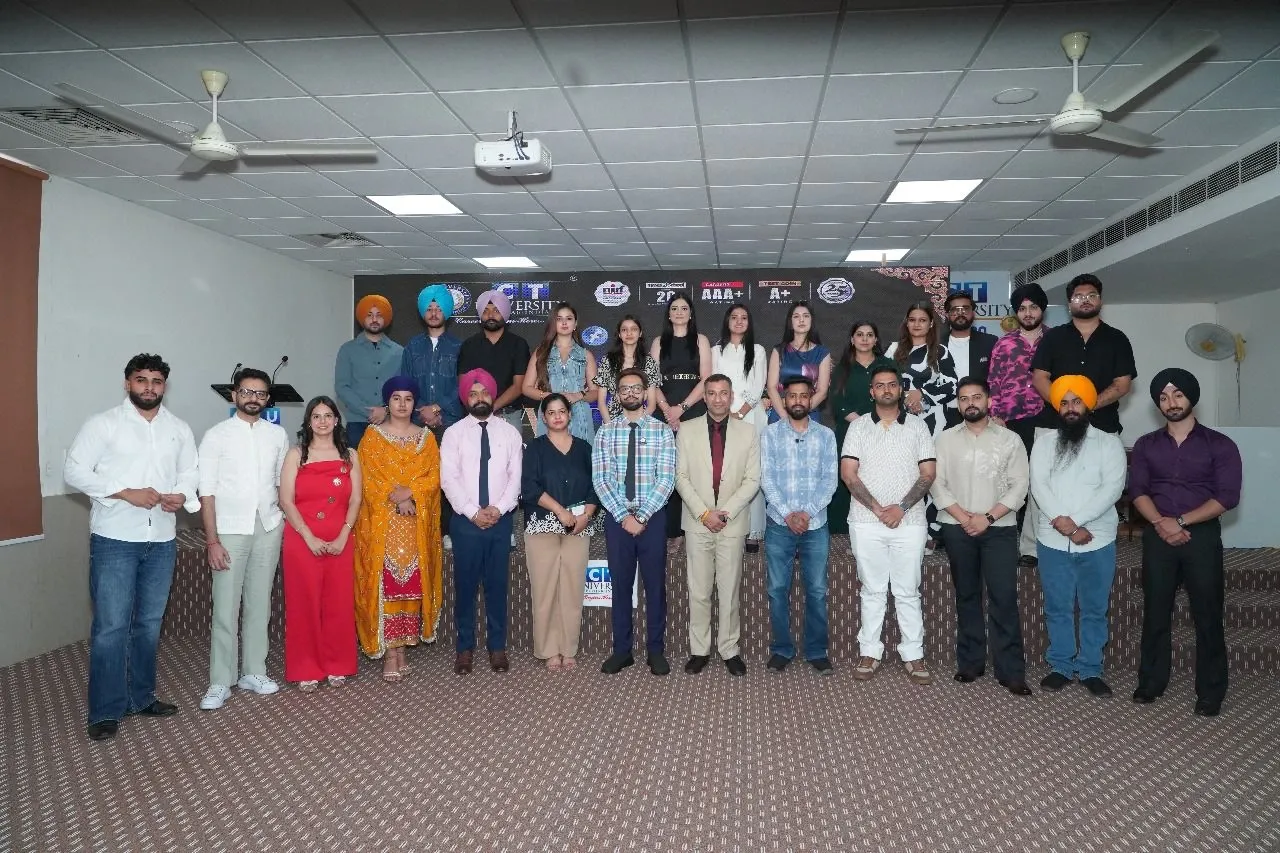
27 Jun, 2025
30 Digital Changemakers Recognised for Positive Social Impact and InnovationPro Chancellor Dr. Manbir Singh and Laud Influencers’ Role in Shaping MindsetsCT University proudly hosted the second season of its prestigious Influencer Awards 2025, a celebration of creativity, impact, and social change driven by North India’s leading digital creators.CT University is celebrating influencers to acknowledge their powerful role in shaping mindsets, driving social impact, and inspiring communities through digital innovation.Because in today’s connected world, these creators are powerful agents of awareness, education, and inspiration. They help shape opinions, spark discussions, and mobilise communities values that align strongly with the university’s mission of holistic development and social responsibility.Thirty influencers from diverse fields gathered on campus to be recognised for their positive contributions to society. These changemakers have leveraged social media to raise awareness, engage communities, and inspire meaningful conversations.Among the distinguished awardees were names like Shubham Sachdeva, known for his artistic storytelling; dietician Garima, promoting holistic health; Aawaaz Kaur and Simran Kaur Khalsa, who amplify social issues through powerful narratives; Inderpreet Singh and Isher Singh, recognized for their cultural contributions; Beant Kaur Gill, inspiring youth leadership; and Umesh Chhabra, founder of Helping Hands Punjab Trust, dedicated to community service.Influencers from comedy, music, storytelling, lifestyle, and education also came together under one roof.The awards also felicitated Tanya Kaur for her lifestyle influence, Jomedy for spreading laughter, Michael Gautam for music advocacy, and Devanshi for her impactful voice in education and personal growth.Sharing his thoughts on the occasion, Pro Chancellor Dr. Manbir Singh expressed, “Our influencers are today’s opinion shapers, educators, and entertainers rolled into one. By celebrating them, we are acknowledging their immense role in shaping society’s mindset for the better.”Vice Chancellor Dr. Nitin Tandon added, “CT University has always believed in nurturing not just academic brilliance but also social consciousness. These awards stand testament to our commitment to recognise and encourage impactful voices that truly drive change.”The event highlighted how digital influencers can transform society through authentic engagement and innovation, and CT University reaffirmed its commitment to supporting such voices in seasons to come.
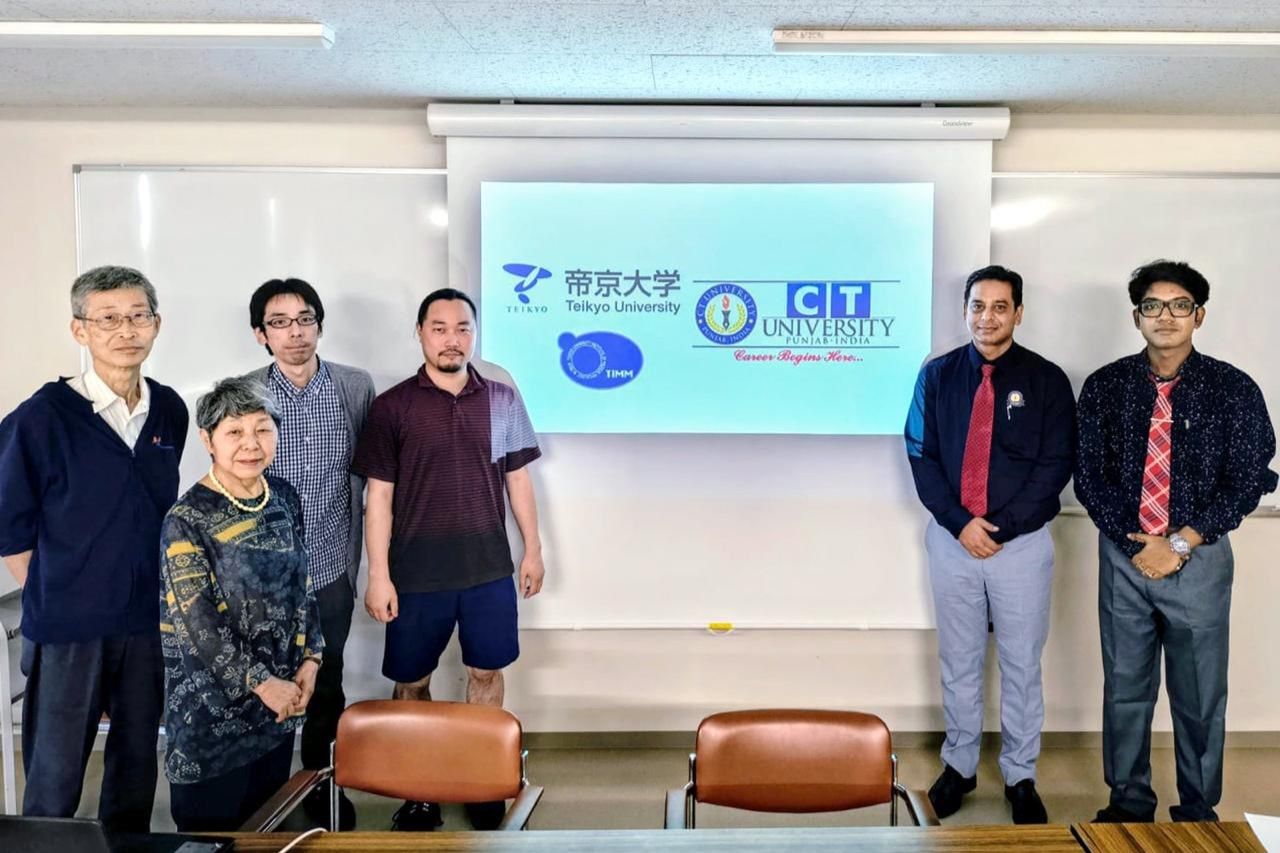
01 Jul, 2025
In a significant step toward reinforcing international collaborations, a distinguished delegation from CT University recently visited Teikyo University, Japan, to explore research partnerships and academic exchange opportunities.The delegation was led by Dr. Vir Vikram, accompanied by his Ph.D. scholar Roy, marking a pivotal initiative in advancing cross-border academic cooperation.During the visit, Dr. Vir Vikram and Roy engaged in in-depth discussions with Teikyo University’s esteemed faculty members, including Dr. Atsushi Miyashita and University Director Koichi Makimura.The conversations revolved around identifying mutually beneficial areas of research collaboration, with a particular focus on joint research initiatives, student exchange programmes, and faculty development opportunities.These discussions laid a strong foundation for building sustainable frameworks that will enhance the educational and research experience for students and faculty from both universities.A special highlight of the visit was Dr. Vir Vikram and Roy’s engagement with the Mycology Department at Teikyo University, where they are working on innovative research involving silk worms.The team gained valuable insights into different developmental stages of silk worms and interacted with researchers and scholars, exploring possibilities for collaborative projects and knowledge sharing.This exchange of ideas promises to open new avenues in applied research, with a vision to address global challenges in the field of medical mycology and beyond.The Teikyo University Institute of Medical Mycology (TIMM), established in 1983 under the leadership of Dr. Shoichi Okinaga, has earned global recognition as a pioneer in medical mycology research.TIMM’s extensive work covers the development of diagnostic and therapeutic methods for fungal infections, research on antifungal drug resistance, and the preservation of invaluable pathogenic fungal strains.These activities support ongoing studies in phylogeny, epidemiology, immunology, and chemotherapy of mycoses, and have positioned TIMM as a leader in fostering international research collaborations.Pro Chancellor of C T University, Dr. Manbir Singh, lauded this initiative, stating, “Such collaborations will open new horizons for our students and researchers, enhancing their global exposure and enriching their academic experience.”Vice Chancellor Dr. Nitin Tandon further emphasized, “This partnership marks a pivotal milestone for CT University in strengthening international research collaborations and sharing knowledge that can positively impact society.”
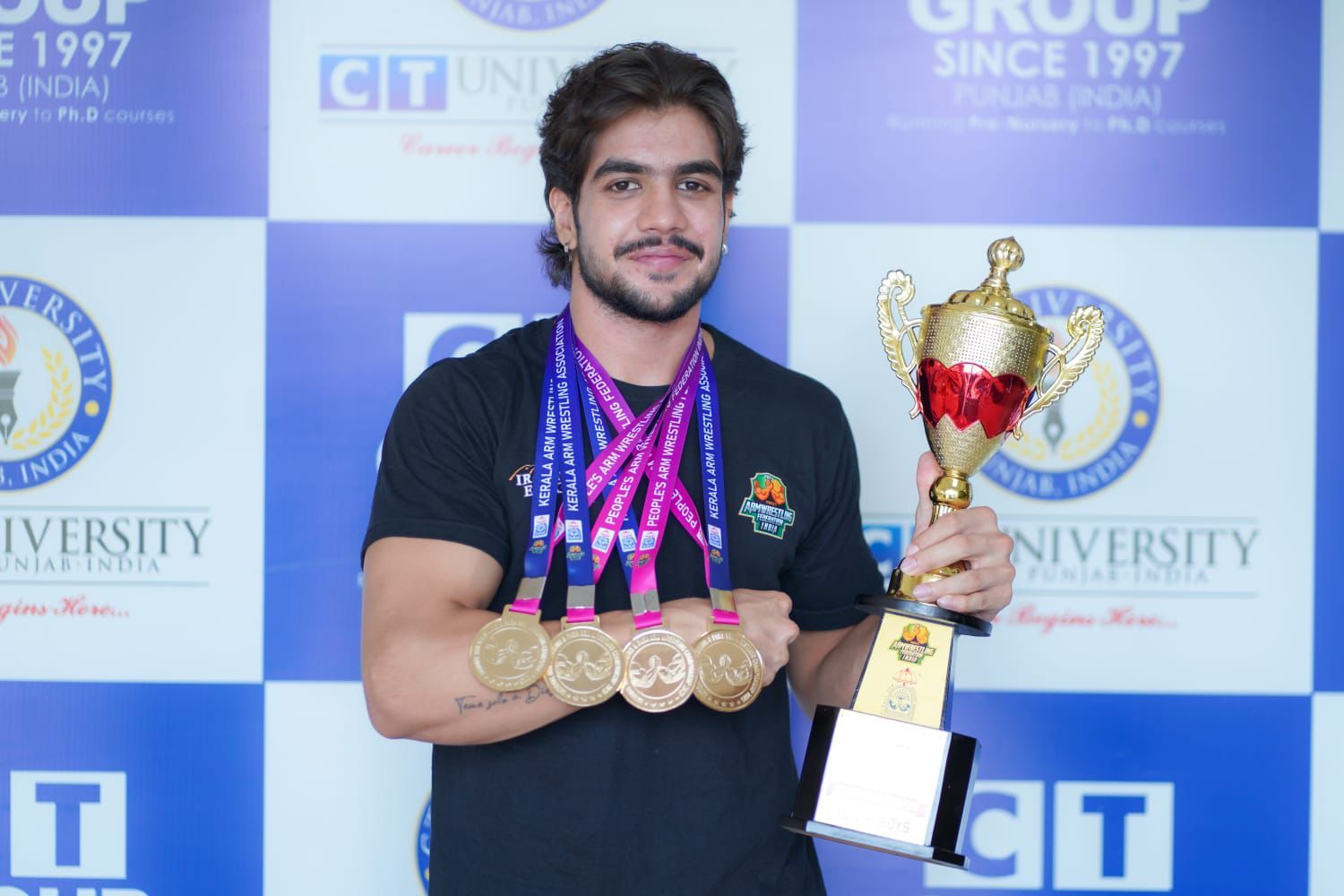
08 Jul, 2025
CTU Bags Glory with 4 Gold Medals and “Champion of Champions” TrophyA Historic Moment for the CT UniversityCT University once again stamped its mark on the national sports map as its star athlete, Harkomal Singh Gill, delivered a spectacular performance at the National Arm Wrestling Championship 2025, hosted in Kerala.Representing CTU in the highly competitive 80 kg weight category, Harkomal showcased extraordinary strength, determination, and technique across both junior/youth and senior categories.In an awe-inspiring feat, Harkomal Singh Gill showcased exceptional strength and determination by clinching a total of four gold medals at the championship. In the Junior/Youth category, he emerged victorious in both divisions, securing gold medals in the Left Arm and Right Arm events.He continued his winning streak in the Senior category as well, once again dominating both Left Arm and Right Arm matches to bring home two more gold medals. This remarkable performance highlighted his unmatched consistency and skill across both age divisions.Adding to the glory, Harkomal Singh Gill was also honoured with the prestigious “Champion of Champions” trophy, a title awarded to the most outstanding athlete of the championship.This landmark achievement brings immense pride not just to the CTU Sports Department but to the entire CT University fraternity. His success reflects the commitment, discipline, and passion that the University nurtures in its students.The relentless guidance and mentorship of Er. Davinder Singh, Director Student Welfare and Gurdeep Singh, Head of the Sports Department played a pivotal role in shaping Harkomal’s journey to this national-level victory.Dr. Manbir Singh, Pro Chancellor, CT University, shared his heartfelt congratulations, saying:“Harkomal’s performance is a true reflection of the spirit we cultivate at CTU — excellence, resilience, and passion. Winning all four gold medals and the ‘Champion of Champions’ trophy is a rare achievement, and we are extremely proud of him. Such victories inspire the entire student community.”Dr. Nitin Tandon, Vice Chancellor, CT University, also expressed his appreciation:“We celebrate not only this historic win but also the dedication of our student and the strong support system led by our Sports Department. CT University is committed to nurturing talent across all fields, and this win is a shining example of that vision.”
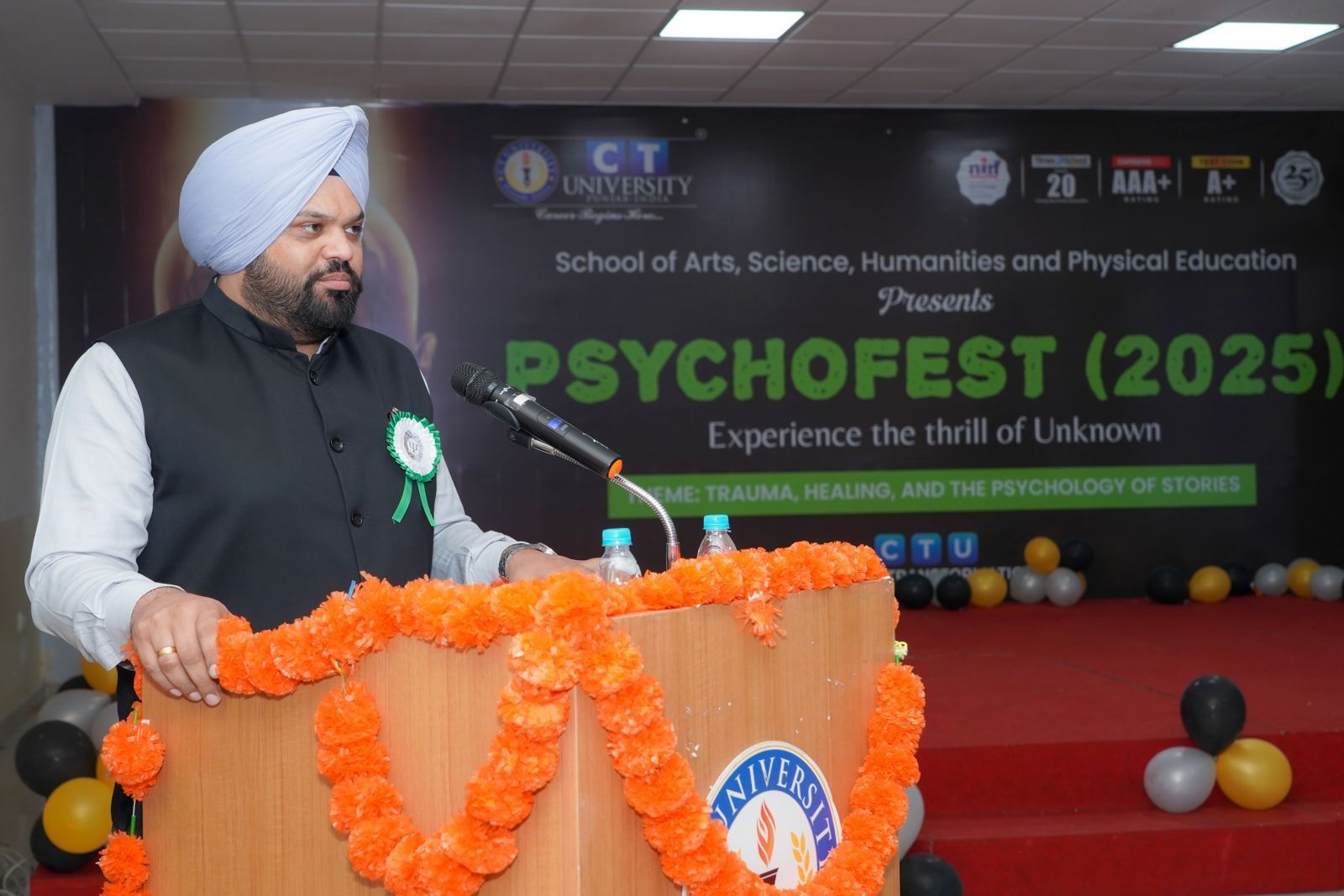
11 Jul, 2025
Exploring Stories of Trauma and Healing through Art, Expression, and EmpathyPunjab’s Brightest Minds Gather at CT University to Celebrate Psychological Awareness and CreativityCT University’s School of Arts, Science, Humanities, and Physical Education proudly hosted Psychofest 2025, a thought-provoking and heartwarming inter-college festival rooted in the powerful theme of “Trauma, Healing, and the Psychology of Stories.”The event brought together students from across Punjab and neighboring states, uniting them through a shared purpose of raising mental health awareness and encouraging emotional expression through the arts.The campus came alive with a dynamic array of competitions, each crafted to explore the intricacies of human emotions and the role of storytelling in healing psychological wounds.From soulful dance performances and emotionally charged skits to expressive poster-making and impactful declamation rounds, the fest was a showcase of talent, insight, and emotional depth.Every act resonated with authenticity, reflecting how personal, cultural, and emotional narratives contribute to psychological resilience and recovery.Speaking on the occasion, Pro Chancellor Dr. Manbir Singh applauded the initiative: “Psychofest 2025 stands as a testament to CTU’s commitment to holistic education where students not only gain knowledge but also develop empathy, emotional intelligence, and the courage to confront difficult truths. The way our young minds have expressed trauma and healing through creative formats is truly commendable.”Dr. Shafayat Hussain, Head of the School of Arts, Science, Humanities, and Physical Education, emphasised the deeper value of such platforms:“Events like Psychofest are not merely competitions; they are open dialogues that break the stigma surrounding mental health. They empower youth to express, understand, and support each other in meaningful ways. I deeply appreciate every participant and organiser for turning this vision into reality.”Director, DSW, Er. Davinder Singh, played a pivotal role in facilitating the successful execution of the fest and was acknowledged for his continuous encouragement and support throughout the planning and implementation stages.Psychofest 2025 reaffirmed CT University’s dedication to building a campus culture where academic excellence meets emotional well-being, and where art becomes a tool for awareness, connection, and healing.
15 Jul, 2025
TU Shines Bright as Komal Clinches Gold and the Coveted Title of “Strong Woman of India”Unmatched Strength Displayed: Komal Sets a New National Record in Powerlifting with a Dominating PerformanceCT University proudly celebrates a historic moment as its star athlete, Komal, brought home Gold in the Senior National Powerlifting (Men & Women) Championship 2025 held in Davangere, Karnataka, with participation from 28 states across India. Representing CTU in the fiercely competitive 57 kg weight category, Komal demonstrated unmatched power, determination, and technique earning her the prestigious title of “Strong Woman of India.”Her stellar performance included: • Squat: 202 Kg • Bench Press: 102 Kg • Deadlift: 198 KgThis triumphant lift total not only secured her the Gold Medal but also set a new National Record, marking a historic achievement in Indian women’s powerlifting and elevating CTU’s name on the national stage.Komal expressed her heartfelt gratitude to the guiding forces behind her success, especially Er. Davinder Singh, Director DSW, and Gurdeep Singh, Head of the Sports Department, for their constant support, encouragement, and mentorship throughout her training and competition journey.Dr. Manbir Singh, Pro Chancellor of CT University, shared his pride:“Komal’s performance is a reflection of our university’s commitment to excellence in academics, sports, and holistic development. She has not only lifted weights but lifted the pride of the entire CTU family.”Dr. Nitin Tandon, Vice Chancellor, added:“Setting a national record is no small feat—it is a testament to Komal’s hard work, dedication, and the relentless efforts of our Sports Department. We are extremely proud of her and will continue to foster such talent in every domain.”This incredible victory is a proud moment for the CTU Sports Department and the entire CTU community, reinforcing the university’s growing stature as a hub for both academic and athletic excellence.
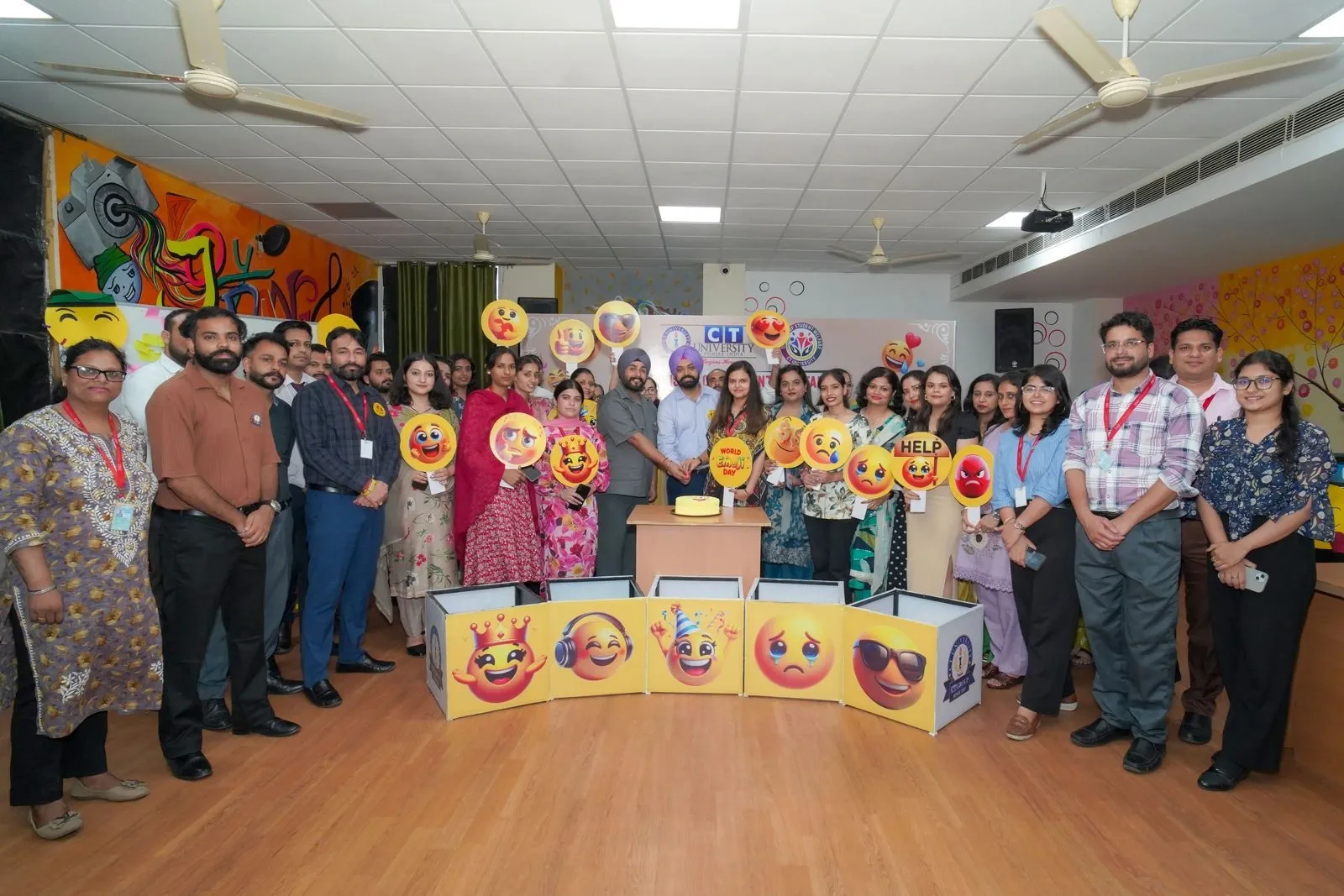
17 Jul, 2025
A Day of Fun, Emotions, and Unforgettable MomentsLeadership Joins Students in a Joy- Packed CelebrationCT University celebrated World Emoji Day with unmatched enthusiasm, creativity, and vibrant faculty participation. The campus was buzzing with energy as faculty came together for a day filled with games, laughter, and meaningful engagement through the universal language of emojis.From exciting emoji-themed games to interactive activities and quirky competitions, the event brought smiles to every face.The celebration was aimed at promoting emotional expression, creativity, and light-hearted interaction among the CTU family.A host of exciting prizes were up for grabs, and faculty showcased their talent and enthusiasm through group activities, instant emoji charades, meme contests, and emoji Pictionary.The whole day echoed with laughter, making it a perfect blend of joy and learning.The event was graced by the esteemed presence of Vice Chancellor Dr. Nitin Tandon, Registrar Sanjay Khanduri, Dean Academics Dr. Simranjeet Kaur Gill, and Director, Student Welfare Er. Davinder Singh, whose presence added inspiration and motivation for the faculty.Vice Chancellor Dr. Nitin Tandon shared his thoughts, saying:“In the fast-paced digital world, emojis have become the new language of emotion. Celebrating this day allows our students to explore creativity while expressing feelings that often go unspoken. CT University believes in blending innovation with emotional intelligence, and today’s event is a perfect example of that spirit.”Director, Student Welfare Er. Davinder Singh, added:“Our goal is to create a joyful and expressive atmosphere for our faculty. Events like World Emoji Day are not just fun but also help faculty connect, unwind, and celebrate the lighter side of life. The enthusiasm shown today proves how powerful simple expressions can be in building a connected community.”CT University once again proved that beyond academics, it’s a place where emotions matter, creativity flourishes, and every celebration becomes a memory to cherish.
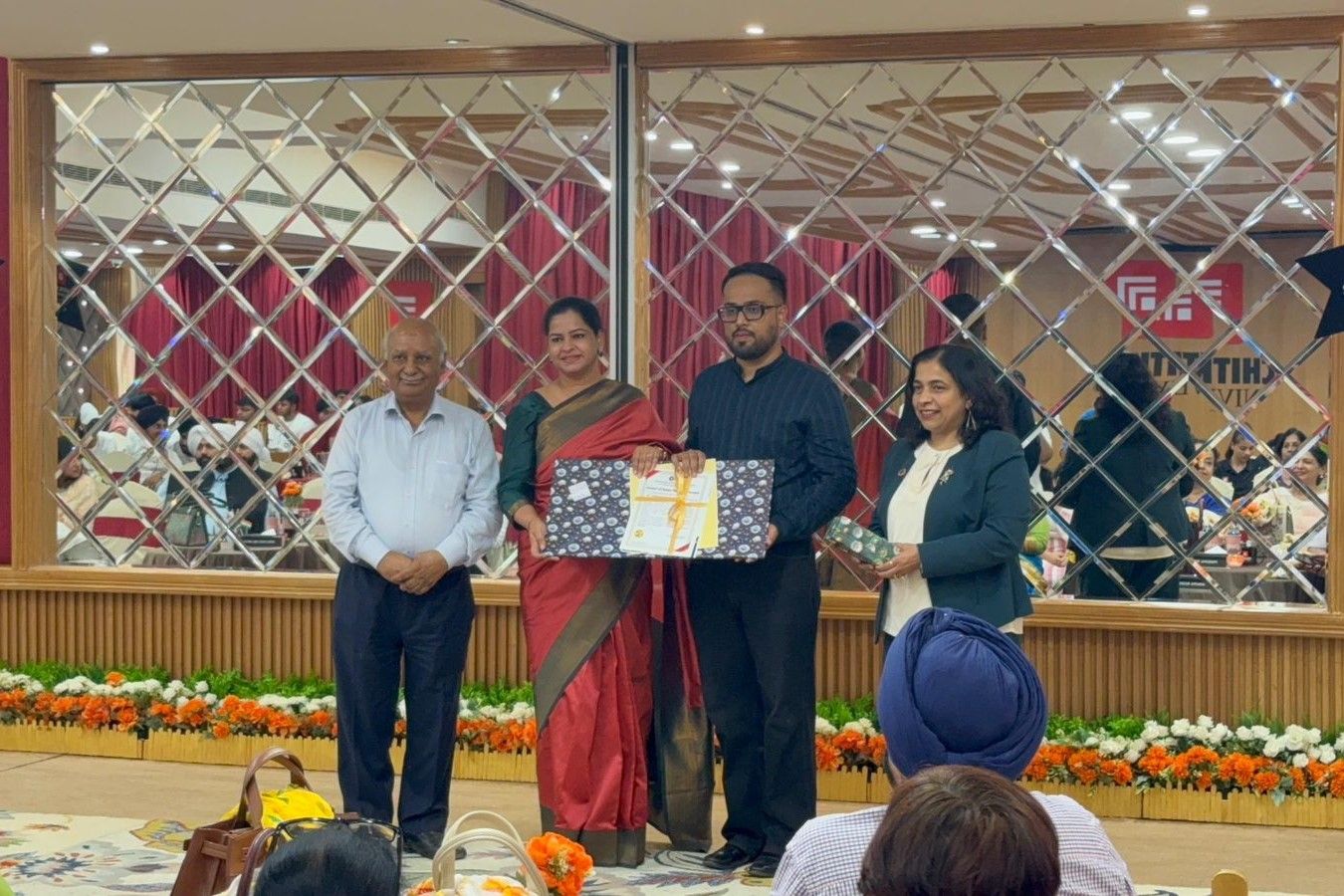
21 Jul, 2025
Recognised Among 430 Nominees Across Punjab for Excellence in Sustainability and Education InnovationAward Presented by National EduTrust of India at Prestigious Ceremony Hosted by Chitkara UniversityCT University proudly announces a moment of exceptional pride and honor as Dr. Simranjeet Kaur Gill, Dean Academics, has been bestowed with the prestigious “Best Principal Award” by the National EduTrust of India, an organization registered under the Ministry of MSME, Government of India.This distinguished recognition was awarded during the Sustainability Excellence Awards Ceremony held at Chitkara University, Punjab, where 13 Principals and 6 Nodal Officers were acknowledged for their outstanding contributions in sustainability, environmental leadership, and educational innovation.The ceremony was graced by the Guest of Honour Jit Kumar Gupta, a stalwart in the fields of architectural education and urban policy, with a remarkable legacy spanning 55 years in sustainable development, smart cities, and green infrastructure.Among a competitive pool of 430+ nominees from institutions across Punjab, Dr. Gill stood out for her forward-thinking academic leadership, commitment to sustainability, and her transformative work in higher education.Her recognition reinforces CT University’s commitment to nurturing responsible, future-ready leaders who drive innovation with social and environmental consciousness.Samarth Sharma, CEO of National EduTrust of India, commended all winners, stating, “The awardees represent the true spirit of progressive education. Their efforts are not only reshaping institutions but also empowering communities and the next generation.”S. Charanjit Singh Channi, Chancellor, CT University, expressed his elation:“This achievement is not just a personal milestone for Dr. Gill, but a glowing testament to the academic ethos of CT University. We believe in enabling leaders who can impact lives—and today’s recognition proves we are on the right path.”Dr. Manbir Singh, Pro Chancellor, CT University, added:“We are immensely proud of Dr. Simranjeet Kaur Gill. Her passion for quality education and sustainability aligns perfectly with the university’s vision of innovation-driven learning and global responsibility. She truly embodies the spirit of transformative leadership.”CT University continues to set benchmarks in academic excellence, sustainability practices, and impactful leadership. This national-level recognition reflects the institution’s unwavering commitment to quality, innovation, and societal contribution.
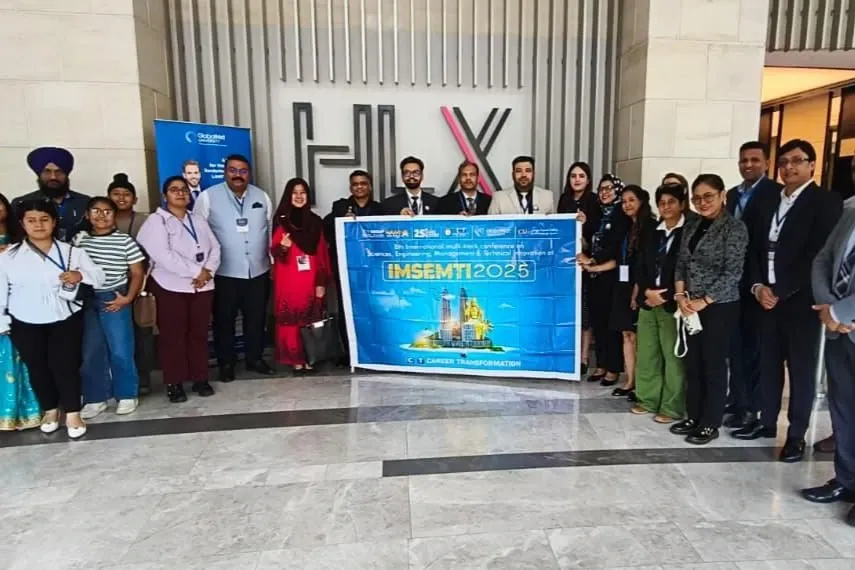
25 Jul, 2025
CT Institute of Engineering, Management and Technology, Shahpur, and CT University, Ludhiana, India, in association with City University, Ajman, and GlobalNxt University, Malaysia, successfully organized the 8th edition of the International Multi-Track Conference on Sciences, Engineering, Management and Technical Innovation (IMSEMTI 2025).The international conference brought together scholars, academicians, researchers, and industry experts from across the globe to present their ideas, research, and innovations in diverse fields.Held in hybrid mode — both online from India and offline in Kuala Lumpur — the conference saw an overwhelming response from participants representing premier Indian institutions such as DAV University, Chitkara University, and the University of Mumbai, along with researchers from countries like Brazil and other Asian regions.A total of 58 research papers were presented during the event, with 26 delivered offline and 32 presented virtually.The conference was graced by the presence of distinguished keynote speakers and session chairs including Prof. Dr. Chinmoy Sahu, Vice-Chancellor of GlobalNxt University, Malaysia; Dr. Dalwinder Kaur, Assistant Professor at GlobalNxt University; Prof. Dr. Faridah Hj Hassan from Universiti Teknologi MARA, Malaysia; Prof. Ts. Dr. Chockalingam Aravind Vaithilingam from Taylor’s University, Malaysia; Dr Manbir Singh, Managing Director, CT Group; Gaurav Khanna, Managing Director of Prevoyance; and Mayank Jain, Managing Director of Railtech Technologies.Their contributions added immense value to the academic dialogue and inspired participants through their thought-provoking insights.Among the many exceptional research presentations, two papers were recognized with the Best Paper Awards. Dr. Punit Puri and his research team received accolades for their work titled “Cost-Effective Production of Cordycepin-Enriched Mycelia for Pharmaceutical Applications,” while Dr. Pratima Sharma, Head and Assistant Professor at DAV University, was awarded for her study “Effect of Smart Phone Usage on Sleep Hygiene Among Youngsters.”Addressing the gathering, the organizing committee expressed immense pride in continuing CT University’s tradition of academic excellence and global collaboration. It was noted that IMSEMTI is not just a conference, but a platform that celebrates intellect, innovation, and the transformative power of research.Over the past eight years, CT University has successfully organized international research conferences in global hubs like Dubai, Vietnam, Azerbaijan, and Malaysia, consistently promoting the spirit of inquiry and collaboration across borders.The leadership of CT University reiterated that research is not merely an academic component, but a deeply embedded cultural value. By organizing such conferences internationally, the institution is extending its academic vision and offering scholars and students global exposure, enriching their academic journeys and expanding their horizons.The conference highlighted CT University’s commitment to making research accessible, relevant, and impactful in solving real-world challenges.IMSEMTI 2025 served as a testament to CT University’s mission of driving academic excellence, building international collaborations, and nurturing a culture of research-driven innovation. The event concluded on a high note, reinforcing the institution’s role as a global leader in academic engagement and knowledge exchange.
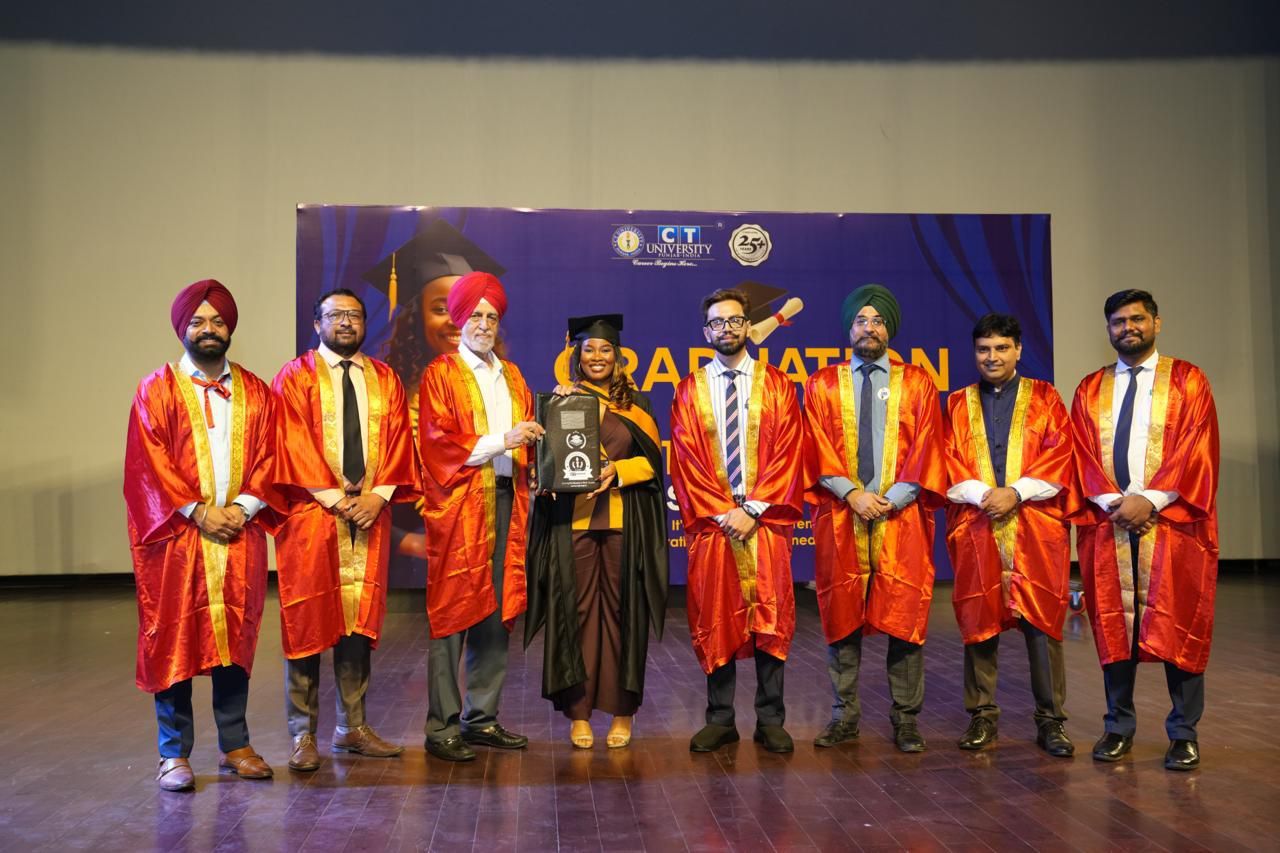
28 Jul, 2025
Global Diversity, Academic Excellence, and a Memorable Farewell Mark a Grand OccasionStudents from different Nations Honoured with Cultural Pride and Academic AccomplishmentsCT University proudly hosted a magnificent Graduation Ceremony to honour the accomplishments of its International Students from the Batch of 2025. The event was a vibrant celebration of diversity, achievement, and the enduring bonds built on campus.Students from Zimbabwe, Nigeria, Liberia, Malawi, Tanzania, Namibia, and South Sudan were felicitated for successfully completing their academic journey at CTU.The ceremony witnessed a spirit of international unity. The university campus came alive with a mix of cultures, languages, and dreams converging in one glorious celebration of education and success.The event commenced with a warm welcome address by the Pro Chancellor, Dr. Manbir Singh, who expressed heartfelt appreciation for the international students’ contribution to the university’s vibrant community. In his speech, Dr. Singh said, “CTU is proud to be a global hub of learning, and the graduating batch has truly represented the spirit of cross-cultural excellence and determination.”Dr. Sangram Singh, Director Campus, extended his best wishes to the graduates and encouraged them to continue striving for excellence in all their future endeavours.Naresh Sharma, Director International Affairs, in his special address to the students, highlighted the unique experiences of international learners and appreciated their resilience, academic dedication, and contribution to the inclusive culture of CTU.The Vote of Thanks was jointly presented by Er. Davinder Singh, Director, DSW who expressed deep gratitude to the students, faculty, and administrative teams for their combined efforts in shaping a meaningful academic journey for international learners.Dr. Arjan Singh, Dean Student Welfare, also acknowledged the remarkable contributions made by the International Affairs Department and commended Naresh Sharma for fostering a nurturing and supportive environment for international students.Adding to the celebratory spirit, Chancellor S. Charanjit Singh Channi congratulated the graduates and shared, “The presence of international students strengthens our belief in education as a tool for global harmony. You will always have a home at CT University.”Pro Chancellor Dr. Manbir Singh, in his closing remarks, reiterated the university’s ongoing commitment to delivering world-class education and fostering global leadership, stating, “This is not a goodbye, but a beautiful beginning of your journey beyond the classroom. CTU will always be proud of your accomplishments.”The ceremony concluded on a joyous note with students capturing memories with friends, faculty, and university leaders — carrying forward not just degrees, but a lifetime of experiences.
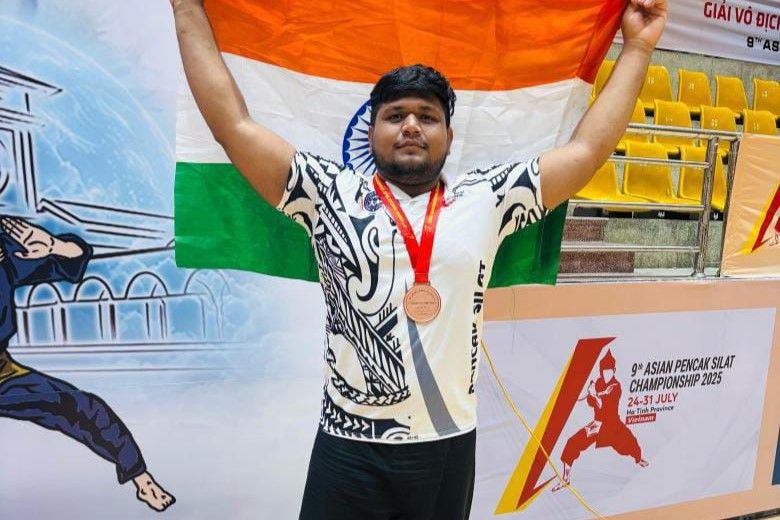
31 Jul, 2025
CT University’s Sachin Saini Brings Home Bronze at 9th Asian Pencak Silat Championship in VietnamA Power-Packed Start to the Academic Session 2025–26CT University proudly announces a stellar international achievement by one of its dedicated student-athletes, Sachin Saini, who represented India in the prestigious 9th Asian Pencak Silat Championship 2025, held in Vietnam.Competing in the Open -1 Category (95kg–110kg), Sachin showcased immense strength, skill, and determination to secure the Bronze Medal, marking a proud moment not just for CTU but for the nation as well.This victory serves as a remarkable kickoff to the new academic session 2025–26, and reflects the university’s growing stature in international sports competitions.CT University extends heartfelt congratulations to Sachin, the Sports Department, and the entire CTU family.A special acknowledgment goes to Er. Davinder Singh, Director, Department of Students’ Welfare, and Gurdeep Singh, Head of Sports Department, for their unwavering support and mentorship throughout Sachin’s journey.Chancellor, S. Charanjit Singh Channi, remarked:“This is not just a medal - it is a message. A message that CTU students are global competitors, ready to represent the nation with pride. Sachin’s win inspires every student to dream big and achieve bigger.”Pro Chancellor, Dr. Manbir Singh, stated:“We are incredibly proud of Sachin’s achievement on the Asian stage. His dedication and discipline are commendable, and this success adds to CTU’s legacy of nurturing excellence in academics and athletics alike.”This win is a testimony to the vibrant sports culture at CTU and sets a powerful tone for a year of growth, glory, and global accomplishments.
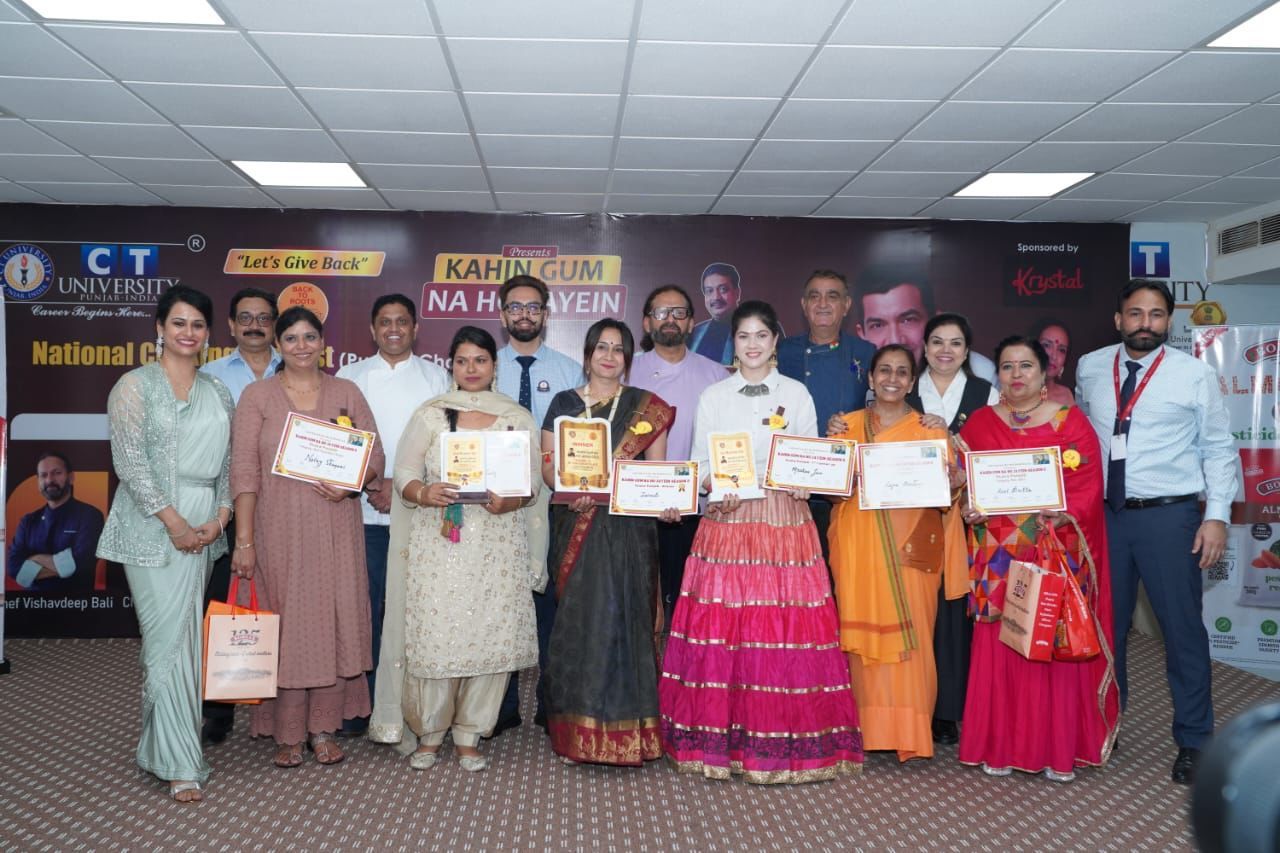
05 Aug, 2025
Showcasing Culinary Traditions with the Theme “My State, My Plate”CT University proudly hosted the vibrant Punjab State Finale of Kahin Gumm Na Ho Jayein – Season 8, a one-of-a-kind national cookery contest organised by the NGO Let’s Give Back.The competition, which celebrates India’s diverse culinary heritage, saw spirited participation from 42 contestants, including talented students from CT University.The grand finale not only brought together young culinary enthusiasts from across Punjab but also highlighted the significance of preserving regional food legacies.This season’s theme, “My State, My Plate”, focused on reviving lost and traditional recipes that define India’s cultural richness.Zainab from Bathinda was crowned as the Punjab State Winner, while Muskan Jain from Ludhiana and Preeti Sarin from Ludhiana were named as the 1st Runner-Up and 2nd Runner-Up, respectively.These top three winners will now represent Punjab at the Grand Finale to be held in NCR in January 2026, competing for a national prize pool of ₹1,50,000.The event witnessed the gracious presence of eminent chefs, industry professionals, and university dignitaries. The state round was successfully led by State Coordinator Priyanka Jain, with strategic guidance from Chef Vishwadeep Bali and Co-Founder Atul Saxena.A special note of appreciation was extended to Reena Mukherjee, Chief Coordinator of the National Event, for her exemplary leadership and planning.Kahin Gumm Na Ho Jayein has grown to become a celebrated culinary platform with its presence across 15 Indian states, including Delhi/NCR, Uttar Pradesh, Uttarakhand, Rajasthan, Punjab, Gujarat, Assam, West Bengal, Odisha, Madhya Pradesh, Jharkhand, Maharashtra, and Tamil Nadu. Backed by Padma Shri Awardee Celebrity Chef Sanjeev Kapoor and renowned Bollywood actress Suchitra Pillai, the initiative brings unmatched credibility and reach to the mission of reviving traditional Indian cuisine.Their association reflects the growing relevance of regional cuisine in India’s contemporary food landscape and underscores the commitment of Let’s Give Back to pass on culinary knowledge to the next generation.Speaking on the occasion, Dr. Manbir Singh, Pro Chancellor of CT University, expressed his pride and enthusiasm:“We are delighted to host a national-level culinary initiative like ‘Kahin Gumm Na Ho Jayein.’ It aligns beautifully with our vision of fostering innovation, creativity, and cultural pride among students. Culinary arts are not just about food; they are a way of preserving history, telling stories, and uniting communities. We congratulate all participants and winners and wish them the very best for the Grand Finale.”CT University continues to create enriching experiences for students by hosting impactful, value-driven events that connect education with real-world exposure and cultural appreciation.
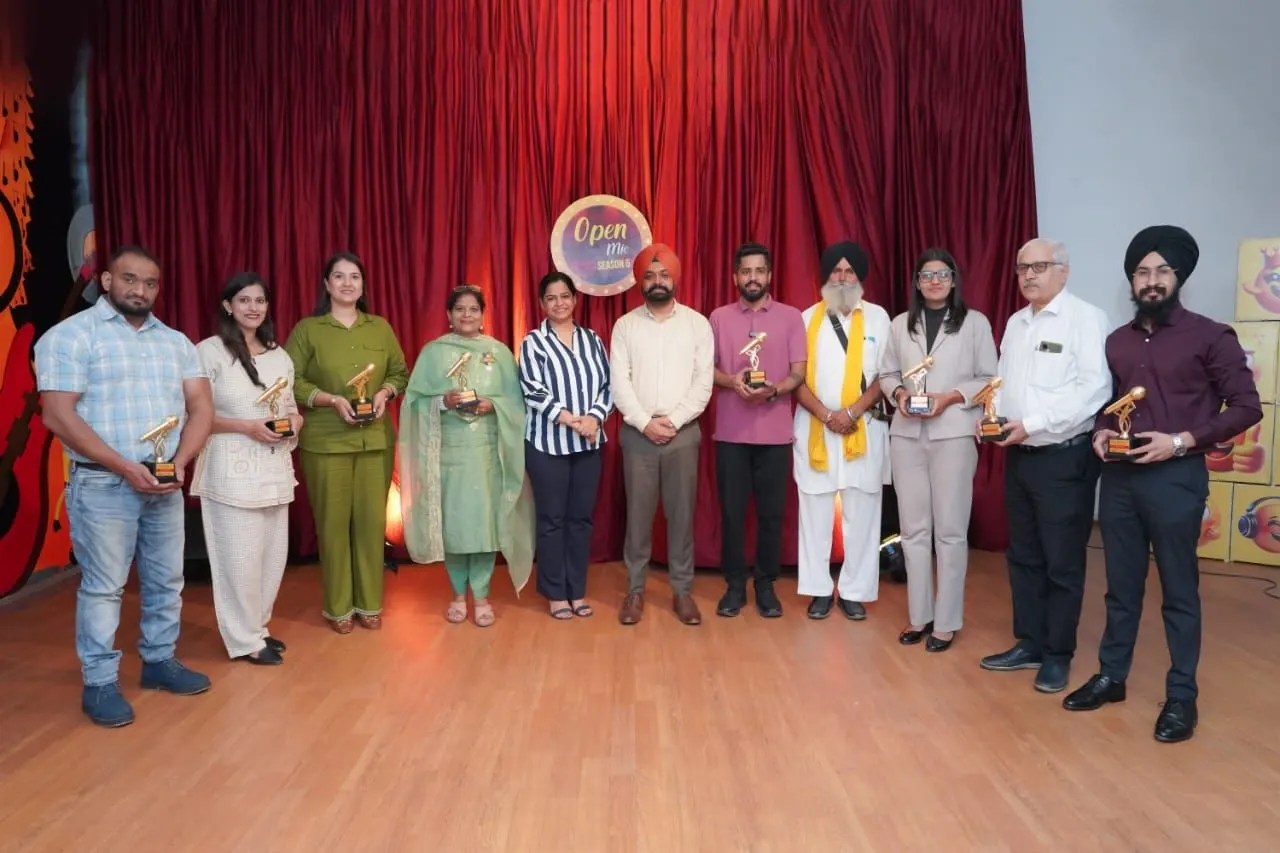
08 Aug, 2025
CT University once again served as a vibrant platform for creative expression and youthful energy with the successful organisation of Open Mic Season 5.The event, held on campus, brought together a diverse group of passionate speakers, storytellers, and performers, creating a dynamic space for voices to be heard and talents to shine.This season witnessed overwhelming participation across different disciplines, who gathered not only to perform but also to listen, support, and celebrate each other’s stories and art. The event encapsulated CT University’s dedication to fostering a culture that encourages free expression, storytelling, and thought-provoking dialogue.A host of impressive speakers graced the stage during the evening. Among them were Suruchi Sidhu, Sandeep K Jain, Jatinder Kumar, Manpreet Kaur, Sukhwinder Kaur, Taranjot Singh, Prabh Simran Kaur, and Umesh Chhabra, representing the well-known initiative Helping Hands.Each performer shared personal narratives and inspirational stories, sparking emotion, laughter, and reflection among the attendees.What made this season particularly memorable was the creative blend of storytelling and music. Prabh Simran Kaur and Umesh Chhabra stood out with their soulful singing, seamlessly woven into their narratives, adding depth and emotional resonance to their performances.The event drew appreciation from the university’s leadership. Dr. Simran Gill, Pro Vice Chancellor of CT University, expressed her admiration for the young speakers and the platform itself, stating,“Open Mic isn’t just a stage – it’s a mirror to the minds and hearts of our youth. It was moving to witness such authenticity, confidence, and creativity. These voices deserve to be heard beyond campus boundaries.”Er. Davinder Singh, Director - Students’ Welfare, also shared his views, saying,“We have always believed in giving our students the stage to express themselves. Open Mic Season 5 has once again proved how vibrant and multi-talented our student community is. We are proud to be part of their journeys.”The success of Open Mic Season 5 has further reinforced CT University’s reputation as a hub for innovation, expression, and holistic student development.
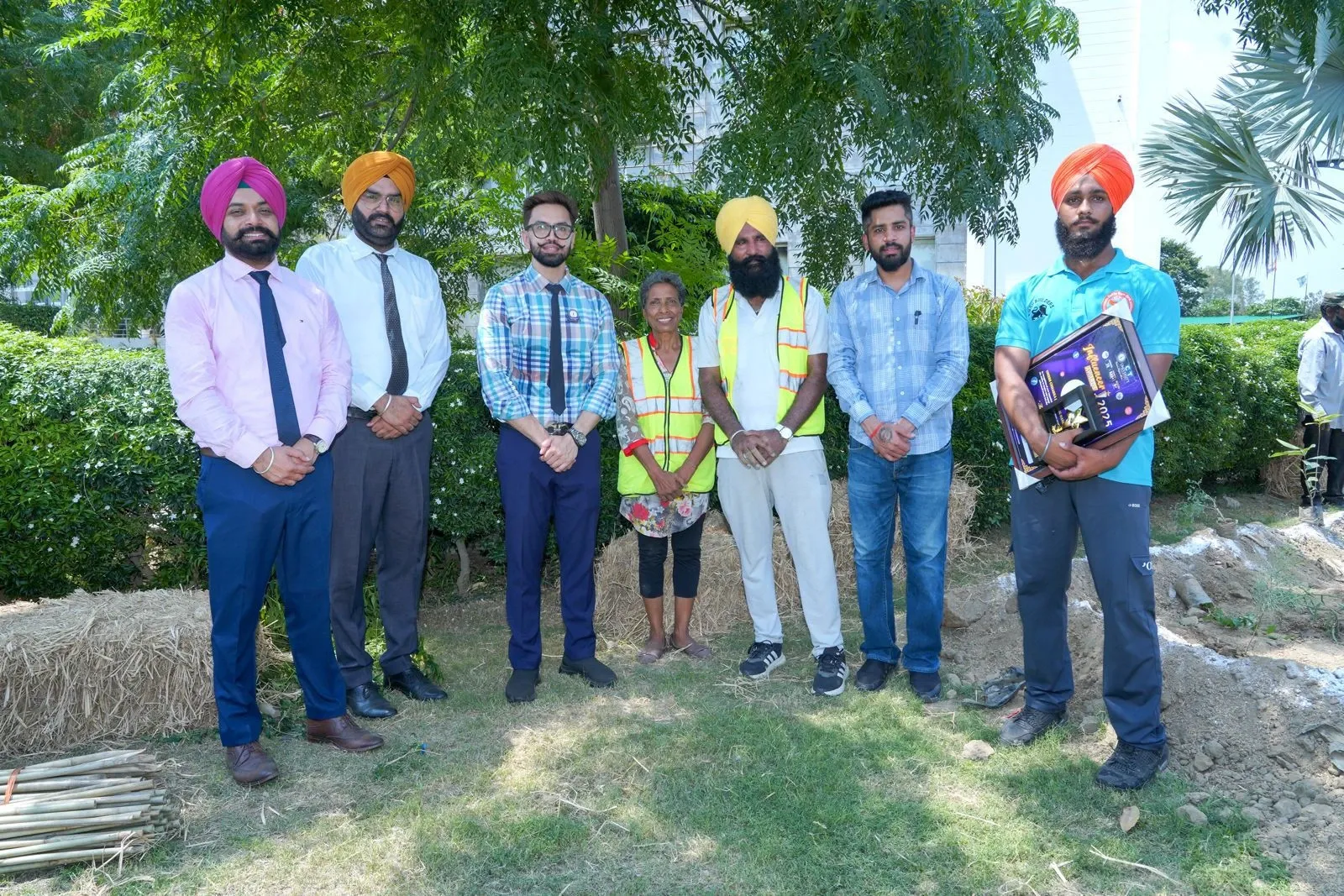
05 Jul, 2025
Planting 500+ Native Species for a Thriving, Sustainable TomorrowBringing Biodiversity, Clean Air, and Well-Being to the Heart of Our CampusIn a pioneering initiative to promote ecological balance and environmental sustainability, CT University launched its Micro-Forest Project, marking a historic step towards a greener and healthier future.Over 500 native tree and shrub species were planted on campus, creating a dense, self-sustaining green ecosystem designed to thrive for generations.This initiative aligns with CT University’s vision of fostering environmental stewardship and holistic community well-being.Partnering with Mission Green Global, a renowned environmental organisation dedicated to ecological revival, the University aims to transform its landscape into a model of biodiversity and resilience.The micro-forest will enhance air quality, support local wildlife habitats, and create a natural sanctuary for students, staff, and the wider community.Prominent contributors who supported this vital mission include Satpal Singh Dehrka, Harnarayan Singh Dhillon, Madam Kanchan Gupta, and Neela Singh from Faridkot, whose commitment to sustainability and community service made this launch a success.Their active participation demonstrates a collective responsibility to protect and restore nature for future generations.The event witnessed the gracious presence of Registrar Sanjay Khanduri, Dean Academics Dr. Simran Gill, and Director of Student Welfare Er. Davinder Singh.Pro Chancellor Dr. Manbir Singh, sharing his vision on this occasion, said: “The Micro-Forest Project is not just about planting trees — it is about nurturing life, hope, and a sustainable tomorrow. This green legacy will inspire our students and the entire community to respect and protect nature.”Vice Chancellor Dr. Nitin Tandon also remarked: “We are proud to dedicate this micro-forest to our campus. It will become a living laboratory for our students and a symbol of our commitment to environmental values, social responsibility, and global citizenship.”CT University invites everyone to join this green movement — a step forward where knowledge meets nature and every breath is a testament to collective action.
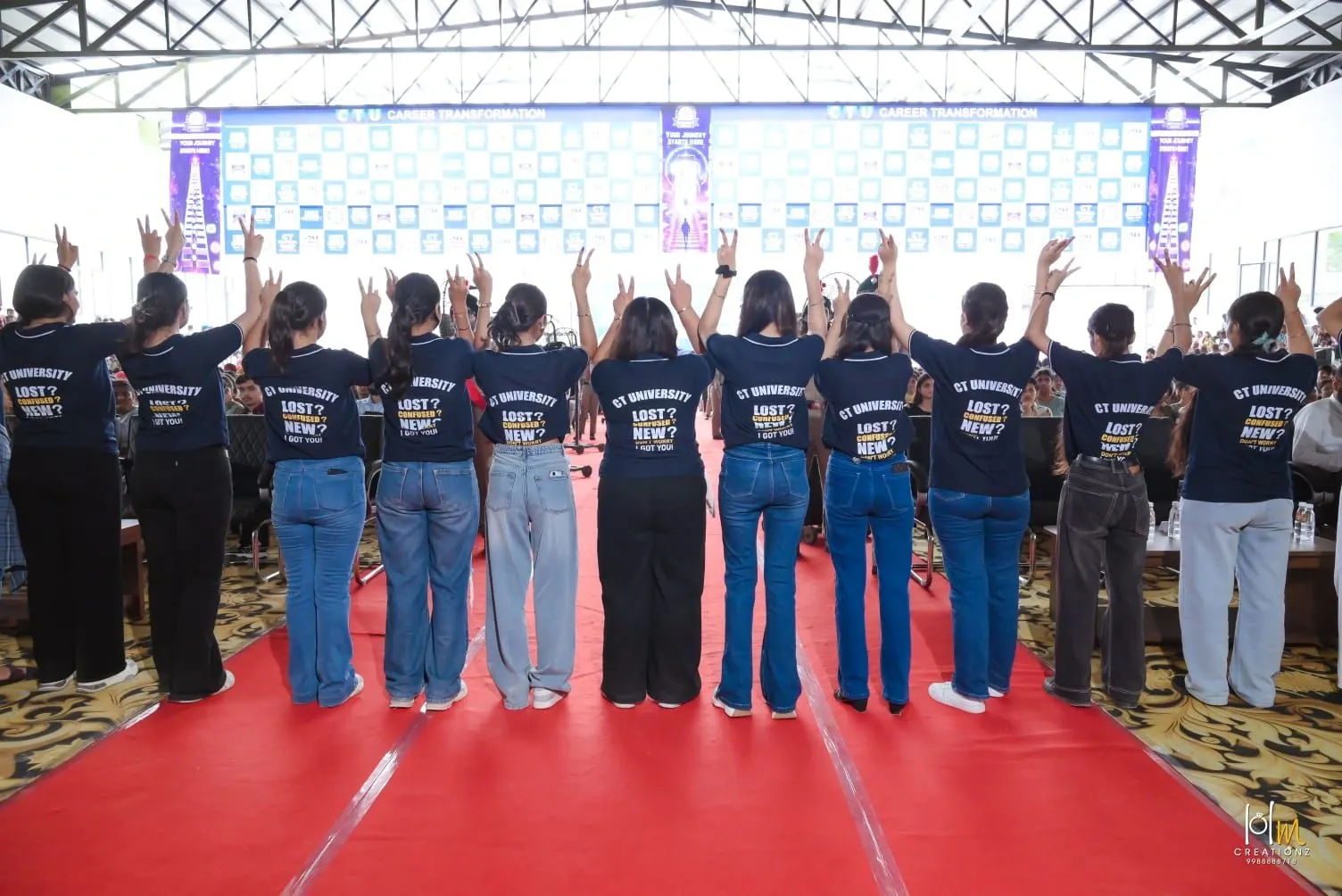
11 Aug, 2025
CT University Welcomes 3500+ Freshers with Grand 4-Day Orientation ProgramA Vibrant Beginning to a New Academic JourneyCT University’s annual orientation program “NIRMAAN – Ek Nayi Shuruaat, Ek Naya Iraada” unfolded over an exciting 4-day celebration, welcoming more than 3500 plus new students into its academic family.This year’s fresh batch has joined diverse academic streams including Hotel Management, Law, Pharmacy, and Engineering, bringing together a vibrant mix of talents and aspirations. The event served as a dynamic platform to introduce freshers to the university’s ethos, opportunities, and vibrant campus life.The inaugural ceremony witnessed the gracious presence of Chancellor S. Charanjit Singh Channi, Pro Chancellor Dr. Manbir Singh, Vice Chairman Harpreet Singh, Vice Chancellor Dr. Nitin Tandon, Pro Vice Chancellor Dr. Simran Gill, Pro Vice Chancellor Dr. Avinash Sharma, Registrar Sanjay Khanduri, and Director, DSW Er. Davinder Singh, who addressed the gathering with inspiring words.The orientation blended cultural vibrancy and informative sessions, featuring mesmerizing dance performances, fashion walks, Bhangra, an anti-ragging awareness skit, interactive activities, and even a surprise appearance by beloved cartoon characters Motu and Patlu, spreading joy among the students.Chancellor S. Charanjit Singh Channi shared an inspiring message, emphasizing the importance of self-discipline, curiosity, and perseverance in shaping a successful future. “University life is the golden chapter of your life — learn, innovate, and make the most of every opportunity,” he remarked.Pro Chancellor Dr. Manbir Singh motivated the students to be proactive learners and leaders of tomorrow. “CT University is not just an institution; it’s a launchpad for your dreams. We are here to nurture your potential and help you achieve global success,” he said.The four-day celebration left the freshers inspired, confident, and ready to embark on their academic journey. With the combination of academic orientation, cultural showcases, and leadership interaction, NIRMAAN 2025 successfully set the tone for a year filled with learning, creativity, and achievement.
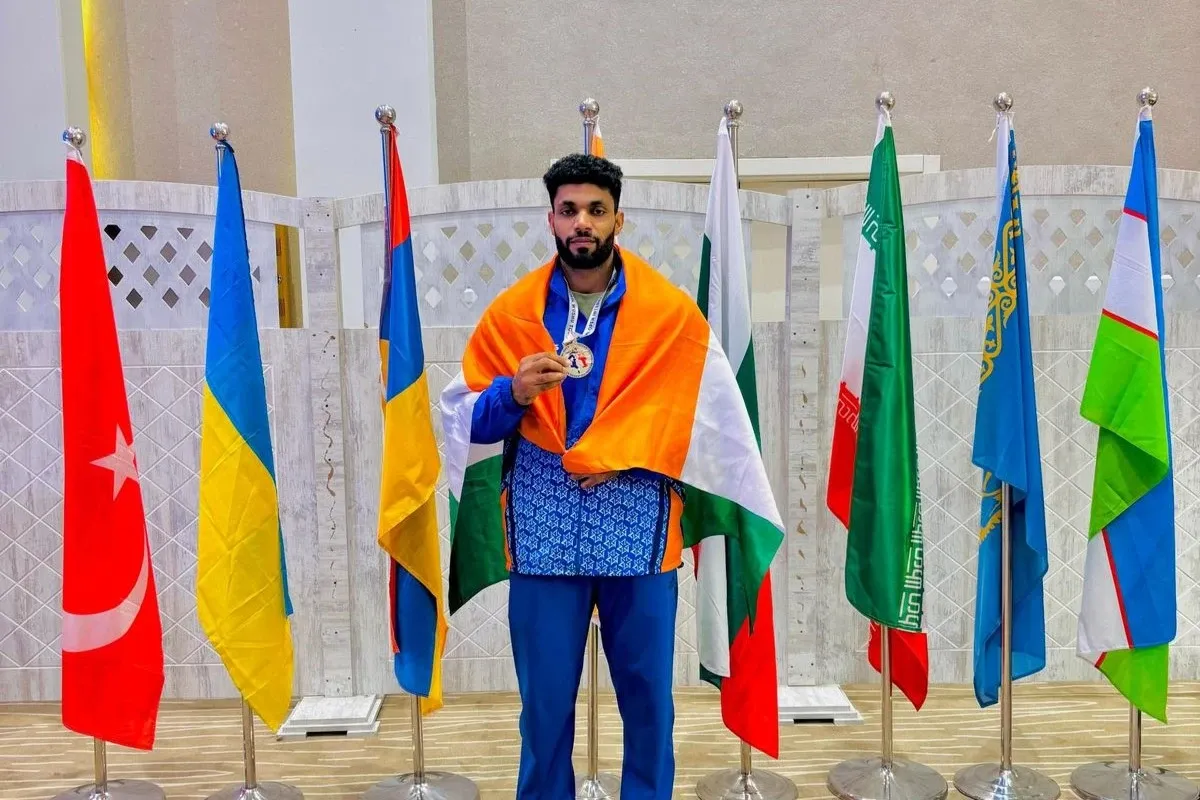
18 Aug, 2025
CT University proudly announces the remarkable achievement of its student, Abhishek Tawar, who brought glory to the institution and the nation by securing a Silver Medal in the 90kg Weight Category at the Open International Wushu Tournament 2025 held in Batuni, Georgia.His exceptional performance reflects the growing talent and global presence of CTU’s young sports achievers.Expressing immense pride, Pro Chancellor Dr. Manbir Singh congratulated Abhishek for his dedication and success. He remarked, “Achievements like these not only make the University proud but also inspire countless young students to dream big and work hard. Abhishek has shown that with determination and the right guidance, international milestones can be achieved.”Special appreciation was also extended to Er. Davinder Singh, Director Division of Student Welfare, and Gurdeep Singh, Head of Sports Department, for their constant support, mentorship, and encouragement which played a key role in nurturing Abhishek’s talent and preparing him for the global stage.Sharing his feelings, Abhishek Tawar expressed heartfelt gratitude to the University and mentors. He said, “Winning a Silver Medal for my country and CT University is a proud moment. The guidance of my coaches and the support from the University has been instrumental in my journey. This achievement motivates me to aim for Gold in the future.”CT University continues to stand as a pillar of excellence in sports, ensuring that its students receive not just education but also platforms to excel at national and international levels.
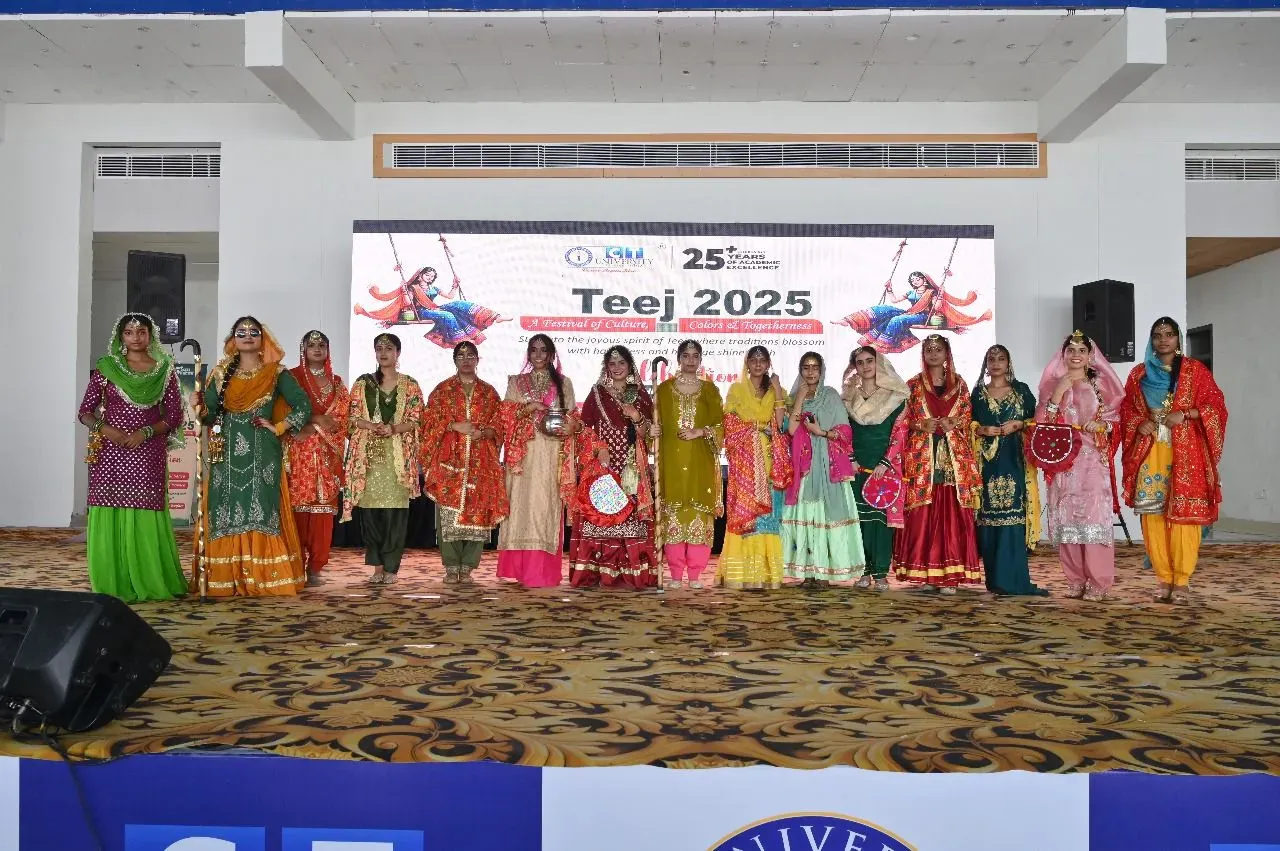
23 Aug, 2025
A Festival of Culture, Colors, Togetherness, Tradition and JoyCT University, in association with its Division of Student Welfare, celebrated Teej 2025 with unmatched zeal and festive grandeur. The vibrant celebration, graced by the esteemed presence of the star cast of the upcoming Punjabi movie Mehar alongside soulful music, graceful dance, Mehndi art, and cultural elegance, beautifully showcased the richness of Indian traditions.The campus was filled with colors, smiles, and togetherness as students and faculty embraced the joyous spirit of Teej, where heritage blossoms with happiness and unity.The celebration was graced by the esteemed presence of Mayor of Ludhiana, Inderjit Kaur, as the Chief Guest. She applauded CT University’s efforts, stating, “Festivals like Teej are not just about celebration, they are about strengthening cultural values and creating bonds of unity. It is wonderful to see the youth celebrating tradition with such passion.”Sharing her thoughts, Pro Vice Chancellor, Dr. Simranjeet Kaur Gill, said, “At CT University, we strive to nurture holistic development by giving equal space to culture, traditions, and academics. Teej 2025 is a true reflection of how beautifully our students celebrate their roots.”Adding to the festivity, Director, Division of Student Welfare, Er. Davinder Singh, expressed, “Such events connect students with cultural heritage while promoting creativity, joy, and togetherness across the campus.”This year, the celebrations turned even more special with the star cast of the upcoming Punjabi movie Mehar joining the festivities. Geeta Basra and Raj Kundra graced the occasion, adding charm and excitement to the event. Geeta Basra set the stage alive by dancing with students, while the star cast wholeheartedly enjoyed the cultural extravaganza.The evening was adorned with mesmerizing cultural performances, energetic folk dances, soulful music, and vibrant Mehndi artistry, making Teej 2025 an unforgettable celebration at CT University. The presence of the Mayor and the film stars added both prestige and delight, leaving behind an inspiring message of unity, culture, and happiness.
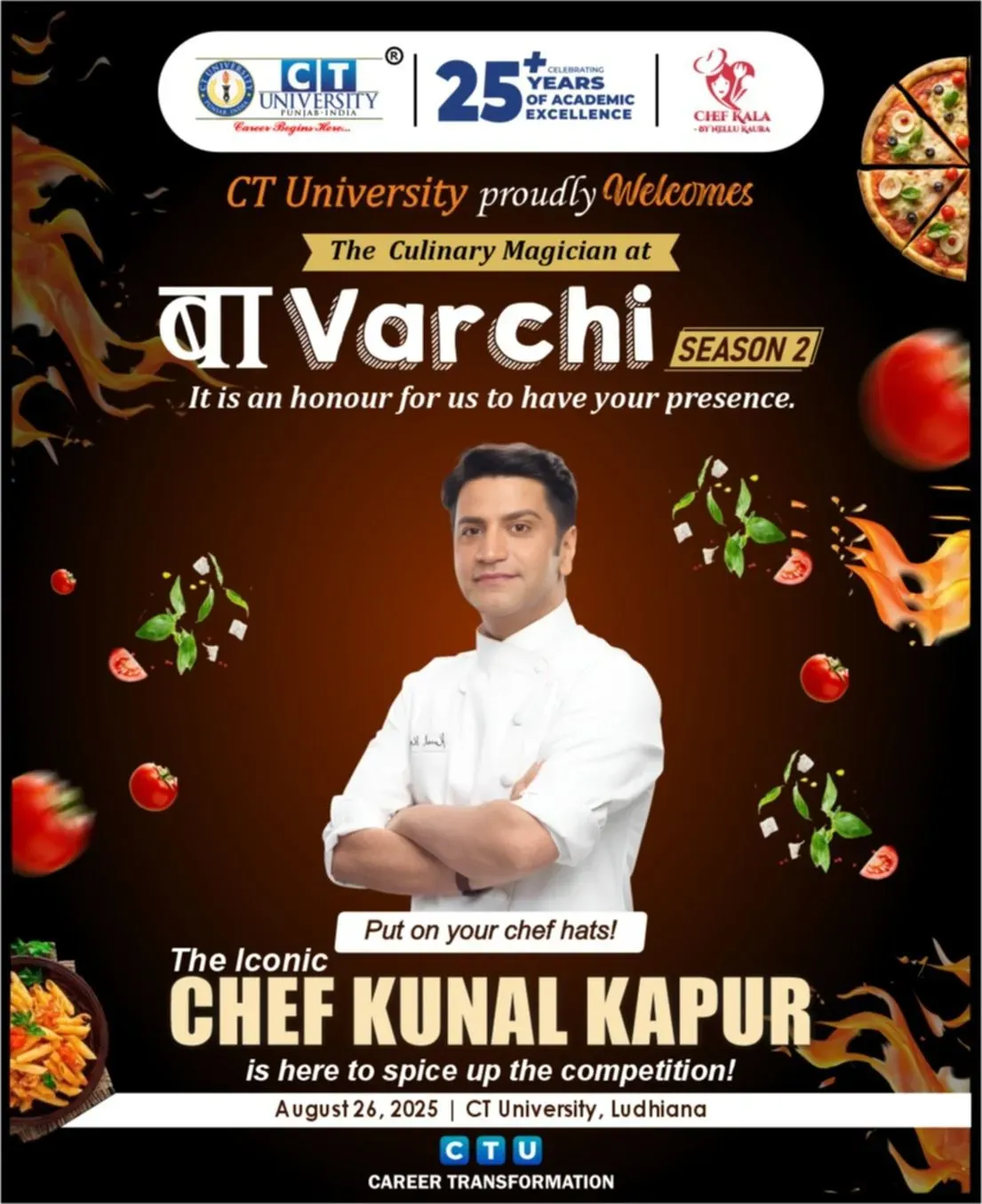
26 Aug, 2025
Get ready for a spectacular culinary celebration as ChefKala by Nellu Kaura along with Navya Kaura & Kanupriya Kaura brings to you Bavarchi Season-2, a Pan-India Cooking Competition that has united the finest culinary talents from across the nation.The evening will be graced by the presence of Celebrity Chef, Kunal Kapur and DC Ludhiana, Mr. Himanshu Jain Ji along with an esteemed jury panel of India’s most renowned chefs.📍 Venue: CT University, Ludhiana📅 Date: 26th August 2025⏰ Time: 11:30 AM OnwardsBe part of this grand culinary finale filled with innovation, flavors, entertainment, and inspiration as home cooks & students showcase their extraordinary talent on the national stage.We warmly invite your esteemed media house to cover this vibrant celebration of food, creativity, and culture at CT University.For media queries & coverage:Contact Person:NitanshaDPROCT UNIVERSITY 8725020477
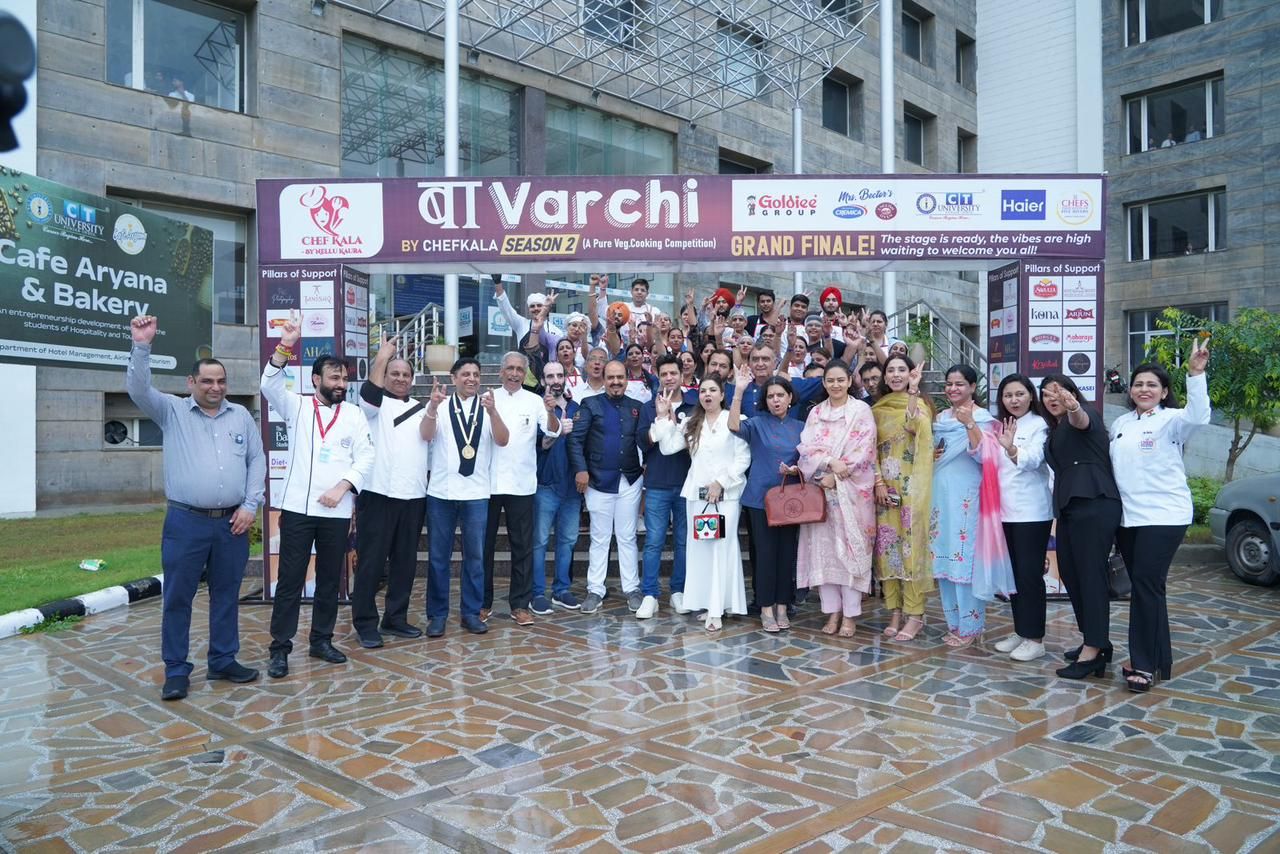
26 Aug, 2025
Bavarchi Season-2, a grand Pan-India level cooking competition organised by ChefKala by Nellu Kaura along with Navya Kaura and Kanupriya Kaura, concluded in a spectacular way at CT University, Ludhiana.The event brought together the best culinary talents from across the nation, celebrating innovation, creativity, and passion for food.This season witnessed more than 180 participants competing under two categories – Home Cook and Student. After a rigorous first round held at Maharaja Regency, Ludhiana, 31 finalists were shortlisted for the finale at CT University. The highlight of the evening was the presence of Celebrity Chef Kunal Kapur, who not only judged the finale but also interacted with the audience, sharing insightful techniques and tricks from his culinary journey.The jury panel featured some of the most renowned chefs of India including Chef Sanjeev Verma, Chef Ajay Sood, Chef Ashish Bhasin, Chef Gunjan Goela, Chef Vikas Chawla, Chef Rahul Wali, Dr. Chef Varinder Singh Rana, and Chef Vishavdeep Bali.Their expertise and valuable feedback added immense credibility to the competition.The event was further dignified by the esteemed presence of Chancellor, Sd. Charanjit Singh Channi, Pro Chancellor, Dr. Manbir Singh, Rajni Bector (Padma Shri Awardee & Founder of Cremica), Himanshu Jain (Deputy Commissioner, Ludhiana), Rashi Aggarwal (President, Mahila Morcha), along with eminent educationists – Veena D’Souza and Maria, Principal and Vice Principal of Sacred Heart Convent School, Sarabha Nagar.The ceremony began with the traditional lamp-lighting followed by Ganesh Vandana. A highlight of the evening was an entertaining cook-off between Chef Rahul Wali and Chef Vishavdeep Bali, while Chef Kunal Kapur’s lively interaction with the audience kept the hall buzzing with energy.Adding to the delight, Chef Vikas Chawla delivered a thoughtful talk on the importance of millets in today’s diet. Entertainment was woven into the evening as anchor Sahil Sahni engaged the audience with fun games, and the finale concluded with a spectacular Bhangra performance by CT University students.The event wrapped up with the felicitation of sponsors, jury members, and special guests, followed by the announcement of winners. With cheer and applause echoing through the auditorium, Bavarchi Season-2 successfully set a new benchmark in the culinary field.Deputy Commissioner Himanshu Jain marked his special presence at the event, encouraging young culinary aspirants to explore food as a career and art form. His words inspired participants to push boundaries and take pride in India’s diverse food heritage.Bavarchi, envisioned by Nellu Kaura, is a platform that celebrates India’s rich food culture by giving home cooks and students an opportunity to showcase their hidden talent on a national stage. With the success of Season-2, the initiative has gained nationwide recognition, continuing its mission to bring culinary innovation and passion together under one roof.Comment by Chef Kunal Kapur :“It’s inspiring to see such immense talent coming from every corner of India. Platforms like Bavarchi not only recognize passion for cooking but also motivate future chefs to take Indian cuisine to global heights. CT University has provided a wonderful stage for this celebration of flavors and skills.”Comment by Dr. Manbir Singh, Pro Chancellor, CT University:“CT University always believes in nurturing talent across every field, and hosting Bavarchi Season-2 was a privilege. We are proud to witness how this competition brought together culinary legends, aspiring chefs, and food lovers in one vibrant celebration of creativity.
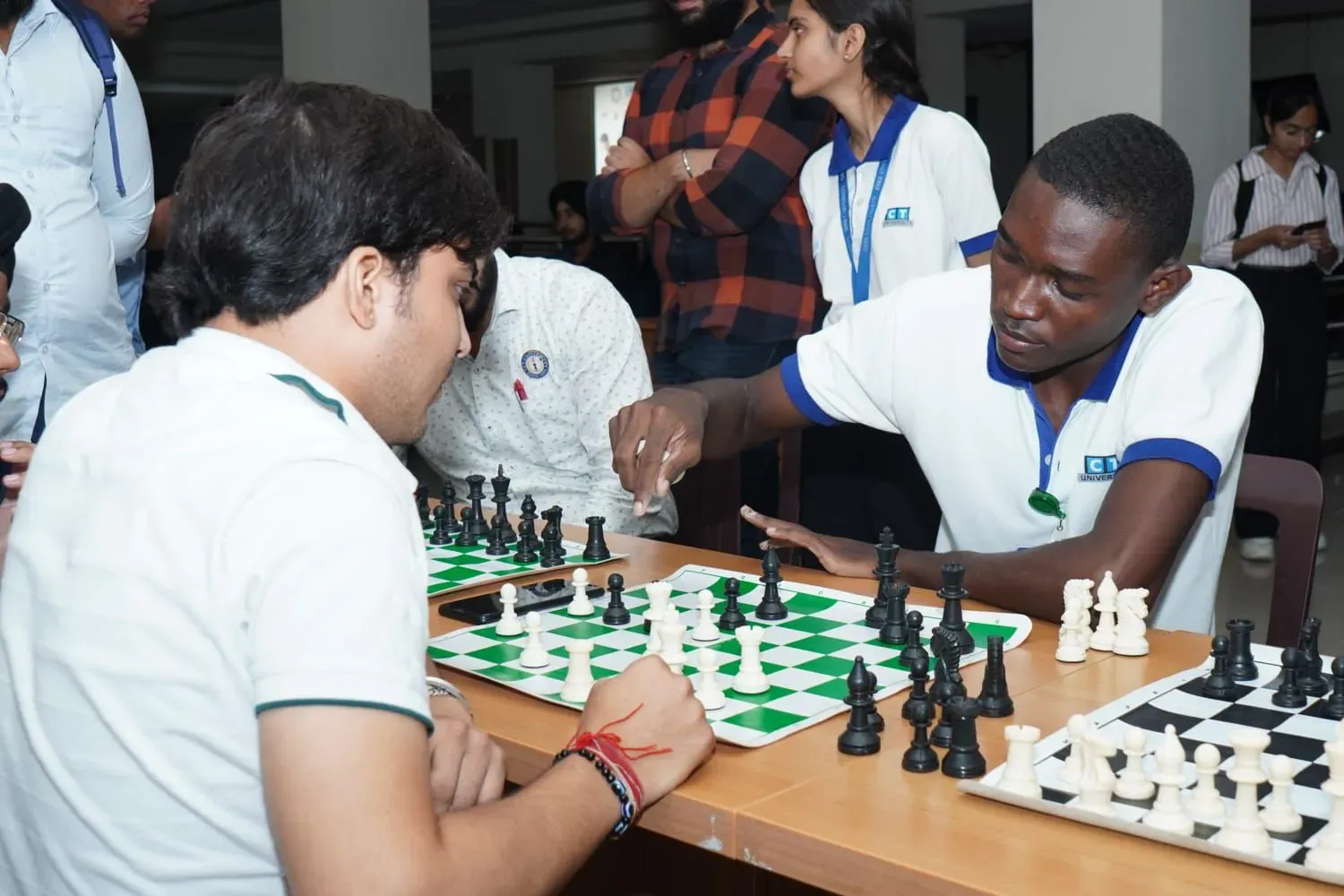
29 Aug, 2025
Overall Winner: School of Engineering and TechnologyTo commemorate the birth anniversary of hockey wizard Major Dhyan Chand, CT University celebrated National Sports Day 2025 with remarkable zeal and enthusiasm.The celebration was aimed at instilling the values of sportsmanship, fair play, and fitness among the youth.The program began with a solemn pledge to uphold the spirit of sportsmanship, taken by all participants and faculty members. The entire celebration was coordinated by Gurdeep Singh, Head of Sports, along with the dedicated Sports Team, under the able guidance of Director, Student Welfare, Er. Davinder Singh.This year’s celebrations witnessed active participation of more than 250 students representing 10 schools of CT University. The students enthusiastically competed in various sporting events including Chess, Table Tennis, Tug of War, and Swimming.Adding to the grandeur of the event, the Indian National Tug of War Team graced the occasion and interacted with students, sharing their experiences and motivating them to adopt sports as an integral part of life.The competitions saw some thrilling performances across chess, table tennis, tug of war, and swimming. The School of Engineering dominated in chess, while the School of Management Studies and School of Engineering & Technology shone in table tennis. Tug of war victories went to Engineering & Technology (Men) and Allied Health Sciences (Women), while Hotel Management, Airlines and Tourism excelled in swimming.With consistent achievements in multiple events, the School of Engineering and Technology was crowned the Overall Champion.Speaking on the occasion, Director, Student Welfare, Er. Davinder Singh said,“Sports not only build physical strength but also cultivate discipline, leadership, and unity. It was heartening to see such overwhelming participation from our students. The presence of the Indian Tug of War Team added a motivational spark to the event.”Vice Chairman of CT University, Harpreet Singh, appreciated the efforts of the organizing team and the enthusiastic participation of students. He remarked,“CT University has always promoted holistic development through academics as well as sports. Celebrating National Sports Day is our tribute to Major Dhyan Chand and a reminder for our youth to remain fit, focused, and determined.”The event concluded with a felicitation ceremony for winners and participants, spreading the strong message of fitness, discipline, and unity through sports.
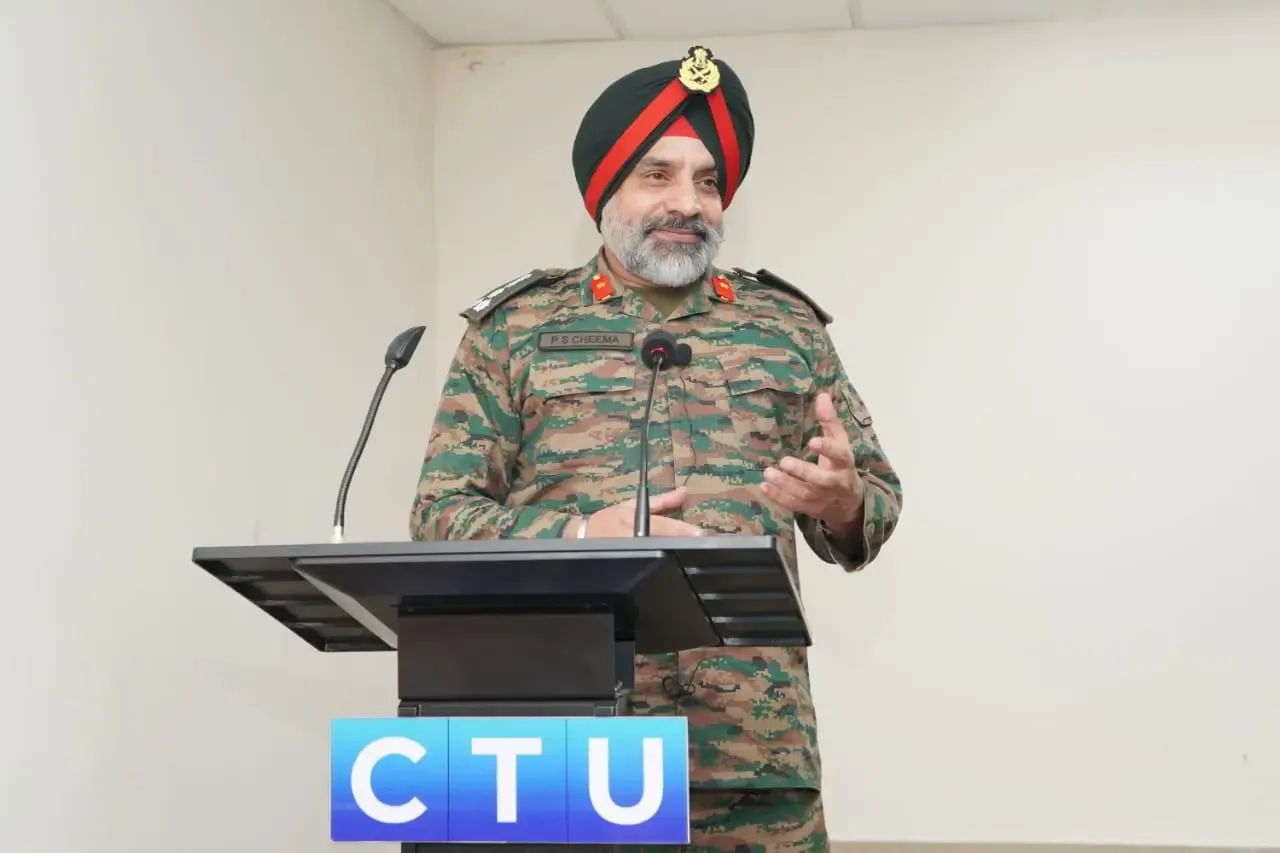
01 Sep, 2025
Brigadier P.S. Cheema Motivates NCC Cadets at CTUCT University proudly hosted Brigadier P.S. Cheema, Sena Medal, Vishisht Seva Medal, Group Commander, NCC Group Headquarters Ludhiana, on his visit to the campus. He was accompanied by Col. Rohit Khanna, Sena Medal, Commanding Officer, 3 Punjab Battalion NCC Ludhiana, and Subedar Major Karnail Singh.During the visit, Brigadier Cheema held an insightful interaction with the NCC cadets and faculty members. He delivered a motivational session where he emphasized the core values of discipline, leadership, patriotism, and commitment that NCC instills among youth. His words inspired the cadets to embrace responsibility and strive towards becoming future leaders and responsible citizens of the nation.The program witnessed the gracious presence of Vice Chairman, Harpreet Singh, Registrar, Sanjay Khanduri, and Director, DSW, Er. Davinder Singh, who extended a warm welcome to the dignitaries. The entire event was coordinated by Taranjit Singh, NCC In-charge, CT University, along with Sandeep Kaur, ensuring smooth conduct of proceedings.A total of 140 NCC cadets, including newly enrolled first-year students, enthusiastically participated in the program. Their presence and involvement reflected the growing spirit of nationalism and the passion to serve the nation through the platform of NCC.Speaking on the occasion, Brigadier P.S. Cheema said:“I am delighted to see the enthusiasm and discipline among CT University cadets. NCC not only nurtures leadership but also builds character, courage, and confidence in youth. I urge cadets to continue working with dedication, as they are the torchbearers of our nation’s future.”Expressing his gratitude, Sd. Charanjit Singh Channi, Chancellor, CT University, said:“We are honored to welcome Brigadier P.S. Cheema to our campus. His words of wisdom and motivation have left a strong impact on our cadets. CT University is committed to supporting NCC and creating an environment that promotes discipline, leadership, and holistic development of our students.”The visit of Brigadier P.S. Cheema served as a moment of pride and inspiration for the entire CTU fraternity. It not only motivated the NCC cadets but also reinforced the importance of NCC training in shaping a generation of responsible, disciplined, and nation-oriented youth.
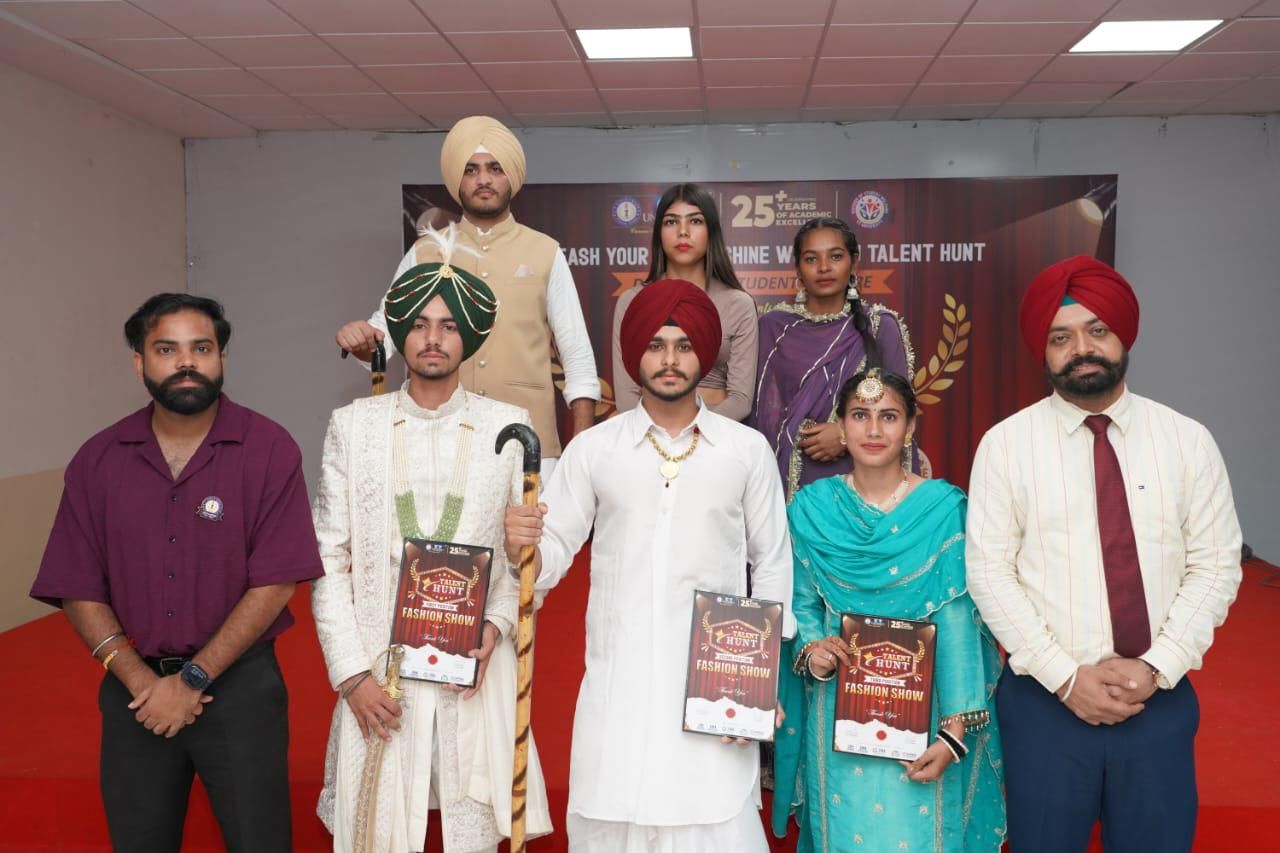
09 Sep, 2025
Two-Day Fest Showed Amazing Talent and PassionFrom theatre to fashion, music to literature – students lit up the stage with their performancesCT University, Ludhiana, echoed with creativity, rhythm, and youthful energy as it hosted the much-awaited CTU Talent Hunt 2025, a two-day cultural extravaganza organized by the Division of Student Welfare.The event turned into a spectacular celebration of art, performance, and imagination, with students from across all schools of the university showcasing their flair in theatre, dance, music, fine arts, literature, and literary activities.A major highlight of the festival was the Fashion Show Competition, where students left the audience spellbound with their confidence, creativity, and style. The top three winners stole the spotlight, marking the show as one of the most memorable moments of the talent hunt.Speaking on the occasion, Director, Division of Student Welfare, Er. Davinder Singh, said:“Our students never fail to amaze us with their diverse talents. CTU Talent Hunt 2025 has once again shown that beyond academics, our students have incredible creativity, confidence, and passion to perform on stage. We are proud to provide them with such platforms where they can shine and be remembered.”The event also reflected the enthusiasm and spirit of the participants, with students sharing their experiences:“It was an incredible experience to witness so many talented students come together and showcase their skills. Judging such diverse performances was truly inspiring, and I feel honored to be a part of CTU Talent Hunt 2025. Every participant was unique in their own way, and it was a celebration of creativity and passion!” – Sanchi, Student, School of Law“It was not just a competition, but a celebration of who we are. Performing on stage boosted my confidence like never before.” – Mannat, Student, School of Engineering and TechnologyWith unmatched zeal and participation, CTU Talent Hunt 2025 became more than just a competition – it was a platform that celebrated individuality, artistry, and confidence. The two-day fest has set a new benchmark for cultural events at CT University, leaving behind cherished memories and inspiring future festivities.
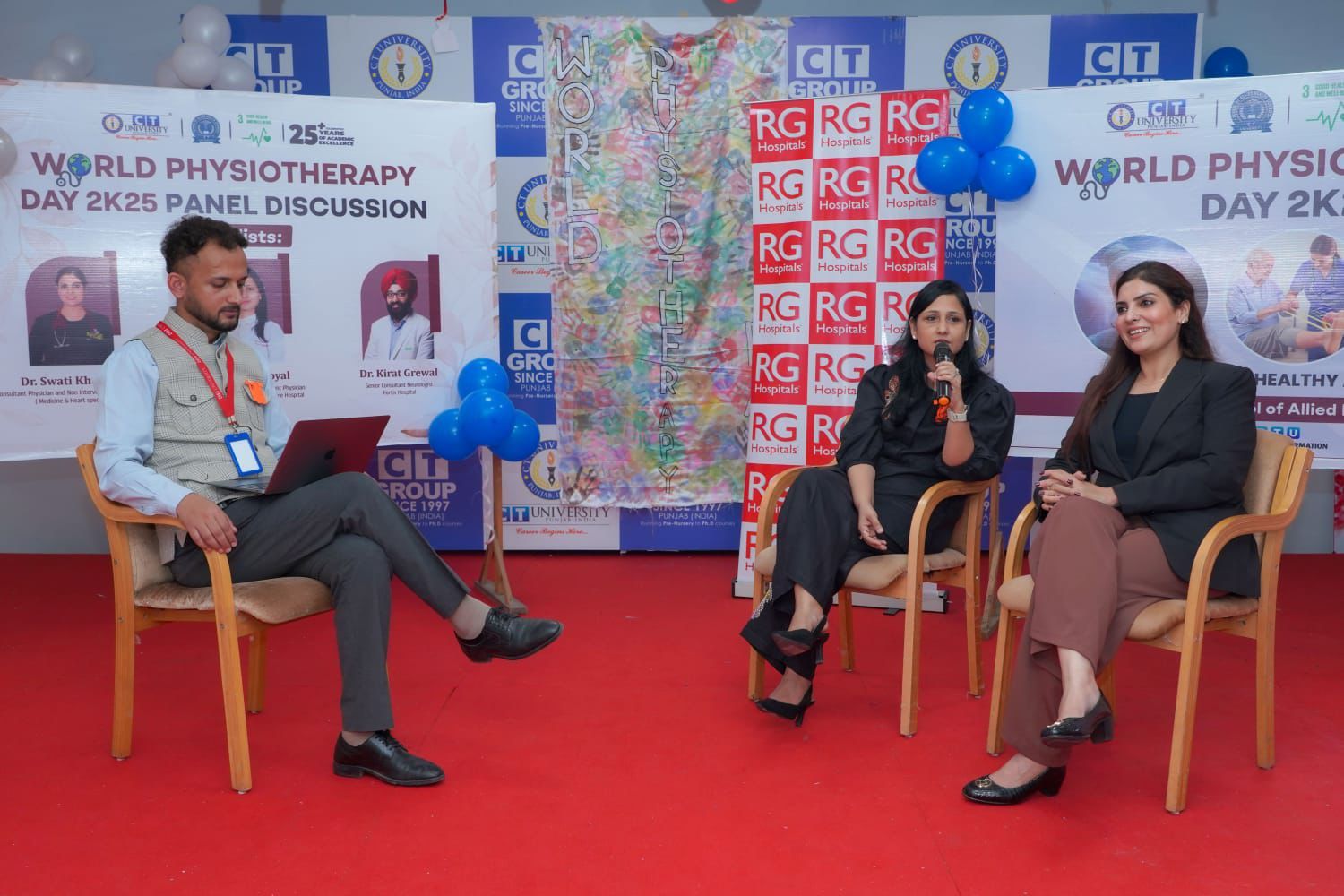
12 Sep, 2025
Innovative Competitions Highlight the Role of Physiotherapy in Healthy AgingPanel Discussion with Renowned Experts Enriches the CelebrationCT University, under the banner of the School of Allied Health Sciences, marked World Physiotherapy Day 2025 with a vibrant and insightful celebration centered on the theme “Healthy Aging.” The day-long event brought together students, faculty, and healthcare experts to emphasise the crucial role of physiotherapy in health promotion, disease prevention, and rehabilitation.The celebration was designed to engage students in both creative expression and scientific exploration. Exciting competitions, including face and body painting, a physiotherapy quiz, poster presentations, and working model showcases, gave students a platform to illustrate their understanding of the discipline in innovative ways.Adding to the day’s uniqueness, the Physio Walk (Fashion Walk) and Dermatome & Myotome Dance creatively translated physiotherapy concepts into live visual presentations, leaving the audience both informed and inspired.A key highlight of the program was the panel discussion led by eminent medical professionals, Dr. Prerna Goyal and Dr. Swati Khurana, who shared their expertise on physiotherapy’s evolving role in managing lifestyle disorders and promoting healthy aging.Their insights not only enriched the knowledge of attendees but also motivated young minds to view physiotherapy as a vital and impactful profession.Chancellor Sd. Charanjit Singh Channi, in his message, applauded the School of Allied Health Sciences for organizing such an innovative event, stating that “Physiotherapy is not just a profession, but a service to humanity that empowers individuals to live healthier and longer lives.”Pro Vice Chancellor Dr. Simranjeet Kaur Gill commended the students’ enthusiastic participation and remarked, “The creative and academic blend of today’s event reflects CT University’s commitment to nurturing professionals who are not only skilled but also socially responsible.”The celebration successfully highlighted the indispensable contribution of physiotherapists in modern healthcare while inspiring the next generation to carry forward the mission of ensuring wellness and healthy aging for all.
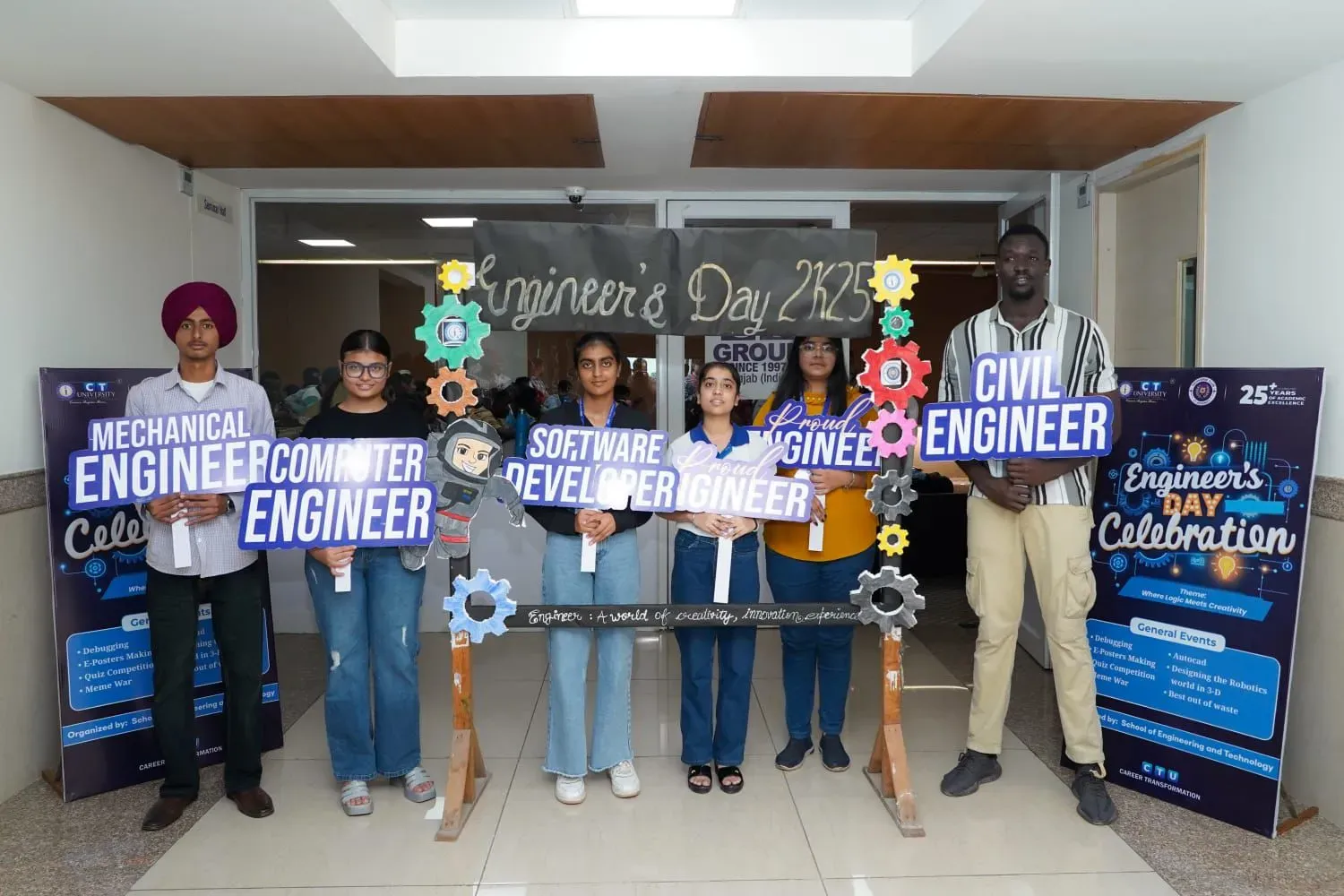
15 Sep, 2025
School of Engineering and Technology Hosts Events under Theme – “Where Logic Meets Creativity”CT University celebrated Engineers’ Day with great zeal and enthusiasm, highlighting the theme “Where Logic Meets Creativity.”The event was organised by the School of Engineering and Technology (SOET) and witnessed vibrant participation from students in a series of engaging and innovative activities.The celebration included multiple competitions such as Debugging, E-Poster Making, Quiz Competition, Meme War, AutoCAD Designing, 3-D Robotics World Design, and Best out of Waste.Each event showcased the technical brilliance and creative thought process of budding engineers, giving them a platform to demonstrate problem-solving skills and innovative ideas.Adding grace to the event, Dr. Arvind Kumar, HOS, SOET; Dr. Mandeep Kaur, Coordinator, SOET; Rupinder Kaur Grewal, Assistant Professor, SOET; Simrandeep Kaur, Assistant Professor, SOET; Jasmeet Kaur, Assistant Professor, SOET; and Simranjeet Kaur, Assistant Professor, SOET put in commendable efforts to make the event a grand success.On the occasion, Pro Chancellor Dr. Manbir Singh lauded the efforts of the students and faculty, stating, “Engineers are the true architects of modern society. It is heartening to see our students blending logic with creativity and showcasing innovations that have the potential to shape the future.”Sharing his views, Pro Vice Chancellor, Dr. Simranjeet Kaur Gill said, “This celebration reflects the spirit of engineering – analyzing problems, innovating solutions, and working towards a better tomorrow. Our young engineers are truly an inspiration.”The celebration concluded with encouragement for students to keep innovating and upholding the legacy of great engineers who have contributed immensely to the nation’s growth.
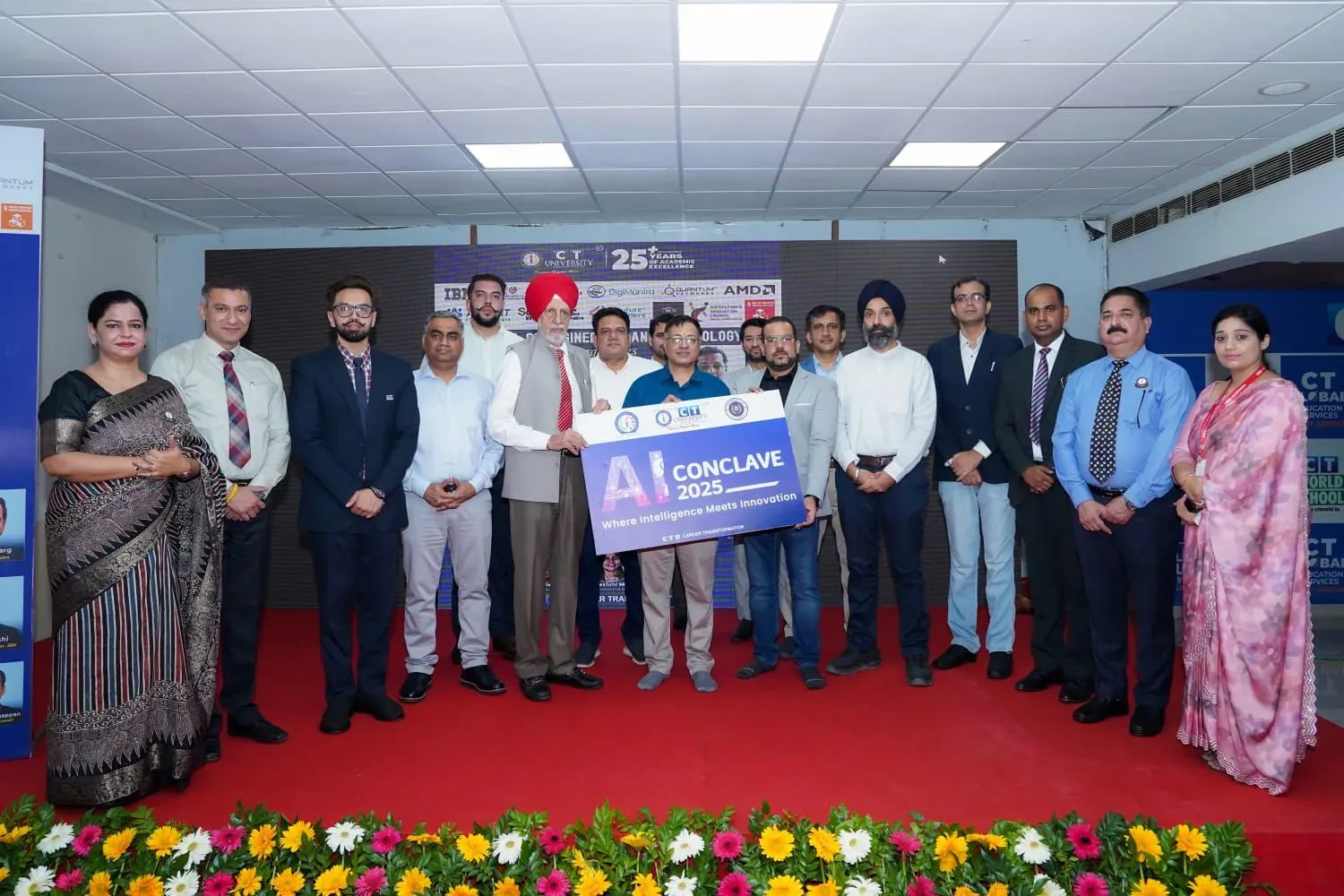
19 Sep, 2025
Industry Stalwarts and Global Experts Inspire Future EngineersChancellor and University Leadership Grace the Occasion with Visionary InsightsThe School of Engineering and Technology (SOET) at CT University successfully organised Conclave 2025 – “Where Intelligence Meets Innovation”, a prestigious platform that brought together distinguished leaders, industry experts, and academic pioneers from across the globe.The event witnessed the august presence of Vinod Singh Yadav, Deputy Secretary, UGC, New Delhi, along with eminent professionals including Kanishk Khatter, Raj Rohit Singh (Deloitte & IBM), Jagjit Singh (TCS, Gurugram), Mayur Garg (Deloitte, Gurugram), Shobi Khan (Spogto Technologies, Noida), Sanjeev Mittal (Ericsson, New Delhi), Dr. Ajay Dev (iQuent Technologies, England), Rahul (IBM), Kunal Grover (Global Payments Inc., USA), Parv Singh (Assurant, USA), Dr. Yash Madhwal (Skolkovo Institute, Russia), Rashmi Mittal, and M. Murugappan (Water & Climate Risk Modelling, Kuwait College, Kuwait).The conclave served as a dynamic hub where technology, innovation, and academia converged, offering students and faculty valuable insights into emerging industry trends, global opportunities, and futuristic skillsets.The ceremony was graced by the distinguished leadership of CT University including Hon’ble Chancellor S. Charanjit Singh Channi, Pro Chancellor Dr. Manbir Singh, Vice Chairman Harpreet Singh, Vice Chancellor Dr. Nitin Tandon, Pro Vice Chancellor Dr. Simran Gill, Registrar Sanjay Khanduri, and Director DSW Er. Davinder Singh.Speaking on the occasion, Chancellor S. Charanjit Singh Channi highlighted the importance of bridging the gap between academia and industry, encouraging students to embrace innovation, leadership, and global competitiveness.Pro Chancellor Dr. Manbir Singh, in his address, emphasized the role of such conclaves in empowering youth to become industry-ready professionals, shaping the future of technology and society.The event concluded on a high note with a resounding commitment from CT University to continue fostering excellence, innovation, and global collaborations through such landmark initiatives.

30 Sep, 2025
Experience the vibrant rhythms and colorful festivities at CT University's Dandiya Night! Join fellow students on September 30, 2025, from 6:00 PM onwards for an unforgettable evening of energetic dance, lively music, and joyous celebration. Get your tickets for only Rs 200 at Room D510 and immerse yourself in a night full of tradition, fun, and camaraderie—brought to you by the School of Management Studies in collaboration with the Department of Student Welfare. For more details, contact 7696748535.

20 Sep, 2025
CT Group of Institutions, North Campus, Maqsudan, witnessed a proud and emotional moment as one of its brightest alumni, Rohith Turlapati, returned to his alma mater after achieving an exceptional milestone. Rohith recently secured a prestigious role as a Senior Python Developer at Electronic Arts with a remarkable package of ₹88 LPA, making it one of the highest packages bagged by a CT student.To mark his homecoming, the institution organized a special interaction session where Rohith shared his inspiring journey of hard work, perseverance, and determination. He also conducted a technical workshop on “Python Backend Engineering with LLMs”, offering students practical exposure to the latest industry trends and applications. His journey and experiences struck a chord with the young audience, who were motivated by the success of someone who once walked the same classrooms and corridors.The leadership of CT Group expressed immense pride at Rohith’s achievement. Chairman Sardar Charanjit Singh Channi described it as a historic and proud moment for the institution, while Managing Director Dr. Manbir Singh emphasized that his success reflects the values and quality education nurtured at CT Group. Vice Chairman Harpreet Singh highlighted how such global achievements prove the legacy CT students are creating worldwide. Sharing his thoughts, Executive Director Dr. Nitin Tandon noted that such homecomings inspire students to dream beyond boundaries, and Campus Director Dr. Anurag Sharma expressed joy at welcoming back a student whose journey blended both learning and inspiration.The event concluded with a standing ovation, celebrating not only Rohith’s extraordinary success but also CT Group’s proud legacy of transforming careers and nurturing global leaders. His visit turned into a powerful reminder for students that with perseverance and guidance, global opportunities are within reach.

23 Sep, 2025
Harkunwar Singh Selected for Prestigious WTT Youth Contender, California (USA)CTU Celebrates Another Milestone in Sports ExcellenceCT University (CTU) proudly announces a remarkable achievement as Harkunwar Singh, a talented Table Tennis player of the University, has been selected to represent India at the WTT Youth Contender Championship in California, USA.This prestigious event will feature a total of 11 players from India (04 female, 07 male), with Harkunwar standing tall as one of the country’s brightest young talents.This achievement reflects the dedicated efforts of the CTU Sports Department, under the guidance of Gurdeep Singh, Head of Sports Department, and the visionary leadership of Er. Davinder Singh, Director, DSW.Their continuous encouragement and commitment to nurturing student-athletes have played a vital role in shaping this success.Expressing his joy, Dr. Manbir Singh, Pro Chancellor, CT University, said,“We are extremely proud of Harkunwar’s achievement. His selection at an international championship is not just a matter of personal success but also a moment of pride for the entire CTU family. It reflects our strong commitment to providing world-class opportunities in academics as well as sports.”Sharing his views, Harpreet Singh, Vice Chairman, CT University, remarked,“Sports have always been a strong pillar of CTU’s vision. Harkunwar’s success is a shining example of how talent flourishes when guided with discipline, dedication, and institutional support. We are confident that he will inspire many more CTUians to follow their passion and achieve global recognition.”With this international selection, CTU reaffirms its dedication towards building champions, offering holistic support to its students in their pursuit of excellence both on and off the field.

26 Sep, 2025
Global Recognition for Research ExcellenceA Proud Moment for CT UniversityCT University is proud to announce that Dr. Dilpreet Singh, Associate Professor at the School of Pharmaceutical Sciences, has been recognized among the World’s Top 2% Scientists, 2025, an honor awarded by Stanford University in collaboration with Elsevier.This prestigious global ranking is based on rigorous, standardized citation indicators, including H-index, co-authorship-adjusted Hm-index, total citations, and composite indicator scores, curated by experts at Stanford University and published by Elsevier.Dr. Singh’s recognition underscores his remarkable contributions to research and his unwavering commitment to academic excellence. With a research specialization in Clinical Medicine, Pharmacology, and Pharmacy, Dr. Singh has significantly advanced scientific knowledge, reflected in his high-impact publications and exemplary H-index.His work continues to influence both academia and industry, enhancing global understanding in his fields of expertise.Commenting on this achievement, Pro Chancellor of CT University, Dr. Manbir Singh, said:“We are immensely proud of Dr. Dilpreet Singh’s outstanding accomplishment. Being recognized among the top 2% scientists globally is not just a personal triumph but a testament to the culture of excellence we nurture at CT University. His dedication, research rigor, and commitment to advancing pharmaceutical sciences inspire both students and faculty alike.”Vice Chancellor, Dr. Nitin Tandon, added:“Dr. Singh’s recognition on the global stage highlights CT University’s growing impact in research and innovation. Such honors reinforce our mission to promote high-quality research and mentorship that shape future leaders in science and healthcare. We congratulate him on this remarkable achievement.”CT University continues to foster an environment that encourages innovation, academic rigor, and global collaborations, with faculty like Dr. Singh setting benchmarks in research excellence.This honor not only elevates the university’s global standing but also inspires the next generation of scientists to pursue transformative research.

29 Sep, 2025
Honoured by Lt. Governor Shri Manoj Sinha Ji for Outstanding Academic ContributionsCT University, Ludhiana (Punjab), has been recognised for its exemplary contribution to education with the prestigious Excellence in Education Award at the Pride of Jammu & Kashmir Awards, organised by News18.The award highlights the university’s consistent efforts in uplifting and empowering students from Jammu & Kashmir by providing quality education, mentorship, and avenues for holistic growth.The award was presented by the Hon’ble Lieutenant Governor of Jammu & Kashmir, Shri Manoj Sinha Ji, and was received on behalf of the university by Dr. Manbir Singh, Pro Chancellor, CT University.The recognition stands as a testament to the institution’s commitment to academic excellence and its vision of nurturing talent across the nation.In addition to this recognition, Dr. Manbir Singh participated in the panel discussion on “Building Business Connections”, where he emphasized the relevance of CT University’s student-centric approaches.He highlighted the university’s commitment to fostering entrepreneurial and leadership skills, encouraging industry-academia collaborations, and creating opportunities for holistic student development, demonstrating how CT University equips its students to excel in a dynamic and competitive world.Speaking on this achievement, Sd. Charanjit Singh Channi, Chancellor, CT University, expressed, “This recognition reflects CT University’s unwavering dedication to shaping young minds and fostering an environment of learning and innovation.Our focus has always been on providing students, irrespective of their background, with the opportunities and resources needed to achieve their dreams. We are proud to extend our support to the students of Jammu & Kashmir and contribute to their educational journey.”Dr. Manbir Singh, Pro Chancellor, CT University, added, “Being honoured with the Pride of J&K Award is both humbling and motivating. It strengthens our resolve to continue empowering the youth of Jammu & Kashmir.At CT University, we are committed to nurturing talent, encouraging innovation, and creating opportunities that prepare students for a brighter and successful future. This award inspires us to further our mission of excellence in education and nation-building.”This recognition marks another milestone in CT University, Ludhiana’s journey of academic leadership, reinforcing its position as a centre of excellence dedicated to transforming lives and shaping future leaders through education, mentorship, and empowerment.

01 Oct, 2025
Students Showcase Creativity and Team Spirit in “Aaj Ka Ravan Kaun?” ChallengeDignitaries Laud Talent and Cultural Enthusiasm, Highlighting Triumph of Good Over EvilCT University proudly celebrated Dussehra 2025 with great enthusiasm, bringing together students from various institutions for the much-awaited Inter-School Ravana Effigy Making Contest, organized by the Division of Student Welfare (DSW). The event was a vibrant showcase of creativity, teamwork, and the age-old message of the triumph of good over evil. Aptly themed “Aaj Ka Ravan Kaun?”, the competition encouraged students to explore their artistic talents while reflecting on the symbolic essence of Dussehra.The contest saw active participation from multiple schools under CT University, and the winners were announced as follows: • School of Design and Innovation • School of Law • Allied Health SciencesThe event was graced by esteemed dignitaries, including Vice Chairman Mr. Harpreet Singh, Pro Vice Chancellor Dr. Simranjit Kaur Gill, and Director of DSW, Er. Davinder Singh, whose presence added a special touch of encouragement for the students.Sharing his thoughts on the celebration, Chancellor Sd. Charanjit Singh Channi remarked on the importance of cultural events in shaping creativity, teamwork, and moral values among students. Similarly, Vice Chancellor Dr. Nitin Tandon appreciated the dedication and enthusiasm of the students, emphasizing that events like these foster not just artistic skills, but also a sense of unity and healthy competition.The Ravana Effigy Making Contest was not just a platform for creative expression but also an inspiring reminder of the victory of righteousness over wrongdoing, perfectly aligning with the spirit of Dussehra. The event concluded with vibrant celebrations and memorable experiences for all participants, reflecting the true essence of tradition and culture at CT University.

04 Oct, 2025
In an inspiring tale of talent, determination, and global recognition, CT University proudly celebrates its star Table Tennis player, Harkunwar Singh, who recently brought home a Bronze Medal in Mixed Doubles at the WTT Youth Contender Championship in Fremont, USA.From the very first match, Harkunwar stood out among the world’s best young athletes. With every serve, rally, and smash, he demonstrated not only skill but also unwavering focus and sportsmanship. His exceptional performance not only earned him a prestigious medal but also placed CT University on the international sports map.Behind every champion is a team, and Harkunwar’s success reflects the dedication of the CTU Sports Department, led by Mr. Gurdeep Singh, and the continuous support of Er. Davinder Singh, Director of Student Welfare. Their mentorship and commitment to nurturing sports talent have been instrumental in shaping this victory.The achievement resonated across the CTU family. Dr. Manbir Singh, Pro Chancellor, congratulated Harkunwar and remarked,“Harkunwar’s victory is not just his personal achievement but a proud moment for the entire CTU family. It demonstrates the power of discipline, training, and determination. Such international recognition motivates our students to dream bigger and achieve excellence in every field.”The champion himself expressed his joy and gratitude:“Winning a medal on such a big platform has been a dream come true. I am grateful to my coaches, the Sports Department, and CT University for constantly believing in me and supporting me at every step. This is just the beginning, and I am motivated to aim even higher for my university and my country.”This story of success is more than just a medal—it is a testament to the spirit of CT University, which fosters global exposure, sportsmanship, and the courage to dream big. With every victory, CTU continues to empower its young athletes to shine on the world stage.

07 Oct, 2025
Hands-on Learning and Ethical Research Take Centre Stage at Two-Day Scientific WorkshopExperts from India and Nepal Join to Advance Biomedical Research and Innovation at CTUThe School of Pharmaceutical Sciences at CT University successfully organized a two-day international workshop on “Zebrafish Models in Pharmaceutical Research”.The event drew an impressive gathering of participants, including 10 researchers from Nepal and 27 students from across India, reflecting CT University’s commitment to fostering cross-border collaboration and global learning.The event was skillfully led by Dr. Vir Vikram, Principal, School of Pharmaceutical Sciences, whose vision and leadership ensured a comprehensive blend of theoretical learning and practical exposure for all participants.The workshop aimed to enhance participants’ understanding of zebrafish as a powerful model organism in drug discovery, toxicity testing, and biomedical research.The sessions were designed to provide in-depth knowledge of zebrafish handling, behavior assessment, and ethical research practices. Participants received hands-on training in zebrafish care and management, including safe transfer techniques, stress minimization, and maintenance of ideal tank conditions such as water quality, temperature, and light cycles.The module also covered behavioral analysis methods to assess drug responses and toxicity effects in zebrafish, a crucial component in pharmaceutical innovation.A special emphasis was placed on ethical euthanasia techniques, ensuring that attendees understood and followed humane practices in line with international animal welfare standards. Dr. Vikram, along with other domain experts, highlighted the importance of ethics, accuracy, and institutional compliance in modern-day biomedical research.One of the key highlights of the workshop was the presence of the esteemed Chief Guest, Dr. Dinesh Kumar Badyal, Vice Principal, Christian Medical College (CMC) and Hospital, Ludhiana. In his address, Dr. Badyal emphasized the significance of adopting innovative biological models like zebrafish for drug development and biomedical studies.He praised CT University for promoting research-driven education and for bridging the gap between academic knowledge and practical application.Speaking about the successful conduct of the workshop, Chancellor Sd. Charanjit Singh Channi lauded the School of Pharmaceutical Sciences for organizing an event that contributes meaningfully to the scientific community. He said, “CT University takes immense pride in facilitating such international academic exchanges that empower young researchers with skills and ethical values essential for advancing medical science.”Pro Chancellor Dr. Manbir Singh also appreciated the initiative, stating, “Workshops like these reinforce CTU’s commitment to experiential learning and research excellence. By integrating global perspectives and ethical research practices, our students are better prepared to lead innovation in pharmaceutical sciences.”The workshop concluded on a high note with participants expressing immense satisfaction over the hands-on learning experience, expert mentorship, and exposure to advanced laboratory practices. The event stands as yet another milestone in CT University’s mission to nurture future-ready researchers equipped with global competencies and a strong ethical foundation.

10 Oct, 2025
Two-Day Celebration of Mehndi & Karwa Chauth Brings Festive Joy to CampusReviving Traditions with Modern GraceThe vibrant atmosphere of CT University shimmered with festive hues as the Women Empowerment Cell in collaboration with the Division of Student Welfare organised a grand two-day celebration of Mehndi and Karwa Chauth.The event beautifully blended cultural heritage with contemporary enthusiasm, spreading an aura of happiness, color, and unity across the campus.The festivities began with the Mehndi/Henna Celebration.The event witnessed active participation from students, faculty members, and staff, all coming together to adorn their hands with intricate henna designs — a symbol of joy and prosperity.The celebration not only showcased artistic creativity but also served as a reminder of the importance of preserving cultural traditions in today’s fast-paced world.Celebrating the Bond of Love and DevotionContinuing the festive spirit, the Karwa Chauth Celebration took place as the celebration honored the sacred bond of love, faith, and commitment shared between partners.Participants engaged in various rituals and fun-filled activities that reflected the emotional and cultural essence of this traditional festival.Words from the Pro Vice ChancellorSpeaking on the occasion, Dr. Simranjeet Kaur Gill, Pro Vice Chancellor of CT University, expressed her joy and appreciation for the event, stating,“It’s heartwarming to see our campus come alive with traditions that remind us of the strength of our culture and the importance of togetherness. Events like these not only promote cultural awareness but also strengthen the bond among our students and faculty.”The two-day celebration concluded on a joyful note, leaving behind memories filled with laughter, colors, and the shared warmth of community spirit — truly reflecting the festive soul of CT University.

11 Sep, 2025
Students of B.Com (Hons.) visited Arisudana Industries Limited on September 11, 2025 as part of their academic curriculum. The purpose was to gain practical exposure to industrial operations and connect classroom learning with real-world practices. Arisudana Industries Limited is a reputed name in the textile sector, specializing in blended and synthetic yarns. The company uses advanced technology, modern spinning machinery, and follows global quality standards. It also exports its products internationally and practices sustainability. The visit to Arisudana Industries Limited was highly beneficial, enhancing students’ industrial knowledge and bridging the gap between theory and practice. It provided valuable insights into both technical and managerial aspects of a large-scale manufacturing unit. Students got the following learnings from this visit:• Practical understanding of textile production and supply chain• Exposure to modern machinery and quality control methods• Knowledge of organizational structure and management systems• Awareness of sustainability and global trade practices

15 Sep, 2025
The industrial visit to Narinder Textile Mills on 15th September 2025 served as a valuable learning experience aimed at bridging the gap between theoretical classroom knowledge and its practical application in real-world business environments. The visit provided students with firsthand exposure to the textile manufacturing process, enabling them to understand how concepts learned in subjects such as Operations Management, Production Planning, Quality Control, and Supply Chain Management are implemented in an actual industrial setting.During the visit, students observed the entire textile production process — from the spinning of raw cotton into yarn, weaving, dyeing, and fabric finishing to the final packaging of textile products. They witnessed the functioning of modern textile machinery, automation techniques, and various quality control measures adopted to maintain consistency in fabric texture and durability. The students also learned about energy efficiency practices, waste management systems, and sustainability initiatives followed by the mill, providing insights into how industries align with environmental and corporate social responsibility goals.

16 Sep, 2025
The industrial visit to Kitty Industries Ltd. on 16th September, 2025, helped to gain practical insights into the food processing industry. They explored production units, observed manufacturing and quality control processes, and interacted with company officials. The visit effectively connected theoretical learning with real-world industrial practices. The industrial visit enhanced students’ practical knowledge of food manufacturing, quality control, and supply chain operations. It deepened their understanding of industry standards and helped bridge the gap between classroom learning and real-world applications, supporting their professional growth.

16 Sep, 2025
The industrial visit organised by the School of Management Studies on 16th September 2025 provided students with a comprehensive and engaging learning experience. They visited The Tribune's headquarters in Chandigarh to understand its historical significance, trust-based management and editorial processes, including its print and digital operations. Following this, a visit to Elante Mall offered insights into retail management, competitive strategies, and cost management. The day concluded with a recreational trip to Sukhna Lake, where students also promoted awareness about cleanliness. The industrial tour was an educational and enjoyable experience that provided valuable insights into the operations of both media and retail sectors. The students learned about the media and trust-based management of The Tribune, its historical purpose and its modern-day print and digital processes.

06 Aug, 2025
An expert session was organized by the School of Management Studies on August 26 2025, to highlight the role of accelerators and incubation programs in supporting early-stage entrepreneurs. The talk focused on opportunities available for students and faculty members to transform innovative ideas into viable ventures with the support of incubation centres and accelerator programs. The expert talk helped participants understand the importance of incubation and accelerator programs in nurturing entrepreneurial ideas. Students and faculty gained clarity on how to access incubation opportunities, develop business models, and leverage institutional support for startups. The session encouraged participants to actively pursue entrepreneurial initiatives.

16 Sep, 2025
The Business Minds Challenge 2025 was successfully organised by the School of Management Studies on 16th September 2025 to enhance students’ understanding of business, marketing, finance, and HR concepts through interactive activities. It encouraged critical thinking, teamwork, and a competitive spirit while offering practical exposure beyond classroom lessons. The event provided an engaging platform for students to learn, showcase their talents, and earn recognition through prizes and certificates. The event was divided into two parts as follows:Level 1: Crossword Challenge – where participants solved stimulating puzzles based on core Business Management terms, testing their analytical and conceptual understanding.Level 2: Brand Bingo – an interactive, knowledge-based game focusing on Business, Marketing, Finance, and HR concepts, allowing participants to combine learning with play. It boosted critical thinking, teamwork, and competitive spirit while providing practical exposure beyond classroom learning. The event created an engaging platform for students to learn, showcase talent, and gain recognition through prizes and certificates.

30 Sep, 2025
The School of Management Studies, in collaboration with the Department of Student Welfare, organized a vibrant Dandiya Night on September 30, 2025, at the CT University campus. The event began at 6:00 PM onwards and witnessed enthusiastic participation from students, faculty members, and staff. The evening was filled with energy, music, and colorful traditional attire as participants danced to the lively beats of Dandiya and Garba. The celebration beautifully showcased Indian culture while fostering teamwork, joy, and campus unity among students. The event provided a refreshing break from academics and strengthened the bond within the CTU community. The organizing team ensured smooth coordination, making the celebration a grand success. The School of Management Studies extended gratitude to all contributors and participants for making Dandiya Night 2025 a memorable and culturally enriching event.

14 Oct, 2025
The Grand Diwali Carnival Sparkling with Culture, Celebration & Unity.More than 2500 students from different schools visited and participated in various events of Dhanak 2025, making it a true festival of togetherness and joy.A Festival Beyond Lights, Dhanak 2025 brought together students, staff, and management for a joyous celebration of unity and festivity.Vibrant performances, melodious music, food, fun, and a festive spirit lit up the CTU campus with unmatched energy and enthusiasm.CT University once again set a benchmark in festive celebrations with Dhanak 2025 – The Grand Diwali Carnival, a spectacular event that filled the campus with colors, joy, and the true spirit of Diwali. The celebration was not just about lights and décor but about togetherness, creativity, and the vibrant spirit of CTU students.The event brought alive the campus with energetic dance performances, live musical shows, food stalls, fun games, and a lively Diwali Bazaar offering something special for everyone. The entire university was adorned with dazzling lights and festive decorations, reflecting the joy and enthusiasm of the CTU family.Adding grace to the occasion, the CT University Management made a special appearance. Among the distinguished management were Vice Chairman, Harpreet Singh; Vice Chancellor, Dr. Nitin Tandon; Pro Vice Chancellor, Dr. Simranjeet Kaur Gill; Registrar, Sanjay Khanduri; and Director DSW, Er. Davinder Singh. Their presence added inspiration and warmth to the celebration.While addressing the gathering, Hon’ble Chancellor, Sd. Charanjit Singh Channi, appreciated the efforts of students and faculty for curating such a vibrant celebration. He stated, “CT University has always believed in nurturing cultural values along with academic excellence. Dhanak reflects the unity and creativity of our students.”Pro Chancellor, Dr. Manbir Singh, in his remarks, added, “It’s heartwarming to see our students celebrate festivals with such enthusiasm and inclusivity. Events like Dhanak showcase the positive and dynamic spirit of CTU.”With the slogan “Why just celebrate Diwali, when you can celebrate Dhanak?” the event stood as a symbol of harmony, happiness, and hope — truly making CT University’s campus come alive with endless sparkle and festive vibes.

17 Oct, 2025
Celebrating Excellence in Education, Innovation, and Social ImpactLeaders and Scholars Recognized for Transformative Contributions in Academia and Community DevelopmentCT University proudly hosted the 1st National Achievers Awards, presented by the National EduTrust of India, bringing together distinguished educators, academicians, and institutional leaders from 28 colleges and universities across Punjab, Delhi, Haryana, and beyond, including Chitkara University (Patiala), Kirori Mal College (Delhi), Chandigarh University, Army Institute of Education (Greater Noida), and Geeta University (Panipat).The event celebrated outstanding achievements in education, research, innovation, and social impact, serving as a platform to honor transformative contributions and inspire emerging leaders across the nation.The awards ceremony, graced by Chief Guest Saravjit Kaur Manuke and CEO Samarth Sharma, recognized exemplary contributions across a wide range of categories, including Social Impact & Community Service, Women Empowerment & Gender Equality, Research, Innovation & Publication, Education & Academic Leadership, Indian Heritage Promotion under IKS, Technology & Innovation in Education, and Most Progressive Rural/Urban Institute.CT University emerged as a prominent winner, reflecting its unwavering commitment to academic excellence and societal development.Among the accolades received, Er. Davinder Singh was honored with the Community of Engagement Champion Award, Dr. Mandeep Kaur of SOET secured the 2nd position in Young Women Leader in Education, and Dr. Satvir Singh earned the Young Researcher Award (3rd position).The university also celebrated Dr. Simranjeet Kaur Gill being recognized as Best Principal for Academic Excellence, Dr. Arvind Kumar as Digital Transformation Leader, and the institution itself being acknowledged as the Most Progressive Rural Institution.S. Charanjit Singh Channi, Chancellor of CT University, expressed his pride, stating, “It is a matter of immense pride to see our faculty and students being recognized on a national platform. These awards reflect CT University’s unwavering dedication to excellence in education, innovation, and community service.”Dr. Nitin Tandon, Vice Chancellor of CT University, added, “These accolades are a testament to the hard work, vision, and commitment of our educators, researchers, and students. CT University continues to foster an environment where academic brilliance meets social responsibility, preparing leaders for tomorrow.”The 1st National Achievers Awards at CT University not only celebrated excellence in academia but also highlighted the institution’s efforts to create a lasting impact in society through innovation, research, and community engagement. The event reinforced CT University’s position as a hub of transformative education and a beacon of progressive leadership in India.

23 Oct, 2025
A Night of Glamour, Talent, and Celebration at CT UniversityCT University recently hosted a dazzling evening, “RUBARU 3.0 – The Freshers’ Masquerade Night,” organized by the Division of Student Welfare, to warmly welcome the new batch of CTians.The event was a vibrant celebration of creativity, talent, and youthful energy, leaving everyone with unforgettable memories.The festivities kicked off with a spectacular Fashion Show, where freshers walked the ramp with grace and confidence, setting a glamorous tone for the evening.This was followed by cultural dance performances, Bhangra, and live band performances, keeping the audience enthralled and energized throughout the night. Adding a touch of drama and emotion, a captivating skit also became a highlight of the celebrations.The event was graced by the presence of Vice Chancellor Dr. Nitin Tandon, Pro Vice Chancellor Dr. Simranjeet Kaur Gill, and Registrar Sanjay Khanduri, who appreciated the energy and talent on display.Speaking on the occasion, Harpreet Singh, Vice Chairman of CT University, lauded the students’ creativity and enthusiasm, saying,“RUBARU 3.0 reflects the spirit of togetherness and innovation that defines CT University. I am proud to see our students bringing such brilliance and positivity to the campus.”Er. Davinder Singh, Director, Division of Student Welfare, also expressed his admiration for the participants and organizers:“The event beautifully captured the energy and passion of our young CTians. It’s heartening to see students not only excelling academically but also expressing themselves through art and culture.”The evening concluded on a high note with smiles, music, and joyful memories, marking a perfect beginning to the freshers’ journey at CT University.

28 Oct, 2025
Promoting Healthy Eating, Culinary Creativity, and Community Well-being through a Noble InitiativeThe School of Hotel Management and Tourism (SOHMAT), CT University, marked International Chefs Day 2025 with a remarkable social outreach initiative at Bal Ghar, Talwandi, Ludhiana, in collaboration with the Punjab Social Home’s administration.The event beautifully blended the spirit of culinary art with compassion, education, and community service.This year’s celebration focused on spreading awareness about balanced nutrition and healthy eating habits among underprivileged children.The students and chefs of SOHMAT, under the dynamic leadership of Chef Dr. Ashish Raina, Dean, SOHMAT, interacted with the children to educate them about the importance of a nutritious diet and simple, wholesome meals that contribute to overall well-being.Khichdi – “The International Dish of India”: A Symbol of Unity, Simplicity & NutritionThe highlight of the day was the preparation and serving of Khichdi with Indian Raita, aptly titled “The International Dish of India”. This dish symbolized unity in diversity, reflecting how simple ingredients can come together to create a nourishing and globally appreciated meal.The SOHMAT team also prepared a range of fresh, healthy salads, demonstrating that nutritious food can be both delicious and easy to prepare. The children not only relished the food but also participated in discussions about healthy meal choices and balanced diets.The initiative perfectly aligned with the official theme of International Chefs Day 2025, reinforcing the global message of health, creativity, and community well-being through culinary education.Dr. Simranjeet Kaur Gill, Pro Vice Chancellor, CT University, commended the initiative, stating,“This event beautifully exemplifies SOHMAT’s dedication to experiential learning and social responsibility. It’s heartening to see how our students use their skills not just for professional excellence but also for creating meaningful social impact.”Speaking on the occasion, Chef (Dr.) Ashish Raina shared,“As culinary professionals, it is our responsibility to spread awareness about healthy eating, especially among children. Through such activities, we aim to inspire the next generation to make mindful food choices while discovering the joy of cooking.”The celebration of International Chefs Day 2025 at CT University was more than just a culinary event it was a tribute to the power of food as a medium for education, connection, and compassion.Through initiatives like these, SOHMAT continues to uphold its mission of culinary excellence with a purpose, nurturing chefs who cook with both skill and heart.

28 Mar, 2025
A Practical Session on the Thematic Apperception Test (TAT) involves hands-on training in administering, scoring, and interpreting this projective psychological assessment tool. The TAT, developed by Henry Murray, is used to assess personality, motivation, and thought processes through storytelling.Key Components of the Session:1. Introduction to TATOverview of the test's history, purpose, and theoretical background.Explanation of its application in clinical, counseling, and research settings.2. Administration of the TestSelection of appropriate picture cards based on age and gender.Guidelines for presenting the images and instructing the examinee.Recording responses verbatim.3. Interpretation TechniquesAnalyzing the content, themes, and emotional expressions in responses.Identifying underlying motives, conflicts, and personality dynamics.Using Murray’s system of needs and press to evaluate responses.4. Practical ApplicationConducting mock test sessions with peers.Practicing scoring methods and discussing interpretations.Understanding ethical considerations and limitations of TAT.5. Discussion and FeedbackReviewing case studies and real-world applications.Addressing challenges in interpretation.Q&A session for clarifications

02 Apr, 2025
Darpan NGO was established with the goal of offering specialized care, early intervention, and educational support for children diagnosed with autism. The organization has worked tirelessly to raise awareness, promote acceptance, and provide resources for families and caregivers of individuals with autism. Darpan NGO is recognized for its holistic approach to autism care, which includes:1. Early Intervention Programs: These programs are designed to provide timely support for children at the critical stage of early development, improving outcomes and offering better prospects for social integration.2. Therapeutic Services: Darpan offers various therapeutic services, such as speech therapy, occupational therapy, and behavioral therapy, all tailored to meet the specific needs of children with autism.3. Training & Workshops: Through regular workshops and seminars, Darpan provides training to educators, caregivers, and healthcare professionals to enhance their understanding of autism and improve the support offered to individuals with ASD.4. Awareness Campaigns: Dr. Niranjan Das has been actively involved in organizing public awareness campaigns aimed at educating the wider community about autism. These campaigns are crucial in eliminating misconceptions and fostering inclusivity in society.

18 Apr, 2025
The Word Association Test (WAT) is a projective psychological assessment tool used to explore an individual's thought processes, emotions, and personality traits. In clinical and selection settings, this test helps reveal unconscious aspects of behavior and cognition. The purpose of this practical session was to provide students with hands-on experience in conducting and interpreting the WAT.Students gained first-hand experience in conducting a psychological assessment. They developed skills in observing and interpreting human responses. The session fostered understanding of projective techniques in real-life contexts. Critical thinking and ethical considerations in psychological testing were discussed.

31 Oct, 2025
A Hauntingly Creative Celebration Brings Campus to LifeStudents Unleash Creativity Through Zombie Walk, Pumpkin Art & Spooky FunCT University’s campus turned into a thrilling world of eerie excitement as the Division of Student Welfare (DSW) in collaboration with the School of Design and Innovation organized “The CTU Halloween Bash 2025.”The event celebrated imagination, creativity, and campus spirit through a series of engaging and spooky activities.The highlights included the Zombie Walk, Face Painting Competition, Pumpkin Carving Contest, and the launch of “The Dark Frame” — a spooky photo booth that became a student hotspot for hauntingly good clicks.The day-long celebration concluded with a Horror Movie Night for hostellers, wrapping up the event with screams, laughter, and lasting memories.Dr. Simranjeet Kaur Gill, Pro Vice Chancellor, CT University, expressed her delight, stating,“The Halloween Bash beautifully showcased the students’ talent, creativity, and spirit of togetherness. Such initiatives help build confidence and a strong sense of belonging among our young learners.”Adding his perspective, Er. Davinder Singh, Director, Division of Student Welfare, remarked,“It was a fantastic display of imagination and teamwork. The collaboration between DSW and the School of Design and Innovation brought out the best in our students, making the event a memorable success.”The CTU Halloween Bash 2025 once again highlighted CT University’s commitment to fostering a vibrant and dynamic campus culture — where learning goes hand in hand with creativity, innovation, and celebration.

06 Apr, 2024
The Department of Civil Engineering organized a 7-day Survey Camp at Kasauli, Himachal Pradesh, providing students with valuable hands-on experience in field surveying practices. The camp aimed to bridge the gap between theoretical knowledge and practical application in surveying and mapping.During the camp, students performed various surveying exercises including Triangulation, Traversing, Contouring, Levelling, and Topographical Mapping using modern instruments such as Theodolite, Dumpy Level, Total Station.

29 Nov, 2024
The Department of Civil Engineering organized an Industrial Visit to the Sewage Treatment Plant (STP) at Jagraon on 29th November 2024. The visit aimed to provide students with practical exposure to the wastewater treatment process and environmental engineering applications.During the visit, plant officials explained the various stages of sewage treatment, including screening, grit removal, primary and secondary treatment, aeration, sludge digestion, and disinfection. Students also learned about the functioning of mechanical equipment, flow distribution systems, and methods of treated water disposal and reuse.

06 May, 2025
The Department of Civil Engineering organized an Industrial Visit to DGN Infratech Limited, Ludhiana, a reputed Ready Mix Concrete (RMC) plant, on 6th May 2025. The visit aimed to provide students with practical exposure to the production, quality control, and delivery process of ready mix concrete.During the visit, students observed various stages of RMC production, including weigh batching, mixing, quality testing of materials, and transportation of concrete to construction sites. Plant engineers explained the importance of mix design, workability tests, and automated batching systems used to ensure consistent concrete quality.

12 Sep, 2025
The Department of Civil Engineering organized an Industrial Visit to AGI Infra Limited, Ludhiana on 12th September 2025 to provide students with practical exposure to modern construction practices and project management techniques.During the visit, students explored ongoing residential and commercial construction projects, observing key activities such as reinforcement work, formwork, concreting, material handling, and site safety management. The site engineers and project managers from AGI Infra Limited interacted with students, sharing valuable insights on construction sequencing, quality control, and use of modern building materials and technologies.

02 May, 2025
A field awareness programme was conducted by BSW III Semester students of the School of Social Sciences and Liberal Arts at Tejas Public School. A total of 18 students participated in the activity held on 02-05-2025. The session focused on educating school children about the importance of nutrition, balanced diet, and healthy lifestyle practices. The activity included interactive discussions, demonstrations, and awareness talks aimed at improving health consciousness among young learners.2. Objectives of the Programme● To create awareness among students about the importance of nutrition and healthy eating habits.● To explain the role of balanced diet in physical and mental development.● To promote understanding of lifestyle practices such as exercise, hygiene, and stress management.● To encourage preventive health practices and discourage unhealthy food consumption.● To provide practical tips for adopting a healthy daily routine.3. Programme Schedule Programme Schedule Welcome & Introduction: Faculty coordinators introduced the objectives of the awareness programme. Session on Nutrition: BSW students conducted presentations on essential nutrients, balanced diet, and food safety. Healthy Lifestyle Practices: Discussions on physical activity, personal hygiene, sleep patterns, and stress management.Interactive Activities: Quiz, question–answer session, and role plays to reinforce key messages.Demonstrations: Simple food chart preparation and examples of healthy meals.Feedback & Reflection: School students and teachers shared their experiences and learnings.4. Student FeedbackStudents of Tejas Public School expressed enthusiasm and showed interest in learning about nutrition and lifestyle practices. They appreciated the interactive approach and found the activities practical and useful for their daily lives. Faculty noted the effectiveness of peer-based awareness methods.

29 Aug, 2025
A field orientation visit was organized for the undergraduate and postgraduate students of Clinical Psychology at Hunjan Hospital, Ludhiana, in collaboration with Psychowaves (Mental Health Unit). The visit aimed to bridge classroom learning with real-world clinical exposure, enabling students to observe how psychological principles are applied in hospital-based mental health care.Dr. Tarlochan Singh addressed the students with an orientation session on the administrative framework of the hospital and the wide range of services offered through Psychowaves. His talk highlighted the importance of clinical psychologists within multidisciplinary teams and the diverse avenues of practice in hospital and community settings. The session concluded with an interactive Q&A where students raised queries on professional roles, internships, and career opportunities.Objectives of the Orientation● To familiarize students with the service delivery model of mental health hospitals and specialized units.● To provide an overview of organizational structure, multidisciplinary collaboration, and the role of clinical psychologists.● To introduce assessment, diagnosis, treatment planning, psychotherapy, and rehabilitation services.● To create awareness about ethical principles, record-keeping, referral systems, and patient rights.● To help students understand how theoretical knowledge in Clinical Psychology translates into clinical practice.Programme Schedule● Welcome & Context Setting: Introduction by faculty coordinators on the academic purpose of the visit.● Institutional Overview: History and profile of Hunjan Hospital and Psychowaves, highlighting clinical units and services.● Administrative Orientation: Session by Dr. Tarlochan Singh on governance, staffing, inter-departmental coordination, and clinical protocols.● Mental Health Services: Presentation on OPD/IPD facilities, psychotherapy practices, pharmacological management, de-addiction treatment, rehabilitation, and community outreach.Programme: BSc Clinical Psychology (1st Semester) & MSc Clinical Psychology (1st Semester),School: School of Social Sciences and Liberal ArtsVenue: Hunjan Hospital, Ludhiana (in collaboration with Psychowaves – Mental Health Unit)Date: 29 August 2025Participants: 70 students

15 Sep, 2025
The students of BSW and B.Sc. Clinical Psychology visited DARPAN (Centre for Autism), Ludhiana to gain practical exposure and understanding of interventions for children with Autism Spectrum Disorder, Intellectual Disability, and Down Syndrome. The visit provided students with insights into therapeutic approaches, special education methods, and the importance of family support systems in rehabilitation.2. Objectives of the Programme● To provide students with firsthand exposure to the functioning of a specialized centre working for children with Autism, Intellectual Disability, and Down Syndrome.● To bridge the gap between theoretical learning and field realities in social work and clinical psychology practice.● To enhance students’ understanding of therapeutic interventions, counseling, and special education methods.● To sensitize future professionals towards the challenges faced by children with special needs and their families.● To encourage student interaction with experts in the field and foster professional learning.3. Programme ScheduleThe programme began with a welcome session by the staff of DARPAN (Centre for Autism), followed by an introductory talk about the vision and services of the organization. The resource person, Mr. Niranjan Kumar, delivered an insightful session on Autism Spectrum Disorder, Intellectual Disability, and Down Syndrome, emphasizing early detection, intervention strategies, and inclusive education. Students were then given a guided tour of the centre, where they observed therapy sessions, special education classes, and recreational activities designed for children with special needs. Interactive discussions were conducted to clarify doubts and share real-life case experiences. The visit concluded with a reflective session where students shared their learnings and expressed their commitment towards promoting inclusivity in society.Programme: BSc Clinical Psychology (1st Semester); BSc Clinical Psychology (3rd Semester); BSc Psychology (5th Semester) & MSc Clinical Psychology (1st Semester); MSc Clinical Psychology (3rd Semester)School: School of Social Sciences and Liberal ArtsVenue: A 5 Seminar Hall- CT University, LudhianaDate: 15th September 2025Participants: 150 studentObjectives of the Orientation1. To introduce students to the concepts, principles, and applications of biofeedback and neurofeedback in clinical and applied psychology.2. To familiarize participants with the instrumentation and technology used in biofeedback and neurofeedback training.3. To provide hands-on experience with biofeedback and neurofeedback tools for stress management, emotional regulation, and performance enhancement.4. To enhance students’ practical understanding of psychophysiological measures such as heart rate, skin conductance, and brainwave activity.5. To encourage the application of biofeedback techniques in therapeutic, educational, and research settings

17 Sep, 2025
The event began with a welcome address by the faculty coordinator, who highlighted the significance of the topic and the purpose of the debate. This was followed by the formal introduction of the judges and the briefing of rules. The competition was divided into two rounds: the preliminary and the final.In the preliminary round, all 26 participants representing different schools of the university presented their arguments within the allotted time. After a rigorous session, the judges shortlisted participants for the final round, where the debate intensified with stronger counterarguments and thought-provoking perspectives. The final session concluded with a closing statement by the judges, who summarized the major insights of the discussion and shared their observations. The event ended with the announcement of winners and a formal vote of thanks.Objectives of the Orientation1. To create awareness among students about suicide prevention as a pressing social and psychological issue.2. To encourage critical thinking on the causes, consequences, and strategies related to suicide prevention.3. To provide a platform for students to express their perspectives and engage in meaningful dialogue.4. To strengthen students’ public speaking, reasoning, and debating skills.5. To promote constructive discussion on sensitive topics in an academic setting.6. To sensitize participants and the audience towards mental health concerns.7. To break the stigma associated with seeking help for psychological issues.8. To reinforce the role of students as responsible individuals contributing to a supportive academic and social environment.Student FeedbackThe students highly appreciated the event and described it as an enriching experience. Participants shared that the debate not only helped them improve their debating skills but also gave them an opportunity to explore the issue of suicide prevention from multiple angles—psychological, social, cultural, and policy-related. Many students expressed that the competition helped them build confidence in public speaking and sharpen their ability to construct logical arguments under pressure.The audience also found the debate engaging and impactful, as it raised awareness about the importance of mental health, peer support, and preventive strategies. Students acknowledged that such academic activities make learning more meaningful by linking classroom knowledge with real-world issues. Overall, the debate was described as insightful, awareness-driven, and motivating for future participation.

18 Sep, 2025
The event begin with welcome address by the faculty coordinator, highlighting the importance of Suicide Prevention and creative awareness. Poster making activity by participating students. Participants were provided with materials and guidelines beforehand. Evaluation of posters by the judging panel based on creativity, message clarity, relevance to the theme, and presentation. Announcement of results and felicitation of winners.Objectives of the Orientation1. To create awareness among students about suicide prevention as a pressing social and psychological issue.2. To encourage critical thinking on the causes, consequences, and strategies related to suicide prevention.3. To provide a platform for students to express their perspectives and engage in meaningful dialogue.4. To strengthen students’ public speaking, reasoning, and debating skills.5. To promote constructive discussion on sensitive topics in an academic setting.6. To sensitize participants and the audience towards mental health concerns.7. To break the stigma associated with seeking help for psychological issues.8. To reinforce the role of students as responsible individuals contributing to a supportive academic and social environment.Student FeedbackStudents expressed that the activity provided them with a platform to creatively express their thoughts on a sensitive issue.Many participants shared that researching the theme helped them gain better awareness about mental health challenges faced by youth today.Students appreciated the interactive and engaging environment, which made them feel connected to the cause.Several participants suggested conducting more such activities on social awareness and mental health issues in the futureProgramme: Students from all the Schools of the University participated Event Conducted by: School of Social Sciences and Liberal ArtsVenue: A 5 Seminar Hall- CT University, LudhianaDate: 18th September 2025Participants: 41 students

19 Sep, 2025
The School of Social Sciences & Liberal Arts organized an educational visit to MindPlus, Doraha a renowned mental health and rehabilitation centre. The visit was aimed at providing students with practical exposure to mental health practices, therapeutic approaches, and rehabilitation techniques. Students interacted with healthcare professionals and gained valuable insights into how mental health issues are identified, treated, and managed in a professional setting.2. Objectives of the Programme The key objectives of the visit were:● To provide students with first-hand exposure to mental healthcare facilities.● To understand the role of psychologists, psychiatrists, and therapists in patient care.● To observe the rehabilitation process of individuals dealing with psychological and emotional challenges.● To bridge the gap between theoretical knowledge and practical applications in the field of mental health.● To create awareness about the importance of empathy, care, and professional ethics in dealing with patients.3. Programme Schedule Arrival and Orientation: Students were welcomed by the hospital authorities and briefed about the centre’s functioning.Session with Professionals: Psychiatrists and clinical psychologists shared insights into different therapies and mental health disorders.Facility Tour: Students were taken to various departments such as counseling rooms, therapy centres, and rehabilitation units.Interactive Session: Students engaged in Q&A sessions with professionals to deepen their understanding.Closing Remarks: The visit concluded with a discussion on the importance of mental health awareness and professional responsibility.

05 Nov, 2025
CT University Empowers Youth with Inclusive Career OpportunitiesLeading Universities and 29 Top Companies Participate in One of the Region’s Largest Placement DrivesCT University successfully organized “JOB FOR ALL”, a comprehensive employment initiative aimed at bridging the gap between skilled job seekers and leading employers from diverse sectors. The event served as a unified platform, connecting students, fresh graduates, and professionals with reputed companies, empowering them to explore multiple career paths and secure meaningful employment.With the theme “Inclusive Opportunities, Empowered Careers,” this grand placement drive reflected CT University’s continued commitment to nurturing employability and fostering industry-academia collaboration. The initiative was not limited to CT Group students but extended to candidates from other reputed educational institutions, creating a truly inclusive and dynamic recruitment environment.Massive Participation and Remarkable OutcomesThe event witnessed 29 prominent companies from various sectors participating in the recruitment process. A total of 441 students from across multiple universities took part, out of which 307 candidates were successfully shortlisted for further hiring rounds — marking a highly successful outcome for this career-oriented endeavor.Participating institutions included: Dr. A.P.J. Abdul Kalam Technical University (Lucknow), LPU, Guru Nanak Dev Engineering College, Chandigarh University, PCTE, HPU, Punjabi University (Patiala), Apeejay Institute, CGC Mohali, Shaheed Bhagat Singh State University, GNA University, DAV College Jalandhar, PTU, GNDU Amritsar, Thapar University, NIT Jalandhar, Rayat Bahra University, Desh Bhagat University, Chitkara University, and Gulzar Group of Institutions.Strategic Collaborations and MoUsDuring the event, Memorandums of Understanding (MoUs) were signed between CT University and CS Soft Solution Pvt. Ltd., Mohali and Sunfocus Solutions Pvt. Ltd., Mohali, marking a significant step toward strengthening industry-academic ties and promoting joint skill development initiatives.Leadership SpeaksSd. Charanjit Singh Channi, Chancellor, CT University, expressed his pride in the initiative, stating,“CT University has always believed in creating inclusive and equitable opportunities for all. ‘Job for All’ is a reflection of our mission to empower every student with the right platform to achieve their career aspirations.”Dr. Nitin Tandon, Vice Chancellor, CT University, added,“This event showcases the university’s commitment to academic excellence, skill development, and strong industry linkages. We take immense pride in seeing our students and participants step confidently toward their professional goals.”A Step Toward a Brighter FutureWith remarkable participation, strategic collaborations, and an impressive number of selections, “JOB FOR ALL” reaffirmed CT University’s position as a leader in employability enhancement and industry engagement across North India.

07 Nov, 2025
CT University’s School of Design and Innovation organized “The VASTRA Saga”, a spectacular inter-college fashion event that celebrated creativity, culture, and consciousness through the powerful theme of Sustainability.The event turned the spotlight on the growing importance of eco-friendly fashion, blending innovation with responsibility, and artistry with awareness.From conceptual designs to thought-provoking ramp walks, The VASTRA Saga became a stage where young designers expressed their vision for a sustainable future through fabrics, textures, and mindful aesthetics.The competition witnessed spirited participation from multiple universities and institutes across North India, showcasing fashion that truly speaks the language of the planet.Under the guidance of Monu Sharma (Head of School), the dedicated team of the School of Design and Innovation meticulously curated every detail of the event to perfection.The event was graced by eminent fashion experts Siddharth K. Kakkar and Manleen Sethi, who brought their vast industry experience and critical eye for detail to the judging table.Their valuable insights and fair evaluation elevated the prestige of the competition, inspiring participants to think beyond conventional fashion boundaries.After a stunning display of eco-conscious collections, the winners were declared as follows:First Prize (₹11,000): PCTE — for their “Rustful Collection” that beautifully merged texture, tone, and environmental storytelling.Second Prize (₹5,100): Chandigarh UniversityThird Prize (₹3,100): CT Group of Institutions, Shahpur CampusDr. Nitin Tandon, Vice Chancellor, CT University, lauded the event, saying,“The VASTRA Saga is not just a fashion show — it’s a reflection of our youth’s awareness, creativity, and responsibility towards the environment. CT University continues to nurture such platforms that encourage innovation with purpose.”Er. Davinder Singh, Director DSW, added,“Events like The VASTRA Saga highlight how fashion can be both expressive and ethical. Our students are setting a new benchmark for design education and sustainable thinking.”The winning team from PCTE expressed their gratitude, sharing,“Participating in The Vastra Saga was an incredible experience. The theme pushed us to rethink design in harmony with nature, and CT University provided the perfect stage to bring that vision alive.”CT University continues to champion platforms that empower young designers to think globally and act responsibly, making The VASTRA Saga a defining moment in the journey of sustainable fashion education.

11 Nov, 2025
The Department of Radiology & Imaging Technology, under the School of Healthcare Sciences, CT University, Ludhiana, celebrated World Radiography Day 2025 with immense enthusiasm and academic vigor through a Continuing Medical Education (CME) and Hands-on Workshop on the theme “Empowering Healthcare through AI-Driven Imaging Excellence.”The event paid tribute to radiographers and imaging professionals whose precision, expertise, and compassion form the backbone of diagnostic healthcare.The CME featured engaging expert talks, live demonstrations, and academic discussions on the evolving role of artificial intelligence in radiology and imaging sciences.Esteemed speakers including Manjinder Kaur Dhanao, Radiation Safety Officer at CMC&H Ludhiana and Senior Vice-President of ISRT Punjab; Dr. Damandeep Singh Chawla, Associate Director, Radiology Department, SPS Hospital, Ludhiana; Tapasya Bhardwaj, Radiology Technologist, PGIMER Chandigarh and ISRT Member (Chandigarh Chapter); and Gopi Chand Dobhal, Senior Technologist, Radio-Diagnosis, PGIMER Chandigarh and General Secretary of ISRT (Chandigarh Chapter), shared their expertise on quality imaging, radiation safety, and AI-integrated diagnostic practices.Their insights inspired attendees to explore new dimensions of precision and innovation in radiography.A major highlight of the day was the Hands-on Workshop on “Quality Check & Quality Control in Radiography,” conducted by BN Medical Solutions, led by Rishav Sharma, Radiation Safety Officer – Quality Assurance.The event was honored by the gracious presence of Dr. Nitin Tandon, Vice Chancellor, CT University, as Chief Patron; Dr. Simran Kaur Gill, Pro Vice Chancellor, as Patron; and Dr. Sampy Duggal, Principal, School of Allied Health Sciences, as Convenor.In his address, Dr. Nitin Tandon applauded the department’s dedication to fostering academic excellence and technological advancement, emphasizing that CT University remains committed to bridging education with evolving healthcare innovations.Adding color and creativity to the celebration, parallel cultural and academic activities such as poster presentations, photography and quiz competitions, and vibrant student performances reflected the enthusiasm and talent of aspiring radiographers.The lively participation showcased the holistic development approach of CT University, where academics, creativity, and compassion go hand in hand.The event concluded with a heartfelt Valedictory Session and Vote of Thanks, acknowledging the collective efforts of faculty members, students, guests, and collaborators who made the event a grand success.Reflecting on the occasion, Chancellor Sd. Charanjit Singh Channi stated, “Radiography stands at the intersection of science, precision, and compassion. As we celebrate World Radiography Day, I extend heartfelt appreciation to all radiographers who bring unseen clarity to healthcare.Pro Chancellor Dr. Manbir Singh expressed his thoughts by saying, “Artificial Intelligence is transforming diagnostics globally, and today’s celebration reaffirms our commitment to staying at the forefront of this evolution.

14 Nov, 2025
CT University, in collaboration with DMC (Dayanand Medical College & Hospital), successfully organized a Free Medical Health Camp aimed at providing essential healthcare services to the surrounding community.The initiative received an overwhelming response, with 400+ patients availing free consultations, diagnostic support, and health assessments across various medical domains.The camp served as a meaningful step toward strengthening community health and providing accessible medical assistance to those in need.A distinguished team of medical experts from DMC Hospital led the camp’s healthcare services, ensuring quality treatment and compassionate care for all attendees.The team included specialists such as Dr. Abhinav Gupta from General Medicine, Dr. Gagandeep Kaur Vaid from Dermatology, Dr. Parth Chopra and Dr. Aviral from ENT, Dr. Subh Bansal from Gynaecology, and Dr. Shikhar Bindal from Orthopedics. Their collective expertise contributed significantly to the success of the camp and the positive experience of the patients.In addition to the core medical services, Genesis Dental provided specialized dental check-ups, offering valuable oral health guidance and examinations to visitors. Lal Path Lab supported the initiative by facilitating diagnostic tests and sample collection, further enhancing the comprehensive nature of the healthcare services offered during the camp.Together, these collaborations ensured that the community received well-rounded medical care under one roof.Speaking about the initiative, Chancellor of CT University, Sd. Charanjit Singh Channi, expressed appreciation for the collaborative effort, stating that such outreach programs reinforce the university’s dedication to societal well-being and accessible healthcare.Vice Chancellor of CT University, Dr. Nitin Tandon, also shared his remarks, emphasizing the university’s commitment to making a meaningful impact through sustained medical and social initiatives aimed at community welfare.The Free Medical Health Camp stands as yet another testament to CT University’s continuous commitment to public health, community engagement, and service to society.This impactful initiative was made possible through strong institutional partnerships and the dedication of experienced healthcare professionals who worked together to support the well-being of the community.

17 Nov, 2025
A Spiritual Gathering of Faith, Peace & Divine Blessings at the CTU CampusChancellor Sd. Charanjit Singh Channi & Pro Chancellor Dr. Manbir Singh Extend Heartfelt Messages of Devotion and Sarbat Da BhalaCT University, Ludhiana, hosted Shri Akhand Path Sahib with deep devotion and reverence, marking the 350th Martyrdom Day of Shri Guru Tegh Bahadur Ji, the embodiment of courage, sacrifice, and the universal message of freedom of faith.The spiritual ceremony aimed to illuminate hearts with peace, positivity, and the divine wisdom enshrined in Gurbani.The Bhog of Shri Akhand Path Sahib, followed by soulful Kirtan, brought together students, faculty, staff, and the CT family in a collective prayer for harmony and Sarbat Da Bhala — the welfare of all.The atmosphere resonated with serenity as devotees gathered to seek blessings and reflect upon the timeless teachings of Guru Sahib.Chancellor, Sd. Charanjit Singh Channi, expressed that Guru Tegh Bahadur Ji’s supreme sacrifice remains a guiding light for humanity, reminding us to stand for truth, justice, and the protection of human dignity. He emphasized the importance of embedding spiritual values within education to nurture compassionate and responsible citizens.Pro Chancellor, Dr. Manbir Singh, shared that such events strengthen the cultural and ethical fabric of the university community. He highlighted that CT University is committed not only to academic excellence but also to preserving rich spiritual traditions that inspire humility, courage, and collective well-being.

24 Nov, 2025
Theme: Rethinking Science Beyond Animal ModelsThe Indo–Sri Lanka International Symposium on Translational Research Alternatives will take place on November 24–25, 2025, at the School of Pharmaceutical Sciences (SOPS), CT University, Ludhiana, Punjab, India. The international gathering aims to encourage ethical, innovative, and sustainable scientific approaches that move beyond conventional animal-based models in research.This symposium addresses the global shift toward non-animal research methodologies in pharmaceutical sciences, biomedical engineering, and drug discovery. The two-day event will feature keynote lectures, scientific sessions, oral and poster presentations, and panel discussions dedicated to exploring advancements in in vitro, in silico, and alternative in vivo models. The symposium promotes international collaboration and intellectual exchange.CT University (CTU), Ludhiana, is a multidisciplinary institution known for academic excellence, innovation, and global engagement. With state-of-the-art infrastructure, industry partnerships, and a commitment to ethical scientific development, CT University promotes experiential learning, research, and global competency.The symposium focuses on redefining research ethics and scientific discovery using non- animal approaches. Discussions will revolve around modern technologies such as artificial intelligence-based simulations, microfluidic organ-on-chip systems, cell-based assays, and computational modeling, all of which are transforming biomedical research.The main objectives are to promote Indo–Sri Lankan academic partnerships, highlight scientific advancements, create awareness about regulatory frameworks, and empower young scientists with opportunities to share and refine their research ideas.This event is open to faculty members, scientists, researchers, regulatory professionals, students, and industry executives interested in ethical scientific methodologies, pharmaceutical sciences, and translational research. Keynote Speakers:• Dr. Kalpani Ratnayake• Dr. Praveen Bansal• Dr. Puneet Kumar Bansal• Dr. Damanpreet Singh• Dr. Anjana AggarwalExternal EvaluatorsDr. Kunal Arora and Dr SumitaResearchers are invited to submit abstracts of 250–300 words with Times New Roman, size 12, single spacing, including title, authors, affiliations, email, and keywords. The presenting author’s name must be underlined. Submissions should be sent to principalsops@ctuniversity.in with the subject line “Abstract Submission – Indo–Sri Lanka Symposium 2025”.Registration Form:click here The deadline for abstract submission is November 18, 2025. Notification of acceptance will be issued by November 20, 2025. The registration deadline is also November 18, 2025. Oral presentations will have eight minutes followed by two minutes of discussion. Posters should measure 1 meter by 0.75 meters vertically. Awards will be given for Best Oral and Best Poster Presentation. Various committees including Registration, Abstract Review, Scientific, Transport, Media, Hospitality, Cultural, Accommodation, Certificate, Discipline, and First Aid will ensure efficient organization and smooth coordination.For further details, contact:Dr. Vir Vikram,Principal and Professor, School of Pharmaceutical Sciences,CT University, Ludhiana, Punjab, India.Email: principalsops@ctuniversity.in | conferencesops@ctuniversity.inPhone: +91 98789 03414Download brochure

20 Nov, 2025
Mayor Inderjit Kaur & MC Zonal Commissioner Jasdev Singh Sekhon Encourage Students to Become Swachhta ChampionsCT University today hosted a major awareness event under the Municipal Corporation Ludhiana’s ongoing ‘My Waste, My Responsibility’ campaign, aimed at strengthening solid waste management practices among youth.The event, led by Mayor Principal Inderjit Kaur, witnessed active participation from hundreds of students who pledged to take the message of responsible waste management to their homes and neighbourhoods.The campaign, conducted across educational institutions of the city, focuses on building a culture of Reduce, Reuse, Recycle (RRR) and promoting segregation at source.During the awareness event, students participated in Nukkad Natak, live demonstrations, and presentations that highlighted key techniques like segregation of dry and wet waste, home composting, and recycling.Mayor Inderjit Kaur interacted with the students and nominated several of them as ‘Swachhta Champions’, motivating them to lead the cause and inspire others toward responsible waste handling.She emphasized that students and youth are the real changemakers who can transform society at the grassroots level.MC Zonal Commissioner Jasdev Singh Sekhon, Councillor Indu Munish Shah, and members of the Municipal Corporation’s health branch also addressed the gathering and appreciated the proactive involvement of the university and its students.The event saw the presence of Chancellor Charanjit Singh Channi, Pro Chancellor Dr. Manbir Singh, Vice Chairman Harpreet Singh, Vice Chancellor Dr. Nitin Tandon, Pro Vice Chancellor Dr. Simran Gill, Registrar Sanjay Khanduri, and DSW Director Davinder Singh along with other senior officials of CT University.Chancellor S. Charanjit Singh Channi stated:“CT University is deeply committed to shaping socially responsible citizens. Hosting this awareness drive is part of our continuous effort to instill environmental consciousness in our students. We are proud to collaborate with Municipal Corporation Ludhiana and contribute to building a cleaner, healthier Ludhiana.”Vice Chancellor Dr. Nitin Tandon said:“At CT University, sustainability is not just an activity—it’s a culture we work to embed in every student. Today’s campaign has empowered our youth with practical knowledge about solid waste management. We will continue supporting such initiatives that inspire behavioural change and long-term impact.”Mayor Inderjit Kaur appreciated CT University for its enthusiasm and acknowledged the efforts being undertaken across the campus, stating that under the leadership of Chief Minister Bhagwant Singh Mann, the city is moving toward improved solid waste management. She urged residents to stop open dumping and hand over segregated waste to authorized collectors or deposit it only at designated static compactor sites.

24 Nov, 2025
20 Farmers Recognised for Choosing Decomposition Over Burning to Protect the EnvironmentLeadership of Chancellor Charanjit Singh Channi and Pro Chancellor Dr. Manbir Singh Applauds Their Sustainable EffortsIn a meaningful step towards building a cleaner and healthier future, CT University honoured 20 progressive farmers from nearby village areas who chose to decompose stubble instead of burning it—an eco-friendly practice that significantly contributes to reducing air pollution and preserving soil health.This initiative reflects CTU’s commitment to promoting environmental sustainability in the region while encouraging local communities to adopt responsible agricultural practices.By choosing decomposition, these farmers have not only prevented harmful emissions but have also enriched their soil, paving the way for better crop yield and long-term ecological balance.Addressing the gathering, Chancellor Charanjit Singh Channi applauded the farmers’ dedication towards environmental conservation. He said, “Our farmers are the backbone of the nation, and their willingness to embrace cleaner agricultural methods is truly commendable. By choosing decomposition over burning, they have taken a step that benefits not just their fields but the entire community.”Sharing his thoughts, Pro Chancellor, Dr. Manbir Singh, highlighted the need for continuous awareness and support for sustainable farming practices. He stated, “CT University is proud to stand with the farming community and encourage eco-friendly initiatives. These farmers have set an inspiring example, and we hope more individuals follow this path for a healthier and greener tomorrow.”CT University reaffirmed its commitment to continue working closely with rural communities, promoting environmental awareness, and supporting progressive agricultural solutions for the welfare of both farmers and the ecosystem.

28 Nov, 2025
CT University successfully organised the Indo–Sri Lanka Symposium 2025, a landmark academic event dedicated to strengthening international collaboration, advancing ethical research, and fostering cultural harmony between India and Sri Lanka.The symposium brought together distinguished scholars, researchers, academicians, and students, offering a dynamic platform for intellectual exchange and global academic networking.The event began with a warm ceremonial welcome for esteemed guests Dr. Kalpani Ratnayake and Dr. Praveen Bansal, who were greeted with NCC honours and the traditional Tilak ceremony.This vibrant cultural gesture set a tone of respect, dignity, and cross-cultural friendship. The formal session commenced with a gracious Welcome Note by Dr. Vir Vikram, Head, School of Pharmaceutical Sciences, followed by thought-provoking addresses from Dr. Manbir Singh, Pro Chancellor; Dr. Nitin Tandon, Vice Chancellor; Dr. Simran Kaur Gill, Pro Vice Chancellor; and Er. Davinder Singh, Director DSW.Each dignitary acknowledged the growing importance of Indo–Sri Lankan academic partnerships and appreciated CTU’s dedication to global engagement and multicultural learning.The inaugural segment also included the auspicious Lamp Lighting, accompanied by Saraswati Vandana and Ganesh Vandana, invoking blessings for knowledge, wisdom, and new beginnings.The academic proceedings commenced with Keynote Session–1 by Dr. Kalpani Ratnayake, who delivered an insightful presentation titled “Doing More with Less: Achieving the 3Rs through Low-Cost and Reproducible Alternative Techniques to Animal Experiments.” Her lecture emphasized the importance of ethical, cost-effective, and sustainable research practices that minimize reliance on animal experiments.Keynote Session–2 was delivered by Dr. Puneet, who explored the profound scientific and historical relevance of Traditional Indian Medicines, highlighting their evolving role in global healthcare paradigms.The symposium also hosted competitive academic sessions featuring Poster and Oral Presentations, where young researchers showcased their innovative ideas and scientific contributions. Poster Presentations were evaluated by Dr. Sumita Singh, Associate Professor, Swami Vivekanand Subharti University, while Oral Presentations were assessed by Dr. Kunal Arora, Professor, Department of Pharmaceutics, the same university.Their expert evaluations added credibility and depth to the proceedings, ensuring high academic standards.Commenting on the occasion, Pro Chancellor Dr. Manbir Singh said, “CT University continues to promote global learning and multicultural academic collaboration. Platforms like the Indo–Sri Lanka Symposium strengthen international ties, open doors for impactful research, and nurture future-ready scholars.”Sharing his views, Head of School of Pharmaceutical Sciences, Dr. Vir Vikram, added, “This symposium reflects our commitment to ethical research and global academic integration. The participation of international experts and young innovators made the event intellectually enriching and truly inspiring.”

02 Dec, 2025
CT University proudly organized the 1st CT University International Folklore Fiesta, a vibrant cultural extravaganza that brought together global rhythms, traditional artistry, and community spirit.Presented by the Punjab Cultural Promotion Council, India, and led by Festival Director Dr. Davinder Singh Chhina, the fiesta showcased the rich diversity of world folklore through powerful dance performances and cross-cultural expressions.The audience was captivated by the Palma Africana Dance School, whose electrifying and soulful performance echoed the heartbeat of audience.Blending rhythmic drumming, expressive movements, and high-energy choreography, the troupe transported spectators.Adding to the global spectrum of the celebration, the Colombian Dance Group, performing as the Star Attraction, delivered a vibrant, high-octane showcase filled with dynamic footwork, colorful costumes, and infectious energy.Their musical performance later in the evening elevated the atmosphere even further, leaving the crowd cheering for more.The fiesta also celebrated India’s cultural heritage with powerful and graceful presentations of Giddha and Bhangra, showcasing Punjab’s traditional vibrancy.Alongside this, mesmerizing performances by teams from Colombia, Malawi, Liberia, and South India added more cultural layers, each bringing their unique rhythms, costumes, and storytelling traditions to the stage.The event was graced by esteemed dignitaries including CT University Chancellor, S. Charanjit Singh Channi; Pro Vice Chancellor, Dr. Simranjeet Kaur Gill; and Registrar, Mr. Sanjay Khanduri, who applauded the initiative for fostering global cultural understanding.Vice Chairman, Harpreet Singh, appreciated the event, stating that the fiesta perfectly reflects CT University’s commitment to promoting multicultural harmony and offering students a platform to experience global artistry.Director, DSW, Er. Davinder Singh, expressed that such events enrich the campus atmosphere and provide students invaluable exposure to international cultures, traditions, and performing arts.Festival Director Dr. Davinder Singh Chhina emphasized that the Punjab Cultural Promotion Council remains dedicated to building cultural bridges across nations. He appreciated CT University for hosting a meaningful celebration that united diverse communities under one vibrant cultural umbrella.Unity in Diversity — Celebrated, Performed, and Lived at CT University.

05 Dec, 2025
CT University successfully organized Model United Nations (MUN) 2K25, a prestigious one-day inter-school and inter-college competition that brought together an exceptional pool of young debaters, policymakers, and emerging leaders from across the region.Jointly hosted by the School of Management Studies and the School of Law, the event became a landmark initiative, blending academic insight with co-curricular excellence.A Showcase of Diplomacy, Debate & Dynamic Leadership180+ Delegates from Leading Schools & Colleges Participate in a Power-Packed MUN ExperienceUNHRC & AIPPM Committees Witness Intense Deliberations, Resolution Drafting & Exemplary Student LeadershipWith enthusiastic participation from over 180 delegates, the MUN saw representation from leading schools and institutions, including Sacred Heart School, The Learning Field – A Global School, Roop Vatika, East Wood School, BCM Arya Model Sr. Sec. School, CT World School, D.A.V. Public School, DCM Young Entrepreneurs School, Peace Public School, Lovely Professional University, and several others, making it a truly diverse and vibrant forum.The event began with a grand Inauguration Ceremony, graced by Harpreet Singh, Vice Chairman, and Er. Davinder Singh, Director, DSW, along with Dr. Kamalpreet Kaur, Head, School of Management Studies, and faculty members from both hosting departments.Their inspiring words set the tone for a day filled with learning, diplomacy, and spirited intellectual engagement.Following the inauguration, delegates proceeded to their respective committees—UNHRC and AIPPM—where they immersed themselves in structured parliamentary procedures and thematic policy discussions.In the UNHRC (United Nations Human Rights Council), chaired by Advocates Aakashpreet Singh and Kimreet Kaur from the Punjab & Haryana High Court, delegates deliberated on the critical agenda of combating global inequality, upholding human rights, and advancing social justice.Meanwhile, in the AIPPM (All India Political Parties Meet), chaired by Anmol Rana and Advocate Shivam Dang, participants debated the national agenda of One Nation, One Election, presenting compelling arguments rooted in political analysis and constitutional understanding.Both committees opened with Roll Call, Agenda Setting, and the General Speakers List, where delegates set the intellectual foundation for the sessions.This was followed by Moderated and Unmoderated Caucuses, where participants engaged in dynamic discussions, collaborated informally, drafted blocs, and developed structured resolutions. The committees also conducted author’s panels, debates on amendments, and formal voting procedures, marking a day of intense, well-reasoned, and diplomatic deliberation.The event concluded with a dignified Valedictory and Felicitation Ceremony, during which the Dean, Student Welfare, and the Head of the Management Department honored outstanding delegates from both committees for their remarkable performance, leadership qualities, and diplomatic acumen.A heartfelt Vote of Thanks brought the session to a close, encouraging participants to continue questioning, learning, and contributing positively to society with informed and responsible perspectives.MUN 2K25 emerged as more than just a competition—it became a celebration of critical thinking, creativity, collaboration, and confidence-building.CT University remains committed to fostering such experiential learning platforms that empower young minds, inspire global awareness, and contribute to the holistic development of students.Comment by Vice Chairman, Harpreet Singh:“CT University is proud to create platforms where young minds can engage in meaningful dialogue, develop leadership skills, and prepare themselves as responsible global citizens. MUN 2K25 reflects our vision of nurturing academic excellence and holistic development.”Comment by Director, DSW, Er. Davinder Singh:“The confidence, clarity, and diplomatic maturity displayed by the delegates were truly commendable. Events like MUN encourage students to think critically and view issues from multiple perspectives. CT University will continue to promote such enriching opportunities for youth empowerment.”

13 Aug, 2025
The opening ceremony of Unibliss – The Beauty lounge at CT University was a vibrant and inspiring event. The event began with a ribbon-cutting ceremony, attended by university officials, faculty members, and students.Unibliss- the beauty lounge was inaugurated on campus to provide students and staff with high-quality beauty and grooming services. The lounge is equipped with modern amenities and staffed by trained professionals offering a range of services such as haircuts & styling, facials, manicures & pedicures, bridal makeup, skincare treatments, and more.

18 Sep, 2025
The Department of Design and Innovation organized an industrial visit to Lakmé Academy, Jagraon, providing students with practical exposure to professional beauty and wellness practices. The visit included an overview of skincare, haircare, makeup application, personal grooming, and client management techniques.Experts at the academy guided students through various departments, demonstrating industry-standard tools, products, and techniques, while emphasizing hygiene, safety, and sustainable practices in the beauty and wellness sector. The session concluded with an interactive Q&A, allowing students to clarify their doubts regarding current trends, professional workflows, and career opportunities in the beauty and wellness industry.

13 Aug, 2025
The School of Design and Innovation organized a one-day session on Beauty and wellness by lakme Academy on 13th August 2025 at the C414 room. The session was conducted by Ms Rasika Degwekar , who provided in-depth insights into the beauty and wellness industry.The session introduced students to the fundamentals of beauty and wellness, covering essential concepts of skincare, haircare, and personal grooming. The importance of hygiene, client safety, and sustainable practices in the industry was emphasized. Current trends in beauty products, wellness therapies, and career opportunities were also highlighted. Students actively participated in live demonstrations and interactive discussions, making the session practical, engaging, and insightful.

01 Oct, 2025
The School of Design and Innovation organized a one-day workshop on Party Makeup by Mablos Plus Beauty on 01th October 2025 at the Unibliss Saloon . The session was conducted by Ms Gurpinder Singh , who provided in-depth insights into the beauty and wellness industry.The session introduced students to the fundamentals of party and event makeup, covering essential techniques for base preparation, eye makeup, lip art, contouring, and finishing touches. Emphasis was placed on client safety, hygiene, and the use of high-quality, skin-friendly products, along with sustainable makeup practices.Current trends in party makeup styles, celebrity-inspired looks, and professional tools were also highlighted. Students actively participated in hands-on demonstrations and interactive practice sessions, applying the techniques under expert guidance. The workshop provided a practical, engaging, and insightful experience, enhancing students’ skills and confidence in creating glamorous and event-ready makeup looks.

15 Sep, 2025
The School of Design and Innovation organized a one-day fashion walk titled “Dye-namic Runway” on 15th September at C2 Hall. The event celebrated the vibrant art of tie-and-dye, providing a creative platform for students to showcase innovative interpretations of this traditional technique.With participation from 15 students, the fashion walk highlighted experimental dyeing methods, fabric manipulation, contemporary silhouettes, and color storytelling. The showcased ensembles reflected a fusion of cultural heritage, modern trends, and sustainable fashion practices, emphasizing creativity and originality. The event successfully demonstrated the versatility of tie-and-dye techniques while encouraging students to explore their personal design aesthetics.

13 Oct, 2025
The School of Design and Innovation organized a one-day fashion walk titled “Green Glamour” on 13th october at C2 Hall. The event celebrated sustainable fashion practices, providing a creative platform for students to showcase eco-friendly and innovative designs.With participation from 20 students, the fashion walk highlighted sustainable fabric choices, upcycling techniques, ethical design practices, and contemporary silhouettes. The showcased ensembles reflected a fusion of environmental consciousness, modern trends, and creative aesthetics, emphasizing both style and responsibility. The event successfully demonstrated how sustainability can be seamlessly integrated into fashion, encouraging students to explore innovative, eco-conscious design solutions.

22 May, 2025
The Department of Design and Innovation organized a one-day fashion showcase titled "Mayassar – The Designer Collection 2024-25" on May 22, 2025, at Venue C2. The event aimed to provide a creative platform for budding designers to present their original collections developed over the academic year. With participation from 60 students, the show highlighted innovative garment construction, fabric manipulation, surface ornamentation, and trend forecasting skills. The showcased collections reflected cultural, contemporary, and sustainable fashion themes.

08 Aug, 2025
The "Rakhi Corner” activity aimed to celebrate the festival of Raksha Bandhan through a hands-on craft session. The event allowed final-year students to engage in a creative exercise by making handmade rakhis. Students crafted intricate designs and set up a stall at the venue, showcasing their skills and designs to fellow students and faculty members. This interactive session provided participants with the opportunity to enhance their design skills while promoting cultural values and tradition.

29 Aug, 2025
The School of Design and Innovation at CT University organized an industrial visit to Arisudana, Ludhiana on August 29, 2025. The visit provided 42 students with firsthand exposure to the textile manufacturing process, including fiber selection, spinning, weaving, dyeing, and finishing techniques. The students interacted with industry professionals and gained insights into the latest machinery, quality control processes, and sustainable practices in textile production. An expert from Arisudana, guided the students through various departments, explaining modern innovations and industry trends.

11 Aug, 2025
The School of Design and Innovation organized an industrial visit to Manjot Creations, Ludhiana, to provide students with practical exposure to the garment manufacturing process. The visit included an overview of fabric sourcing, cutting, stitching, quality control, and packaging. Mr. Talwinder, the production head, guided students through the various departments, explaining the workflow, machinery used, and quality assurance techniques. The session concluded with an interactive Q&A session where students clarified their doubts regarding industry trends, production challenges, and career opportunities.

25 Aug, 2025
The School of Design and Innovation at CT University organized an industrial visit to Vardhman Apparals, Ludhiana, on August 25, 2025. The visit provided 25 students with firsthand exposure to the textile manufacturing process, including fiber selection, spinning, weaving, dyeing, and finishing techniques. The students interacted with industry professionals and gained insights into the latest machinery, quality control processes, and sustainable practices in textile production. Mr. Jasjeet Singh, an expert from Vardhman Industry, guided the students through various departments, explaining modern innovations and industry trends.

27 Jan, 2025
The Fevicryl Workshop was a hands-on training session aimed at enhancing the creative and artistic skills of fashion design students. The workshop focused on three primary techniques:1. Tie-Dye – Students explored various resist-dyeing techniques using Fevicryl colors to create vibrant fabric patterns. They experimented with different folds, knots, and tying methods to achieve unique designs.2. Fabric Painting – Participants learned to work with Fevicryl fabric colors to create detailed motifs, textures, and patterns on textiles. The session covered brush techniques, block printing, and stencil work.3. Clay Modeling – A special segment of the workshop introduced students to Fevicryl’s air-dry clay, enabling them to craft decorative models, accessories, and embellishments for fashion-related applications.Throughout the workshop, students were encouraged to blend traditional techniques with contemporary fashion trends to create innovative designs.

31 Oct, 2025
The School of Design and Innovation proudly organized Aurafest 2025 in celebration of International Animation Day, a grand inter-university fest that brought together creativity, innovation, and artistic excellence from across the country.The event featured an exciting lineup of competitions such as Photography, Mehndi Design, Gaming, Short Film (2D, 3D, VFX, and Live Action), Fashion Illustration, Shoe Designing, Makeup, and Nail Art. Students from various universities across India enthusiastically participated, showcasing their skills, ideas, and artistic perspectives.Aurafest served as a vibrant platform for young creators to exchange knowledge, celebrate design diversity, and demonstrate the fusion of art, animation, and technology. The event fostered a sense of collaboration, healthy competition, and cultural exchange while promoting innovation and creative growth among emerging designers and animators.

15 Jan, 2025
The Department of Design and Innovation successfully organized the opening of the new Gaming Zone for university students. The zone is equipped with modern gaming setups, including high-performance gaming LED, consoles, and virtual reality technology. This initiative aims to provide a recreational space for students while encouraging skill development through gaming and e-sports. The event featured a demonstration of the gaming zone’s features, showcasing its immersive environment and technological advancements.

12 Sep, 2025
The Mortal Kombat Gaming Competition was an exciting event that brought together gaming enthusiasts for a thrilling battle. The competition was designed to test players' reflexes, strategic thinking, and mastery of the game. Participants engaged in knockout rounds, competing against each other in a high-energy environment. The event fostered a spirit of healthy competition and camaraderie among students.

28 Mar, 2025
It was a visit to explore cutting-edge AI - driven design solutions, UI/UX principles and innovative digital design techniques used in modern software development and branding

15 Oct, 2025
Praper Media is a “video-first” company focused on post-production services for content creators, especially in the YouTube / online video space. They produce their own in-house content as well as do editing, graphics, strategy, and social media support.

16 Oct, 2025
Veray Production is a visual effects–driven creative studio specializing in delivering high-quality post-production and VFX solutions for films, commercials, and digital media. With a focus on innovation and visual storytelling, the company brings imagination to life through cutting-edge technology and artistic excellence.Veray Production offers a wide range of services including CGI, compositing, motion graphics, 3D animation, digital matte painting, and color grading. The team collaborates closely with filmmakers, content creators, and brands to craft visually stunning narratives that enhance the overall cinematic experience.

10 Mar, 2025
The Department of Design and Innovation organized a hands-on workshop on 3D Poly Modeling Techniques for multimedia students. The session aimed to introduce students to polygonal modeling techniques used in 3D animation, game design, and digital content creation. The resource person, Mr. Ajaypal Singh, shared insights into industry-standard tools, modeling workflows, and optimization techniques. The workshop included live demonstrations, practical exercises, and interactive discussions, allowing students to enhance their skills in 3D modeling.

17 Feb, 2025
The Department of Design and Innovation organized a one-day session on Extended Reality and Artificial Intelligence on 17th February 2025 at the A2 Seminar Hall. The session was conducted by Mr. Inderjit Singh, who provided in-depth insights into the integration of extended reality (XR) and artificial intelligence (AI) in multimedia and design.The session covered key concepts of XR, including virtual reality (VR), augmented reality (AR), and mixed reality (MR), and their applications in various industries. AI’s role in enhancing user experience, automation, and creative processes in multimedia was also discussed. Students actively engaged in discussions and hands-on demonstrations, making the session highly interactive and informative.

17 Oct, 2025
The School of Design and Innovation organized a one-day session on Virtual Reality on 17th February 2025 at the A2 Seminar Hall. The session was conducted by Mr. Inderjit Singh and Mr. Sachin, who provided in-depth insights into the integration of Extended Reality (XR) and Artificial Intelligence (AI) within the fields of multimedia and design.The experts discussed key concepts of XR—encompassing Virtual Reality (VR), Augmented Reality (AR), and Mixed Reality (MR)—and their diverse applications across industries such as entertainment, education, architecture, and marketing. They also highlighted the transformative role of AI in enhancing user experience, automating creative workflows, and expanding design possibilities.

28 Mar, 2025
The "Professor of Practice" session is a one-day interactive event designed to bridge the gap between academic learning and industry practices in the field of fashion. Organized by the Department of Design and Innovation, this session will feature Mr. Charjiv Singh as the resource person, who will share insights from his professional experience. The session aims to provide students with practical knowledge about current industry trends, challenges, and opportunities. Through interactive discussions, real-world case studies, and hands-on activities, students will gain a deeper understanding of the evolving fashion landscape.

10 Dec, 2025
CT University, Ludhiana, inaugurated the AIU North Zone Inter-University Badminton Women’s Championship 2025-26 with great enthusiasm and sporting spirit on 10th December 2025.The prestigious four-day tournament, scheduled from 10th to 14th December, has drawn the participation of more than 50 universities from across North India, marking one of the largest athletic gatherings of the region.Universities from Punjab, Haryana, Rajasthan, Delhi, Uttar Pradesh, Uttarakhand, Himachal Pradesh, and Jammu & Kashmir have sent their top women shuttlers to compete, making this championship a powerful platform for showcasing emerging sports talent and strengthening inter-university collaboration.The event arrangements, logistics, and on-ground execution have been meticulously led by Gurdeep Singh, Head of Sports Department, along with Er. Davinder Singh, Director DSW, whose coordinated efforts ensured world-class facilities, fair play systems, and a vibrant sporting atmosphere for all participants.Speaking on the occasion, Chancellor, Sd. Charanjit Singh Channi, expressed immense pride in CTU’s commitment to promoting sports culture. “CT University has always believed in nurturing excellence beyond academics. Hosting this championship reaffirms our dedication to empowering young women athletes and providing them with national-level opportunities to shine,” he said.Adding to this, Pro Chancellor, Dr. Manbir Singh, highlighted the significance of such platforms for student development. “Competitions like these cultivate confidence, discipline, and resilience among students. We are delighted to welcome universities from across the North Zone and are committed to offering them the best sporting experience,” he remarked.The AIU North Zone Badminton Women’s Championship at CT University promises high-energy matches, spirited performances, and memorable sportsmanship moments as teams battle for top honors.

12 Dec, 2025
CT University proudly announces a remarkable global achievement by Komal, an MBA student and resident of Haryana, who has set a new world record at the Asian Open Powerlifting Championship 2025 in Istanbul, Turkey.Representing India and CT University, Komal clinched the Silver Medal in the Overall 57 kg weight category and achieved a world-record-breaking Deadlift of 211 kg, surpassing the previous record of 210 kg.Her extraordinary performance has brought immense pride to CT University and the entire nation.Komal’s journey toward this global milestone began in her childhood when she first dreamt of becoming a powerlifter. Over the years, her unwavering discipline, focus, and resilience shaped her into a champion. Alongside her demanding training routine, Komal has excelled as an MBA student, maintaining a perfect balance between academics and sports.Since joining CT University, Komal has received consistent institutional support, including professional training guidance, fitness assistance, structured routines, and motivation from faculty members and the Sports Department. CT University’s commitment to nurturing talent across diverse fields has been instrumental in shaping Komal’s international success, reflecting the institution’s dedication to empowering student achievers.Chancellor, CT University, Sardar Charanjit Singh Channi, expressed immense pride in Komal’s accomplishment, describing her world-record performance as an honor for CT University and an embodiment of perseverance and excellence. He reaffirmed the university’s mission to encourage students who aspire to achieve greatness.Head of Sports Department, Gurdeep Singh, praised Komal’s dedication and highlighted the university’s holistic approach toward supporting athletes with world-class guidance, facilities, and mentorship.Sharing her emotions after creating the world record, Komal said achieving a lifelong dream on an international platform feels surreal. She extended heartfelt gratitude to CT University for providing the right environment, resources, and encouragement. She hopes her achievement inspires countless young athletes to follow their dreams with courage and determination.CT University celebrates Komal’s historic feat and honors her as a symbol of strength, discipline, and excellence. Her success reinforces the university’s commitment to shaping outstanding talent and creating future champions

15 Dec, 2025
CT University, Ludhiana successfully organized the AIU North Zone Inter-University Badminton Women Championship (Women) from 10th to 14th December 2025, reinforcing its commitment to promoting competitive sports and holistic student development.The championship was conducted under the aegis of the Association of Indian Universities (AIU) and witnessed participation from more than 50 universities across the North Zone.The five-day sporting event showcased exceptional talent, discipline, and sportsmanship, with players competing at an elite level for qualification to national platforms.The university ensured world-class infrastructure, smooth coordination, and adherence to AIU norms, making the championship a grand success.After intense matches, the Top Four Teams emerged as: 1. Chitkara University 2. Lovely Professional University (LPU), Jalandhar 3. Panjab University, Chandigarh 4. CT University, LudhianaThese teams have earned qualification for the All India Inter-University Badminton Women Championship and the prestigious Khelo India University Games, marking a significant achievement for the participating institutions.Expressing his satisfaction over the successful conduct of the championship, Sd. Charanjit Singh Channi, Chancellor, CT University, stated:“Hosting the AIU North Zone Inter-University Championship reflects CT University’s dedication to nurturing sporting talent alongside academic excellence. The enthusiasm, discipline, and competitive spirit displayed by the athletes were truly inspiring. We congratulate all the qualifying teams and wish them great success at the national level.”Gurdeep Singh, Head, Department of Sports, CT University, also applauded the collective efforts and performances, saying:“The championship was executed seamlessly due to the coordinated efforts of our sports faculty, officials, volunteers, and supporting staff. The high standard of play witnessed throughout the tournament highlights the growing strength of women’s sports in universities. We are especially proud of CT University’s team for securing a position among the top four and qualifying for national championships.”

19 Dec, 2025
CT University’s School of Hotel Management, Airlines & Tourism (SOHMAT) organized its annual Cake Mixing Ceremony Festival 2025, continuing a joyful and globally cherished pre-Christmas tradition celebrated across the hospitality industry. The event marked the official beginning of the Christmas and New Year festive season, combining cultural significance with practical, industry-oriented learning.The ceremony witnessed the esteemed presence of the university’s higher management including Pro Chancellor Dr. Manbir Singh, Pro Vice Chancellor Dr. Simranjeet Kaur, Registrar Sanjay Khanduri, Director DSW Er. Davinder Singh, and Head of the School SOHMAT, Dr. Ashish Raina, along with faculty members, supporting staff, and enthusiastic students of SOHMAT.The Cake Mixing Ceremony symbolizes unity, prosperity, and togetherness. Students and faculty collectively mixed an assortment of dry fruits, nuts, spices, and flavoring agents with fruit juices and wine to prepare the traditional base for the Christmas cake, which is allowed to ferment over time to develop rich flavor and aroma.Learning Through Tradition: Practical Exposure for Future Hospitality ProfessionalsStudents of the 1st Semester participated with great enthusiasm as faculty members explained the history, significance, and professional techniques associated with cake mixing in the hospitality sector. The session highlighted key ingredients such as raisins, almonds, cashews, pistachios, apricots, dates, cherries, candied peels, cinnamon, nutmeg, and essences. Students were also sensitized to hygiene standards, fermentation processes, food safety measures, and baking protocols followed in professional kitchens.Dignitaries, faculty, and students gathered around a beautifully decorated mixing table, wearing gloves, aprons, and chef caps—symbolizing discipline, teamwork, and professional ethics. The environment was filled with festive cheer, Christmas melodies, and vibrant energy, creating moments of joy and collective learning.Messages from University LeadershipPro Chancellor, Dr. Manbir Singh, shared:“The Cake Mixing Ceremony reflects our commitment to experiential learning and cultural awareness. Such initiatives help students understand global hospitality traditions while strengthening their professional skills and teamwork.”Head of the School SOHMAT, Dr. Ashish Raina, remarked:“Learning becomes meaningful when theory is complemented by practice. SOHMAT continues to provide platforms that nurture creativity, discipline, and industry readiness among our students.”The event concluded with a vote of thanks, acknowledging the support of the university management, faculty members, student volunteers, and staff.The Cake Mixing Ceremony 2025 proved to be a vibrant blend of tradition, practical learning, and celebration—enhancing students’ confidence, industry exposure, and professional competence. SOHMAT looks forward to hosting more such enriching academic and cultural initiatives.

23 Dec, 2025
The School of Hotel Management, Airlines and Tourism at CT University successfully organized a two-day workshop on Fruit Carving and Presentation, aimed at enhancing students’ practical skills and artistic understanding of food aesthetics—an essential component of the hospitality and tourism industry.The workshop was conducted by renowned carving expert Chef Javaid Ahmad Malik, widely acclaimed for his exceptional creativity and mastery in culinary art and food presentation. During the sessions, Chef Javaid delivered in-depth demonstrations on advanced fruit carving techniques, innovative presentation styles, and the effective use of professional tools to create visually striking displays suitable for hotels, banquets, and high-end catering services.The workshop witnessed enthusiastic participation from students, who actively engaged in interactive demonstrations and hands-on practice sessions. These activities enabled participants to develop precision, creativity, and confidence in fruit carving as a specialized culinary skill.Appreciating the creativity showcased during the workshop, Pro Chancellor Dr. Manbir Singh remarked, “The way Chef Javaid carved my image on a watermelon reflects not just artistic excellence but also the limitless possibilities of creativity in culinary arts. Such workshops truly inspire students to think beyond conventional boundaries.”Sharing his views on the initiative, Dr. Ashish Raina, Head of the School of Hotel Management, Airlines and Tourism, stated, “Workshops like these provide our students with valuable exposure to industry practices. Experiential learning through hands-on training bridges the gap between theory and professional application, preparing students for real-world challenges in the hospitality sector.”The School of Hotel Management, Airlines and Tourism reaffirmed its commitment to offering industry-oriented training and experiential learning opportunities that nurture creativity, technical competence, and professional excellence among students.

30 Dec, 2025
CT University proudly inaugurated the AIU North Zone Men’s Badminton Championship 2025–26 today with great enthusiasm and sporting spirit. The championship has witnessed an overwhelming response, with 70 universities from across the North Zone reporting participation, making it one of the most competitive sporting events of the season.The inauguration ceremony was held in a vibrant atmosphere and was graced by the Chief Guest, Olympian Sh. Bahadur Singh Ji, Padma Shri Awardee, whose presence added prestige and inspiration to the event.His journey and achievements served as a motivating force for the young athletes competing in the championship.The ceremony was attended by Vice Chairman Harpreet Singh, Registrar Sanjay Khanduri, Head of the Sports Department Gurdeep Singh Gill, along with participating players, coaches, and team managers from various universities.Addressing the gathering, Vice Chairman, Harpreet Singh emphasized the role of sports in shaping disciplined and confident individuals. He stated that CT University remains committed to promoting a strong sports culture alongside academic excellence. He encouraged the players to compete with passion, integrity, and sportsmanship, adding that such national-level championships provide a platform for young talent to emerge and excel on bigger stages.Head of the Sports Department, Gurdeep Singh Gill, highlighted the extensive preparations made to host the championship smoothly and professionally. He expressed pride in welcoming teams from 70 universities and assured that the university has provided world-class facilities, fair play standards, and a supportive environment for all participants. He also motivated the athletes to give their best performance and make the most of this competitive opportunity.The championship is expected to witness thrilling matches over the coming days, celebrating not just victory, but dedication, teamwork, and the true spirit of sports. CT University once again reinforces its commitment to nurturing sporting talent and contributing to the growth of Indian sports at the university level.

04 Jan, 2026
CT University successfully organized the AIU North Zone Inter-University Badminton Men Championship 2025–26 from 30th December 2025 to 3rd January 2026, showcasing exceptional sportsmanship, organizational excellence, and competitive spirit.Under the Visionary Leadership of Pro-Chancellor Dr. Manbir Singh, CT University Sets a Benchmark in University Sports ExcellenceThe championship witnessed the participation of 75 university teams from across the North Zone, making it one of the most competitive inter-university badminton events of the season.After intense matches and high-energy rallies, CT University emerged as the overall champions, securing the Gold Medal and bringing pride to the institution.Top 4 Teams of the Championship: 1. CT University – Gold Medal 2. NILLM University, Haryana – Silver Medal 3. Chandigarh University, Mohali – Bronze Medal 4. Chitkara UniversityAll medal-winning teams have qualified for the All India Inter-University Championship and the prestigious Khelo India University Games, marking a significant milestone in their sporting journey.Speaking on the occasion, Mr. Gurdeep Singh, Sports Head, CT University, expressed his pride and appreciation, stating:“Hosting a championship of this magnitude with 75 participating teams was both a challenge and an honor. The performance of our CT University team reflects years of dedication, discipline, and structured training. This Gold Medal is a testament to our strong sports ecosystem and the unwavering support of the university leadership.”Adding to this, Er. Davinder Singh, Director – DSW, CT University, remarked:“CT University believes in the holistic development of students through academics and sports. Successfully organizing the AIU North Zone Championship and winning it at the same time highlights our commitment to excellence, teamwork, and national-level sporting standards.”The championship concluded on a high note, reinforcing CT University’s position as a leading hub for sports development and competitive excellence in higher education.

07 Jan, 2026
Marking the beginning of the New Year with a meaningful and responsible gesture, students of CT University took a commendable initiative by recycling used examination answer sheets to create eco-friendly notepads.Instead of letting used papers go to waste, the students transformed them into useful stationery, spreading a strong message of sustainability, creativity, and environmental consciousness.This initiative not only reduced paper waste but also highlighted the importance of recycling as a daily practice rather than a one-time activity.By promoting recycling at the start of the New Year, CT University students emphasized that small steps can lead to significant environmental impact.Recycling helps conserve natural resources, reduces the burden on landfills, saves energy, and minimizes pollution.Through this thoughtful activity, students encouraged society especially the youth to adopt responsible habits and make eco-friendly choices part of their lifestyle.Commenting on the initiative, Pro-Chancellor of CT University, Dr. Manbir Singh, said:“This initiative beautifully reflects the values CT University stands for innovation, responsibility, and sustainability. I am proud of our students for starting the New Year with such a purposeful act. Recycling answer sheets into notepads sends a strong message that education goes beyond classrooms and exams; it shapes responsible citizens for the future.”Vice-Chancellor of CT University, Dr. Nitin Tandon, also appreciated the students’ efforts and stated:“Our students have demonstrated that meaningful change begins with awareness and action. This recycling initiative not only promotes environmental protection but also inspires others to think creatively about waste management. Such activities strengthen our commitment to sustainable development and experiential learning.”The New Year recycling drive stands as a reminder that every individual can contribute to environmental preservation. CT University continues to encourage student-led initiatives that combine social responsibility, innovation, and community awareness, reinforcing its commitment to building a greener and more sustainable future.

10 Jan, 2026
CT University has once again demonstrated its commitment to innovation and experiential learning as its students successfully designed and fabricated a 10-feet tall giant robot using scrap material from an old Maruti 800 car. This remarkable project stands as a powerful example of how waste can be transformed into a symbol of creativity, sustainability, and engineering brilliance.The project was conceptualized and executed by a dedicated team of students — Yatish, Manav, Baljot, Ankit, and Jaswinder — under the expert guidance of Dr. Jagdeep Singh, Head of the Robotics Department, with the support of Project Officers Dharmpreet Singh and Pulkit. Completed within a span of just one month, the fabrication involved detailed designing, structural planning, and hands-on mechanical work.The core objective of the initiative was to encourage innovative thinking, promote sustainable practices, and provide real-world technical exposure to students. Through this project, learners gained in-depth practical experience in mechanical design, structural development, fabrication techniques, and teamwork, reinforcing the importance of learning beyond textbooks.Now installed on the university campus, the giant robot has already become a visual landmark, symbolizing CT University’s focus on skill-based education, creativity, and responsible use of resources.Pro Chancellor’s MessageCommenting on the achievement, Dr. Manbir Singh, Pro Chancellor, CT University, said:“This project truly reflects the spirit of innovation and sustainability that CT University stands for. Transforming scrap into a massive robotic structure is not just an engineering feat, but a lesson in creative thinking and responsible innovation. Our students continue to prove that with the right guidance and vision, learning can create impactful outcomes.”Expert Insight from the Robotics DepartmentDr. Jagdeep Singh, Head of the Robotics Department, shared:“The idea behind this project was to push students beyond conventional classroom learning and challenge them to think creatively with limited resources. The dedication and teamwork shown by the students in bringing this 10-feet robot to life is commendable. Such projects prepare our students to face real-world engineering challenges with confidence.”This initiative further strengthens CT University’s reputation as a hub of innovation-driven education, where creativity, sustainability, and technical excellence come together to shape future-ready professionals.

13 Jan, 2026
CT University marked the celebration of Lohri 2026 with great enthusiasm and cultural vibrancy as the Department of Student Welfare (DSW) organised a special Lohri celebration exclusively for the faculty members on campus.The event beautifully reflected the spirit of Punjab’s harvest festival, blending tradition, joy, and togetherness.The celebrations began with a traditional bonfire, symbolizing prosperity and gratitude, followed by folk songs, energetic Bhangra performances, fun games, and a lively DJ party.Faculty members actively participated in the festivities, creating an atmosphere filled with warmth, laughter, and cultural pride.One of the most cherished highlights of the celebration was the Potluck Lunch, where faculty members brought a variety of homemade dishes.This shared meal fostered a strong sense of community and camaraderie, reinforcing the values of unity and inclusivity that CT University stands for.The potluck not only showcased culinary diversity but also strengthened interpersonal bonds among faculty members across departments.The celebration was graced by the esteemed presence of the University Management, including Pro Chancellor Dr. Manbir Singh, Vice Chancellor Dr. Nitin Tandon, Pro Vice Chancellor Dr. Simranjit Kaur Gill, Registrar Sanjay Khanduri and Director DSW, Er. Davinder Singh, whose participation added grace and encouragement to the occasion.Comment of Pro Chancellor, Dr. Manbir Singh:“Lohri is not just a festival; it is a celebration of gratitude, unity, and new beginnings. Seeing our faculty come together in such high spirits reflects the strong cultural foundation and family-like environment of CT University. These moments strengthen our collective bond and institutional values.”Comment of Vice Chancellor, Dr. Nitin Tandon:“Festivals like Lohri play a vital role in nurturing harmony and well-being within the academic community. Such celebrations rejuvenate our faculty, promote cultural awareness, and reinforce the importance of togetherness beyond classrooms and academics.”The Lohri celebration at CT University stood as a perfect example of how tradition and community spirit coexist within the academic ecosystem, making the campus not just a place of learning, but a vibrant cultural home.

16 Jan, 2026
CT University, through its Division of Student Welfare (DSW), successfully organised “WINTER CLOSET: Where Winter Wears Confidence”, a vibrant and engaging campus event that seamlessly blended fashion, creativity, and confidence with the spirit of winter.The event reflected the university’s commitment to holistic development by promoting expression beyond classrooms.The initiative was conceptualised to encourage faculty participation, inter-departmental collaboration, and self-expression, while celebrating winter fashion with a purposeful and creative approach.The campus resonated with enthusiasm as faculty members stepped out of their routine roles to embrace creativity and confidence on a common platform.One of the key highlights of the event was the Ramp Walk Competition, where various academic departments showcased unique winter fashion themes.Faculty members confidently walked the ramp, presenting innovative styles that reflected team spirit, creativity, and seasonal aesthetics. The event created a lively and energetic atmosphere, fostering camaraderie and offering a refreshing platform for faculty to express individuality and confidence.After keen evaluation by the jury, the following departments were declared winners for their outstanding performances: • First Position: School of Management • Second Position: School of Allied Health Sciences • Third Position: School of LawThe event was graced by the esteemed presence of Vice Chancellor Dr. Nitin Tandon, Pro Vice Chancellor Dr. Simranjeet Kaur Gill, and Registrar Mr. Sanjay Khanduri, whose presence further elevated the significance of the occasion.Commending the initiative, Dr. Manbir Singh, Pro Chancellor, CT University, said,“Events like ‘Winter Closet’ play a vital role in nurturing confidence, creativity, and leadership among students. At CT University, we strongly believe in holistic education, where learning is complemented by platforms that allow students to express themselves. The enthusiasm and talent displayed by participants from various departments truly reflect the vibrant campus culture we strive to build.”Sharing his views, Er. Davinder Singh, Director – Division of Student Welfare, remarked,“The Division of Student Welfare continuously works towards creating inclusive and engaging opportunities. ‘Winter Closet’ was conceptualised to celebrate confidence, teamwork, and creativity during the winter season. The overwhelming participation and exceptional performances reaffirm the importance of such events in shaping well-rounded individuals.”The successful organisation of WINTER CLOSET: Where Winter Wears Confidence once again highlighted CT University’s commitment to student-centric initiatives, experiential learning, and the promotion of confidence through creativity.The event concluded on a high note, leaving participants and spectators inspired by the fusion of fashion, expression, and youthful energy fostered by the Division of Student Welfare.

21 Jan, 2026
CT University has achieved another significant milestone in its internationalization journey by signing a Memorandum of Understanding (MoU) with Palma Africana University del Atlántico, Barranquilla, Colombia.This strategic partnership reflects the university’s commitment to fostering global cultural exchange, cross-border collaboration, and holistic student development through non-academic engagement.The MoU was formally signed on behalf of CT University by Sanjay Khanduri, Registrar, and on behalf of the Colombian institution by Prof. (Dr.) Maria Carmen Melendez Velicilla, Director, Palma Africana University and Coordinator, Physical Education, Recreation and Sports, University del Atlántico.The agreement establishes a structured framework for promoting cultural diplomacy and strengthening institutional ties between India and Colombia.Under the scope of collaboration, both institutions will jointly organize and participate in a wide spectrum of cultural exchange activities including music, dance, theatre, and visual arts, along with extracurricular initiatives such as debates, literary forums, leadership development programs, personality enhancement workshops, and community-oriented engagements. The partnership also emphasizes the mutual sharing of best practices in student engagement, event management, and cultural programming.The MoU ensures that all collaborative activities conducted under this agreement will be free from registration or participation fees, reinforcing an inclusive and student-friendly approach.The agreement, valid for a period of three years, includes provisions for extension or modification through mutual consent. The MoU was facilitated by Dr. Davinder Singh Chhina, Principal (Retd.), PES-1, a distinguished Global Heritage Exponent with over 25 years of experience in working with international folk groups and institutions to promote peace through culture. Dr. Chhina will also serve as the Honorary Advisor for Global Exchanges for both institutions.Commenting on the collaboration, Pro Chancellor of CT University, Dr. Manbir Singh, stated:“This MoU is a reflection of CT University’s vision to go beyond classrooms and embrace global cultural learning. Such partnerships empower our students with international exposure, cultural sensitivity, and global perspectives essential for today’s interconnected world.”Vice Chancellor of CT University, Dr. Nitin Tandon, added:“Cultural exchange plays a vital role in shaping well-rounded individuals. This partnership with the University del Atlántico will open new avenues for experiential learning, creativity, and international engagement, enriching the academic ecosystem of CT University.”

23 Jan, 2026
CT University marked the auspicious festival of Basant Panchami with great zeal and cultural fervor through a grand Kite Flying Festival, organized by the Division of Student Welfare (DSW).The celebration beautifully welcomed the arrival of spring while showcasing India’s rich cultural heritage, drawing enthusiastic participation from students, faculty members, and university leadership.Held under the theme “Embrace the Arrival of Spring and Let Your Kites Soar High,” the event was graced by the esteemed presence of Chancellor S. Charanjit Singh Channi; Pro Chancellor Dr. Manbir Singh; Vice Chairman Harpreet Singh; Vice Chancellor Dr. Nitin Tandon; Pro Vice Chancellor Dr. Simranjeet Kaur Gill; Registrar Sanjay Khanduri; and Director, DSW Er. Davinder Singh, who joined students in celebrating the vibrant festival.The university campus transformed into a lively canvas of colors as the sky filled with kites of varied hues, shapes, and sizes. Students actively engaged in kite flying, enjoyed traditional music, and relished festive delicacies, creating an atmosphere filled with joy, energy, and togetherness.Addressing the gathering, Chancellor S. Charanjit Singh Channi emphasized the significance of celebrating cultural festivals within academic institutions. He reaffirmed CT University’s commitment to holistic education, highlighting how such celebrations help blend tradition with contemporary campus life and enrich students’ overall learning experience.Pro Chancellor Dr. Manbir Singh, who led the organization of the event, expressed delight over the enthusiastic participation of students. He underscored the importance of cultural activities in promoting student welfare and fostering a positive, inclusive, and vibrant campus environment. The Division of Student Welfare ensured seamless arrangements, prioritizing safety while delivering a memorable celebration for all.The Basant Panchami festivities at CT University not only strengthened students’ connection with India’s cultural roots but also reinforced a shared sense of unity, joy, and belonging across the university community.

24 Jan, 2026
CT University celebrated the 77th Republic Day with great enthusiasm, bringing together students, faculty members, and NCC cadets to commemorate the adoption of the Indian Constitution in 1950.The event featured a vibrant cultural programme that reflected the spirit of patriotism and unity. Students from different departments showcased their talents through a series of performances, creating an atmosphere filled with national pride.Patriotic songs performed by students deeply moved the audience, as melodious tributes to the nation and freedom fighters echoed across the campus. These performances set a meaningful tone for the celebration.Dance presentations followed, portraying India’s cultural diversity and the country’s journey as a republic. The blend of traditional and modern dance forms highlighted the nation’s heritage and progress, earning appreciation from everyone present.Students also presented impactful skits focusing on themes such as constitutional values, social responsibility, unity, and national integration, adding depth and reflection to the occasion.The NCC cadets of CT University impressed the audience with disciplined marching and coordinated flag drills. Their performance reflected dedication, precision, and respect for the nation.One of the key moments of the ceremony was the oath-taking, where students and faculty members pledged to uphold the Constitution and contribute positively to the country’s growth and harmony.Addressing the gathering, Vice Chairman Harpreet Singh expressed pride in the collective participation and reminded everyone of the vision and sacrifices of India’s freedom fighters in building a democratic nation.Er. Davinder Singh, Director, Department of Student Welfare (DSW), highlighted the role of education in shaping responsible citizens and emphasized the importance of nurturing ethical values and patriotism among the youth.

27 Jan, 2026
CT University (CTU) proudly marked its presence at the All India Inter-University Wrestling Men Championship, hosted by Chandigarh University, which witnessed massive participation from across the nation.The prestigious championship saw 227 universities competing with a remarkable participation of 2,338 wrestlers, making it one of the largest inter-university wrestling tournaments in India.The event showcased intense competition, discipline, and sportsmanship, bringing together top university wrestlers from different states and regions.The championship served as a major platform for identifying emerging wrestling talent at the national level.CTU’s Navneet Secures Qualification for Khelo India; Leadership Applauds Sporting ExcellenceAdding to CT University’s sporting achievements, Navneet, a CTU wrestler, delivered an outstanding performance by qualifying for the Khelo India Games in the Greco-Roman style, 87 kg weight category. His achievement stands as a testament to CTU’s growing focus on nurturing competitive sports talent and providing professional training infrastructure.Congratulating the athlete, Pro Chancellor Dr. Manbir Singh said:“This achievement reflects CT University’s strong commitment to promoting sports alongside academics. Navneet’s qualification for Khelo India is a proud moment for the entire CTU fraternity and highlights our continuous efforts to encourage excellence, discipline, and national-level exposure for our students.”Head of Sports, Mr. Gurdeep Singh, also praised the wrestler’s dedication and preparation, stating:“Navneet’s success is the result of consistent training, mental strength, and the support system provided by the university. Competing among thousands of wrestlers from across India and qualifying for Khelo India is a significant milestone. We remain committed to grooming more athletes for national and international platforms.”CT University continues to strengthen its sports ecosystem by supporting athletes through expert coaching, modern facilities, and competitive exposure, reinforcing its vision of holistic student development through sports excellence.

31 Jan, 2026
We are pleased to invite your esteemed media organization to be a part of an upcoming cultural theatre event at CT University.Rantham Driving Academy, Surrey & CT University present – “Bande Bano Bande” A powerful stage play hosted by Hustle Motion Pictures Play by: Renowned Theatre Artist Rana Ranbir📅 Date: 31 January 2026 ⏰ Time: 6:00 PM onwards 📍 Venue: CT UniversityThe play highlights compelling social narratives through impactful performances and promises to be a culturally enriching experience for the audience.We cordially invite your media team for coverage, interviews, and byte interactions with the artists and organizers. Your presence will greatly support the promotion of theatre, art, and meaningful storytelling.

01 Feb, 2026
CT University successfully organized a special stage play titled “BANDE BANO BANDE”, written and directed by renowned Punjabi actor and writer Rana Ranbir, at its Jagraon campus.The event witnessed an overwhelming response from students, faculty members, and members of the local community, turning the evening into a powerful celebration of theatre, culture, and human values.The cultural evening was organized in collaboration with Rantham Driving Academy, Surrey, and Hustle Motion Pictures, as part of CT University’s 25th anniversary celebrations, marking 25 years of excellence in education and holistic student development.Adding dignity to the occasion, Mayor of Ludhiana, Inderjit Kaur, graced the event as the Chief Guest.Her presence emphasized the importance of cultural initiatives in nurturing socially aware and emotionally grounded youth.One of the most emotional moments of the evening was the heartfelt tribute paid to late Punjabi singer Rajvir Jwanda.The presence of his mother and sister deeply moved the audience and artists alike, keeping his legacy alive in the hearts of the Punjabi entertainment fraternity and admirers.The tribute served as a reminder of Rajvir Jwanda’s artistic contribution and enduring spirit.The play “BANDE BANO BANDE” delivered a strong social message, reflecting on the evolution of human values and encouraging audiences to introspect and become better individuals. Rana Ranbir’s powerful storytelling and performance resonated strongly with the young audience, leaving a lasting impression.Speaking on the occasion, Er. Davinder Singh, Director – Student Welfare, CT University, said,“We are extremely proud to host such a meaningful theatrical performance during our 25th anniversary year. At CT University, we believe education goes beyond classrooms. Art and culture play a vital role in shaping responsible citizens. Rana Ranbir’s play beautifully conveys important life lessons. We are honored by the presence of Mayor Inderjit Kaur and deeply touched by the presence of Rajvir Jwanda’s family, which made this evening truly special.”Expressing his gratitude, Rana Ranbir, writer and director of the play, said,“I am thankful to CT University for inviting me to present ‘BANDE BANO BANDE’ at their campus. This play is very close to my heart, as it reflects on how humans can evolve into better beings. Performing in front of young students brings immense energy and hope. I am grateful to Mayor Inderjit Kaur for supporting cultural initiatives and deeply emotional about the presence of Rajvir Jwanda’s family. His memories will always remain with us.”The event successfully reinforced CT University’s commitment to promoting cultural awareness, artistic expression, and value-based learning, making it a memorable evening for all attendees.

04 Feb, 2026
CT University, through its School of Allied Health Sciences, marked World Cancer Day with a series of impactful awareness activities aimed at promoting cancer prevention, early detection, and healthy lifestyle choices. Demonstrating its strong commitment to community health and social responsibility, the university organized a walkathon, poster presentation, and hospital outreach program involving active student participation.A walkathon was conducted within the CT University campus and nearby areas of Ludhiana, where students carried informative placards and interacted with the public to spread crucial messages about cancer awareness, preventive measures, and the importance of early diagnosis.The initiative received an encouraging response from the community and reinforced the role of youth in public health advocacy.To further enhance academic and creative engagement, a poster presentation was organized, showcasing students innovative and research-driven work on cancer risk factors, prevention strategies, and awareness themes.The posters reflected not only creativity but also a strong understanding of public health challenges related to cancer.As part of the World Cancer Day observance, students also visited Mohandai Oswal Hospital, Ludhiana, where they attended an expert talk on modern cancer care.The session provided valuable insights into advanced diagnostic and treatment modalities, patient management techniques, and the evolving role of allied health professionals in oncology care.Students were given the opportunity to explore real-time clinical practices, bridging the gap between theoretical learning and practical exposure.The event was graced by the presence of Chancellor, Sardar Charanjit Singh Channi; Pro Vice Chancellor, Dr. Simranjit Kaur Gill; Registrar, Mr. Sanjay Khanduri; Director of Student Welfare, Er. Davinder Singh, and Principal, School of Allied Health Sciences, Dr. Sampy Duggal, whose encouragement and guidance motivated students throughout the initiatives.Commenting on the occasion, Chancellor, Sd. Charanjit Singh Channi said:“Cancer awareness is not limited to one day—it is a continuous responsibility. Through such initiatives, CT University aims to educate society, empower students, and contribute meaningfully to public health. Our students are not just learners but responsible citizens working towards a healthier future.”Vice Chairman, Mr. Harpreet Singh, shared:“At CT University, we strongly believe in combining education with social responsibility. Observing World Cancer Day through awareness drives and hospital exposure reflects our commitment to community well-being and experiential learning. These initiatives help students understand their vital role in healthcare delivery and social change.”

06 Feb, 2026
The School of Design and Innovation successfully hosted an inspiring fashion showcase titled “Wrap & Rewrap – Fashion Reimagined,” celebrating creativity, sustainability, and forward-thinking design.The event stood as a testament to how contemporary fashion can emerge from reinterpreting existing materials, transforming them into expressive, wearable art through innovative design thinking and skilled craftsmanship.The showcase featured two distinctive themes, each reflecting a conscious and creative approach to fashion. The first theme highlighted innovative ensembles crafted from old blankets, where students explored texture, structure, layering, and form to transform utilitarian textiles into contemporary fashion statements.Through experimental silhouettes and bold design choices, students breathed new life into discarded materials, reinforcing the idea that sustainability can coexist with high-fashion aesthetics.The second theme focused on creative draping using traditional shawls, reimagining heirloom textiles into modern silhouettes while preserving their cultural, emotional, and historical essence.This segment beautifully showcased how tradition and modernity can blend seamlessly, honoring heritage while adapting it to present-day fashion sensibilities.Together, both themes reflected a harmonious fusion of sustainability, heritage, innovation, and modern design, encouraging audiences to rethink fashion as a responsible and thoughtful practice rather than mere consumption.“Wrap & Rewrap – Fashion Reimagined” served as a dynamic platform for students to demonstrate their design capabilities, experimental mindset, and commitment to responsible fashion. The event emphasized experiential learning, allowing students to engage hands-on with materials, concepts, and sustainable practices while translating ideas into impactful visual narratives on the ramp.The fashion showcase also highlighted the institution’s focus on nurturing industry-ready talent, encouraging young designers to view reuse, reinvention, and sustainability as powerful tools in contemporary fashion and future design practices.The organizers expressed their heartfelt gratitude to the University Management for their continuous support, encouragement, and visionary leadership, which played a pivotal role in the successful execution of the event. Special appreciation was extended to Monu Sharma, Head – School of Design and Innovation, whose guidance, mentorship, and creative leadership were instrumental in shaping the concept and execution of the showcase, inspiring both faculty and students to push creative boundaries.Dr. Simranjit Kaur Gill, Pro Vice Chancellor, lauded the initiative and stated:“‘Wrap & Rewrap – Fashion Reimagined’ beautifully reflects our university’s commitment to sustainability, creativity, and experiential learning. It is encouraging to see students reimagine everyday and traditional materials into meaningful fashion expressions while addressing global concerns of responsible design.”Monu Sharma, Head – School of Design and Innovation Department appreciated the students’ efforts and added:“The fashion showcase is a remarkable example of how innovation and sustainability can go hand in hand. Such initiatives empower students to think critically, design responsibly, and prepare themselves for the evolving demands of the creative industry.”

11 Feb, 2026
CT University successfully organized its 7th Annual Athletic Meet 2026, a vibrant two-day sporting celebration that witnessed enthusiastic participation from students and staff across various schools.The university sports grounds were filled with zeal, excitement, and an unwavering display of sportsmanship as athletes competed in multiple track and field events, reflecting the institution’s strong commitment to holistic development and physical excellence.The highlight of the meet was the remarkable victory of the School of Law, which clinched the Overall Trophy with an impressive tally of 9 gold, 6 silver, and 5 bronze medals.School of Law further showcased its discipline and coordination by winning the prestigious March Past Trophy.The School of Engineering & Technology secured the second position with 7 gold, 7 silver, and 6 bronze medals.While the third position was jointly secured by the School of Science and Liberal Arts with 4 gold, 4 silver, and 3 bronze medals.Individual performances added immense pride to the event.Komalpreet Kaur was declared Best Athlete (Girls) after delivering a phenomenal performance by winning 4 gold and 2 bronze medals.In the boys’ category, Nirmal earned the title of Best Athlete (Boys) with 2 gold and 1 silver medal.The staff category also witnessed inspiring participation, where Akshay Thakur was honored as Best Athlete (Men – Staff) with an outstanding record of 3 gold, 3 silver, and 1 bronze medal, while Arshdeep Kaur secured the title of Best Athlete (Women – Staff) with 4 gold medals.The grand event was graced by the esteemed presence of Chancellor S. Charanjit Singh Channi, Pro Chancellor Dr. Manbir Singh, Vice Chairman Harpreet Singh, Vice Chancellor Dr. Nitin Tandon, Pro Vice Chancellor Dr. Simranjeet Kaur Gill, Registrar Sanjay Khanduri, and Director, Student Welfare Er. Davinder Singh, whose encouragement motivated the participants throughout the meet.Addressing the gathering, Chancellor S. Charanjit Singh Channi congratulated all participants and emphasized that sports play a crucial role in shaping discipline, resilience, and leadership qualities among youth. He appreciated the enthusiasm and determination displayed by the athletes and reiterated the university’s dedication to promoting sports as an integral part of education.Expressing his gratitude, Head of the Sports Department, Gurdeep Singh, stated that the 7th Annual Athletic Meet was not merely a competition but a celebration of unity, perseverance, and team spirit.He thanked the university management, organizing team, and volunteers for ensuring the seamless execution of the two-day sporting event.

12 Feb, 2026
The Department of Civil Engineering organized an Industrial Visit to a Cement Manufacturing Plant, Bathinda, on 12th February 2026. The visit aimed to provide students with practical exposure to the manufacturing process of cement and its quality control measures.During the visit, students observed various stages of cement production, including raw material crushing, grinding, clinker formation in rotary kilns, and final cement grinding and packaging. Plant officials explained the working of automated systems, laboratory testing procedures, and environmental safety measures adopted to ensure quality and sustainability in cement production.

14 Feb, 2026
The Student Clubs of CT University successfully organized Enkindle Valentine’s 3.0 under the aegis of the Division of Student Welfare, bringing together students from across schools for an evening filled with creativity, expression, and heartfelt celebration.Centered around the theme “Uniting Minds, Spreading Love”, the event beautifully blended entertainment with purpose. The celebration featured spectacular performances in Dance, Singing, Fashion Show, and various fun-filled activities, along with a strong message of charity and togetherness under the campaign #SpreadTheLove.The presence of Pro Chancellor Dr. Manbir Singh, Vice Chancellor Dr. Nitin Tandon, Pro Vice Chancellor Dr. Simranjit Kaur Gill, and Director DSW Er. Davinder Singh added grace and encouragement to the grand celebration. Their presence motivated the students and elevated the spirit of the occasion.The competition witnessed remarkable performances from various schools, making the selection process highly competitive. The final results were announced as follows: • First Position: School of Engineering and Technology • Second Position: School of Law • Third Position: School of Social Sciences and Liberal ArtsAddressing the gathering, Pro Chancellor Dr. Manbir Singh applauded the efforts of the Division of Student Welfare and the student clubs for creating a platform that promotes unity, compassion, and creativity. He emphasized that such events nurture leadership qualities, cultural awareness, and emotional intelligence among students, which are equally important as academic excellence. He encouraged students to continue spreading positivity and strengthening bonds within the university community.Director DSW Er. Davinder Singh expressed pride in the enthusiastic participation of students and highlighted that Enkindle is not just a celebration but a reflection of teamwork, harmony, and social responsibility. He appreciated the organizing team for executing the event seamlessly and for integrating the essence of charity with celebration.Enkindle Valentine’s 3.0 concluded on a high note, leaving behind memories of joy, unity, and shared celebration. The event once again showcased CT University’s commitment to holistic development by fostering creativity, collaboration, and compassion among its students.

17 Feb, 2026
In a moment of immense pride and honour, CT University proudly announces that its esteemed Pro Vice Chancellor, Dr. Simranjeet Kaur Gill, was conferred with the prestigious “Punjab Dhiyaan Da Maan Award” at the 38th Modern Rural Mini Olympic Jarkhar Sports Festival 2026, held at the renowned Jarkhar Stadium.The award, translating to “Pride of Punjab’s Daughters,” recognizes Dr. Gill’s exceptional contribution to higher education, her visionary leadership, and her unwavering commitment to empowering youth — particularly young women — through transformative, innovation-driven academic initiatives.The grand sporting extravaganza witnessed the presence of eminent dignitaries including Gurmeet Singh Khuddian, Sant Baba Balbir Singh Seechewal, and Jeevan Singh Sangowal, along with distinguished guests from India and abroad. The festival, celebrated as one of Punjab’s most prestigious rural sporting events, brought together sports enthusiasts, academicians, social leaders, and corporate representatives in a vibrant showcase of athletic excellence and community spirit.Receiving the honour amidst thunderous applause, Dr. Gill expressed heartfelt gratitude to the organizers and dedicated the award to the entire CT University fraternity. In her address, she reaffirmed her commitment to fostering academic excellence, nurturing innovation, and creating inclusive opportunities that enable students to excel not only in academics but also in sports, research, entrepreneurship, and leadership.Under Dr. Gill’s dynamic and progressive leadership, CT University has consistently advanced towards holistic development, strengthening its academic ecosystem while promoting character-building, ethical values, and global competence. Her forward-looking vision continues to reinforce the institution’s mission of shaping socially responsible citizens and future-ready professionals.This distinguished recognition at one of Punjab’s most celebrated rural sporting platforms stands as a testament to Dr. Gill’s impactful journey in the field of education and her relentless pursuit of excellence.Commenting on the proud occasion, Chancellor Sardar Charanjit Singh Channi stated:“The honour bestowed upon Dr. Simranjit Kaur Gill is not only a personal achievement but a proud milestone for CT University. Her dedication to academic innovation, women empowerment, and institutional growth reflects the very values we stand for. This recognition at such a prestigious platform reaffirms our commitment to excellence and societal progress.”

21 Feb, 2026
CT University proudly hosted its 3rd Convocation Ceremony, marking a significant academic milestone as more than 1000+ graduates were conferred with degrees across diverse disciplines.The grand ceremony was a celebration of perseverance, knowledge, and the transformative power of education.The esteemed Chief Guest for the occasion was Hardeep Singh Mundian, Hon’ble Minister for Revenue, Rehabilitation and Disaster Management, Punjab. His presence added prestige to the historic gathering.The ceremony also witnessed the gracious presence of the Guest of Honor, Deepak Bali, Vice Chairman of Punjabi Culture Coordination Board, and Saravjit Kaur Manuke, MLA, Jagraon, whose presence further elevated the significance of the occasion.Distinguished dignitaries in attendance included the Chancellor S. Charanjit Singh Channi, Pro Chancellor Dr. Manbir Singh; Vice Chairman Harpreet Singh; Vice Chancellor Dr. Nitin Tandon; Pro Vice Chancellor Dr. Simranjeet Kaur Gill; Registrar Sanjay Khanduri; and Director DSW, Er. Davinder Singh, along with faculty members, proud parents, and graduating students.In his address, Chancellor S. Charanjit Singh Channi congratulated the graduates and expressed immense pride in their accomplishments. He emphasized that convocation is not just the culmination of academic years, but the beginning of a new journey filled with responsibility and opportunity. He encouraged students to remain grounded, uphold values, and contribute meaningfully to society and the nation.Addressing the gathering, Chief Guest Hardeep Singh Mundian congratulated the graduating class and appreciated the university’s commitment to quality education and holistic development. He highlighted the crucial role of youth in nation-building and urged students to use their knowledge and skills for societal progress. He also acknowledged CT University’s contribution toward empowering students with practical learning and industry-oriented exposure.The atmosphere was filled with pride and emotion as graduates walked across the stage to receive their degrees, symbolizing years of dedication and hard work.The 3rd Convocation Ceremony concluded on a celebratory note, inspiring graduates to step confidently into the future as responsible professionals and global citizens.

28 Feb, 2026
The Research and Development Cell of CT University successfully organized the 2nd International Conference on Multidisciplinary Approaches for Sustainable Development (ICMASD–2026), bringing together eminent academicians, policymakers, researchers, and students from India and across the globe for a two-day intellectual congregation dedicated to sustainable growth and innovation.The conference was graced by the distinguished Chief Guest, Dr. Baljit Kaur, Cabinet Minister, Social Justice, Empowerment and Minorities, Social Security and Women and Child Development, Government of Punjab.The Special Guest of Honour was MLA, Jagraon, Sarabjit Kaur Manuke.The Guests of Honour included Dr. Rattan Singh, Vice Chancellor of Jagat Guru Nanak Dev Punjab State Open University; Dr. Mahavir Singh, Vice Chancellor of Himachal Pradesh University; Dr. Manoj Kumar, Vice Chancellor of DAV University; Vinod Singh Yadav, Deputy Secretary of the University Grants Commission; and the Former Vice Chancellor of Chandigarh University, currently serving as Executive Director, GCC School Gurugram and National Director, ATMC, Australia.The event also witnessed the esteemed presence of international guests including Dr. Faridah Hj Hassan from Universiti Teknologi MARA; Dr. Dalwinder Kaur, Head of Research and Academic Collaboration at GlobalNxt University; Dr. Kingsley Lyonga Ngange from University of Buea; and Dr. Varinder Singh Rana from City University Ajman.ICMASD–2026 witnessed participation from more than 600 presenters and over 100 national and international resource persons across four multidisciplinary tracks. Day 1 featured engaging panel discussions and vibrant presentation sessions that facilitated meaningful deliberations on innovative strategies for sustainable development. To recognize academic excellence and encourage emerging scholars, the University conferred the Young Researcher Award, Best Oral Presentation Award, and Best Poster Presentation Award, celebrating outstanding research contributions.Day 2 continued with the same thematic tracks while expanding into online sessions, enabling broader global participation and ensuring inclusivity in academic exchange. The conference provided immense benefits to students by enhancing their research exposure, fostering international collaboration, and offering a platform to present their ideas before distinguished scholars and experts.The event was graced by the presence of Chancellor Charanjit Singh Channi, Pro Chancellor Dr. Manbir Singh, Vice Chairman Harpreet Singh, Pro Vice Chancellor Dr. Simranjeet Kaur Gill, and Registrar Sanjay Khanduri.The Organising Committee was led by Dr. Simranjeet Kaur Gill, along with Davinder Singh, Director Student Welfare; Dr. Satvir Singh, Assistant Dean, Research and Development Cell; and Dr. Ashish Raina, Dean, School of Hotel Management and Tourism.Addressing the gathering, Chancellor Charanjit Singh Channi emphasized that sustainable development requires collaborative research, innovative thinking, and active youth participation. He stated that such international platforms strengthen academic ecosystems and prepare students to contribute meaningfully to national and global progress.Pro Chancellor Dr. Manbir Singh appreciated the dedicated efforts of the Research and Development Cell and highlighted that multidisciplinary research and global academic partnerships are essential pillars of contemporary higher education.

05 Mar, 2026
CT University witnessed a spectacular two-day celebration of “Rang Utsav,” organised by the Division of Student Welfare, bringing together students and faculty in a vibrant blend of tradition, creativity and devotion to mark the festival of Holi.The celebration began with a school-wise Matka Decoration Competition, where students displayed exceptional artistic talent and cultural expression through intricately decorated earthen pots.The competition added colour and creativity to the campus atmosphere. The results were announced with great excitement: • First Position: School of Law • Second Position: School of Management Studies • Third Position: School of Hotel Management, Airlines and TourismThe competition reflected the enthusiasm, teamwork and innovative spirit of the participating schools.On the second day, the campus resonated with spiritual devotion during the ceremonial Lord Krishna Abhishek, followed by the serene and uplifting Pushp Holi. Instead of colours, fragrant flowers were offered, creating a pure and positive atmosphere that deeply touched the hearts of students. The soulful ISKCON bhajans further enhanced the spiritual ambience, spreading peace and positivity across the University.The traditional Dahi Handi celebration added energy and excitement to the festivities, symbolising unity, teamwork and the joyous spirit of Lord Krishna’s playful traditions.Sharing his views, Director, Division of Student Welfare, Er. Davinder Singh, stated, “Rang Utsav at CT University is a reflection of our commitment to preserving cultural values while fostering unity and positivity among students. Such celebrations create lifelong memories and strengthen the bond within the University community.”Pro Chancellor, Dr. Manbir Singh, remarked,“Festivals like Pushp Holi and Rang Utsav are not merely celebrations; they are reflections of our rich cultural heritage and spiritual roots. At CT University, we believe education goes beyond classrooms — it is about nurturing values, unity, creativity and inner growth. Witnessing our students celebrate with such devotion, discipline and enthusiasm fills us with pride. These moments strengthen our community spirit and shape socially responsible individuals who carry forward the essence of tradition with modern outlook.”The grand celebration once again showcased CT University’s dedication to holistic development by blending culture, devotion and student engagement in a truly memorable manner.

12 Mar, 2026
The School of Allied Health Sciences at CT University organized an awareness program on the occasion of World Kidney Day to spread awareness about kidney health and preventive care among students and staff.The event aimed to educate participants about the importance of maintaining healthy kidneys through proper nutrition, hydration, and a balanced lifestyle.The program featured an expert talk by renowned Nutritionist and Lifestyle Coach, Dt. Anvita Chhatwal, who shared valuable insights on maintaining kidney health through balanced dietary habits and healthy lifestyle practices.She emphasized the importance of adequate hydration, reduced salt intake, and regular health check-ups to prevent kidney-related disorders. She also guided students on how simple lifestyle modifications can significantly reduce the risk of kidney diseases.To make the awareness drive more engaging and informative, several interactive activities were organized during the event. A Hydration Challenge encouraged participants to track their daily water intake and understand the importance of staying hydrated. A Kidney Health Quiz tested the knowledge of students regarding kidney functions, health risks, and preventive measures.Additionally, an awareness display board highlighted key information about kidney functions, warning signs of kidney diseases, and essential preventive tips.The event witnessed the presence of Registrar Sanjay Khanduri and Director Student Welfare Er. Davinder Singh, along with Director Administration-cum-Principal of the School of Allied Health Sciences.They appreciated the initiative taken by the department to spread awareness on such an important health issue and encouraged students to adopt healthy lifestyle habits.Chancellor of CT University, Sd. Charanjit Singh Channi, in his message, emphasized the importance of health awareness among youth. He stated that such initiatives play a vital role in educating students about preventive healthcare and building a responsible and health-conscious society.Pro Chancellor Dr. Manbir Singh also appreciated the efforts of the School of Allied Health Sciences for organizing the program. He highlighted that awareness programs like these help students understand the significance of preventive healthcare and motivate them to take proactive steps towards maintaining overall well-being.The event concluded with an interactive session where students actively engaged with the expert, asked questions, and gained practical knowledge about maintaining kidney health through nutrition, hydration, and a balanced lifestyle.The initiative successfully created awareness and encouraged participants to adopt healthier habits for long-term well-being.

17 Mar, 2026
Our CT University students put Indian Wushu on the international map at the 6th Acropolis International Wushu Open Tournament, held in Athens, Greece from March 13–15, 2026.Yash Kadian won the Gold Medal in the 65kg weight category. Surender Singh secured Silver in the 75kg category — both competing against athletes from multiple nations on one of Wushu's most competitive open stages.What makes this notable isn't just the medals. These are full-time students managing academics alongside serious training schedules. That balance is hard. Most people don't get how hard.CT University's Sports Department has steadily built an environment where student athletes get structured coaching, competition exposure, and institutional backing — and Athens 2026 is a direct result of that work.Two students. One university. Two medals from Greece.

28 Jan, 2026
The Tri Colour Food Competition was organized to celebrate the spirit of Republic Day with creativity and patriotism. Students showcased their culinary skills by preparing innovative dishes inspired by the colors of the Indian flag—saffron, white, and green. The event beautifully combined gastronomy with national pride, highlighting artistic food presentation and teamwork. It was a vibrant celebration where participants expressed their love for the nation through flavors, creativity, and culinary excellence.

15 Sep, 2025
The School of Hotel Management, Airlines and Tourism, CT University celebrated International Housekeeping Week 2025 from 15–19 September 2025 to recognize the vital role of housekeeping professionals in the hospitality industry. The celebration began with a Cleaning Awareness Drive promoting hygiene and cleanliness. Students participated in activities such as a Poster Making Competition on the theme “Clean & Green Environment,” Best Out of Waste, and an engaging Housekeeping Treasure Hunt. The week concluded with a Housekeeping Staff Appreciation and Valedictory Ceremony. The event provided students with opportunities to develop creativity, teamwork, and practical housekeeping skills while highlighting the importance of cleanliness and guest satisfaction in hospitality operations.

24 Mar, 2026
CT University, Ludhiana, in association with Samvedna Trust, successfully organised a Mega Blood Donation Camp on its campus in collaboration with Guru Nanak Dev Charitable Health Care Society. The initiative witnessed an overwhelming response from students, faculty, and staff, reflecting a strong commitment towards social responsibility and community welfare.The camp was conducted with the support of Civil Hospital, Ludhiana and New Kokila Blood Center, Jagraon. A dedicated team of 15 experienced doctors and medical professionals ensured the smooth, safe, and efficient execution of the camp. With enthusiastic participation, more than 250 units of blood were successfully collected, marking a significant contribution towards saving lives.The university management ensured that all donors were well taken care of throughout the process, with proper medical supervision, strict hygiene protocols, and post-donation care. Refreshments and nutritious eatables were also provided to all donors as a gesture of appreciation for their noble contribution.The event was graced by the esteemed presence of the Editor-in-Chief of Punjab Kesari, Vijay Kumar Chopra, whose presence added prestige and encouragement to the initiative.Key dignitaries from CT University included Chancellor, Sd. Charanjit Singh Channi, Pro Chancellor Dr. Manbir Singh, Vice Chairman Harpreet Singh, and Director Student Welfare Er. Davinder Singh, who actively participated in the event and motivated the donors.The occasion also witnessed the presence of esteemed members from Samvedna Trust, including Chairman Subhash Gupta and Manager Jajpreet Singh, along with representatives from Guru Nanak Dev Charitable Health Care Society—Chairman Ajit Kumar Nain and President Krishan Kumar Nain—who appreciated the collective efforts.Speaking on the occasion, Pro Chancellor Dr. Manbir Singh said,“At CT University, we are committed to nurturing not only academic excellence but also a strong sense of social responsibility. This blood donation camp reflects our dedication to serving society and saving lives. The response has been truly inspiring.”Director Student Welfare, Er. Davinder Singh, added,“The enthusiasm and compassion shown by our students and staff highlight the spirit of the CT University community. Such initiatives encourage youth to contribute meaningfully and make a real difference in society.”The successful execution of the camp stands as a testament to CT University’s continued efforts to promote community service and inspire socially responsible citizens.

27 Mar, 2026
CT University, Ludhiana successfully hosted its flagship startup investment conclave, “Big Fish Pool – Season 4” on 27th March 2026 at its campus, marking a significant milestone in strengthening India’s rapidly growing startup ecosystem. The mega event brought together leading investors, entrepreneurs, industry experts, academicians, and innovation enthusiasts from across the country, creating a dynamic platform to accelerate entrepreneurship, foster innovation, and enable meaningful collaborations.One of the biggest highlights of the event was a collective investment commitment of ₹15 Crores by 13 prominent investors, showcasing strong confidence in emerging startups and innovative business ideas. This substantial funding initiative reaffirmed the university’s commitment to nurturing young entrepreneurs and supporting them in transforming their ideas into scalable and sustainable ventures.The event was graced by the Chief Guest, Dr. Harjinder Singh Cheema, Founder/Chairman/Managing Director, Cheema Boilers Limited (CBL), whose presence added immense value and inspiration to the platform. His continued support and contribution played a crucial role in strengthening the initiative and encouraging innovation-driven entrepreneurship.Adding further prestige, the Guest of Honour panel included Bharti Sood (Sr. Regional Director, PHDCCI), CA Sahil Makkar (Managing Director, Punjab Angels Network), and Dr. Sachin Goyal (Academician & Civil Services Mentor, Krishna IAS Coaching), whose presence inspired and motivated aspiring entrepreneurs.The conclave witnessed participation from more than 30 startups from across India, who presented their innovative ideas and business models across diverse sectors including technology, artificial intelligence, sustainability, healthcare, agritech, fintech, education, and social innovation. These startups pitched before an esteemed panel of investors and industry leaders, opening avenues for funding, mentorship, and strategic partnerships.The distinguished investor panel included CA Bhagat Singh (Founder & Managing Director, Creston Capital), Gaurav Kundra (CEO, Credmate), Sarbjit Singh Grewal (Founder & CEO, Tekki Web Solutions), Karammvir Rajpal (Head of Startup Partnerships, MSE Technology Dubai), Parteek Bhandari (MD, Pathways Venture LLC, Dubai), Preeti Chaudhary (Founder, Madhya Bharat Angels), Ayush Singhal (CEO, Pinsout), CA Ranjana Soni (Founder, R Soni & Associates), Advocate Aman Maria, Pushnjit Singh Gill (Director, Infinite Opulence Group Ltd), Anant Singh Gill (CEO, Infinite Opulence Group Ltd), and Vikram Palta (Angel Investor), who actively engaged with participating startups and evaluated their potential.The event also saw the presence of key ecosystem enablers and industry representatives including Keshav Atri (Startup Analyst, Punjab Angels Network), Vishal (CEO, Jugni Innov Foundation), Anil Channa (Business Owner & CTO, Softwiz Infotech), Sukhaman Bath (CEO, DBEE Mohali), Nirmal Chawla (Managing Director, Connect Overseas Immigration Pvt Ltd), and Lalit Kumar Bansal (CA, Bloomrise Ventures Pvt Ltd), who contributed to insightful discussions and ecosystem building.A key highlight of the event was the felicitation of 15 distinguished personalities with the prestigious “Viksit Bharat Innovation & Ecosystem Leadership Award” in recognition of their exceptional contributions to innovation, entrepreneurship, and ecosystem development. The awards celebrated individuals who have played a transformative role in shaping India’s startup landscape.Big Fish Pool – Season 4 successfully achieved its objective of creating a powerful platform that enabled funding opportunities for startups, connected entrepreneurs with investors and mentors, promoted innovation-driven entrepreneurship, strengthened the startup ecosystem, and encouraged industry-academia collaboration. The event witnessed enthusiastic participation from investors, angel networks, incubators, corporate leaders, faculty members, students, and startup enthusiasts, making it a vibrant hub for collaboration, networking, and knowledge exchange.The university leadership, including Vice Chairman Harpreet Singh, Registrar Sanjay Khanduri, Director DSW Er. Davinder Singh, Director Training and Placement Cell Dr. Pankaj Jain, and Assistant Manager, DSW Kevin Richard and Senior Manager of Training and Placement Cell Gaurav Kapoor graced the occasion and reiterated the institution’s strong commitment to innovation and entrepreneurship.Chancellor Sardar Charanjit Singh Channi emphasized that such initiatives are instrumental in empowering youth and building a strong, self-reliant India aligned with the vision of Viksit Bharat, while Pro-Chancellor Dr. Manbir Singh highlighted that Big Fish Pool has evolved into a powerful platform connecting ideas with opportunities and enabling startups to scale in competitive markets.

24 Feb, 2026
On 24 February 2026, the School of Management Studies organized an insightful industrial visit to Sailors Academy, a renowned Digital Marketing Institute, for around 35–40 students. The visit was designed to provide students with practical exposure to the rapidly expanding domain of digital marketing and creative technologies. During the session, industry experts introduced students to key areas such as Search Engine Optimization (SEO), social media marketing, content creation, graphic designing, video editing, and website development. The experts also demonstrated how businesses today use digital platforms to build brand visibility, connect with audiences, and create market impact. The visit proved to be highly engaging and informative, as it not only familiarized students with industry-relevant tools and techniques but also broadened their understanding of career opportunities in the digital sector. Overall, the experience enriched students’ practical knowledge and highlighted the growing importance of digital skills in the modern business environment.

24 Feb, 2026
A highly informative industrial visit was organized on 24 February 2026 by the Corporate Resource Centre (CRC) to Arisudana Industries Limited, located in Doraha, Ludhiana, Punjab, with the participation of 24 students. This visit offered students valuable exposure to the functioning of a textile manufacturing unit and helped them understand the practical aspects of industrial production. During the visit, students observed various processes involved in textile manufacturing, including spinning, production workflow, quality control, and machine operations. The industry officials also explained the significance of workplace safety standards, efficient resource utilization, and management practices that contribute to smooth industrial functioning. By witnessing real-time production activities, students were able to connect their classroom learning with actual industrial operations. The visit successfully enhanced their understanding of manufacturing systems and provided them with useful insights into career opportunities within the textile and production sectors.

26 Feb, 2026
On 26 February 2026, the CRC Department organized an industrial visit to Reliance Smart Store, situated at MBD Neopolis Mall, Ludhiana, for 26 students. The visit aimed to provide students with practical exposure to the functioning of the organized retail sector and the day-to-day management of large retail outlets. During the visit, students gained firsthand understanding of essential retail processes such as inventory management, product placement, customer service strategies, billing systems, and supply chain coordination. They observed how the store maintains smooth operations while ensuring customer satisfaction and efficient stock handling. The visit also helped students understand the importance of merchandising, retail planning, and customer engagement in modern business practices. Overall, the experience offered meaningful insights into retail management and enabled students to better appreciate the operational complexity and career prospects associated with the retail industry.

19 Jul, 2025
The School of Law organized a Client Counselling Competition on 19 July 2025 to promote practical legal skills among students. Participants engaged in simulated lawyer-client interactions, demonstrating their ability to identify issues and provide appropriate legal advice. The event highlighted essential skills such as communication, analysis, and professionalism. Overall, it proved to be an enriching and insightful experience for all participants.

19 Sep, 2025
The School of Law organized an Expert Session on 15 September 2025 to provide students with valuable insights from experienced professionals. The session focused on enhancing legal knowledge, practical understanding, and career guidance. The expert shared real-world experiences, engaging students in meaningful discussions. Overall, the session proved to be highly informative and enriching for all attendees.

24 Nov, 2025
The School of Law organized a Moot Court Competition on 24 November 2025 to enhance students’ advocacy and legal research skills. Participants argued cases in a simulated courtroom setting, demonstrating their knowledge of law and courtroom etiquette. The competition fostered critical thinking, legal reasoning, and confidence among students. Overall, it was an engaging and intellectually stimulating experience for all participants. This prestigious event simulates real courtroom proceedings, allowing participants to argue complex legal issues before esteemed judges and legal experts. It not only nurtures analytical thinking and articulation but also fosters a spirit of healthy competition, collaboration, and professional excellence.

29 Nov, 2025
The Department of Mechanical Engineering, under the School of Engineering and Technology at CT University, successfully organized the technical event “Robo Mech 2025” on November 19, 2025. The primary objective of the event was to foster a culture of innovation and provide a hands-on competitive platform for students. The event allowed participants to showcase their technical skills in robotics, design innovation, and mechanical problem-solving, encouraging practical application of theoretical knowledge.2. Results & PrizesThe competition witnessed enthusiastic participation, with teams displaying exceptional technical acumen. Following a rigorous evaluation process, the winners were selected and awarded cash prizes as approved by the higher authorities.The prize distribution was as follows:1st Prize: ₹ 5,5002nd Prize: ₹ 2,5003rd Prize: ₹ 1,1003. Winner DetailsThe following teams secured the top positions in the competition:PositionTeam NameTeam LeaderTeam Members1stDefenderAnkit SharmaBaljot Singh2ndThe OG'SSunil KumarSunil Kumar, Harkamaljot Singh, Garv3rdK24Sujal GillSujal Gill, Lakshaya, Sukriti4. Conclusion & OutcomesThe event concluded with a formal prize distribution ceremony where certificates and cash rewards were handed over to the winning teams. The participants expressed deep appreciation for the platform and the guidance provided by the organizing committee.Robo Mech 2025 served as a valuable experiential learning opportunity, successfully enhancing the techno-innovative environment at CT University.

17 Nov, 2025
This 2-Day AI Mastery Bootcamp: Exploring IBM Watson Tools and Technologies”, held from November 17 18, 2025, successfully equipped students with essential programming skills in Python, mentored by the experienced IBM Industry Expert, Mr. Anand Maurya. The immersive hands-on training provided participants with valuable real-world insights into Python programming and its applications across data analytics, Artificial Intelligence (AI), and automation. The bootcamp's comprehensive curriculum was designed to build a strong foundational understanding of Python and introduce participants to cutting-edge AI services offered by IBM Cloud and Watson

31 Mar, 2026
CT University has marked a significant milestone in strengthening industry-academia collaboration with the inauguration of the UltraTech Cement Centre of Excellence by its Department of Civil Engineering.Established in partnership with UltraTech Cement, the state-of-the-art facility is designed to provide students with advanced practical knowledge and hands-on industry exposure.The Centre of Excellence is equipped with modern tools, materials, and technologies that will enable civil engineering students to gain real-world experience in construction practices and material testing. Through this initiative, students will benefit from specialized training modules, exposure to innovative construction techniques, and opportunities to participate in industrial visits. The collaboration also ensures strong placement support, offering up to 100% placement assistance both in India and abroad.The inauguration ceremony witnessed the presence of key dignitaries from UltraTech Cement, including Vivek Jain, Joint Executive President; Ashish Kapil, Vice President; Gaurav Sangwan, Manager; and Gautam Gupta, Senior Officer. Their presence highlighted the importance of this collaboration in bridging the gap between academic learning and industry requirements.Senior members of the university management also attended the event, including Sd. Charanjit Singh Channi, Chancellor; Sanjay Khanduri, Registrar; Davinder Singh, Director DSW; Dr. Arvind Kumar, Deputy Dean, School of Engineering and Technology; and Dr. Abhilash Thakur, Head of the Civil Engineering Department.Comment of Pro Chancellor, Dr. Manbir Singh:“This Centre of Excellence reflects our commitment to providing industry-oriented education. By collaborating with a leading organization like UltraTech Cement, we are empowering our students with practical skills and global exposure that will enhance their employability and professional growth.”Comment of Vice Chairman, Harpreet Singh:“At CT University, we continuously strive to create opportunities that align education with industry demands. This initiative will not only strengthen technical competencies but also open new avenues for our students in the civil engineering domain at both national and international levels.”The establishment of the UltraTech Cement Centre of Excellence stands as a testament to CT University’s vision of fostering innovation, skill development, and strong industry partnerships to shape future-ready professionals.

04 Apr, 2026
The School of Law at CT University successfully organized the Dr. B.R. Ambedkar Nationwide Moot Court Competition, 2026 from 2nd to 4th April, 2026, marking a significant academic milestone and reinforcing the institution’s commitment to legal excellence and experiential learning.The three-day national-level competition brought together over 30 teams from prestigious institutions across India, providing a dynamic platform for budding legal professionals to demonstrate their advocacy skills, legal reasoning, and courtroom etiquette.The event witnessed the participation of more than 50 esteemed advocates from various High Courts and the Supreme Court of India, who served as judges throughout the competition. Their presence ensured a high standard of evaluation and offered invaluable insights, mentorship, and constructive feedback to participants, enriching their learning experience.Day 1 commenced with an inaugural ceremony held in the esteemed presence of Chief Guest, Advocate Tejasvi Sharma, Additional Advocate General, High Court of Himachal Pradesh, Shimla. The occasion was further graced by Guest of Honour, Dr. Suresh Kumar, Professor and Dean, Career Point University, Hamirpur, Himachal Pradesh, along with Advocate Kanwal Walia, Advocate at the Punjab and Haryana High Court. The ceremony set a dignified tone for the competition, emphasizing the importance of legal education, ethical advocacy, and professional excellence. The inaugural session was followed by preliminary rounds where participants showcased exceptional legal acumen, analytical thinking, and persuasive arguments, with four teams advancing to the quarter-finals.Day 2 featured the quarter-final and semi-final rounds, where the competition intensified significantly. Participants displayed remarkable dedication, in-depth legal research, and compelling oral submissions, making each round highly competitive and intellectually stimulating. The judges commended the participants for their preparedness, clarity of arguments, and confidence in presenting complex legal issues.Day 3 marked the grand culmination of the competition with the final round, judged by a distinguished panel of legal experts including Dinesh Verma, District Attorney, Punjab; Adv. IPS Sabharwal, Deputy Advocate General, Punjab & Haryana High Court; Advocate Akhil Kashyap, practicing at the Supreme Court and Punjab & Haryana High Court; Advocate Mandeep Kumar Jethi, District and Sessions Court, Ludhiana; and Advocate Dashwinder Singh. Their expert evaluation added immense credibility and value to the final proceedings, making it a truly enriching experience for all participants.The results of the competition highlighted the outstanding performances of participating institutions. Amity University Mohali emerged as the Winner, while PURC Ludhiana secured the Runner-Up position. Geeta Institute of Law was awarded Best Researcher, Chandigarh University received the Best Speaker award, and GNDU Regional Centre, Jalandhar was recognized for the Best Memorial.The event also witnessed the gracious presence of the university’s management, including Vice Chairman Harpreet Singh, Registrar Sanjay Khanduri, Director DSW Er. Davinder Singh, and Deputy Dean, School of Engineering and Technology, Arvind Kumar, whose support and encouragement played a vital role in the successful execution of the event.In his message, Chancellor S. Charanjit Singh Channi lauded the initiative, stating that such competitions are instrumental in shaping the future of legal professionals by providing them with practical exposure and a platform to hone their advocacy skills. He emphasized the university’s dedication to nurturing talent and fostering a culture of excellence in legal education.Vice Chancellor Dr. Nitin Tandon also appreciated the efforts of the School of Law, highlighting that the moot court competition reflects the university’s vision of bridging academic learning with real-world application. He congratulated all participants and winners, encouraging students to continue striving for excellence and contributing meaningfully to the legal fraternity.

09 Apr, 2026
CT University witnessed an electrifying celebration of talent, creativity, and youthful spirit during its flagship cultural fest “UDAAN 2026”, held over two vibrant days.The event brought together students from various schools, showcasing their artistic brilliance, intellectual strength, and cultural diversity.Day 1: A Celebration of Expression & CreativityThe first day of UDAAN 2026 was dedicated to literary and fine arts competitions, where students enthusiastically participated and displayed exceptional talent.The events included Debate, Elocution, Essay Writing, Quiz, Poetry Writing, Clay Modelling, Mehndi, Rangoli, Cartooning, Face Painting, and Poem Recitation. Each competition reflected the creativity, intellect, and originality of the participants.A grand Cultural Procession added vibrancy to the campus, representing diverse traditions and cultures.The day further witnessed energetic performances in Solo Dance (Western & Indian categories), where participants captivated the audience with their expressions, rhythm, and stage presence.Day 2: A Power-Packed Showcase of Performing ArtsDay 2 elevated the excitement with a series of dynamic stage performances and visual storytelling.The competitions included Skit, Solo Singing (Indian & Western), Choreography, Instrumental Solo, Mime, Nukkad Natak, and Photography. Each act reflected strong messages, creativity, and artistic excellence.The highlight performances of the day included Group Dance where students impressed the audience with synchronized movements, innovative themes, and confident presentations.A special attraction of the day was the visit of renowned Punjabi actor Binnu Dhillon and his team, who visited the campus for the promotion of their upcoming film Khushkhabri. Their presence added excitement and enthusiasm among the students.Overall Winners of UDAAN 2026The much-awaited results were announced during the Award Ceremony, recognizing the collective efforts and performances of various schools: • 1st Position: School of Social Sciences and Liberal Arts • 2nd Position: School of Engineering and Technology • 3rd Position: School of Allied Health SciencesVice Chairman’s AddressHarpreet Singh, Vice Chairman of CT University, appreciated the efforts of all participants and organizers. He emphasized that platforms like UDAAN play a crucial role in nurturing talent beyond academics and encourage students to explore their creative potential.He congratulated all the winners and participants for their dedication and spirit, and applauded the organizing team for successfully executing such a grand event.Director DSW’s RemarksEr. Davinder Singh, Director DSW, expressed his pride in witnessing the overwhelming participation and improved performance levels compared to previous editions.He appreciated the teamwork, coordination, and enthusiasm shown by all departments and organizing teams. He also encouraged students to continue participating in such activities that contribute to their holistic development.

12 Apr, 2026
CT University hosted its annual thanksgiving ceremony, Aabhaar 2026, at CT University, bringing together a vibrant gathering of more than 1000 employees in a grand celebration of dedication, unity, and shared success.The event stood as a heartfelt tribute to the pillars who have contributed significantly to the growth and legacy of the institution over the years.The ceremony honoured employees who have completed remarkable milestones of association with CT Group, recognizing those with 3+, 5+, 10+, 15+, 20+, and 25+ years of dedicated service.More than 150 employees were felicitated during the event, making it a proud and emotional moment for the entire CT family. Each recognition symbolized not just years of commitment but the strong foundation of trust and perseverance that defines the organization.The event was graced by Brigadier Paramjeet Singh Cheema as the Guest of Honour, whose presence added prestige and inspiration to the occasion. Addressing the gathering, he applauded the institution’s vision and the collective efforts of its workforce in shaping a progressive educational ecosystem.Adding vibrance to the celebration, employees from various campuses showcased an array of cultural performances. Enthralling presentations were delivered by CT University, CT Group Shahpur Campus, CT Group Maqsudan Campus, CT Public School, and CT World School. The audience witnessed a spectacular blend of talent through energetic Bhangra performances, engaging skit, and a glamorous fashion show, reflecting the spirit and creativity of the campuses.To further elevate the celebratory spirit, fun games and interactive activities were also organized, ensuring enthusiastic participation and creating moments of joy and bonding among the employees.The event was graced by the esteemed presence of the Chancellor, Sd. Charanjit Singh Channi; Co-Chairperson Parminder Kaur Channi; Pro Chancellor, Dr. Manbir Singh; Joint Managing Director Tanika Singh; Vice Chairman, Harpreet Singh; Co-Vice Chairperson Advocate Manjinder Kaur;and Vice Chancellor Dr. Nitin Tandon.All Campus Heads were also present, including Dr. Shiv Kumar, Campus Director, CT Group of Institutions Shahpur Campus; Dr. Anurag Sharma, CT Group Maqsudan Campus; Arti Jaswal, Principal, CT World School; and Manisha Basnet, Principal, CT Public School.Sharing his thoughts, Chancellor Sd. Charanjit Singh Channi emphasized the importance of loyalty and teamwork, stating that the strength of CT Group lies in its people. He expressed heartfelt gratitude towards every employee, acknowledging their role in transforming vision into reality and continuously elevating the institution’s standards.Pro Chancellor Dr. Manbir Singh also addressed the gathering, appreciating the dedication and passion of the employees. He highlighted that such milestones are a reflection of a strong organizational culture and reiterated the management’s commitment to fostering growth, recognition, and a sense of belonging among its workforce.
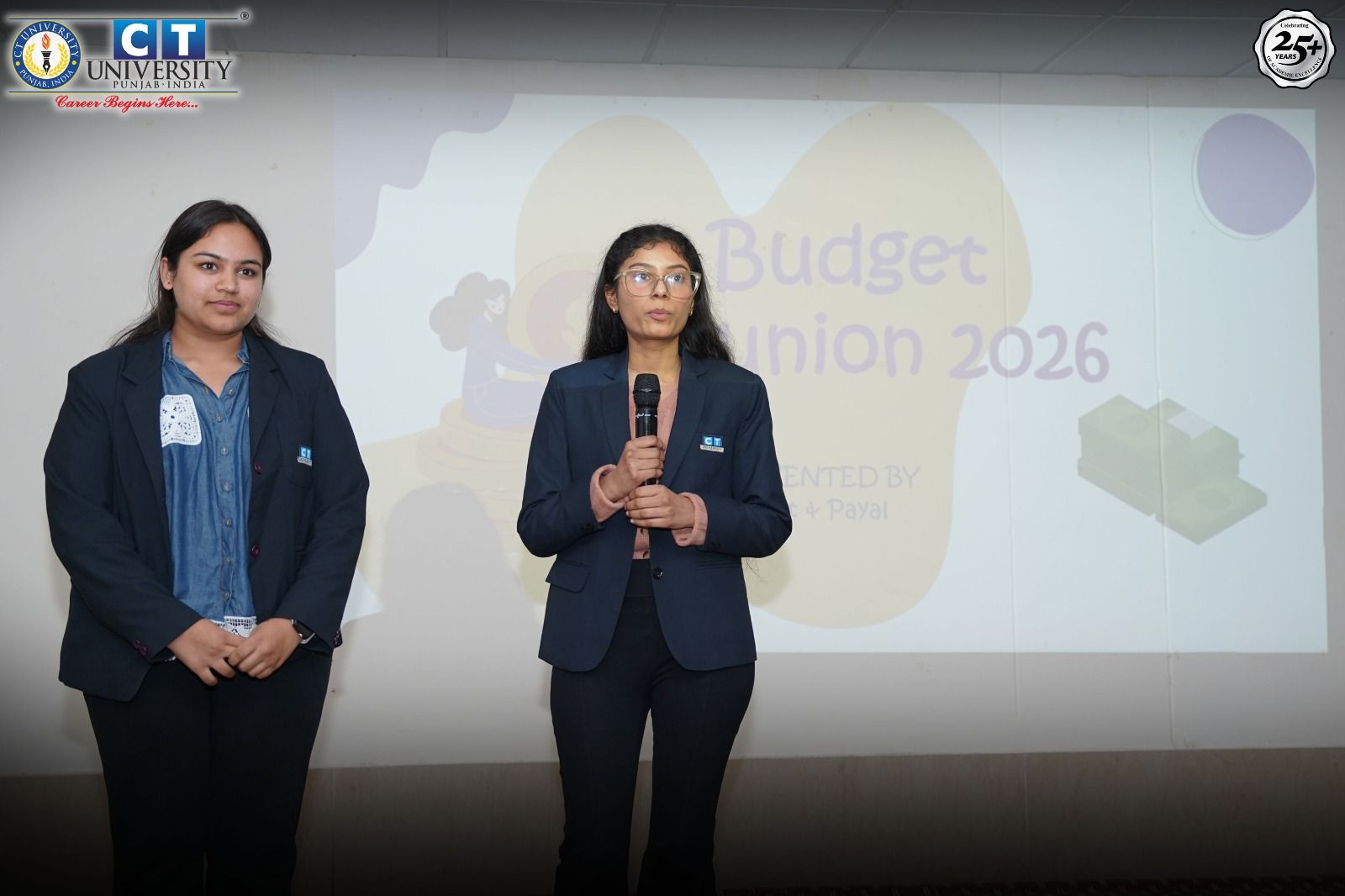
05 Feb, 2026
The School of Management Studies successfully organized “CT Sabha – Budget Pe Charcha 2026” on 5th February 2026 at A2 Seminar Hall, bringing together 155 enthusiastic students from BBA, B.Com (Hons.), and MBA programs. The event served as an interactive platform where students presented insightful analyses and diverse perspectives on the Union Budget 2026. Evaluated by Dr. Ishu Gupta, Assistant Professor, School of Law, the presentations showcased strong analytical abilities, critical thinking, and in-depth understanding of economic policies. The judge appreciated the students’ efforts and provided valuable feedback to enhance their academic and professional skills. The event not only deepened students’ understanding of the budget and its sectoral impact but also strengthened their research, communication, and presentation competencies. The Best Presentation Award recognized outstanding performers, motivating participants to strive for excellence. Overall, the activity fostered awareness of national economic developments, encouraged active participation, and contributed to confidence building and collaborative learning among students.
24 Feb, 2026
The School of Management Studies at CT University successfully organized an insightful session titled “Empowering the Next Generation with Financial Wisdom” on 24th February 2026 at A2 Seminar Hall. The event witnessed active participation from 155 students of BBA, B.Com (Hons.), and MBA programs. Conducted by the expert team from Findoc—Mr. Nitesh Garg (Head: Retail), Mr. Ujjwal Kumar (Head of CX), and Mr. Pranav Kapil (Product Head)—the session focused on building financial awareness among students. The event was divided into two impactful sessions: Stock Market Bootcamp and Youth Entrepreneurship with Financial Literacy. In the Stock Market Bootcamp, students gained practical insights into stock market fundamentals and smart investment strategies. The second session inspired students to develop an entrepreneurial mindset supported by strong financial literacy, emphasizing the importance of informed financial decision-making from an early stage. The session effectively bridged the gap between theoretical knowledge and real-world financial practices. It enhanced students’ understanding of financial planning, responsible investing, and entrepreneurship, equipping them with essential skills to become financially aware, confident, and future-ready professionals.
12 Feb, 2026
The Department of Management Studies successfully organized a Professor of Practice session on 12th February 2026 at A2 Seminar Hall, centered around the theme “Money Matters: How Funding Decides the Fate of Startups.” The session was attended by 120 students, providing them with valuable exposure to real-world financial dynamics in entrepreneurship. The session was delivered by Mr. Ajay Kumar Bharti, Founder of Launchpad Finserv and Independent Director at New Swan Multitech Ltd., who brought rich industry experience and practical insights into startup financing. He elaborated on how funding plays a crucial role in shaping the success and sustainability of startups, highlighting key aspects such as fundraising strategies, investor expectations, financial discipline, and challenges faced by emerging ventures. The interactive nature of the session enabled students to connect theoretical knowledge with practical applications. Participants gained a deeper understanding of funding stages, financial planning, and effective fund management, which are essential for entrepreneurial success. Overall, the session enhanced students’ entrepreneurial mindset, strengthened their financial decision-making abilities, and fostered meaningful industry-academia interaction, preparing them for real-world business challenges.
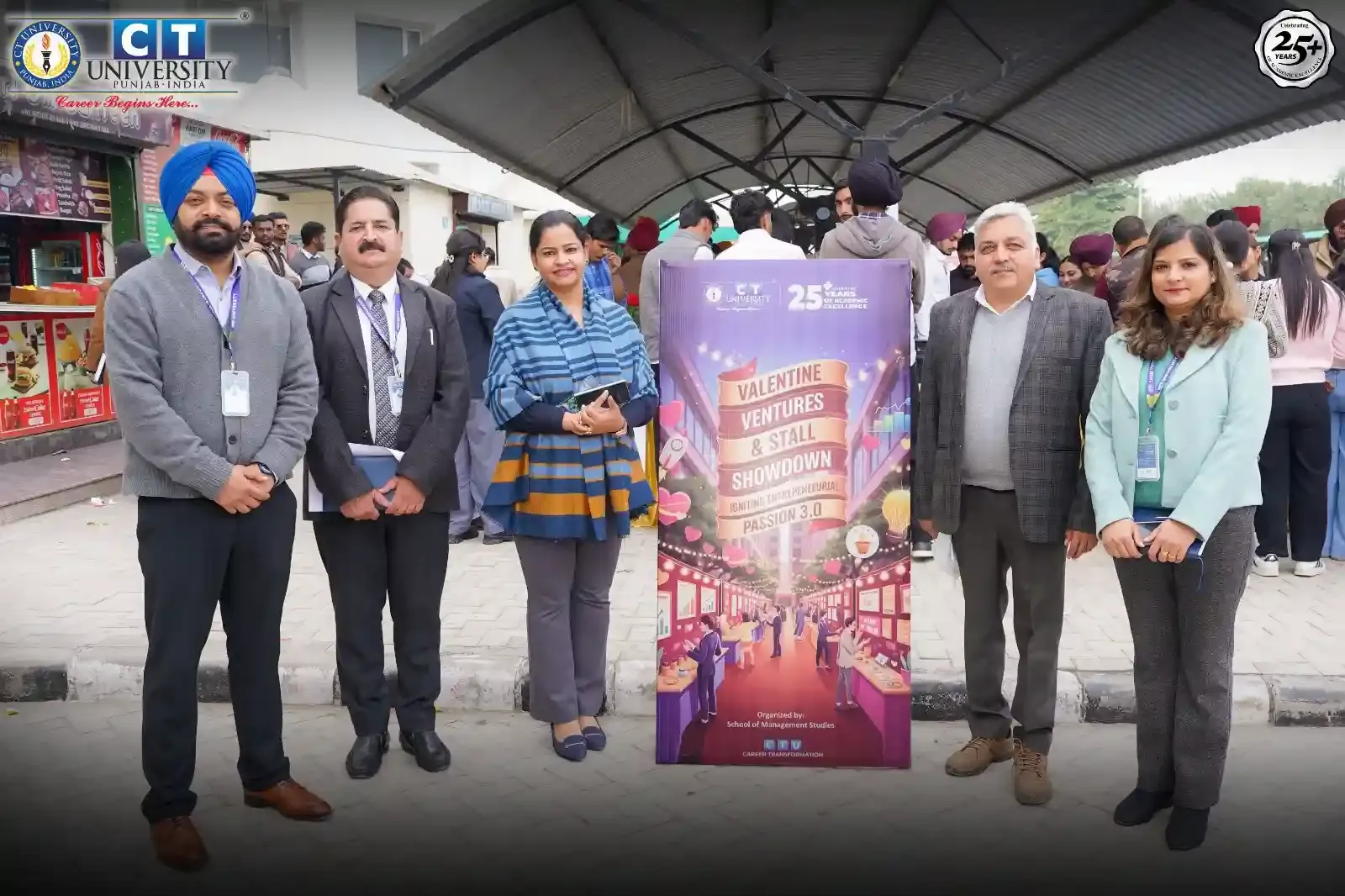
09 Feb, 2026
The School of Management Studies at CT University successfully organized “Valentine Ventures & Stall Showdown: Igniting Entrepreneurial Passion 3.0” on 9th February 2026 at the Ground Floor, Canteen Area. The event witnessed enthusiastic participation from 44 students, transforming the campus into a vibrant marketplace of innovative ideas and business concepts. Students showcased their entrepreneurial skills by setting up creative stalls, promoting unique products and services, and engaging directly with customers. The lively atmosphere reflected their marketing abilities, creativity, and business acumen, making the event both engaging and experiential. The activity provided hands-on exposure to real-world business practices, helping students develop essential skills such as teamwork, communication, pricing strategies, customer handling, and promotional techniques. It also encouraged innovation and critical thinking as participants worked to attract and retain customers. Overall, the event served as an excellent experiential learning platform, enabling students to apply theoretical knowledge in practical settings while boosting their confidence, decision-making abilities, and entrepreneurial spirit.
12 Mar, 2026
The Corporate Resource Cell, CT University organized an educational visit for BBA (2025 D, E, F) students to the Munjal Birmingham Centre for Innovation and Entrepreneurship on March 12, 2026. The visit, attended by 100 students, offered an enriching experience focused on innovation, entrepreneurship, and emerging technologies. During the session, students were introduced to cutting-edge domains such as Augmented Reality (AR), Virtual Reality (VR), gaming, and Artificial Intelligence (AI). The exposure highlighted the growing significance of India’s Orange Economy and the increasing role of creative and digital industries in shaping future careers. A key highlight of the visit was the hands-on experience in advanced AR and VR laboratories, where students explored immersive technologies and their real-world applications. The interaction with experts further deepened their understanding of innovation-driven industries. The concluding address emphasized the importance of interdisciplinary learning, skill development, and adaptability in today’s rapidly evolving technological landscape. Overall, the visit inspired students to explore new career opportunities in technology and entrepreneurship while strengthening their practical knowledge and innovative mindset.
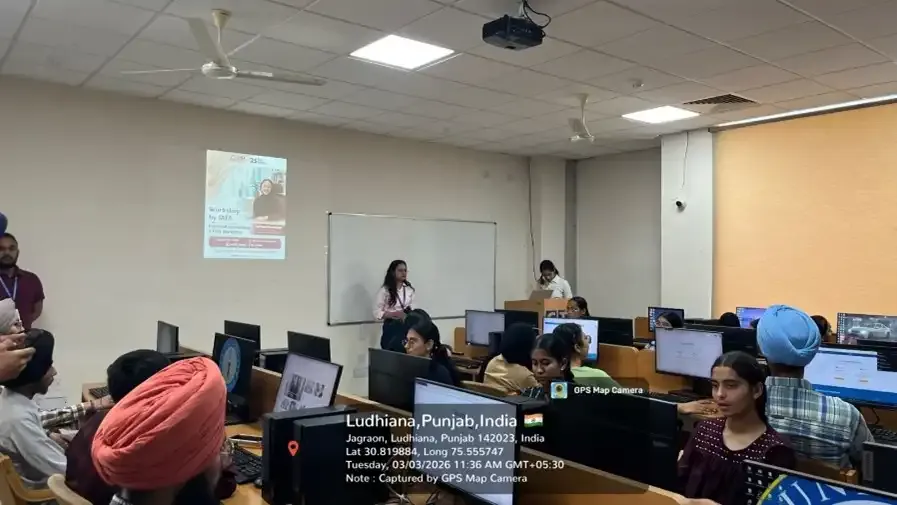
03 Mar, 2026
The School of Management Studies successfully conducted a Practical Accounting and Tally Workshop on 3rd March 2026 in Lab 6, engaging 100 students through two batches of one hour each. The workshop was designed to provide hands-on exposure to computerized accounting and bridge the gap between theoretical concepts and practical application. The session was led by Ms. Shivani Bhardwaj, Technical Faculty (Accounts & Finance), who guided students on using TallyPrime for recording financial transactions, creating accounts, managing banking entries, and generating financial statements. Students were also introduced to payroll management, including employee records, salary processing, and payroll calculations. Through interactive demonstrations and practical exercises, participants gained real-world insights into accounting practices and developed essential technical skills required in finance and accounting careers. Overall, the workshop enhanced students’ proficiency in accounting software, strengthened their practical knowledge, and boosted their confidence and employability, preparing them for professional roles in the finance domain.
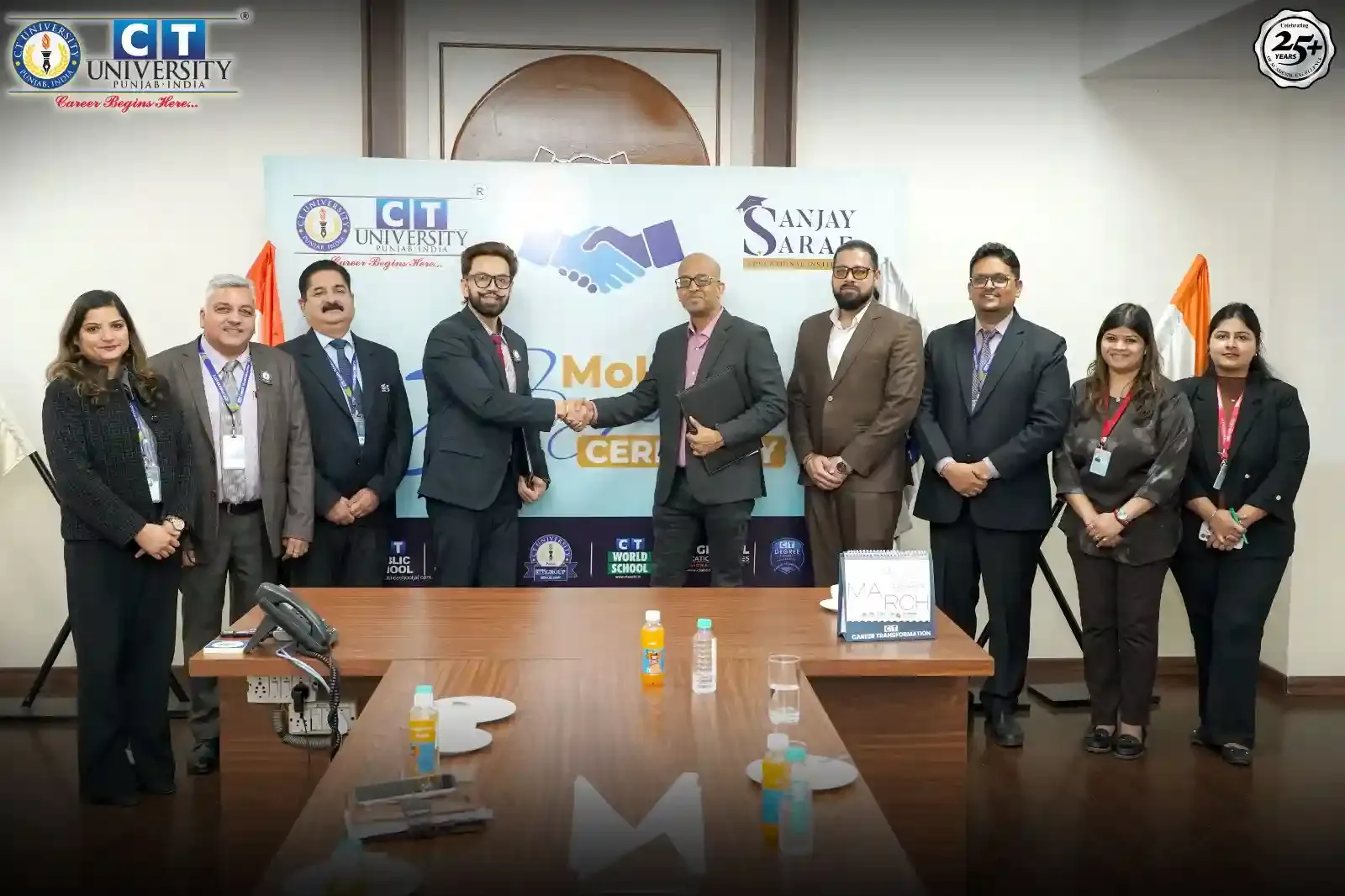
18 Mar, 2026
CT University, Ludhiana, signed a strategic Memorandum of Understanding with Sanjay Saraf Educational Institute on 18 March 2026 to introduce an industry-integrated BBA/B.Com (CFA) program. This collaboration is designed to seamlessly blend academic learning with professional financial training, enabling students to gain real-world exposure alongside classroom knowledge. The program focuses on preparing students for the Chartered Financial Analyst (CFA) Program Level I and Level II examinations, while equipping them with industry-relevant skills and a strong foundation in global finance. By integrating practical expertise with theoretical concepts, the initiative aims to enhance employability and open diverse career opportunities in finance and investment sectors. The MoU was formalized in the presence of Dr. Manbir Singh, Pro-Chancellor, along with representatives from SSEI and senior faculty members including Dr. Pankaj Jain, Prof. Harvinder Singh, Dr. Kamalpreet Kaur, Ms. Manisha Sood, and Ms. Diksha Taneja. This partnership marks a significant step toward bridging the gap between academia and industry, nurturing future-ready finance professionals equipped to excel in a competitive global environment.
02 Jan, 2026
Final-year MBA, BBA and B.Com students from the School of Management Studies are currently undertaking internships from January to June 2026 as an integral part of their academic curriculum. These internships provide students with valuable practical exposure and help them apply the theoretical knowledge gained in classrooms to real industry situations. Through this experience, students develop professional skills, understand workplace dynamics, and gain insights into different business functions. The students have been placed in reputed organizations such as Shivsofts, McDonald’s, Vedantu, Hind Terminals, Credfin, Tommy Hilfiger, Decathlon, Paras Spices, Nestlé, DMC Hospital, DNA Growth, CA firms, Fitelo, etc. In addition, some international interns are gaining global exposure through internships in countries like Zimbabwe, Dubai, Zambia, Sudan and Lusaka. This hands-on industry experience plays a crucial role in enhancing students’ employability and preparing them to become competent professionals in their respective fields.

15 Jan, 2026
Pre-final year students of BBA and B.Com from the School of Management Studies recently completed their internship with Reliance from 15th January to 30th January 2026 to gain practical exposure to marketing and retail store management. During this internship, students were placed at various Reliance outlets, including Reliance Smart, Reliance Mart, and Reliance Trends. The internship provided them with hands-on experience in managing day-to-day retail operations such as inventory handling, store management, customer interaction, billing processes, and product display. Through this industry exposure, students developed a better understanding of retail marketing strategies, supply chain coordination, and customer service practices. This practical training helped them connect classroom learning with real-world retail operations and enhanced their professional skills, preparing them for future careers in the marketing and retail management sectors.
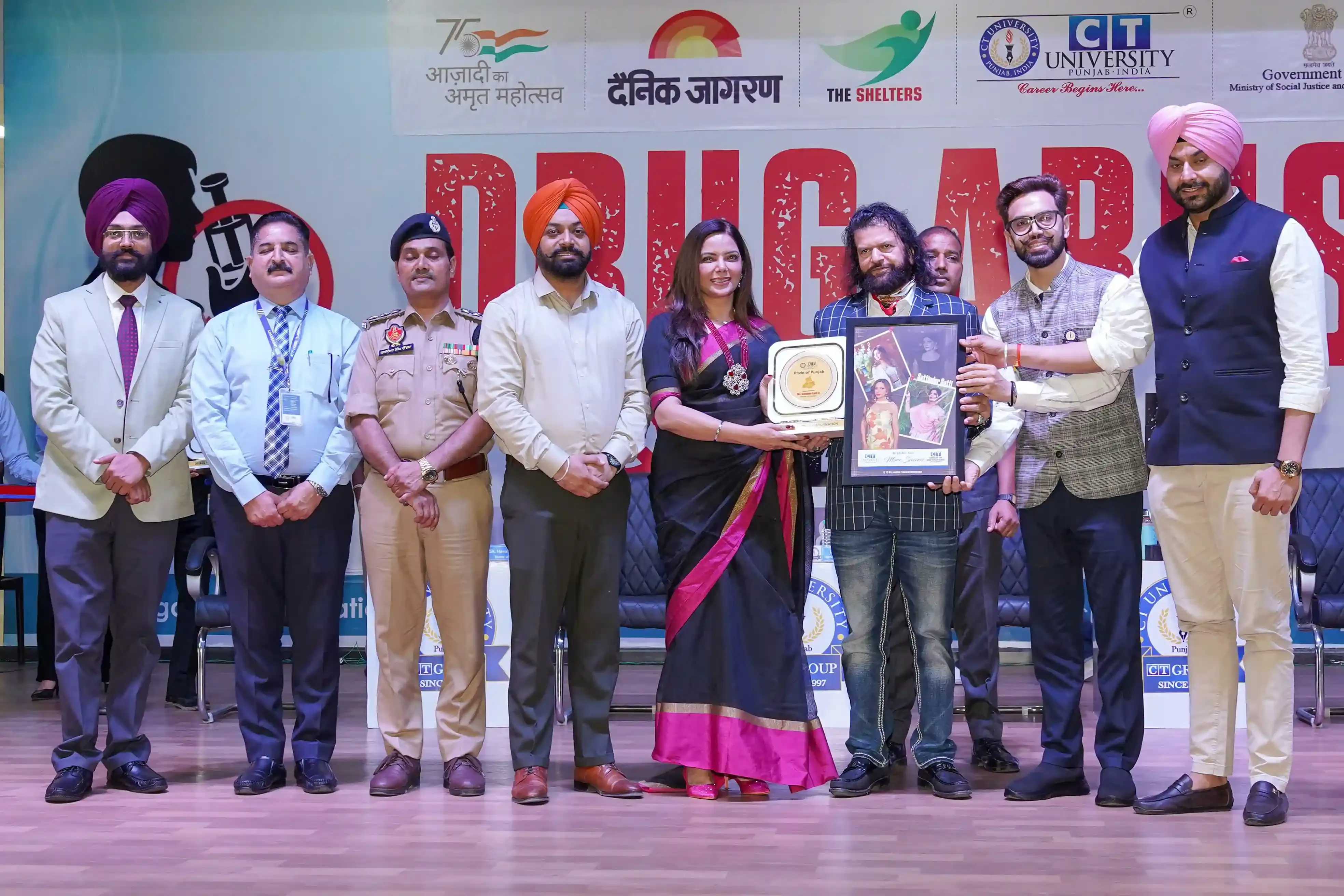
18 Apr, 2026
CT University, in collaboration with the National Institute of Social Defence (NISD), Ministry of Social Justice & Empowerment, Government of India, and The Shelters, successfully organized an impactful Awareness Generation Program on Drug Abuse Prevention for university students.The event was graced by eminent personalities including Padma Shri awardee and former Member of Parliament Hans Raj Hans; S. Sukhwinder Bindra, Special Member, General Council, NISD; Satinder Satti, Director of The Shelters; DSP Jaswinder Singh; and Amanpreet Kaur, Psychologist.Their presence added immense value to the initiative as they shared powerful insights, real-life experiences, and motivational perspectives that deeply resonated with the students.Addressing the gathering, Hans Raj Hans emphasized the critical role of youth in shaping a drug-free society and encouraged students to stay focused on their goals while making responsible life choices.DSP Jaswinder Singh also highlighted the growing challenges of drug abuse at the grassroots level and urged students to stay vigilant, informed, and committed to a healthy and disciplined lifestyle.Psychologist Amanpreet Kaur stated:“Drug abuse is not just a social issue but also a psychological concern. It often stems from stress, peer pressure, or lack of awareness. It is important for young individuals to prioritize their mental well-being, seek support, and develop healthy coping mechanisms.”The session focused on sensitizing young minds about the harmful effects of drug abuse, while promoting awareness, informed decision-making, and a culture of well-being and responsibility.The program also witnessed the presence of key university officials including Registrar Sanjay Khanduri and Director DSW Sanjay Khanduri.Pro Chancellor, Dr. Manbir Singh, stated:“At CT University, we believe in holistic development. Along with academic excellence, shaping responsible and aware citizens is our priority. Programs like these empower students to make informed and positive life choices.”Hans Raj Hans said:“Youth are the backbone of our nation, and their choices shape the future of society. Staying away from drugs is not just a personal responsibility but a commitment to the nation. I urge every young individual to choose a path of discipline, purpose, and positivity.”The event concluded with an engaging interactive session between the dignitaries and students, reaffirming CT University’s commitment to fostering socially responsible individuals and contributing actively towards building a drug-free society.
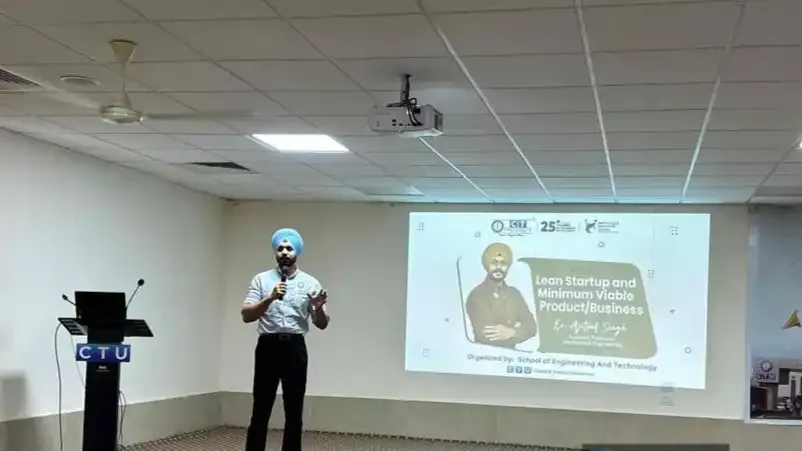
20 Aug, 2025
The School of Engineering and Technology successfully organized an expert talk session on "Lean Startup and Minimum Viable Product/Business" on 20th August 2025. The session was designed to equip students with contemporary entrepreneurial knowledge and inspire a mind-set of innovation and efficient business development. The primary objective was to introduce engineering students to a modern, iterative approach for launching new ventures, which is highly relevant in today's fast-paced technological landscape. About the SpeakerThe session was led by the esteemed Mr. Ajitpal Singh, an Assistant Professor from the Mechanical Engineering Department at CT University, Ludhiana. With his academic background and a keen interest in modern business methodologies, Mr. Singh brought a unique perspective that effectively bridged the gap between technical engineering and practical business strategy. His expertise was instrumental in making complex entrepreneurial concepts accessible and engaging for the student audience.Objectives of the SessionThe key objectives of this expert talk were:To introduce the core principles of the Lean Startup methodology.To explain the concept, importance, and characteristics of a Minimum Viable Product (MVP).To illustrate how to validate business ideas with minimal resources and reduced risk.To encourage students to move from ideation to action by adopting a practical, customer-centric approach.To inspire an entrepreneurial culture within the School of Engineering and Technology.Session ProceedingsThe session commenced at 2:30 PM with a welcome address by Prof. Arvind Kumar, HoS- Engineering and Technology and a brief introduction of the guest speaker. The A2 Seminar Hall was well-attended by students and faculty members from various engineering disciplines.Mr. Ajitpal Singh began his talk by contrasting the traditional "waterfall" model of business development with the agile and iterative framework of the Lean Startup. He emphasized that the goal of a startup is not just to build a product, but to build a sustainable business. Key topics covered during the session included:The Build-Measure-Learn Feedback Loop: Mr. Singh explained this core component of the Lean methodology, highlighting the importance of quickly building a basic product, measuring customer reactions, and learning from the data to either "pivot" (change direction) or "persevere" (continue on the current path).Defining the Minimum Viable Product (MVP): He provided a clear definition of an MVP as the version of a new product that allows a team to collect the maximum amount of validated learning about customers with the least effort. He used compelling real-world examples from companies like Dropbox, Zappos, and Airbnb to illustrate how successful startups used simple MVPs to test their core assumptions.Validated Learning: The speaker stressed the importance of validated learning over vanity metrics, explaining that true progress for a startup is measured by what has been learned about the customer and the market.The Minimum Viable Business (MVB): Expanding on the MVP concept, Mr. Singh discussed how to create a "Minimum Viable Business"—the simplest version of a business that can generate real value and revenue, proving the business model's viability from an early stage.The session was highly interactive, with Mr. Singh encouraging questions and discussions throughout. The presentation was followed by a dynamic Q&A segment where students raised insightful queries about applying these concepts to their own project ideas, funding challenges, and market validation techniques. Key Takeaways and OutcomesThe session provided immense value to the attendees. The key takeaways wereA clear understanding of the Lean Startup principles and their advantages over traditional business models.Practical knowledge on how to conceptualize, define, and build a Minimum Viable Product.A deeper appreciation for the role of customer feedback and data in shaping product development.Motivation and confidence for students to pursue their innovative ideas without the need for massive initial investment. ConclusionThe expert talk on "Lean Startup and Minimum Viable Product/Business" was a resounding success. It effectively met its objectives by delivering insightful, practical, and inspiring content. Mr. Ajitpal Singh's engaging delivery and real-world examples demystified complex business concepts for the engineering students. The School of Engineering and Technology is grateful to Mr. Singh for sharing his valuable time and expertise. Such sessions are crucial for fostering the next generation of innovators and entrepreneurs.
16 Apr, 2025
The Department of Mechanical Engineering conducted a workshop on "Prototype/Process Design and Development" on 16th April 2025 at the A2 Seminar Hall. The session focused on core aspects of modern design methodologies, such as Computer-Aided Design (CAD), Computer-Aided Manufacturing (CAM), entrepreneurship and prototype development.The workshop aimed to bridge the gap between academic knowledge and industrial application by incorporating interactive video lectures and practical case studies. These methods provided participants with a comprehensive understanding of the design-to-production process, including topics like process planning, rapid prototyping technologies, and design validation techniques. ObjectivesTo familiarize students with the fundamentals of process and prototype design.To introduce modern tools and techniques in CAD and CAM.To demonstrate the application of theoretical knowledge in real-world product development.To enhance practical understanding through video-based learning and case studies. Workshop HighlightsEngaging video lectures that provided visual demonstrations of CAD/CAM workflows.Real-world case studies discussed by Dr. Singh to connect theory with application.Live demonstrations and walkthroughs of prototype development processes.Interactive Q&A sessions that encouraged active student participation.Participation of over 70 students and 06 faculty membersDistribution of digital resources and reading materials for further learning. ConclusionThe workshop successfully fulfilled its goal of equipping students with foundational and practical insights into prototype and process design. It served as an effective platform to integrate academic learning with industry-relevant practices. The interactive format included quiz sessions with hands-on exercises which helped participants gain valuable insights.
18 Apr, 2026
The Department of Civil Engineering successfully organized its Third Survey Camp at Dharampur, Kasauli from 11th April 2026 to 18th April 2026. The camp aimed to provide practical exposure to students in the field of surveying, which is an essential component of civil engineering. During the camp, students were trained in the use of various surveying instruments such as theodolite, total station, and leveling equipment. They carried out different field exercises including contour mapping, leveling, and traversing under the guidance of faculty members. The camp also helped students develop teamwork, leadership, and problem-solving skills while working in real site conditions. The pleasant surroundings of Dharampur added to the overall learning experience. Such initiatives bridge the gap between theoretical knowledge and practical application, preparing students for real-world engineering challenges. The camp was highly informative, interactive, and beneficial for all participating students.
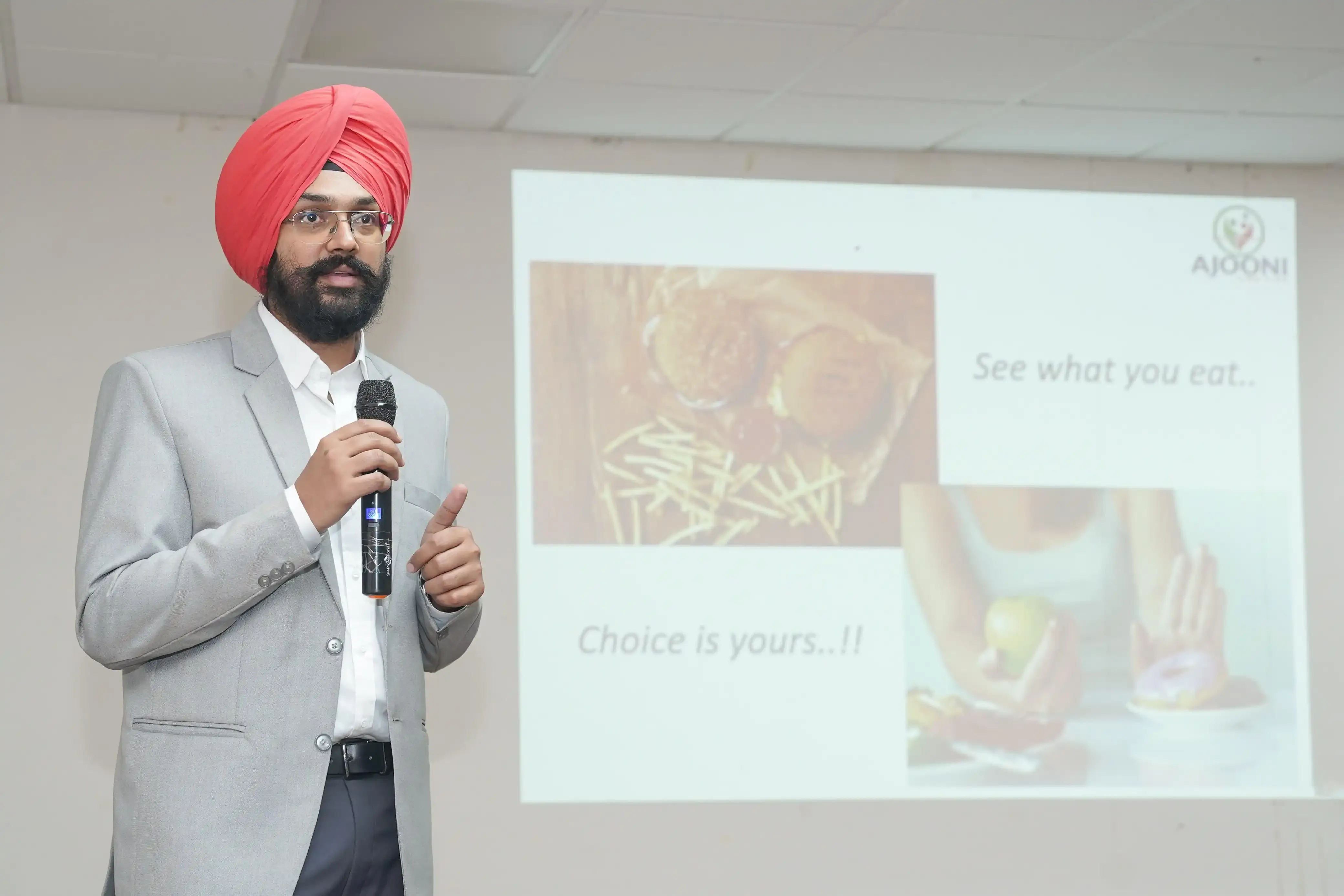
20 Apr, 2026
The School of Allied and Healthcare at CT University successfully organized an insightful expert talk on the occasion of World Liver Day, focusing on the importance of liver health and raising awareness about organ donation.The session was delivered by Dr. Gursagar, Chief Liver Transplant Surgeon, DMCH, who shared valuable insights on maintaining a healthy liver through proper lifestyle choices.He emphasized the growing need for organ donation and encouraged students and faculty to contribute towards this noble cause.His session provided in-depth knowledge about liver diseases, preventive measures, and the life-saving impact of timely transplantation.Students actively participated in the session, making it highly interactive and engaging. The expert addressed a wide range of queries during the question-and-answer round, offering clarity on common concerns related to liver health and transplant procedures.Adding a meaningful conclusion to the event, all attendees took a pledge for organ donation, reinforcing the spirit of saving lives and contributing to society. The event proved to be highly informative and inspiring, leaving a lasting impact on everyone present.The event was graced by esteemed members of the management, including Chancellor, S. Charanjit Singh Channi; Dr. Sampy Duggal, Director Administration-cum-Principal, School of Allied & Healthcare Sciences; Dr. Vir Vikram, Head of School, School of Pharmacy and Director DSW; and Er. Davinder Singh.Pro Chancellor Dr. Manbir Singh Emphasizes the Importance of Organ DonationPro Chancellor, Dr. Manbir Singh, appreciated the initiative and highlighted the crucial role of awareness programs in shaping responsible citizens. He stated that educating young minds about organ donation can significantly bridge the gap between demand and availability of organs, ultimately saving countless lives. He further encouraged students to adopt healthy lifestyles and become ambassadors of such social causes.Vice Chairman Harpreet Singh Encourages Youth to Lead Social ChangeVice Chairman, Harpreet Singh, lauded the efforts of the organizing team and emphasized that youth play a pivotal role in driving societal change. He remarked that such awareness campaigns not only educate but also inspire individuals to take meaningful actions. He urged students to actively participate in initiatives that promote health, well-being, and humanitarian values.
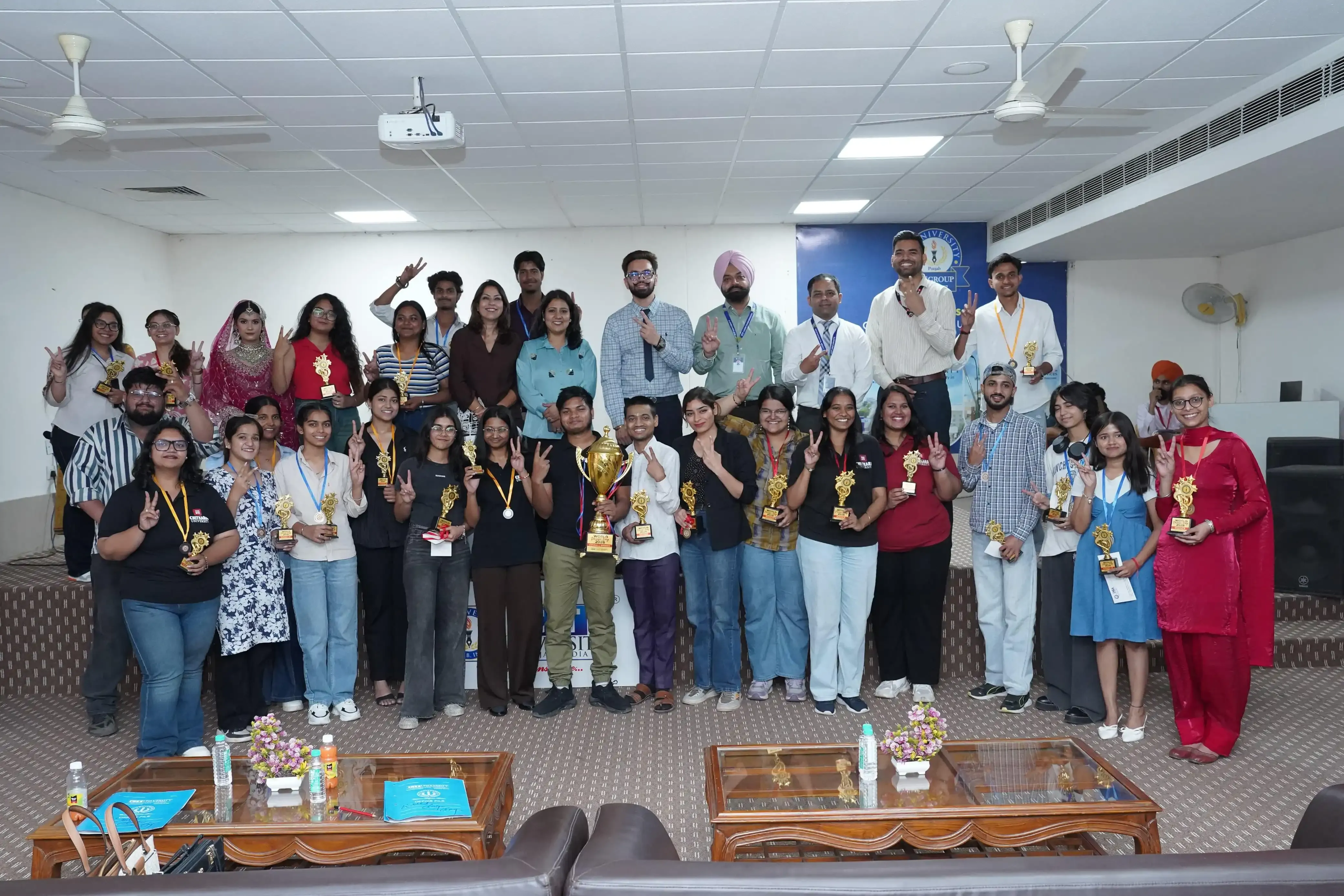
27 Apr, 2026
The School of Design and Innovation at CT University celebrated World Design Day 2026 with great enthusiasm and artistic spirit through a dynamic inter-university competition themed “One Day. One Vision. Unlimited Creativity.”The event brought together more than 100+ students from prestigious institutions including Chandigarh University (CU), Punjab Agricultural University (PAU), Chitkara University, Lovely Professional University (LPU), Rayat Bahra University, and CT University.Participants competed across 10 diverse and creatively stimulating categories such as Rangoli, Photography, Revamp Your Denim, Nail Artistry, Hair & Makeup, Short Films, Poster Making, Digital Art, Mehndi, and Loop Designing.The event provided a platform for budding designers and artists to express their imagination, technical skills, and unique perspectives.The competition was evaluated by a distinguished jury comprising Monica, Regional Trainer (North), and Mandeep Kaur, CEO of Paulman Art Design Studio, who appreciated the originality and quality of work presented by the participants.Collaboration, Creativity, and Institutional Vision at the CoreOrganized under the guidance of Monu Sharma, Head of the School of Design and Innovation, the event witnessed enthusiastic participation from students of Multimedia & Animation, Fashion Design, and Beauty & Wellness departments.A special highlight of the celebration was the collaborative effort by students from all three departments in designing and decorating the venue floor with visually captivating installations, truly reflecting the spirit of World Design Day.With a total prize pool of ₹31,000, the event not only recognized excellence but also encouraged innovation and interdisciplinary collaboration among students.Expressing his views on the occasion, Pro Chancellor Dr. Manbir Singh stated,“World Design Day is a celebration of creativity that shapes the future. At CT University, we strive to nurture an environment where innovation thrives and young minds are empowered to think beyond boundaries. Such events play a crucial role in developing holistic designers who can contribute meaningfully to society.”Sharing his thoughts, Monu Sharma, Head of the School of Design and Innovation, said,“This event reflects our commitment to fostering creativity, collaboration, and practical learning. The diverse participation and exceptional talent displayed by students reaffirm our belief in the transformative power of design education.”The School of Design and Innovation extended heartfelt gratitude to the management of CT University for their unwavering support and vision, which made this vibrant celebration a grand success.
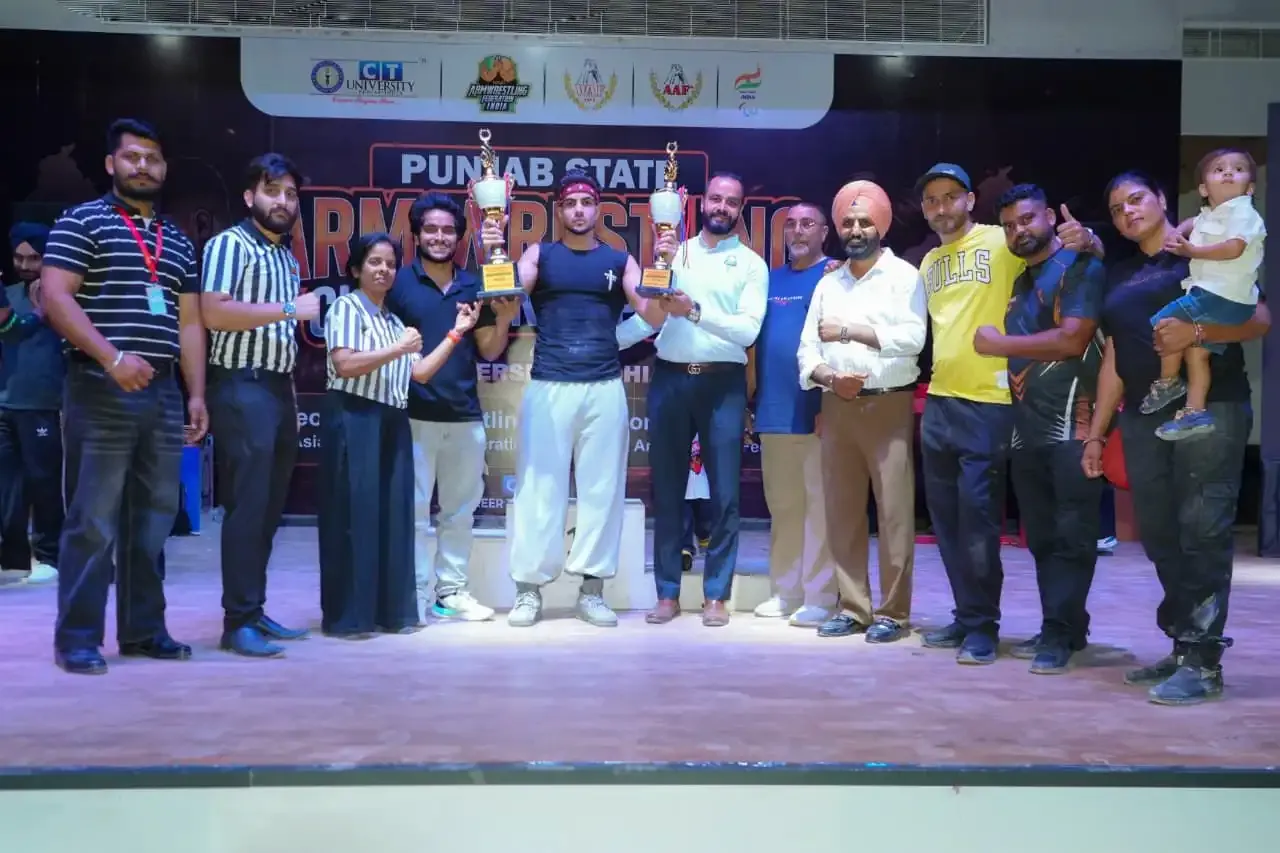
01 May, 2026
CT University proudly hosted the Punjab State Arm Wrestling Men & Women Championship 2026 in collaboration with People’s Armwrestling Federation India (PAFI), bringing together strength, determination, and competitive spirit under one roof.The championship witnessed enthusiastic participation from 130 athletes competing across Sub-Junior, Junior, Youth, and Senior categories, reflecting the rising sporting culture in the region.The event was formally inaugurated by Parvinn Dabass, Co-Founder of the Pro Panja League, Chief Advisor of PAFI, and a noted Bollywood actor.He was joined by Harpreet Singh, Vice Chairman of CT University; Er. Davinder Singh, Director – DSW; and Gurdeep Singh, Head of Sports, whose presence added prestige and encouragement to the participants.The competition showcased remarkable talent and resilience, with participants displaying exceptional strength and sportsmanship throughout the event. The coveted Champion of Champions titles were awarded as follows:* Varun emerged victorious in the Sub-Junior category* Deepak clinched the Junior title* Harkomal Singh Gill, a student of CT University, dominated both the Youth and Senior categories, marking an outstanding achievement for the institutionLeadership Applauds Athletes and Highlights Commitment to Sports DevelopmentDr. Manbir Singh, Pro Chancellor of CT University, commended the efforts of all participants and organizers, stating that such championships play a crucial role in nurturing young talent and promoting a culture of fitness and discipline among youth. He emphasized that the university remains committed to providing a platform for students to excel not only academically but also in sports at state and national levels.Gurdeep Singh, Head of Sports, also expressed pride in the successful event, highlighting the dedication and performance of the athletes. He noted that the championship reflects the growing enthusiasm for arm wrestling as a competitive sport and reiterated the university’s vision to continue hosting high-quality sporting events that inspire and empower students.The championship concluded on a high note, celebrating strength, perseverance, and the spirit of healthy competition, further reinforcing CT University’s role as a hub for holistic development and sporting excellence.
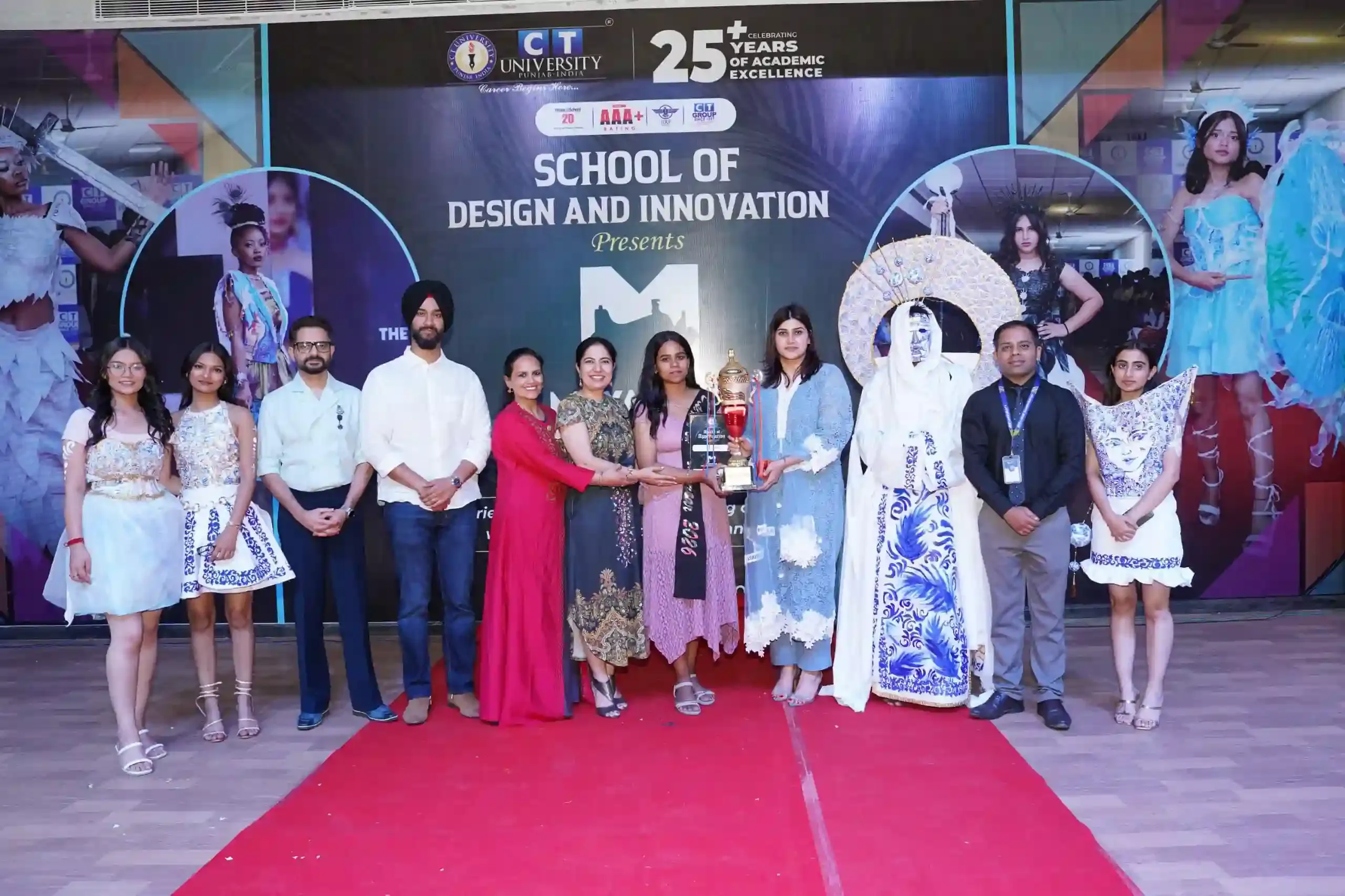
05 May, 2026
The School of Design and Innovation at CT University successfully organized its much-awaited annual fashion show, ‘MAYASSAR – The Designers Collection 2025-26’, celebrating creativity, innovation, and artistic excellence.The event brought together aspiring designers who presented a stunning blend of culture, storytelling, and contemporary fashion on the runway.Centered around the theme “Where Design Meets Destiny,” the showcase featured a wide spectrum of imaginative collections such as Sacred Lotus, Veils of Vengeance, Afro Denim Fusion, African Tribe, Thorns and Blood, and Blush Blossom, among others.Each collection reflected bold experimentation, unique narratives, and a deep understanding of design aesthetics, highlighting the students’ ability to merge emotion with modern fashion sensibilities.The event was graced by the esteemed presence of Pro Chancellor Dr. Manbir Singh, Co Vice Chairperson Advocate Manjinder Kaur, Director DSW Er. Davinder Singh and Monu Sharma, Head of the School of Design and Innovation.Their encouragement and support added prestige to the occasion and played a crucial role in shaping the event’s success.An esteemed panel of jury members, including Talwinder Singh from Manjot Creations, renowned designer Rachit Khanna, owner of Turquoise Studio, and Dr. Harpreet and Dr. Simerjeet from KMV Jalandhar, evaluated the collections. Their expert insights and constructive feedback enriched the experience for all participants.Winners of MAYASSAR 2025-26* Designer of the Year: Taranpreet – Porcelain Kintsugi* 1st Runner-Up: Owen – African Tribe* 2nd Runner-Up: Tanvi – Thorns and BloodLeadership SpeaksPro Chancellor Dr. Manbir Singh appreciated the students’ innovation and creativity, stating that such platforms not only showcase talent but also prepare students for the dynamic fashion industry. He emphasized that CT University remains committed to fostering excellence and providing real-world exposure to its students.Co Vice Chairperson Advocate Manjinder Kaur commended the efforts of the students and faculty, highlighting that MAYASSAR reflects the university’s vision of nurturing creativity, confidence, and professional skills among young designers.
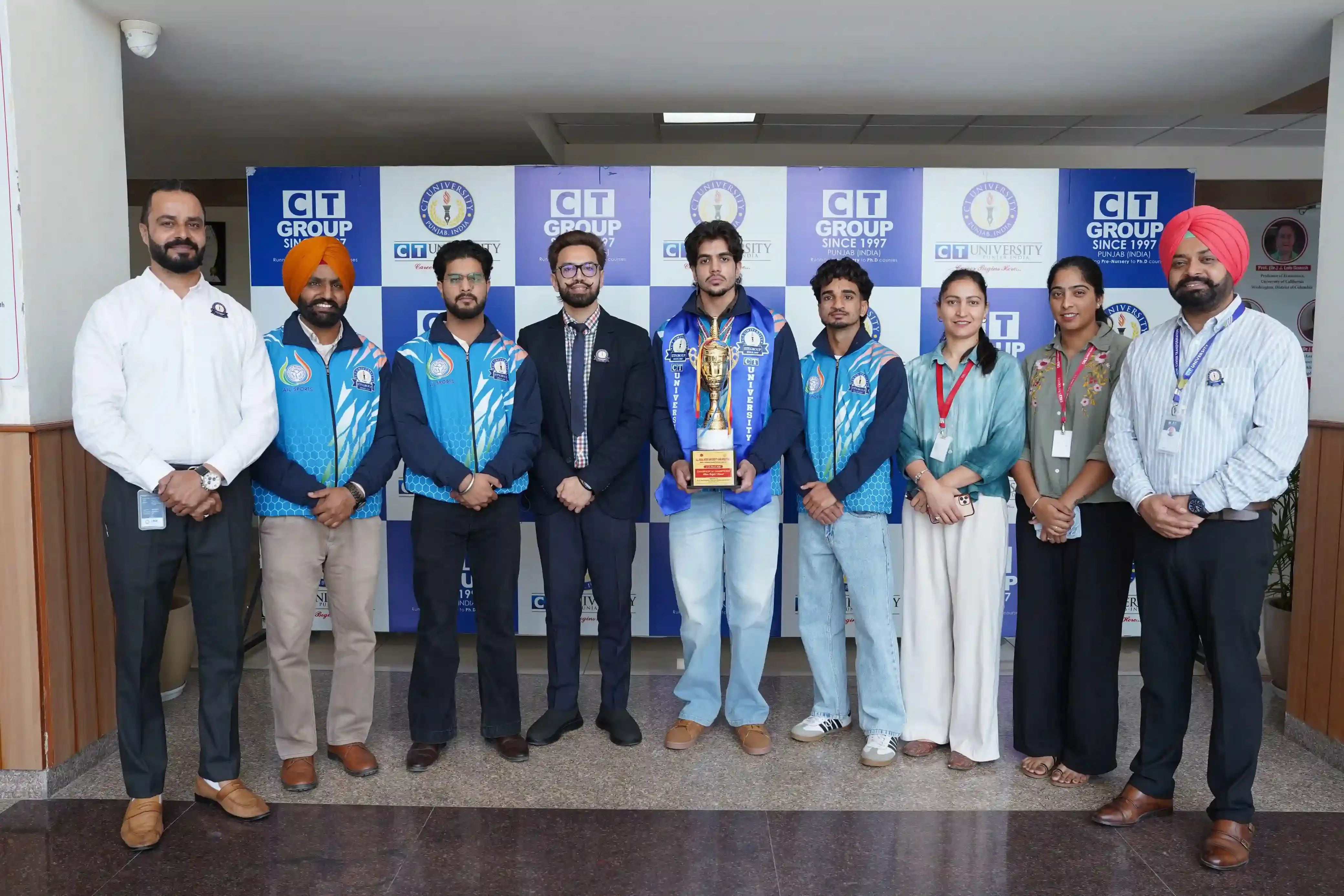
08 May, 2026
CT University has once again brought pride to the nation by delivering an exceptional performance at the prestigious AIU – All India Inter University Arm Wrestling Men Championship hosted by R.M.P.S. University.Showcasing extraordinary strength, determination, and sportsmanship, CT University’s talented athlete Harkomal Singh Gill secured remarkable victories in the 85 kg category by winning:* Gold Medal – Right Arm* Gold Medal – Left ArmAdding another glorious achievement to his journey, Harkomal Singh Gill was also awarded the highly prestigious “Champion of Champions” Trophy, a title earned after defeating the winners from all weight categories in the championship.His outstanding performance not only highlighted his individual excellence but also elevated CT University’s presence on the national sports stage.The championship witnessed participation from top universities across India, making the competition highly intense and competitive. Amidst the nation’s finest athletes, Harkomal Singh Gill displayed unmatched power, technique, and consistency throughout the tournament, emerging as one of the biggest highlights of the event.Congratulating the athlete on this historic accomplishment, Dr. Manbir Singh said:“Harkomal Singh Gill’s phenomenal achievement is a matter of immense pride for the entire CT University family. Winning double gold medals along with the prestigious ‘Champion of Champions’ Trophy at a national-level championship reflects his dedication, discipline, and relentless hard work. At CT University, we continuously encourage students to excel not only academically but also in sports and co-curricular activities. We congratulate him and wish him even greater success in the future.”Expressing his happiness over the achievement, Gurdeep Singh stated:“This victory is a testament to the rigorous training, commitment, and passion shown by Harkomal Singh Gill. Competing against the best arm wrestlers from universities across the country and emerging as the overall champion is truly commendable. Such achievements inspire other students to pursue excellence in sports and bring laurels to the university.”
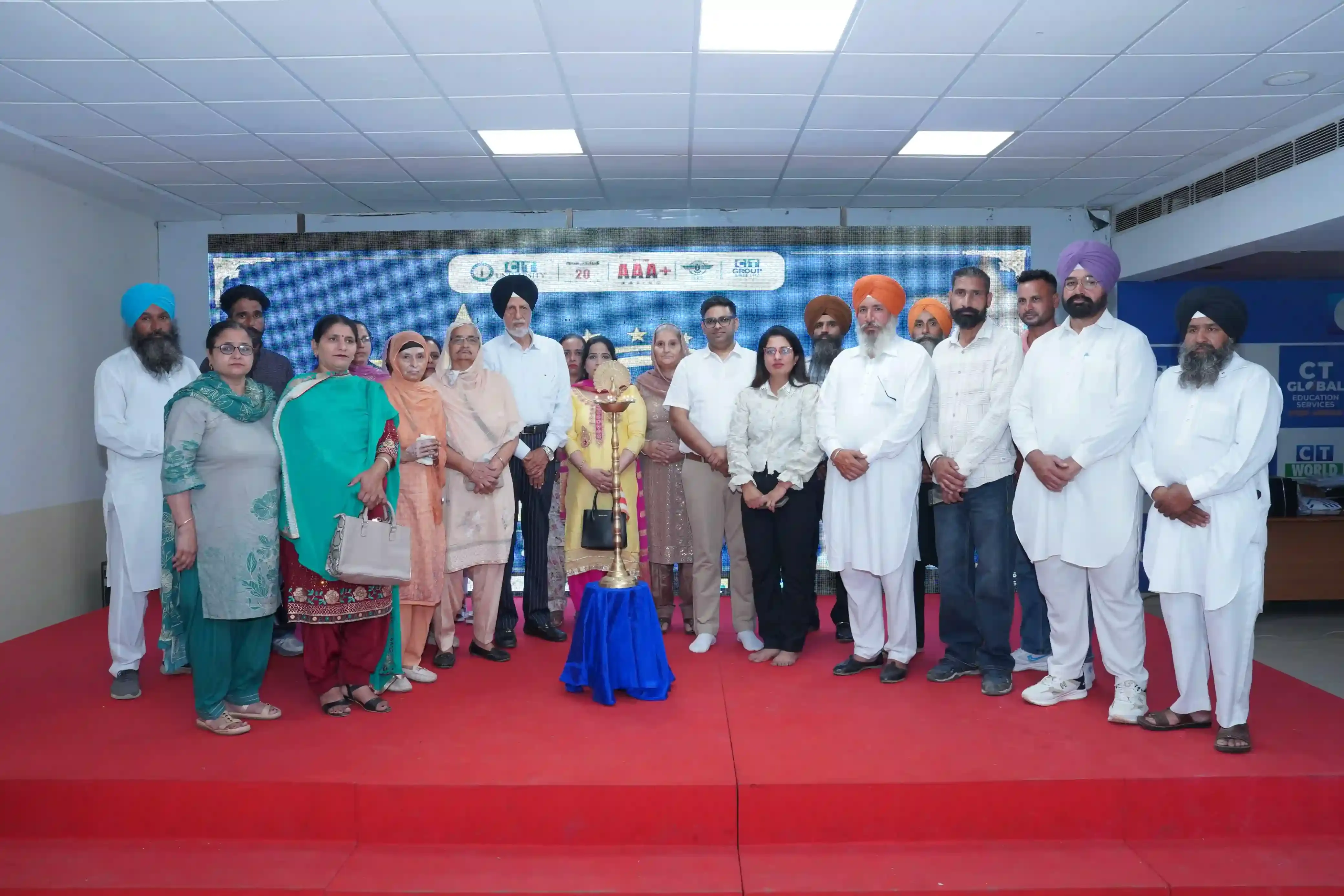
12 May, 2026
CT University has launched a comprehensive career guidance and development initiative for students after Class 12th, aimed at helping them choose the right career direction and become future-ready professionals.As part of the initiative, the university has introduced:* Psychometric Assessment & Career Counselling* 3-Week Foundation Program* Industry Exposure & Skill-Based Learning* Personality Development & Communication Training* Foreign Language Exposure* Hands-on Training in AI, Cyber Security, Drug Analytics & Emerging TechnologiesThe Psychometric Assessment will help students identify their strengths, interests, personality traits, hidden talents, and suitable career paths through expert guidance and one-on-one counselling sessions.The 3-Week Foundation Program is designed to provide practical exposure, confidence-building, communication skills, and understanding of real-world industries and workplace expectations. The program will be available in both online and offline modes.Students attending the offline program at the university campus will receive support related to accommodation, mentorship, safety, and campus engagement.The initiative also focuses on helping students smoothly transition from school life to university life while addressing challenges such as career confusion, communication barriers, confidence issues, and emotional uncertainty.Students who successfully complete the Foundation Program will also be honoured with the “Shining Star Felicitation”, recognizing their participation, learning achievements, and commitment towards personal and professional development.Speaking about the initiative, S. Charanjit Singh Channi said:“Our vision is to help students discover their true potential and prepare them for real-world success through practical learning, career guidance, and industry exposure.”Dr. Manbir Singh added:“This initiative bridges the gap between education and industry by providing hands-on exposure in future-oriented fields and skill-based learning from the beginning of a student’s academic journey.”Through this initiative, CT University aims to create awareness among students and parents about the importance of career planning, psychometric analysis, practical learning, and industry-oriented education in today’s competitive world.
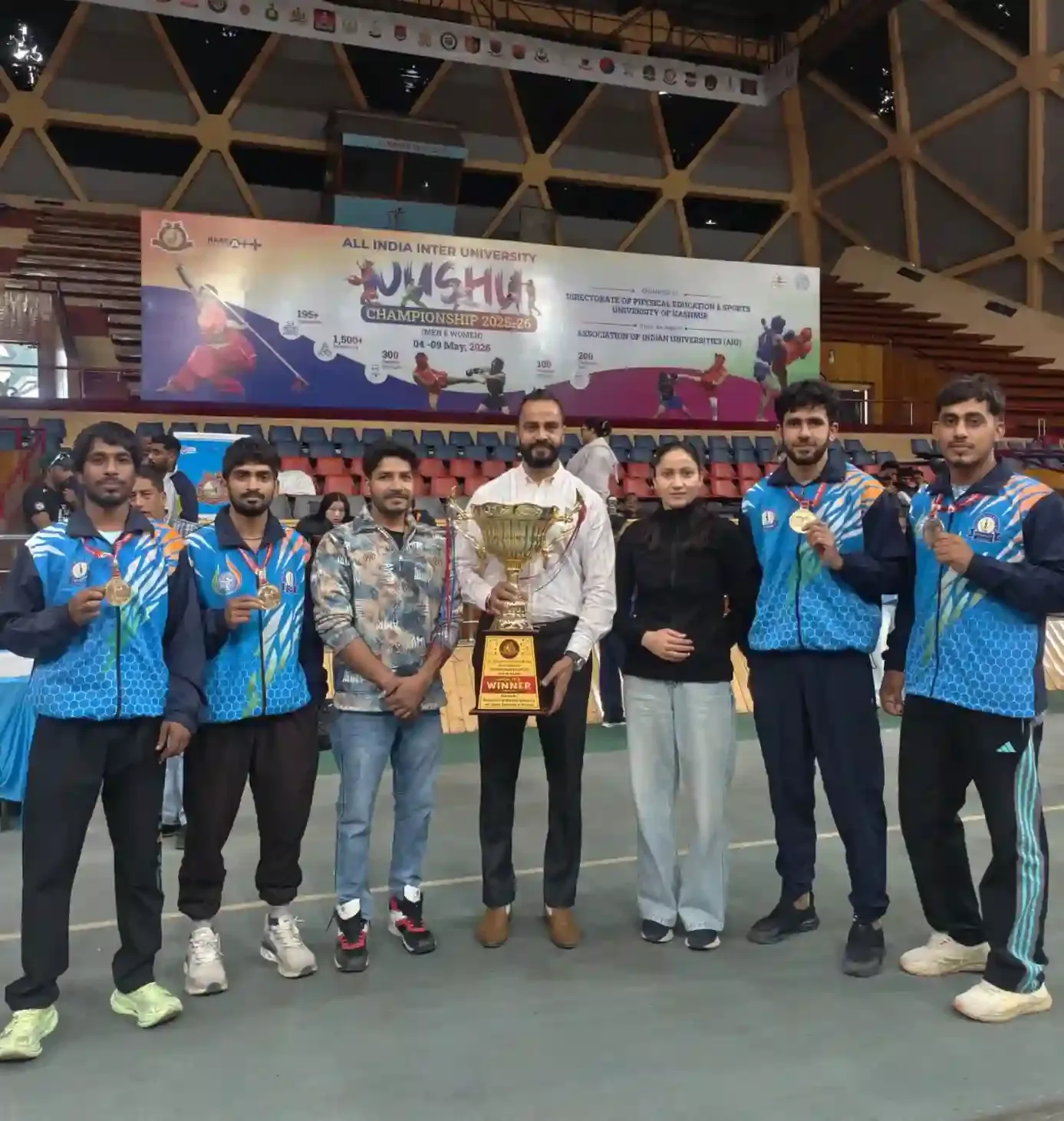
15 May, 2026
CT University continues to make remarkable strides in the field of sports as its Wushu players delivered an exceptional performance at the prestigious AIU All India Inter University Wushu Championship 2026, hosted by University of Kashmir.The championship witnessed participation from nearly 185 universities and over 1600 athletes from across the country, making it one of the biggest inter-university sporting events in India.Representing CT University with pride and determination, the Wushu contingent showcased extraordinary talent, discipline, and competitive spirit by securing multiple medals and bringing laurels to the university at the national level.In the Men’s Category, CT University athletes displayed dominant performances in various weight categories. Lokesh clinched the Gold Medal in the 48 kg weight category, while Sagar secured another Gold Medal in the 56 kg weight category with an impressive display of technique and strength. Adding to the university’s glorious tally, Syed Mohammad Ali Rouf Shah won the Gold Medal in the 70 kg weight category after a series of outstanding bouts. Demonstrating remarkable resilience and sportsmanship, Dheeraj earned the Silver Medal in the 85 kg weight category.With these stellar performances, CT University was declared the Overall Champion in the Wushu Sanda Men Category, marking a proud achievement for the institution and further strengthening its reputation in university sports.Adding to the celebrations, the Women’s Category also witnessed a remarkable victory as Sonia secured the Gold Medal in the 45 kg weight category, reflecting the growing strength and excellence of women athletes at CT University.The university management acknowledged the valuable guidance and constant encouragement provided by Vice Chairman Harpreet Singh, Vice Chancellor Dr. Nitin Tandon, and Director DSW Er. Davinder Singh, whose unwavering support played a significant role in boosting the confidence and morale of the players throughout their preparation and participation in the championship.Expressing his happiness over the outstanding achievement, Pro Chancellor Dr. Manbir Singh congratulated the players and coaching staff for their hard work and dedication. He stated that CT University has always focused on creating a strong sporting culture alongside academic excellence, and these victories are a reflection of the university’s commitment to nurturing talent at national and international levels. He further added that such accomplishments inspire other students to actively participate in sports and bring pride to the institution.Speaking on the occasion, Sports Head Gurdeep Singh praised the relentless efforts and fighting spirit of the athletes. He highlighted that the players trained with immense dedication and discipline, which ultimately translated into remarkable results at the championship. He also appreciated the continuous support of the university management in providing world-class sports facilities, expert coaching, and motivation to student-athletes.
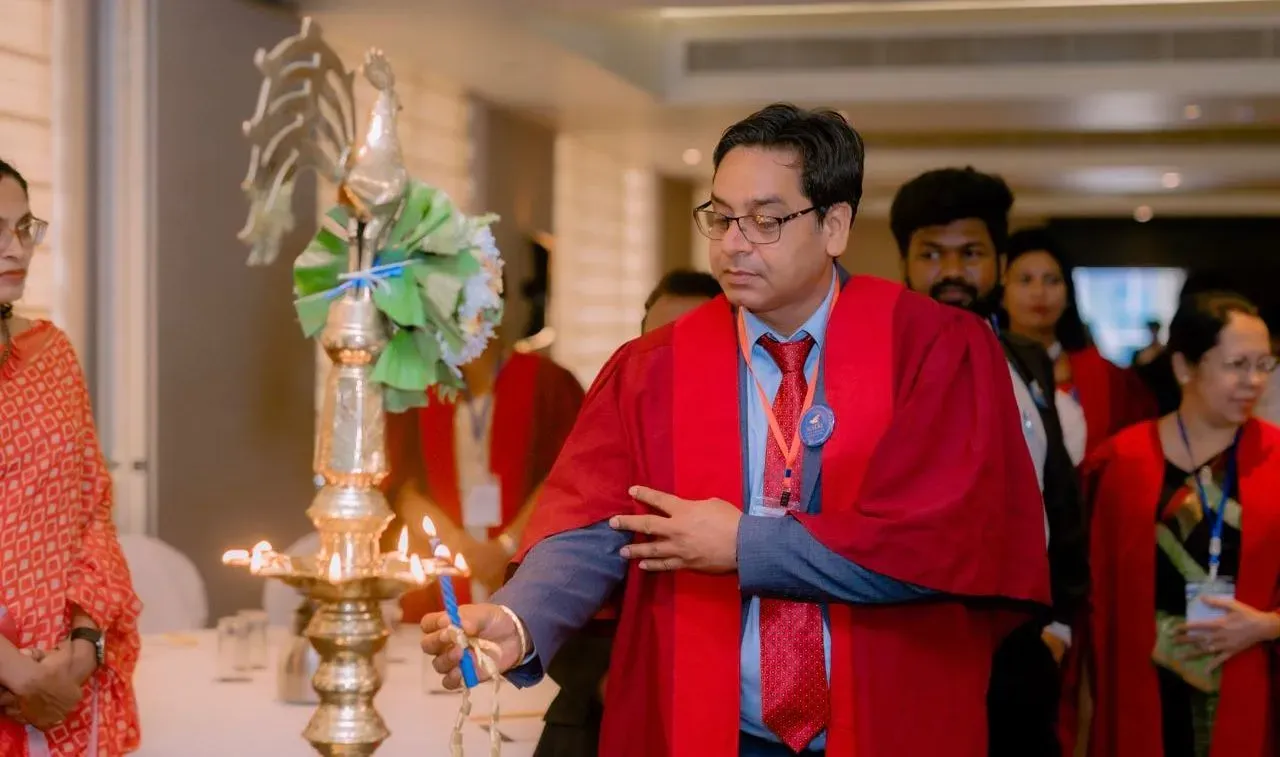
20 May, 2026
It was a proud and significant moment for CT University as the university got the opportunity to interact with Dr. Nalinda Jayatissa, Hon’ble Minister of Health and Mass Media and Chief Government Whip, during the inauguration ceremony of the SLALAS Conference.During an informal tea-time interaction held on the sidelines of the conference, detailed discussions were held regarding the evolving role of research and innovation in strengthening healthcare systems and academic collaborations. The interaction served as an important platform for exchanging perspectives on ethical, innovative, and socially relevant research practices.The discussion also highlighted the growing importance of academic institutions in contributing towards translational healthcare research and policy-oriented scientific advancements at both national and international levels.CT University Showcases Research Activities in Pharmaceutical Sciences and Translational ResearchDuring the interaction, insights were shared regarding the diverse research activities currently underway at CT University, particularly in the fields of pharmaceutical sciences, alternative research models, and translational research. The university’s continuous efforts towards promoting interdisciplinary research, innovation-driven healthcare solutions, and ethical scientific practices were appreciated during the exchange.The interaction further emphasized the significance of meaningful academic–policy dialogues in encouraging collaborative research ecosystems and strengthening healthcare advancement through innovation and knowledge sharing.Speaking on the occasion, Dr. Manbir Singh, Pro Chancellor, CT University, said:“Such meaningful interactions with distinguished policymakers and healthcare leaders provide immense encouragement to academic institutions working towards impactful research. CT University remains committed to promoting ethical, innovative, and socially relevant research that contributes towards healthcare advancement and global scientific collaboration.”Expressing his views, Dr. Vir Vikram, Professor-cum-Principal, School of Pharmaceutical Sciences, stated:“Platforms like the SLALAS Conference create valuable opportunities for sharing research perspectives and strengthening academic collaborations. Our institution is actively working in the areas of pharmaceutical sciences, translational research, and alternative research models with a vision to contribute meaningfully towards research-driven healthcare development.”The interaction concluded on a positive note with gratitude for the thoughtful exchange of ideas and encouragement towards advancing research-oriented healthcare initiatives through collaborative efforts.
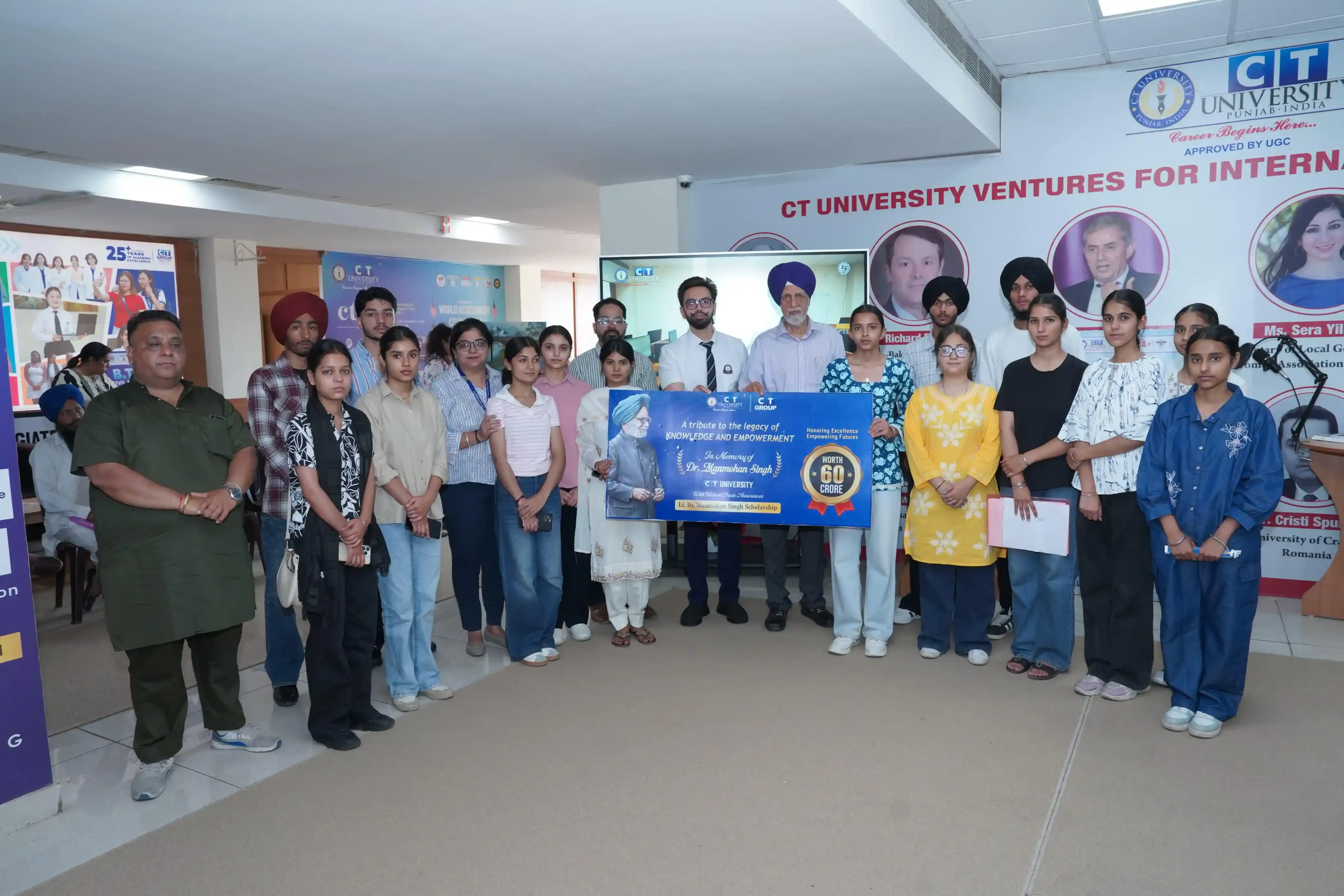
25 May, 2026
Reaffirming its commitment towards accessible and quality education, CT Group has continued its ₹60 crore scholarship initiative in memory of Lt. Dr. Manmohan Singh for deserving and aspiring students across its educational institutions. The initiative reflects the institution’s vision of encouraging academic excellence while supporting students from diverse social and economic backgrounds.The scholarship schemes will be applicable across CT Group of Institutions, Shahpur Campus, CT Group of Institutions, Maqsudan Campus, CT University, CT Public School and CT World School. The scholarships have been thoughtfully structured to benefit meritorious students and various categories, including alumni, siblings, teachers’ wards, defence families and CT staff wards.Under the CTSET Scholarship scheme, students can avail scholarship benefits based on their performance in the CTSET examination as per the slabs defined in the university fee structure. The scheme is open to all students applying for admission, with registration and appearance in CTSET being mandatory.CT Group alumni applying for readmission or enrolling in a new programme can avail the lowest fee structure, along with a 25% one-time discount on the first-semester applicable fee under the Alumni Scholarship scheme. Uniform and library fee waivers will also be provided if not refunded earlier. Similarly, under the Sibling Scholarship scheme, siblings of existing CT students can avail the lowest fee structure along with a 25% one-time discount on the first semester's applicable fee.As a gesture of respect for the teaching fraternity, the Teachers Scholarship scheme offers wards of teachers the lowest fee structure, along with a 25% one-time discount on the first-semester applicable fee. The scheme is applicable for students whose parents are regular teachers in a recognized institution with a minimum of one year of teaching experience.Children and wards of CT staff members will also receive the lowest fee structure, along with a 25% fee concession on every semester fee under the CT Staff Ward Scholarship scheme in recognition of the dedication and contribution of CT employees. In addition, CT Group is offering scholarships up to 90% for wards of military personnel along with Post Matric Scholarship (PMS) benefits for eligible students under government norms.Speaking on the initiative, Chairman CT Group S. Charanjit Singh Channi said, “This scholarship initiative in the memory of Lt. Dr. Manmohan Singh is a tribute to his vision of empowering society through education. At CT Group, we strongly believe that financial limitations should never become a barrier to quality education. Through these scholarship opportunities, we aim to encourage and support deserving students in achieving their academic goals.”Sharing his views, Dr. Manbir Singh stated, “CT Group has consistently worked towards creating meaningful opportunities for students from every section of society. These scholarships are not merely financial assistance but an effort towards nurturing future leaders, innovators and responsible citizens. We welcome students to become a part of the CT family and shape a brighter future.”
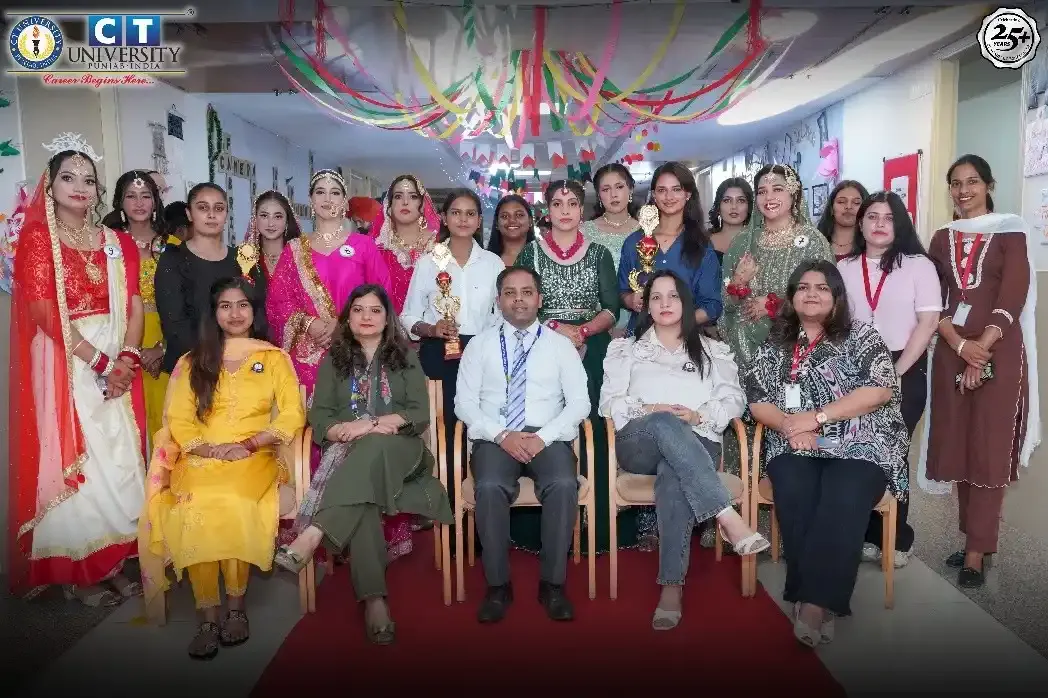
11 May, 2026
The School of Design and Innovation, Department of Beauty and Wellness, organized a one-day event titled “Bridal Chronicles” on 11th may 2026 on C block 4th floor. The event celebrated creativity, artistry, and professional skills in bridal makeup and styling by providing students with an opportunity to showcase their talent in transforming models into elegant bridal looks.With enthusiastic participation from students, the event featured a variety of bridal themes inspired by traditional, contemporary, and fusion styles. Participants demonstrated their expertise in makeup application, hairstyling, draping, and overall bridal presentation while focusing on detail, color coordination, and aesthetic appeal. The students styled their models using different bridal concepts, reflecting creativity, cultural influences, and current beauty and fashion trends.The participants were judged on the basis of makeup techniques, creativity, grooming, presentation, color balance, and overall bridal appearance. The event not only encouraged practical learning and artistic expression but also enhanced students’ professional confidence and technical skills in the field of beauty and wellness. “Bridal Chronicles” successfully provided a platform for experiential learning while promoting innovation and excellence in bridal makeup artistry and styling.Program OutcomeStudents gained hands-on experience in bridal makeup artistry, hairstyling, draping, and overall bridal presentation through practical application during the event.Enhanced understanding of professional makeup techniques, color coordination, skin preparation, and current bridal beauty trends in the beauty and wellness industry.Developed creativity and artistic skills by designing unique bridal looks inspired by traditional, contemporary, and fusion styling concepts.Improved presentation, grooming, and styling skills by showcasing their models in a professional and competitive environment.Encouraged confidence, precision, and attention to detail while performing makeup application and bridal transformations under evaluation criteria.Fostered teamwork, coordination, time management, and collaborative learning during the preparation and execution of the “Bridal Chronicles” event.
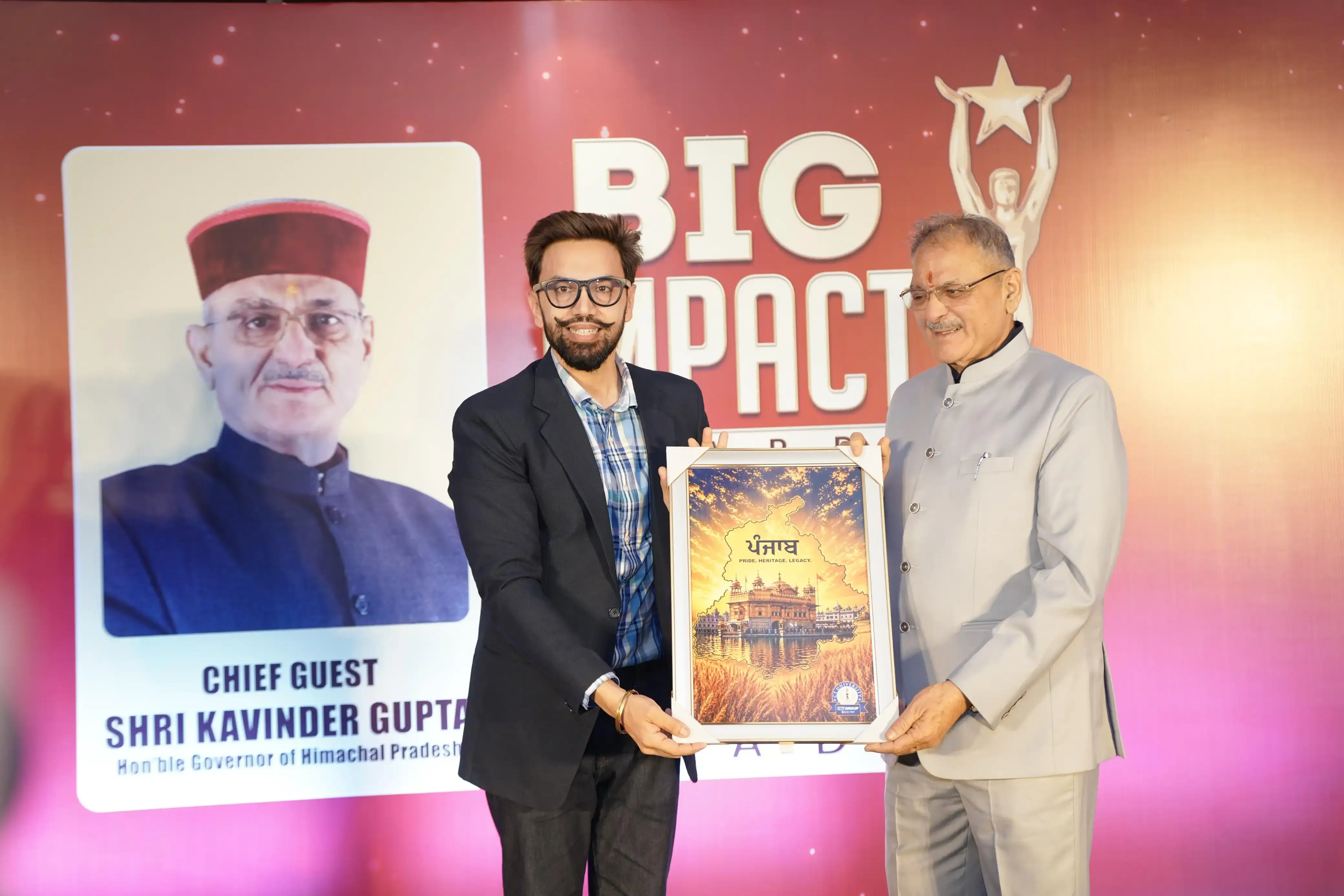
30 May, 2026
In a moment of immense pride for the entire CT fraternity, Dr. Manbir Singh, Pro Chancellor of CT University, was conferred with the prestigious BIG IMPACT AWARDS 2026 under the theme “Embracing Unconventional Excellence.” The award was presented by Kavinder Gupta, Hon’ble Governor of Himachal Pradesh, in recognition of Dr. Manbir Singh’s outstanding leadership, innovative vision, and remarkable contribution towards transforming the landscape of higher education.The honour acknowledges Dr. Manbir Singh’s relentless efforts in fostering academic excellence, industry-oriented learning, innovation, entrepreneurship, and student-centric growth initiatives. Under his guidance, CT University has emerged as a progressive institution dedicated to empowering young minds and creating meaningful opportunities for students across diverse disciplines.Receiving the award, Dr. Manbir Singh expressed his gratitude and dedicated the recognition to the entire CT fraternity. He stated that the achievement is a reflection of the collective commitment, hard work, and passion of the university’s faculty, staff, students, alumni, and stakeholders who continuously strive for excellence.“This honour truly belongs to the entire CT family. Every milestone achieved by the university is the result of a shared vision and collective effort. Together, we will continue to inspire innovation, nurture talent, and contribute towards nation-building through quality education,” said Dr. Manbir Singh.The BIG IMPACT AWARDS celebrate leaders and institutions that challenge conventional boundaries and create meaningful impact through innovation, leadership, and excellence. Dr. Manbir Singh’s recognition further reinforces CT University’s growing reputation as a centre of academic distinction and transformational education.
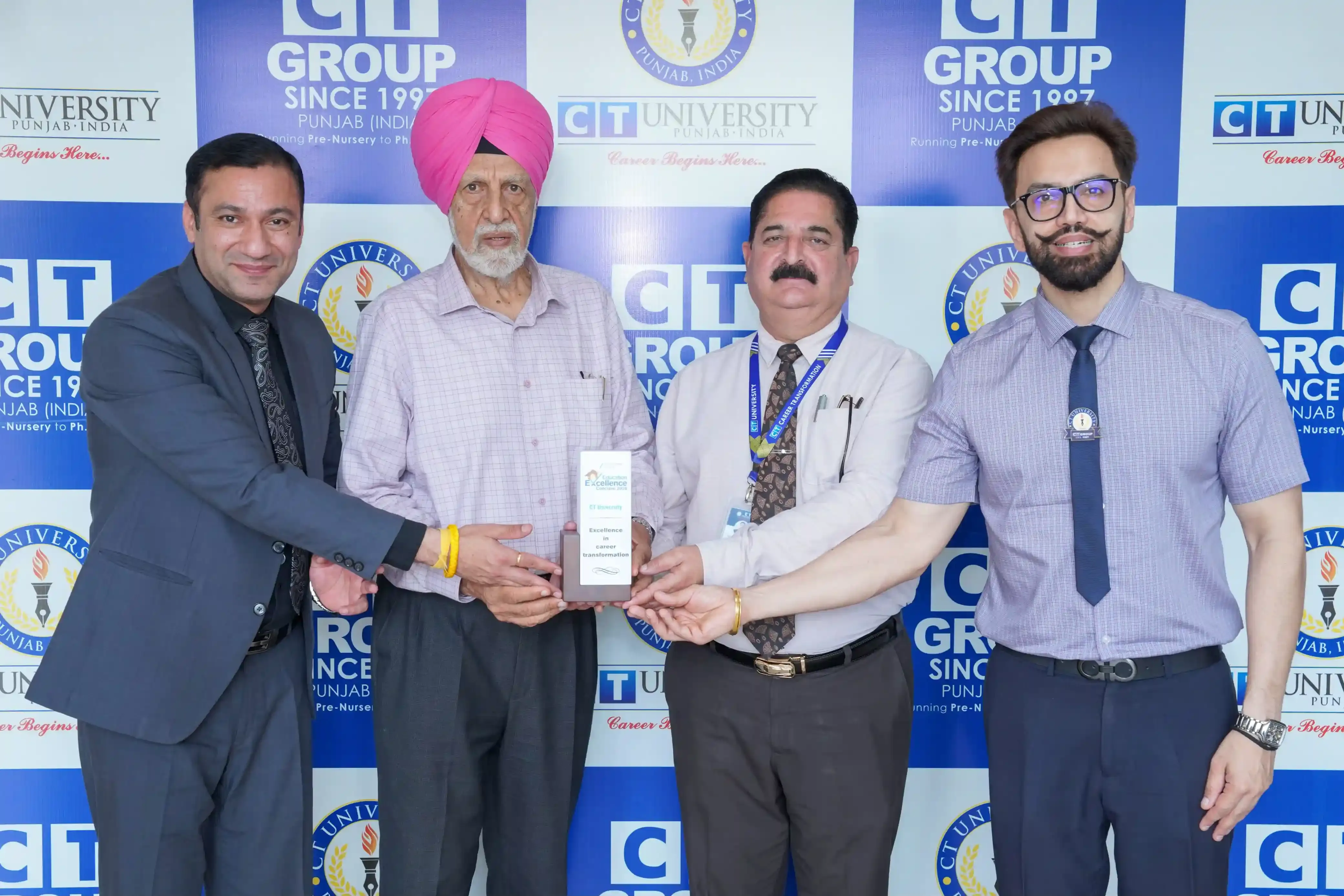
05 Jun, 2026
CT University has been conferred with the prestigious Excellence in Career Transformation Award at the Zee Punjab Haryana Himachal Education Excellence Conclave 2026, in recognition of its outstanding contribution towards transforming education into meaningful career opportunities for students.The award was presented by Harjot Singh Bains, Hon’ble Cabinet Minister for Education, Government of Punjab, during a distinguished gathering of education leaders, academicians, policymakers, and industry experts from across the region.The recognition acknowledges CT University’s consistent efforts in bridging the gap between academia and industry through innovative skilling programs, industry-integrated curricula, entrepreneurship development, incubation support, experiential learning opportunities, and robust placement initiatives.The University has emerged as a leading institution dedicated to enhancing employability, fostering innovation, and preparing students to meet the evolving demands of the global workforce.Leadership Expresses Gratitude and Reaffirms Commitment to Educational ExcellenceExpressing his delight on receiving the honour, Chancellor S. Charanjit Singh Channi said:“This recognition is a proud moment for the entire CT University family. It reflects our unwavering commitment to empowering students with knowledge, skills, and opportunities that enable them to build successful careers and contribute meaningfully to society. At CT University, we continuously strive to create an ecosystem that nurtures innovation, entrepreneurship, and holistic development. I congratulate our faculty, staff, students, alumni, and industry partners whose collective efforts have made this achievement possible.”Sharing his views on the occasion, Pro Chancellor Dr. Manbir Singh stated:“The Excellence in Career Transformation Award validates our vision of creating future-ready graduates equipped with practical skills, industry exposure, and a growth-oriented mindset. Our focus remains on integrating academic excellence with real-world learning experiences through strategic industry collaborations, advanced skilling initiatives, and career-focused programs. This recognition motivates us to further strengthen our efforts in transforming education into impactful career outcomes for our students.”
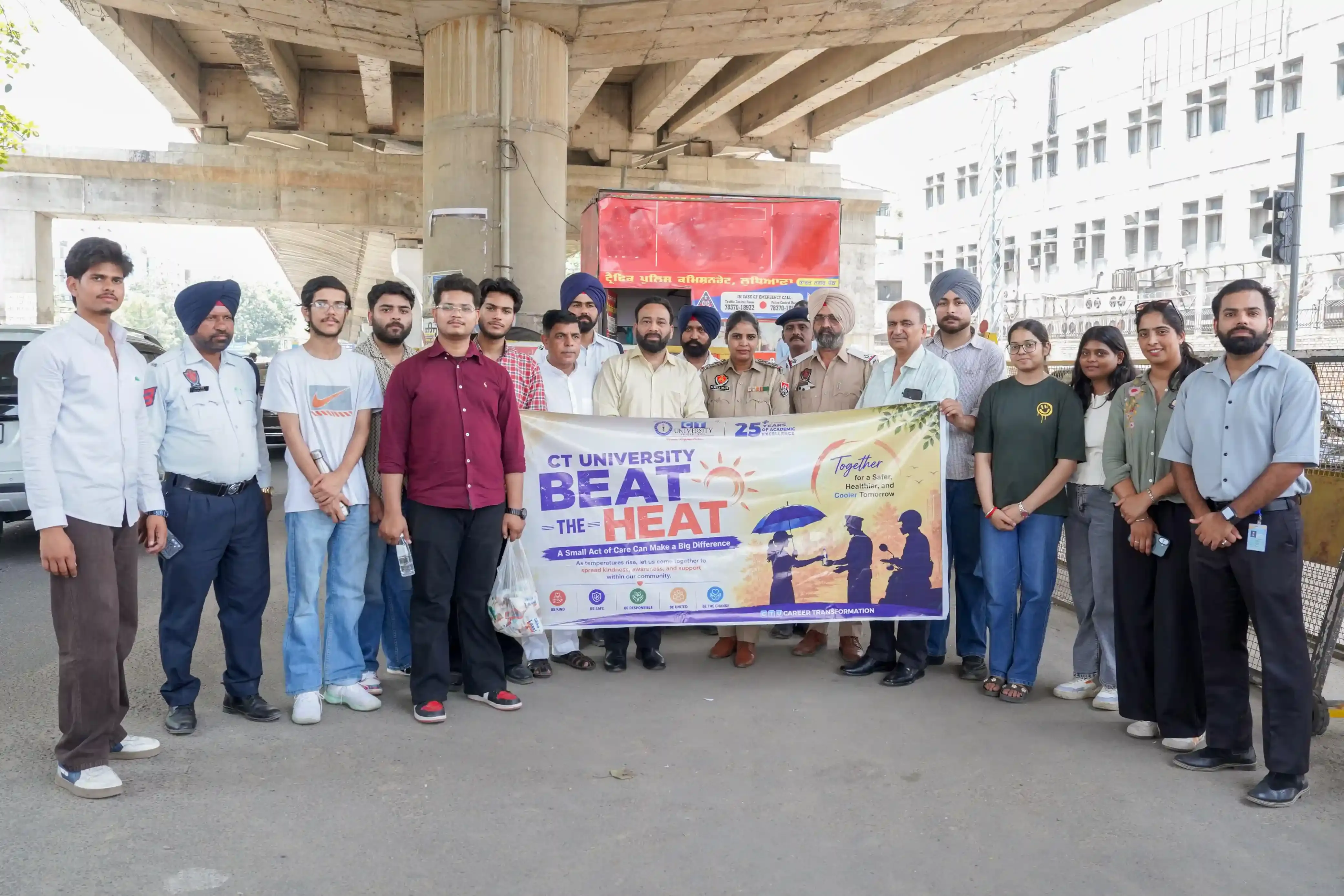
09 Jun, 2026
CT University organized a meaningful summer relief drive to express gratitude and support for police personnel serving on duty amid rising temperatures across Ludhiana. As part of the initiative, students of the university, accompanied by faculty and administrative representatives, distributed refreshing beverages including lassi and cold drinking water to officers stationed at various locations, acknowledging their dedication and commitment to public safety.The drive aimed to provide relief from the intense summer heat while fostering a spirit of compassion, community service, and social responsibility among students. By engaging directly in the initiative, students experienced the importance of giving back to society and supporting the frontline heroes of Ludhiana who work tirelessly to ensure the safety, security, and well-being of citizens.Commenting on the initiative, Dr. Manbir Singh, Pro Chancellor of CT University, said:“Our police personnel perform their duties with remarkable dedication despite harsh weather conditions. Through this small gesture, CT University expresses its appreciation for their invaluable service. The men and women of the Ludhiana Police are true frontline heroes whose commitment to protecting the community deserves our utmost respect. We believe that acts of kindness and care strengthen the bond between institutions and society, inspiring collective responsibility towards nation-building.”Director, Division of Student Welfare (DSW), Er. Davinder Singh, added:“At CT University, we strive to instill values of empathy, service, and social responsibility among our students. This initiative reflects our commitment to supporting those who work tirelessly for the welfare and safety of the public. We are proud to stand with the frontline heroes of Ludhiana and contribute in every possible way.”The initiative also witnessed the participation of Dr. Amandeep Tangri, Additional Director Admissions, who joined the students during the drive and encouraged them to actively engage in community welfare activities.Through such outreach programs, CT University continues to reinforce its commitment to social responsibility, community engagement, and nation-building by nurturing socially conscious and responsible citizens.Together for a Safer, Healthier, and Cooler Tomorrow — Saluting the Frontline Heroes of Ludhiana.
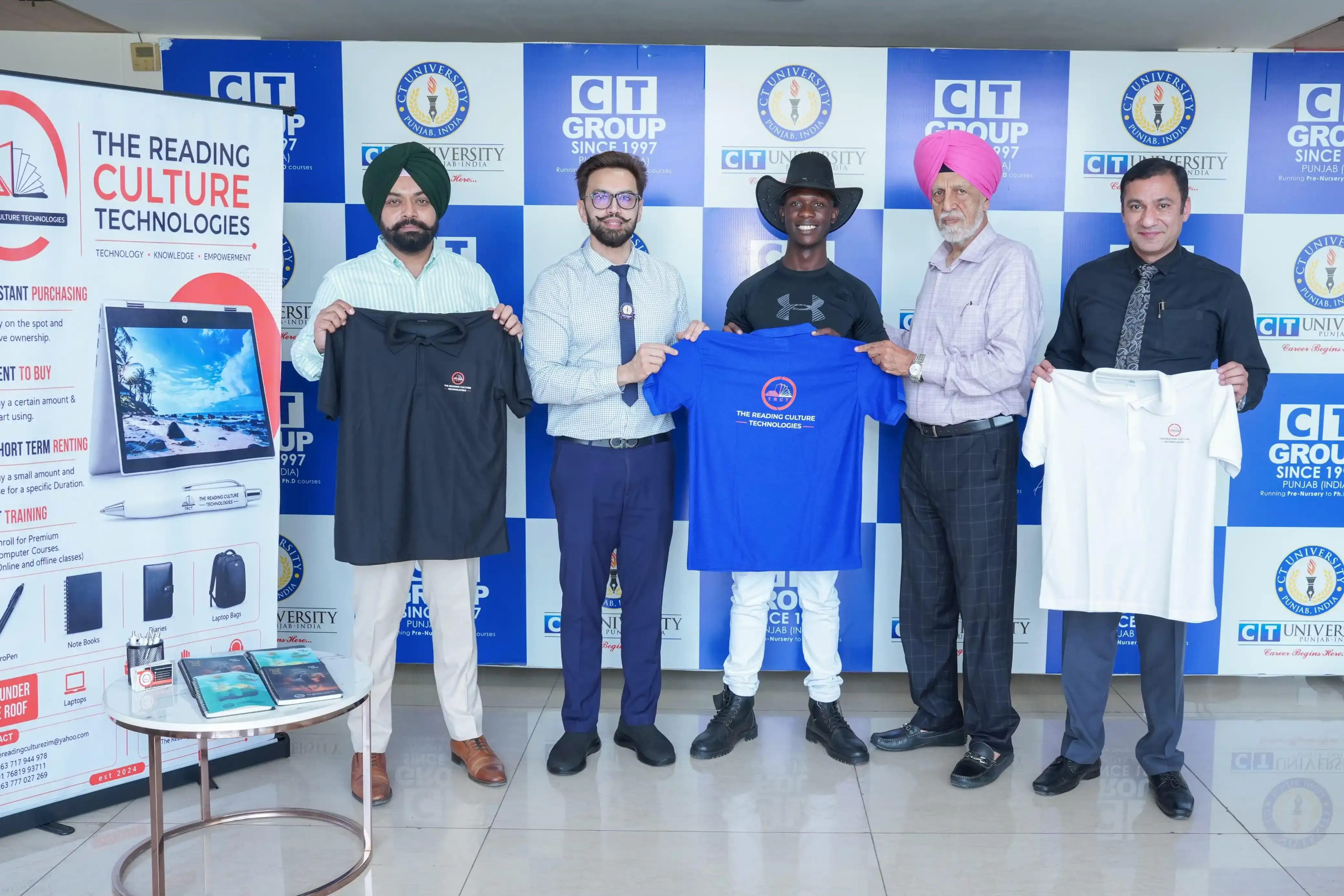
16 Jun, 2026
Demonstrating the spirit of innovation and entrepreneurship nurtured at CT University, Bright K, an international student from Zimbabwe pursuing an Honors Degree in Social Work, has launched The Reading Culture Technologies, a venture aimed at making technology more accessible and affordable for students, educators, entrepreneurs, and professionals.The venture offers laptops, MacBooks, Chromebooks, and technology accessories through flexible purchase, rental, and rent-to-own models, helping bridge the digital divide and ensuring that financial constraints do not hinder access to education and professional growth.The launch ceremony was held in the presence of Vice Chancellor Dr. Nitin Tandon and Director, Student Welfare (DSW), Er. Davinder Singh, who appreciated Bright’s entrepreneurial initiative and highlighted CT University’s continued efforts to foster innovation, leadership, and startup culture among students. They emphasized that the University remains committed to providing mentorship, industry exposure, and a supportive ecosystem that enables students to transform innovative ideas into successful ventures.Congratulating Bright on his achievement, Chancellor Sardar Charanjit Singh Channi said, “Education should empower individuals to become job creators rather than job seekers. Bright’s journey reflects the spirit of innovation, determination, and social responsibility that CT University seeks to instill in its students. We are proud to see an international student creating solutions that can positively impact many lives.”Pro Chancellor Dr. Manbir Singh remarked, “CT University encourages students to identify real-world challenges and develop meaningful solutions. Bright’s venture is a commendable example of entrepreneurship with a social purpose. His initiative to make technology affordable and accessible aligns with our vision of inclusive growth, innovation, and global impact.”Speaking about his venture, Bright K shared that access to technology should not be a privilege but an opportunity available to everyone. Through The Reading Culture Technologies, he aims to support learners and professionals by providing affordable access to essential digital devices.The achievement of Bright K reflects CT University’s commitment to nurturing entrepreneurship, innovation, and social impact while empowering students from diverse backgrounds to become future leaders and change-makers.
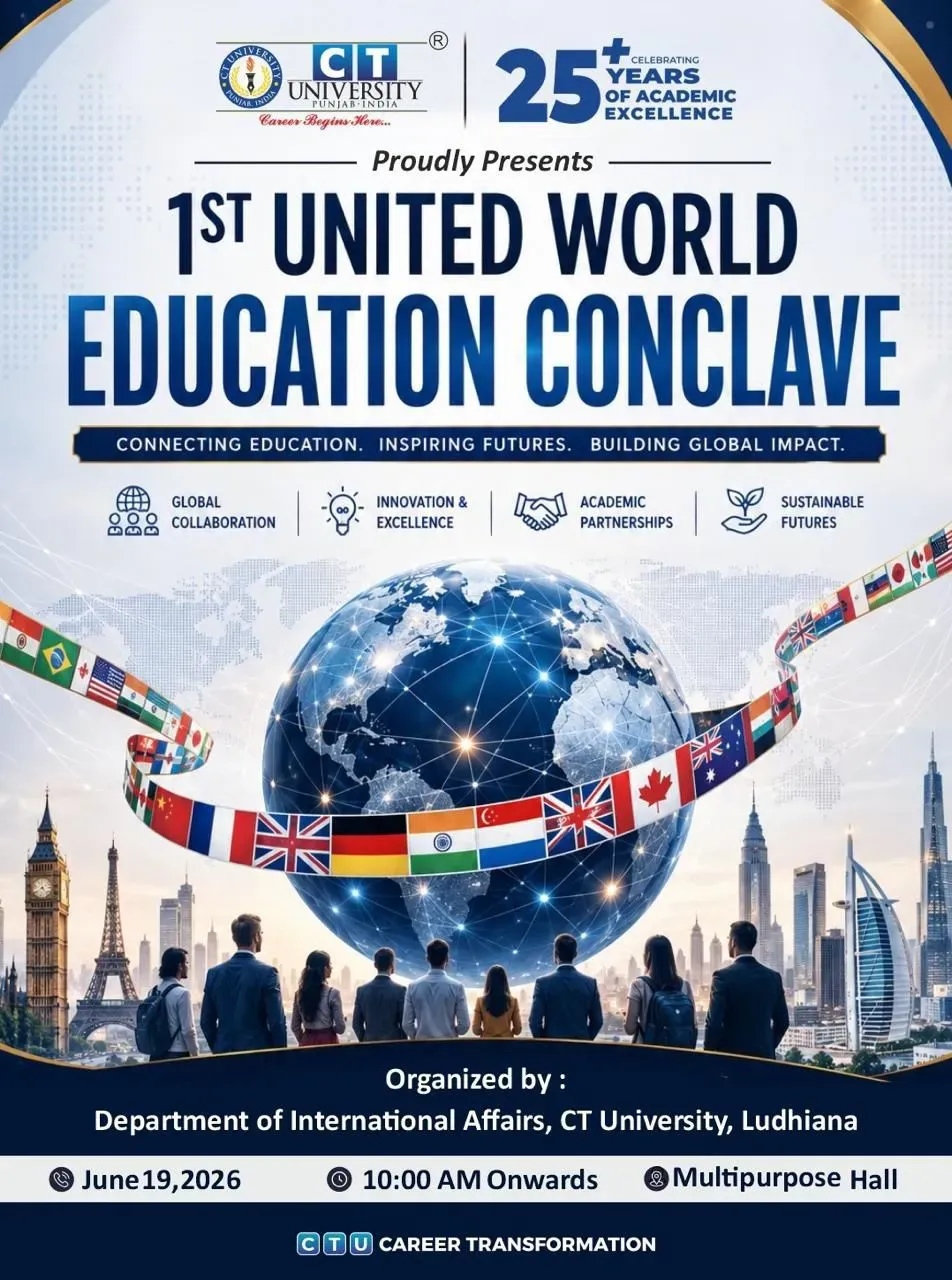
17 Jun, 2026
CT University is all set to host the 1st United World Education Conclave (UWEC) 2026 on Friday, June 19, 2026, bringing together distinguished leaders from education, industry, and government from across the globe to discuss the future of education, skill development, and international collaborations.Organized by the University’s Department of International Affairs, the conclave will serve as a dynamic platform for dialogue on global education trends, workforce readiness, international partnerships, and emerging opportunities in skill-based learning. The event is expected to witness participation from over 300 students representing more than 30 countries, alongside renowned international delegates, diplomats, educationists, and industry experts.A key highlight of the conclave will be the signing of a Memorandum of Understanding (MoU) between CT University and Signet Institute Australia to introduce Australian Skilled Programs in India, creating new pathways for students to access globally recognized education and career opportunities.The conclave will feature the presence of distinguished guests, including Dr. Wilson Kogo, High Commissioner of Kenya to Australia; HRH Nana Kumasah Krampah II, Omankrado, Gomoa Asempayin; Ms. Bohloeki Tlhaku Morojele, First Secretary, High Commission of the Kingdom of Lesotho; Ms. Navdeep Kaur Roopan, CEO, Signet Institute Australia; Mr. Pushpinder Singh, Managing Director, Signet Institute Australia; Mr. Michael Carr, Board Director, Signet Institute Australia; and Mr. Stephen Hohmann, Signet Trainer and Industry Specialist.The event will be held at the CT University Campus, Ferozepur Road, Ludhiana, and will commence at 10:00 AM. University officials stated that the conclave reflects CT University’s commitment to strengthening international collaborations and preparing students for a globally connected future.The university has invited media representatives and stakeholders to attend and cover this landmark international event, which is expected to pave the way for meaningful discussions and strategic partnerships in the field of global education.
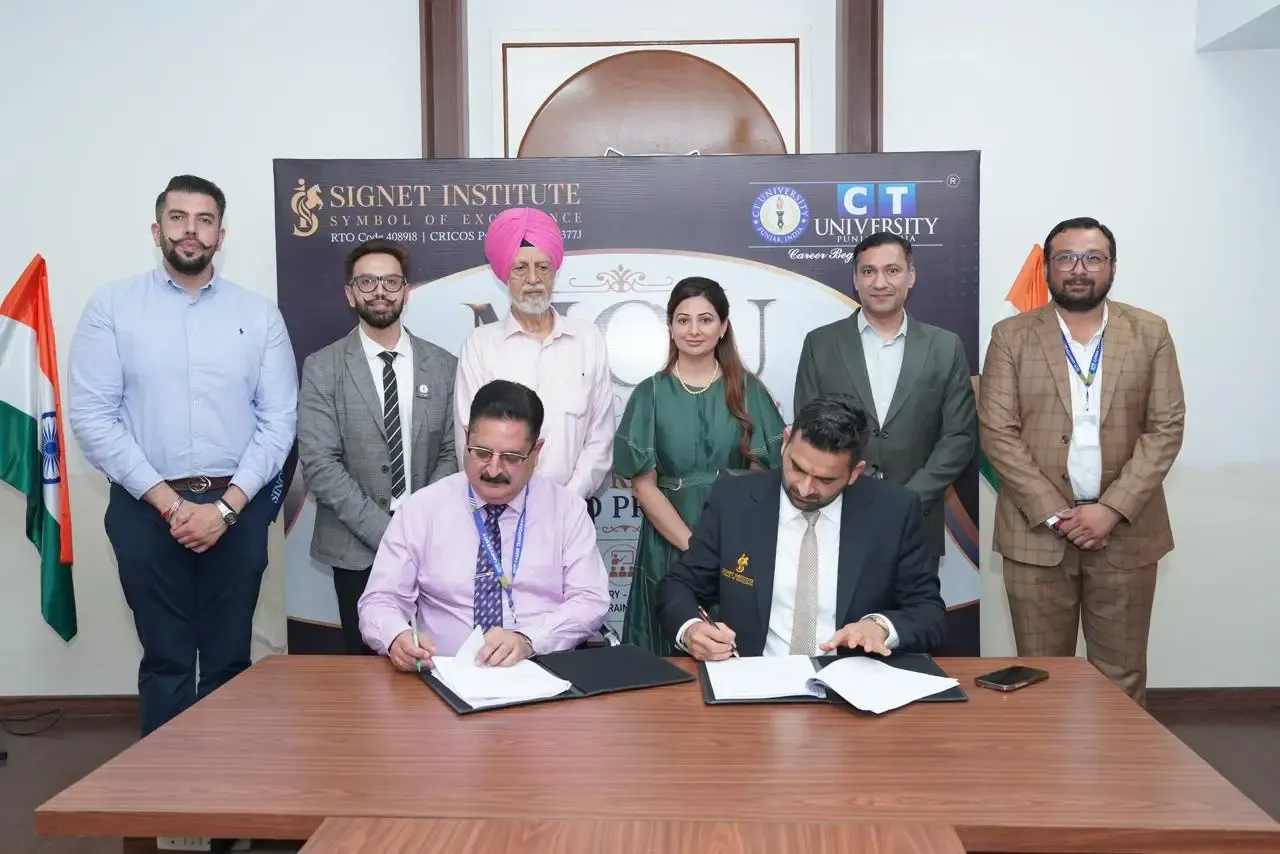
24 Jun, 2026
Reinforcing its commitment to internationalization and academic excellence, CT University has signed a Memorandum of Understanding (MoU) with Signet Institute of Australia Pty Ltd, a nationally recognized Australian Registered Training Organisation.The partnership is designed to provide students with access to Australian-accredited vocational education and training programs while fostering global academic engagement.The collaboration will facilitate the delivery of internationally recognized vocational qualifications under Signet Institute of Australia’s scope of registration, enabling students to gain industry-relevant skills aligned with global standards. The initiative aims to bridge educational boundaries and create opportunities for learners to benefit from high-quality Australian education within India.Through this partnership, CT University will support student engagement, training delivery, academic administration, learner services, and quality-focused educational practices. The programs will be conducted in accordance with Australian regulatory frameworks and quality standards, ensuring a globally benchmarked learning experience.The collaboration is expected to strengthen employability outcomes by equipping students with practical competencies, internationally recognized credentials, and exposure to global best practices. It also reflects CT University’s ongoing efforts to expand its network of international partners and create meaningful opportunities for academic and professional advancement.University leadership highlighted that such collaborations play a vital role in preparing students for an increasingly interconnected world, where global qualifications and industry-ready skills are becoming essential for career growth and mobility.With this strategic alliance, CT University continues to advance its vision of delivering transformative education, fostering international partnerships, and empowering students to become globally competent professionals capable of thriving in diverse and dynamic environments.Dr. Manbir Singh, Pro Chancellor, CT University“This partnership with Signet Institute Australia reflects our commitment to providing students with globally recognized qualifications and industry-ready skills. Together, we are creating new pathways for international learning and career success.”Pushpinder Singh, Managing Director, Signet Institute Australia“We are pleased to collaborate with CT University to bring Australian vocational education closer to Indian students. This partnership will empower learners with practical skills, global exposure, and internationally valued credentials.”
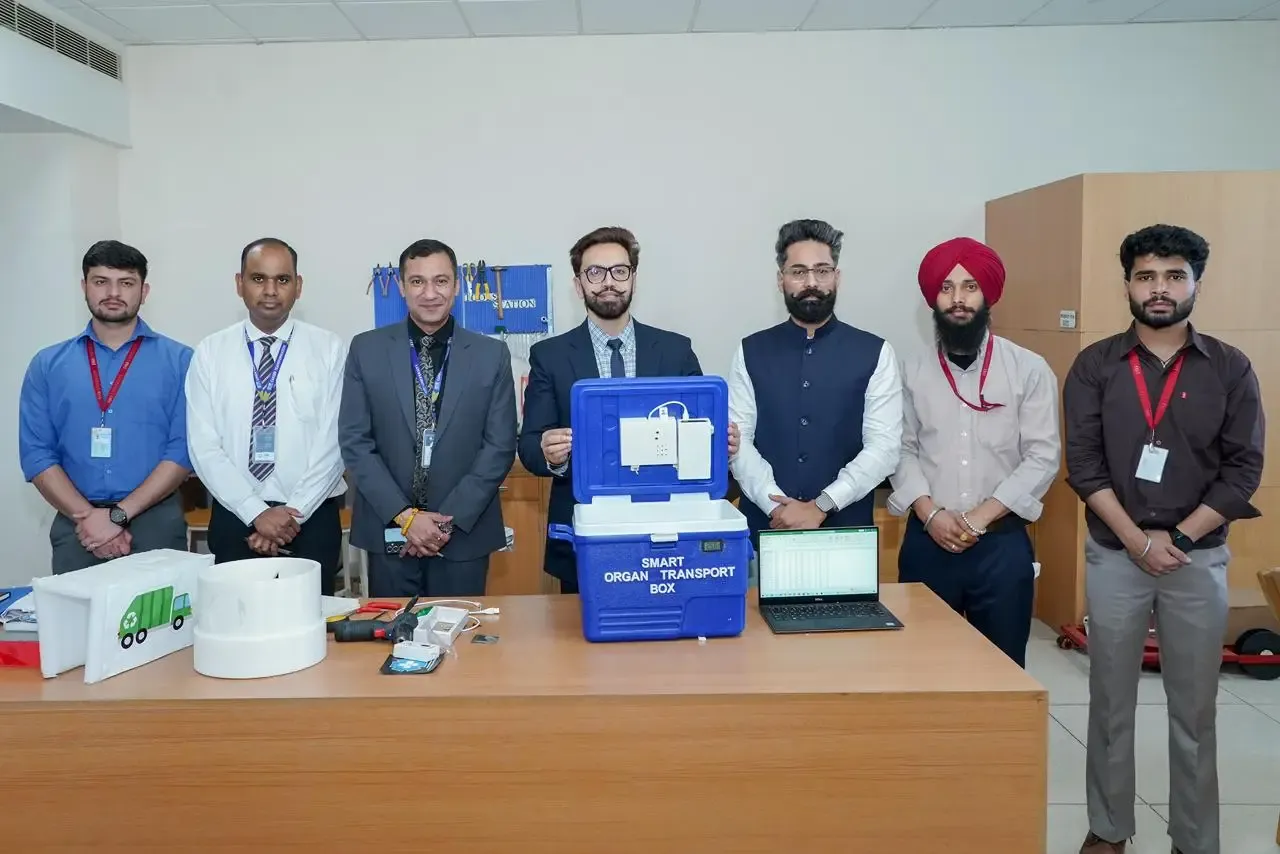
28 Jun, 2026
In a remarkable step towards strengthening healthcare technology and organ transplant logistics, CT University’s Robotics Lab has developed an innovative Smart Organ Transportation Box that ensures the safe and secure transportation of organs through real-time environmental monitoring, IoT connectivity, and blockchain technology.Designed to address one of the most critical challenges in organ transplantation, the Smart Organ Transportation Box continuously monitors essential environmental conditions, including temperature and humidity, ensuring that organs remain in optimal conditions throughout the journey. The system also detects any unauthorized opening of the box, providing an additional layer of security during transportation.The Smart Organ Transportation Box has been developed at a highly economical cost of under ₹8,000, making it a cost-effective solution that can significantly benefit hospitals, healthcare institutions, and organ transplant organizations across the country.IoT, Sensors, and Blockchain Ensure Transparency, Security, and ReliabilityHe further explained that the receiver can monitor all these critical parameters in real time through an IoT-enabled dashboard, allowing healthcare professionals to track the condition of the organ throughout its transportation journey and respond immediately if any abnormality is detected.Adding another technological advancement, Dr. Geet Bawa, PhD Graduate from CT University, stated that the system integrates blockchain technology by deploying smart contracts to securely store the data generated by the sensors. This creates a decentralized, tamper-proof, and immutable record of transportation conditions, ensuring complete transparency and authenticity of the data.The Smart Organ Transportation Box incorporates temperature, light, and accelerometer sensors, all integrated with a NodeMCU ESP32 Wi-Fi-enabled microcontroller. The device also features an inbuilt rechargeable battery capable of operating for more than 24 hours on a single charge, making it suitable for long-distance transportation.The innovation was developed within just three days by the dedicated Robotics Lab team comprising Dharampreet Singh, Pulkit Sangar, and Gurkirat Singh, under the guidance of Dr. Harmeet Singh.Comment of Pro-Chancellor, Dr. Manbir Singh“At CT University, we strongly believe that technology should serve humanity. The Smart Organ Transportation Box reflects our commitment to developing affordable, practical, and socially impactful innovations. Organ transplantation is a race against time, and this innovation has the potential to improve the safety, transparency, and reliability of organ transportation. We are proud of our researchers and students for creating a solution that can contribute meaningfully to the healthcare sector while demonstrating the University’s focus on research, innovation, and nation-building.”Comment of Dr. Harmeet Singh, Head, Robotics Lab*“Our objective was to develop a reliable, intelligent, and affordable solution that could continuously monitor an organ during transportation and instantly alert stakeholders in case of any adverse event. Through IoT, healthcare professionals can remotely monitor critical parameters in real time, while blockchain technology ensures that all transportation records remain secure and tamper-proof. We believe this Smart Organ Transportation Box can become a valuable technological support system for hospitals and organ transplant networks.”
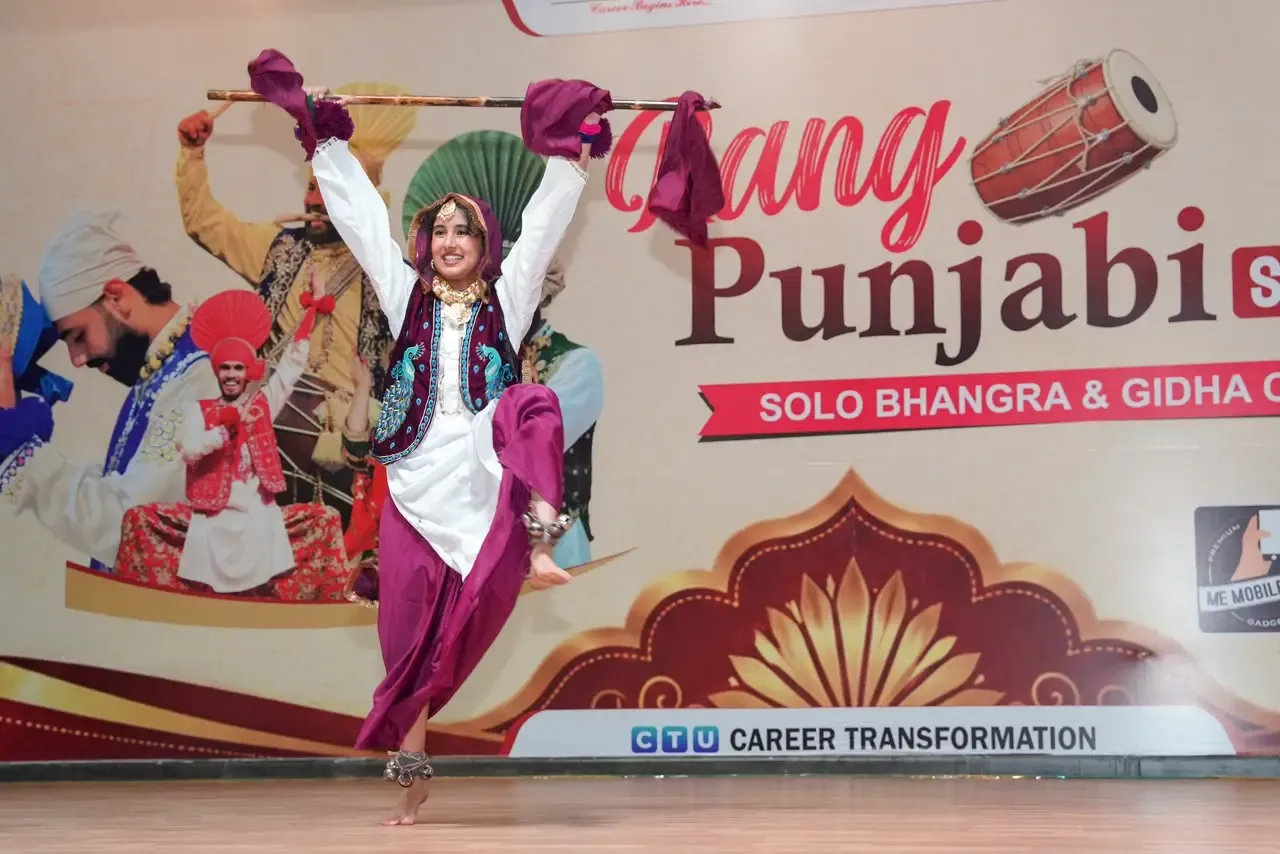
30 Jun, 2026
CT University successfully organized the 3rd Rang Punjabi Solo Bhangra & Gidha Cup 2026, a grand celebration of Punjab’s rich folk heritage that brought together more than 100 participants from across the region. The event showcased exceptional talent in solo Bhangra and Gidha, with participants displaying remarkable energy, rhythm, and passion while keeping the state’s vibrant cultural traditions alive.The competition was conducted across six categories—Sub Junior Girls, Sub Junior Boys, Junior Girls, Junior Boys, Senior Girls, and Senior Boys. Participants delivered captivating performances throughout the day, creating an atmosphere filled with enthusiasm, cultural pride, and healthy competition.The event was graced by distinguished Chief Guests Davinder Jugni, State Awardee and Under Secretary, Industries & Civil Aviation, Punjab, Chandigarh; Sukhwinder Singh Virk, Assistant Professor & Head, PG Department of Punjabi, GNN College, Doraha, and Director of the World Folk Festival, Canada; and Tehal Singh Kheeva, International Coach of Folk Dance of Punjab. They applauded CT University’s efforts in promoting Punjabi culture and providing a prestigious platform for young artists to showcase their talent.A total prize pool of ₹1 lakh was distributed during the event. Eighteen winners were honoured with cash prizes, trophies, and certificates in recognition of their outstanding performances across all six categories. In the Sub Junior Girls category, Evreen Kaur secured the first position, followed by Navgun Kaur in second place and Samridhi in third. In the Sub Junior Boys category, Lakshdeep Singh claimed the first prize, while Vansh and Japtej Singh Dua secured the second and third positions respectively.In the Junior Girls category, Taani won the first prize, Archana secured second place, and Gurleen Kaur finished third. In the Junior Boys category, Jasmeet Bhamrah emerged as the winner, followed by Rajveer Singh in second place and Anmol Singh in third.Among the Senior Girls, Banzul secured the first prize, Sukhpreet Kaur stood second, and Payal Sharma claimed the third position. In the Senior Boys category, Bhanupratap won the top honour, while Amritpal Singh and Ansh Goyal secured the second and third positions respectively.The university also presented Lifetime Achievement Awards to Pappi Gill, Major Chatha, and Jasvir Kaur Bains for their immense contribution to the preservation and promotion of Punjab’s folk arts and cultural heritage. Their lifelong dedication to Punjabi culture was acknowledged with great respect during the ceremony.The performances were evaluated by a distinguished panel of judges comprising Pritpal Singh Nangal, Pawan Ajimal, Harman Rattan, Manpreet Singh, and Sharry Manak, who appreciated the high standard of performances and the participants’ commitment to preserving traditional Punjabi folk dance.Pro Chancellor, Dr. Manbir Singh, congratulated all the participants and winners, stating that CT University remains committed to preserving and promoting Punjab’s cultural heritage by providing platforms where young artists can nurture and showcase their talent. He said such initiatives inspire the younger generation to stay connected with their roots while carrying forward the legacy of Punjabi folk traditions.Director, Department of Student Welfare, Er. Davinder Singh, said that Rang Punjabi has become one of the university’s flagship cultural events, attracting talented performers from across the region every year. He added that the overwhelming response and enthusiastic participation reaffirm CT University’s dedication to celebrating Punjab’s cultural identity and encouraging excellence in traditional performing arts.The event concluded with a grand prize distribution ceremony, where the winners, participants, judges, and distinguished guests were felicitated amid loud applause, marking another successful edition of Rang Punjabi Solo Bhangra & Gidha Cup at CT University.
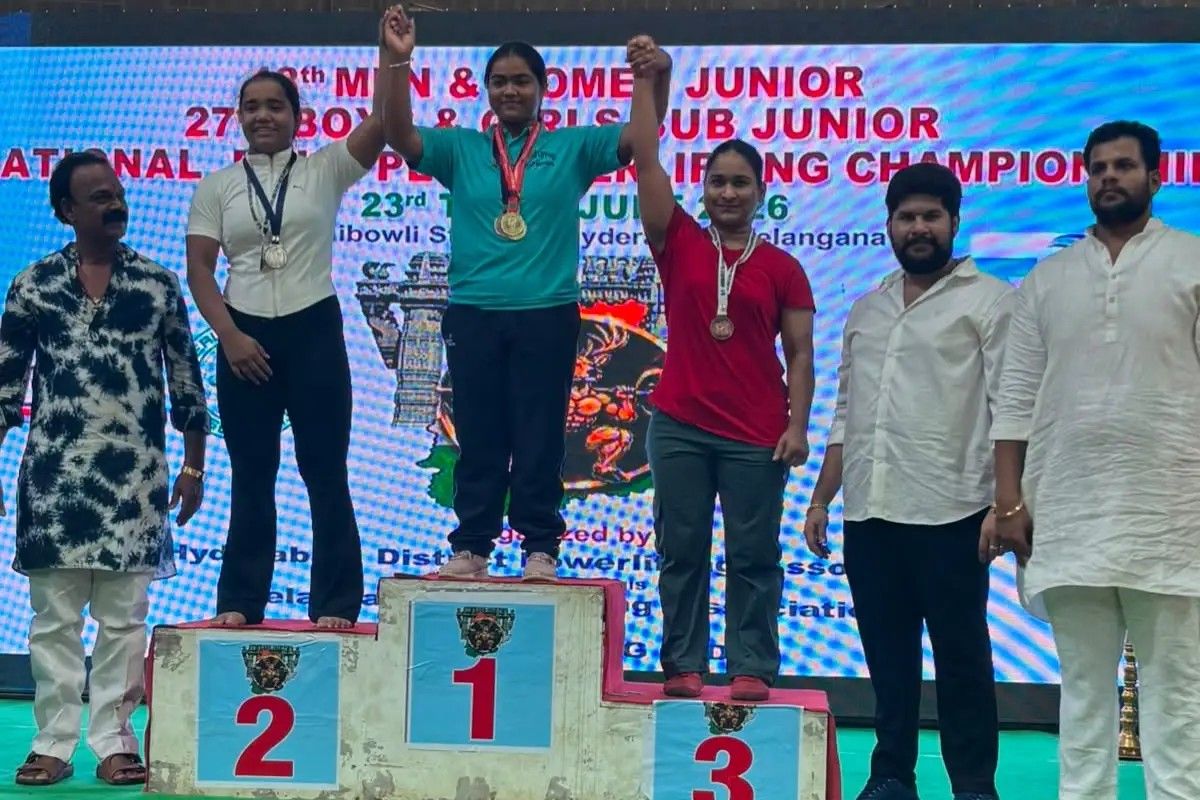
03 Jul, 2026
Bringing immense pride to CT University, Sneha delivered an exceptional performance at the National Powerlifting Men and Women Championship 2026 in Hyderabad, Telangana, by winning the Overall Gold Medal in the Women’s Junior 76 kg Weight Category while setting a new National Record in the Squat event.Sneha showcased remarkable strength, determination, and consistency throughout the championship. She secured a Gold Medal in Squat by lifting 222.5 kg, establishing a new National Record. She further won a Silver Medal in Bench Press with a lift of 120 kg and another Gold Medal in Deadlift by lifting 187.5 kg. With an impressive total lift of 530 kg, she emerged as the Overall Gold Medalist in her category.The outstanding achievement reflects CT University’s commitment to nurturing sporting excellence and empowering student-athletes to perform at the highest level on national platforms.Pro Chancellor, Dr. Manbir Singh, congratulated Sneha on her historic achievement and said, “Sneha’s remarkable performance and the new National Record are a matter of immense pride for the entire CT University family. Her dedication, discipline, and relentless hard work have brought laurels to the university and will inspire many aspiring athletes to dream bigger and achieve greater success.”Sports Head, Gurdeep Singh, also extended his congratulations, stating, “This achievement is the result of rigorous training, unwavering determination, and the athlete’s commitment to excellence. We are proud of Sneha’s outstanding performance and congratulate her for representing CT University with distinction at the national level. We also appreciate the continuous efforts of the coaching staff and the Sports Department in supporting our athletes.”The management, faculty, students, and the entire CT University family congratulated Sneha and the Sports Department on this remarkable accomplishment and wished her continued success in future national and international championships.
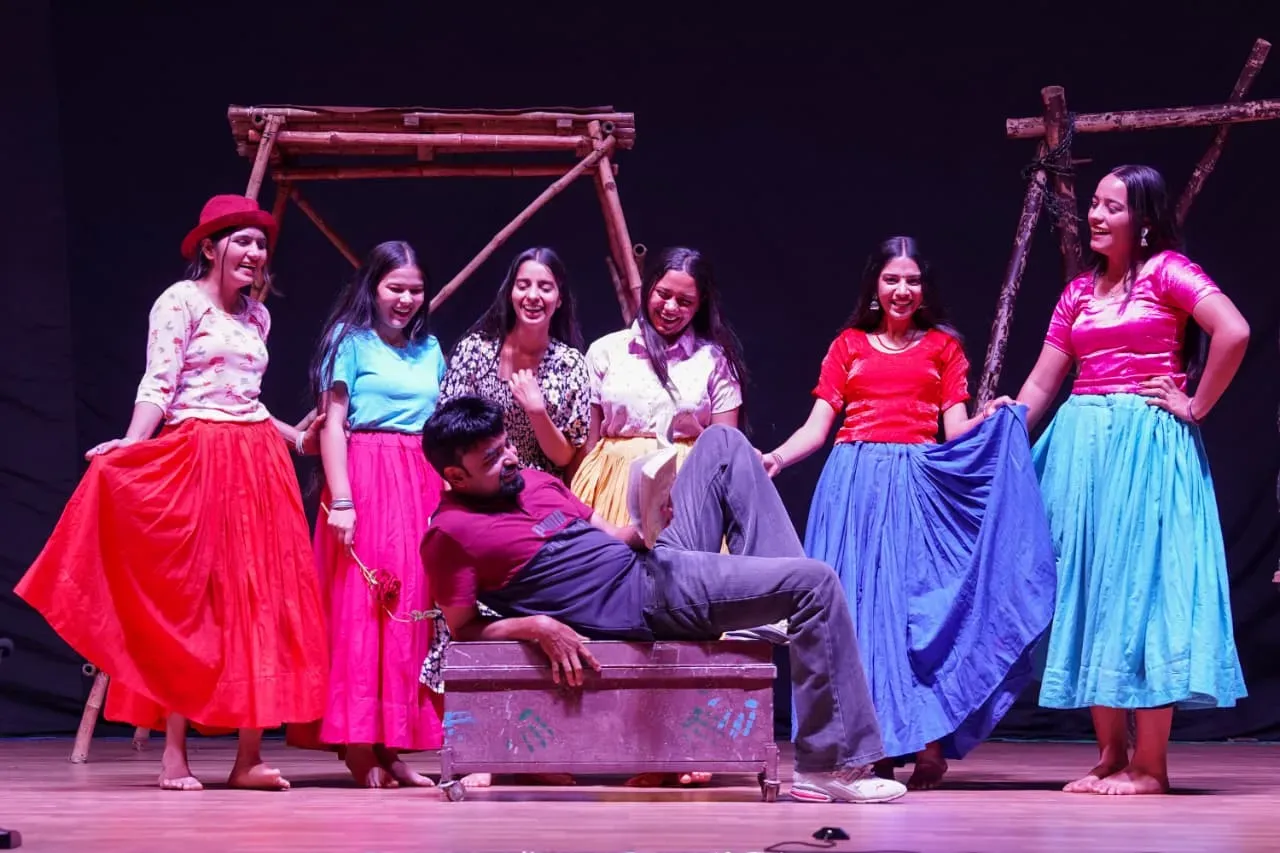
21 Jul, 2026
Reinforcing its commitment to holistic education and cultural enrichment, CT University successfully hosted Manto De Afsane, a thought-provoking theatrical production by Mastane Theater Group that brought the timeless works of legendary writer Saadat Hasan Manto to life. More than a stage performance, the production served as a powerful reflection on society, reminding audiences that the questions Manto raised decades ago continue to resonate in today’s world.Widely regarded as one of the greatest literary voices of the Indian subcontinent, Manto fearlessly chronicled the realities of Partition, exposing the devastating consequences of hatred, prejudice, violence, displacement, and the erosion of humanity. His stories transcended political narratives to explore the complexities of human nature, challenge societal hypocrisy, and give voice to the marginalized. Through Manto De Afsane, these timeless narratives inspired students and audiences to reflect on compassion, justice, empathy, and the values that unite humanity.Recognising theatre as a transformative medium for education, dialogue, and social awareness, CT University continues to create platforms where literature and performing arts become powerful instruments of learning. By hosting Manto De Afsane, the university reaffirmed its commitment to nurturing socially responsible individuals who appreciate artistic excellence while developing critical thinking and emotional intelligence.Directed by Aks Mehraj and Sonie Dhillon, the production featured compelling storytelling, evocative performances, and powerful visual expression that recreated the emotional depth of Manto’s writings. The play explored themes of communal harmony, gender, morality, displacement, resilience, and the enduring struggle between humanity and hatred, encouraging audiences to confront difficult realities while embracing coexistence and justice.The production featured a talented ensemble cast including Jaspreet Kaur, Amandeep Kaur, Sukhjeet Kaur, Firdaus Yasmeen, Parneet Kaur, Puneet Kaur, Ramanjot Kaur, Kabil, Dilverjot Singh, Rohit, and other theatre artists. Music was composed by Amandeep, costumes were supported by Bansi Kaur and Monga General Store, while Simran Gill designed the makeup.Vice Chancellor, Dr. Nitin Tandon, said, “At CT University, we believe education extends far beyond classrooms. Theatre is a powerful medium that cultivates empathy, critical thinking, and social awareness. Through Manto De Afsane, our students experienced literature in its most impactful form, inspiring them to reflect on history, humanity, and the responsibility each individual holds towards society.”Director, DSW, Er. Davinder Singh, added, “Our endeavour is to provide students with enriching experiences that nurture both intellectual and emotional growth. Manto De Afsane was not merely a theatrical performance but an immersive learning experience that encouraged meaningful conversations on compassion, inclusivity, and the enduring relevance of Saadat Hasan Manto’s literary legacy.”Through initiatives like Manto De Afsane, CT University continues to integrate arts and culture into education, preserving literary heritage while inspiring students to become compassionate, socially aware, and responsible global citizens.
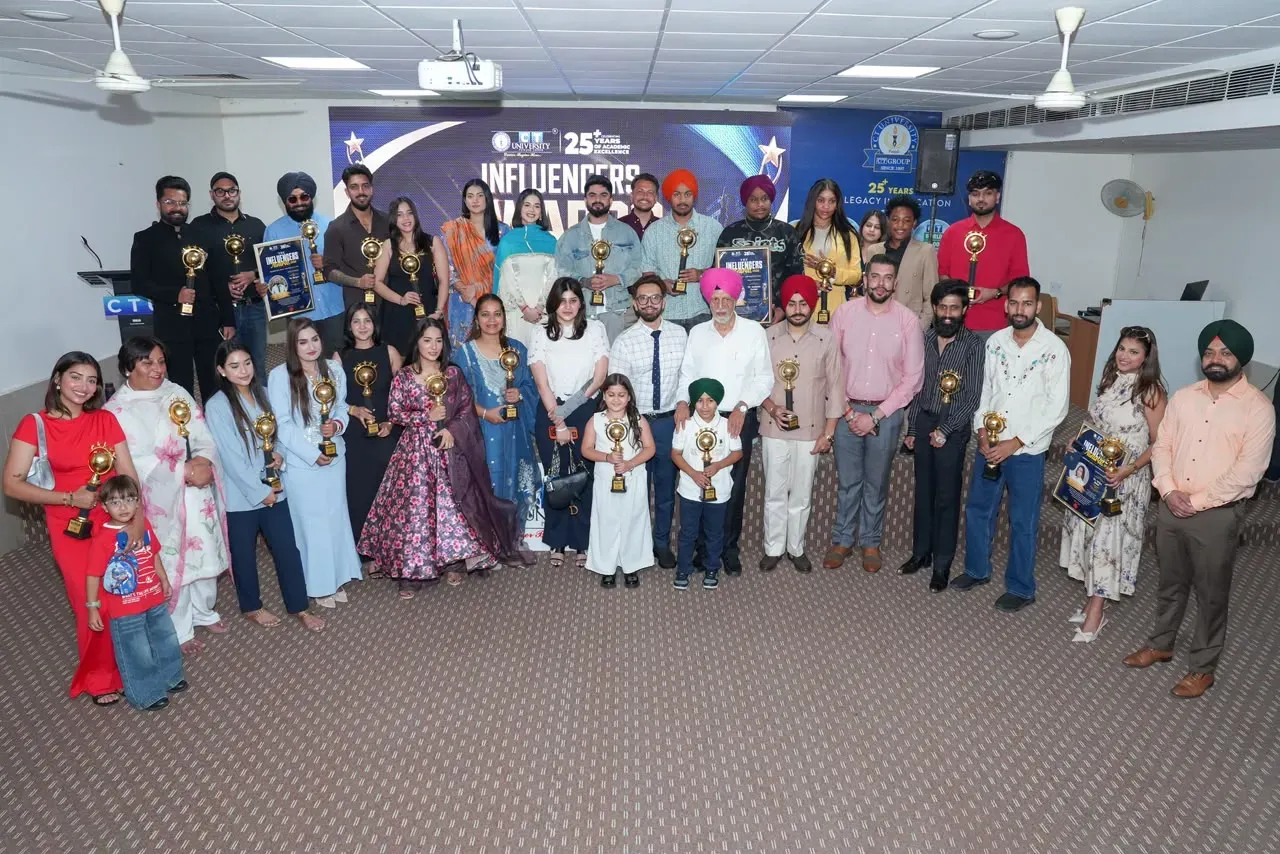
16 Jul, 2026
In a spectacular celebration of creativity, innovation, and digital influence, CT University successfully hosted the Influencers Awards 2026, bringing together more than 30+ renowned content creators, artists, and digital personalities from across the region under one roof. The event celebrated individuals who are redefining storytelling and inspiring millions through social media across diverse content categories.The prestigious event was graced by Sh. Rajan Sharma, SP Ludhiana Rural, Smt. Inderjit Kaur, Mayor, Ludhiana, and celebrated Punjabi singer Sippy Gill as Special Guests, whose presence added immense value and inspiration to the occasion.The awards recognized excellence across multiple creator categories, including Entertainment Creator, Comedy Creator, Dance Creator, Music Creator, and Actor/Performer Creator, honouring creators who have transformed digital platforms into spaces of creativity, education, and entertainment.Among the prominent influencers felicitated were Sam Narula, Reet Narula, Sajan Jagpalpuria, Taniya Arora (Social Media Influencer), Jasnoor Dhawan (Anchor), Muskan Khaneja (Founder, Aura By Muskan), Harkirat Singh (HM Creationz), Karmanjot Singh (Child Artist), and Prisha Sharma (Pihu Ji – Child Artist).Demonstrating its commitment to nurturing talent from within, CT University also honoured its own student creators, recognizing Tasper (popularly known as the “Moga Moga Guy”) and Surbhi Narula (Fashion Influencer) for their remarkable contribution to the digital creator ecosystem.The event witnessed the gracious presence of the university’s leadership, including Chancellor S. Charanjit Singh Channi, Pro Chancellor Dr. Manbir Singh, Vice Chairman Harpreet Singh, Co Vice Chairperson Adv. Manjinder Kaur, and Director, Department of Student Welfare, Er. Davinder Singh, who applauded the creators for shaping positive narratives and influencing society through meaningful content.CommentsS. Charanjit Singh Channi, Chancellor, CT University, said:“Content creators are the storytellers of the digital generation, shaping opinions, inspiring change, and creating opportunities through innovation. At CT University, we are proud to celebrate their achievements while encouraging our students to dream beyond conventional careers.”Inderjit Kaur, Mayor, Ludhiana, said:“The digital creator community is shaping today’s culture and tomorrow’s opportunities. I congratulate CT University for providing such a remarkable platform that recognizes creativity, inspires young talent, and celebrates those making a positive impact through digital content.”Special Guest RemarksPro Chancellor, Dr. Manbir Singh: “The youth of today are creating the future through digital innovation, and platforms like this encourage them to lead with creativity and purpose.”Rajan Sharma, SP Ludhiana Rural: “When influence is used with responsibility, it becomes one of society’s strongest forces for positive change.”Sippy Gill, Punjabi Singer: “It is wonderful to see CT University celebrating creators who are making Punjab and India proud through their talent and hard work.”Words from the Awarded Influencers“We sincerely thank CT University for recognizing the hard work behind digital content creation. Receiving this honour motivates us to continue creating meaningful, entertaining, and inspiring content while encouraging the next generation of creators to believe in their dreams.”
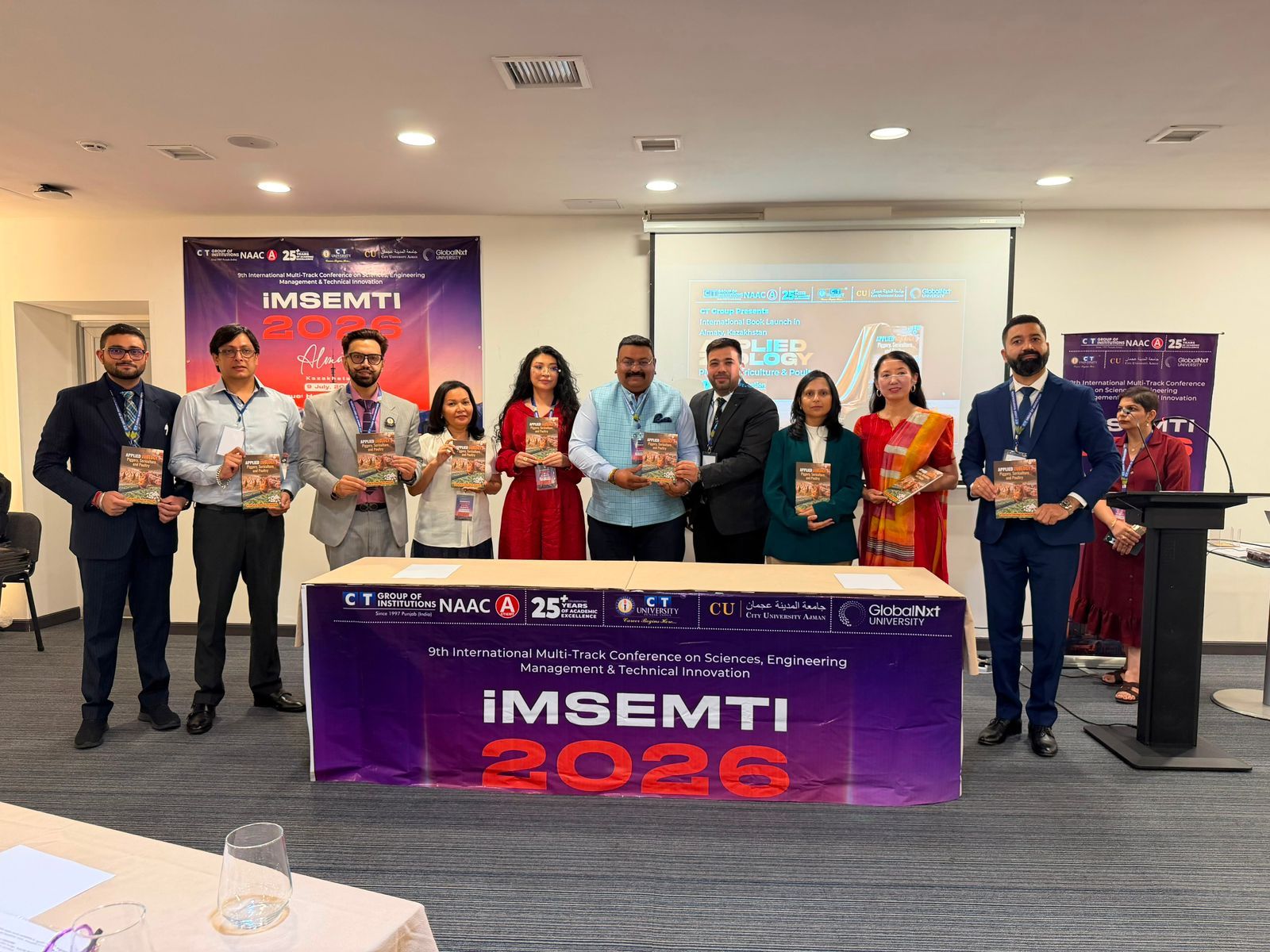
14 Jul, 2026
The historic city of Almaty, Kazakhstan, recently served as the epicentre of global academic innovation as the 9th International Multi-Track Conference on Sciences, Engineering, Management & Technical Innovation (IMSEMTI 2026) successfully concluded its high-impact tracks. The mega-academic confluence was organised by the CT Institute of Engineering, Management and Technology (CTIEMT), in close partnership with CT University, India, alongside international co-hosts City University Ajman (CUA), UAE, and GlobalNxt University, Malaysia. The milestone event brought together world-class researchers, eminent keynote speakers, academicians, and industry experts to address critical challenges and emerging opportunities across science, engineering, management, and technological innovation.The conference commenced with an inspiring inaugural ceremony, graced by Prof. Dilbar Gimranova, Senior Academician and Former Dean of the School of Economics and Management at Narxoz University, Kazakhstan, as the Distinguished Guest. Under the expert guidance of Session Chair Dr. Nittan Arora, Director, CCPC & Principal, CTIEMT, the conference featured thought-provoking technical sessions and groundbreaking deliberations led by an impressive panel of international experts. Among the distinguished contributors were Dr. Punit Puri from DAV College, Jalandhar, and Ms. Kritika Arora from Chitkara University, who were honoured with the Best Paper Awards for their outstanding research contributions. They joined renowned speakers including Dr. Ismagulova Symbat from Al-Farabi Kazakh National University, Dr. Ananya Mishra from Narxoz University, Dr. Pardip Goraya, Founder & General Director of Organikka Naturals, Ms. Aygerim Shakhanova from Global Education Study Abroad Consultancy, Dr. Abhinav Anand from Rayat Bahra Professional University, Dr. Varinder Singh Rana representing City University Ajman, UAE, Assoc. Prof. Dr. Dalwinder Kaur from GlobalNxt University, Malaysia, and Mr. Amandeep Singh, Airport Operations Subject Matter Expert at Emirates Group.The leadership of CT Group highlighted that today's fastest-growing industries demand interdisciplinary collaboration rather than innovation in isolated domains. Reinforcing this vision, the technical sessions showcased pioneering research across highly relevant contemporary fields. Researchers presented innovative papers on AI-powered DeepFake detection systems, advanced bio-therapeutics, urban livelihood resilience, corporate environmental performance evaluation, sustainable technologies, and emerging digital transformation strategies, reflecting the conference's commitment to addressing real-world global challenges.Reflecting on the grand success of the conference and the expansion of CT Group's academic footprint into the heart of Central Asia, Prof (Dr) Manbir Singh, Managing Director, CT Group, remarked that true intellectual growth and breakthrough innovation transcend geographical boundaries. He stated that CT Group has consistently nurtured a borderless academic ecosystem where researchers, educators, innovators, and industry leaders come together to exchange ideas and create meaningful collaborations. He further added that with successful editions of IMSEMTI hosted in Malaysia, Singapore, Dubai, Azerbaijan, Vietnam, and now Kazakhstan, the conference has evolved into a globally recognised platform that empowers faculty members, researchers, and scholars with international exposure while fostering long-term research partnerships across continents.The conference concluded with dynamic networking sessions, interactive Q&A forums, and collaborative discussions that laid the foundation for several future academic partnerships, joint research initiatives, faculty exchange opportunities, and international collaborations. The successful conclusion of IMSEMTI 2026 further reinforced CT Group's commitment to advancing global academic excellence, promoting impactful research, and strengthening its growing network of international collaborations across the world.
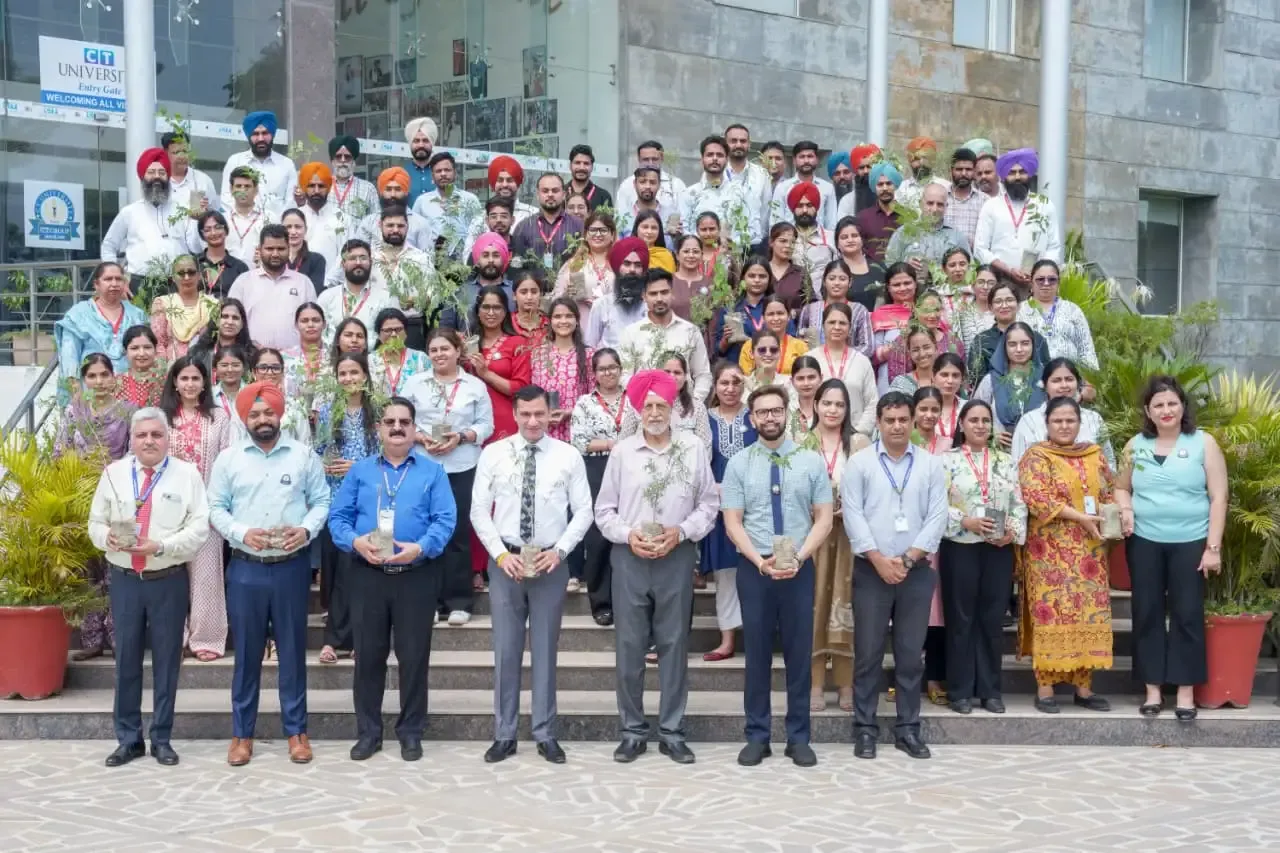
07 Jul, 2026
CT University celebrated Van Mahotsav 2026 with a large-scale tree plantation drive, reaffirming its commitment to environmental conservation and sustainable development. Under the visionary leadership of the Honourable Management, faculty members, staff and university officials came together to plant saplings across the campus, symbolizing a shared pledge towards creating a cleaner, greener, and healthier future.The initiative highlighted the University’s belief that every tree planted today contributes to fresh air, enhanced biodiversity, and a sustainable tomorrow. Through such meaningful efforts, CT University continues to inspire environmental responsibility and green innovation among its stakeholders.University Leaders Emphasize Environmental Responsibility and Sustainable GrowthPro Chancellor, Dr. Manbir Singh, said, “Van Mahotsav is a reminder that every individual has a role to play in protecting our environment. Every sapling we plant today is an investment in a healthier planet and a better future for generations to come. At CT University, we remain committed to promoting sustainability through meaningful action.”Vice Chancellor, Dr. Nitin Tandon, said, “Environmental sustainability begins with collective responsibility. The enthusiastic participation of the entire CT family reflects our shared vision of preserving nature while inspiring future generations to become responsible global citizens. Together, we can create a lasting positive impact on the environment.”
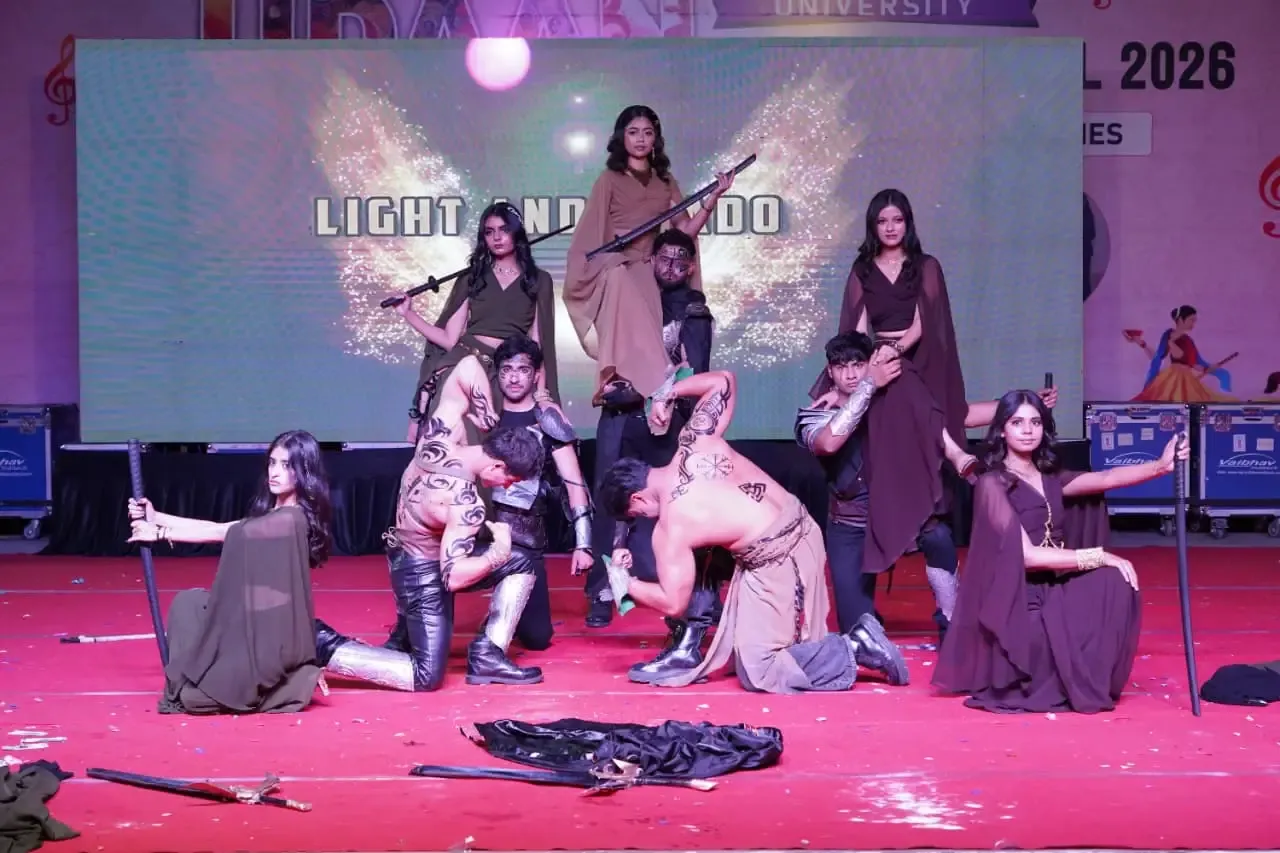
10 Jul, 2026
CT University transformed into a vibrant hub of fashion, creativity, and confidence as students showcased their talent during the much-awaited Fashion Show, captivating the audience with stunning themes, impeccable styling, and remarkable stage presence.The event was graced by Co-Vice Chairperson Advocate Manjinder Kaur, who encouraged students to embrace innovation and self-expression while pursuing excellence in every field.The competition was judged by renowned Fashion Choreographer Hardeep Arora and celebrated Makeup Artist Rajni Mehta, who evaluated the participants on creativity, presentation, confidence, coordination, and overall impact.After an exciting showcase, the School of Social Sciences & Liberal Arts emerged as the winner, securing the First Position. The School of Pharmaceutical Sciences claimed the Second Position, while the School of Allied Sciences secured the Third Position for their impressive performances.Vice Chairman Harpreet Singh congratulated all the participants and winners, stating that fashion is not merely about appearance but a powerful expression of confidence, discipline, creativity, and personality. He appreciated the students for presenting unique concepts with professionalism and applauded the University’s continuous efforts to provide platforms that nurture talent beyond academics.Director, Division of Student Welfare (DSW), Er. Davinder Singh appreciated the enthusiastic participation of students and highlighted that such events play a significant role in enhancing confidence, teamwork, leadership, and communication skills. He reaffirmed CT University’s commitment to providing holistic development opportunities that prepare students for success in every sphere of life.The event concluded with a grand prize distribution ceremony, celebrating the outstanding performances and reinforcing CT University’s dedication to fostering creativity, talent, and all-round personality development among its students.
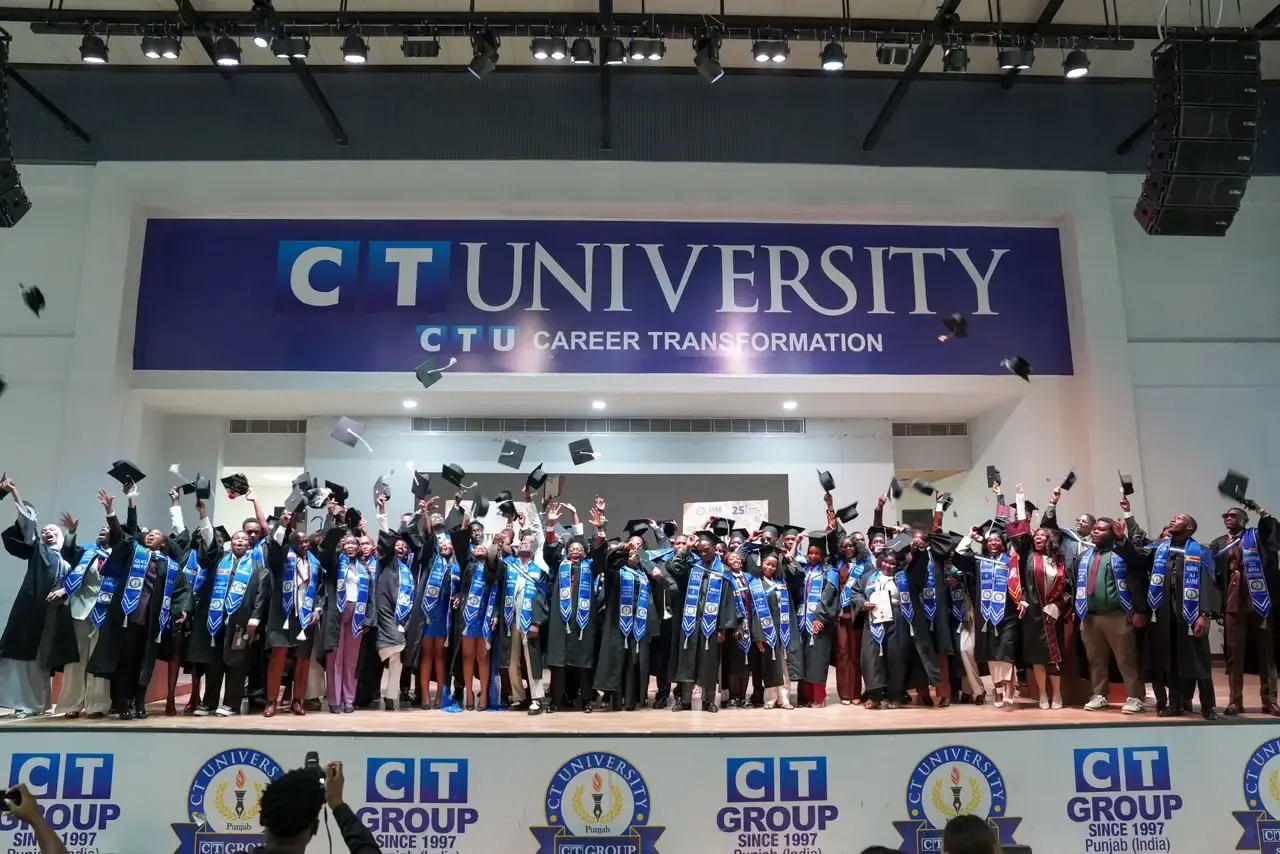
25 Jul, 2026
CT University marked a remarkable milestone by hosting the International Graduation Ceremony 2026, celebrating the academic achievements of more than 150 international students who successfully completed their respective programmes. The ceremony reflected the university’s commitment to fostering global education, cultural diversity, and academic excellence.Students representing 14 countries Zimbabwe, Malawi, Sudan, Tanzania, South Africa, Mozambique, Gambia, Namibia, Botswana, Liberia, Lesotho, South Sudan, Eswatini, and Cameroon were conferred their degrees in a grand ceremony filled with pride, joy, and unforgettable emotions. The event witnessed graduates celebrating the culmination of years of dedication, hard work, and perseverance alongside faculty members, university officials, fellow students, and proud parents who travelled from different countries to witness their children achieve this significant milestone.The ceremony was graced by Sanjay Khanduri, Registrar, CT University and Naresh Sharma, Director, International Affairs also attended making the occasion even more memorable with his presence.Congratulating the graduates, Naresh Sharma highlighted CT University’s growing international community and emphasized the institution’s dedication to providing a globally enriching academic environment that empowers students to excel across borders.Addressing the gathering, Dr. Manbir Singh, Pro Chancellor, CT University, congratulated the graduates and said, “Today is not merely the completion of an academic journey but the beginning of a new chapter filled with opportunities and responsibilities. At CT University, we take immense pride in nurturing global citizens who possess the knowledge, values, and confidence to make meaningful contributions to society. We wish all our graduates continued success as they become ambassadors of excellence across the world.”Sharing his thoughts on the occasion, Er. Davinder Singh, Director, Department of Student Welfare (DSW), CT University, said, “The International Graduation Ceremony is a celebration of dreams transformed into achievements. Our international students have enriched the university with their diverse cultures, perspectives, and experiences. We are confident they will carry forward the spirit of CT University wherever they go and create a lasting impact in their respective fields.”The ceremony concluded on an emotional note as graduates celebrated together by tossing their graduation caps into the air, symbolizing the successful completion of one journey and the beginning of another. Filled with smiles, heartfelt embraces, and cherished memories shared with their families, teachers, and friends, the event beautifully reflected the spirit of unity, friendship, and global excellence that defines CT University.
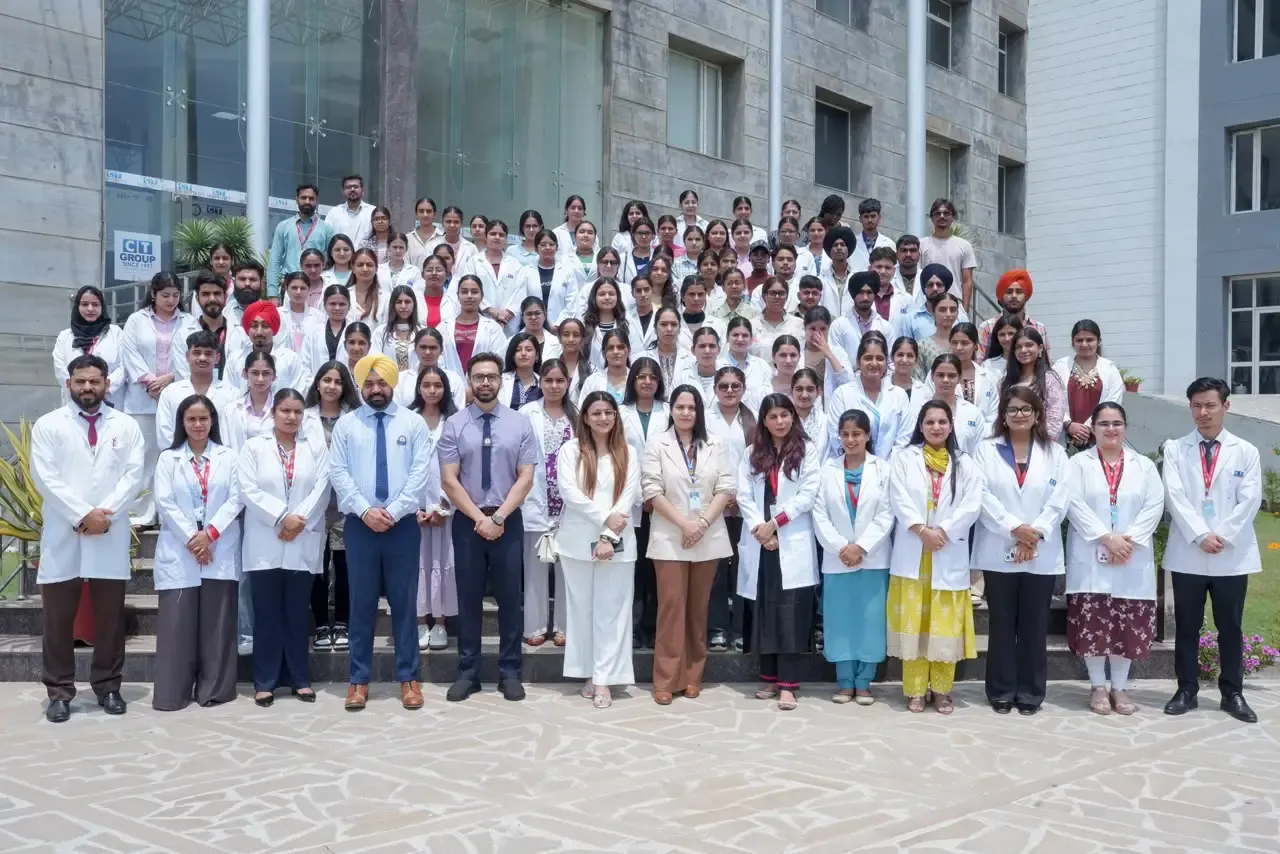
28 Jul, 2026
Demonstrating its unwavering commitment to producing skilled, compassionate, and industry-ready healthcare professionals, the School of Allied and Healthcare, CT University, successfully organized a two-day series of academic and professional events, including the White Coat Ceremony, inauguration of the Advanced Exercise Therapy and Biomechanics Lab, and expert sessions by renowned healthcare professionals.The first day commenced with the White Coat Ceremony, marking the formal induction of the new batch of healthcare students into their professional journey. The ceremony was graced by Dr. Gagan, Dental Surgeon and Aesthetic Expert, as the Chief Guest, who also delivered an inspiring expert lecture on ethics, professionalism, and compassionate patient care. Addressing the aspiring healthcare professionals, she encouraged students to uphold integrity, empathy, and continuous learning as the foundation of a successful medical career.Students proudly donned their white coats and took the Professional Oath, reaffirming their commitment to serving humanity with dedication and ethical responsibility. A specially curated Display Gallery showcasing innovative student projects, research initiatives, and departmental achievements reflected the University’s emphasis on experiential learning, innovation, and academic excellence.Dt. Simrat Kathuria Highlights Preventive Healthcare; CT University Inaugurates Advanced Exercise Therapy & Biomechanics LabThe second day witnessed the inauguration of the Advanced Exercise Therapy and Biomechanics Lab, a significant addition to CT University’s healthcare infrastructure that will strengthen clinical education, rehabilitation practices, research, and hands-on learning for physiotherapy students. Equipped with advanced therapeutic and biomechanical assessment facilities, the laboratory is designed to bridge the gap between theoretical knowledge and clinical practice.The occasion was further enriched with an expert session on “The Diet–Exercise Equation for Health” by Dt. Simrat Kathuria, Nutrition Scientist and Lifestyle Disease Reversal Expert. During her insightful lecture, she emphasized the importance of balanced nutrition, regular physical activity, and preventive healthcare in combating lifestyle diseases. She encouraged students to embrace evidence-based healthcare practices and promote holistic wellness in their professional careers.Pro Chancellor, Dr. Manbir Singh, congratulated the School of Allied and Healthcare for successfully organizing the academic events and said, “Healthcare education today demands much more than classroom learning. At CT University, we are committed to creating an ecosystem that combines advanced infrastructure, practical exposure, research, innovation, and industry interaction to prepare students as globally competent and compassionate healthcare professionals capable of transforming lives.”The two-day academic initiative reaffirmed CT University’s vision of delivering world-class healthcare education by integrating advanced infrastructure, expert mentorship, experiential learning, and industry-oriented training, empowering students to become responsible healthcare professionals dedicated to improving lives and serving society with excellence.
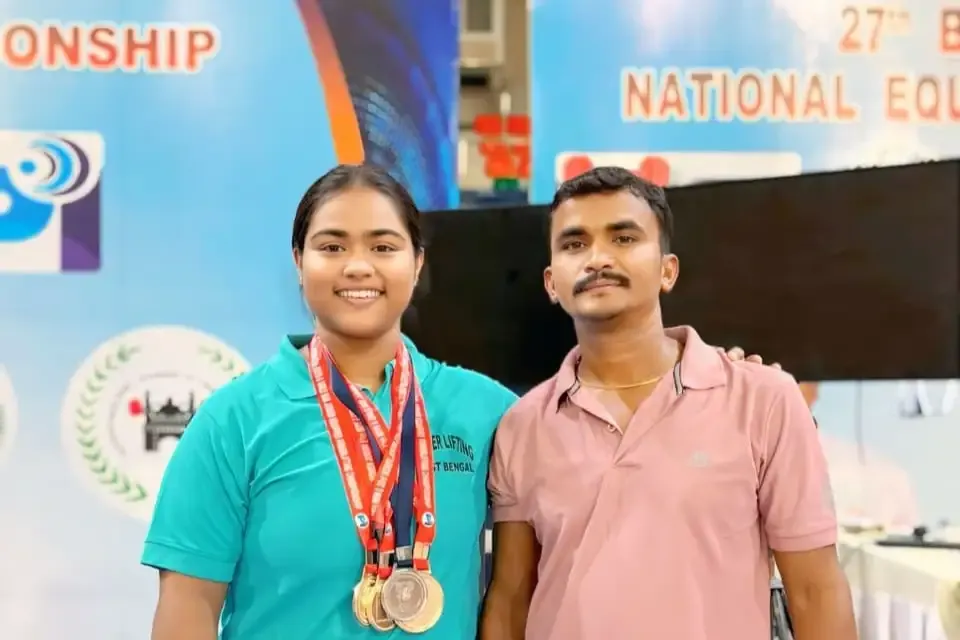
31 Jul, 2026
For many young athletes, representing India remains a distant dream. For Sneha Gharami, a second-year BA student at CT University, that dream has now become reality one built on years of sacrifice, unwavering determination, and the courage to overcome financial hardships.A resident of Howrah, West Bengal, Sneha has been selected to represent India in the Junior 76 kg category at the Commonwealth Powerlifting Championship 2026, to be held in Winnipeg, Canada, from September 17 to 27.Behind this remarkable achievement lies a story of resilience. Coming from a financially constrained background, Sneha faced numerous challenges in pursuing professional sports. Yet, she refused to let circumstances define her future. Her relentless dedication, coupled with the support of CT University’s Sports Scholarship Programme, enabled her to continue both her education and intensive training without giving up on her ambitions.Her selection came after an exceptional performance at the National Equipped Powerlifting Championship in Hyderabad, where she broke her own national record by lifting 222.5 kg in Squats, surpassing her previous best of 212.5 kg. She also won Gold Medals in Squat and Deadlift along with a Silver Medal in Bench Press, earning her place in the Indian contingent.Sneha’s journey has been marked by consistent excellence. She has previously won three Gold Medals at the Asian Equipped Powerlifting Championships, Overall Gold at the National Equipped Powerlifting Championship (Punjab, 2024), and Overall Gold at the Federation Cup Powerlifting Championship (Delhi, 2024). Today, her story stands as an inspiration for thousands of aspiring athletes who dare to dream despite limited resources.Congratulating Sneha, Pro Chancellor Dr. Manbir Singh said,“Sneha’s journey is far more than a sporting achievement—it is a story of perseverance, courage, and belief. Despite financial challenges, she never allowed her dreams to fade. At CT University, we are committed to ensuring that talented students receive the opportunities they deserve. Her selection to represent India fills the entire university with pride, and we are confident she will inspire countless young athletes across the country.”Director of Sports Gurdeep Singh said,“Sneha’s dedication has been exceptional from day one. Every record she has broken is the result of countless hours of discipline and hard work. We are proud to have witnessed her transformation into an international athlete and believe she will make India proud.”Director, Department of Student Welfare (DSW), Er. Davinder Singh, added,“Sneha’s success reflects the strength of CT University’s commitment to nurturing talent beyond classrooms. Her journey reminds every student that determination, when supported with the right opportunities, can overcome even the toughest circumstances.”As Sneha prepares to wear the Indian jersey on the international stage, her journey has become much more than a sporting success—it is a powerful reminder that dreams know no boundaries when determination meets opportunity. Her achievement adds yet another proud chapter to CT University’s growing legacy of producing champions who inspire the nation.
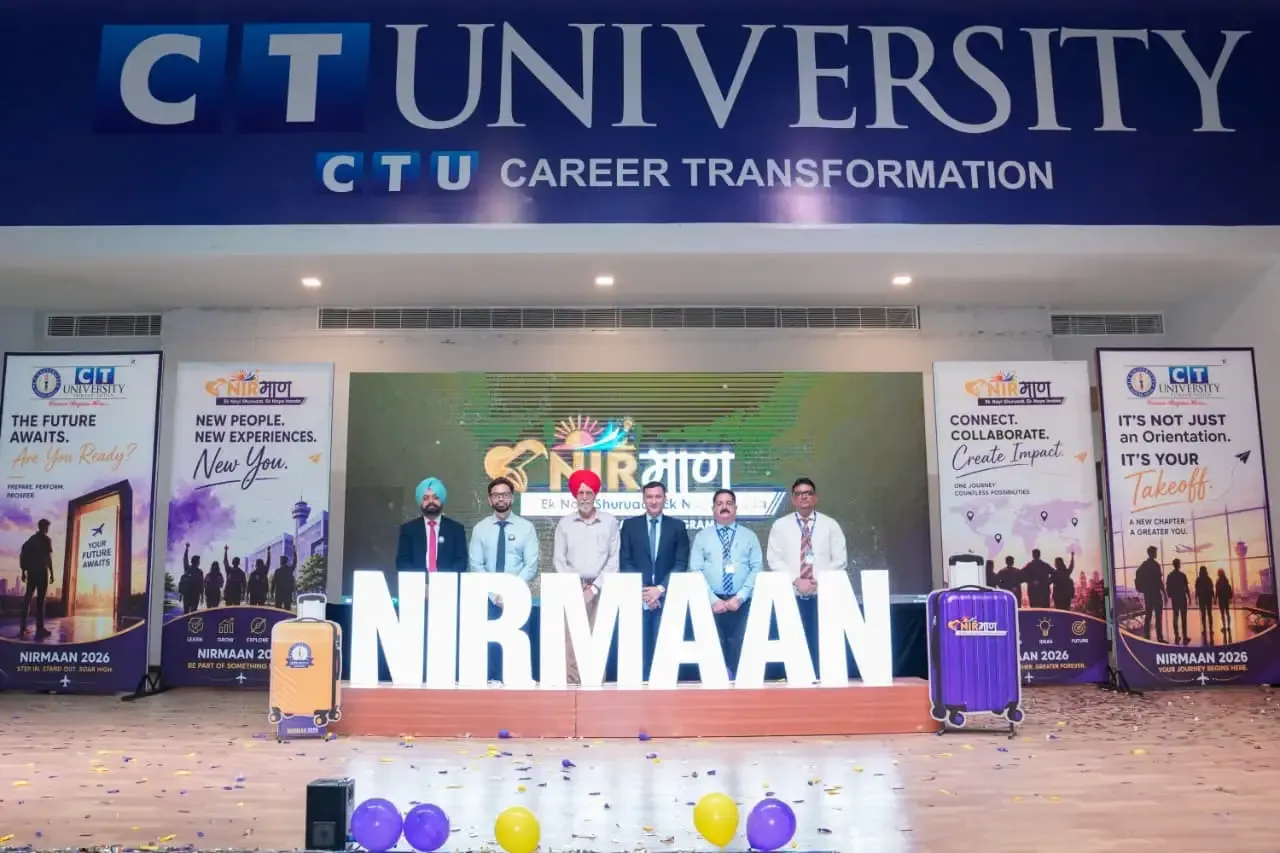
03 Aug, 2026
CT University marked the commencement of its flagship Orientation Programme, ‘Nirmaan 2026’, by extending a grand welcome to more than 2,500 newly admitted students from various academic disciplines.Conceptualized around an innovative Airport Theme, the University transformed the campus into a vibrant departure terminal, symbolizing the beginning of every student’s journey towards knowledge, innovation, and success.Adding a unique experiential element, every fresher was welcomed with a personalized Passport and Boarding Pass, making their entry into the University both memorable and meaningful. The immersive concept represented students boarding the flight of their academic aspirations, reinforcing CT University’s commitment to preparing globally competent professionals and future leaders.The inaugural session was graced by the esteemed presence of Chancellor S. Charanjit Singh Channi, Pro Chancellor Dr. Manbir Singh, Vice Chancellor Dr. Nitin Tandon, Registrar Sanjay Khanduri, and Director, Division of Student Welfare, Er. Davinder Singh, who warmly welcomed the students and motivated them to embrace every opportunity that university life has to offer.Chancellor S. Charanjit Singh Channi encouraged students to remain focused on their goals, nurture innovation, and strive for excellence while making meaningful contributions to society. He emphasized that CT University is committed to providing an ecosystem where students can transform their dreams into achievements through quality education, experiential learning, and holistic development.Addressing the gathering, Pro Chancellor Dr. Manbir Singh inspired the freshers to step out of their comfort zones, embrace challenges with confidence, and make the most of the University’s vibrant academic and co-curricular environment. He highlighted that success is built through discipline, consistency, and a willingness to learn every day.Management welcomed the students to the CT family and emphasized the University’s focus on innovation, research, entrepreneurship, and industry-oriented education. He encouraged students to actively participate in academic, cultural, and extracurricular activities to develop into well-rounded professionals.The programme also introduced students to the University’s academic framework, campus facilities, student support services, international collaborations, placement opportunities, clubs, societies, and vibrant campus culture. Through engaging sessions and interactive activities, the freshers gained valuable insights into the opportunities that await them during their academic journey.The opening day of Nirmaan 2026 concluded on an energetic and celebratory note. Following the inaugural ceremony, the University immersed students in a vibrant cultural programme that beautifully showcased the diverse cultures, traditions, and artistic heritage represented on the CT University campus. The mesmerizing performances not only entertained the freshers but also reflected the University’s multicultural spirit, fostering a sense of inclusivity, unity, and belonging among students from different regions and backgrounds. The orientation programme will continue over the coming days with motivational sessions, entertainment, interactive engagements, and exciting activities designed to help students seamlessly transition into university life while inspiring them to dream big and soar towards a successful future.
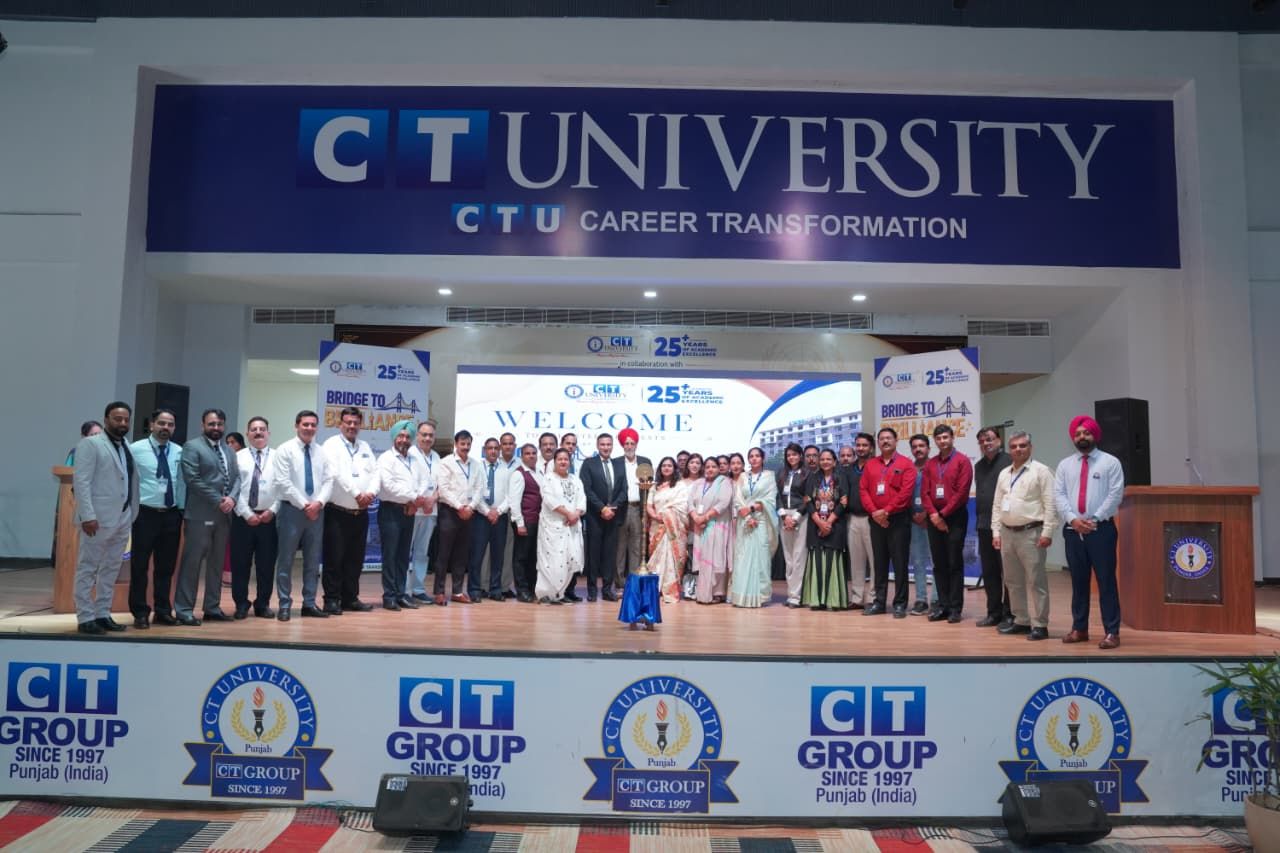
16 Aug, 2026
CT University organised a grand Principal Conclave, bringing together more than 400 Principals and education leaders from schools across the region to celebrate their invaluable contribution to shaping the future of education and the nation. The conclave served as a platform for meaningful interaction, knowledge sharing and strengthening the relationship between schools and higher education institutions.The event recognised and honoured more than 400 Principals for their dedicated service and leadership in the field of education. The gathering highlighted the crucial role of school Principals in nurturing young minds, developing future-ready students and creating a strong foundation for higher education and professional careers.Addressing the gathering, Vice Chancellor Dr. Nitin Tandon spoke about the University’s School Connect Program, an initiative aimed at bridging the gap between schools and universities. He emphasised the importance of establishing stronger academic linkages, enabling school students to gain greater exposure to higher education opportunities, emerging career pathways, industry-oriented learning and the evolving academic landscape.Dr. Tandon highlighted that meaningful collaboration between schools and universities can help students make informed career choices at the right stage and prepare them for the demands of the future.The conclave also featured an informative address by Admission Head Dr. Ashish Raina, who elaborated on the Hotel Management Pathway to Abroad. He highlighted the growing opportunities available in the hospitality sector and explained how students pursuing Hotel Management can explore international education, professional training and global career opportunities.Adding an experiential dimension to the conclave, various schools and academic departments of CT University showcased their projects and innovative work. The exhibits provided the visiting Principals with an insight into the University’s academic environment, practical learning approach, innovation-driven education and multidisciplinary programmes.Chancellor Calls for Stronger Educational Partnerships; Vice Chancellor Reaffirms Commitment to SchoolsAddressing the gathering, Chancellor Sardar Charanjit Singh Channi appreciated the presence and contribution of the Principals and emphasised that education is not limited to classrooms but is a collective responsibility of schools, universities, teachers, parents and society. He called for stronger collaboration between schools and universities to ensure that students receive the right guidance, exposure and opportunities to build successful careers.He stated that such platforms are important for creating a shared vision for the future of education, where institutions work together to identify the aspirations of students and provide them with pathways that connect learning with real-world opportunities.Vice Chancellor Dr. Nitin Tandon reiterated CT University’s commitment towards building long-term partnerships with schools through initiatives such as the School Connect Program. He said that the University aims to create a continuous bridge between school education and higher education, enabling students to transition smoothly into their chosen academic and career pathways.The Principal Conclave concluded with an emphasis on collaboration, innovation and student-centric education, reinforcing CT University’s vision of working closely with school leaders to create greater opportunities for the next generation.The event brought together educationists under one platform and further strengthened CT University’s commitment to building a connected and collaborative educational ecosystem. Check the Glimpse of the Program
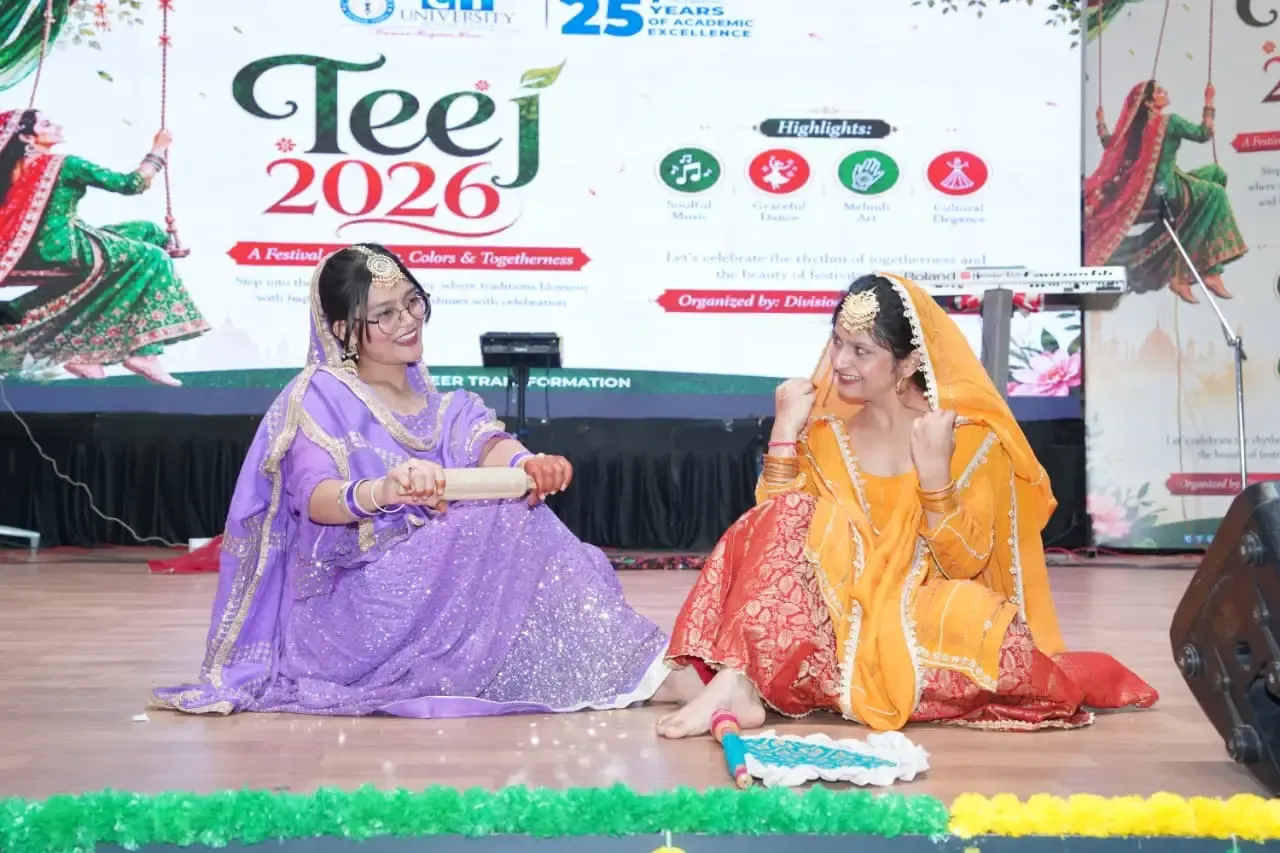
13 Aug, 2026
CT University came alive with the vibrant colours, music and traditions of Teej 2026, as the Division of Student Welfare organised a grand celebration at the Multipurpose Hall, bringing together students and members of the university fraternity in the true spirit of Punjabi culture, tradition and togetherness.The celebration beautifully captured the essence of Teej, with the venue transformed into a colourful festive space reflecting the rich cultural heritage of Punjab. Students enthusiastically participated in a variety of activities and cultural presentations, creating an atmosphere filled with joy, energy and celebration.A major highlight of the event was the cultural performances, where students showcased the richness of Punjabi traditions through graceful dance, soulful music and vibrant folk presentations. Traditional attire and festive décor further enhanced the ambience, giving the celebrations an authentic Teej feel.Adding to the festive experience were specially curated Teej-themed stalls, which attracted students throughout the event. The food stalls offered a variety of delicious festive delicacies, while the Mehndi stalls allowed students to adorn their hands with beautiful and intricate traditional designs. The colourful bangle stalls were another major attraction, giving students an opportunity to embrace the traditional charm associated with Teej.From music and dance to food, Mehndi, bangles and traditional celebrations, the event offered a complete festive experience and provided students with an opportunity to connect with their cultural roots while enjoying the spirit of togetherness.Dr. Nitin Tandon, Vice Chancellor, CT University, said, “Teej is much more than a festival; it is a beautiful celebration of our cultural heritage, relationships and collective happiness. At CT University, we believe that education extends beyond classrooms, and such celebrations provide our students with an opportunity to experience and appreciate the richness of our traditions. The enthusiasm and participation of our students today are truly encouraging.”Er. Davinder Singh, Director, Division of Student Welfare, CT University, said, “Teej 2026 has been a wonderful celebration of culture, creativity and togetherness. From vibrant cultural performances and traditional attire to Mehndi, bangles and food stalls, every element reflected the festive spirit of Teej. We are delighted to provide our students with a platform where they can celebrate their heritage, express their creativity and create beautiful memories together.”The Teej 2026 celebration concluded on a joyous note, with students actively participating in the festivities and embracing the beauty of Punjabi traditions. The celebration reflected CT University’s commitment to promoting cultural values, creativity, inclusivity and holistic student development, making Teej 2026 a memorable and colourful celebration of heritage and togetherness.
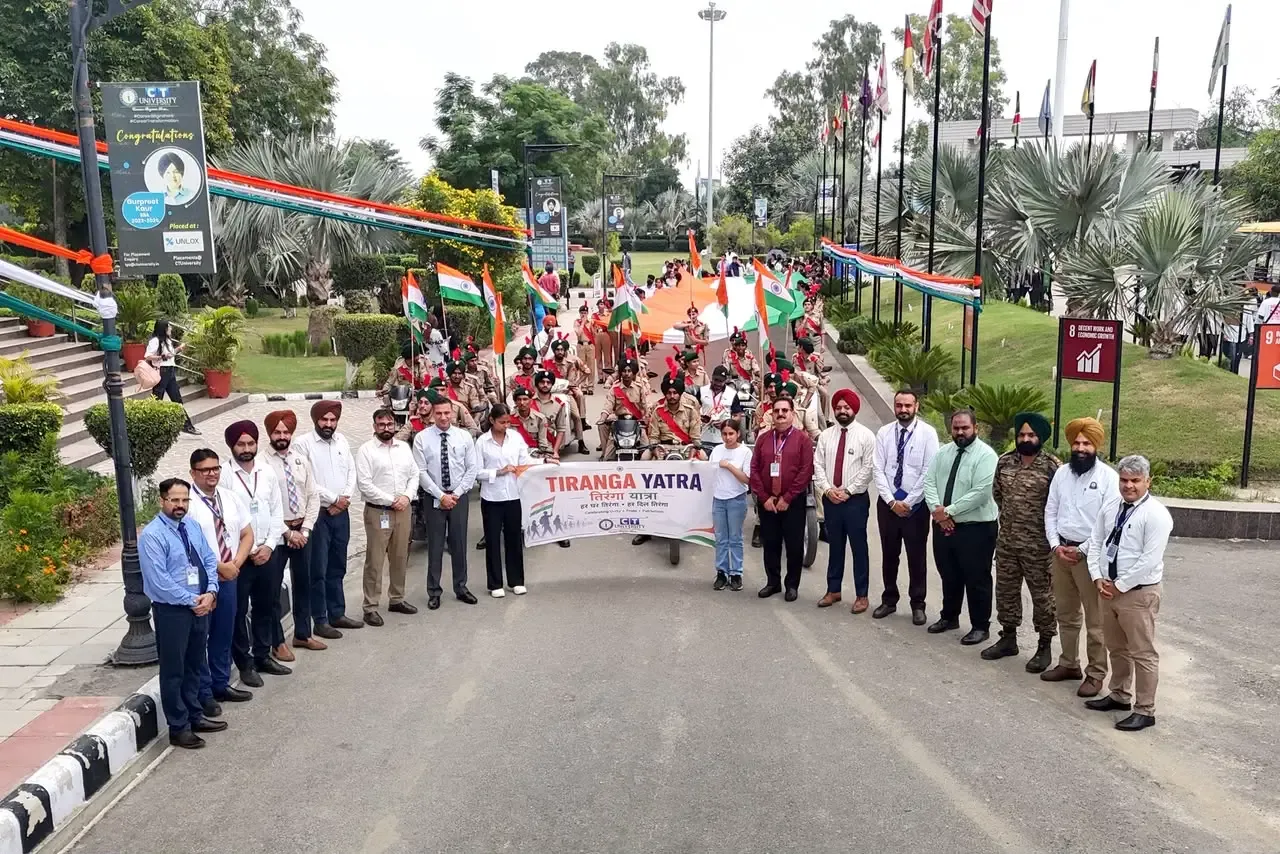
14 Aug, 2026
CT University organised a grand Tiranga Yatra featuring a spectacular 300-feet Tricolour, bringing together students, faculty and staff in a powerful celebration of national pride, unity and patriotism.The massive Tricolour journeyed through the university campus amid patriotic slogans and an atmosphere filled with pride and enthusiasm. The celebration beautifully captured the spirit of Ekta, Rashtrabhakti aur Rashtriya Gaurav, reminding everyone of the sacrifices that secured India’s freedom.More than 500 students actively participated in the Tiranga Yatra, making it a memorable celebration of collective spirit and national pride. Marching together with the 300-feet Tricolour, the students displayed enthusiasm, discipline and a strong commitment towards the nation.Vibrant Cultural Performances Showcase India’s Heritage and Vision of an Empowered IndiaThe celebrations were further enlivened by an impressive cultural programme featuring energetic Bhangra, soulful singing, group dance performances, and an impactful skit and play portraying the values of freedom, sacrifice and patriotism. The performances reflected India’s rich cultural diversity while showcasing the students’ creativity and love for the nation.The celebration also echoed the vision of an empowered and progressive India, inspiring students to understand that nation-building is a shared responsibility. The Tiranga Yatra served as a reminder for the younger generation to carry forward the values of unity, responsibility, innovation and service towards the nation.Dr. Nitin Tandon, Vice Chancellor, CT University, said, “Independence Day reminds us that freedom comes with responsibility. Our students are the future nation-builders, and through their knowledge, character and commitment, they can contribute meaningfully to the progress of India. The 300-feet Tiranga Yatra was a proud reflection of our collective spirit and patriotism.”Er. Davinder Singh, Director, DSW, CT University, said, “The 300-feet Tiranga Yatra was a memorable expression of unity and national pride. Seeing the entire CT University fraternity come together under the Tricolour was truly inspiring. Such celebrations help nurture patriotism, discipline and a strong sense of responsibility among our students.”The Independence Day celebration concluded on a proud and inspiring note, leaving the CT University fraternity with a renewed commitment to uphold the values of freedom, unity and responsibility while contributing towards the vision of a stronger and empowered India.
24 Aug, 2026
T University organised an inspiring Turban Tying Competition to celebrate the rich cultural traditions associated with the turban and encourage students to embrace the values of pride, dignity, discipline and identity.The competition witnessed enthusiastic participation, with students showcasing their precision, creativity, confidence and skill in the traditional art of turban tying. The event provided a meaningful platform for students to express their cultural values while appreciating the significance of the turban as a symbol of honour, courage, responsibility and self-respect.The vibrant atmosphere reflected the students’ enthusiasm and respect for their traditions, making the competition a memorable celebration of culture, values and togetherness.Winners Recognised for ExcellenceJunior Category🥇 1st Position – Sukhdeep Singh🥈 2nd Position – Jashandeep Singh🥉 3rd Position – Gagampreet SinghSenior Category🥇 1st Position – Juhan Singh🥈 2nd Position – Pramshu🥉 3rd Position – Harmanpreet SinghCongratulating the participants and winners, Dr. Manbir Singh, Pro Chancellor, CT University, said, “The turban is not merely a part of our traditional attire; it represents dignity, responsibility, courage and pride. Such initiatives help our young generation stay connected with their values while expressing them with confidence.”Er. Davinder Singh, Director, DSW, CT University, appreciated the enthusiasm of the students and said that the competition was a wonderful display of talent, discipline and cultural pride, encouraging students to respect and carry forward their traditions.The event concluded with appreciation for all participants and winners, reaffirming CT University’s commitment to creating platforms where students can celebrate their roots, express their identity and carry meaningful traditions forward with pride.
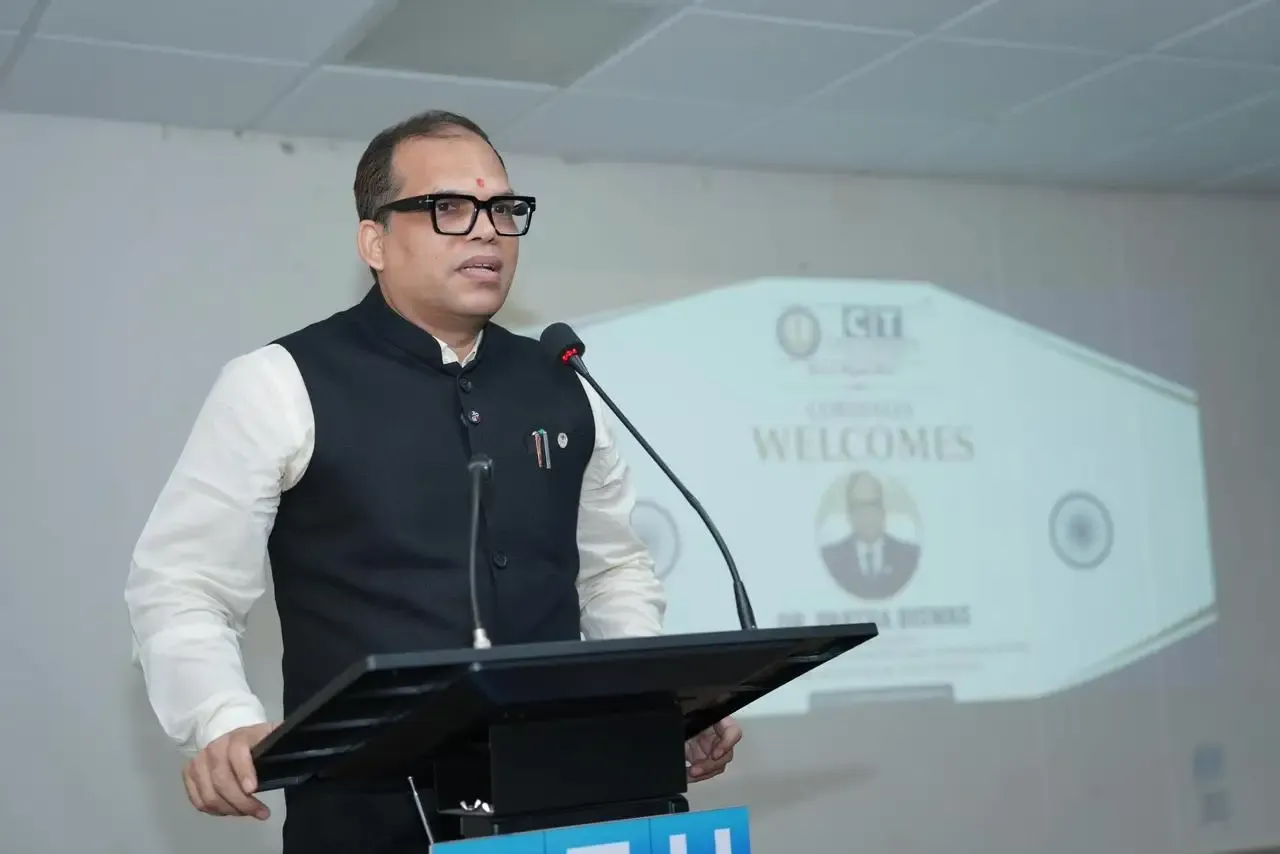
27 Aug, 2026
CT University hosted Dr. Partha Biswas, Hon’ble Member, National Commission for Scheduled Castes (NCSC), Government of India, during his visit to the university.He was accompanied by Naveen Rohila, Private Secretary, and Parminder Singh, Director, as state guests.The visit focused on strengthening awareness around constitutional safeguards, social justice, equal opportunities and the importance of creating an inclusive educational environment for students from all sections of society.Commenting on the occasion, Dr. Manbir Singh, Pro Chancellor, CT University, said, “It is an honour to welcome Dr. Partha Biswas to CT University. His valuable insights on social justice, constitutional rights and inclusive development will inspire our students to become responsible citizens who contribute meaningfully to society. At CT University, we remain committed to ensuring equal opportunities and an environment where every student can learn, grow and excel.”Dr. Nitin Tandon, Vice Chancellor, CT University, stated, “The interaction with Dr. Partha Biswas provided our students and academic community with an important perspective on equality, empowerment and social responsibility. Such distinguished visits encourage meaningful dialogue between educational institutions and constitutional bodies and help our students understand their role in building a more equitable society.”Dr. Partha Biswas Calls for Awareness, Equality and EmpowermentAddressing the gathering, Dr. Partha Biswas, Hon’ble Member, National Commission for Scheduled Castes, Government of India, appreciated CT University’s efforts towards education and student development. He emphasised the significance of education, awareness of constitutional rights, equal opportunities and empowerment in ensuring inclusive growth.He encouraged students to remain aware of their rights and responsibilities and to use education as a powerful tool for personal development and social transformation. He also highlighted the role of educational institutions in fostering an environment based on dignity, equality, respect and opportunity for all.The visit concluded with an engaging interaction with the university fraternity, reaffirming the shared commitment towards inclusive education, social justice and nation-building.
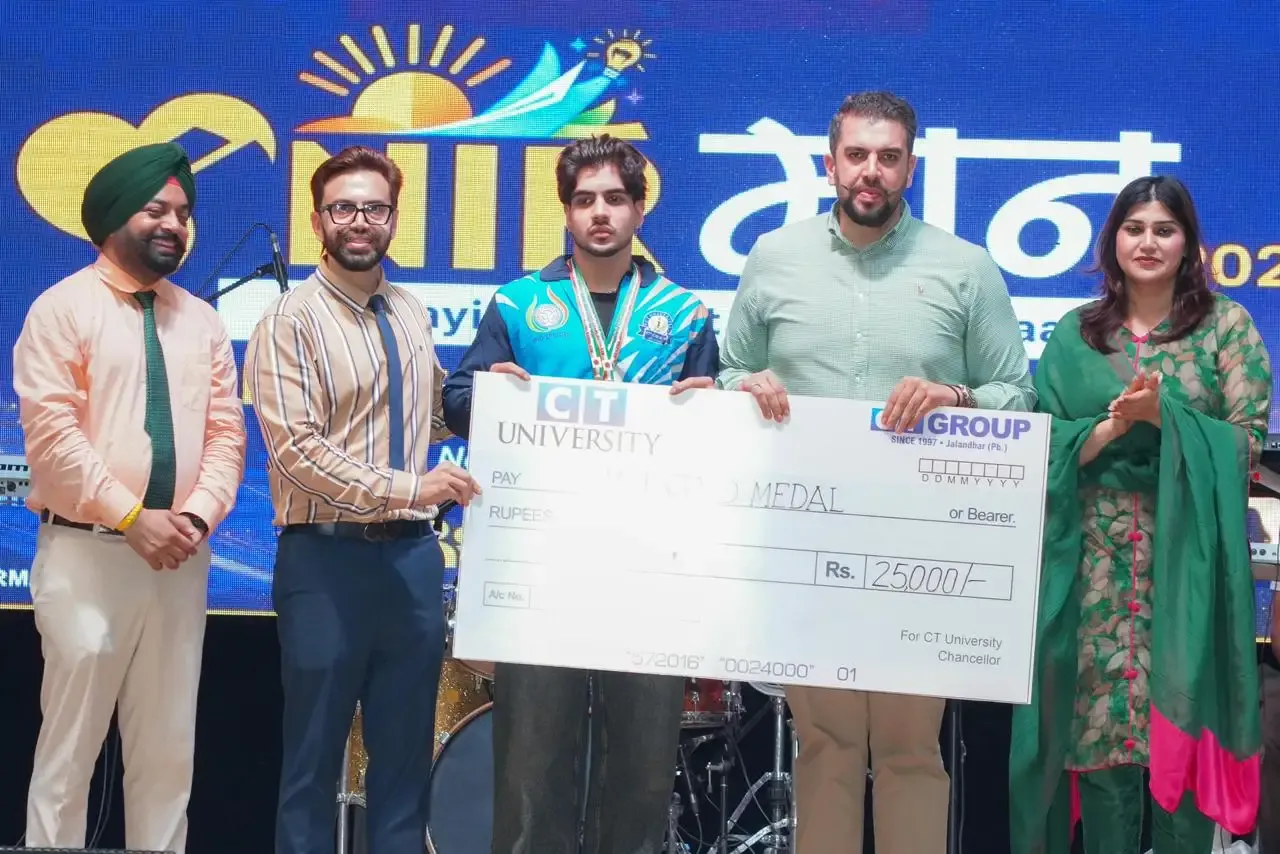
29 Aug, 2026
On the occasion of National Sports Day, CT University celebrated the remarkable achievements of its student-athletes by recognising their outstanding performances at various All India Inter-University Championships. The University felicitated 12 sporting talents who brought laurels to the institution across disciplines including Wrestling, Powerlifting, Arm Wrestling, Wushu and Pencak Silat.The achievers were collectively honoured with cash awards amounting to ₹5 lakh, recognising their medals and exceptional performances at prestigious national-level university competitions.Gold Medal AchieversLeading the list of sporting achievers were the University’s Gold Medal winners, who showcased exceptional skill, determination and competitive spirit across disciplines.Harkomal Singh Gill (B.B.A. – HR) delivered an outstanding performance in Arm Wrestling, securing two Gold Medals in the Right Arm and Left Arm categories.In Wushu, Sonia and Lokesh clinched Gold Medals in their respective weight categories, while Syed Mohd. Ali Rouf Shah (B.Com) secured Gold in the 70 kg category.The University’s Pencak Silat contingent also registered remarkable victories, with Nitin and Sachin securing Gold Medals in the 45 kg and 90 kg categories, respectively. Sudha Chauhan (B.A.) added another Gold in the 75 kg category, further strengthening CT University’s impressive sporting record.Silver Medal AchieverDheeraj added to the University’s medal tally by securing a Silver Medal in Wushu, demonstrating commendable skill, perseverance and determination at the national-level university championship.Bronze Medal AchieversThe University’s Bronze Medal winners also made CT University proud with their impressive performances.Shivani Singh (MBA) secured a Bronze Medal in Wrestling and also qualified for the KIU Games. In Powerlifting, Sneha Gharami (B.A.) and Gita (B.A.) won Bronze Medals in the 84 kg and 52 kg categories, respectively.Towseefa Hassan (B.A.) secured a Bronze Medal in the -60 kg Pencak Silat category, adding another achievement to CT University’s growing sporting legacy.Leadership Applauds Sporting ExcellenceSpeaking on the occasion, Pro Chancellor Dr. Manbir Singh said, “At CT University, we believe education goes beyond classrooms. Sports build discipline, resilience and leadership. These achievements are a matter of immense pride, and the cash awards recognise the dedication and hard work behind every victory. We remain committed to providing our students with the support and opportunities to excel at the highest levels.”Director DSW, Engineer Davinder Singh, said, “Every medal reflects commitment, perseverance and self-belief. Our students have shown that with the right guidance and determination, they can excel at national platforms. We will continue nurturing sporting talent and creating greater opportunities for our students to achieve excellence.”Vice Chairman Mr. Harpreet Singh and Sports Head Gurdeep Singh said, “These achievements reflect the growing sporting culture at CT University. Our students have displayed tremendous talent, discipline and competitive spirit across multiple disciplines. We remain committed to strengthening sports infrastructure, training and support systems to nurture champions who can represent CT University, Punjab and the nation with pride.”The felicitation ceremony reaffirmed CT University’s commitment to developing well-rounded students by promoting sports, discipline, leadership and excellence alongside academic pursuits, while providing emerging athletes with the resources and encouragement needed to perform at the highest levels.
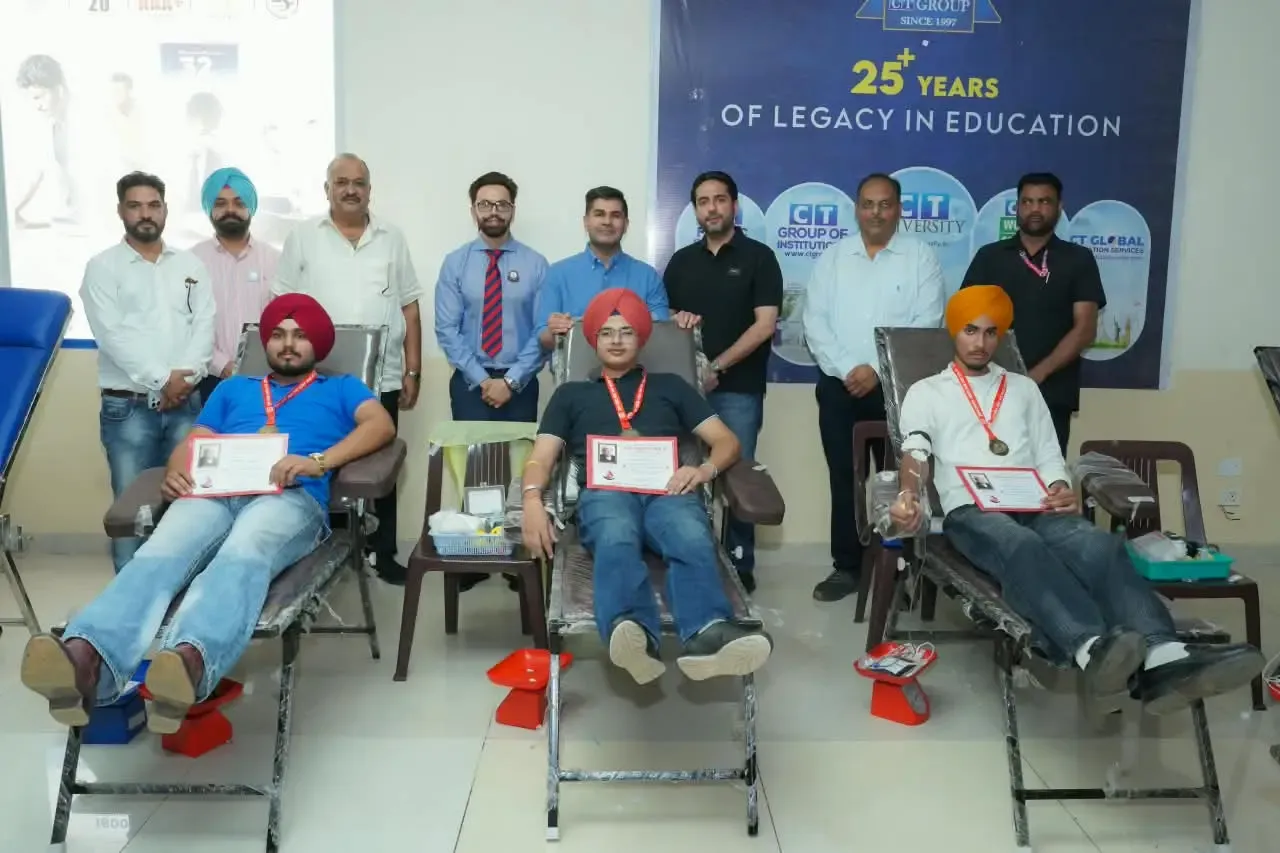
31 Aug, 2026
CT University, in collaboration with Samvedna Trust Ludhiana, organised a large-scale Blood Donation Camp at the university campus, witnessing an overwhelming response from students, faculty members, staff and volunteers.The camp successfully collected over 500+ units of blood, marking a powerful collective contribution towards saving lives and strengthening the availability of blood for those in need.The initiative reflected the university’s strong commitment towards community welfare and its belief that a few minutes of an individual’s time can become someone else’s second chance at life.The camp was graced by the presence of Subhash Gupta, Chairman, Samvedna Trust Ludhiana, along with Ajay Jain, Coordinator, Samvedna Trust Ludhiana, who appreciated the university’s continued efforts in promoting the spirit of voluntary blood donation among the younger generation.The special presence of Harpreet Singh, Vice Chairman; Dr. Nitin Tandon, Vice Chancellor; and Er. Davinder Singh, Director, DSW, further added significance to the occasion.Speaking on the occasion, Sd. Charanjit Singh Channi, Chairman, CT University, appreciated the collective efforts behind the successful organisation of the camp and emphasised that social responsibility must remain an integral part of education. He said that blood donation is not merely an act of charity but a powerful expression of humanity, compassion and responsibility towards society. He applauded the students and members of the university community for coming forward in such large numbers and contributing towards this noble cause.Dr. Manbir Singh, Pro Chancellor, CT University, highlighted that initiatives like these provide students with an opportunity to move beyond academics and actively contribute to society. He said that the overwhelming participation in the camp was a reflection of the university’s culture of compassion and its commitment to nurturing socially responsible citizens. He appreciated Samvedna Trust Ludhiana for joining hands with CT University for this meaningful initiative.
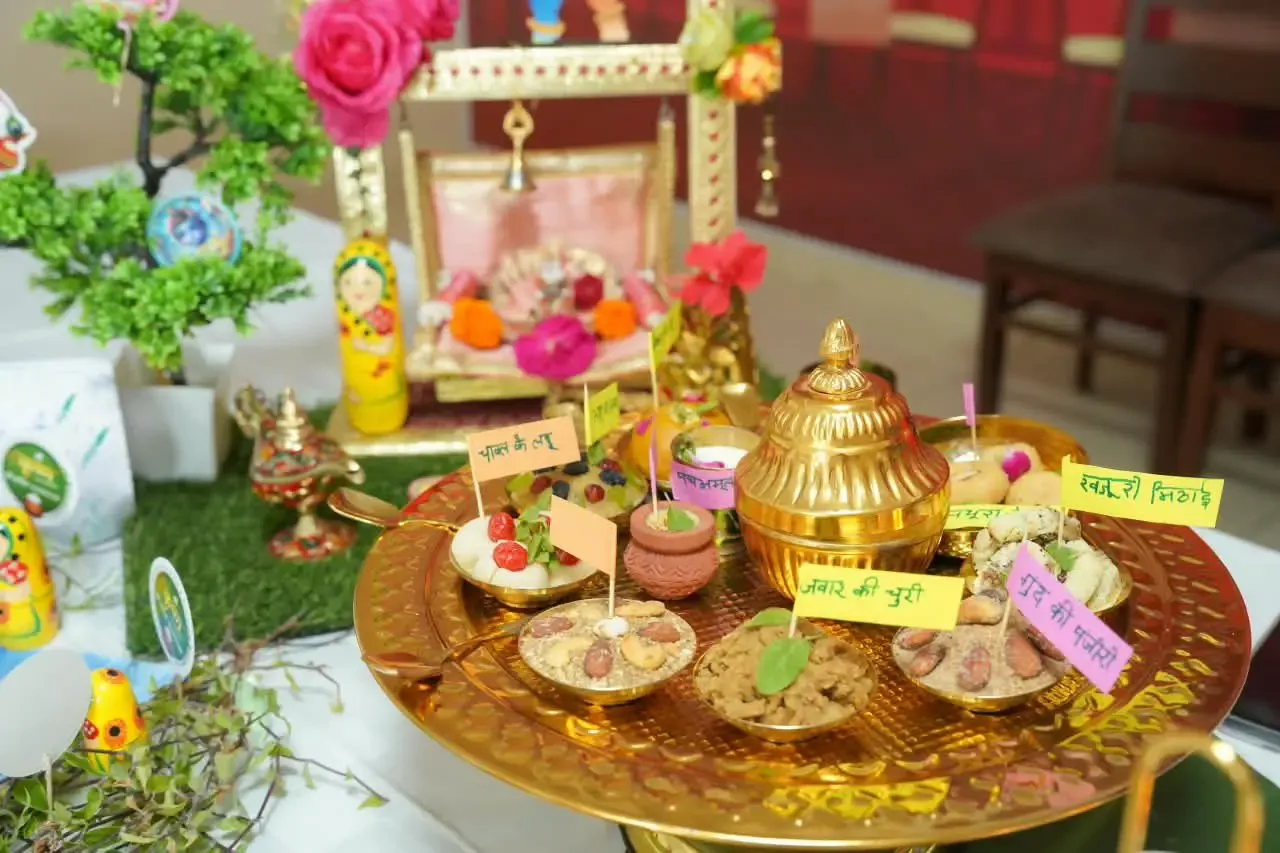
01 Sep, 2026
The Punjab State Level Contest of “Kahin Gumm Na Ho Jayein – Season 9” concluded successfully in a vibrant and memorable finale at CT University, Ludhiana, witnessing enthusiastic participation from 35 contestants.Zainab from Bathinda, who runs a cloud kitchen, was declared the Punjab State Winner, followed by Pooja Nagpal as the 1st Runner-Up and Poonam Makkar as the 2nd Runner-Up. Zainab and Pooja Nagpal will now represent Punjab at the Grand Finale in NCR.The occasion was graced by Himanshu Jain, IAS, Deputy Commissioner (DC), Ludhiana, as the Chief Guest.Addressing the gathering, Himanshu Jain, IAS, DC Ludhiana, appreciated the initiative for its efforts towards preserving India’s traditional culinary heritage and encouraged the participants to continue celebrating the rich food traditions of Punjab and the country.Chancellor of CT University, Sd. Charanjit Singh Channi, said, “CT University is proud to host an initiative that celebrates India’s rich culinary heritage and keeps our traditional recipes and cultural legacy alive. Such platforms not only provide recognition to talent but also inspire the younger generation to value and preserve our traditions.”The event witnessed the gracious presence of Vice Chancellor Dr. Nitin Tandon, Admission Head Dr. Ashish Raina, Registrar Mr. Sanjay Khanduri, Director DSW Er. Davinder Singh and Coordinator of School of Hotel Management and Airlines, Dr. Gaurav Bathla, who extended their support and encouragement to the participants and organisers, adding further distinction to the Punjab State Finale hosted at CT University.Organized by Let’s Give Back, a registered NGO, “Kahin Gumm Na Ho Jayein – Season 9” aims to preserve and promote India’s traditional recipes and culinary heritage. Founded by the late Babeetta Saxena in 2016, the initiative continues under the guidance of Co-Founder Retd. Col. Atul Saxena.This season, themed “My State, My Plate,” is being conducted across 25+ locations in India and overseas, with support from renowned chefs Sanjeev Kapoor, Ranveer Brar, Vikas Khanna, and actress Suchitra Pillai. The top two Punjab winners will represent the state at the Grand Finale in NCR, competing for a ₹1.5 lakh prize pool.The organisers thanked CT University, Ludhiana, for hosting the Punjab State Finale and for serving as a jury member.The Punjab round was successfully coordinated by Muskan Jain and Priyanka Jain, under the guidance of Retd. Col. Atul Saxena.
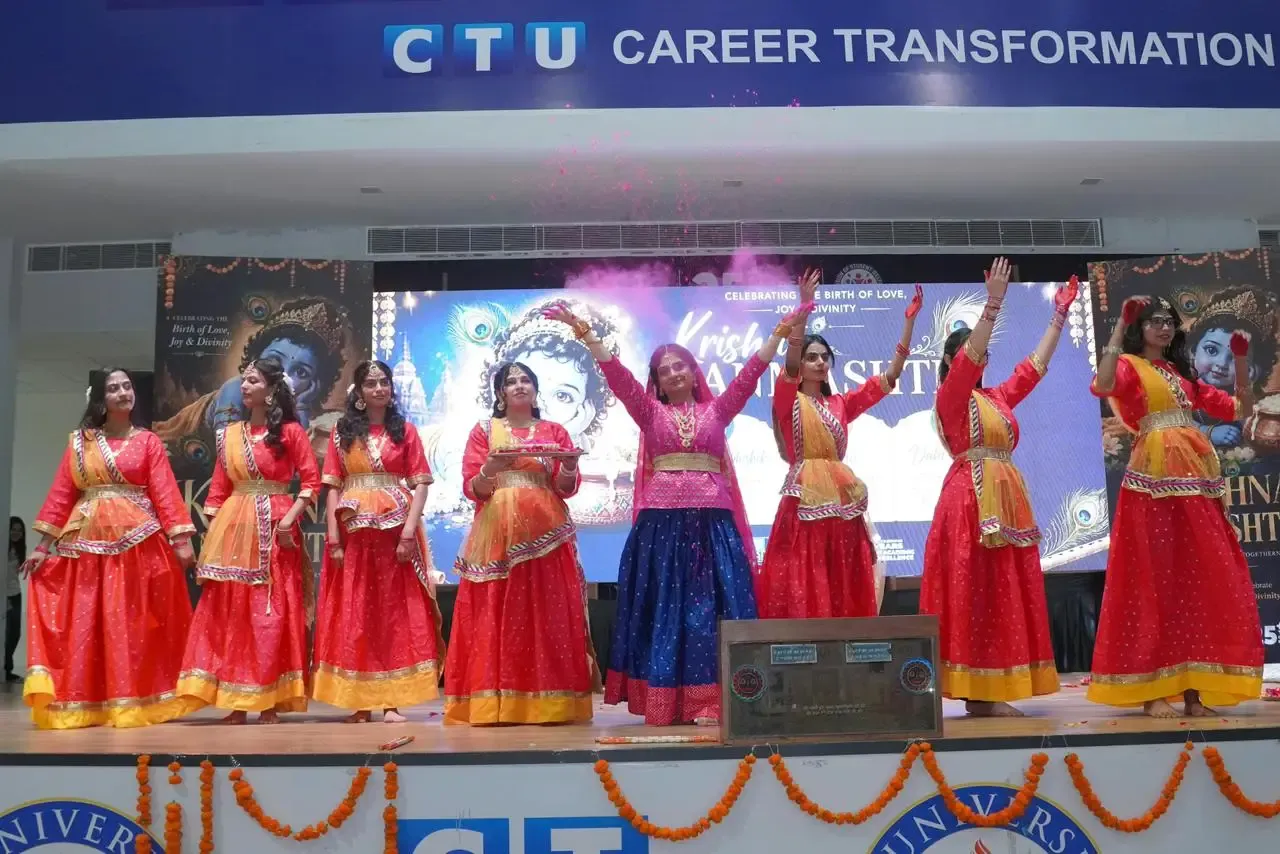
03 Sep, 2026
The spirit of Krishna Janmashtami came alive at CT University as the campus transformed into a vibrant celebration of devotion, culture and togetherness.The festivities, organised in association with ISKCON, brought the divine aura of Lord Krishna to life through Krishna Abhishek, soulful bhajans, devotional chants and an energetic Dahi Handi celebration.The beautifully decorated campus, adorned with flowers and vibrant festive decor, created an atmosphere reminiscent of Vrindavan, while the shower of flowers during the celebrations added a magical touch to the occasion. The campus resonated with the chanting of Krishna’s name as students and faculty members joined together in devotion and celebration.The celebrations were graced by distinguished representatives from ISKCON — Narottamanand Prabhu, Asraya Giriraja Prabhu and Divya Sewak Prabhu, whose presence and spiritual discourse added depth and divine warmth to the festivities. Their interaction with the university community encouraged students to connect the timeless teachings of Lord Krishna with values of compassion, discipline, righteousness and selfless action.The Krishna Abhishek became one of the spiritual highlights of the celebration, followed by melodious bhajans that filled the campus with devotion. The traditional Dahi Handi brought a burst of youthful energy, with students enthusiastically participating in the celebration and turning the occasion into a memorable blend of spirituality and festivity.Commenting on the occasion, Pro Chancellor, CT University, Dr. Manbir Singh, said, “Janmashtami is not merely a celebration of the birth of Lord Krishna; it is a reminder of the values he stood for — righteousness, courage, wisdom and selfless action. At CT University, we believe education is complete when it nurtures not only knowledge but also values and character. Celebrating our traditions with our students gives them an opportunity to connect with the richness of our cultural heritage.”Director, DSW, CT University, Er. Davinder Singh, said, “The energy and enthusiasm witnessed during the Janmashtami celebrations reflected the vibrant spirit of our students. From the divine Krishna Abhishek and bhajans to the excitement of Dahi Handi and the beautiful shower of flowers, every moment created a sense of unity and joy. Such celebrations bring our university community closer while keeping our cultural roots alive.”The celebration concluded on a spiritually uplifting note, leaving the campus filled with devotion, music, flowers and unforgettable memories. The Janmashtami festivities at CT University once again reflected its commitment to creating a campus where education, culture, spirituality and student life come together beautifully.
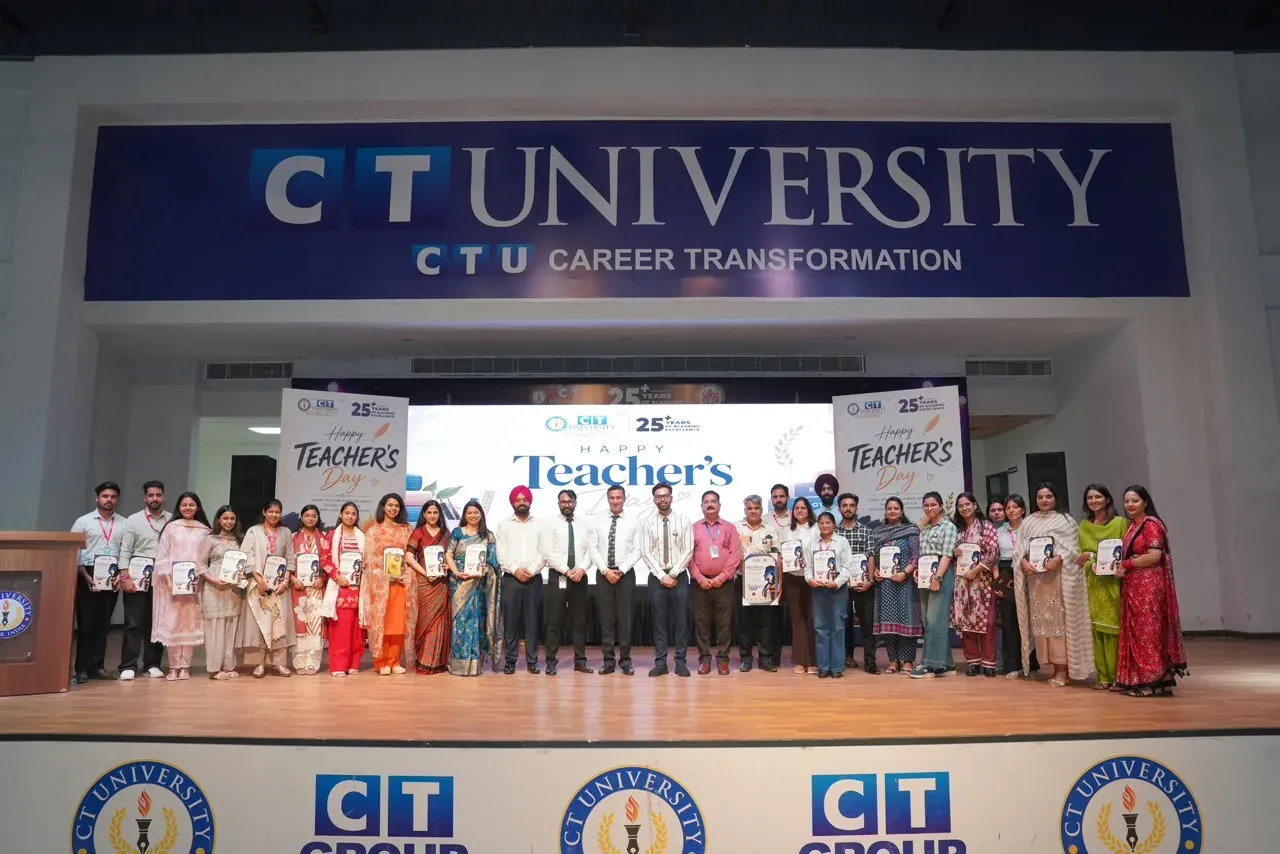
05 Sep, 2026
CT UNIVERSITY celebrated Teachers’ Day with enthusiasm, gratitude and admiration for the educators who continue to inspire, mentor and empower students. The celebration brought together faculty members and university leadership in a vibrant programme dedicated to recognising the invaluable contribution of teachers in shaping the future.Adding a lively touch to the celebrations, teachers themselves took centre stage with special performances, showcasing their talent and enthusiasm beyond the classroom. The celebrations also featured a cake-cutting ceremony, symbolising the spirit of togetherness and appreciation shared by the CT University family.Excellence Recognised Through Prestigious Teacher AwardsA special highlight of the celebration was the felicitation of outstanding teachers through awards recognising their dedication, excellence and impact. The awards were presented under categories including Research Excellence, Commitment to Teaching, Classroom Mastery, Academic Achievement and Student Choice, celebrating educators who have made a meaningful difference through teaching, research, mentorship and student engagement.The celebrations were graced by Vice Chancellor Dr. Nitin Tandon, Registrar Sanjay Khanduri, Director DSW Er. Davinder Singh, along with other university officials and faculty members.Commenting on the occasion, Chancellor Sardar Charanjit Singh Channi said that teachers are the true architects of society, whose influence extends far beyond classrooms and textbooks. He emphasised that education is not merely about imparting knowledge but about nurturing values, confidence and responsible citizens who can contribute meaningfully to society.Pro Chancellor Dr. Manbir Singh extended his heartfelt wishes to the teaching fraternity and appreciated their unwavering commitment towards students and the institution. He highlighted that the dedication of teachers remains central to creating an environment where students can learn, grow and achieve their aspirations.The celebration concluded on a note of gratitude and pride, reaffirming CT UNIVERSITY’s commitment to honouring educators, celebrating their achievements and strengthening a culture of excellence in teaching and learning.

08 Sep, 2026
In a significant step towards practical and people-centric innovation, the Robotics Lab at CT University has developed a Smart Trouser designed to address common issues of lower back pain while helping users maintain the correct knee position during sitting.The innovative project was developed through a collaborative effort by the Robotics Team of CT University, School of Design & Innovation, and AIESEC student Ismail Ashraf from Egypt. The smart trouser integrates simple yet effective technology to provide comfort and support during prolonged sitting.The key feature of the Smart Trouser is a heating pad that provides warmth to the lower back, along with two vibrators designed to provide vibration-based stimulation to the lower back. The heating and vibration functions can be operated through two buttons incorporated at the front of the trouser as buckles. The device offers three different intensity modes for vibration, allowing users to adjust the experience according to their preference.The Robotics Team comprising Er. Pulkit Sangar, Er. Dharmpreet Singh and Gurkirat Singh successfully completed the project in just one week, with the entire prototype developed at a cost of less than ₹2,000, demonstrating that meaningful innovation can also be affordable and accessible.The idea was initially discussed with Gurdeep Singh from the School of Design & Innovation, who contributed to the project by suggesting and incorporating the heating pad feature, further strengthening the functionality of the prototype.Chancellor’s CommentS. Charanjit Singh Channi, Chancellor, CT University, said, “Innovation finds its true purpose when it solves real-life challenges. This Smart Trouser reflects CT University’s commitment to creating technology that brings comfort, care and meaningful impact to society. Such initiatives encourage our students to think beyond classrooms and develop solutions that can make a difference in everyday life.”Pro Chancellor’s CommentDr. Manbir Singh, Pro Chancellor, CT University, said, “This is a fine example of young minds turning an everyday challenge into an affordable and practical solution. We are proud of our students and faculty for transforming ideas into innovation. The collaborative approach behind this project also reflects the university’s commitment to interdisciplinary learning and hands-on problem solving.”The development of the Smart Trouser highlights CT University’s focus on innovation, experiential learning and socially relevant technology, encouraging students to transform ideas into practical solutions for everyday challenges.

11 Sep, 2026
CT University celebrated a moment of immense pride as its talented badminton player Shambhavi delivered an outstanding performance at the East Zone Inter-State Badminton Championship–2026, held in Bhubaneswar.Demonstrating exceptional skill, determination and an unwavering passion for the sport, Shambhavi emerged victorious in three events, bringing home three Gold Medals for the university.Shambhavi secured Gold Medals in Doubles, Mixed Doubles and the Open Team Event, transforming her relentless hard work and countless hours of practice into a remarkable sporting triumph. Her achievement reflects the discipline, perseverance and fighting spirit that define a true sportsperson and has brought immense pride to her family, mentors and the entire CT University fraternity.Dr. Manbir Singh, Pro Vice Chancellor, CT University, congratulated Shambhavi and said, “Three Gold Medals are a remarkable achievement and a proud moment for CT University. Shambhavi’s dedication, discipline and determination are truly inspiring.”Er. Davinder Singh, Director, DSW, CT University, said, “Shambhavi’s outstanding performance reflects her hard work and commitment to excellence. Her three Gold Medals have made the entire CTU family proud.”Gurdeep Singh, Sports Head, CT University, expressed his happiness and said, “Shambhavi’s success is a result of her relentless practice and fighting spirit. Her achievement will inspire many young CTians to pursue sporting excellence.”Her spectacular performance has added another glorious chapter to CT University’s sporting journey, inspiring fellow CTians to believe that with dedication and perseverance, dreams can be transformed into achievements.The CT University family extends its heartfelt congratulations to Shambhavi for this phenomenal achievement and wishes her continued success in her sporting journey. Her golden performance once again demonstrates CT University’s commitment to nurturing sporting talent and providing students with platforms to excel at the highest levels.
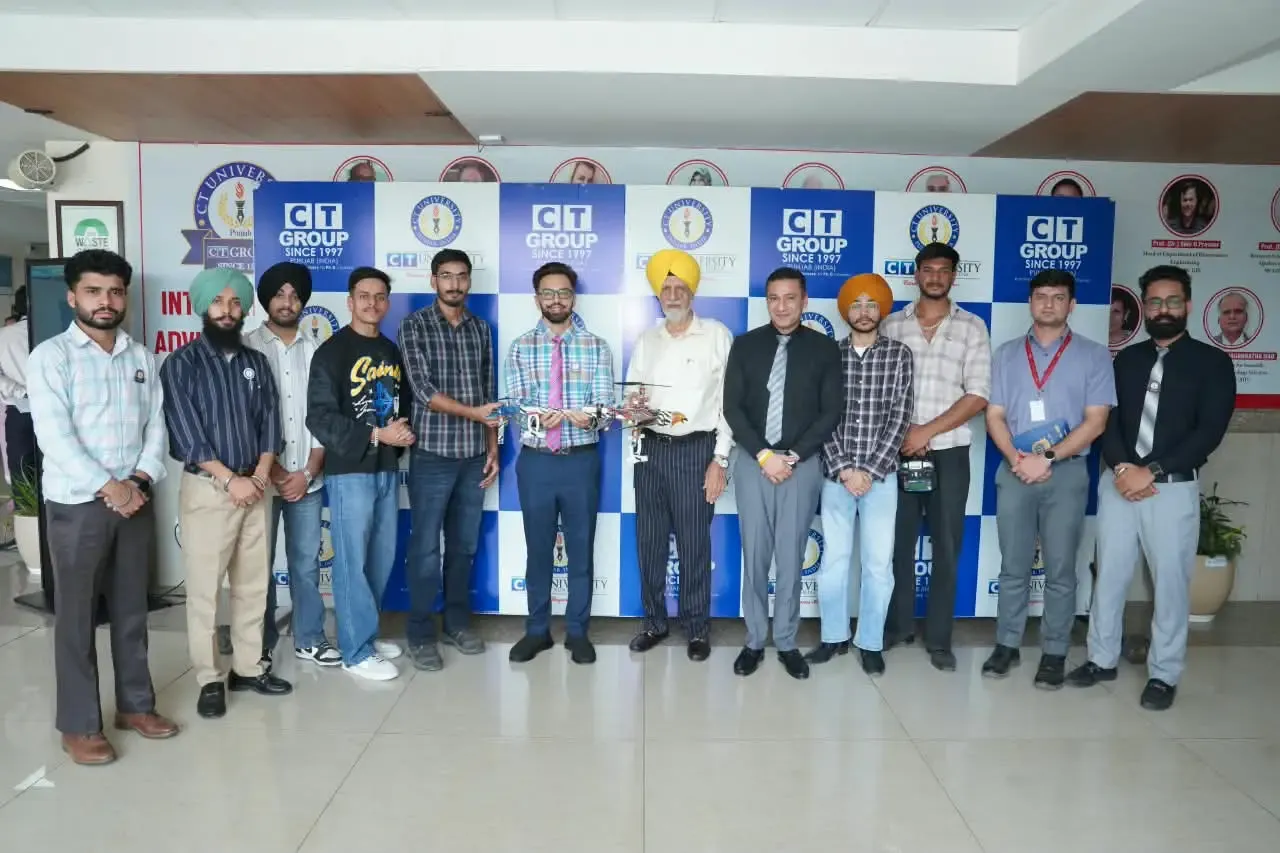
14 Sep, 2026
Demonstrating creativity and hands-on technological skills, BCA students of CT University have developed an innovative Bird Drone, a compact bio-inspired aerial vehicle designed with a bird-like appearance for discreet aerial operations.The project was conceptualised, designed and fabricated at the Robotics and Automation Lab by 3rd-semester students Sukhraj Singh, Akash and Sukhmanpreet Singh, along with first-year students Vivek Gogna and Jaiwant Singh.The drone can operate up to 2 km with a maximum speed of approximately 10–15 m/s, with potential applications in environmental monitoring, aerial observation and lightweight pick-and-drop operations.Expert Mentorship Drives Student InnovationThe students received technical guidance from Er. Pulkit Sangar, Er. Dharmpreet Singh and Mr. Gurkirat Singh, who also supported the fabrication process, including 3D printing of key components.Pro Chancellor Dr. Manbir Singh congratulated the students and mentors, saying, The Bird Drone reflects the spirit of innovation we aim to nurture at CT University. When students are given the freedom to experiment, create and solve real-world challenges, they become innovators of tomorrow. I commend the entire team for turning an idea into a functional technological prototype.Dr. Harmeet Singh, Head, Robotics and Automation Lab, highlighted the drone’s capabilities and said the project reflects the students’ ability to transform innovative ideas into practical prototypes.
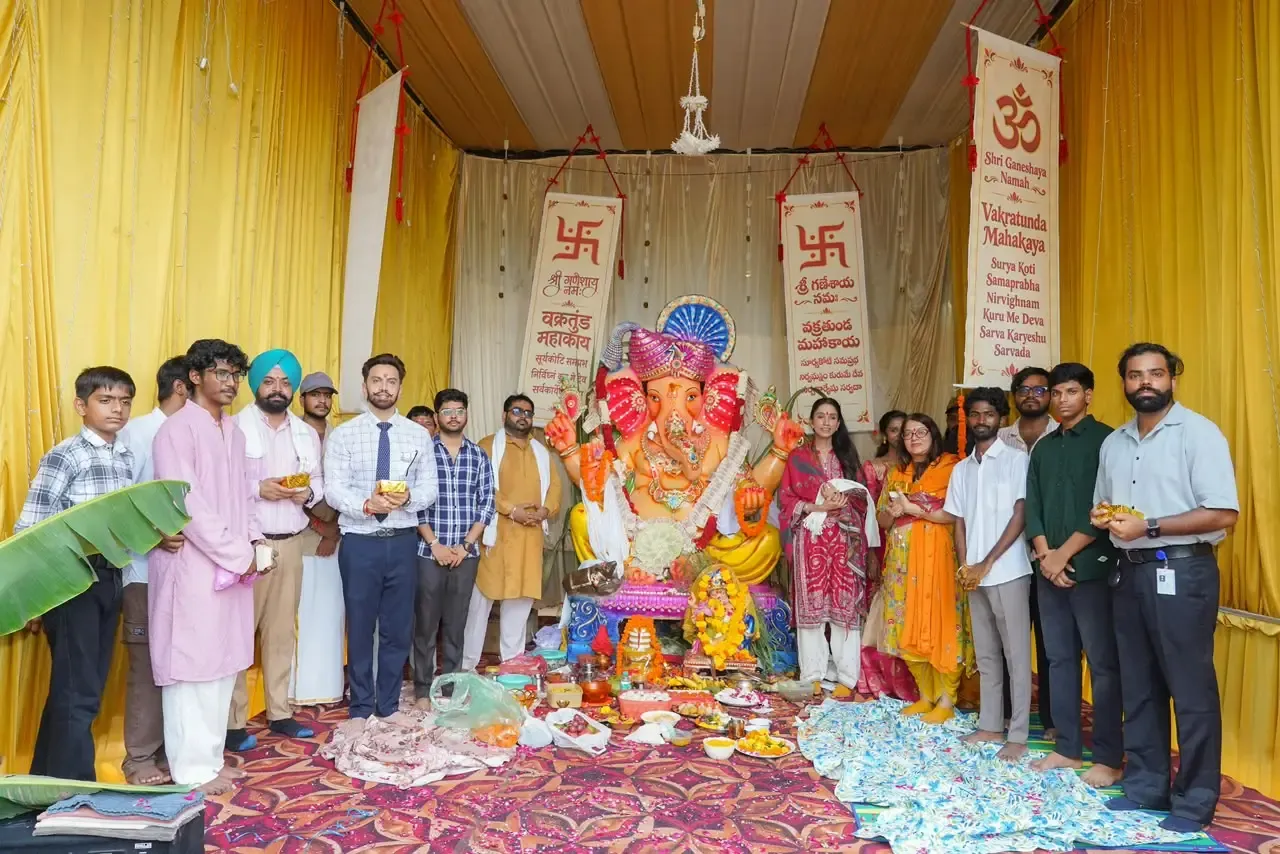
15 Sep, 2026
CT University celebrated Ganesh Chaturthi with a grand four-day celebration from September 14 to 17, bringing together students, faculty and staff in an atmosphere of devotion, joy, seva and togetherness.The celebrations reflected the spirit of the CT family, beautifully blending traditional rituals with cultural activities and community participation.The festive journey began with Shree Ganesha Aagman on September 13, followed by four days of celebrations that culminated in a vibrant Ganesh Visarjan on September 17.September 14 | Pooja & GamesThe celebrations officially commenced with Pooja & Games, bringing together faith and festivity. The day witnessed devotional rituals followed by enthusiastic participation in games, creating a lively and engaging atmosphere across the campus.September 15 | Pooja, Laddu Auction & Divya’s ProgrammeThe second day featured Pooja, Laddu Auction and Divya’s Programme, adding devotion, sweetness, music and celebration to the festivities.The activities encouraged students and members of the university community to participate and celebrate together.September 16 | Langar & CelebrationsThe third day highlighted the essence of seva through Langar & Celebrations, followed by games and devotional activities. The day reflected the message of serving together and strengthening the bonds within the CT family.September 17 | Grand Ganesh VisarjanThe four-day grand celebration concluded with Grand Ganesh Visarjan, marked by devotional fervour, DJ, dhol, crackers and festive vibes.The CT family came together to bid farewell to Bappa with faith and gratitude, carrying forward His blessings and the spirit of togetherness.Dr. Manbir Singh: Celebrations Build Community and Cultural ConnectionPro Chancellor, CT University, Dr. Manbir Singh, said, “Ganesh Chaturthi is a beautiful celebration of faith, wisdom, positivity and new beginnings. At CT University, we believe that such celebrations provide our students with an opportunity to experience our rich cultural traditions while coming together as one family. The enthusiasm, participation and devotion witnessed across these four days truly reflected the vibrant spirit of the CT family.”Harpreet Singh: Togetherness Makes Every Celebration SpecialVice Chairman, CT University, Harpreet Singh, said, “Ganesh Chaturthi at CT University brought together devotion, celebration, seva and togetherness in a beautiful way. From the pooja and games to the langar, cultural programme and grand Visarjan, every day reflected the energy and enthusiasm of our students and staff. Such occasions create cherished memories and strengthen the sense of belonging within the CT family.”University Leadership Joins the CelebrationsThe celebrations were held with the special presence of Managing Director Tanika Channi, Vice Chancellor Dr. Nitin Tandon, Registrar Sanjay Khanduri and Director, DSW, Er. Davinder Singh.Their presence added significance to the celebrations and reflected the university leadership’s encouragement towards cultural participation, community bonding and holistic student development.The Grand Four-Day Ganesh Chaturthi Celebration at CT University became a beautiful confluence of faith, seva, celebration and togetherness, leaving the campus filled with cherished memories and renewed blessings.
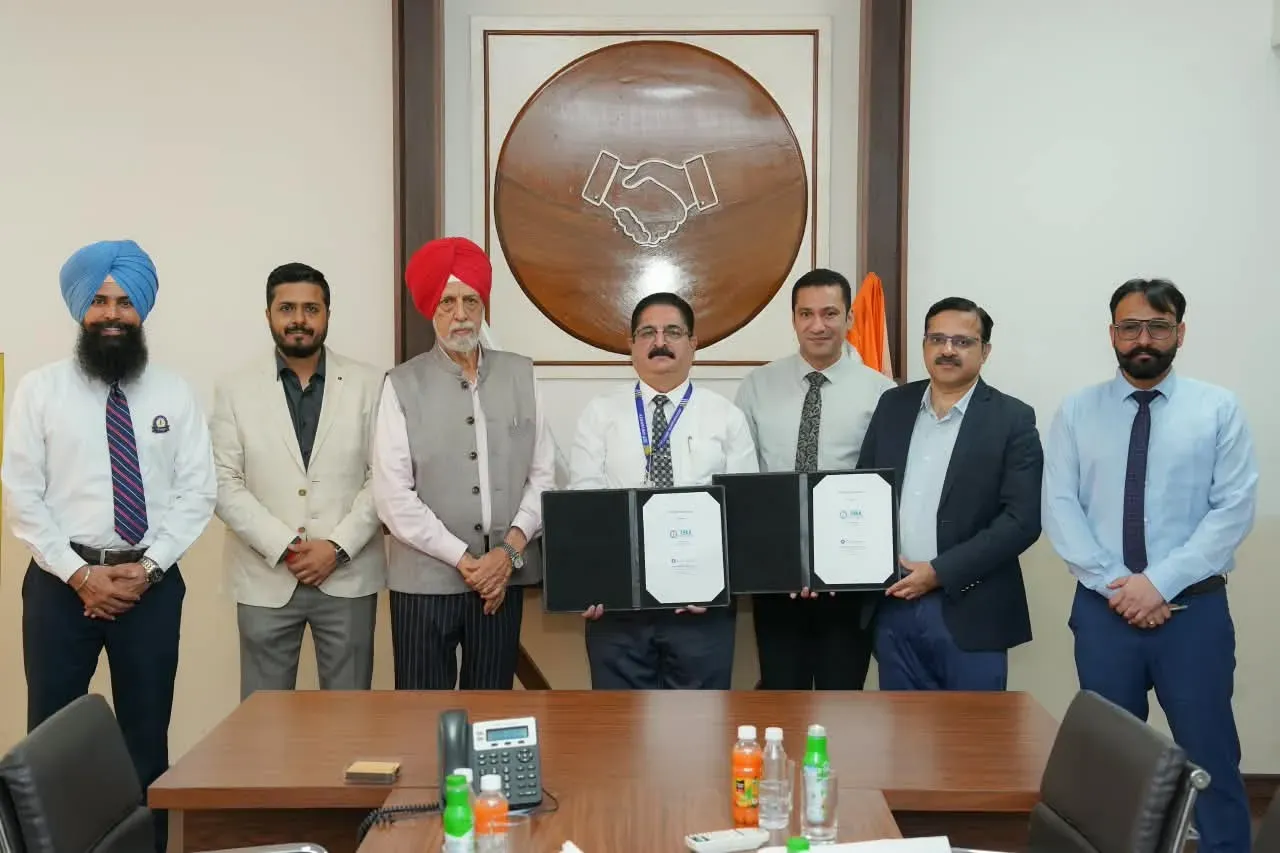
25 Sep, 2026
CT University has entered into a strategic partnership with Grant Thornton Bharat LLP to strengthen industry–academia collaboration in the rapidly evolving fields of Artificial Intelligence and Machine Learning. The collaboration focuses on integrating industry expertise, practical learning and future-ready skills into the university’s B.Tech (AI-ML) and BCA (AI-ML) programmes.Under the partnership, Grant Thornton Bharat will serve as a knowledge partner and trainer, supporting students through industry-relevant training, suitable learning resources and offline classroom-based sessions. The collaboration is designed to bridge the gap between academic learning and professional requirements by providing students with meaningful exposure to AI/ML applications and emerging technologies.The MoU signing ceremony was attended by Pradeep Pandey, Partner, Grant Thornton, and Kamal Khattar, Associate Director, Grant Thornton, along with Sanjay Khanduri, Registrar, CT University; Dr. Pankaj Jain, Director, CRC; Dr. Ishpreet Singh Virk, Associate Professor and HOD, CSE, School of Engineering and Technology (SOET), along with faculty members and university leadership.Speaking on the occasion, Sardar Charanjit Singh Channi, Chancellor, CT University, said, “The future of technology belongs to institutions that can connect knowledge with real-world application. Our collaboration with Grant Thornton Bharat reflects CT University’s commitment to creating an ecosystem where students learn not only from classrooms, but also from industry experts and practical experiences. Through this partnership, we aim to equip our students with the skills, exposure and confidence required to contribute meaningfully to the evolving world of Artificial Intelligence and Machine Learning.”Dr. Nitin Tandon, Vice Chancellor, CT University, said, “Industry–academia partnerships are essential for making education more relevant, dynamic and student-centric. Our collaboration with Grant Thornton Bharat will strengthen the learning journey of students pursuing B.Tech (AI-ML) and BCA (AI-ML) by bringing industry knowledge, project-based learning and practical exposure into their academic experience. We look forward to creating meaningful opportunities for students to develop future-ready competencies and understand the professional applications of AI and emerging technologies.”
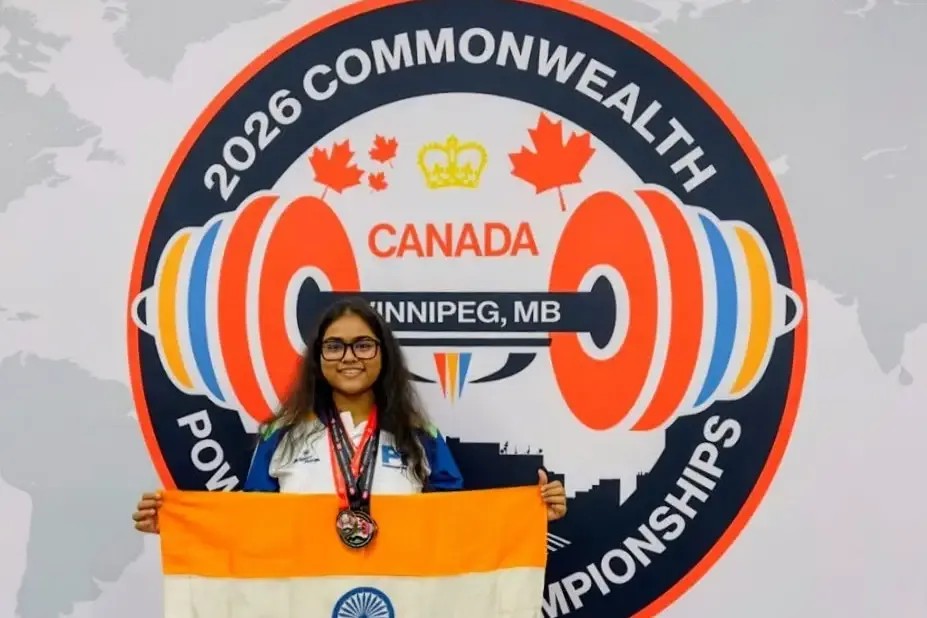
28 Sep, 2026
CT University has added a golden chapter to its sporting legacy as Sneha Gharami, competing in the Junior 76 kg Weight Category, delivered an extraordinary performance at the Commonwealth Powerlifting Championship 2026 in Winnipeg, Canada.Representing CT University on the international stage, Sneha secured Gold Medals in Squat, Bench Press and Deadlift, along with the Overall Gold Medal with a remarkable total of 500 kg.Sneha recorded 190 kg in Squat, 120 kg in Bench Press and 190 kg in Deadlift, creating a new Commonwealth Record in all three disciplines. Her exceptional 500 kg total and golden sweep reflect not only remarkable physical strength, but also years of discipline, sacrifice, training and determination.For CT University, the achievement is much more than a medal tally it is an inspiring story of a young athlete turning relentless hard work into international glory.Congratulating Sneha on her historic accomplishment, Sd. Charanjit Singh Channi, Chancellor, CT University, said, “Sneha’s achievement is a moment of immense pride for the entire CT University family. Winning gold in all three disciplines and establishing three new Commonwealth Records is truly remarkable. Her success reflects determination, discipline and perseverance, and proves that with the right opportunities and unwavering commitment, our students can excel on the world stage. We congratulate Sneha wholeheartedly on this outstanding achievement.”Dr. Manbir Singh, Pro Chancellor, CT University, said, “This is a remarkable achievement for Sneha and the entire CT University sporting fraternity. Her 500 kg total and three Commonwealth Records demonstrate exceptional strength, focus and consistency. Behind every medal lies countless hours of effort and sacrifice, and Sneha has shown the courage to compete at the highest level. Her accomplishment will inspire many more young students to believe in their abilities and pursue excellence.”The achievement has also been supported by the dedicated efforts of Er. Davinder Singh, Director DSW, CT University, and Gurdeep Singh, Sports Head, CT University, whose continued encouragement and support for student athletes have helped create opportunities for young sporting talent to compete at national and international platforms. Their contribution reflects CT University’s commitment to nurturing students beyond academics and empowering them to pursue their passion with confidence.Sneha’s triumph at Winnipeg is therefore not just about three gold medals and three new records; it is about the journey behind every lift the discipline, determination and dreams that carried a young athlete from the training ground to a Commonwealth podium. Her achievement has brought immense pride to CT University and stands as an inspiration for every aspiring sportsperson who dreams of representing their institution and country on the global stage.With 500 kg lifted, three Commonwealth Records created and Overall Gold secured, Sneha Gharami has truly lifted CT University’s name to new heights.
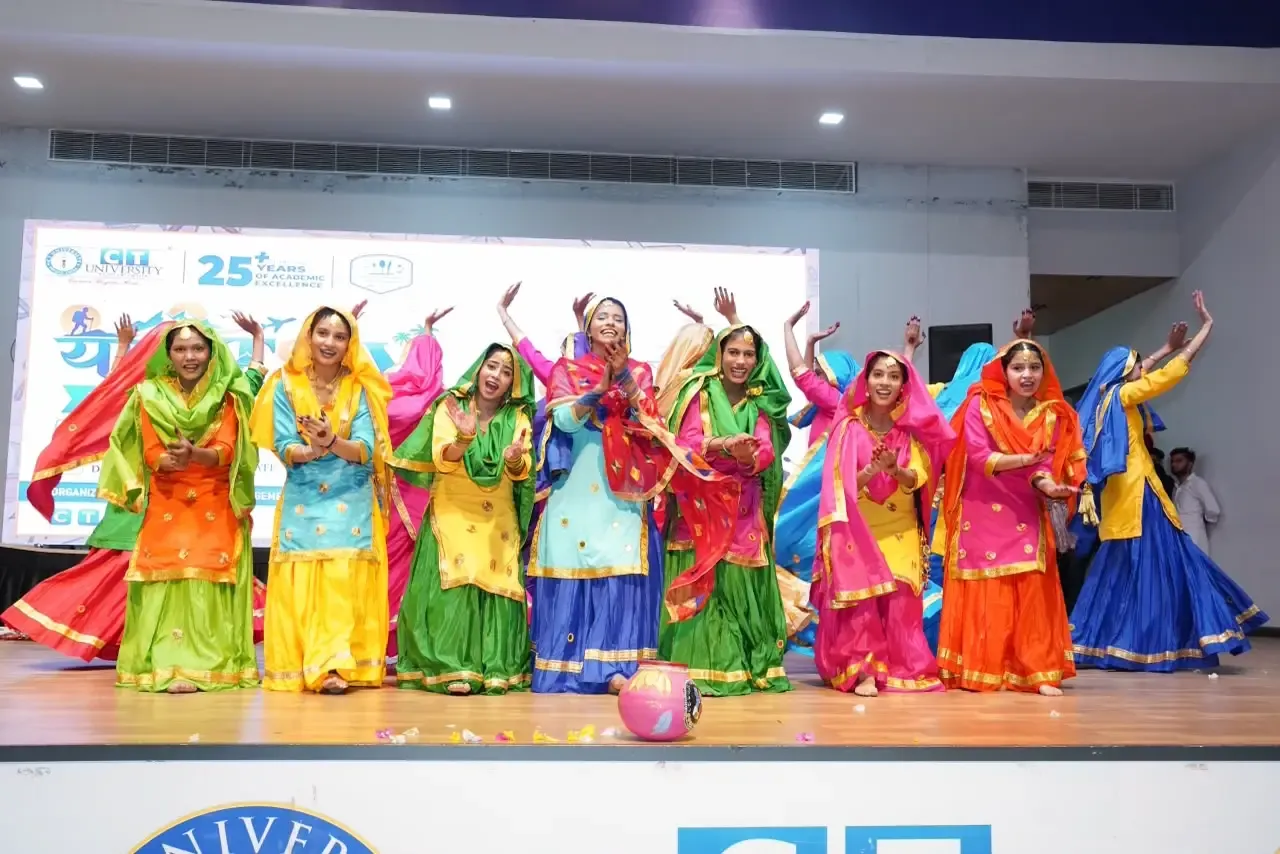
01 Oct, 2026
CT University transformed its campus into a vibrant celebration of culture, travel and exploration as the School of Hotel Management, Airlines and Tourism (SOHMAT) organised “यात्रोत्सव – YATROTSAV”, bringing together students and faculty members for an immersive celebration of tourism and India’s rich cultural diversity.The celebration featured a colourful Cultural Procession, Haryanvi Dance, Group Dance, Fashion Walk, Singing, Bhangra, Debate and Tourism Quiz, giving students a dynamic platform to showcase their talent while exploring the many dimensions of tourism.The Cultural Procession beautifully reflected India’s diverse traditions, costumes and cultural expressions, while the performances and Fashion Walk added vibrancy to the occasion.The Tourism Quiz engaged students with questions related to destinations, heritage, hospitality, culture and emerging developments in the tourism sector.Meanwhile, the Debate on the Role of Artificial Intelligence in Tourism encouraged students to express their perspectives while developing critical thinking, communication and presentation skills.The celebration also served as an experiential learning opportunity, enabling students to apply their classroom knowledge in event management, teamwork, coordination, communication and cultural tourism.Speaking on the occasion, Vice Chancellor, CT University, Dr. Nitin Tandon, said, “यात्रोत्सव – YATROTSAV reflects the true spirit of experiential education, where students learn by participating, creating and engaging with the world around them. Tourism is not merely about destinations; it is about understanding cultures, people and perspectives. Such celebrations provide our students with meaningful opportunities to develop confidence, creativity, teamwork and a broader global outlook.”Dean, School of Hotel Management, Airlines and Tourism, Dr. Ashish Raina, said, “Through YATROTSAV, we wanted our students to experience tourism as a vibrant combination of culture, hospitality, creativity and learning. The enthusiastic participation of students reflected their talent and their ability to transform academic concepts into engaging real-world experiences.”The celebration witnessed special efforts and coordination by Dr. Gaurav Bathla, Coordinator, School of Hotel Management, Airlines and Tourism, whose dedicated efforts contributed significantly to the successful execution of the programme.The theme “यात्रोत्सव – YATROTSAV” captured the essence of a journey—to travel, explore, discover and connect. Through this celebration, CT University reinforced its commitment to creating learning experiences that go beyond conventional classrooms and help students develop into confident, culturally aware and industry-ready professionals.The event concluded with appreciation for all students, faculty members, organisers and contributors whose collective efforts made यात्रोत्सव – YATROTSAV a memorable celebration of culture, creativity and the spirit of exploration.
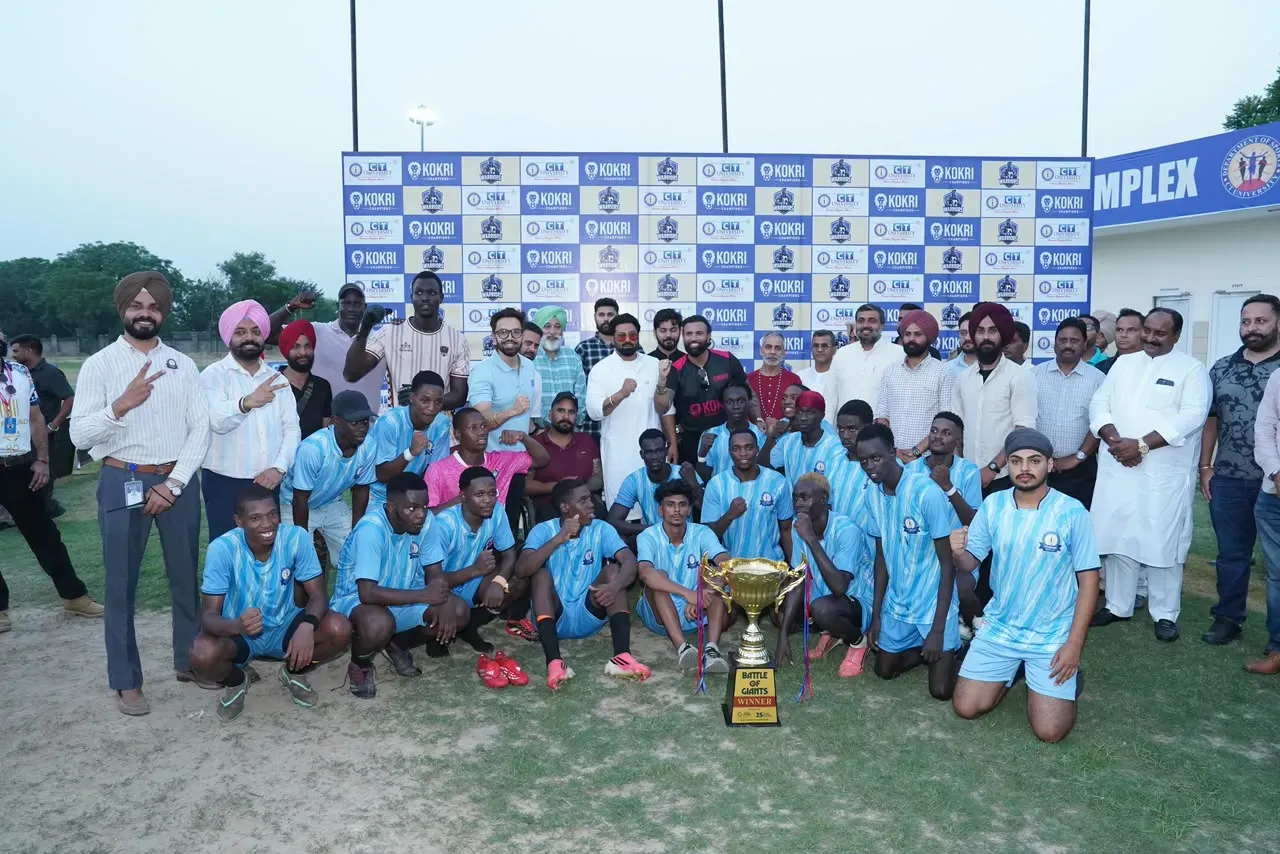
02 Oct, 2026
CT University witnessed a spectacular display of football, passion and competitive spirit as the CTU Warriors registered a commanding 4–1 victory over Kokri Champions in the much-anticipated “Battle of Giants” held at the CT University Football Ground.The high-voltage encounter brought together sporting talent, enthusiastic spectators and an energetic campus atmosphere. The CTU Warriors dominated the proceedings with confidence, teamwork and determination, finding the net four times to secure a memorable victory, while Kokri Champions managed to score one goal.The sporting extravaganza was further elevated by the presence of Hon’ble MLA Chabbewal Ishaank Chabbewal and Hon’ble MLA Jalalabad Jagdeep Kamboj Goldy, whose presence added to the significance and grandeur of the occasion. Their participation, along with the presence of celebrated Punjabi artist Gagan Kokri, created an engaging atmosphere for students and sports enthusiasts at the university.The successful execution of the sporting event was strengthened by the special efforts of Er. Davinder Singh, Director, Department of Student Welfare, CT University, and Gurdeep Singh, Head of Sports, CT University, whose dedicated coordination and commitment contributed significantly to creating an engaging and professionally conducted sporting experience for the university community.“A Victory That Reflects the Spirit of CT University”Speaking on the occasion, Dr. Manbir Singh, Pro Chancellor, CT University, congratulated the CTU Warriors on their impressive performance and appreciated the collective efforts behind the successful sporting event.“Sports are an essential part of holistic education because they teach lessons that go far beyond the playing field discipline, teamwork, resilience, leadership and the confidence to face challenges. The 4–1 victory of the CTU Warriors is certainly a proud moment for us. I congratulate our players for their spirited performance and appreciate everyone whose efforts made this memorable sporting encounter possible. CT University will continue to create platforms where our students can compete, grow and excel.”Gagan Kokri, who witnessed the sporting energy at CT University, also congratulated the players and appreciated the enthusiasm surrounding the match.“The energy at CT University was absolutely incredible. Football brings people together through passion, teamwork and competition, and it was wonderful to see that spirit on the ground. Congratulations to the CTU Warriors on their 4–1 victory. Both teams showed great enthusiasm, and I am happy to have been part of such an energetic and memorable sporting evening.”The 4–1 triumph marked a memorable achievement for the CT University Warriors and showcased the strength of teamwork and determination on the field. The match also provided students with an opportunity to witness competitive football in an atmosphere filled with excitement and camaraderie.The “Battle of Giants” concluded on a high note, with the CTU Warriors celebrating their emphatic victory while both teams earned appreciation for their sporting spirit. The event reinforced CT University’s commitment to building a vibrant campus culture where academics, sports, creativity and real-world experiences come together to shape confident, future-ready students.CTU Warriors — four goals, one unforgettable victory, and a whole lot of fighting spirit.
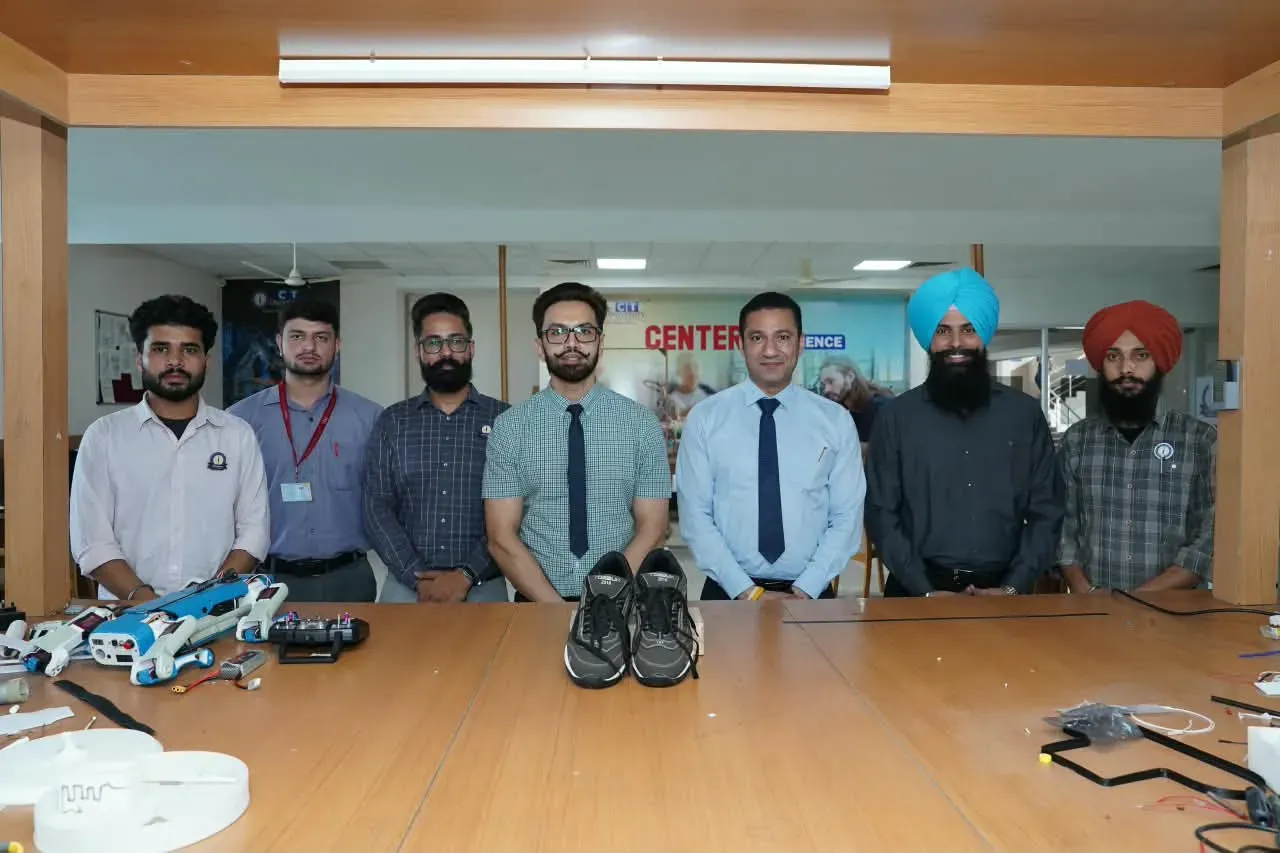
05 Oct, 2026
Ludhiana: In a significant advancement towards technology-driven personal safety, the Robotics & Automation Lab of CT University has developed innovative Smart SOS Safety Shoes that can trigger an emergency alert through a simple, predefined foot movement.Designed for situations involving theft, threats or other emergencies, the technology provides an alternative SOS mechanism when accessing a mobile phone or manually activating an alert may not be possible. An integrated accelerometer detects the predefined motion and activates the SOS signal, which can then transmit an alert to a designated emergency response system.Smart Technology, Hidden in Every StepA key feature of the innovation is its discreet and user-friendly design. The electronic components are seamlessly integrated within the footwear, with no visible circuits, wires or bulky attachments, allowing the shoes to retain the appearance of everyday footwear while concealing their safety technology. The system also incorporates rechargeable electronics, enabling repeated use without frequent replacement of embedded components.Dr. Harmeet Singh said, “We have integrated an accelerometer into the shoes to detect a specific predefined motion, which triggers the SOS signal in an emergency situation. The Smart SOS Shoes were developed by our Robotics & Automation Lab within one week, demonstrating the potential for rapid innovation and practical implementation. With further refinement and testing, the technology has strong potential for commercialisation in the near future.”Innovation with a PurposeCommenting on the innovation, Pro Chancellor Dr. Manbeet Singh said, “At CT University, we believe that meaningful innovation is technology that addresses real-world challenges. The Smart SOS Safety Shoes are a remarkable example of how our students and faculty are transforming ideas into practical solutions with a strong focus on safety and social impact.”Vice Chancellor Dr. Nitin Tandon added, “This innovation reflects the spirit of research, experimentation and problem-solving that we strive to foster at CT University. Developing a functional safety solution within such a short timeframe demonstrates the creativity and technical potential of our Robotics & Automation Lab. We look forward to seeing this technology evolve further.”The Smart SOS Safety Shoes were developed and tested by the Robotics team comprising Er. Pulkit Sangar, Er. Dharmpreet Singh and Mr. Gurkirat Singh, who evaluated the system through real-life scenarios and under varied conditions.The innovation reflects CT University’s continued commitment to fostering practical research, emerging technologies and solutions that have the potential to create meaningful impact beyond the campus.
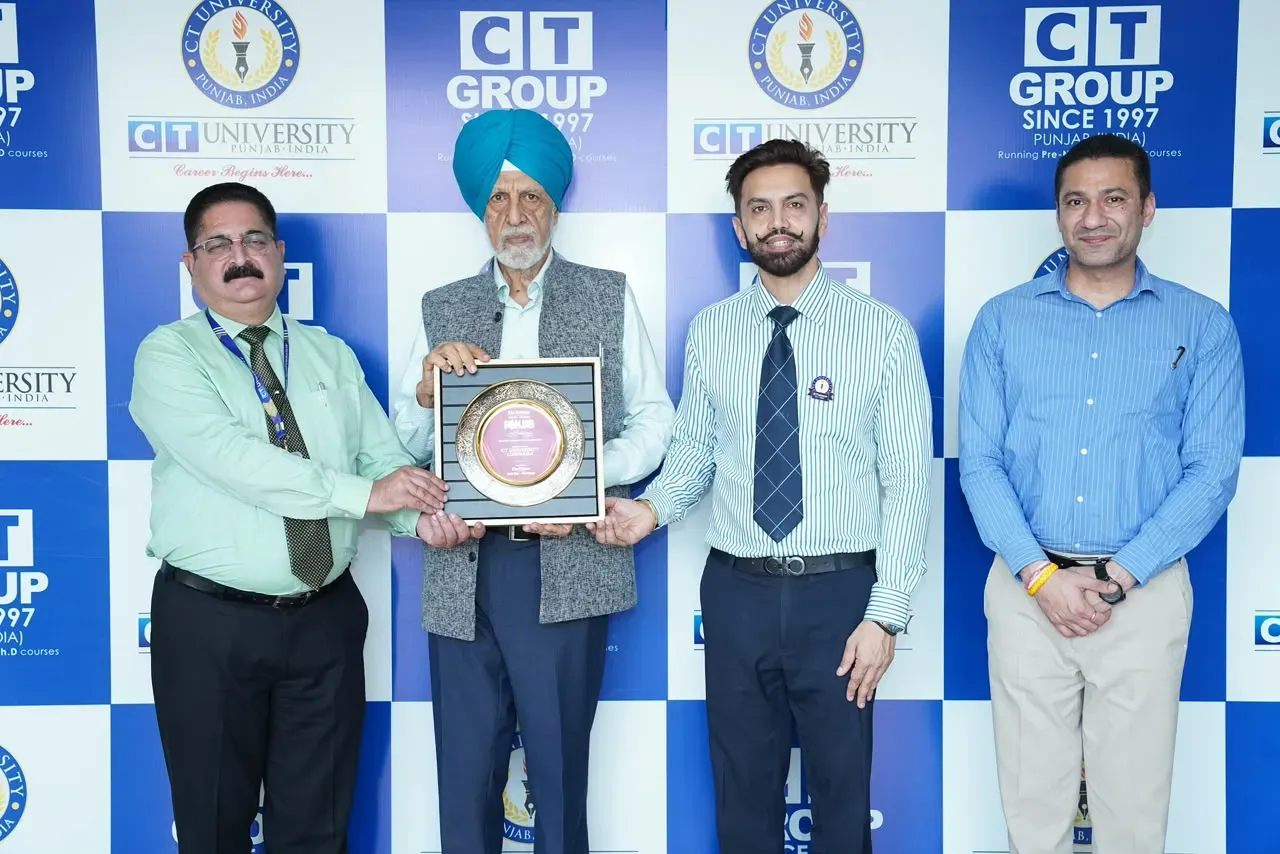
10 Oct, 2026
Prestigious Recognition Presented by Hon’ble Governor of Punjab Shri Gulab Chand Kataria JiAward Received by Registrar Sanjay Khanduri on Behalf of CT UniversityLudhiana: Adding another remarkable achievement to its journey of academic excellence and institutional credibility, CT University, Ludhiana has been honoured with the prestigious “Trusted University of the Region” Award at The Tribune Punjab Achievers 2026.The prestigious award was presented by the Hon’ble Governor of Punjab, Shri Gulab Chand Kataria Ji, recognising CT University’s growing contribution to quality education, academic excellence, student development and its commitment towards creating meaningful opportunities for the youth of the region.The award was received by Registrar, Sanjay Khanduri, on behalf of the university, in the presence and under the able guidance of Vice Chancellor, Dr. Nitin Tandon. The recognition stands as a proud reflection of the collective efforts of the university leadership, faculty, staff and students in building an institution that continues to earn trust and recognition at the regional level.Chancellor S. Charanjit Singh Channi congratulated the entire CT University fraternity on the achievement and said, “This recognition is a matter of immense pride for the entire CT family. Trust is built through consistent commitment, meaningful education and the ability to create opportunities that transform the lives of students. This award strengthens our resolve to continue working towards excellence and contributing meaningfully to the educational landscape of Punjab.”Pro Chancellor Dr. Manbir Singh expressed his happiness over the honour and said, “Being recognised as the ‘Trusted University of the Region’ is a reflection of the confidence that students, parents, industry and society place in CT University. Our constant endeavour has been to provide education that goes beyond classrooms and prepares students to become confident, capable and future-ready professionals. This achievement motivates us to set even higher benchmarks.”The recognition at The Tribune Punjab Achievers 2026 marks yet another significant milestone for CT University, reinforcing its commitment to academic excellence, innovation, industry-oriented education and career transformation. The honour further strengthens the university’s vision of becoming a trusted destination for students seeking quality education and holistic development.