Apply Now Programmes Virtual Tour CT-SET 2026 Ph.D
Admissions
Open 2026-27
Apply now
Apply Now
Home  /  Programmes  /  Certificate Course in Multimedia & Animation

Certificate Course in Multimedia & Animation

Duration: 1 Years Category: Certificate Programs

Programme Details

About the Programme

A Certificate Course in Multimedia & Animation is a specialized program that focuses on developing skills in digital media creation and animation. The curriculum typically covers graphic design, 2D and 3D animation, video editing multimedia production. Students learn to use industry-standard software tools and techniques to create engaging visual content. The program often includes hands-on projects, allowing students to build a portfolio of work. This course prepares individuals for entry-level positions in the multimedia and animation industry, equipping them with the technical and creative skills needed to thrive in this dynamic field. 
Industry Immersion

The industry immersion component of a Certificate Course in Multimedia & Animation involves practical experiences within the multimedia and animation industry. This could include internships, collaborative projects, or work placements with studios, production houses, or digital media companies. During this immersion, students have the opportunity to apply their skills in real-world projects, work with industry-standard tools and software gain insights into the professional workflow of multimedia and animation production. Engaging with professionals in the field, attending industry events participating in workshops may also be part of the immersion experience. This hands-on exposure helps students bridge the gap between theoretical learning and the practical demands of the dynamic multimedia and animation industry.

Eligibility Criteria

10+2 or equivalent in any stream with English as a compulsory subject from a recognized board and having at least 50% marks

Candidates with 10+2 certification from Hunar Sikhiya School (HSS) are also eligible.

Register Now

Why Choose CT University

Why CT University is the Right Choice for Your Future

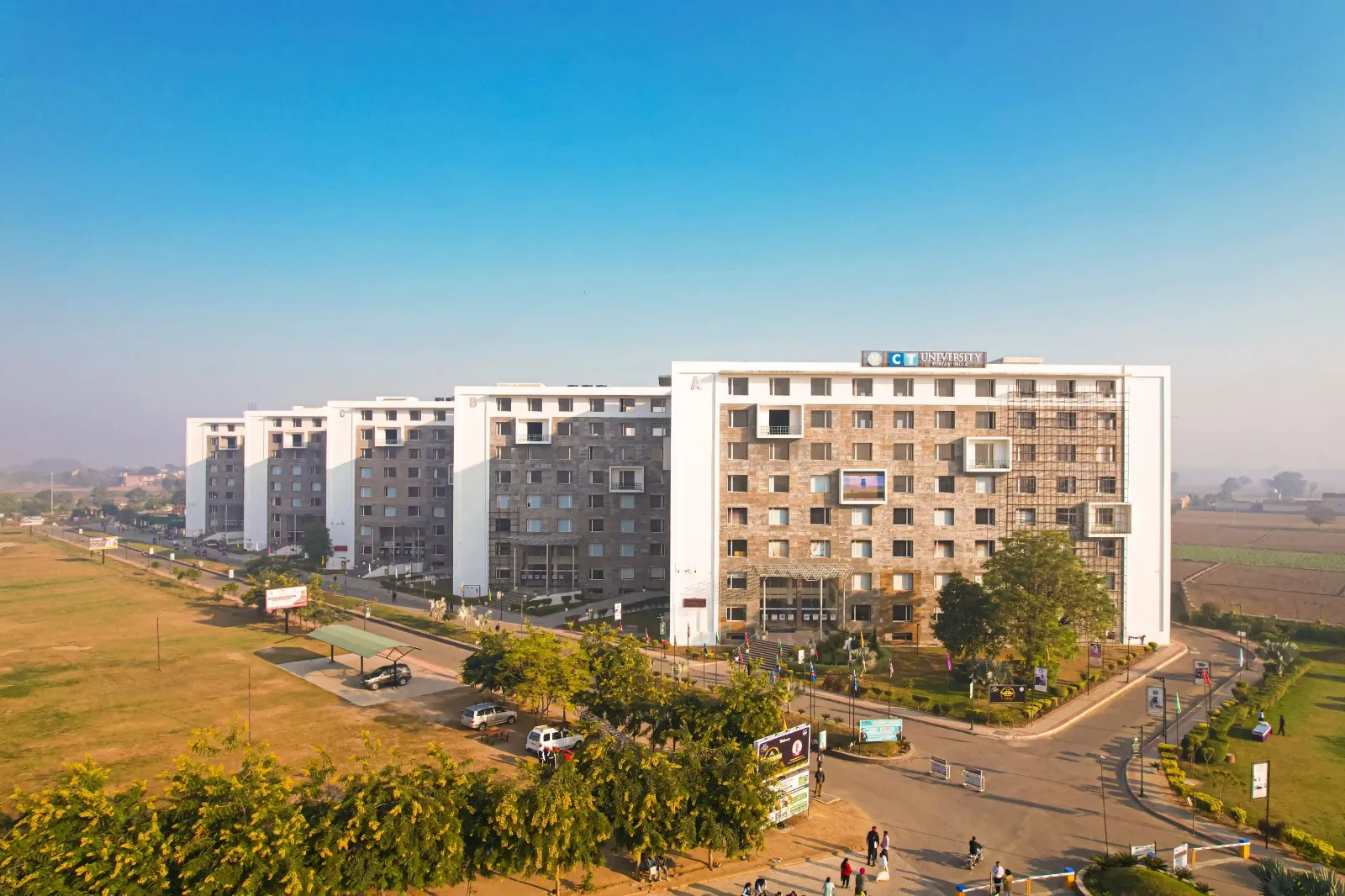
CT University Campus

At CT University, we combine industry-integrated learning and global academic partnerships, backed by the CT Group's 30+ year legacy, to prepare students for careers that actually last.

Industry-oriented
learning

Modern campus
facilities

Academic excellence &
mentorship

Global opportunities &
placements

Fee Structure & Scholarships

Program Fee Details

Fee Type Amount
Programme Fees (per Semester) ₹60000
Examination Fees ₹3000

Merit Based Scholarship Scheme

Unlock up to 90% Scholarship through CTSET, with scholarships worth Rs 40 Crore! Get access to top-quality education at CT University, Ludhiana — without the financial burden.

Slab >=60% - 74.99% >=75% - 89.99% >=90% & Above
Fee ₹55000 ₹50000 ₹45000

Students can avail these slots depending on the marks they have scored. Each slot reflects a different academic range, helping students understand where they stand and what benefits they qualify for.

Course Curriculum

1ST SEMESTER SUBJECTS

Introduces the fundamentals of Indian film storytelling, screenplay structure, character development, dialogue, and scene writing.
Course Outcome:
CO1: Explain the fundamentals, scope, formats, and evolution of scriptwriting in Indian cinema.
CO2: Analyze screenplay structure, scene development, dialogue writing, and narrative elements used in film scripts.
CO3: Develop characters, settings, and culturally relevant narratives for Indian cinematic storytelling.
CO4: Examine the role of genre, themes, and social contexts in crafting engaging screenplays for Indian audiences.
CO5: Create and present script concepts, loglines, treatments, and pitches while adapting to emerging trends in screenwriting and digital platforms.

Covers the core principles of animation used to create believable, expressive, and visually engaging movement.
Course Outcome:
CO1: Explain the history, evolution, and fundamental concepts of animation and the role of animation principles in visual storytelling.
CO2: Analyze and interpret the principles related to motion, action, and staging in animated sequences.
CO3: Evaluate the application of timing, arcs, and movement dynamics in creating realistic animations.
CO4: Assess the role of secondary actions, exaggeration, solid drawing, and appeal in character performance and design.
CO5: Integrate all 12 Principles of Animation to critique and plan complete animation projects and workflows.

Provides practical experience in applying animation principles through hands-on exercises and digital animation projects.
Course Outcome:
CO1: Demonstrate the principles of Squash & Stretch and Anticipation through basic animation exercises.
CO2: Apply staging, straight-ahead action, and pose-to-pose techniques in practical animation projects.
CO3: Create natural and realistic motion using follow through, overlapping action, slow in & slow out, arcs, and timing.
CO4: Design appealing characters and animated performances using secondary action, exaggeration, solid drawing, and appeal.
CO5: Produce a complete animation project by effectively integrating all 12 Principles of Animation within a professional workflow.

Develops essential skills in observation, proportion, perspective, composition, and visual representation through drawing and sketching.
Course Outcome:
CO1: Students will demonstrate proficiency in using drawing materials and techniques to create accurate and expressive artwork.
CO2: Students will understand principles of composition and design, effectively arranging elements to create visually compelling drawings.
CO3: Students will have a solid understanding of human anatomy and proportions, enabling them to draw figures realistically and with artistic flair.
CO4: Students will develop their own artistic style and voice, expressing ideas and emotions through their drawings.
CO5: Students will compile a portfolio of artwork showcasing their skills and artistic growth, ready for further study or professional opportunities.

Explores innovative animation techniques, visual styles, mixed media, and unconventional approaches to animated storytelling.
Course Outcome:
CO1: Understand the history, concepts, and creative approaches of experimental animation.
CO2: Apply visual composition, motion design, and timing principles in experimental works.
CO3: Create animations using mixed media, found footage, and digital assets.
CO4: Develop experimental visual effects, transitions, and non-traditional storytelling techniques.
CO5: Produce and present original experimental animation projects using CapCut.

Introduces AI-assisted digital art creation, image generation, creative prompting, digital illustration, and emerging AI-based workflows.
Course Outcome:
CO1: Understand the fundamentals of digital art, raster graphics, and Adobe Photoshop tools.
CO2: Create basic digital illustrations and artwork using drawing, selection, and layer techniques.
CO3: Apply color theory and digital painting techniques to produce visually effective artwork.
CO4: Perform image editing, photo manipulation, and typography-based design tasks.
CO5: Design and present a complete digital art project using Adobe Photoshop.

Students will be submitting a project based on the knowledge and software they have learnt.

Introduces the fundamentals of camera operation, shot composition, framing, lighting, lenses, camera movement, and visual storytelling for film and video.
Course Outcome:
CO1: Understand the fundamentals of photography, camera types, and camera operations.
CO2: Apply exposure settings, focusing techniques, and camera controls to capture quality photographs.
CO3: Demonstrate the use of composition principles to create visually effective images.
CO4: Capture photographs using appropriate lighting techniques and specialized photography methods.
CO5: Develop and present a photography portfolio integrating technical and creative photographic skills.

Introduces the fundamentals of 2D animation, including keyframes, timing, spacing, character movement, and basic animation techniques.
Course Outcome:
CO1: Understand the fundamentals of 2D animation, animation workflow, and Adobe Animate CC interface.
CO2: Create digital assets, characters, and backgrounds using Adobe Animate CC tools.
CO3: Develop frame-by-frame and timeline-based animations demonstrating basic motion principles.
CO4: Apply tweening techniques and character animation methods to create animated scenes.
CO5: Produce and present a complete 2D animation project using industry-standard workflow practices.

Entrepreneurship Mindset-I

Explores environmental systems, ecosystems, biodiversity, natural resources, and the interdependence between humans and nature. The course develops awareness of environmental policies, conservation, waste management, water management, sanitation, and sustainable practices. Students learn to analyse environmental challenges and develop practical solutions for local and global sustainability.
Course Outcome:
CO1: Analyse the impact of Biodiversity conservation on species and the environment.
CO2: Apply knowledge of environmental policies and legislations to evaluate and propose solutions for local and global environmental issues.
CO3: Implement environmental management plans to address campus environmental issues such as Waste disposal, water management, and sanitation.
CO4: Students will gain knowledge of the structure and function of ecosystems, biodiversity, and the importance of natural resources.
CO5: Recognize the interdependence between humans and the environment.

Develops students’ English communication skills through listening, speaking, reading, and writing. The course focuses on grammar, vocabulary, pronunciation, presentations, audience awareness, body language, and effective use of audio-visual aids. It helps students communicate confidently and appropriately in academic, professional, and everyday situations.
Course Outcome:
CO1: Use standard English aptly in listening, speaking, and communicative situations
CO2: Write error-free sentences and short texts in English Language
CO3: Comprehend reading passages effectively
CO4: Demonstrate use of apt and relevant vocabulary at lower intermediate to intermediate level
CO5: Develop effective oral presentation skills, including audience analysis and body language
CO6: Apply audio-visual aids to enhance communication and improve pronunciation

Introduces the fundamentals of web development, including websites, hosting, domains, web standards, HTML, CSS, JavaScript, forms, and Bootstrap. Students learn to structure, style, and enhance web pages while developing responsive, interactive, and user-friendly websites suitable for modern digital platforms and communication needs.
Course Outcome:
CO1: Understand the fundamentals of websites, hosting, domains, and web standards.
CO2: Develop structured web pages using HTML and semantic tags.
CO3: Style web pages effectively using CSS and apply basic layout techniques.
CO4: Apply JavaScript to add basic interactivity and validate user input.
CO5: Design and implement user-friendly HTML forms.
CO6: Create responsive web designs using Bootstrap framework.

Provides practical experience in developing websites using HTML, CSS, JavaScript, forms, and Bootstrap. Students apply web design concepts to create structured, interactive, responsive, and user-friendly web pages. The laboratory emphasizes hands-on implementation, problem-solving, interface design, and practical understanding of modern web development techniques.
Course Outcome:
CO1: Understand the fundamentals of websites, hosting, domains, and web standards.
CO2: Develop structured web pages using HTML and semantic tags.
CO3: Style web pages effectively using CSS and apply basic layout techniques.
CO4: Apply JavaScript to add basic interactivity and validate user input.
CO5: Design and implement user-friendly HTML forms.
CO6: Create responsive web designs using Bootstrap framework.

2ND SEMESTER SUBJECTS

Introduces the complete filmmaking workflow, covering pre-production, production, and post-production processes.
Course Outcome:
CO1: Understand the fundamentals of cinema, film production workflow, film language, and various filmmaking departments.
CO2: Develop story concepts, screenplays, storyboards, schedules, and production plans for film projects.
CO3: Apply sound recording, editing, and art direction techniques in film production.
CO4: Demonstrate knowledge of acting, makeup, costume design, and character development for screen productions.
CO5: Plan, produce, and evaluate film projects using industry-standard production processes and collaborative practices.

Explores colour principles, harmony, contrast, psychology, and colour application in visual communication and media.
Course Outcome:
CO1: Understand the fundamental concepts, properties, and systems of color.
CO2: Analyze color harmonies, relationships, and combinations used in visual communication.
CO3: Evaluate the psychological, cultural, and perceptual effects of color.
CO4: Apply color principles in the analysis of art, design, and multimedia projects.
CO5: Critically assess contemporary color trends and professional applications across creative industries.

Introduces AI-assisted illustration, creative prompting, digital artwork, image generation, and modern illustration workflows.
Course Outcome:
CO1: Understand the fundamentals of digital illustration, vector graphics, and Adobe Illustrator tools.
CO2: Create basic vector artwork using drawing tools, shapes, and path editing techniques.
CO3: Apply color theory and digital coloring techniques to enhance visual communication.
CO4: Develop object, character, and typography-based illustrations using design principles.
CO5: Design and present a complete digital illustration project for print or digital media.

Teaches principles of page composition, typography, layout design, and digital publishing for print and digital media.
Course Outcome:
CO1: Understand the fundamentals of page layout design, publishing concepts, and Adobe InDesign interface.
CO2: Create and format text-based layouts using typography and text management tools.
CO3: Integrate images, graphics, and visual elements into page layouts effectively.
CO4: Develop multi-page publications using layout design principles and publishing techniques.
CO5: Design and publish a complete print or digital publication project using Adobe InDesign

Develops practical skills in camera operation, composition, lighting, exposure, and visual storytelling.
Course Outcome:
CO1: Understand the fundamentals of photography, camera types, and camera operations.
CO2: Apply exposure settings, focusing techniques, and camera controls to capture quality photographs.
CO3: Demonstrate the use of composition principles to create visually effective images.
CO4: Capture photographs using appropriate lighting techniques and specialized photography methods.
CO5: Develop and present a photography portfolio integrating technical and creative photographic skills.

Students will be submitting a project based on the knowledge and software they have learnt.

Introduction to 3D software
Course Outcome:
CO1: Navigate and operate Maya’s interface and tools.
CO2: Apply object transformation and management techniques.
CO3: Model basic 3D assets using polygonal tools.
CO4: Assign materials and basic textures using Hypershade.
CO5: Use lighting, cameras, and render settings effectively.

Introduces essential digital design software and tools used to create, edit, and develop creative visual content.
Course Outcome:
CO1: Understand the differences and applications of raster and vector tools.
CO2: Perform image editing and digital artwork creation using Photoshop.
CO3: Create vector-based illustrations and designs using Illustrator.
CO4: Design effective visual assets like logos, posters, and icons.
CO5: Students will compile a portfolio of artwork showcasing their skills and artistic growth, ready for further study or professional opportunities.

Introduces fundamental video editing techniques including cutting, sequencing, transitions, audio, effects, and basic storytelling.
Course Outcome:
CO1: Understand the fundamentals of video editing, post-production workflows, and Adobe Premiere Pro interface.
CO2: Create and organize video sequences using editing tools and timeline techniques.
CO3: Apply transitions, visual effects, and motion controls to enhance video content.
CO4: Perform audio editing, synchronization, titling, and color correction for video projects.
CO5: Develop and present a complete video editing project using professional editing workflows.

Entrepreneurship Mindset - II

Develops students’ understanding of universal human values, self-awareness, compassion, empathy, truth, non-violence, and moral responsibility. The course encourages personal transformation through selfless service, ethical decision-making, and reflection. Students explore sacrifice, righteousness, renunciation, and simplicity to develop responsible attitudes, meaningful relationships, and inner harmony in contemporary life.
Course Outcome:
CO1: Define and identify core universal human values and relate them to their own lives.
CO2: Demonstrate self-awareness and initiate personal transformation (Human Revolution
CO3: Appreciate the importance of Sewa (selfless service), compassion, and empathy.
CO4: Apply principles of truth, non-violence, and moral responsibility in real-life dilemmas.
CO5: Evaluate ethical decisions involving sacrifice and righteousness through case studies.
CO6: Reflect on the relevance of renunciation and simplicity in modern life for inner peace.

Enhances advanced English communication skills through grammar, note-making, summarization, paraphrasing, vocabulary development, and coherent discourse. Students develop the ability to organize and present ideas effectively in both written and spoken forms. The course strengthens language proficiency for academic, professional, and real-world communication at intermediate to upper-intermediate levels.
Course Outcome:
CO1: Apply effective grammatical structures in English Language for speaking and writing
CO2: Utilize effective note-making techniques in English Language
CO3: Effectively summarize and paraphrase texts in English Language
CO4: Demonstrate use of apt and relevant vocabulary at intermediate to upper-intermediate level
CO5: Employ cohesive and coherent discourse in English communication
CO6: Produce well-organized written and spoken texts in English Language

Introduces the fundamentals of intellectual property rights and their significance in creative, academic, and professional contexts. The course covers copyrights, patents, trademarks, geographical indications, trade secrets, designs, and relevant Indian legislation. Students learn about intellectual property ownership, registration procedures, legal rights, protection mechanisms, and available remedies.
Course Outcome:
CO1: To know International and domestic trends in intellectual property.
CO2: To introduce students to basic concepts of copyrights, patents,Trademarks, geographical indications, trade secrets and designs.
CO3: To learn all intellectual property related legislations developed in India.
CO4: To familiarize students with rights, registration and remedies associated with each regime.

Program Outcomes & Features

Program Outcomes

  • PO1: Beauty Science Knowledge: Understand skin, hair and body structure, wellness therapies and industry practices to analyze client needs and forecast beauty trends.
  • PO2: Design and Service Application: Apply design and aesthetic principles to create effective and personalized skincare, haircare and wellness treatments.
  • PO3: Product and Service Development: Develop beauty and wellness services or products that meet market demands, client expectations and sustainability standards.
  • PO4: Modern Tool Usage: Operate salon equipment, diagnostic tools and computer-based applications to deliver professional and advanced services.
  • PO5: Value Addition Techniques: Incorporate traditional methods like herbal and ayurvedic techniques with modern innovations to enhance treatment outcomes.
  • PO6: Visual and Client Communication: Use illustrations, digital media and consultations to visually and verbally communicate beauty and wellness concepts to clients.
  • PO7: Professional Ethics and Society: Follow ethical standards, hygiene protocols and legal practices while promoting eco-friendly and socially responsible services.
  • PO8: Effective Communication: Demonstrate strong oral and written communication skills to interact with clients, teams and industry professionals.
  • PO9: Teamwork and Leadership: Work collaboratively in team environments and exhibit leadership skills in managing salon or wellness operations.
  • PO10: Lifelong Learning: Stay informed about emerging trends, technologies and business practices for continuous professional and personal development.

Program Specific Outcomes

  • PSO1: The students will develop a strong foundation in beauty and wellness concepts and be able to visually represent their ideas through face charts, makeover photography, digital graphics display of beauty products and services.
  • PSO2: The students will be able to transform their creative concepts into real-time services or products using appropriate techniques in skin, hair makeup application.
  • PSO3: The students will understand and analyse beauty industry trends to create sustainable, client-centric ethically sound beauty solutions and service experiences.
  • PSO4: Students will be capable of working collaboratively in salons, wellness centers, or entrepreneurial setups and evolve as accomplished Beauty Experts, Wellness Entrepreneurs, or Industry-ready professionals.

Salient Features

  1. The only University around Ludhiana offering professional courses in Design and Innovation.
  2. Highly qualified professors and lecturers with their upgraded teaching methodologies provide the ideal learning environment to students.
  3. Moreover, students get in-depth knowledge of fundamentals and technological advancements which makes them more skilled and job ready.
  4. Students get an opportunity to get internships right from the 1st year of admission. 
  5. Contemporary course curriculum designed as per the needs of the Industry.
  6. Students are given in-house projects to showcase their skills and gain practical experience. Eg. Video making, film making, wall paintings, etc.
  7. 80% practical learning every semester.
  8. Regular industrial visits to make students aware about the workings and present scenario of the same.
  9. Students are motivated to participate in inter school and inter University competitions to make them learn and create out of the box and gain confidence.
  10. Celebrating various important days like world art day, animation day, fashion day and other Indian and western festivals by organizing window displays, competitions and much more.
  11. The course syllabus is managed in a way that helps students with their entrepreneurial skills too.
  12. One to one interaction is the key feature for the school.
  13. Students get to have a job experience along with their studies under the ambassadorship programs.

Labs and Facilities

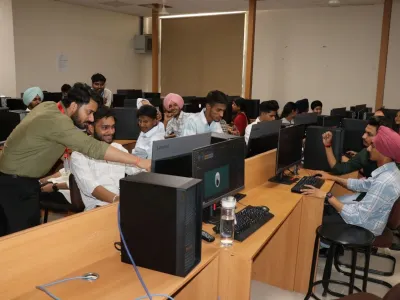
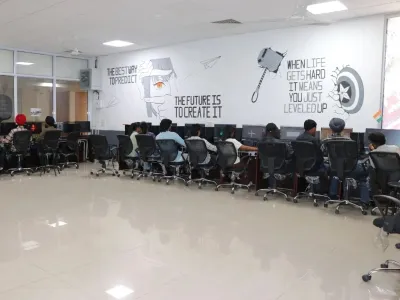
2D Lab

2D Lab

Explore More
01
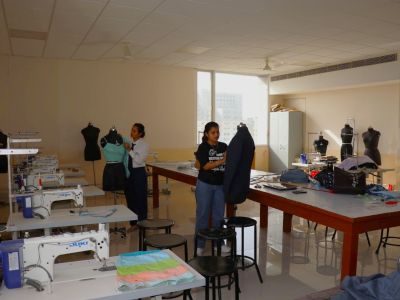
Draping Lab

Draping Lab

Explore More
02
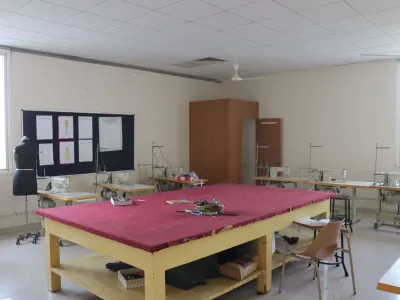
Design/Sewing Lab

Design/Sewing Lab

Explore More
03
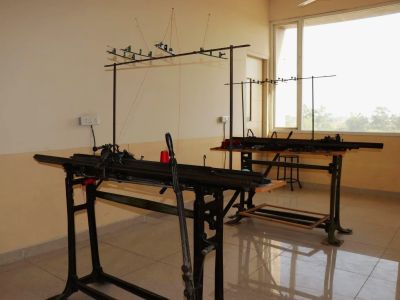
Knitting lab

Knitting lab

Explore More
04
3D Lab

3D Lab

Explore More
05
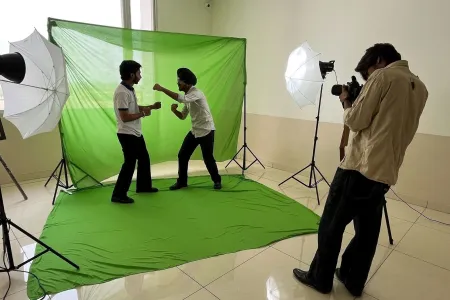
Croma Studio

Croma Studio

Explore More
06
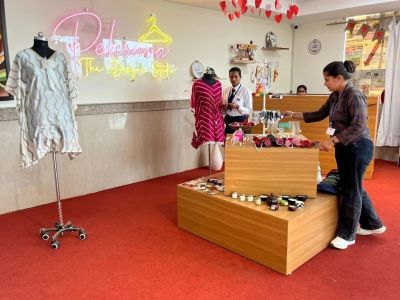
Pehrava

Pehrava

Explore More
07
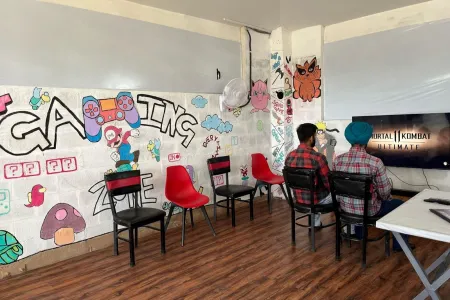
Gaming zone

Gaming zone

Explore More
08
Unibliss Lab

Unibliss Lab

Explore More
09

Backed by the Legacy of CT Group, Driven by Proven Success

30000+

Placements

800+

Collaborations

1.2Cr

Highest Placement

1800+

Recruiters

1 Lac+

Alumni

40Cr

WORTH SCHOLARSHIP

Hear From Our Students

"

Studying B.com in the School of Management Studies at CTU has been a delightful journey. The knowledgeable faculty and engaging coursework have not only deepened my understanding of commerce but also sparked a passion for it. With a perfect blend of academics and extracurricular activities, CTU has been the perfect launchpad for my future endeavors after gaining quality education and great leadership skills and exposure from industrial visits.

"

"CT University stands out for its student-centric approach. The B.Sc. Radiology program is designed to meet industry standards, and the professors are always approachable and ready to assist. The emphasis on practical learning and internships has given me confidence and clarity in my chosen field. I highly recommend this course to anyone interested in a career in radiology."

"

Studying at CT University was an enriching experience, thanks to access to advanced technology and learning resources. The state-of-the-art operation theatre labs, anesthesia workstations, and simulation-based training ensured we were always prepared for both theoretical and practical aspects of our studies.