Apply Now Programmes Virtual Tour CT-SET 2026 Ph.D
Admissions
Open 2026-27
Apply now
Apply Now
Home  /  Programmes  /  Bachelor of Optometry

Bachelor of Optometry

Duration: 5 Years Category: Graduate Programs

Programme Details

About the Programme

Optometry is a health care profession which deals with the examination, diagnosis, treatment and management of disease and disorders of eye and the visual system. Mission of the department is to prevent and promote eye care and visual health by crew providing better services which include preparing individual for careers in optometry, the ophthalmic industry and vision science and also advancing knowledge through awareness, teaching, service and research. Having a revolutionary impact on students by focusing on deep inter-disciplinary knowledge, getting practical as well as theoretical concept of Optometry, focusing on leadership, communication and interpersonal skills, personal health and well-being. Creating best of educational experience by engaging with partners outside the traditional borders of University campus. By engaging in a network of Hospitals & other Healthcare providing facilities to create a job-oriented field.

Cultivating productive community by attracting and retaining diverse, best talent and such an environment where research, innovation, creativity and entrepreneurship can flourish. To give students the best knowledge by the most innovative methods and also provide hospital exposure to work on clinical examination, diagnosis various disease, counselling and management.

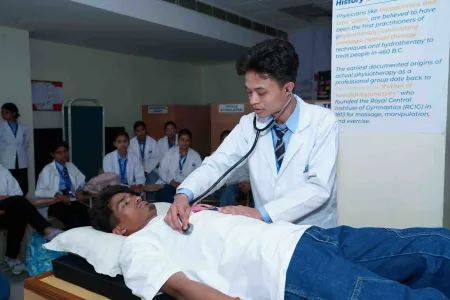
Industry Immersion

This Program will give students knowledge of basic Science like Ocular Anatomy, Ocular Physiology, Contact lens, Binocular vision, Low vision, Sports Vision, occupational Optometry Public health, etc.

Eligibility Criteria

10+2 with English, Physics, Chemistry and Biology/Mathematics as compulsory subjects from recognized board and having at least 50% marks

Register Now

Why Choose CT University

Why CT University is the Right Choice for Your Future

CT University Campus

At CT University, we combine industry-integrated learning and global academic partnerships, backed by the CT Group's 30+ year legacy, to prepare students for careers that actually last.

Industry-oriented
learning

Modern campus
facilities

Academic excellence &
mentorship

Global opportunities &
placements

Fee Structure & Scholarships

Program Fee Details

Fee Type Amount
Programme Fees (per Semester) ₹50000
Examination Fees ₹3000
International Fee (USD) $3000

Course Curriculum

1ST SEMESTER SUBJECTS

Introduces the basic structure and organization of the human body, including major anatomical systems and structures relevant to optometry practice.
Course Outcome:
CO1: Describe the basic anatomical organization of the human body and its major systems.
CO2: Identify and explain the structure and functions of bones, joints, muscles, and connective tissues.
CO3: Describe the anatomy of the nervous, cardiovascular, respiratory, digestive, and endocrine systems.
CO4: Explain the gross anatomy of the head, neck, and orbit with emphasis on structures relevant to vision.
CO5: Identify the anatomical structures of the eye and its adnexa and relate them to visual function.
CO6: Apply anatomical knowledge to understand the basis of common ocular and systemic conditions.

Introduces the normal functions and physiological processes of the human body with emphasis on systems relevant to vision and ocular health.
Course Outcome:
CO1: Explain the basic physiological principles governing normal functioning of the human body.
CO2: Describe the physiological functions of the nervous, muscular, cardiovascular, respiratory, digestive, and endocrine systems.
CO3: Explain the mechanisms involved in maintenance of homeostasis in the human body.
CO4: Describe the physiology of the visual system, including photoreception and neural processing of visual information.
CO5: Explain the physiological functions of the eye and its supporting structures.
CO6: Correlate basic physiological principles with normal and abnormal visual functions.

Covers the basic principles of carbohydrates, proteins, lipids, enzymes, vitamins, minerals, metabolism, and their relevance to health and ocular function.
Course Outcome:
CO1: Describe the basic principles and significance of biochemistry in health and disease.
CO2: Explain the structure, properties, and biological functions of carbohydrates, proteins, lipids, and nucleic acids.
CO3: Describe major metabolic pathways and their physiological significance.
CO4: Explain the role of vitamins, minerals, enzymes, and hormones in normal body functions.
CO5: Interpret the biochemical basis of selected metabolic and systemic disorders relevant to healthcare.
CO6: Relate biochemical processes to ocular health and visual functions.

Introduces the principles of light, reflection, refraction, dispersion, interference, diffraction, polarization, and their applications in vision science and optometry.
Course Outcome:
CO1: Explain the fundamental principles and laws of light propagation and optical phenomena.
CO2: Describe the concepts of interference, diffraction, polarization, and dispersion of light.
CO3: Explain the principles of reflection and refraction and their applications in optical systems.
CO4: Analyze the formation and characteristics of optical images using basic optical principles.
CO5: Apply physical optics principles to understand the behavior and performance of ophthalmic lenses and optical instruments.
CO6: Demonstrate the application of optical principles in solving basic problems related to vision and optometry.

Covers mathematical principles and geometrical optics, including measurements, optical systems, reflection, refraction, lenses, prisms, and their applications in optometry.
Course Outcome:
CO1: Apply basic mathematical concepts, algebra, geometry, trigonometry, and related calculations to optometric problems.
CO2: Explain the fundamental principles of geometrical optics, including ray propagation, reflection, and refraction.
CO3: Apply Snell’s law and related optical equations to calculate refractive and image-forming parameters.
CO4: Analyze image formation by plane and spherical mirrors and refracting surfaces.
CO5: Explain the principles of lenses, lens combinations, focal length, power, and magnification.
CO6: Solve basic numerical problems involving geometrical optics and relate the results to ophthalmic applications.

Introduces the scope of optometry, basic eye care services, visual assessment, common ocular conditions, professional roles, and principles of patient-centred optometric practice.
Course Outcome:
CO1: Explain the scope, history, development, and professional role of optometry.
CO2: Describe the basic structure and functions of the human eye and visual system in relation to optometric practice.
CO3: Explain the principles and purpose of basic optometric procedures and instruments.
CO4: Describe the importance of visual acuity, refractive status, binocular vision, and ocular health assessment.
CO5: Demonstrate appropriate professional, ethical, and patient-centred approaches in basic optometric practice.
CO6: Recognize the role of optometrists in prevention, detection, management, and referral of ocular and visual disorders.

Introduces the principles of balanced nutrition, nutrients, dietary requirements, nutritional deficiencies, and their relationship to general and ocular health.
Course Outcome:
CO1: Explain the basic principles of human nutrition and its importance in maintaining health.
CO2: Describe the sources, functions, and recommended requirements of carbohydrates, proteins, fats, vitamins, and minerals.
CO3: Explain the importance of adequate nutrition for normal growth, development, and physiological functions.
CO4: Describe the relationship between nutritional deficiencies and common systemic and ocular disorders.
CO5: Assess basic dietary requirements and identify common nutritional deficiencies affecting health and vision.
CO6: Promote appropriate nutritional practices for maintaining general and ocular health.

Develops effective verbal, written, interpersonal, and professional communication skills required for patient interaction and optometric practice.
Course Outcome:
CO1: Explain the principles and importance of effective communication in healthcare settings.
CO2: Demonstrate effective verbal, non-verbal, and written communication skills in professional situations.
CO3: Apply active listening, questioning, and interpersonal skills while interacting with patients and healthcare professionals.
CO4: Demonstrate appropriate communication skills for taking patient history and explaining basic optometric procedures.
CO5: Prepare and communicate professional information using appropriate written and oral formats.
CO6: Apply ethical, culturally sensitive, and patient-centred communication strategies in optometric practice.

Provides foundational clinical exposure to optometric practice, including patient history, basic visual assessment, clinical procedures, professional conduct, and patient care.
Course Outcome:
CO1: Explain the principles and procedures involved in a basic optometric clinical examination.
CO2: Demonstrate appropriate techniques for assessing visual acuity, refractive status, and basic binocular vision.
CO3: Perform basic ocular examination procedures using appropriate optometric instruments under supervision.
CO4: Identify common refractive errors and basic ocular conditions based on clinical findings.
CO5: Record, interpret, and communicate relevant clinical findings accurately in an appropriate patient record.
CO6: Demonstrate professional, ethical, hygienic, and patient-centred practices during clinical optometry procedures.

2ND SEMESTER SUBJECTS

Introduces the basic principles of pharmacology, including drug actions, therapeutic uses, dosage forms, adverse effects, precautions, and relevance to optometric practice.
Course Outcome:
CO1: Explain the basic principles, terminology, scope, and importance of pharmacology in healthcare and optometric practice.
CO2: Describe the principles of pharmacokinetics and pharmacodynamics and factors influencing drug action.
CO3: Classify commonly used drugs according to their therapeutic actions, mechanisms, and clinical applications.
CO4: Explain the indications, contraindications, adverse effects, precautions, and interactions of commonly used medications.
CO5: Describe the principles of drug dosage, routes of administration, absorption, distribution, metabolism, and excretion.
CO6: Apply basic pharmacological knowledge to understand the safe, rational, and appropriate use of drugs in optometric and healthcare practice.

Covers fundamental disease processes, cellular injury, inflammation, infection, degeneration, neoplasia, and pathological changes relevant to ocular and systemic conditions.
Course Outcome:
CO1: Explain the basic concepts, causes, mechanisms, and significance of pathological changes in the human body.
CO2: Describe the mechanisms of cell injury, inflammation, tissue repair, degeneration, and adaptation.
CO3: Explain the pathological basis of common disorders involving the cardiovascular, respiratory, digestive, immune, and hematological systems.
CO4: Describe the basic pathological features of infectious, neoplastic, degenerative, and metabolic diseases.
CO5: Correlate pathological changes with clinical signs, symptoms, and disease progression relevant to optometric practice.
CO6: Apply basic pathological knowledge to understand the diagnosis, management, and referral of common ocular and systemic conditions.

Provides detailed knowledge of the anatomy of the eye, orbit, visual pathways, cranial nerves, and related neural structures essential for optometric assessment and practice.
Course Outcome:
CO1: Describe the anatomical organization of the eye, orbit, adnexa, and related neural structures.
CO2: Identify and explain the anatomy of the eyelids, lacrimal apparatus, extraocular muscles, and associated orbital structures.
CO3: Describe the anatomical structure and organization of the retina, optic nerve, optic tract, and visual pathways.
CO4: Explain the anatomy and functional relationships of cranial nerves involved in ocular movements, vision, and pupillary responses.
CO5: Correlate ocular and neuroanatomical structures with common clinical conditions affecting vision and ocular function.
CO6: Apply knowledge of ocular and related neuroanatomy to understand and support clinical optometric examination and assessment.

Covers the physiological functions of the eye, visual system, neural pathways, and mechanisms involved in vision and ocular function.
Course Outcome:
CO1: Explain the fundamental physiological principles governing normal ocular and visual functions.
CO2: Describe the physiological mechanisms of photoreception, retinal processing, and transmission of visual information.
CO3: Explain the physiology of the visual pathways, visual perception, and higher visual functions.
CO4: Describe the physiological mechanisms of accommodation, convergence, pupillary reflexes, and ocular movements.
CO5: Correlate normal ocular and neurophysiological functions with common abnormalities affecting vision.
CO6: Apply knowledge of ocular neurophysiology to understand and interpret findings obtained during clinical optometric assessment.

Introduces biochemical processes and metabolic functions of ocular tissues, including the biochemical basis of normal vision and common ocular disorders.
Course Outcome:
CO1: Explain the fundamental principles of biochemistry and their relevance to ocular health and visual functions.
CO2: Describe the structure, properties, metabolism, and functions of carbohydrates, proteins, lipids, and nucleic acids.
CO3: Explain the role of enzymes, vitamins, minerals, hormones, and other biochemical substances in normal ocular and systemic functions.
CO4: Describe the biochemical composition and metabolic processes of ocular tissues and fluids.
CO5: Explain the biochemical basis of oxidative stress, antioxidants, and selected metabolic disorders affecting ocular health.
CO6: Correlate biochemical processes and alterations with common ocular and systemic conditions relevant to optometric practice.

Develops advanced knowledge of geometrical optics, lenses, prisms, optical systems, aberrations, and their applications in vision correction and optometric practice.
Course Outcome:
CO1: Explain advanced principles and concepts of geometrical optics relevant to optometry and ophthalmic applications.
CO2: Apply the principles of reflection, refraction, vergence, and ray tracing to analyze optical systems.
CO3: Calculate and interpret focal length, optical power, image position, magnification, and related optical parameters.
CO4: Explain the principles and applications of thin lenses, thick lenses, lens combinations, and prisms in optical systems.
CO5: Analyze common optical aberrations and their effects on image quality and visual performance.
CO6: Apply geometrical optics principles to solve numerical and practical problems related to ophthalmic lenses and optometric applications.

Develops basic computer skills and digital literacy for documentation, data management, communication, learning, and professional activities in optometry.
Course Outcome:
CO1: Explain the fundamental concepts, components, types, and applications of computer systems.
CO2: Demonstrate basic skills in operating systems, file management, data storage, and computer applications.
CO3: Use word-processing, spreadsheet, and presentation software for academic and professional purposes.
CO4: Demonstrate effective use of internet, email, online resources, and digital communication tools.
CO5: Explain basic concepts of data security, privacy, cybersecurity, and responsible use of digital technologies.
CO6: Apply basic computer skills to prepare documents, manage records, perform simple data analysis, and support academic and optometric practice.

Develops clinical competencies in patient history, visual assessment, basic ocular examination, clinical decision-making, patient communication, and appropriate optometric care.
Course Outcome:
CO1: Explain the principles and procedures involved in advanced clinical optometric examination and assessment.
CO2: Demonstrate appropriate techniques for assessing visual acuity, refractive status, binocular vision, accommodation, and ocular health.
CO3: Perform relevant clinical tests using appropriate optometric instruments and techniques under appropriate clinical supervision.
CO4: Identify and interpret abnormal clinical findings associated with common refractive, binocular, and ocular conditions.
CO5: Develop appropriate optometric management plans, including correction, patient counselling, follow-up, and referral when required.
CO6: Demonstrate professional, ethical, hygienic, and patient-centred practices during clinical optometry procedures.

3RD SEMESTER SUBJECTS

Introduces general and ocular microorganisms, infection mechanisms, common ocular infections, sterilization, disinfection, and infection control practices relevant to optometry.
Course Outcome:
CO1: Explain the basic principles, scope, and importance of microbiology in healthcare and optometric practice.
CO2: Describe the morphology, classification, growth, and transmission of common bacteria, viruses, fungi, and parasites.
CO3: Explain the mechanisms of microbial infection, pathogenicity, immunity, and host–microorganism interactions.
CO4: Describe common microorganisms associated with ocular infections and their modes of transmission.
CO5: Explain the principles of sterilization, disinfection, asepsis, and infection-control practices in clinical and ophthalmic settings.
CO6: Apply microbiological knowledge to recognize, prevent, and appropriately manage common ocular infections and maintain safe clinical practices.

Covers the principles, indications, mechanisms, dosage, adverse effects, contraindications, and safe use of drugs commonly used in ocular care.
Course Outcome:
CO1: Explain the principles of ocular pharmacology and the mechanisms of drug action on ocular tissues.
CO2: Classify commonly used ophthalmic drugs according to their therapeutic actions and clinical applications.
CO3: Describe the pharmacological actions, indications, contraindications, adverse effects, and precautions of commonly used ocular medications.
CO4: Explain the principles, routes, dosage forms, and methods of administration of ophthalmic drugs.
CO5: Describe the use of topical and systemic medications in the management of common ocular conditions.
CO6: Apply knowledge of ocular pharmacology to support safe medication use, patient counselling, monitoring, and appropriate referral in optometric practice.

Covers the principles of visual optics, including vergence, refraction, accommodation, aberrations, optical systems, and their application to visual function and correction.
Course Outcome:
CO1: Explain the fundamental principles of visual optics and their relationship to the optical system of the eye.
CO2: Describe the optical components of the eye and their contribution to image formation and visual performance.
CO3: Explain the principles of accommodation, convergence, depth of focus, and related mechanisms of clear vision.
CO4: Analyze the formation of retinal images and the factors affecting image quality and visual resolution.
CO5: Explain the optical basis of refractive errors, including myopia, hypermetropia, astigmatism, and presbyopia.
CO6: Apply visual optics principles to understand and interpret basic clinical findings related to refractive and visual abnormalities.

Introduces the design, properties, performance, and clinical application of ophthalmic lenses, prisms, frames, and optical devices for vision correction.
Course Outcome:
CO1: Explain the principles and applications of ophthalmic lenses and optical materials used in optometric practice.
CO2: Describe the characteristics, properties, types, and applications of spectacle lenses and lens materials.
CO3: Apply principles of lens power, transposition, prism, decentration, and lens combinations in spectacle prescription.
CO4: Explain the principles of spectacle frame selection, fitting, measurements, and optical alignment.
CO5: Describe the basic principles, types, materials, and optical characteristics of contact lenses.
CO6: Apply optometric optical principles to recommend, evaluate, and appropriately fit basic ophthalmic corrections according to patient requirements.

Introduces common ocular diseases, their causes, signs, symptoms, clinical features, diagnosis, management, and implications for optometric practice.
Course Outcome:
CO1: Explain the causes, risk factors, clinical features, and basic pathophysiology of common ocular diseases.
CO2: Describe common disorders of the eyelids, conjunctiva, cornea, sclera, and lacrimal apparatus.
CO3: Explain the clinical presentation and management principles of common ocular infections and inflammatory conditions.
CO4: Identify important signs and symptoms associated with common anterior segment and ocular surface disorders.
CO5: Correlate clinical findings with possible ocular diseases and differentiate conditions requiring urgent ophthalmic referral.
CO6: Apply knowledge of ocular diseases to support appropriate optometric assessment, patient counselling, management, and referral.

Introduces Indian systems of medicine and the principles, applications, benefits, limitations, and ethical considerations of telemedicine in contemporary healthcare delivery.
Course Outcome:
CO1: Describe the basic concepts, principles, historical development, and major systems of Indian medicine.
CO2: Explain the fundamental concepts of Ayurveda, Yoga, Unani, Siddha, and other recognized Indian systems of medicine.
CO3: Describe the relevance of traditional healthcare practices to health promotion, prevention, and holistic patient care.
CO4: Explain the fundamental concepts, applications, advantages, and limitations of telemedicine in healthcare delivery.
CO5: Demonstrate awareness of appropriate communication, documentation, privacy, confidentiality, and ethical considerations in telemedicine.
CO6: Apply basic principles of Indian medicine and telemedicine to support patient-centred, accessible, and technology-enabled healthcare services.

Develops clinical competencies in comprehensive optometric examination, refractive assessment, ocular health evaluation, clinical decision-making, patient counselling, and appropriate referral.
Course Outcome:
CO1: Explain the principles and procedures involved in comprehensive clinical optometric examination and assessment.
CO2: Demonstrate appropriate techniques for evaluating refractive status, binocular vision, accommodation, and ocular health.
CO3: Perform and interpret relevant clinical tests using appropriate optometric instruments and procedures.
CO4: Identify and differentiate common refractive, binocular, accommodative, and ocular conditions based on clinical findings.
CO5: Formulate appropriate optometric management plans, including optical correction, patient counselling, follow-up, and referral when indicated.
CO6: Demonstrate professional, ethical, hygienic, and patient-centred skills while providing comprehensive optometric clinical care.

4TH SEMESTER SUBJECTS

Introduces the principles, types, operation, maintenance, and clinical applications of instruments used for optometric examination and ocular assessment.
Course Outcome:
CO1: Explain the principles, construction, working, and applications of commonly used optometric and ophthalmic instruments.
CO2: Identify and describe the components and functions of instruments used for assessment of visual and ocular conditions.
CO3: Demonstrate appropriate procedures for handling, setting, calibrating, and maintaining optometric instruments.
CO4: Perform basic clinical measurements using appropriate optometric instruments while following standard procedures.
CO5: Interpret and document measurements and findings obtained from commonly used optometric instruments.
CO6: Apply appropriate instrument-selection, safety, hygiene, and maintenance practices during optometric clinical examinations.

Develops systematic skills in examination of the visual system, including history taking, visual acuity, ocular motility, binocular vision, anterior and posterior segment assessment, and clinical documentation.
Course Outcome:
CO1: Explain the principles and systematic approach to comprehensive clinical examination of the visual system.
CO2: Demonstrate appropriate techniques for assessing visual acuity, refractive status, ocular motility, accommodation, and binocular vision.
CO3: Perform basic anterior and posterior segment examinations using appropriate clinical procedures and instruments.
CO4: Assess pupillary responses, ocular alignment, visual fields, and other relevant visual functions.
CO5: Interpret clinical findings and differentiate normal from abnormal visual and ocular conditions.
CO6: Develop appropriate clinical assessment, documentation, patient counselling, and referral plans based on examination findings.

Covers the principles of visual perception and psychophysics, including sensory processing, visual thresholds, contrast, colour perception, depth perception, and assessment of visual function.
Course Outcome:
CO1: Explain the fundamental concepts and principles of visual perception and psychophysics.
CO2: Describe the physiological and psychological mechanisms involved in visual sensation and perception.
CO3: Explain concepts of thresholds, sensitivity, adaptation, contrast, spatial and temporal resolution, and visual discrimination.
CO4: Describe commonly used psychophysical methods for assessing visual functions and perception.
CO5: Analyze the relationship between physical visual stimuli and perceptual responses in normal and abnormal vision.
CO6: Apply principles of visual perception and psychophysics to understand and interpret clinical visual performance and visual disorders.

Develops advanced understanding of visual optics, including optical aberrations, accommodation, vergence, refractive errors, and their application in clinical vision correction.
Course Outcome:
CO1: Explain advanced principles of visual optics and their application to the optical system of the eye.
CO2: Analyze the optical characteristics of the eye, including refractive surfaces, schematic eye models, and retinal image formation.
CO3: Explain the optical basis of accommodation, presbyopia, ametropia, and other refractive conditions.
CO4: Describe higher-order aberrations, diffraction, scattering, and other factors affecting retinal image quality.
CO5: Analyze the effects of pupil size, refractive errors, optical aberrations, and ocular media on visual performance.
CO6: Apply advanced visual optics principles to interpret clinical findings and understand optical correction of visual abnormalities.

Covers common and advanced ocular diseases, their clinical features, diagnosis, management, complications, and indications for optometric referral.
Course Outcome:
CO1: Explain the etiology, risk factors, pathophysiology, clinical features, and management principles of common ocular diseases.
CO2: Describe common disorders of the uvea, lens, retina, optic nerve, vitreous, and posterior segment of the eye.
CO3: Explain the clinical features and basic management principles of glaucoma, cataract, retinal disorders, and neuro-ophthalmic conditions.
CO4: Identify important ocular signs and symptoms associated with systemic diseases and sight-threatening conditions.
CO5: Correlate clinical examination findings with common ocular diseases and determine the need for appropriate ophthalmic referral.
CO6: Apply knowledge of ocular diseases to support appropriate optometric assessment, patient education, management, follow-up, and referral.

Introduces behavioural health psychology, including human behaviour, psychological wellbeing, stress management, patient behaviour, communication, and their relevance to optometric patient care.
Course Outcome:
CO1: Explain the basic concepts, principles, and scope of psychology and behavioral health in healthcare.
CO2: Describe the influence of cognition, emotion, personality, motivation, learning, and behaviour on health and visual functions.
CO3: Explain common psychological and behavioral factors affecting patient health, treatment adherence, and quality of life.
CO4: Demonstrate appropriate interpersonal and counselling skills for effective interaction with patients and caregivers.
CO5: Recognize behavioral and psychological concerns that may influence patient care and identify situations requiring appropriate referral.
CO6: Apply patient-centred, empathetic, ethical, and culturally sensitive behavioral health approaches in optometric practice.

Introduces principles of healthcare quality and patient safety, including risk management, infection prevention, incident reporting, quality improvement, and safe patient-centred care.
Course Outcome:
CO1: Explain the fundamental concepts, principles, and importance of healthcare quality and patient safety.
CO2: Describe common sources of healthcare errors, risks, adverse events, and factors affecting patient safety.
CO3: Explain the principles of infection prevention, medication safety, identification of patients, and safe clinical practices.
CO4: Describe the importance of documentation, communication, teamwork, reporting systems, and standard operating procedures in quality healthcare delivery.
CO5: Identify potential clinical risks and apply basic strategies for prevention, reporting, and management of patient-safety incidents.
CO6: Demonstrate a commitment to quality improvement, ethical practice, patient-centred care, and continuous enhancement of safety in optometric services.

Develops advanced clinical competencies in comprehensive optometric examination, diagnosis, refractive correction, ocular health assessment, patient counselling, clinical decision-making, and referral.
Course Outcome:
CO1: Explain the principles and procedures involved in comprehensive and advanced clinical optometric examination.
CO2: Demonstrate appropriate techniques for assessing refractive status, binocular vision, accommodation, ocular health, and visual functions.
CO3: Perform and interpret relevant clinical tests using appropriate optometric instruments and standardized examination procedures.
CO4: Identify and differentiate common refractive, binocular, accommodative, ocular, and visual disorders based on clinical findings.
CO5: Formulate appropriate optometric management plans, including optical correction, vision-related advice, patient counselling, follow-up, and referral.
CO6: Demonstrate professional, ethical, hygienic, patient-centred, and safe clinical practices while providing comprehensive optometric care.

5TH SEMESTER SUBJECTS

Covers systemic diseases and their ocular manifestations, clinical features, complications, and implications for optometric assessment, management, and referral.
Course Outcome:
CO1: Explain the etiology, pathophysiology, clinical features, and management principles of common systemic diseases.
CO2: Describe the major systemic diseases affecting the cardiovascular, respiratory, endocrine, neurological, renal, and immune systems.
CO3: Explain the relationship between systemic diseases and associated ocular signs, symptoms, and visual manifestations.
CO4: Recognize ocular findings that may indicate underlying systemic disease or require medical referral.
CO5: Correlate patient history and clinical findings with common systemic conditions relevant to optometric practice.
CO6: Apply knowledge of systemic diseases to support appropriate optometric assessment, patient counselling, co-management, and referral.

Develops knowledge and practical skills in dispensing spectacles, lenses, frames, measurements, fitting, adjustment, verification, and patient counselling for vision correction.
Course Outcome:
CO1: Explain the principles and procedures involved in spectacle dispensing and ophthalmic dispensing practice.
CO2: Describe the characteristics, materials, designs, and applications of spectacle lenses, frames, and related optical components.
CO3: Demonstrate appropriate techniques for frame selection, facial measurements, pupillary distance measurement, and spectacle fitting.
CO4: Apply principles of lens power, centration, prism, decentration, and optical alignment in spectacle dispensing.
CO5: Identify and resolve common spectacle fitting, optical, and dispensing problems to ensure patient comfort and visual performance.
CO6: Provide appropriate patient counselling, spectacle care instructions, and after-dispensing services in a professional and patient-centred manner.

Introduces age-related changes in the visual system, common ocular conditions in older adults, assessment techniques, management, low vision considerations, and referral practices.
Course Outcome:
CO1: Explain the normal age-related changes in the visual system and their impact on visual function.
CO2: Describe common ocular and systemic conditions affecting vision in the geriatric population.
CO3: Perform appropriate optometric assessment techniques for evaluating visual acuity, refractive status, binocular vision, and ocular health in older adults.
CO4: Identify age-related visual abnormalities and ocular conditions requiring management, monitoring, or referral.
CO5: Develop appropriate optometric management strategies, including optical correction, low vision considerations, patient education, and follow-up.
CO6: Demonstrate effective, empathetic, safe, and patient-centred communication and clinical care for geriatric patients

Covers visual development in children, paediatric eye conditions, age-appropriate examination techniques, refractive assessment, early detection, management, and referral.
Course Outcome:
CO1: Explain the normal development of the visual system and visual functions from infancy through childhood.
CO2: Describe common refractive, binocular, accommodative, developmental, and ocular conditions affecting children.
CO3: Demonstrate age-appropriate techniques for assessing visual acuity, refractive status, ocular alignment, binocular vision, and visual function in children.
CO4: Identify abnormal visual findings, amblyopia, strabismus, refractive errors, and other conditions requiring early intervention or referral.
CO5: Formulate appropriate optometric management and follow-up strategies for paediatric patients, including optical correction and vision-related advice.
CO6: Demonstrate effective communication and child-friendly, ethical, and family-centred approaches during paediatric optometric care.

Develops knowledge of the diagnosis, assessment, and therapeutic management of anterior segment diseases, including appropriate use of diagnostic procedures and referral when required.
Course Outcome:
CO1: Explain the etiology, pathophysiology, clinical features, and progression of common anterior segment diseases.
CO2: Describe the diagnostic procedures and clinical tests used to evaluate anterior segment disorders.
CO3: Identify and differentiate common diseases of the cornea, conjunctiva, sclera, anterior chamber, iris, and ocular surface based on clinical findings.
CO4: Explain the principles and appropriate use of therapeutic approaches for common anterior segment conditions within the scope of optometric practice.
CO5: Interpret clinical findings and recognize ocular conditions requiring urgent or specialized ophthalmic management and referral.
CO6: Apply diagnostic and therapeutic knowledge to develop appropriate patient management, counselling, follow-up, and referral plans.

Introduces innovation, emerging technologies, digital tools, problem-solving, and technology-driven approaches relevant to contemporary optometry and healthcare practice.
Course Outcome:
CO1: Explain the concepts, principles, and importance of innovation and emerging technologies in healthcare and optometry.
CO2: Identify current and emerging technologies used in optometric examination, diagnosis, treatment, and patient care.
CO3: Describe the role of digital health, artificial intelligence, tele-optometry, and data-driven technologies in modern optometric practice.
CO4: Apply basic principles of innovative and technology-based approaches to identify and solve problems in optometric and healthcare settings.
CO5: Evaluate the benefits, limitations, ethical considerations, data privacy, and safety issues associated with emerging technologies.
CO6: Demonstrate an innovative, critical, and technology-oriented approach toward improving patient care, clinical efficiency, and optometric services.

Develops advanced clinical competencies in comprehensive optometric examination, diagnosis, refractive and binocular vision assessment, ocular disease detection, patient management, counselling, and appropriate referral.
Course Outcome:
CO1: Explain the principles and procedures involved in comprehensive clinical optometric examination and management.

CO2: Demonstrate advanced techniques for assessment of refractive status, binocular vision, accommodation, ocular health, and visual functions.
CO3: Perform and interpret appropriate diagnostic tests using relevant optometric instruments and clinical procedures.
CO4: Identify and differentiate common ocular, refractive, binocular, systemic, geriatric, and paediatric conditions based on clinical findings.
CO5: Formulate appropriate patient-centred optometric management plans, including optical correction, counselling, follow-up, co-management, and referral.
CO6: Demonstrate competent, ethical, safe, hygienic, and professional clinical skills while providing comprehensive optometric care.

6TH SEMESTER SUBJECTS

Introduces the principles of contact lenses, including types, materials, fitting, assessment, handling, care, complications, and patient education.
Course Outcome:
CO1: Explain the basic principles, history, types, materials, and applications of contact lenses in optometric practice.
CO2: Describe the optical, physical, and physiological properties of contact lens materials and designs.
CO3: Explain the principles of contact lens fitting, including corneal measurements, lens selection, and assessment of lens movement and centration.
CO4: Demonstrate basic procedures for insertion, removal, handling, cleaning, disinfection, and maintenance of contact lenses.
CO5: Identify common contact lens-related complications and explain their prevention and basic management.
CO6: Apply appropriate contact lens fitting, patient education, hygiene, safety, and follow-up practices in clinical settings.

Develops knowledge and skills in assessment and rehabilitation of individuals with low vision through optical, non-optical, assistive, and functional strategies.
Course Outcome:
CO1: Explain the concepts, causes, classification, and functional implications of low vision and visual impairment.
CO2: Describe the principles and procedures involved in comprehensive low vision assessment.
CO3: Demonstrate appropriate techniques for assessing visual acuity, contrast sensitivity, visual fields, functional vision, and other relevant visual functions in low vision patients.
CO4: Explain the principles, types, selection, and applications of optical, non-optical, and electronic low vision devices.
CO5: Develop appropriate individualized low vision management and rehabilitation plans based on the patient's visual and functional needs.
CO6: Demonstrate effective counselling, patient education, environmental modification, referral, and multidisciplinary rehabilitation approaches for individuals with low vision.

Covers the principles of binocular vision, ocular alignment, accommodation, vergence, stereopsis, common binocular vision disorders, and their clinical assessment.
Course Outcome:
CO1: Explain the fundamental principles and development of normal binocular vision.
CO2: Describe the anatomy, physiology, and neural mechanisms involved in binocular vision, accommodation, and convergence.
CO3: Explain the concepts of ocular alignment, sensory fusion, motor fusion, stereopsis, and binocular single vision.
CO4: Demonstrate appropriate clinical procedures for assessing accommodation, convergence, ocular alignment, and binocular function.
CO5: Identify and interpret common binocular vision abnormalities based on clinical findings.
CO6: Apply principles of binocular vision to support clinical assessment, basic management, patient counselling, and referral.

Develops knowledge of diagnostic and therapeutic approaches for posterior segment diseases, including retinal, choroidal, and optic nerve conditions, with appropriate referral practices.
Course Outcome:
CO1: Explain the etiology, pathophysiology, clinical features, and progression of common posterior segment diseases.
CO2: Describe the anatomy and clinical significance of the vitreous, retina, choroid, optic nerve, and related posterior ocular structures.
CO3: Explain and demonstrate appropriate diagnostic procedures used for the evaluation of posterior segment disorders.
CO4: Identify and differentiate common retinal, macular, optic nerve, and vitreoretinal conditions based on clinical findings.
CO5: Explain the basic principles of therapeutic approaches and management strategies for common posterior segment diseases.
CO6: Interpret clinical findings to determine appropriate management, monitoring, co-management, and timely referral for sight-threatening posterior segment conditions.

Introduces the role of optometry within multidisciplinary healthcare, interprofessional collaboration, holistic patient care, and coordinated management of systemic and ocular health conditions.
Course Outcome:
CO1: Explain the role and scope of optometry within the multidisciplinary healthcare system.
CO2: Describe the roles and responsibilities of different healthcare professionals involved in comprehensive patient care.
CO3: Explain the importance of interprofessional communication, collaboration, teamwork, and coordinated healthcare delivery.
CO4: Identify systemic and ocular conditions requiring multidisciplinary assessment, co-management, or referral.
CO5: Demonstrate appropriate professional communication, documentation, ethical conduct, and information sharing within a multidisciplinary healthcare team.
CO6: Apply multidisciplinary approaches to provide holistic, patient-centred, safe, and effective optometric and healthcare services.

Develops knowledge of research design, research ethics, data collection, biostatistical methods, data analysis, and evidence-based approaches relevant to optometric research and practice.
Course Outcome:
CO1: Explain the fundamental concepts, principles, and importance of research methodology in optometry and healthcare.
CO2: Describe different types of research designs, sampling methods, data collection techniques, and research processes.
CO3: Formulate appropriate research questions, objectives, hypotheses, and basic research protocols related to optometric and healthcare problems.
CO4: Apply appropriate descriptive and basic inferential statistical methods for organizing, analyzing, and interpreting research data.
CO5: Interpret statistical results and present research findings using appropriate tables, graphs, and scientific formats.
CO6: Demonstrate awareness of research ethics, informed consent, scientific integrity, evidence-based practice, and responsible conduct of research.

Develops advanced clinical competencies in comprehensive optometric assessment, contact lens care, binocular vision, low vision, ocular disease evaluation, patient management, counselling, and referral.
Course Outcome:
CO1: Explain the principles and procedures involved in comprehensive and advanced optometric clinical examination.
CO2: Demonstrate advanced clinical techniques for assessment of refractive status, binocular vision, contact lens-related conditions, low vision, and ocular health.
CO3: Perform and interpret appropriate diagnostic tests using relevant optometric instruments and standardized clinical procedures.
CO4: Identify and differentiate common ocular, refractive, binocular, contact lens-related, low vision, and systemic conditions based on clinical findings.
CO5: Formulate individualized, evidence-based optometric management plans, including optical correction, rehabilitation, counselling, follow-up, co-management, and referral.
CO6: Demonstrate competent, ethical, safe, hygienic, professional, and patient-centred clinical skills in comprehensive optometric practice.

7TH SEMESTER SUBJECTS

Develops advanced knowledge and skills in contact lens fitting, assessment, specialty lenses, lens care, complication management, and patient counselling.
Course Outcome:
CO1: Explain advanced principles, designs, materials, and clinical applications of contact lenses used in optometric practice.
CO2: Demonstrate advanced techniques for evaluating corneal parameters, tear film, ocular surface, and other factors relevant to contact lens fitting.
CO3: Apply appropriate procedures for fitting, evaluating, modifying, and dispensing different types of contact lenses.
CO4: Identify, assess, and manage common contact lens-related complications and adverse ocular responses.
CO5: Explain the principles and applications of specialty contact lenses, including lenses for irregular cornea and selected ocular conditions.
CO6: Apply advanced contact lens knowledge to provide safe, effective, patient-centred fitting, counselling, follow-up, and referral.

Develops advanced competencies in binocular vision assessment and management, including accommodative and vergence disorders, ocular alignment, and evidence-based vision therapy.
Course Outcome:
CO1: Explain advanced concepts and mechanisms involved in normal and abnormal binocular vision.
CO2: Describe the clinical features, causes, and classification of common binocular vision and accommodative disorders.
CO3: Demonstrate appropriate advanced procedures for assessing ocular alignment, accommodation, vergence, fusion, stereopsis, and binocular function.
CO4: Interpret clinical findings to diagnose and differentiate common binocular and accommodative anomalies.
CO5: Develop appropriate optometric management strategies, including vision therapy, optical correction, and referral where indicated.
CO6: Apply evidence-based binocular vision principles to provide individualized, safe, and patient-centred clinical care.

Introduces principles of public health and epidemiology, including disease patterns, risk factors, prevention, screening, health promotion, and population-based eye care.
Course Outcome:
CO1: Explain the basic concepts, principles, scope, and importance of public health and epidemiology in healthcare.
CO2: Describe the distribution, determinants, risk factors, and patterns of diseases within populations.
CO3: Explain common epidemiological study designs, measures of disease frequency, association, and basic screening principles.
CO4: Describe the principles of health promotion, disease prevention, screening, surveillance, and public health interventions.
CO5: Interpret basic epidemiological data and relate population-level evidence to ocular and visual health problems.
CO6: Apply public health and epidemiological principles to plan and support preventive, promotive, and community-based eye care services.

Develops understanding of legal responsibilities, professional ethics, patient rights, confidentiality, informed consent, professional conduct, and regulatory aspects of optometry practice.
Course Outcome:
CO1: Explain the fundamental principles of healthcare law, professional ethics, and ethical responsibilities relevant to optometry.
CO2: Describe the professional roles, responsibilities, standards of conduct, and scope of practice of optometrists.
CO3: Explain the principles of informed consent, confidentiality, privacy, patient rights, documentation, and professional accountability.
CO4: Identify common ethical and legal issues arising in optometric practice and apply appropriate decision-making principles.
CO5: Describe the importance of professional negligence, malpractice, record keeping, referral, and communication in maintaining safe clinical practice.
CO6: Demonstrate ethical, legal, professional, and patient-centred behaviour in the delivery of optometric services.

Develops knowledge and skills in community eye health, eye disease prevention, screening, health education, referral systems, and delivery of accessible eye care services.
Course Outcome:
CO1: Explain the concepts, principles, scope, and importance of community eye health and prevention of visual impairment.
CO2: Describe the major causes, risk factors, and burden of avoidable blindness and visual impairment in communities.
CO3: Explain the principles and methods of community-based eye screening, case identification, referral, and follow-up.
CO4: Describe strategies for eye health promotion, disease prevention, awareness, and early detection at the community level.
CO5: Participate in planning and implementing community eye health programmes targeting different population groups and high-risk communities.
CO6: Apply community eye health principles to promote accessible, equitable, preventive, and sustainable eye care services.

Develops advanced clinical competencies in comprehensive optometric examination, contact lens care, binocular vision, ocular disease assessment, patient management, counselling, and appropriate referral.
Course Outcome:
CO1: Explain the principles and procedures involved in comprehensive and advanced optometric clinical examination and management.

CO2: Demonstrate advanced clinical skills in assessing refractive status, binocular vision, accommodation, contact lenses, ocular health, and visual functions.
CO3: Perform and interpret appropriate diagnostic procedures and clinical tests using relevant optometric instruments.
CO4: Identify and differentiate complex refractive, binocular, contact lens-related, ocular, and systemic conditions based on clinical findings.
CO5: Formulate evidence-based, individualized management plans involving optical correction, therapeutic advice, rehabilitation, counselling, co-management, and referral.
CO6: Demonstrate competent, ethical, safe, professional, and patient-centred clinical practice in comprehensive optometric care.

Develops research skills through identification of a relevant optometric problem, literature review, research planning, data collection, analysis, and preparation of a structured research project.
Course Outcome:
CO1: Identify and formulate relevant research problems in optometry and healthcare based on existing evidence and clinical needs.
CO2: Conduct a structured literature review using appropriate scientific and academic sources.
CO3: Develop appropriate research objectives, questions, hypotheses, methodology, and study design for an optometric research project.
CO4: Apply appropriate sampling methods, data collection procedures, and ethical principles in planning the research project.
CO5: Prepare a structured research proposal and demonstrate appropriate scientific documentation and referencing practices.
CO6: Demonstrate critical thinking, scientific reasoning, research ethics, and effective presentation of the proposed research work.

8TH SEMESTER SUBJECTS

Introduces the principles of occupational optometry, workplace vision assessment, occupational hazards, ergonomic practices, eye safety, and prevention of work-related visual problems.
Course Outcome:
CO1: Explain the principles, scope, and importance of occupational optometry in maintaining visual health and workplace safety.
CO2: Describe the visual demands, occupational hazards, and environmental factors associated with different workplaces and occupations.
CO3: Assess visual functions and ergonomic factors relevant to occupational tasks and workplace performance.
CO4: Identify occupationally induced visual problems and ocular hazards associated with chemical, physical, digital, and other workplace exposures.
CO5: Recommend appropriate optical corrections, protective eyewear, visual ergonomics, and preventive measures based on occupational requirements.
CO6: Apply occupational optometry principles to promote workplace eye health, safety, productivity, and appropriate referral.

Develops knowledge and skills in optometric practice management, including administration, patient services, human resources, financial management, documentation, quality improvement, and professional leadership.
Course Outcome:
CO1: Explain the principles, functions, and importance of practice management in optometric services.
CO2: Describe the basic principles of planning, organizing, staffing, financial management, inventory control, and administration of an optometric practice.
CO3: Demonstrate appropriate procedures for patient registration, appointment scheduling, clinical documentation, billing, inventory, and record management.

CO4: Explain the principles of human resource management, leadership, teamwork, professional communication, and customer service in optometric practice.
CO5: Apply principles of quality assurance, patient safety, ethical practice, marketing, and regulatory compliance in optometric service delivery.
CO6: Develop effective strategies for establishing, managing, and continuously improving a patient-centred and sustainable optometric practice.

Develops competencies in community eye health, tele-optometry, remote eye care, screening, referral, digital consultation, and accessible patient-centred eye care services.
Course Outcome:
CO1: Explain the principles, scope, and importance of community eye health and tele-optometry in improving access to eye care.
CO2: Describe strategies for community-based eye screening, health promotion, disease prevention, referral, and follow-up.
CO3: Explain the applications, technologies, benefits, limitations, and appropriate use of tele-optometry in clinical and community settings.
CO4: Demonstrate appropriate procedures for remote history taking, visual assessment, patient counselling, documentation, and referral using tele-optometry platforms.
CO5: Identify ethical, legal, privacy, confidentiality, data security, and patient-safety considerations in tele-optometry and community eye care.
CO6: Apply community eye health and tele-optometry principles to develop accessible, equitable, technology-enabled, and patient-centred eye care services.

Introduces data science concepts, data management, analytics, visualization, and application of data-driven approaches to healthcare and optometric decision-making.
Course Outcome:
CO1: Explain the fundamental concepts, principles, and applications of data science in healthcare and optometry.
CO2: Describe different types, sources, structures, and quality requirements of healthcare and clinical data.
CO3: Apply basic techniques for data collection, cleaning, organization, visualization, and interpretation using appropriate digital tools.
CO4: Explain the principles and applications of statistics, artificial intelligence, machine learning, and predictive analytics in healthcare.
CO5: Interpret healthcare datasets and communicate data-driven findings using appropriate tables, graphs, dashboards, and reports.
CO6: Demonstrate awareness of data privacy, security, ethical use, bias, and responsible application of data science in healthcare and optometric practice.

Develops advanced clinical competencies through comprehensive optometric assessment, diagnosis, management, patient counselling, multidisciplinary care, and appropriate referral.
Course Outcome:
CO1: Explain the principles and procedures involved in comprehensive, advanced, and integrated optometric clinical examination.
CO2: Demonstrate advanced clinical skills in assessing refractive status, binocular vision, contact lenses, low vision, ocular health, and visual functions.
CO3: Perform, interpret, and document appropriate diagnostic procedures using relevant optometric instruments and clinical technologies.
CO4: Identify and differentiate complex ocular, refractive, binocular, systemic, contact lens-related, and visual conditions based on clinical findings.
CO5: Formulate evidence-based, individualized management plans involving optical correction, therapeutic advice, rehabilitation, counselling, co-management, and referral.
CO6: Demonstrate competent, ethical, safe, professional, and patient-centred clinical practice in the delivery of comprehensive optometric care.

Develops advanced research competencies through data analysis, interpretation of findings, scientific reporting, presentation, and completion of an independent optometry research project.
Course Outcome:
CO1: Conduct the approved research project systematically in accordance with the research objectives, methodology, and ethical requirements.
CO2: Collect, organize, manage, and analyze research data using appropriate scientific and statistical methods.
CO3: Interpret research findings and relate them to existing scientific evidence and relevant clinical or healthcare practices.
CO4: Demonstrate critical analysis of research results, including identification of limitations, implications, and areas for future research.
CO5: Prepare a structured research dissertation/report using appropriate scientific writing, referencing, data presentation, and academic standards.
CO6: Present and defend the research findings effectively using appropriate scientific communication, demonstrating research integrity and evidence-based reasoning.

9TH & 10TH SEMESTER SUBJECTS

Provides supervised clinical internship experience to develop professional competencies in comprehensive optometric examination, diagnosis, patient management, clinical procedures, community eye care, documentation, ethics, teamwork, and independent professional practice.
Course Outcome:
CO1: Demonstrate competent application of theoretical and practical knowledge in comprehensive optometric examination and patient care under professional supervision.
CO2: Perform appropriate clinical procedures for assessment of visual acuity, refractive status, binocular vision, ocular health, contact lenses, low vision, and related visual functions.
CO3: Identify common ocular, refractive, binocular, systemic, and visual conditions and formulate appropriate optometric management, referral, and follow-up plans.
CO4: Demonstrate effective patient communication, counselling, documentation, teamwork, and professional interaction within a multidisciplinary healthcare environment.
CO5: Apply principles of ethics, patient safety, infection control, confidentiality, quality assurance, and professional conduct in clinical practice.
CO6: Demonstrate clinical competence, independent decision-making, professional responsibility, and commitment to continuous learning in optometric practice.

Provides supervised clinical internship experience to develop professional competencies in comprehensive optometric examination, diagnosis, patient management, clinical procedures, community eye care, documentation, ethics, teamwork, and independent professional practice.
Course Outcome:
CO1: Integrate and apply comprehensive theoretical knowledge and clinical skills acquired throughout the B. Optom programme in real-world optometric practice.
CO2: Independently perform comprehensive optometric examinations, interpret clinical findings, and identify common ocular and visual disorders within the scope of practice.
CO3: Develop and implement appropriate patient-centred management plans involving refractive correction, contact lenses, binocular vision, low vision, counselling, follow-up, co-management, and referral.
CO4: Demonstrate effective clinical communication, patient education, professional documentation, teamwork, and multidisciplinary collaboration.
CO5: Apply ethical, legal, professional, safety, infection-control, and quality-assurance principles consistently during optometric service delivery.
CO6: Demonstrate professional competence, clinical confidence, problem-solving ability, leadership, and readiness for independent optometric practice and lifelong professional development.

Program Outcomes & Features

Program Outcomes

  • The Students who will Complete this Program will be able to have a lifelong knowledge of Optometry & all the Equipment used in it along with basic science knowledge.
  • Optometry is a new stream in Allied Sciences & there is a Major need of these professionals. Thus, Creating a vast employability option.
  • Optometrist can starts their independent practice in Contact lens, Low Vision care etc. Working Along with Ophthalmologists will make a great & Important role in hospital & ensuring their sustainability.
  • By choosing this stream, the Students will get to know about the equipments& Machines used in Optometry & will be able to operate all modern Optometry Equipments.
  • This program will ensure overall professional development of students & in their behaviour & manners too.
  • This Program can do an overall development of the student to be able to have all the technical aspects about Optometry & Basic Sciences.

Program Specific Outcomes

  • Ability to analyze, Monitor & give eye care.
  • Understand the fundamentals and applications of Optometry& Critical Care Equipment
  • Ability to dispensed spectacles, Contact lens, and low vision devices.
  • Ability to diagnose the eye disease.
  • Able to detect any Changes in patient's physiological status & able to tackle all types of Complications in low vision patient
  • Able to provide primary eye care.

Salient Features

  • Those who choose this stream are going to study about eye care, eye equipment, Optometry Technology, Equipment, Critical Care, squint management, vision anomalies management etc.
  • Those who get their placement will be known as Optometrist, Consultant Optometrist, contact lens specialist, vision specialist.

  • This Program will create a great source of manpower which can aid in our health sector especially in Vision care, eye health programs, Eye Emergency.

  • Optometrist provide safe & quality patient eye care by using their technical & critical thinking. 
  • This Program will give students knowledge of basic Science like Ocular Anatomy, Ocular Physiology, Contact lens, Binocular vision, Low vision, Sports Vision, Occupational Optometry Public health etc.

Labs and Facilities

Clinical Biochemistry Lab

Clinical Biochemistry Lab

Explore More
01
Clinical Microbiology Lab

Clinical Microbiology Lab

Explore More
02
Pathology Lab

Pathology Lab

Explore More
03
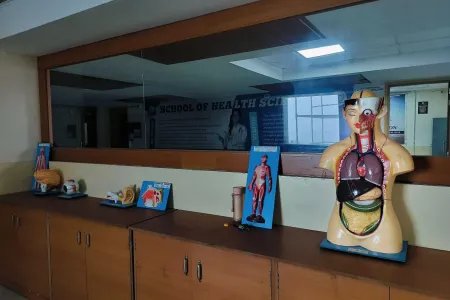
Anatomy & Physiology Lab

Anatomy & Physiology Lab

Explore More
04
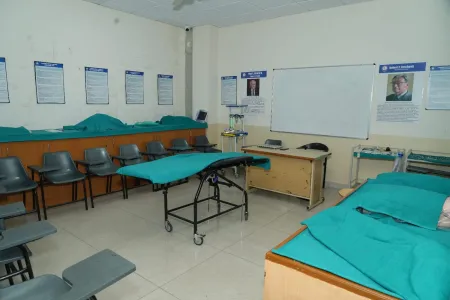
Operation Theatre (OT) Demo Lab

Operation Theatre (OT) Demo Lab

Explore More
05
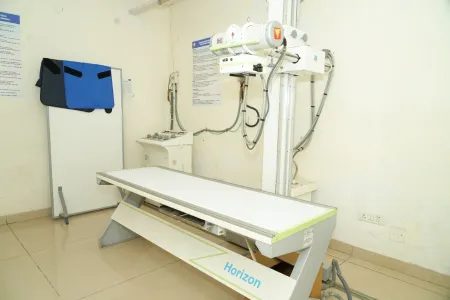
Radiology Lab

Radiology Lab

Explore More
06
Physiotherapy OPD

Physiotherapy OPD

Explore More
07
Biomechanics and Exercise Lab

Biomechanics and Exercise Lab

Explore More
08

Backed by the Legacy of CT Group, Driven by Proven Success

30000+

Placements

800+

Collaborations

1.2Cr

Highest Placement

1800+

Recruiters

1 Lac+

Alumni

40Cr

WORTH SCHOLARSHIP

Hear From Our Students

"

"CT University’s commitment to excellence in education is reflected in its B.Sc. Physiotherapy program. The rigorous training, focus on evidence-based practice, and emphasis on patient rehabilitation have prepared me to provide effective and ethical physiotherapy care in my career."

"

"CT University ensures a well-rounded experience by balancing academics with extracurricular activities. Various workshops, competitions, and student-led initiatives kept me engaged and motivated, helping me grow both professionally and personally."

"

"The internships and clinical training opportunities at CT University provided me with hands-on experience in hospitals and rehabilitation centers. Working under expert supervision gave me the confidence and practical skills needed to excel as a physiotherapy professional."

"

"What I appreciate most about CT University is its focus on patient-centered care and ethical practices in physiotherapy. The program not only teaches technical skills but also emphasizes compassion, safety, and responsibility in rehabilitation, shaping us into better professionals and individuals."

"

"The infrastructure at CT University is unmatched. The well-equipped labs, including digital radiography and advanced CT and MRI simulators, allowed me to practice and refine my skills. The emphasis on quality assurance and safety protocols in imaging technology ensures that graduates are well-prepared for real-world challenges."

"

"The curriculum at CT University is both comprehensive and future-focused. The B.Sc. Radiology and Imaging Technology course introduced me to advanced imaging techniques like CT, MRI, and Ultrasound, while also teaching me essential soft skills. Thanks to the guidance and placement opportunities provided, I secured a position in a reputed hospital before graduating."

"

"CT University stands out for its student-centric approach. The B.Sc. Radiology program is designed to meet industry standards, and the professors are always approachable and ready to assist. The emphasis on practical learning and internships has given me confidence and clarity in my chosen field. I highly recommend this course to anyone interested in a career in radiology."

"

"My experience at CT University has been truly transformative. The B.Sc. Radiology and Imaging Technology course provides an exceptional blend of theoretical knowledge and hands-on training. The faculty's expertise and the university's state-of-the-art labs have helped me gain a deep understanding of modern imaging techniques. This course has prepared me well for my career in medical imaging."